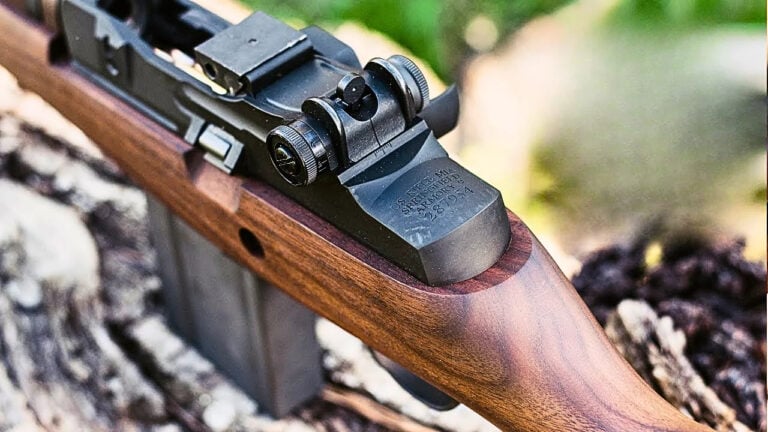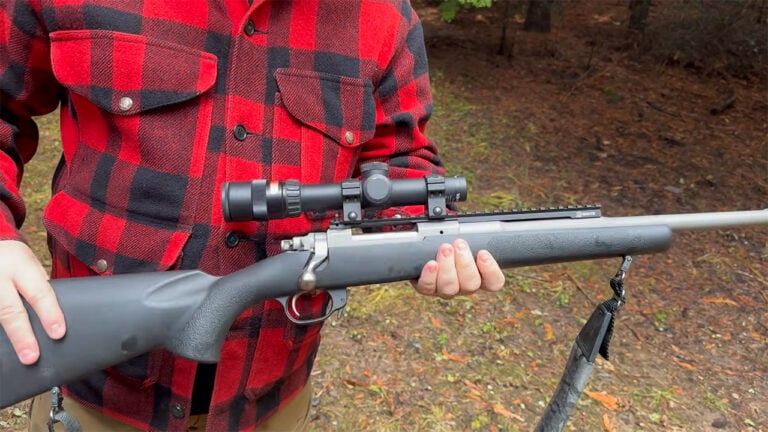
Photo credit: Elliott Delp/Youtube
The funny thing about being “the gun person” in the family is nobody asks you when they’re browsing. They ask after they’ve already held three different guns at the counter, read twelve forum threads, and now they want you to bless whatever caught their eye. When it’s a buddy, I’ll talk them through options. When it’s family, I get more blunt, because I don’t want anybody stuck with something finicky, hard to feed, or miserable to shoot.
This isn’t a list of what’s coolest. It’s what I actually point them toward when they want one gun for a job, and they want it to work. These are mostly boring on purpose. Boring guns get shot, carried, cleaned, and trusted.
1. Glock 19 (Gen 5)
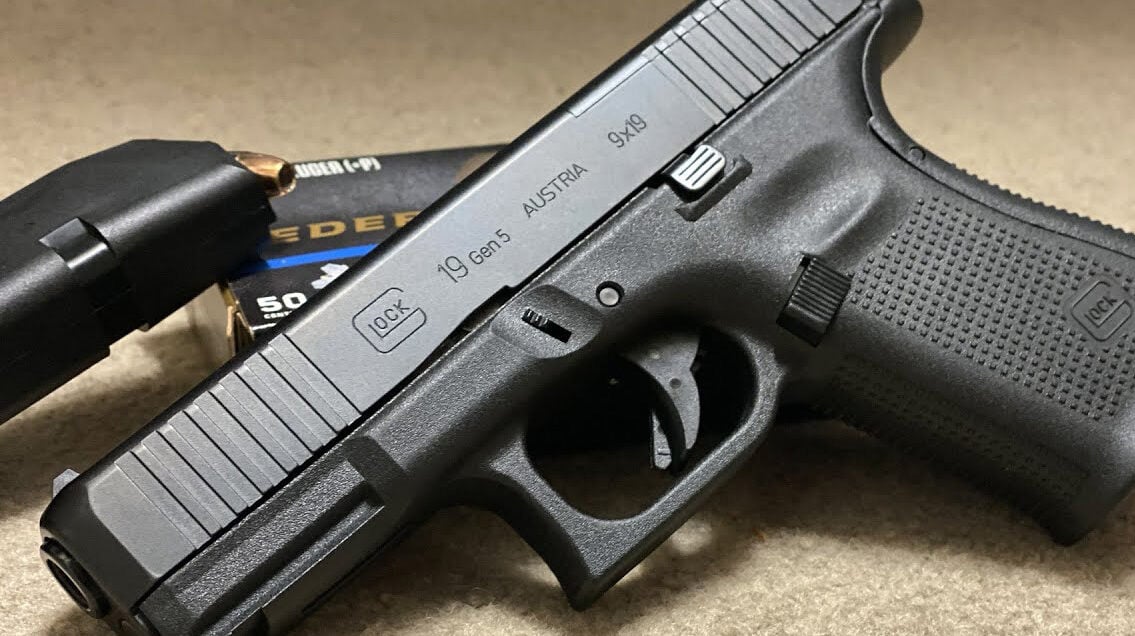
If you only buy one handgun and you want it to cover concealed carry, home defense, and range practice without drama, this is the one I keep circling back to. It fits enough hands, parts are everywhere, mags are everywhere, and it runs dirty and dry better than most folks admit matters.
It’s not the softest shooter and it’s not the smallest to carry, but it’s the most “normal” handgun choice there is. When somebody in the family asks what to buy and they don’t have a strong preference, I’d rather they start here than chase some niche thing they can’t get holsters or magazines for.
2. Smith & Wesson M&P 2.0 Compact 9mm (4″)
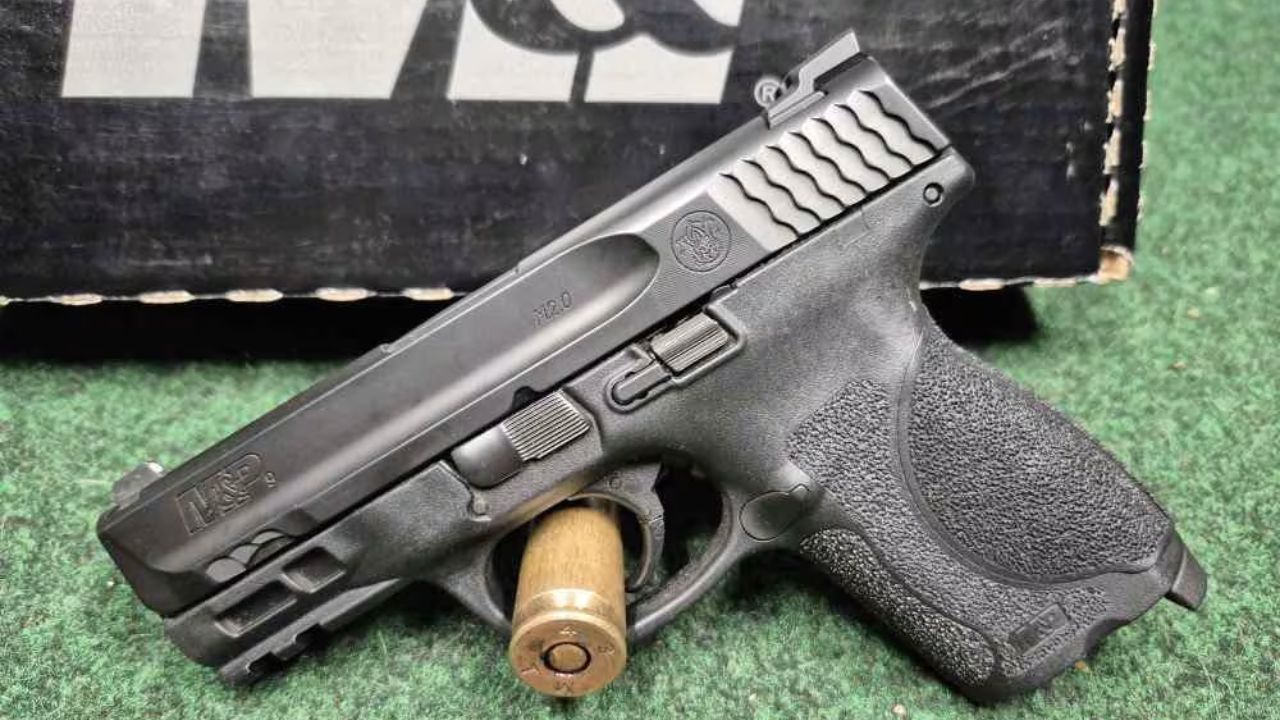
This is the other “do everything” compact 9 that I recommend a lot, especially for folks who pick up a Glock and just don’t like the grip angle. The M&P points naturally for many shooters, and the texture actually helps when hands are sweaty, cold, or slick with rain.
It’s also a gun you can grow with. Add a light, keep it stock, run it hard—doesn’t matter. It’s not precious, and that’s a compliment.
3. SIG Sauer P365 (standard)
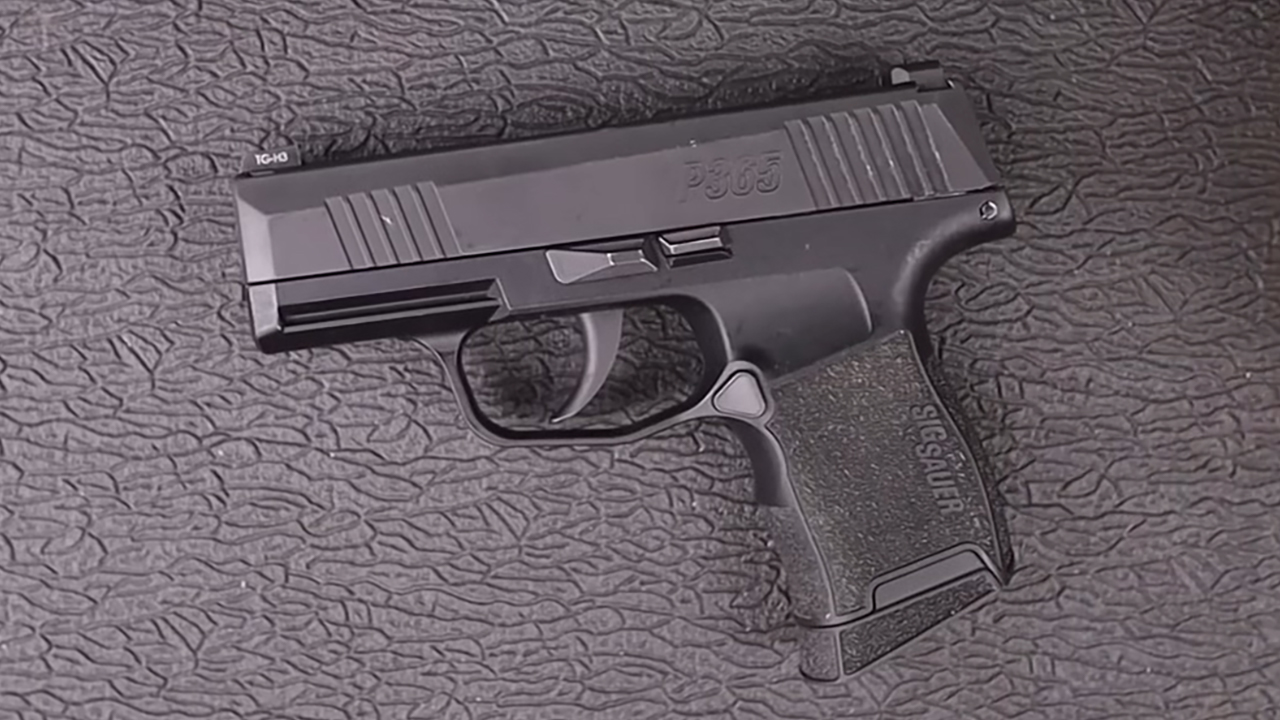
For a first-time carrier who keeps saying, “I’ll carry when it’s comfortable,” the P365 is the gentle shove toward reality. It’s small enough that it actually gets carried, but still big enough to shoot like a real pistol if you practice.
There are a hundred variations now, and that can confuse buyers. The plain model keeps it simple: buy it, buy a quality holster, buy a case of 9mm, and go shoot.
4. Ruger LCR .38 Special +P
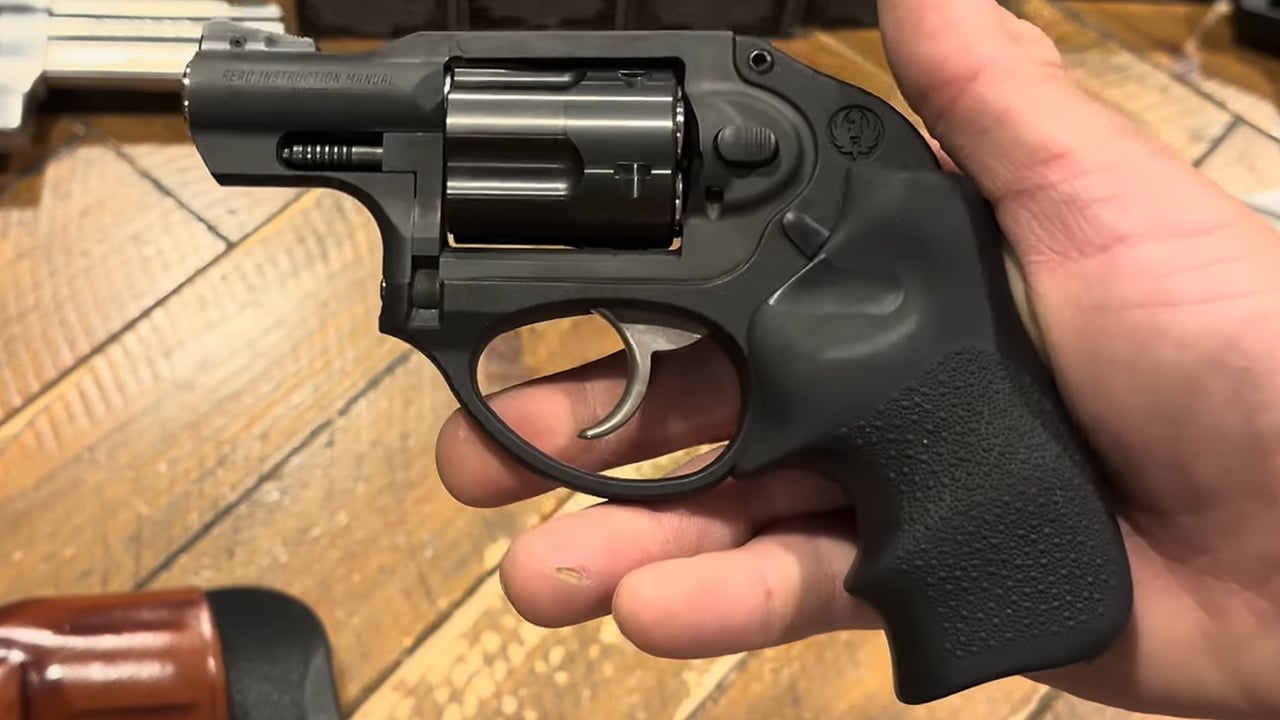
Not everyone wants a semi-auto, and not everyone is willing to practice malfunction drills. The LCR is light, simple, and it disappears in a pocket with the right holster. It’s also one of the few lightweight snubs that doesn’t feel like it was designed as punishment.
Here’s the honest part: it’s not fun at the range. But for a person who will shoot it enough to stay honest and then actually keep it on them, it does the job.
5. Ruger GP100 (4″, .357 Magnum)

If someone wants a revolver they can shoot a lot without loosening screws and chasing timing issues, the GP100 is a work boot. It’s not dainty. It’s not “collector pretty.” It’s a shooter.
Run .38s for practice, keep .357s as an option, and you’ve got a gun that will still be running when the grandkids are asking about it. It’s heavy on the hip, but steady in the hands.
6. Smith & Wesson Model 686 (4″ or 6″)
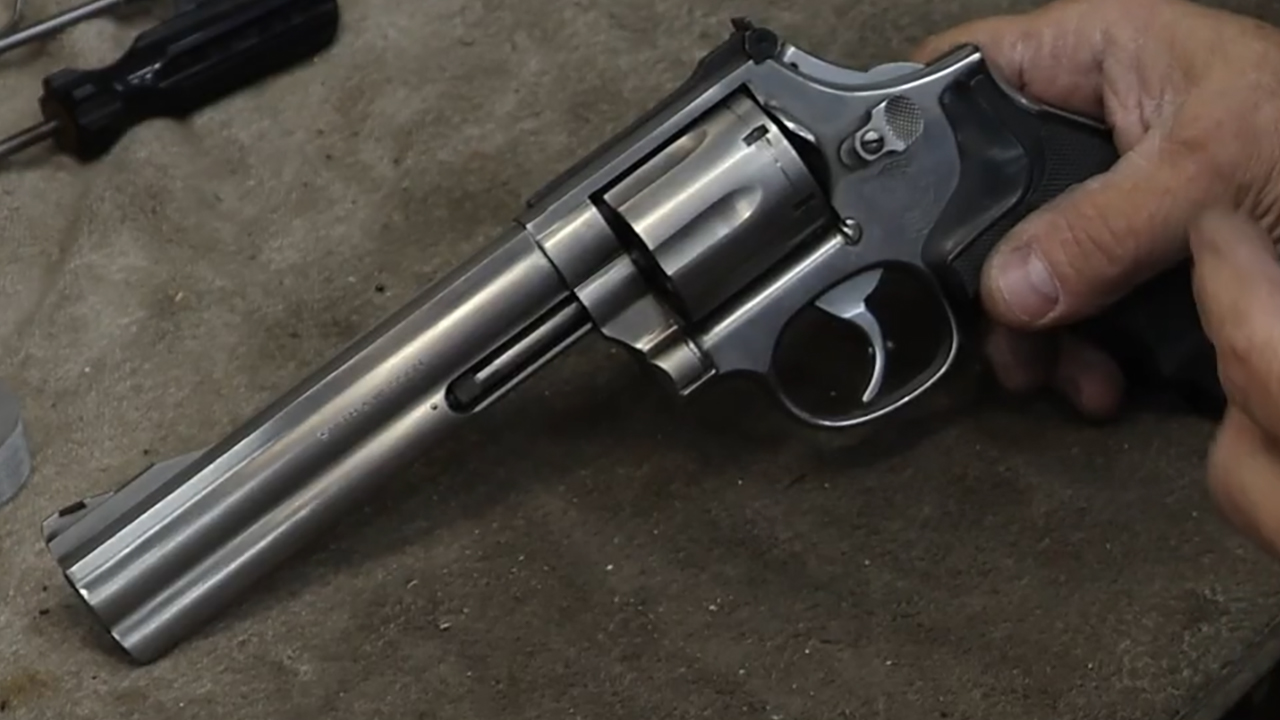
When someone says they want a revolver because they like revolvers—not because they’re afraid of semis—the 686 is hard to beat. The trigger feel on a good one is the kind of thing that makes you slow down and shoot better.
I steer folks to this when they want a range gun that can also ride in a nightstand. It’s not cheap, but it also doesn’t leave you wishing you’d bought once and cried once.
7. Ruger 10/22 Carbine
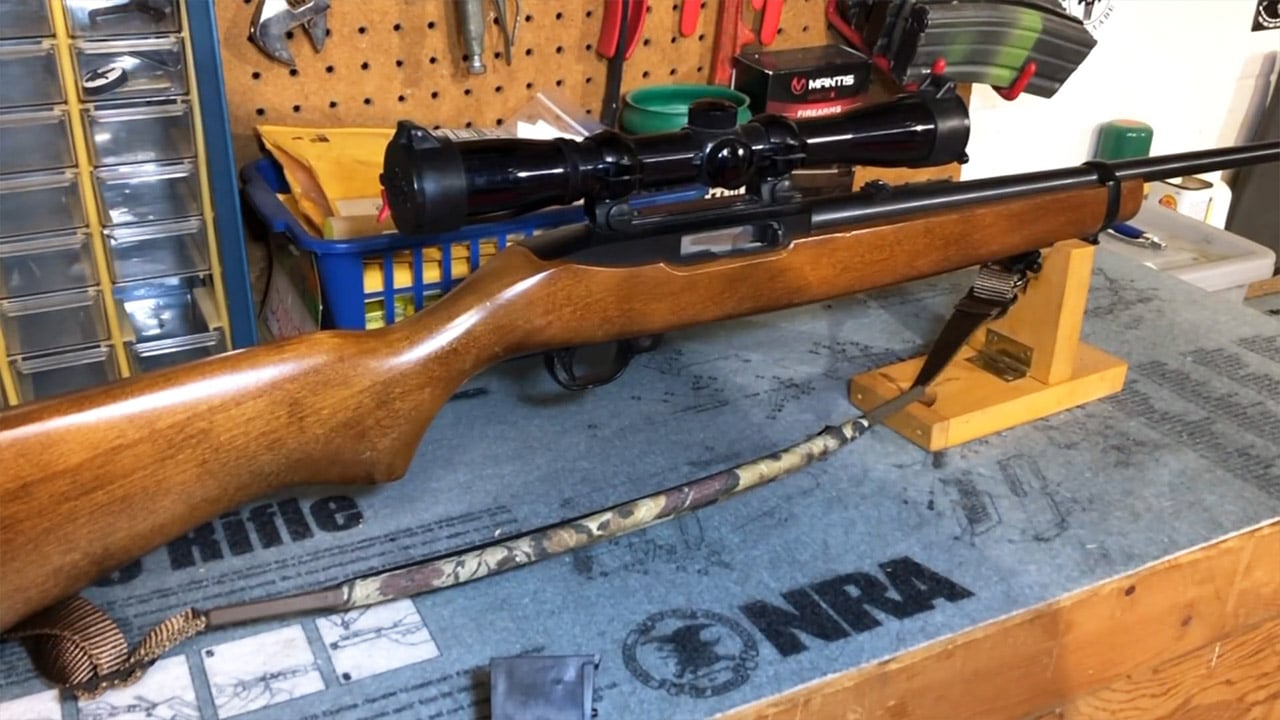
If you have kids in the family, or you just want a rifle you’ll shoot all the time, a 10/22 belongs in the safe. It’s a training tool, a squirrel rifle, and the “I’ve got 30 minutes before supper” plinker that keeps your fundamentals from getting rusty.
It’s also the easiest rifle in America to keep running. Magazines and parts are everywhere, and every range in the country has seen one.
8. CZ 457 (American or Varmint)

When somebody thinks they “don’t like” .22s, a good bolt gun fixes that. The CZ 457 has the kind of smooth action that makes people want to shoot tiny groups and take their time.
This is the rifle I recommend to the family member who likes hunting and wants to stretch into precision without getting lost in a $2,500 rabbit hole. Put a decent scope on it and you’ll grin a lot.
9. Ruger American Rifle (in .308 Winchester)

For the hunter who wants a straightforward deer rifle, the Ruger American is the no-nonsense pick. It’s light, it’s accurate enough to embarrass rifles that cost twice as much, and it doesn’t mind being carried through brush and bounced in a truck.
I like .308 here because ammo is everywhere and it’s forgiving. Deer, hogs, even elk with the right bullet and honest ranges—this setup just works.
10. Tikka T3x Lite (in 6.5 Creedmoor)
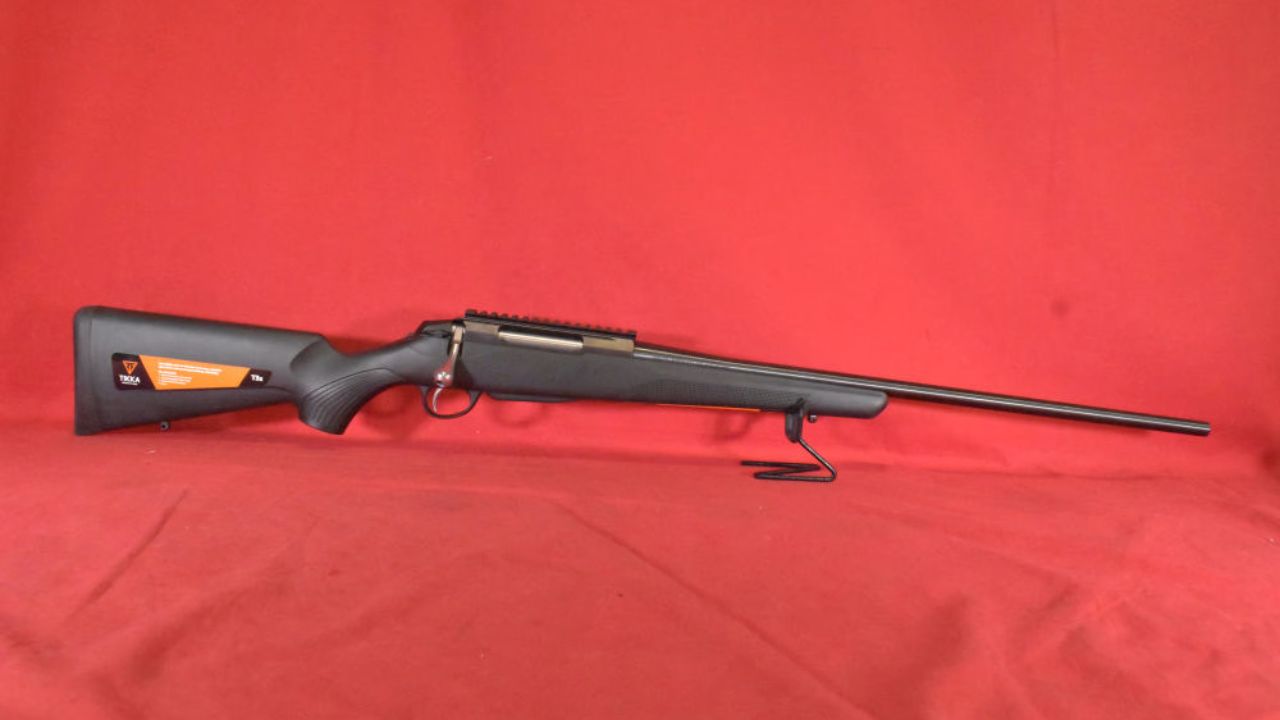
If someone in the family is willing to spend a little more for a bolt gun that feels slick every time you run it, I point at Tikka. The action is smooth, the barrels shoot, and it’s the kind of rifle that makes practice feel easy.
In 6.5 Creedmoor it’s a soft shooter, which matters more than internet tough guys want to admit. Less flinch equals better hits. Better hits equal shorter tracking jobs.
11. Winchester Model 70 (in .30-06 Springfield)

This one is partly heart and partly logic. A Model 70 in .30-06 is a rifle you can hand down without apologizing for it. It carries well, it points well, and it has that “real rifle” feel that a lot of budget guns don’t.
.30-06 isn’t trendy, but it’s still one of the most useful hunting cartridges ever made. If someone wants one rifle for a lifetime of seasons, it’s a solid answer.
12. Savage 110 (in .270 Winchester)

The Savage 110 is not a beauty queen, but it earns its keep. I’ve seen too many of them shoot lights-out with plain factory ammo to dismiss them as “cheap.” They’re also easy to set up for a hunter who’s still figuring out length of pull and scope position.
.270 Winchester is another “old” round that keeps doing what it always did: shoot flat enough, hit hard enough, and kill deer cleanly.
13. Marlin 336 (in .30-30 Winchester)

If your hunting is thick woods, short lanes, and quick shots, a lever gun still makes sense. The 336 carries like it was meant to be carried. It comes to the shoulder fast. It’s handy in a blind and it’s even handier slipping through timber.
I tell family members not to overthink it. A good .30-30 load and realistic distances is a recipe that has filled freezers for a long time.
14. Henry Big Boy Steel (in .357 Magnum)

This is the lever gun I recommend when someone wants one rifle that’s fun, practical, and not punishing. In .357 it’s mild, it’s cheap-ish to feed compared to boutique rifle cartridges, and it’s surprisingly useful for close-range deer with the right load.
It’s also a rifle that gets shot for enjoyment. And guns that get shot are guns you actually understand.
15. Mossberg 500 (12 gauge)
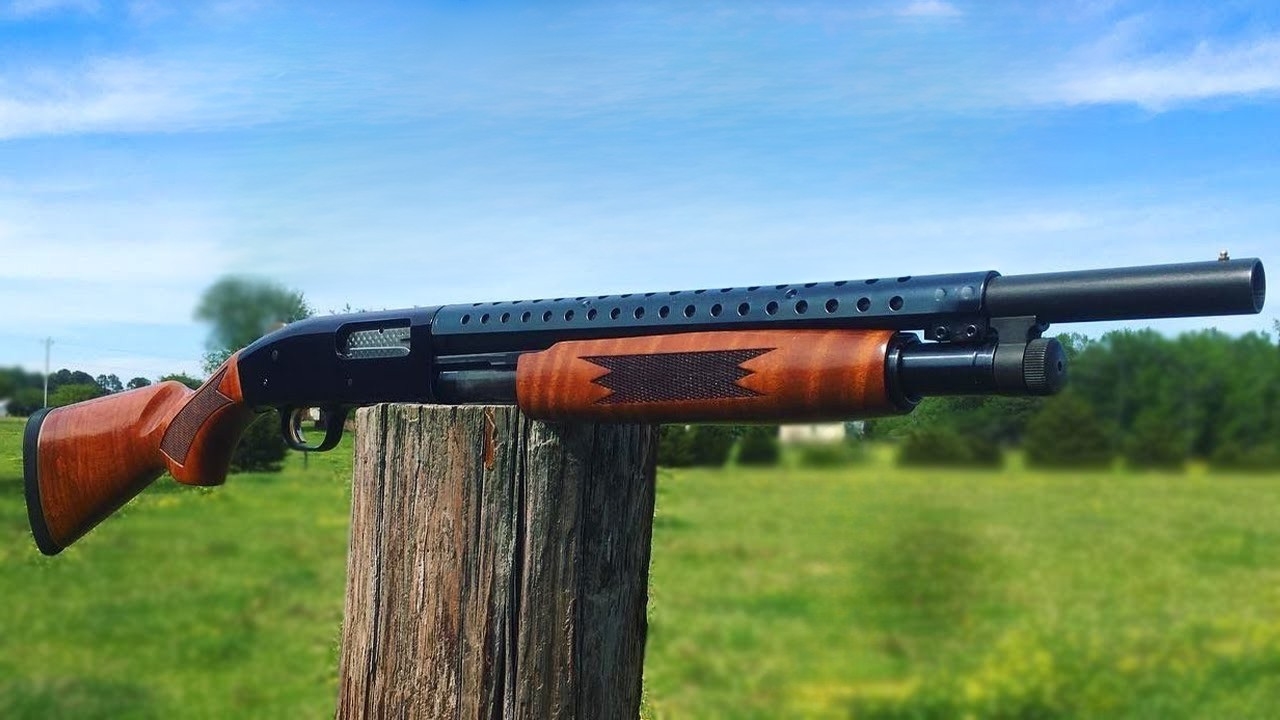
For a first shotgun that can do home defense, deer (with slugs), and birds (with the right barrel and choke), the Mossberg 500 is a safe recommendation. It’s not fancy, but it’s tough and it’s been tough for a long time.
The controls are straightforward and it’s easy to find accessories without getting weird about it. Keep it simple, keep it reliable, and pattern your bird loads. Ask me how I know.
16. Remington 870 (Wingmaster or Police)
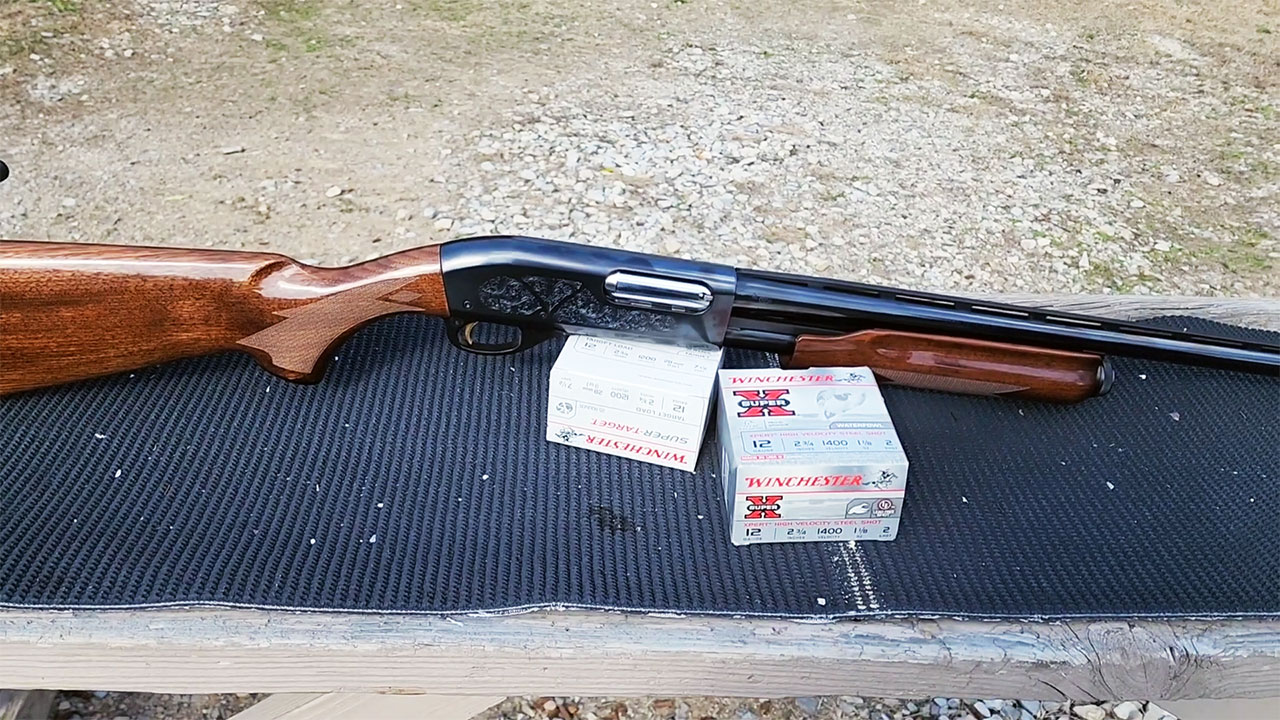
If someone wants an 870, I steer them toward older Wingmasters or a Police model. The action on a good one feels like it’s on rails, and that matters when you’re cycling under stress or in cold weather with gloves on.
There are newer 870s that run fine, and there are some that don’t. For family, I’d rather recommend a known quantity that will still be smooth after a few muddy seasons.
17. Beretta 1301 (12 gauge)
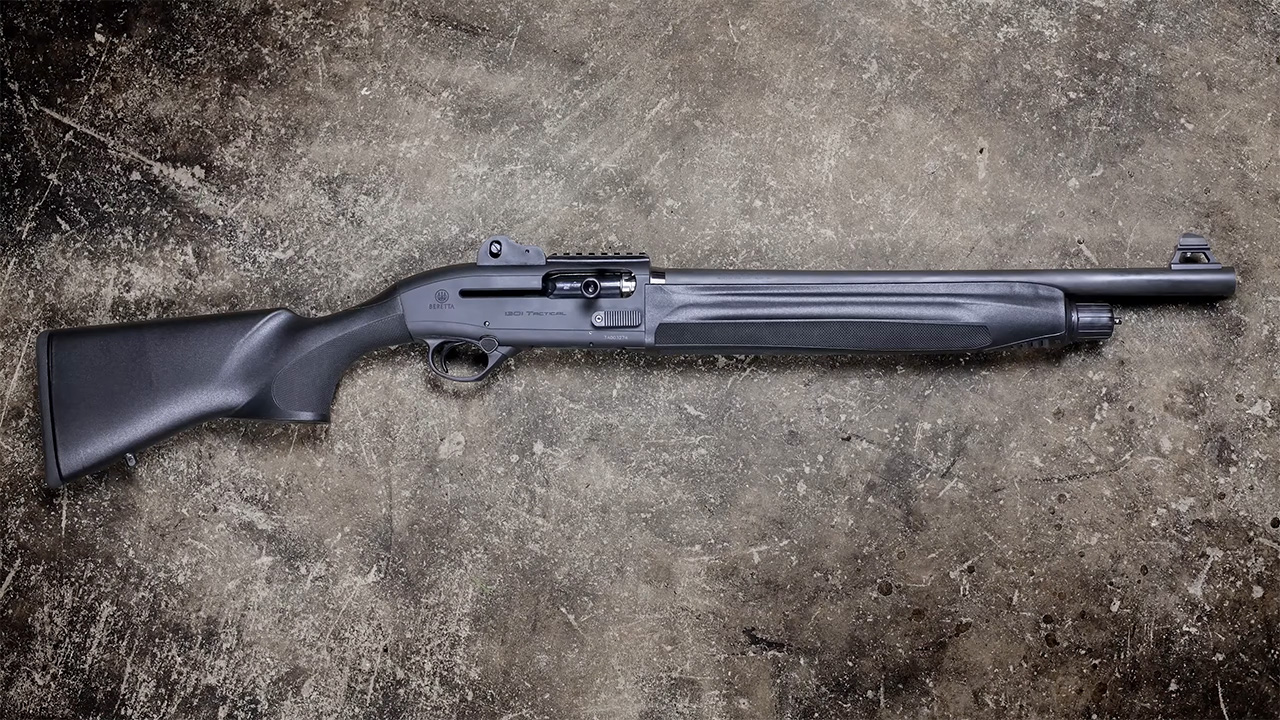
When a family member says they want a semi-auto shotgun for home defense and they’ll actually train with it, the Beretta 1301 is my answer. It cycles fast, it’s reliable with a wide range of loads, and it doesn’t beat you up like some cheaper semi-autos can.
It’s not a budget buy, but it’s also not a “tinker with it for two years” gun. Out of the box, it’s ready to be a serious tool.
18. Benelli Super Black Eagle 3
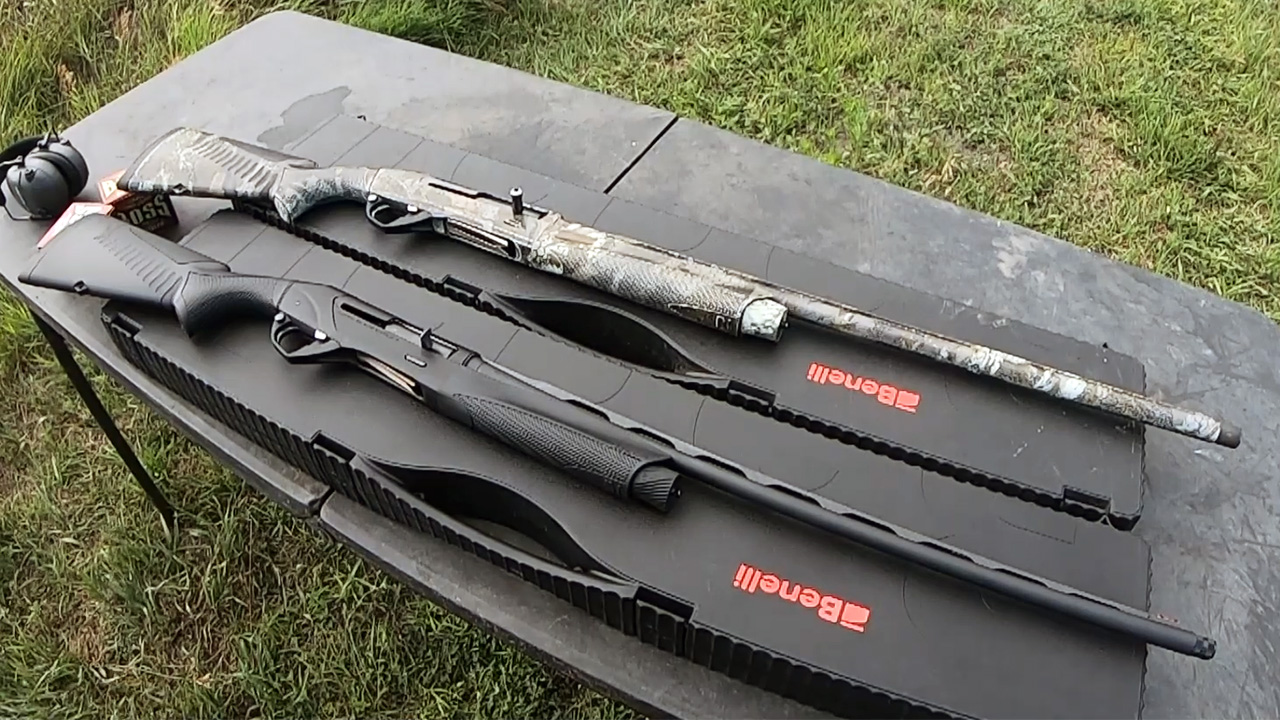
For the waterfowler in the family who’s hard on gear, hunts in nasty weather, and needs a gun that won’t turn into a single-shot when things get wet and cold, I point at Benelli. The SBE3 isn’t cheap, but it’s built for the kind of mornings where you’re already tired before legal light.
Fit matters here, and not everyone loves the feel. But if it fits you, you can hunt it hard for years and not baby it.
19. Smith & Wesson M&P15 Sport II
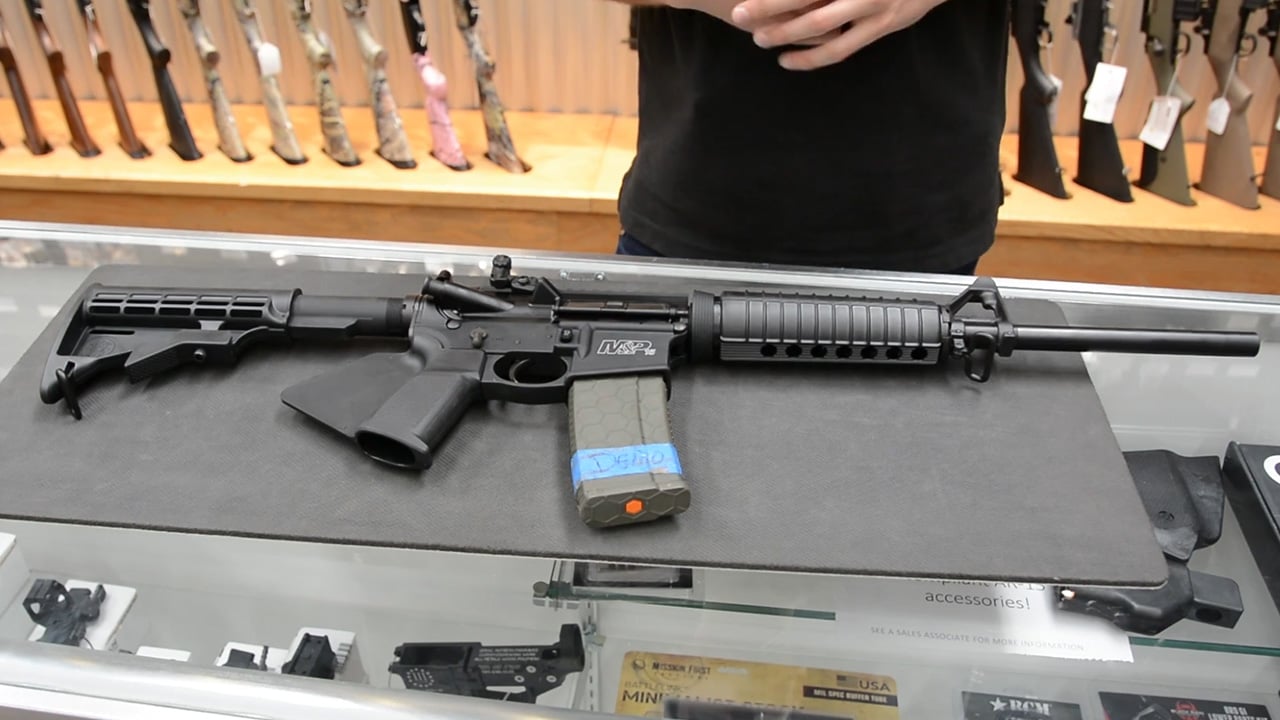
For a first AR that’s going to be used for training, home defense, and general “keep it in the safe but also actually shoot it” purposes, the Sport II is a practical start. It’s light, it tends to run, and you can find magazines and parts without digging through obscure corners of the internet.
It’s not a match rifle and it’s not a flex. It’s a rifle that lets you learn the platform without paying for a roll mark.
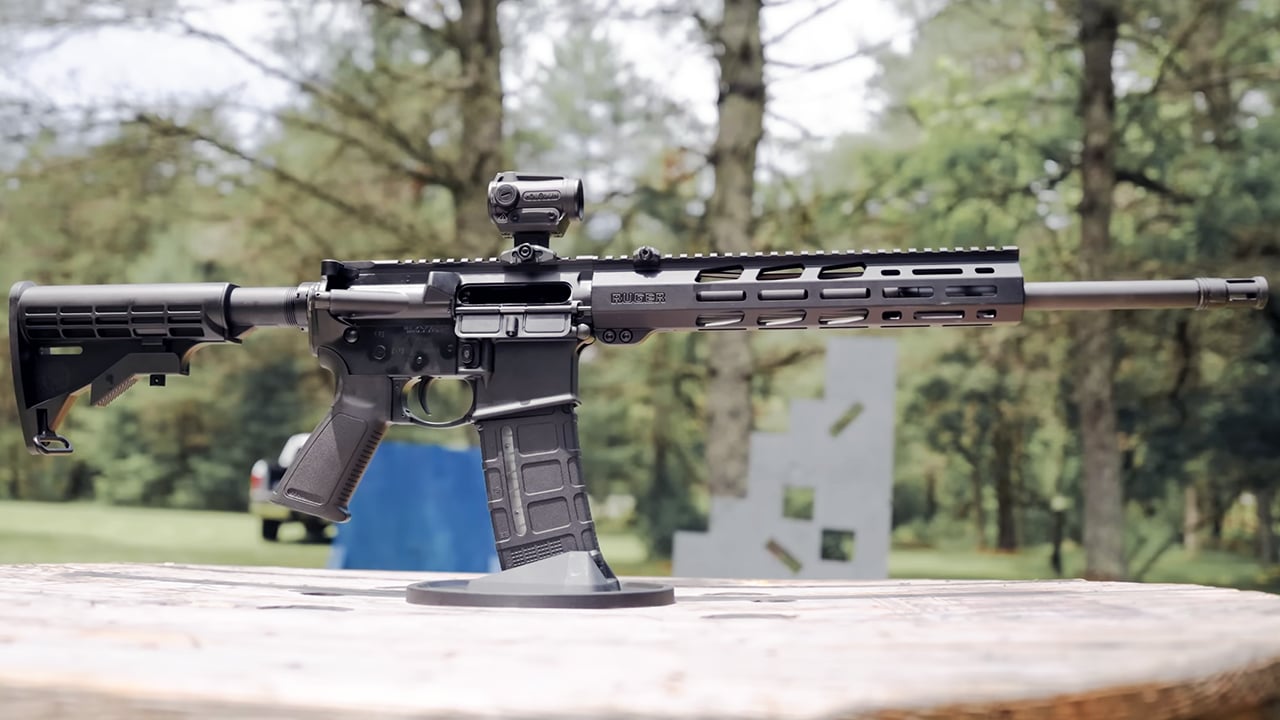
20. Ruger AR-556
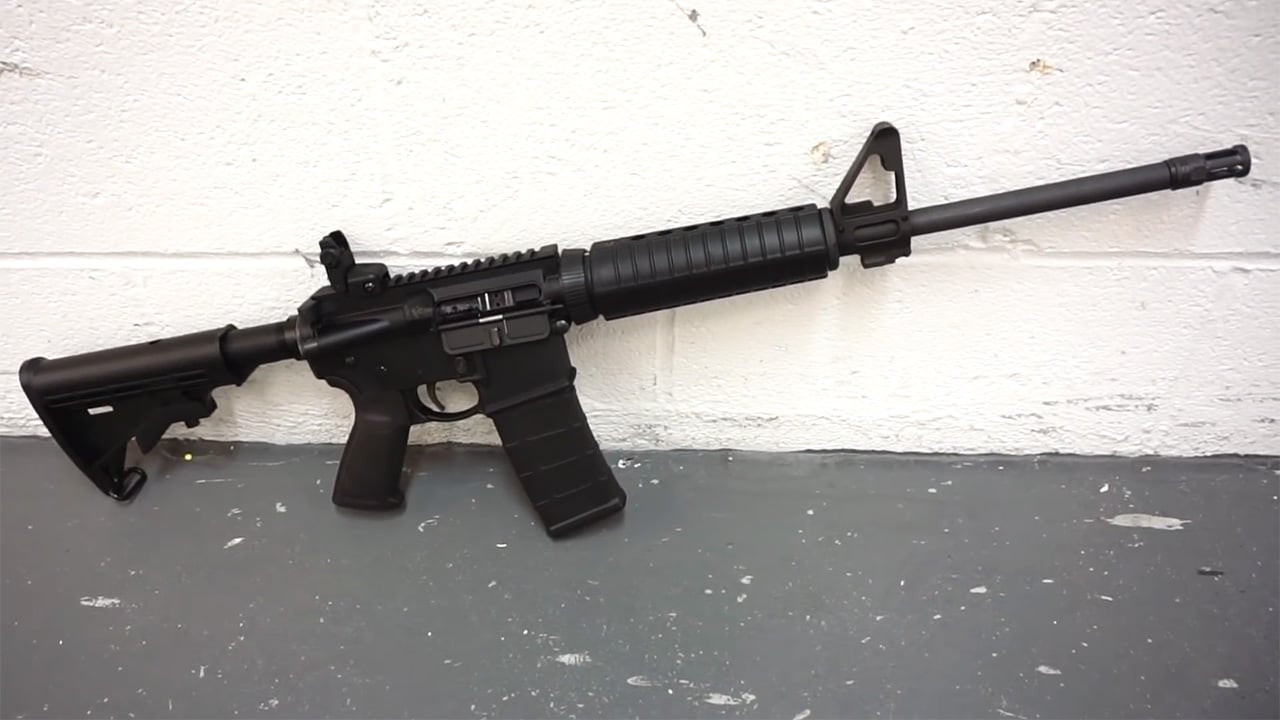
If the family member is shopping for an AR and they want something mainstream with decent support and a straightforward setup, the AR-556 is a good lane to stay in. It’s the kind of rifle you can zero, feed it decent ammo, and spend your money on optics, a sling, and training instead of troubleshooting.
Just don’t buy an AR and then never confirm zero, never function-test magazines, and never practice. The rifle is only half the deal.
I’m not saying these are the only good guns out there. I’m saying these are the ones I’m comfortable steering family toward because they’re proven, supported, and they don’t demand a personality change to own. Buy a solid model, keep it clean enough, store it safely, and spend the rest of your energy on ammo and range time. That’s where the real confidence comes from.
Like The Avid Outdoorsman’s content? Subscribe to our newsletter so you never miss an article.
Here’s more from us: