
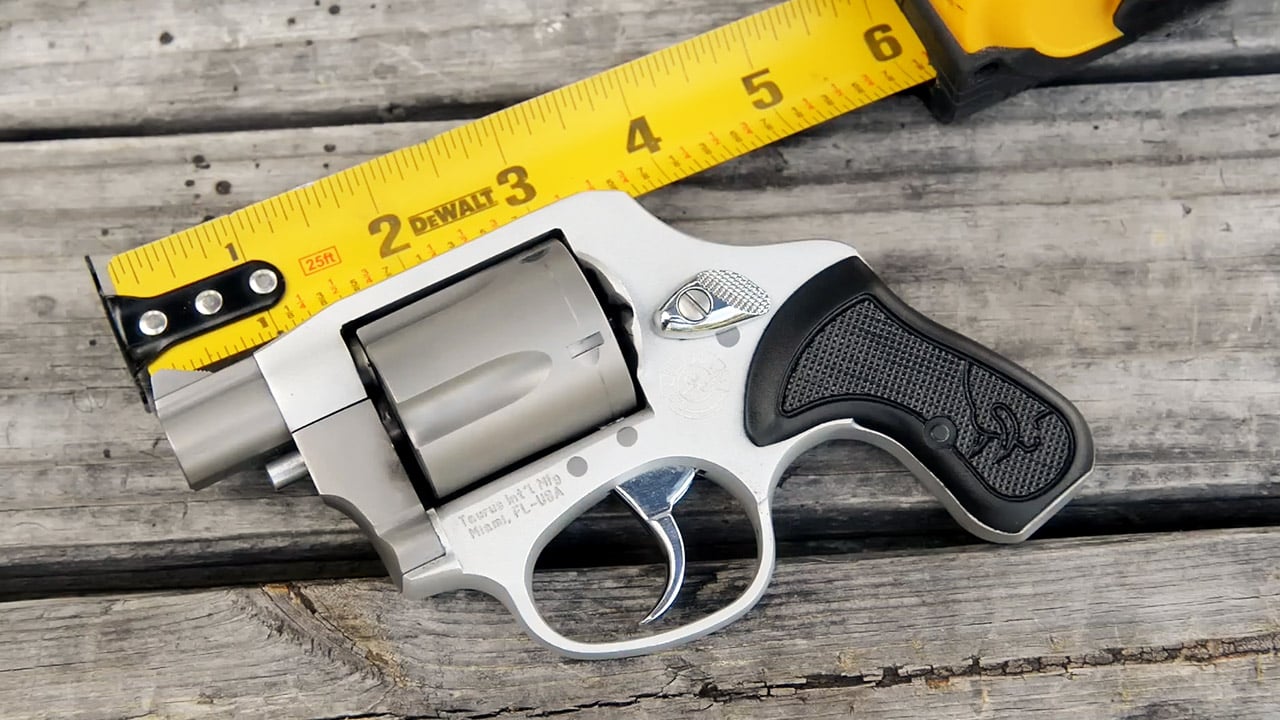
Photo credit: Iraqveteran8888/Youtube
I’ve bought and sold plenty of handguns over the years. Some went down the road because I needed cash, some because I thought I was “upgrading,” and a few because I just got bored and wanted to try the next thing. I still think about a couple of the ones I let go. That one hurts.
But there’s a short list of revolvers that have stuck around through seasons, moves, job changes, and the usual safe reshuffling. They’re not all perfect. A few are heavy. A couple are downright plain. One is probably more sentimental than practical. Still, these are the ones I’ve owned long enough to know exactly what they are, and I’m not quick to part with any of them.
1. Smith & Wesson Model 10 (4-inch, .38 Special)

This is the revolver that reminds you why the .38 Special became a standard in the first place. The K-frame points natural, the sights are honest, and the whole gun just feels balanced in the hand. Mine has the kind of wear you can’t fake—holster shine and thin bluing at the muzzle.
It’s not flashy and it doesn’t impress anybody online, but it will shoot better than most folks can hold. It’s also the revolver I hand to a newer shooter when I want them to leave the range smiling instead of flinching.
2. Ruger GP100 (4.2-inch, .357 Magnum)
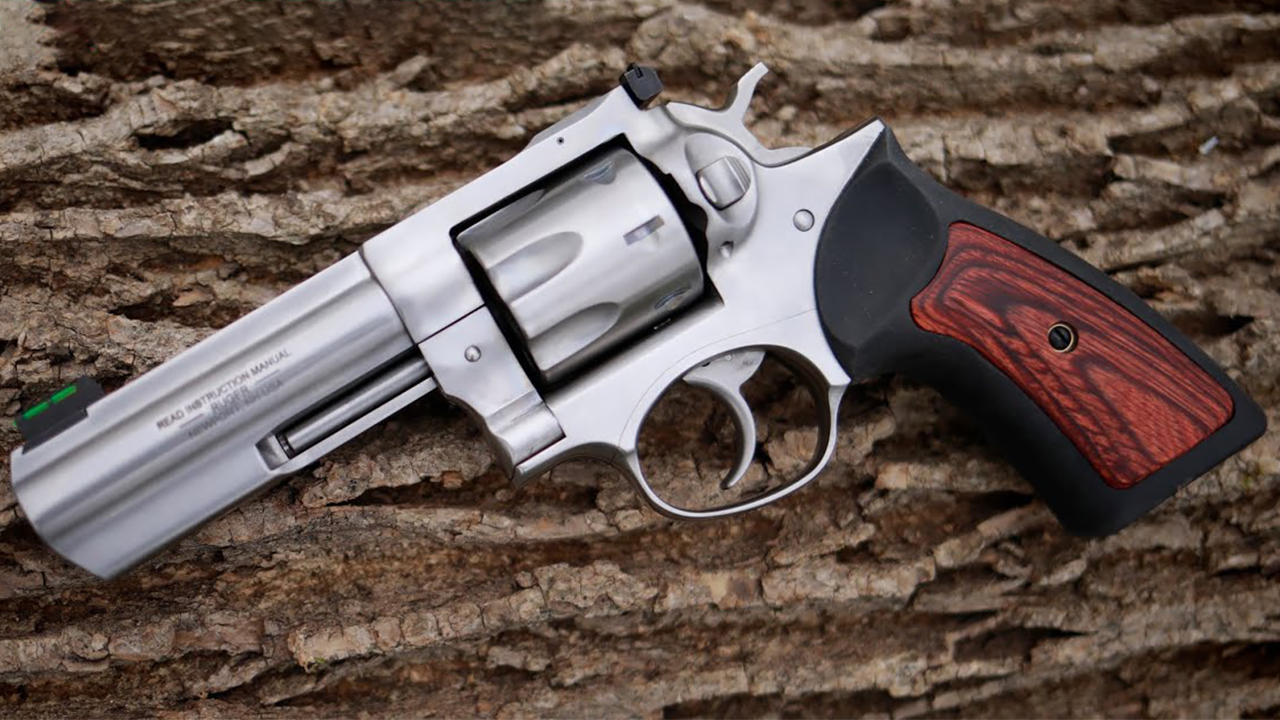
If I could only keep one “do everything” revolver, it would be a GP100. It’s not the lightest, and it’s not the slickest action out of the box, but it’s built like farm equipment. Mud, dust, and rough handling don’t seem to bother it.
With .38s it’s a pussycat. With full-house .357 it’s controllable enough to be useful, not just loud. This is one of those guns that earns trust over years, not a weekend.
3. Smith & Wesson Model 686 (6-inch, .357 Magnum)

The 686 is the “range truth serum” revolver. If you can’t shoot groups with a good 686, it’s not the gun. The extra barrel length calms everything down, and the sight picture is easy to live with.
Mine has spent time as a hunting-sidearm companion and plenty of time punching paper. It’s a little big for anything resembling comfortable carry, but it’s a revolver I’ll never be without.
4. Ruger SP101 (2.25-inch, .357 Magnum)

Small revolvers are usually a game of compromises. The SP101 is one of the few that doesn’t feel like it’s going to shake loose if you actually practice with it. It’s heavy for its size, and that’s a compliment.
I don’t love the idea of running a steady diet of hot magnums through any snub, but the SP101 can handle real work. It carries like a brick, though—ask me how I know.
5. Smith & Wesson Model 19 (4-inch, .357 Magnum)
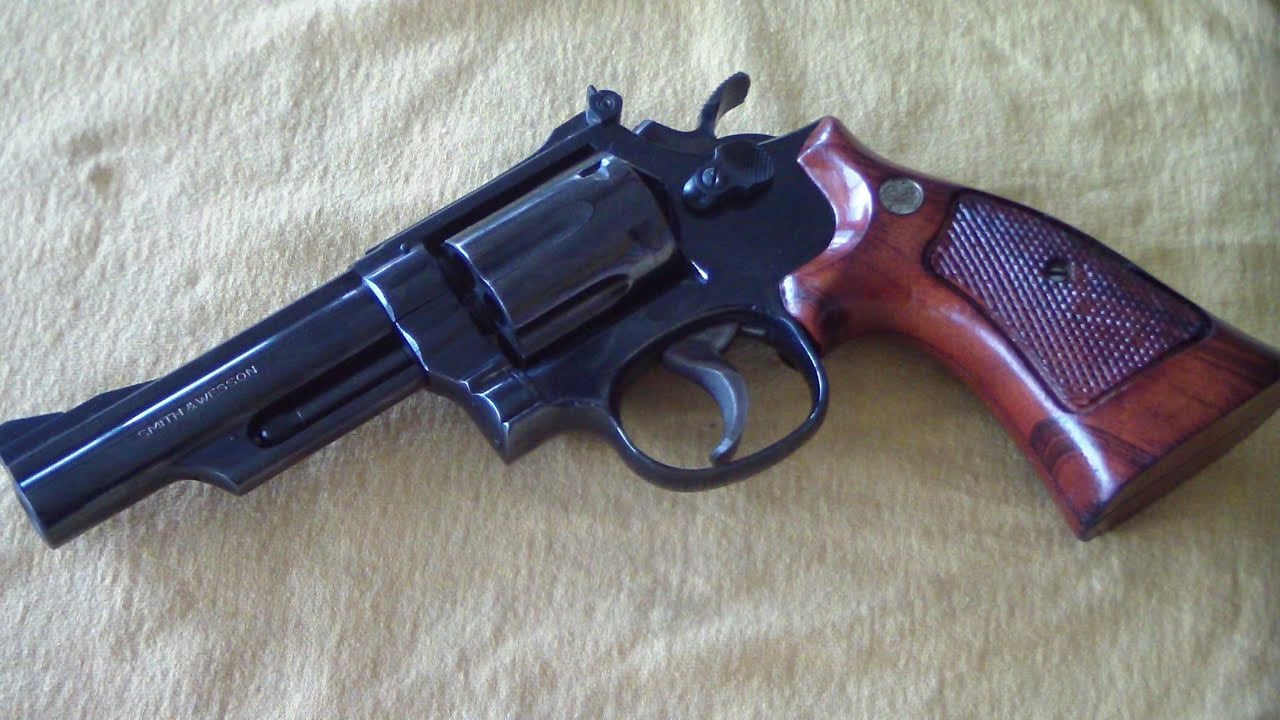
The Model 19 is one of those revolvers that just feels “right.” The lines, the balance, the way it comes up on target—it’s hard to explain until you’ve spent time with one. Mine is an older gun, and the trigger is the kind you don’t forget.
It’s not a “run the hottest loads forever” gun in my book. I shoot mostly .38s and sensible .357s. Treated like that, it’ll outlast most of us.
6. Smith & Wesson Model 29 (6.5-inch, .44 Magnum)

This one is half practicality and half respect. A good .44 Magnum revolver is a serious tool, even if most of its life is spent in a holster or a case. Mine is a heavy, classic N-frame that makes you slow down and shoot like you mean it.
It’s also the revolver that teaches you the difference between “I can handle recoil” and “I can shoot well with recoil.” Two different things.
7. Ruger Super Blackhawk (7.5-inch, .44 Magnum)
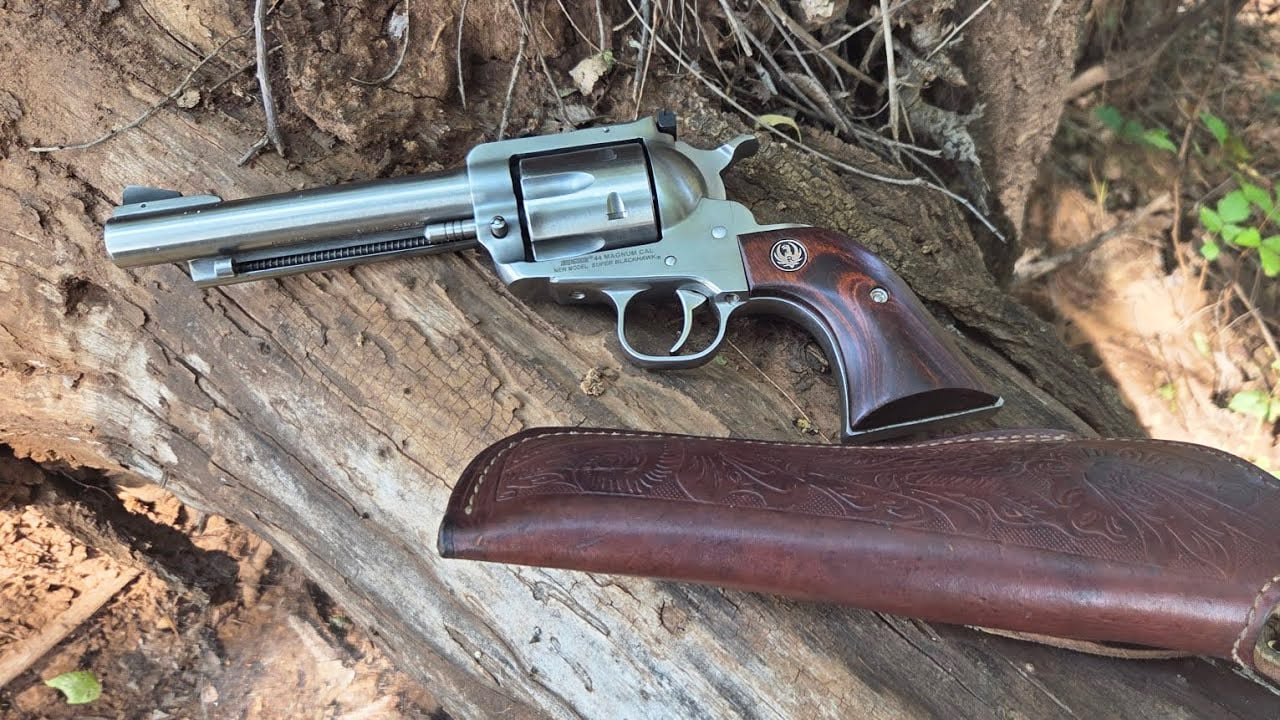
Single-actions aren’t for everybody, and I get why some folks try one and move on. The Super Blackhawk is big, old-school, and not interested in trends. It does, however, take .44 Magnum loads without feeling like it’s begging for mercy.
This is a sitting-on-a-stump, hunting-camp, slow-fire kind of revolver. When I’m in that mood, nothing else scratches the itch the same way.
8. Ruger Blackhawk (5.5-inch, .357 Magnum)
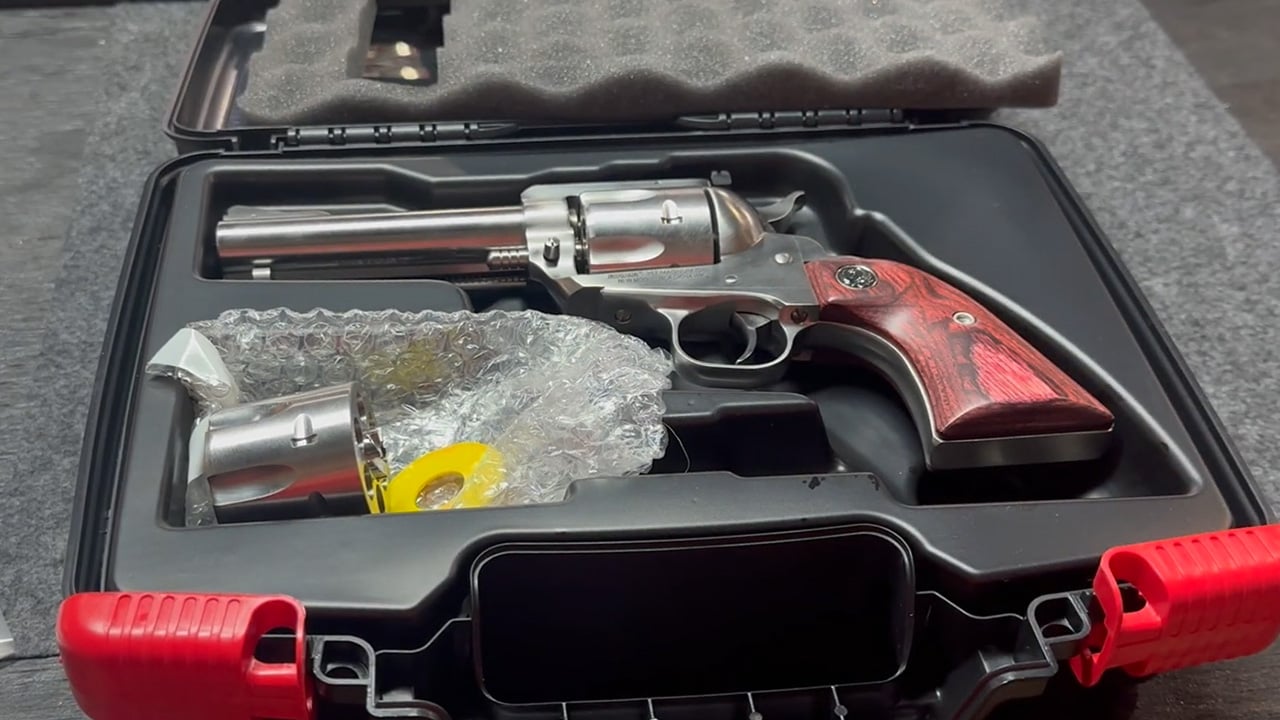
If I had to pick a single-action that actually gets used a lot, it’s a .357 Blackhawk. It’s economical to shoot, accurate, and the gun just runs. The adjustable sights help, especially when you bounce between light .38s and heavier .357 loads.
It’s also a good reminder that you don’t need a cannon to have fun and shoot well. This one turns ammo into grin.
9. Smith & Wesson Model 17 (6-inch, .22 LR)
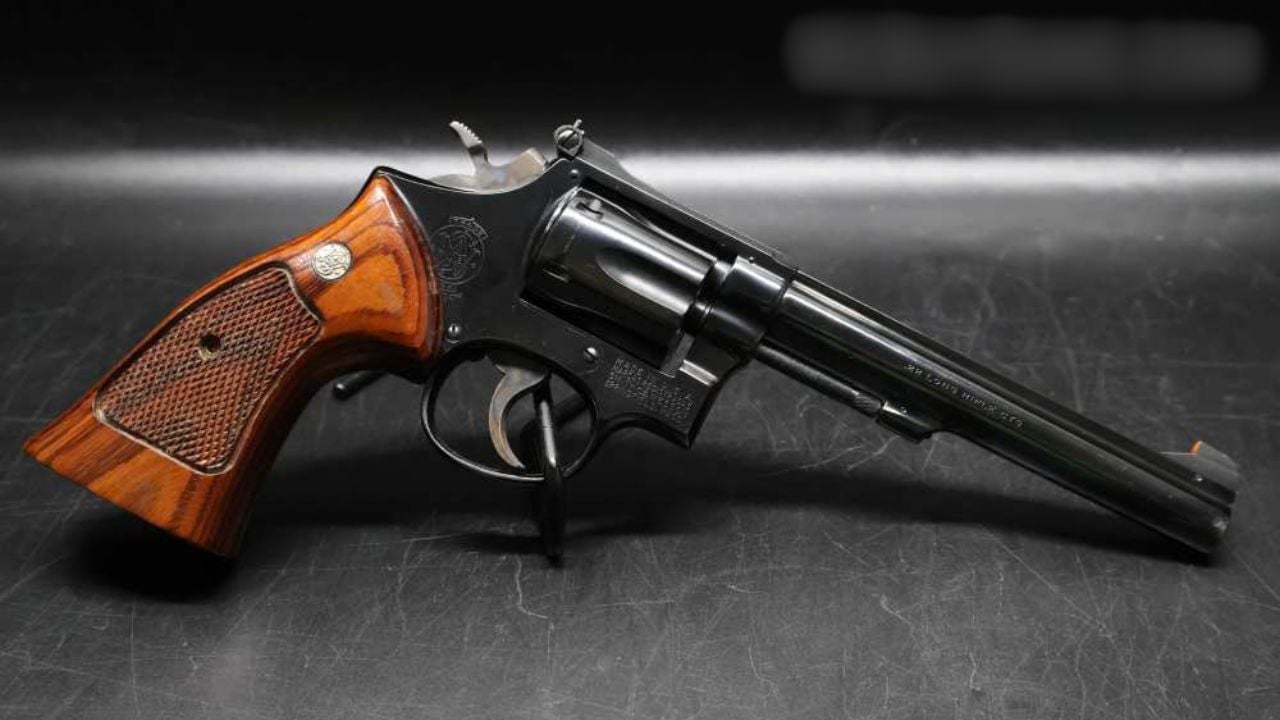
A good .22 revolver is one of the best training tools there is, and the Model 17 is hard to beat. The trigger control transfers, the sights are real sights, and you can shoot all day without beating yourself up or your wallet down too badly.
This is the revolver that makes new shooters better and keeps experienced shooters honest. If you can’t call your shots with a .22, you’re guessing.
10. Ruger Single-Six (5.5-inch, .22 LR)v
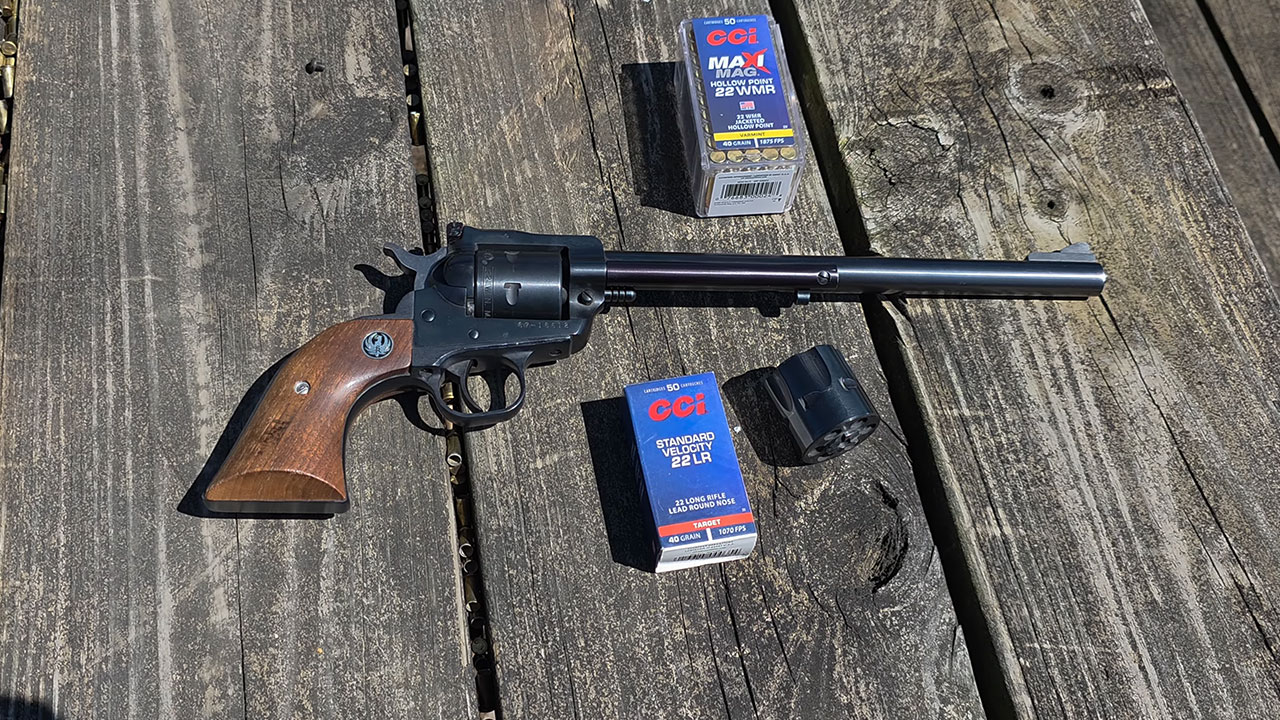
The Single-Six is the “walk around the property” revolver. It’s simple, reliable, and it doesn’t mind living a rougher life than a collectible .22 would. Mine has popped more pests and punched more tin cans than I could count.
There’s nothing fancy about it, and that is kind of the point. If you want a revolver you’ll actually grab without overthinking, this is one.
11. Colt Python (6-inch, .357 Magnum)
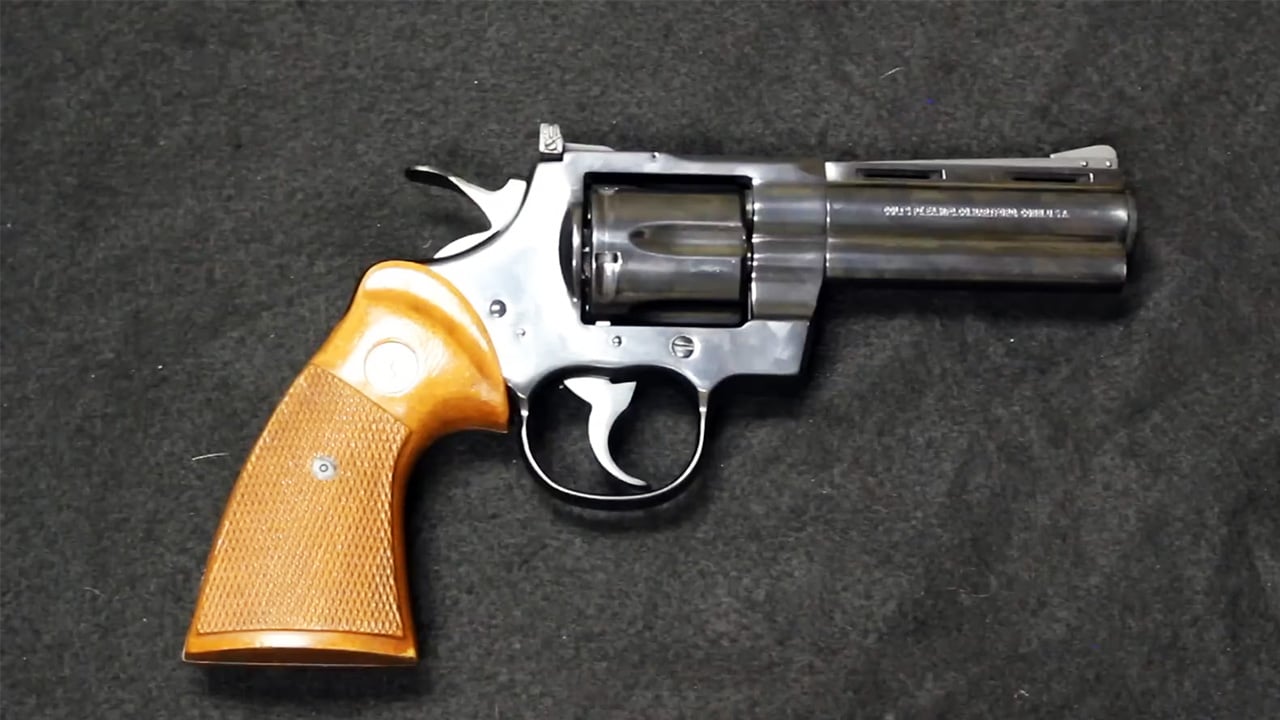
I’ve owned mine long enough to remember when they were expensive, but not insane. The action is smooth in a way that feels almost unreal if you’ve only handled modern production guns. It’s also a revolver that makes you want to slow down and do things right.
I don’t treat it like a safe queen, but I also don’t run it like it’s a rental. If you’ve got one you trust and you know its history, it’s hard to justify letting it go.
12. Colt Detective Special (2-inch, .38 Special)

This is a classic carry revolver size that still makes sense. The Detective Special carries better than a service gun and shoots better than most ultra-light snubs. Mine has a well-worn feel that makes it easy to run.
Is it the most modern option? Not even close. But it’s a real revolver with real sights and enough weight to practice with. That matters.
13. Smith & Wesson Model 36 (Chief’s Special, .38 Special)

J-frames have been in pockets and glove boxes for decades for a reason. The Model 36 is steel, which means it’s not the lightest, but it’s much easier to shoot well than the featherweight versions. Mine disappears in a coat pocket and comes out pointing where I’m looking.
It’s also a revolver that rewards simple upkeep. Keep it clean, keep the screws checked, and it will keep doing what it does.
14. Smith & Wesson Model 642 (Airweight, .38 Special +P)
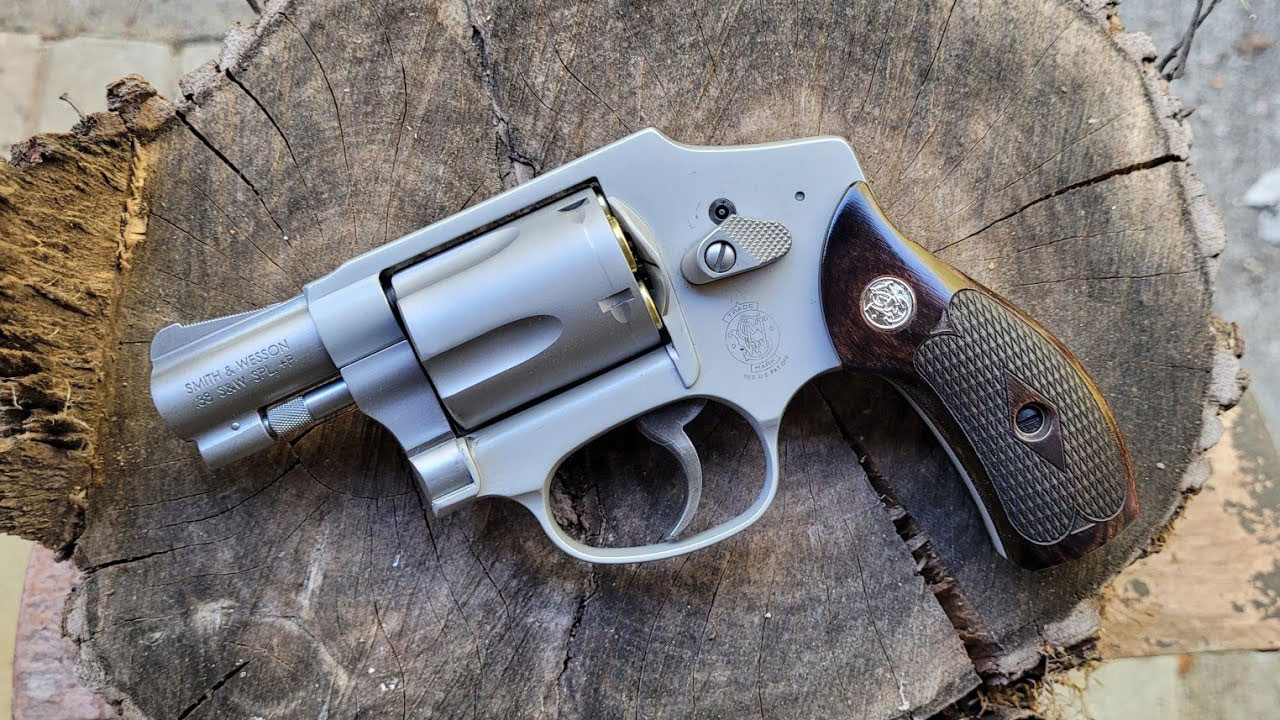
Here’s the honest truth: lightweight snubs aren’t fun. They’re not supposed to be. The 642 is for when you need light and simple and you’re willing to put the practice in anyway.
Mine has done a lot of quiet duty in a pocket holster. It’s the revolver I’m most likely to have on me when I didn’t plan on being out long. That’s real-world usefulness.
15. Ruger LCR (3-inch, .38 Special +P)

The LCR doesn’t win beauty contests, but the trigger is better than it has any business being in a small revolver. The 3-inch version is the sweet spot for me—enough sight radius to shoot well, still compact enough to carry without hating life.
It’s a working person’s revolver. It gets carried, it gets lint on it, it gets wiped down, and it keeps running.
16. Taurus Model 85 (2-inch, .38 Special)
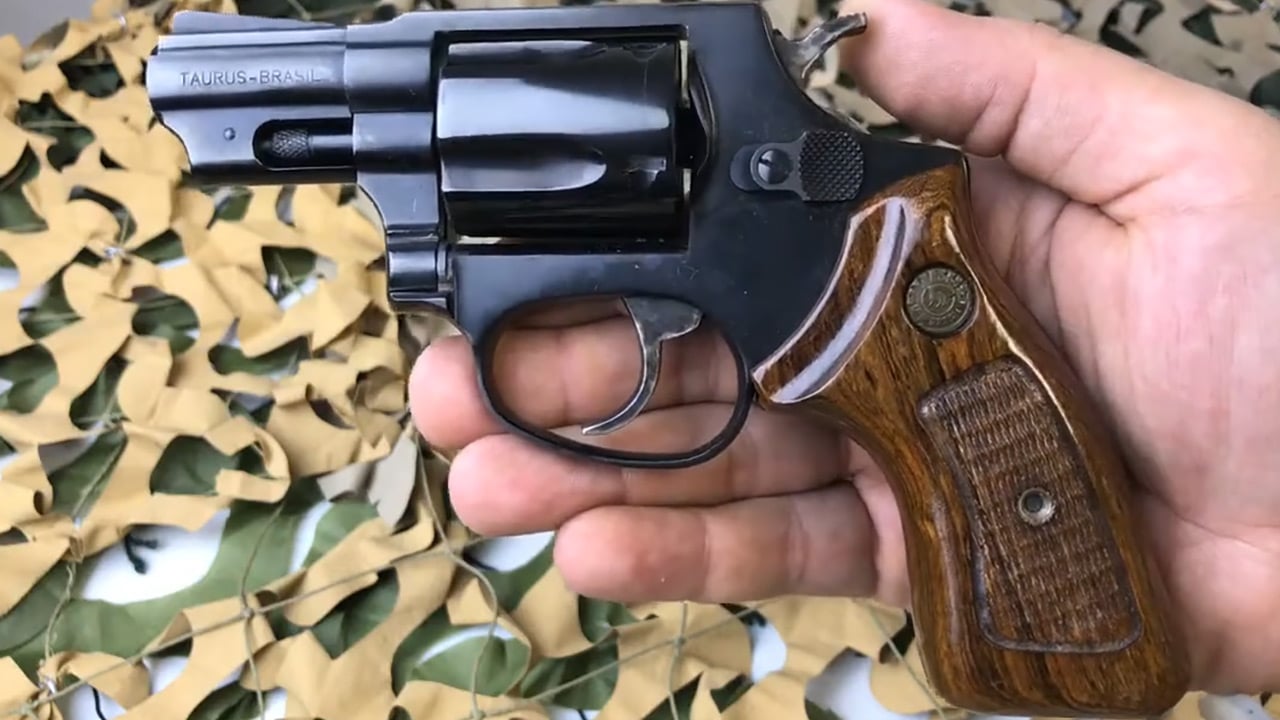
I’ve owned a few Tauruses over the years, and I’m not here to tell you every one of them is perfect. This Model 85, though, has earned its spot the hard way—by not giving me trouble. It’s a basic snub that does what it’s supposed to do.
It’s also a reminder that sometimes the “budget” gun you actually test and verify is better than the pricier gun you baby and never shoot. Reliability is proven, not assumed.
17. Charter Arms Undercover (2-inch, .38 Special)
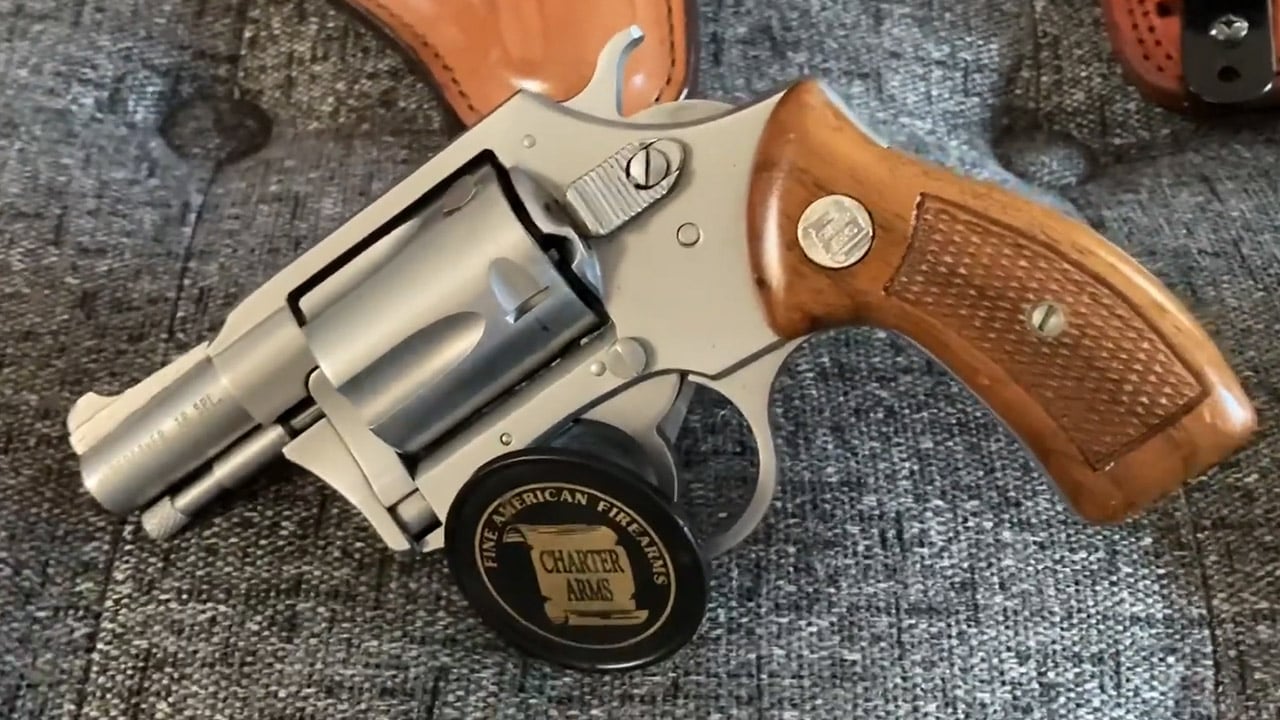
The Undercover is another plain revolver that’s easy to underestimate. It’s not as refined as the big names, but it’s light, simple, and mine has been dependable with the loads it likes. For a revolver that’s been around forever, it still fills a niche.
I keep it because it’s honest. It’s not a showpiece, it’s a tool, and it’s never tried to be anything else.
18. Smith & Wesson Model 25 (6.5-inch, .45 Colt)
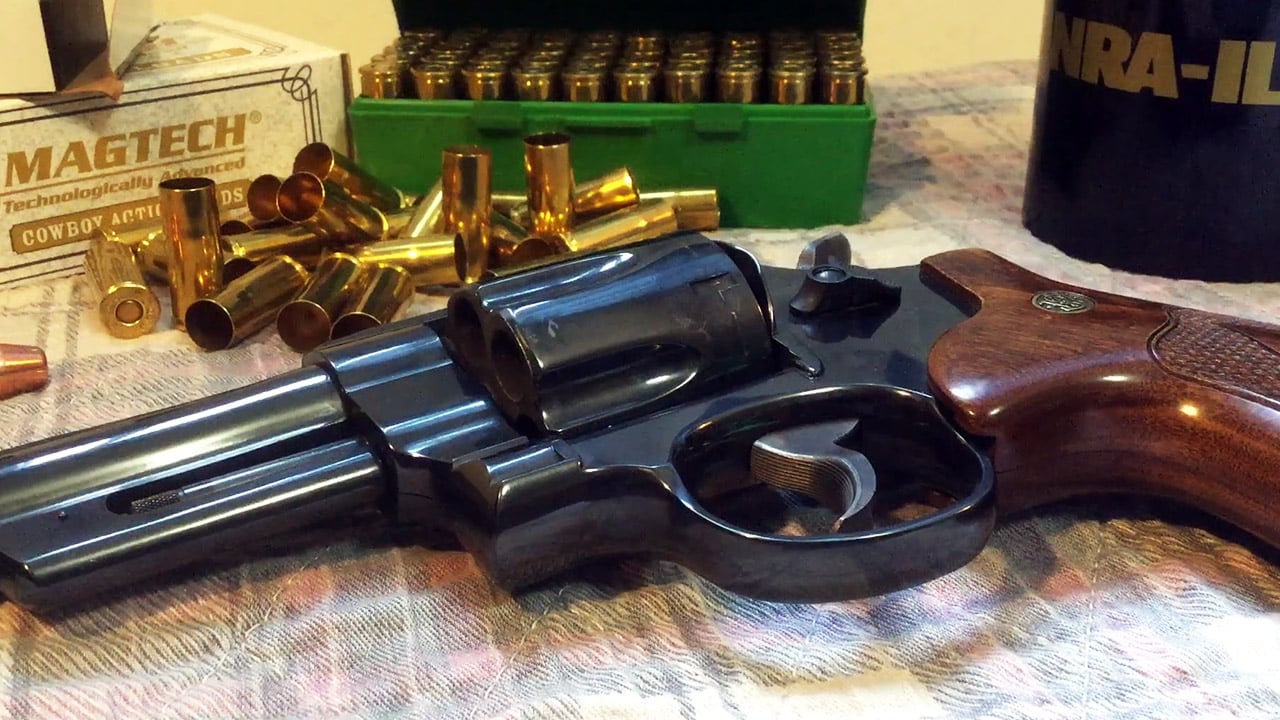
A .45 Colt N-frame is not a necessity, but it’s a joy. The big bore, the big frame, and the pushy recoil make it comfortable to shoot with sensible loads. Mine shoots to point of aim with the kind of ammo I actually keep around.
This is also one of those revolvers that makes you appreciate handloading if you’re into that, just for dialing in what the gun likes. Even with factory ammo, it’s a keeper.
19. Ruger Redhawk (4.2-inch, .44 Magnum)
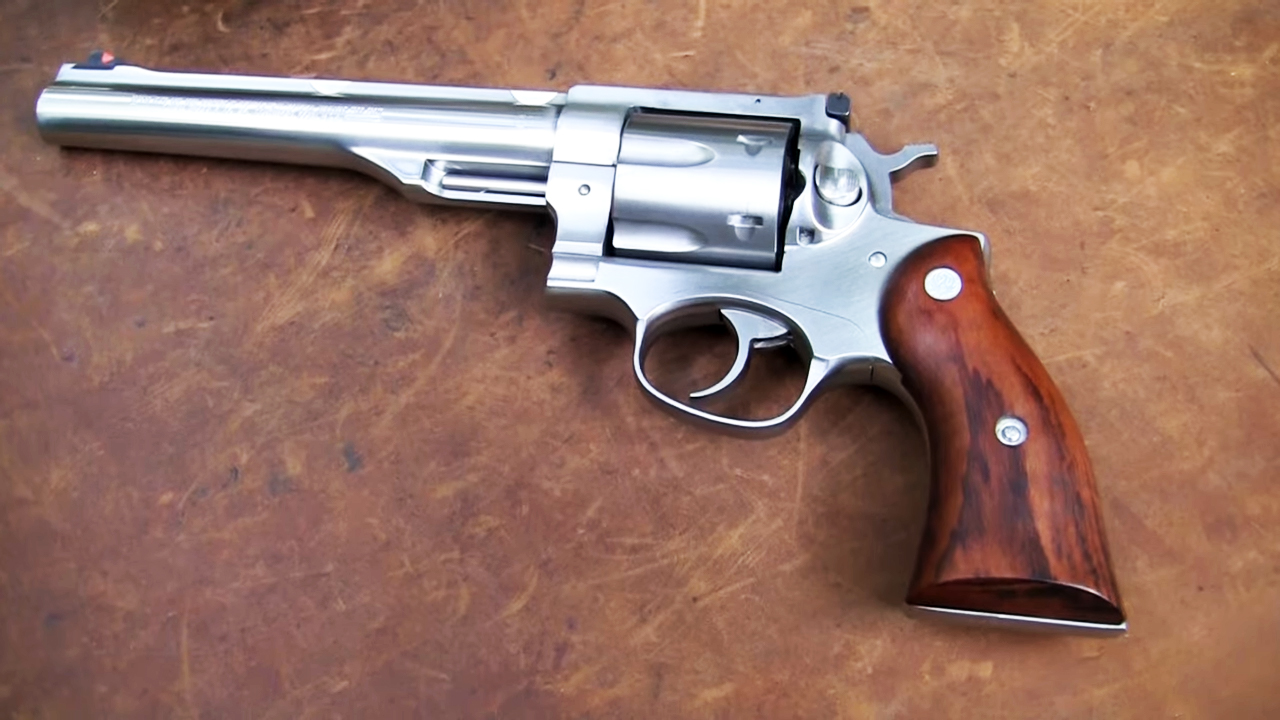
The Redhawk is the revolver I trust when I don’t want to wonder if something is “too much” for the gun. It’s heavy, yes. It’s also steady, and it soaks up recoil in a way lighter guns can’t.
Mine has lived in a chest rig in the woods and banged around in a truck more than I’d admit to a collector. It still locks up tight and shoots straight. That’s why it stays.
20. Colt Single Action Army (5.5-inch, .45 Colt)
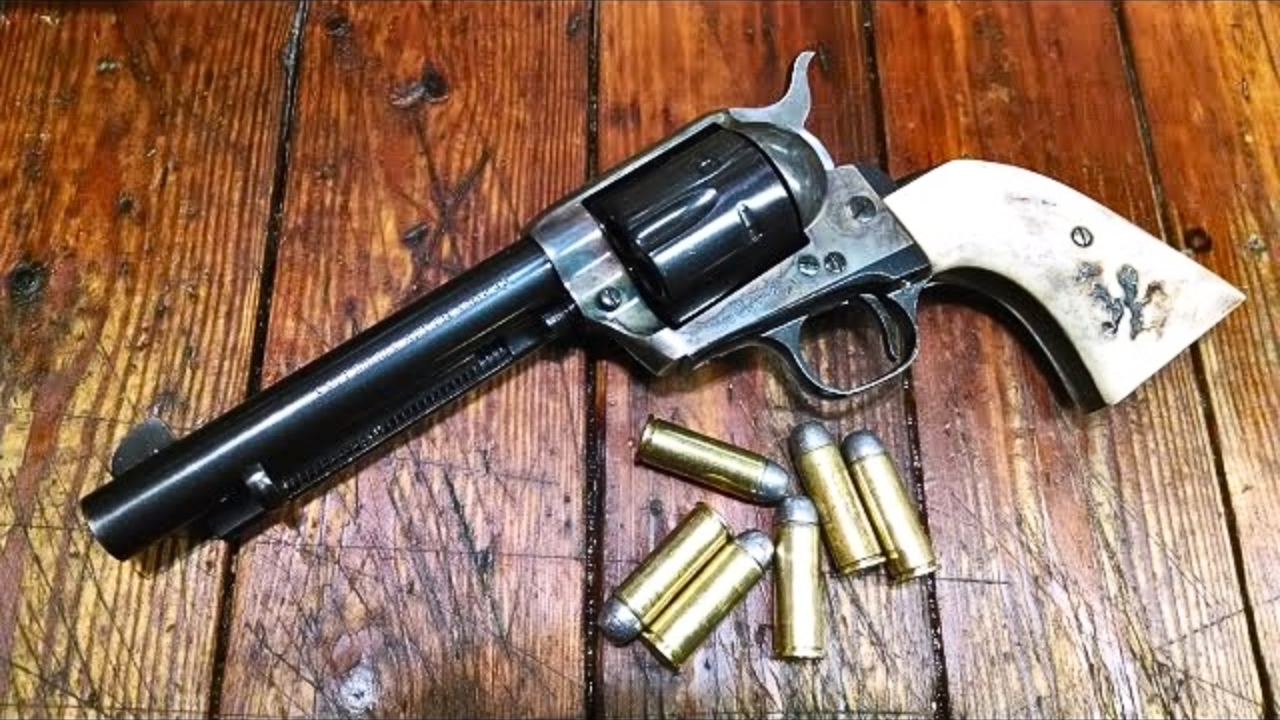
This one is part history, part habit, part “because I can.” A good SAA pattern revolver slows you down. You don’t rush reloads, you don’t spray rounds, and you pay attention to what you’re doing. That’s not a bad thing.
It’s also the revolver that draws the most questions when somebody sees it at camp. I keep it because it connects modern shooting to where a lot of our handgun culture came from. And because it’s just plain fun.
There are newer revolvers out there with better coatings, lighter frames, and all kinds of modern tweaks. I’m not against any of that. But these are the ones that have proven themselves over time, and they still make sense in the real world—on the range, on the property, and in the quiet in-between moments when you’re just checking a fence line or walking down to the creek.
Like The Avid Outdoorsman’s content? Subscribe to our newsletter so you never miss an article.
Here’s more from us:


