Photo credit: Academy Sports
Some guns get better with time. The deal attached to them does not.
A rifle or handgun that felt like an easy recommendation five years ago can be much harder to justify once prices climb, cheaper competitors improve, or the gun moves from everyday shooter territory into something closer to a premium purchase. That does not mean these 20 firearms are bad. In many cases, they are still excellent. They simply made a lot more sense when buyers were getting more gun for their money.
Henry Big Boy .357 Magnum
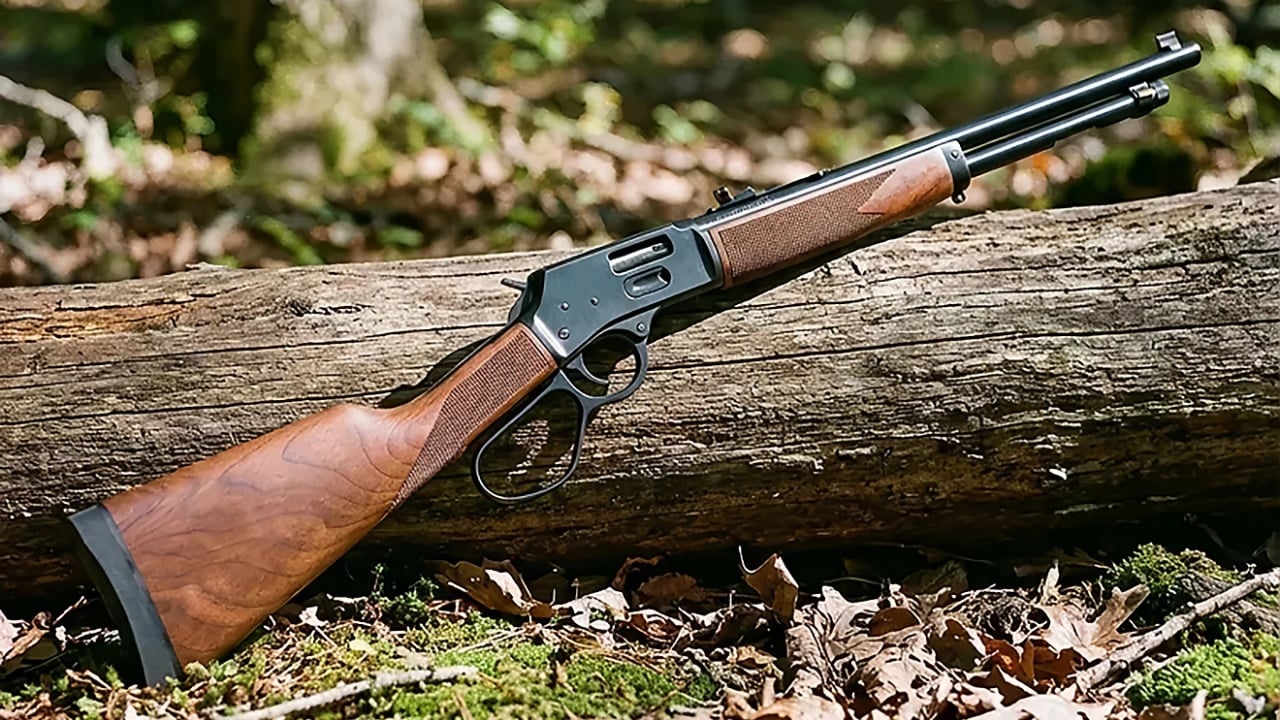
The Henry Big Boy has always had plenty going for it. A .357 Magnum lever gun is inexpensive to shoot with .38 Special, useful on the farm, capable on deer at appropriate ranges, and just plain enjoyable at the range.
The value equation is tougher now. Henry currently lists the standard .357 Magnum Big Boy rifle at $1,205 MSRP, with some carbine versions reaching $1,235. Once a pistol-caliber lever gun gets comfortably past $1,000, it stops feeling like the easy practical purchase it once was. I still like the rifle. I just miss when owning one did not feel like buying a premium firearm.
Colt Python
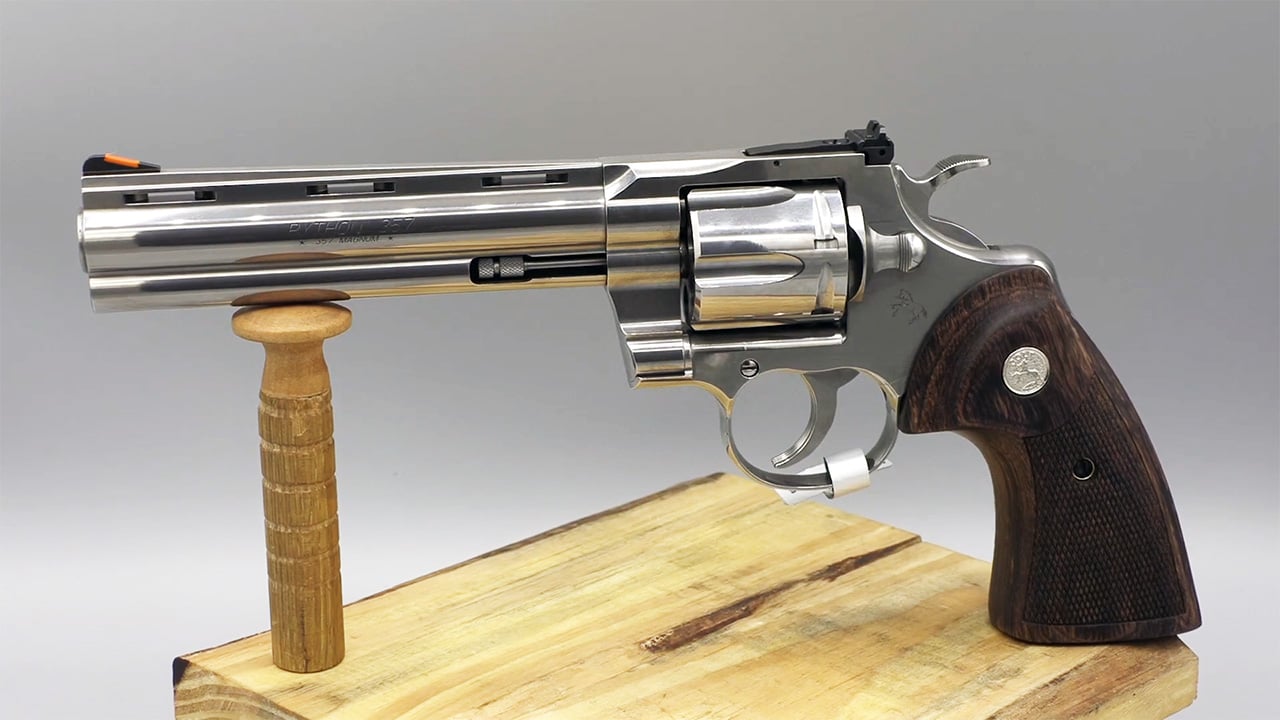
The revived Python generated enormous excitement because shooters could finally buy a new example without paying collector prices for an original.
That advantage has gotten harder to see as prices climbed. Colt currently lists standard Python configurations at $1,699. At that money, you really need to want a Python specifically. If your only goal is a durable .357 Magnum revolver to shoot regularly, excellent alternatives cost considerably less. The Python remains desirable, but it is no longer the relatively approachable way into Python ownership that made its return so exciting.
Staccato P
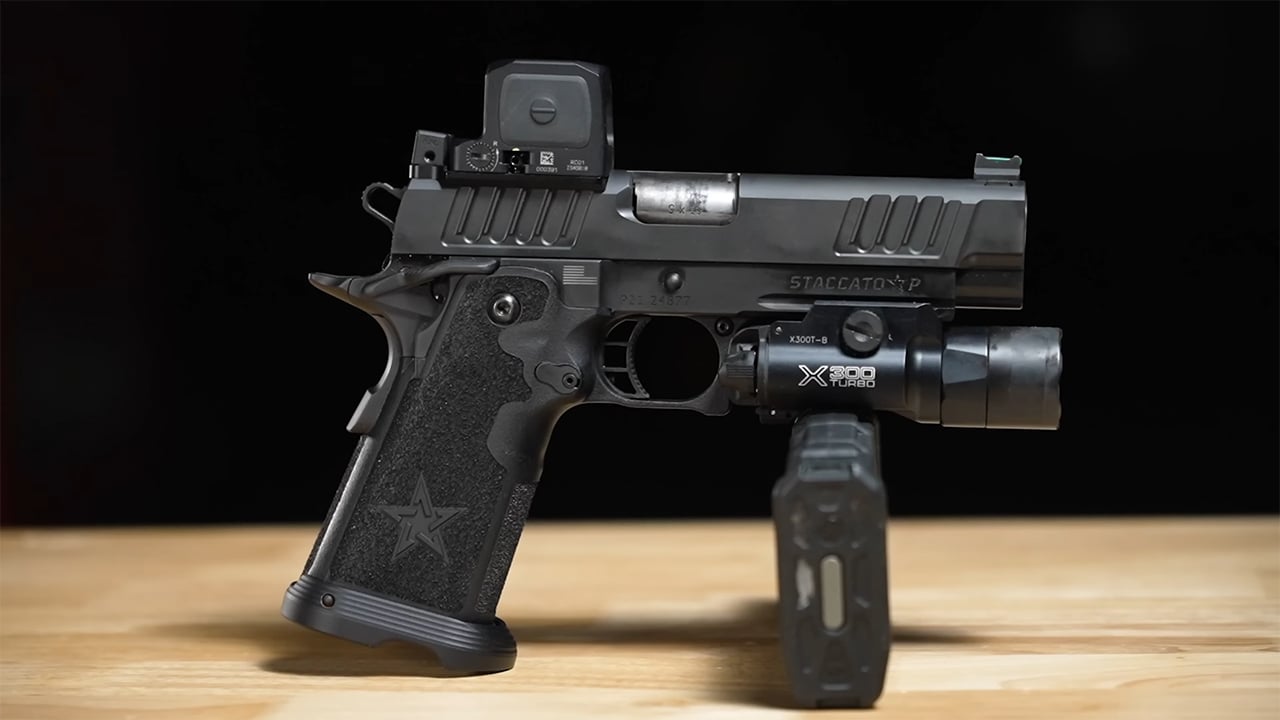
The Staccato P helped prove that a double-stack 1911-style pistol could be more than a competition gun. Its trigger, capacity, accuracy, and reliability built a huge following among shooters willing to spend extra.
The problem is that the category around it has exploded. The P now starts at $2,499, while significantly cheaper double-stack 1911s are everywhere. Five years ago, the Staccato’s combination of features was much harder to duplicate without going custom. Today, buyers can get surprisingly close to the experience for far less money. The P is still excellent. Its value advantage has simply narrowed.
Glock 19 Gen 5 MOS

The Glock 19 used to be one of the easiest defensive-handgun purchases to justify. You got proven reliability, cheap magazines, endless holster support, and a pistol that could handle almost any defensive role.
All of that remains true. The market around it is what changed. Competing compact pistols now routinely offer better factory triggers, more aggressive factory texturing, easier optics mounting, and comparable reliability without requiring aftermarket work. Five years ago, buying the Glock and upgrading what you disliked made perfect sense. Today, more buyers can simply purchase a pistol that already has the features they want.
SIG Sauer P365
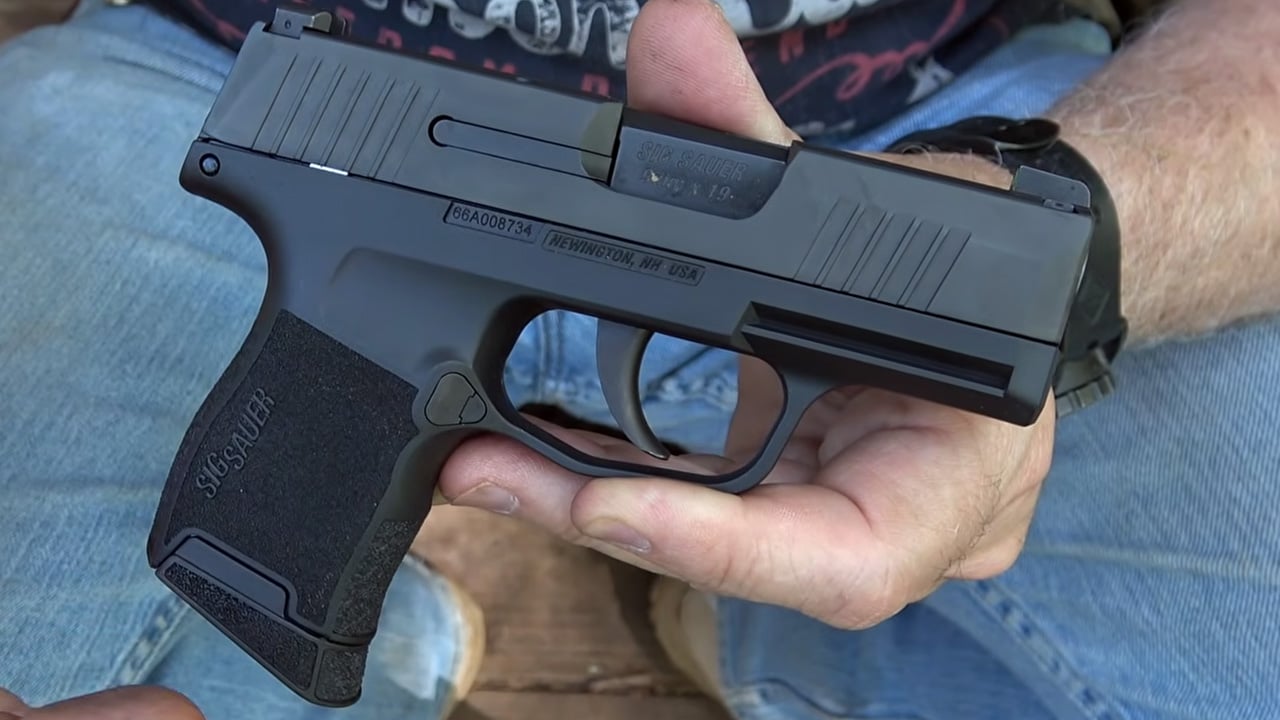
The original P365 completely changed what shooters expected from a small carry pistol. Ten rounds in a gun that small was remarkable when the platform arrived.
The trouble for its value proposition is that everyone copied the idea and then kept developing it. Today’s micro-compact market offers pistols with more capacity, larger shootable grips, integrated compensators, excellent optics systems, and multiple barrel lengths. The P365 family itself evolved to keep up. The original small P365 is still a good carry gun, but the basic configuration no longer feels nearly as groundbreaking for the money.
Springfield Hellcat
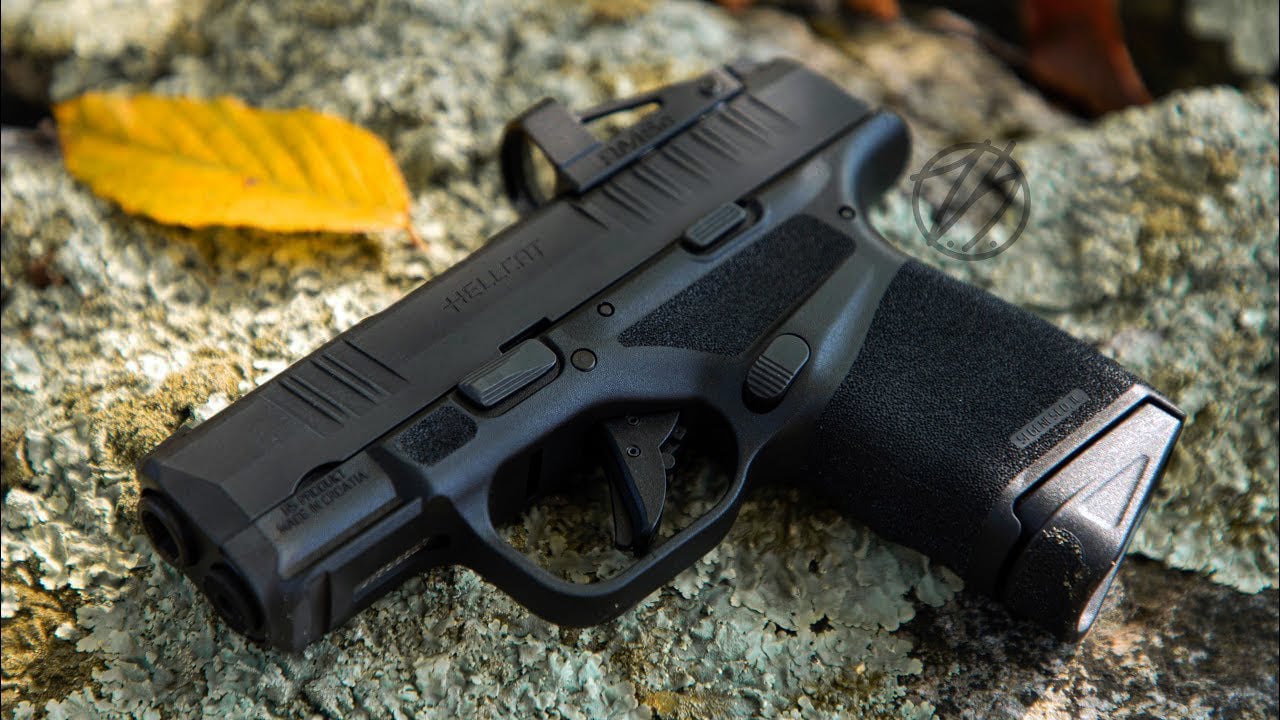
The Hellcat arrived at exactly the right time. High capacity in an extremely small 9mm was still novel, and Springfield gave buyers another serious option in a category the P365 had helped create.
Five years later, that category is packed. Smith & Wesson, Glock, Taurus, Kimber, FN, HK, Canik, and others now compete for the same buyer. The Hellcat remains capable, but capacity alone no longer separates it. Unless you find one priced aggressively, there are enough alternatives that the purchase deserves more comparison than it once did.
Ruger 10/22
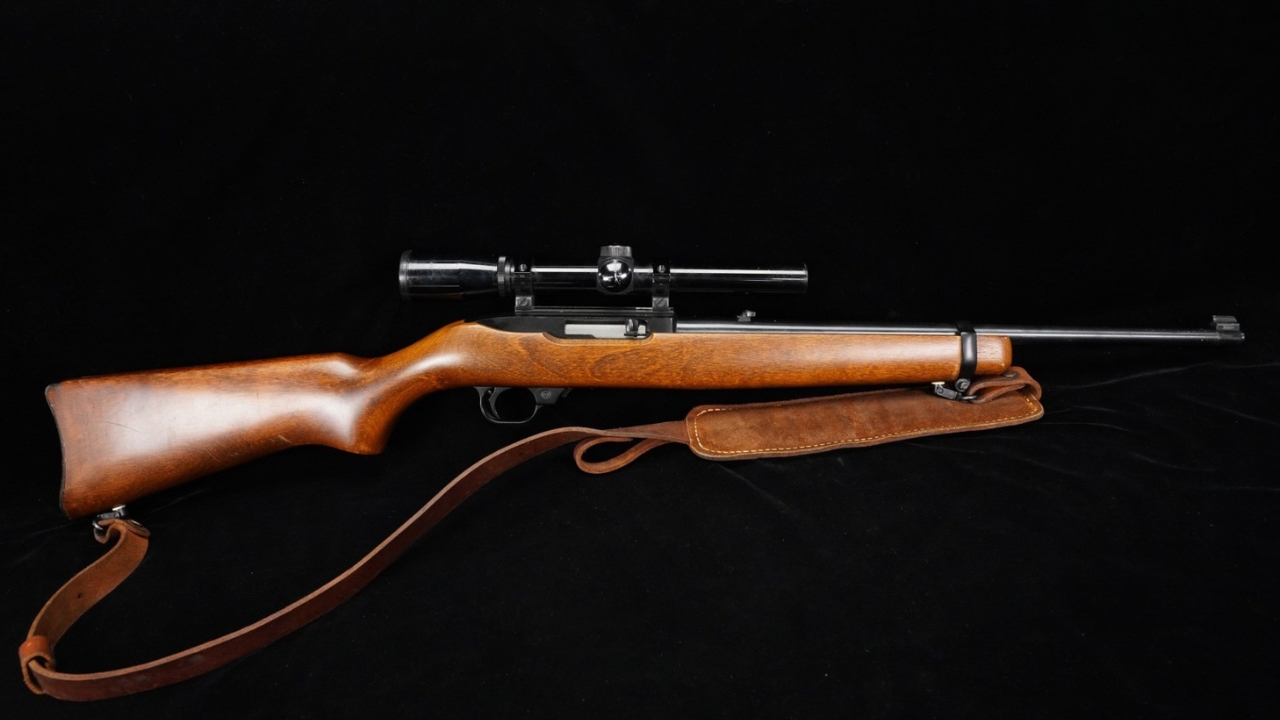
The 10/22 is still one of the best rimfire rifles ever made, and its aftermarket remains almost impossible to match.
Where the value has changed is in the amount of competition around inexpensive .22 rifles. Buyers now have plenty of accurate semiautomatics and bolt guns with threaded barrels, adjustable stocks, optics-ready receivers, and modern ergonomics right out of the box. A basic 10/22 still works, but many owners immediately start replacing parts. Once that begins, the inexpensive rimfire can turn into a surprisingly expensive project.
Ruger Mini-14

The Mini-14 once had an easier argument because shooters who wanted a handy semiautomatic .223 without the AR-15 look had relatively few mainstream alternatives.
Today, AR-pattern rifles dominate the value conversation. They are modular, magazines are cheap, optics mounting is effortless, and good examples are available at almost every price. The Mini-14 remains appealing if you specifically want its traditional appearance and Garand-style action, but purely on dollars versus capability, it is much harder to defend than it used to be.
Springfield M1A
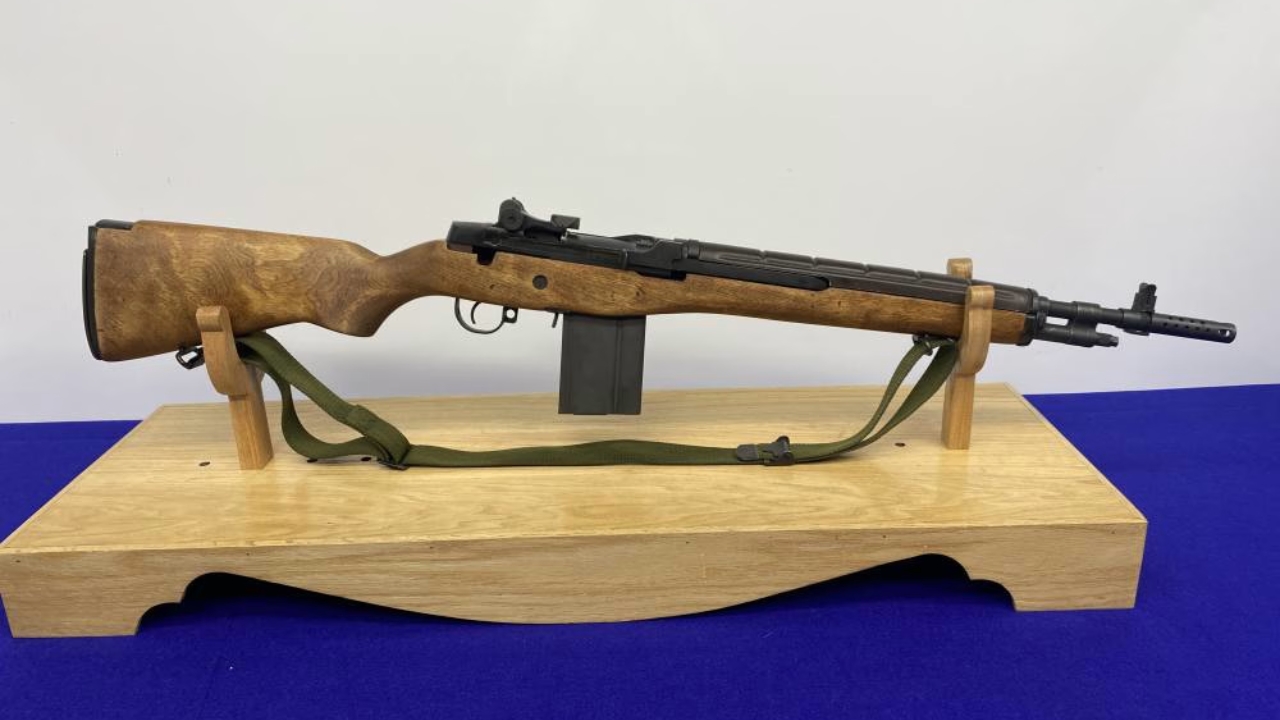
The M1A still scratches an itch modern rifles cannot completely replace. Walnut, steel, iron sights, and the old M14 layout give it character that an AR-10 simply does not have.
Character gets expensive, though. Modern .308 semiautomatics are easier to mount optics on, easier to configure, frequently lighter, and often cheaper. Five years ago, buyers could more easily justify the M1A as both a practical rifle and a piece of American military-rifle nostalgia. Today, you are increasingly paying because you specifically love the platform.
Browning X-Bolt
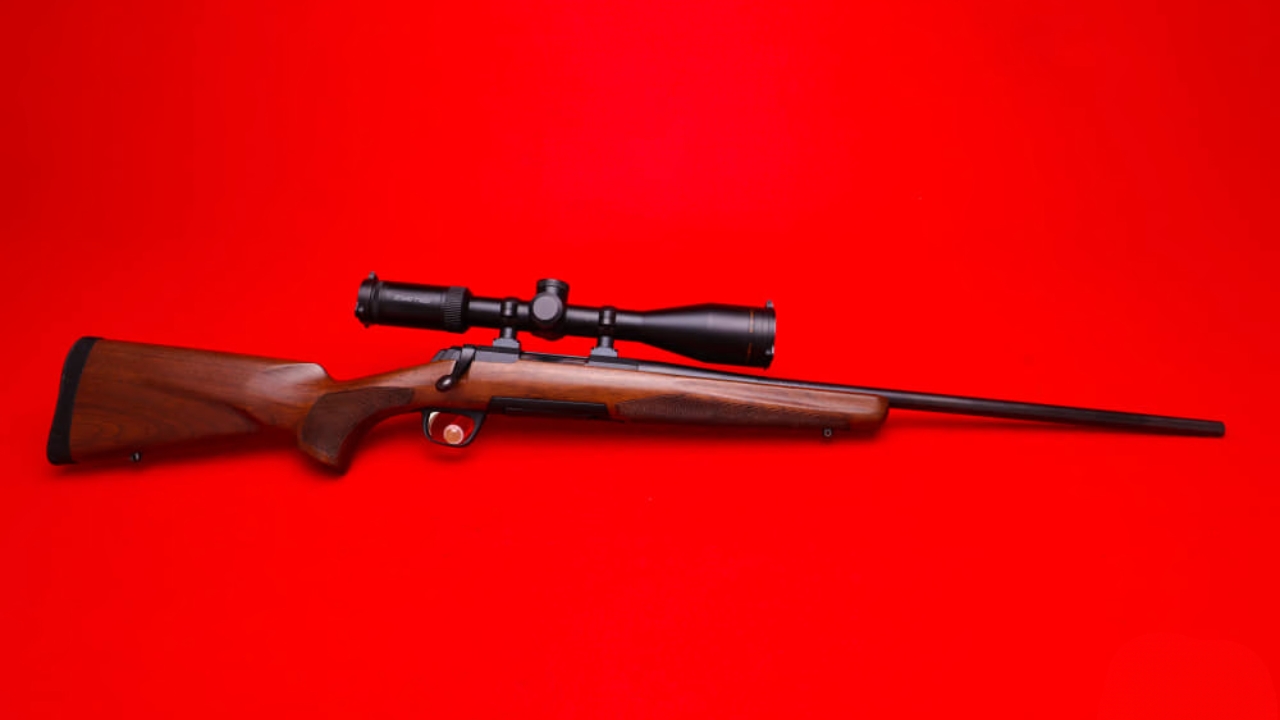
The X-Bolt developed a strong reputation because it gave hunters good accuracy, excellent fit, and a nicer overall feel than many budget rifles.
The hunting-rifle market has caught up quickly. Tikka, Bergara, Ruger, Savage, Weatherby, and others now sell extremely accurate rifles across a huge range of prices. Some entry-level rifles shoot so well that spending significantly more requires wanting better materials or refinement, not simply better hunting performance. The X-Bolt is still good. The gap between it and less expensive rifles just is not as wide as it once was.
Remington Model 700

The Model 700 once benefited tremendously from being the center of the bolt-action universe. Stocks, triggers, bottom metal, scope bases, and gunsmith knowledge were everywhere.
That ecosystem still matters, but competitors now deliver excellent factory accuracy without assuming the owner will eventually modify the rifle. Ruger American Gen II rifles, Tikkas, Bergaras, and Savages have changed buyer expectations. A Model 700 can still be a great foundation, but buying a rifle as a foundation makes less sense when so many others arrive ready to hunt accurately immediately.
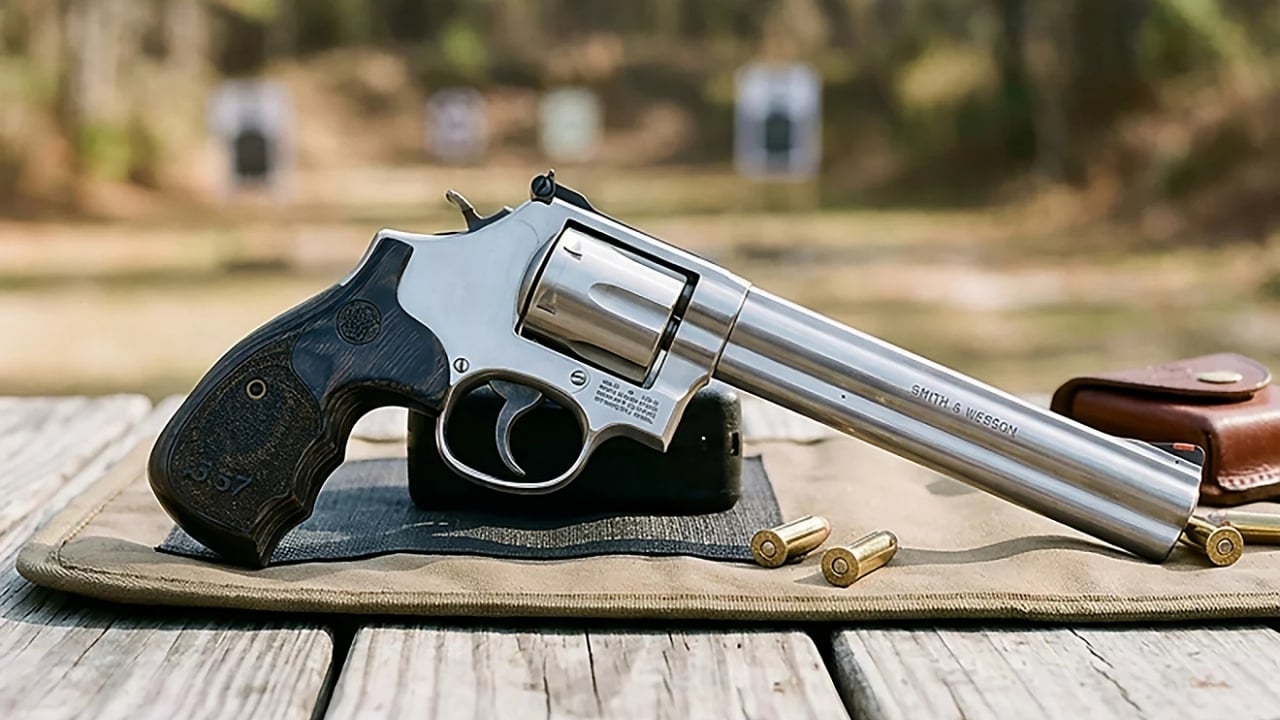
Smith & Wesson Model 686 Plus
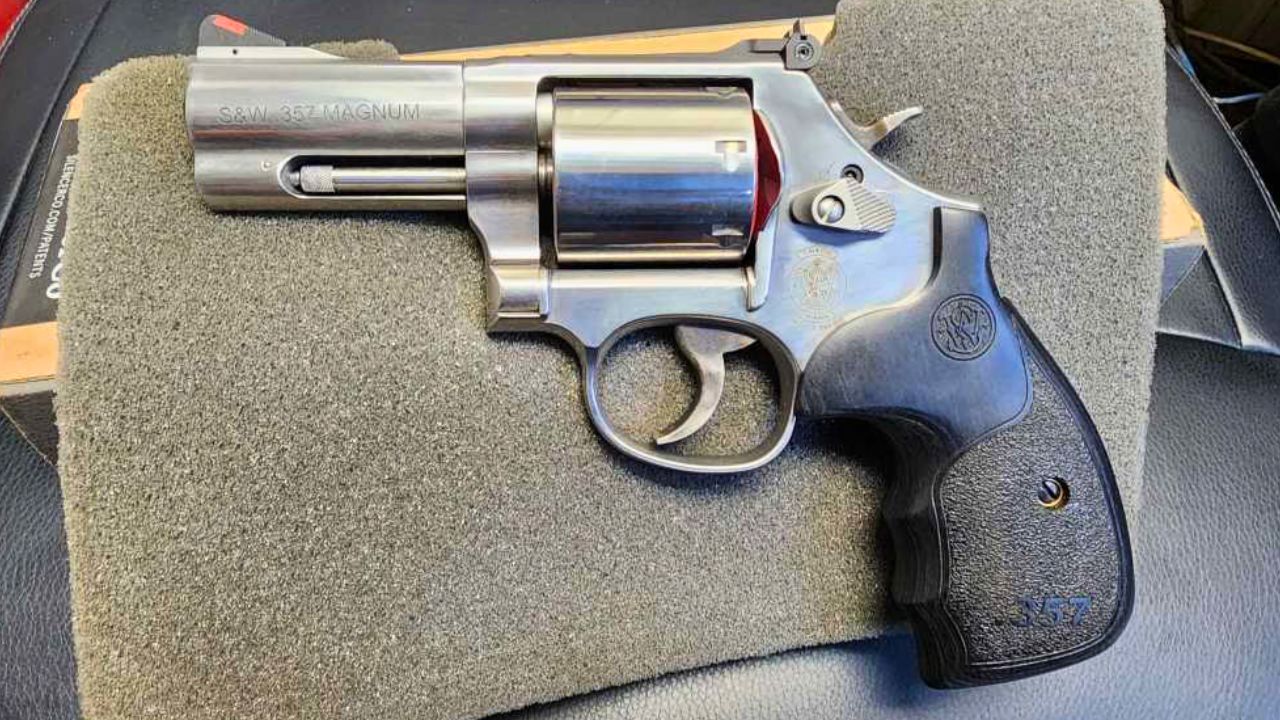
The 686 Plus remains one of my favorite general-purpose .357 Magnum revolvers. Seven rounds, manageable recoil, and the L-frame’s durability make it extremely hard to dislike.
The issue is what happened to revolver pricing in general. A good .357 used to be an easier recommendation as a practical working handgun. As prices climb, buyers have to really value the revolver experience because excellent semiautomatics provide far greater capacity for significantly less money. The 686 Plus is still worth owning, but the practical-value argument was stronger five years ago.
Ruger GP100
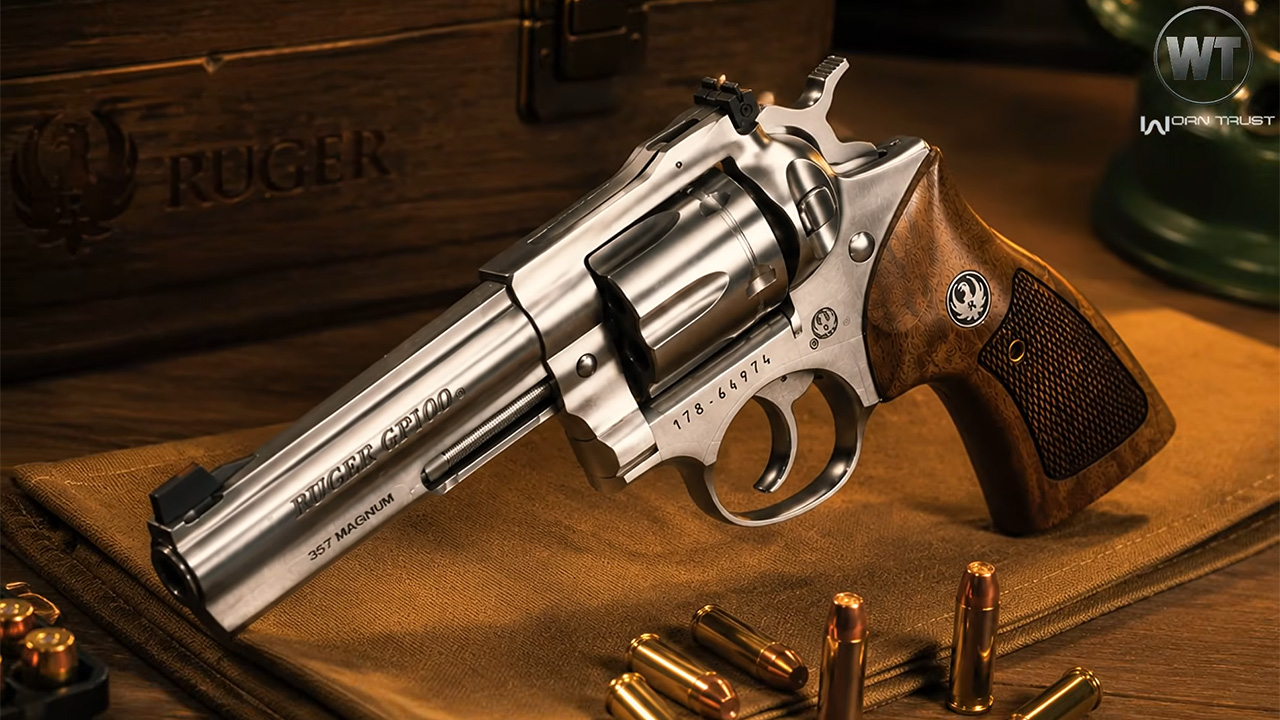
The GP100 has the same problem. It is one of the strongest mainstream .357 revolvers available and can digest heavy use for years.
But durability was easier to sell when the GP100 occupied a more accessible price tier. Today’s buyer can get a quality optics-ready 9mm, a weapon light, spare magazines, and ammunition for what a good revolver can cost. If you want a .357, the Ruger is still a solid choice. If you simply want the most capability per dollar, the comparison has become much less favorable.
Browning BL-22

The BL-22 is beautifully made, incredibly smooth, and has one of the shortest lever throws in the rimfire world.
It is also a .22 lever gun competing in a market where buyers can get excellent rimfires for a fraction of the price. The BL-22 made more sense when the premium for traditional workmanship was easier to swallow. Today it is increasingly a rifle you buy because you appreciate how it is built rather than because it represents particularly strong value.
CZ 457
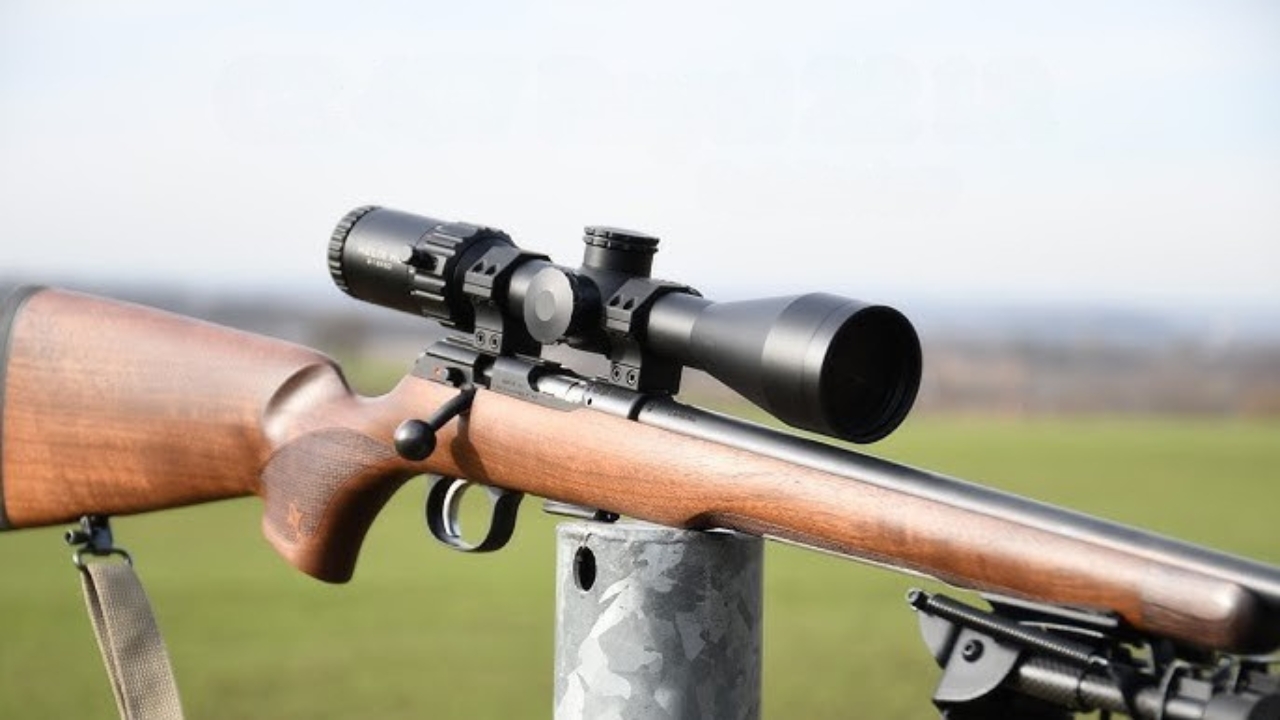
The CZ 457 is still one of the safest recommendations for someone wanting a serious bolt-action rimfire. It is accurate, has an excellent action, and comes in enough configurations to cover everything from squirrel hunting to precision rimfire competition.
Its problem is success. As the 457 became a fixture among serious rimfire shooters, the market around precision .22s also exploded. Bergara, Tikka, Ruger, and others now give buyers strong alternatives. The CZ is still worth the money, but five years ago there were fewer rifles capable of challenging it so directly.
Benelli M4
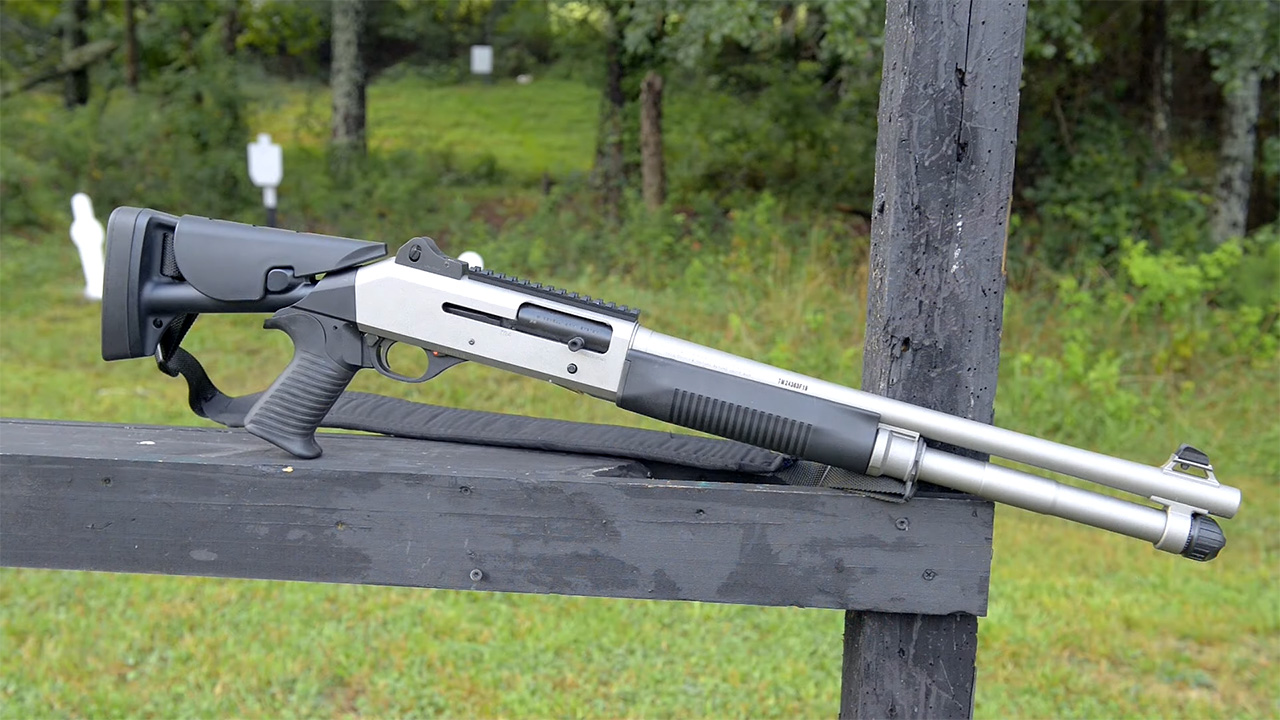
The M4’s reputation is deserved. It is rugged, soft-shooting for a defensive shotgun, and backed by a serious military pedigree.
The practical buyer has more options now. Beretta’s A300 Ultima Patrol and 1301 family made dependable defensive semiautomatic shotguns accessible without automatically jumping to M4 money. That changes the calculation. The Benelli remains the gun many people want, but it is harder to claim you need one to get a trustworthy semiautomatic defensive shotgun.
Daniel Defense DDM4 V7
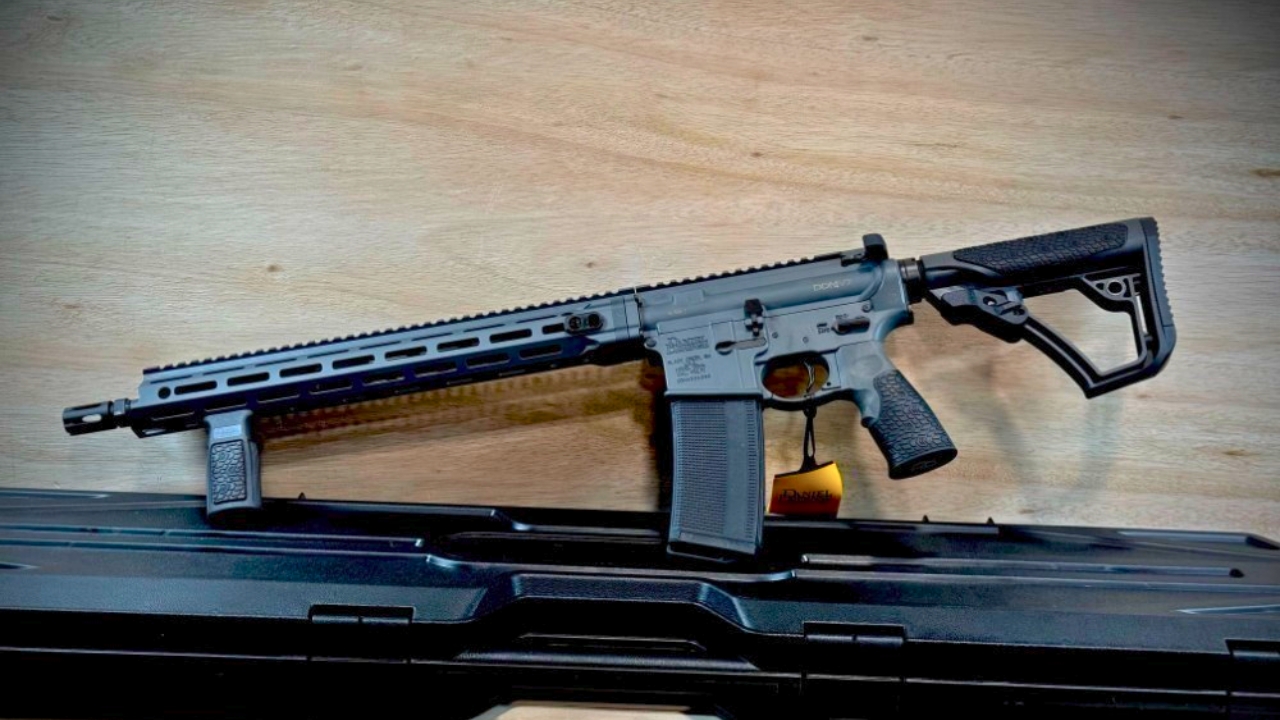
Daniel Defense rifles built a premium reputation at a time when the quality gap between cheap ARs and high-end factory rifles was easier to see.
That gap has narrowed. Mid-priced rifles now commonly arrive with free-float handguards, good barrels, quality bolts, usable triggers, and modern furniture. Building a serious AR from proven components has also become incredibly straightforward. The DDM4 V7 remains a high-quality rifle, but buyers are paying more for incremental improvements than they were five years ago.
FN SCAR 17S
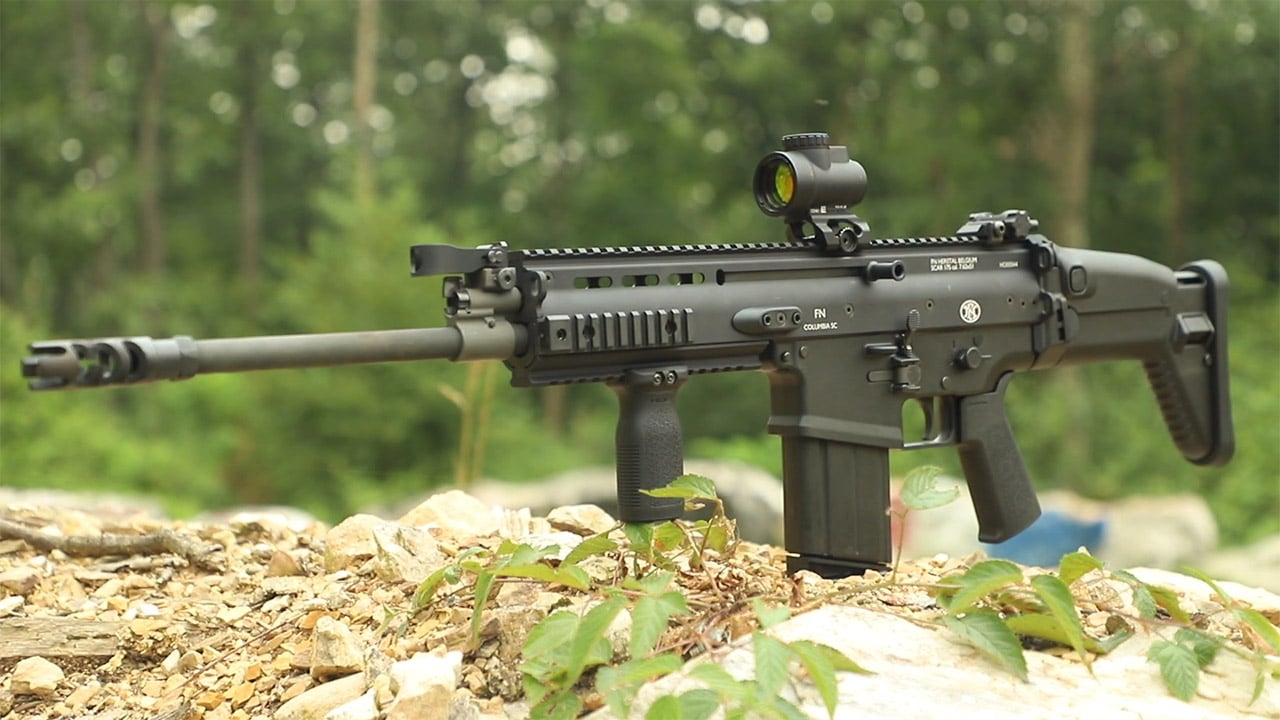
The SCAR 17S once occupied an almost unique place among lightweight, premium .308 semiautomatics. If you wanted that combination of military pedigree, folding stock, piston operation, and relatively manageable weight, there were not many substitutes.
The market is far more competitive now. Quality AR-10-pattern rifles, piston guns, and lightweight .308 platforms give buyers more ways to get similar practical capability. The SCAR still has enormous appeal, but its premium is increasingly tied to wanting a SCAR specifically rather than needing what only the SCAR could provide.
Henry Golden Boy
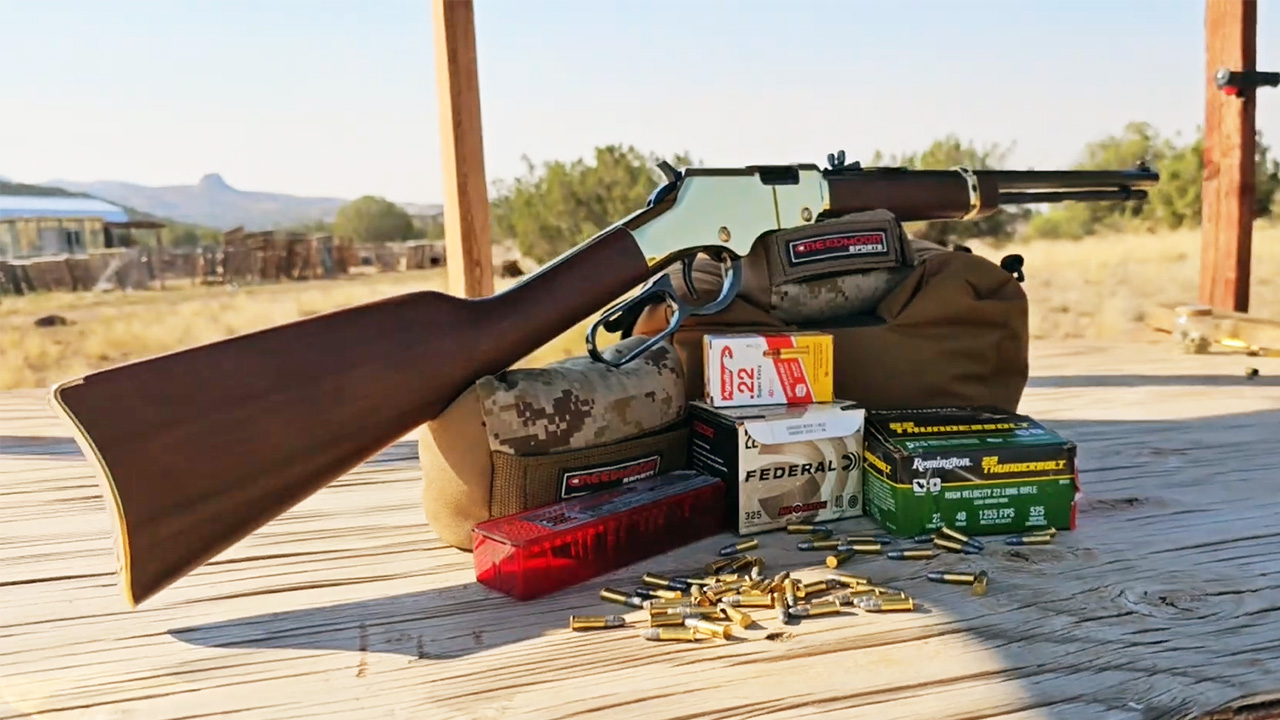
The Golden Boy remains one of the prettiest mainstream .22 lever actions. The brass-colored receiver, octagonal barrel, and traditional furniture make it feel much more special than a basic rimfire.
That is also why the price becomes difficult to ignore. A .22 rifle is still primarily a plinking, training, or small-game gun for most buyers. Five years ago, paying extra for the Henry’s appearance and smooth action was easier to justify. As lever-gun prices have risen broadly, the Golden Boy has moved farther toward luxury rimfire territory.
Marlin 1895 SBL

The current Ruger-made Marlin 1895 SBL is arguably better executed than many of the rifles that carried the Marlin name before Ruger took over. This is not a complaint about quality.
It is about what buyers now pay to enter the .45-70 lever-gun world. The 1895 used to feel like a rugged working rifle. Current lever-action pricing has increasingly pushed guns like it toward premium territory, much like Henry’s Big Boy line, where current MSRPs can exceed $1,200. The Marlin remains desirable, but the days of treating a big-bore lever gun as an inexpensive woods rifle feel increasingly distant.
Like The Avid Outdoorsman’s content? Subscribe to our newsletter so you never miss an article.
Here’s more from us: