Photo credit: American Desperado/Youtube
Every gun shop has a “used revolver” shelf that turns into a lesson in human nature. For years, certain wheelguns sat there like forgotten tools: too heavy, too old-school, not enough rounds, not enough hype. Then the market shifted. Police trade-ins dried up. Companies “updated” designs or dropped lines entirely. Movies and nostalgia kicked up demand. And suddenly the same revolver you could’ve bought with spare cash now takes real money to replace.
This isn’t a victory lap for collectors. It’s a reminder for regular outdoorsmen: boring, durable guns have a way of becoming desirable right after you let one go. Here are 20 revolvers that got shrugged off until the price tags started hurting.
1. Colt Python (pre-2000 production)
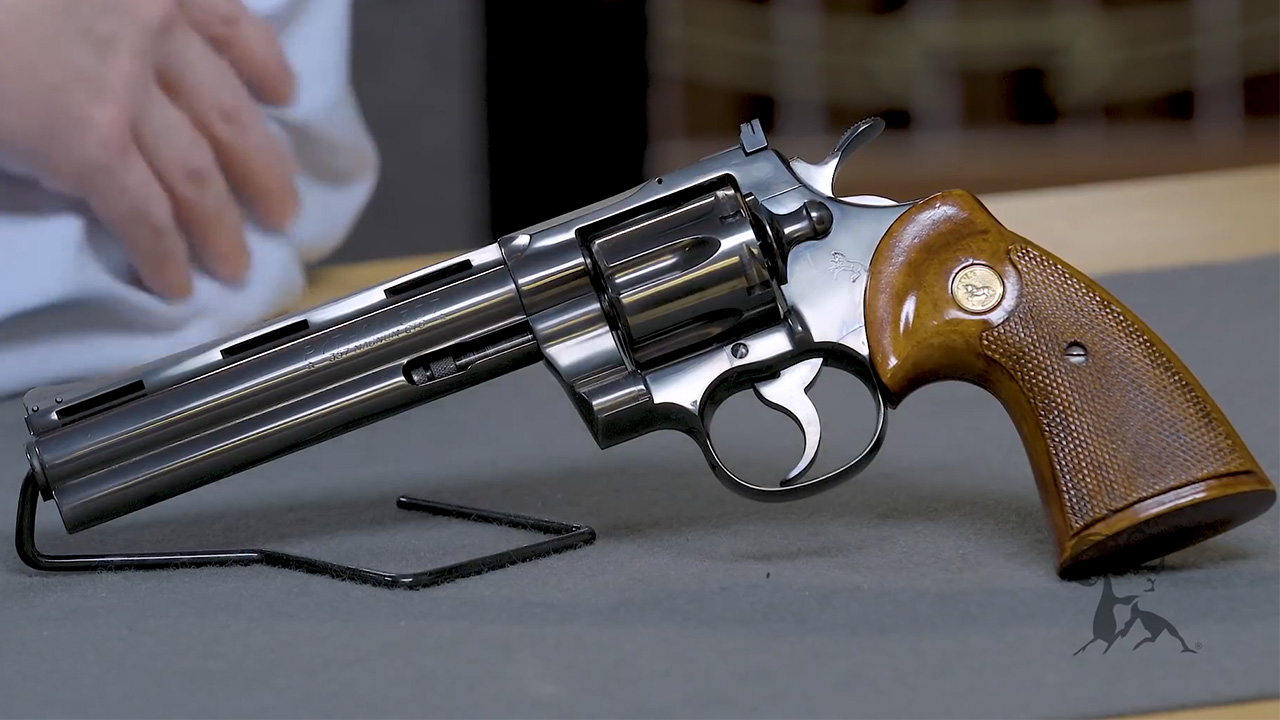
For a long time, the Python was “nice, but who’s paying that?” It was an expensive .357 when plenty of Rugers and Smiths would do the same job in the woods. A lot of them lived in dresser drawers, came out on holidays, and got traded toward something more “practical.”
Then the supply tightened and the legend grew. The old ones have a look and an action feel that people chase. Even if you’re not a safe-queen guy, you feel the sting when you realize replacing one now means rearranging your whole gun budget.
2. Colt Detective Special (early generations)

Small-frame Colts used to be the classic “granddad gun” people didn’t think twice about. Six shots in a snub, blued steel, slim grips—great pocket revolver vibes, but a lot of folks wanted lighter and newer.
What changed is scarcity and appreciation for that old Colt lockwork and fit. Clean ones don’t hang around long. If you ever carried one, you remember how it points, and you also remember how hard it is to find one that hasn’t been abused.
3. Colt Diamondback (.38 Special and .22 LR)
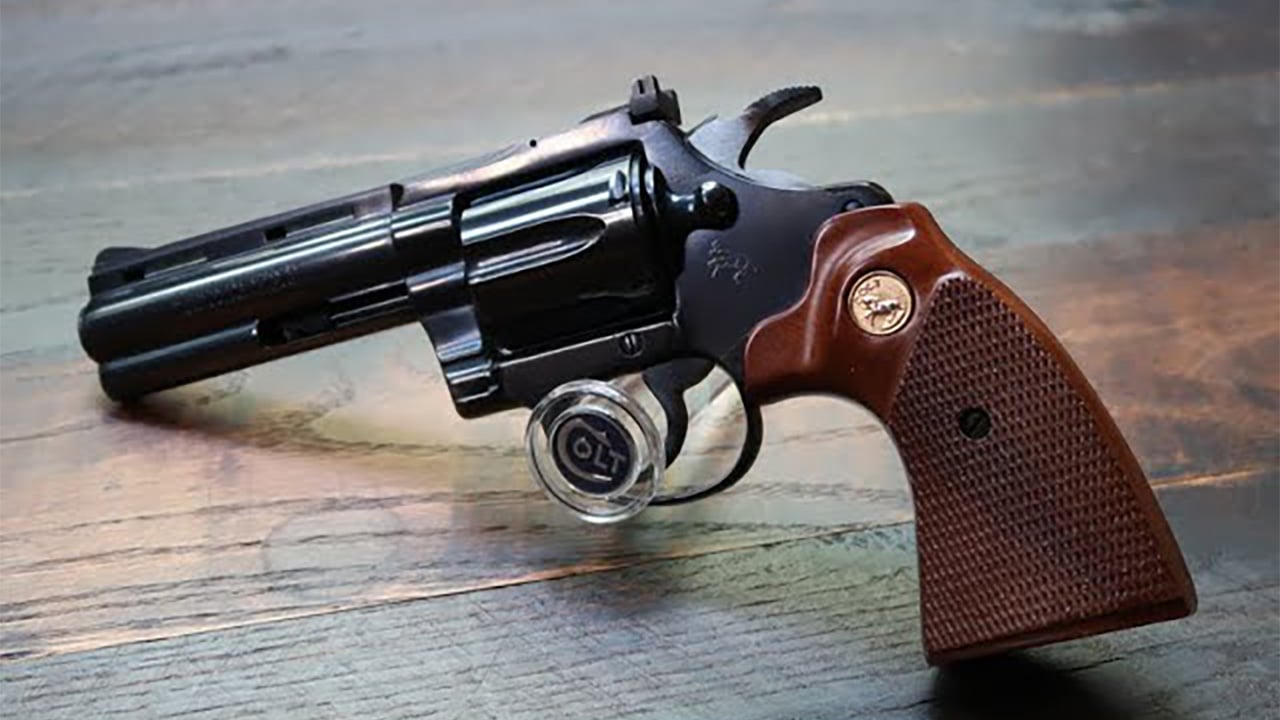
The Diamondback was once treated like a “Python-lite” that didn’t have a clear job. Too nice to beat up, not quite the flagship, and easy to overlook if you were just trying to buy a shooter.
Now it’s the kind of revolver that gets buyers hovering at the counter. In .22 it’s a slick little woods-and-trails companion. In .38 it scratches that vintage Colt itch without needing a Python… except the prices aren’t exactly friendly anymore.
4. Smith & Wesson Model 19 (pinned and recessed era)
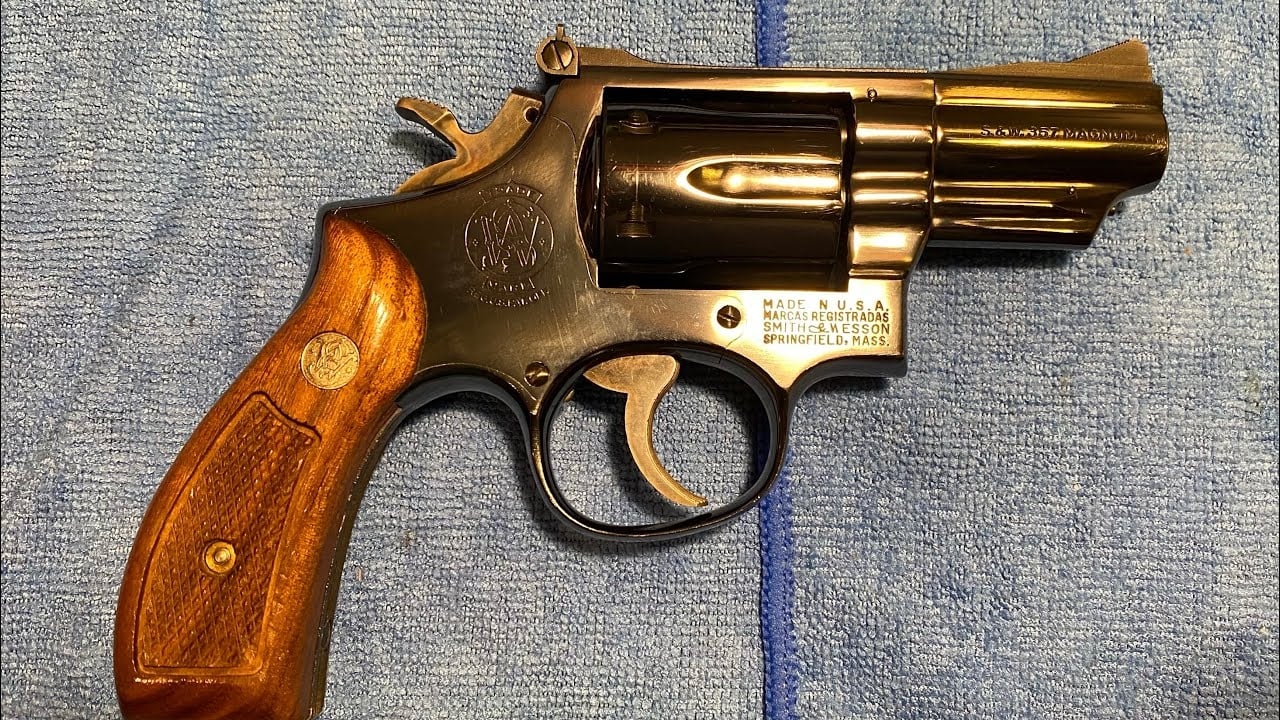
The Model 19 was everywhere in the “good revolver” conversation, so a lot of them got treated like disposable working guns. Holster wear? Big deal. Trade it off. Plenty more out there.
But the pinned-and-recessed guns, especially clean examples, have become their own category. They balance like a dream. They carry easier than the heavier .357 frames. If you like a revolver that feels alive in the hand, you understand why these climbed.
5. Smith & Wesson Model 66 (no-dash and early variants)
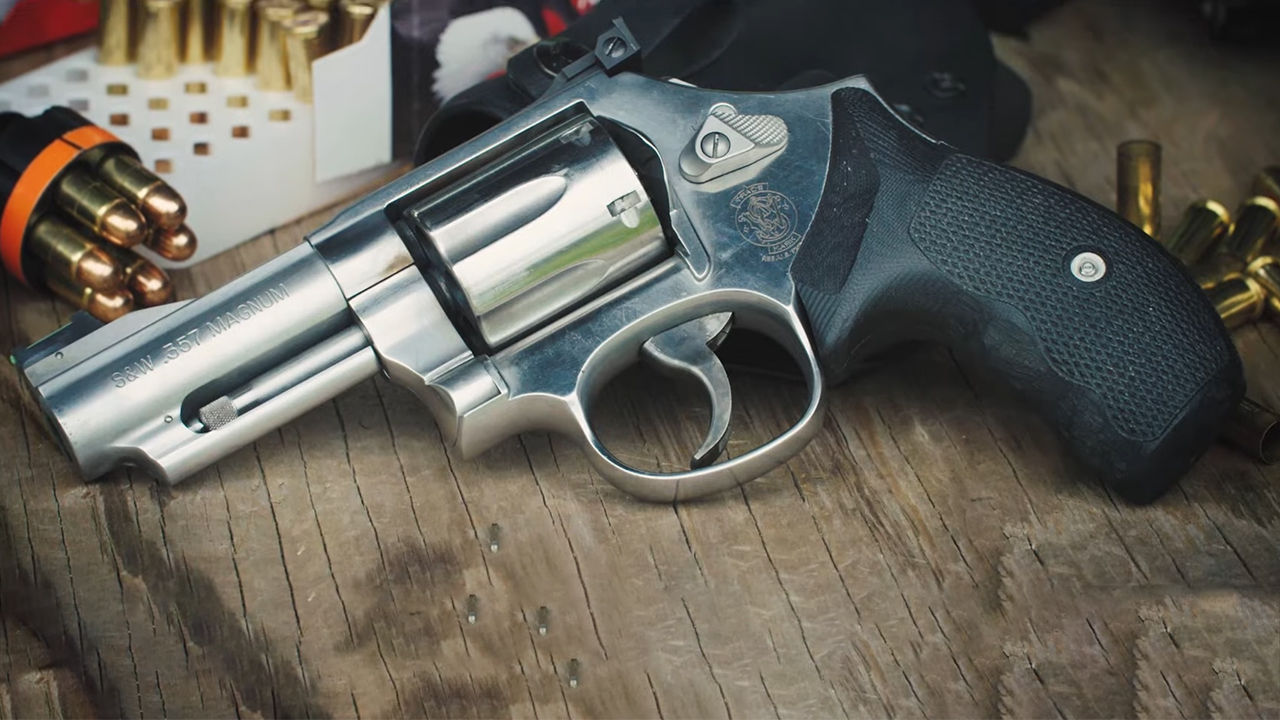
Stainless K-frames were the working man’s sidearm for years—rainy deer camp, sweat, truck console, fishing boat. The 66 in particular is the kind of revolver you could actually use without babying it.
Then folks started chasing early production details and condition. A tight, clean 66 with the right features isn’t a “cheap stainless .357” anymore. It’s a piece of the era when revolvers were still the default, and the price reflects it.
6. Smith & Wesson Model 27 (classic N-frame .357)
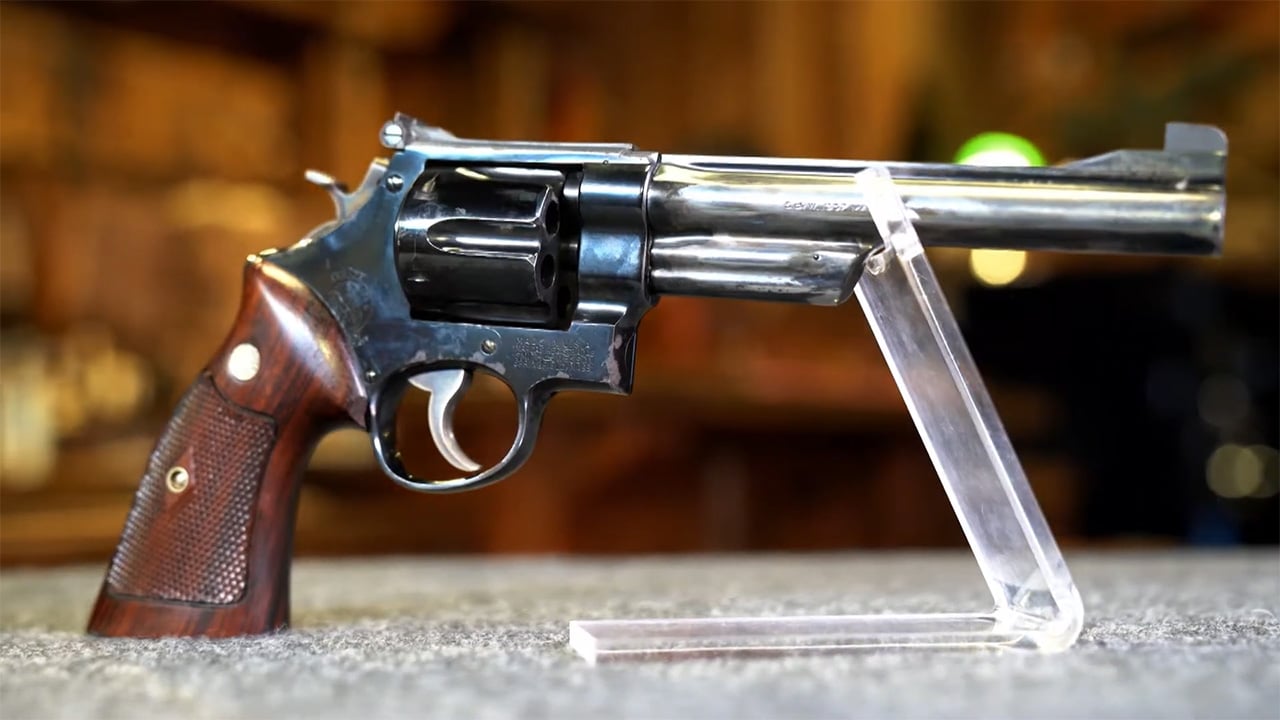
The Model 27 used to be that big, fancy .357 that seemed unnecessary. Heavy. Long cylinder. Plenty of polish. A lot of guys looked at it and thought, “I can buy a 686 and a case of ammo instead.”
Now the old-school craftsmanship is exactly the point. The 27 is smooth, accurate, and built like a bank vault. It’s not the revolver you hike ten miles with, but it’s the revolver you smile at every time you thumb the hammer back.
7. Smith & Wesson Model 28 Highway Patrolman
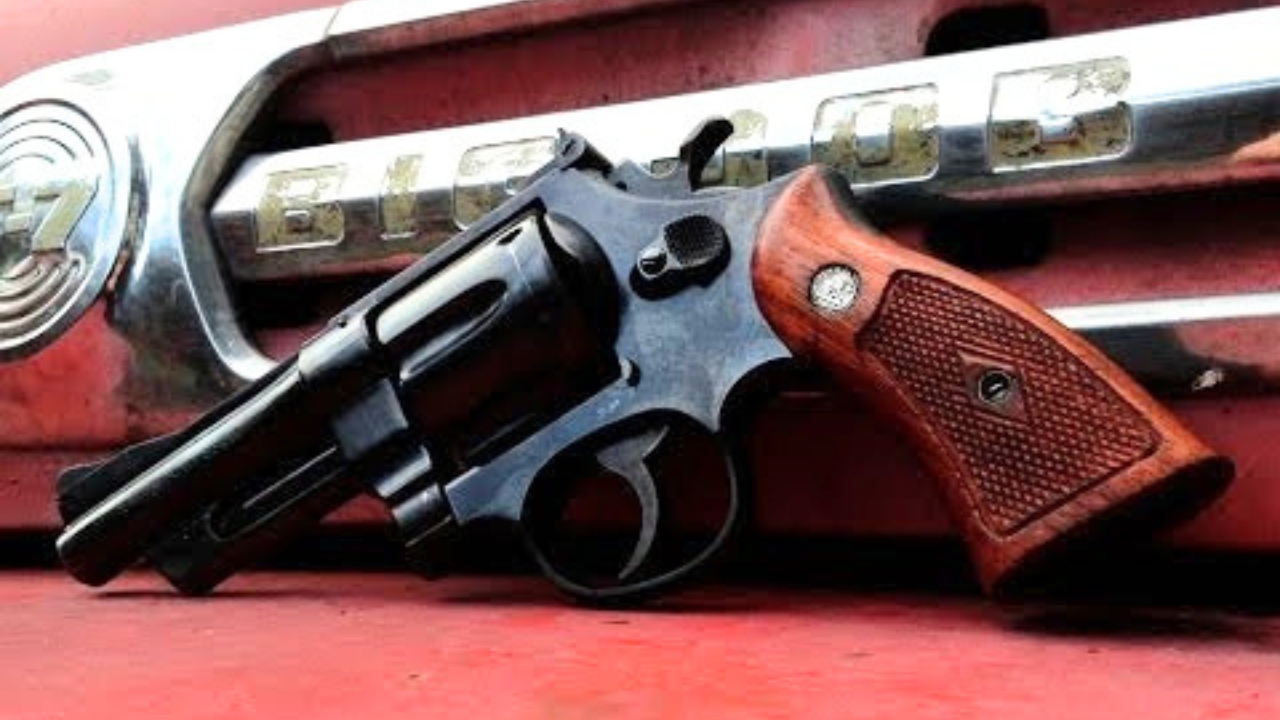
This one hurts for people who traded them cheap. The 28 was basically the “working finish” version of the 27, and for years it was treated like the plain cousin. No fancy polish, just a serious .357 that would last forever.
Then shooters started realizing the 28 is a whole lot of revolver for the money—except it’s not “for the money” anymore. When you find one with a good bore and timing, it’s still a field-worthy N-frame that doesn’t mind real use.
8. Smith & Wesson Model 10 (pre-Model numbers and early variants)
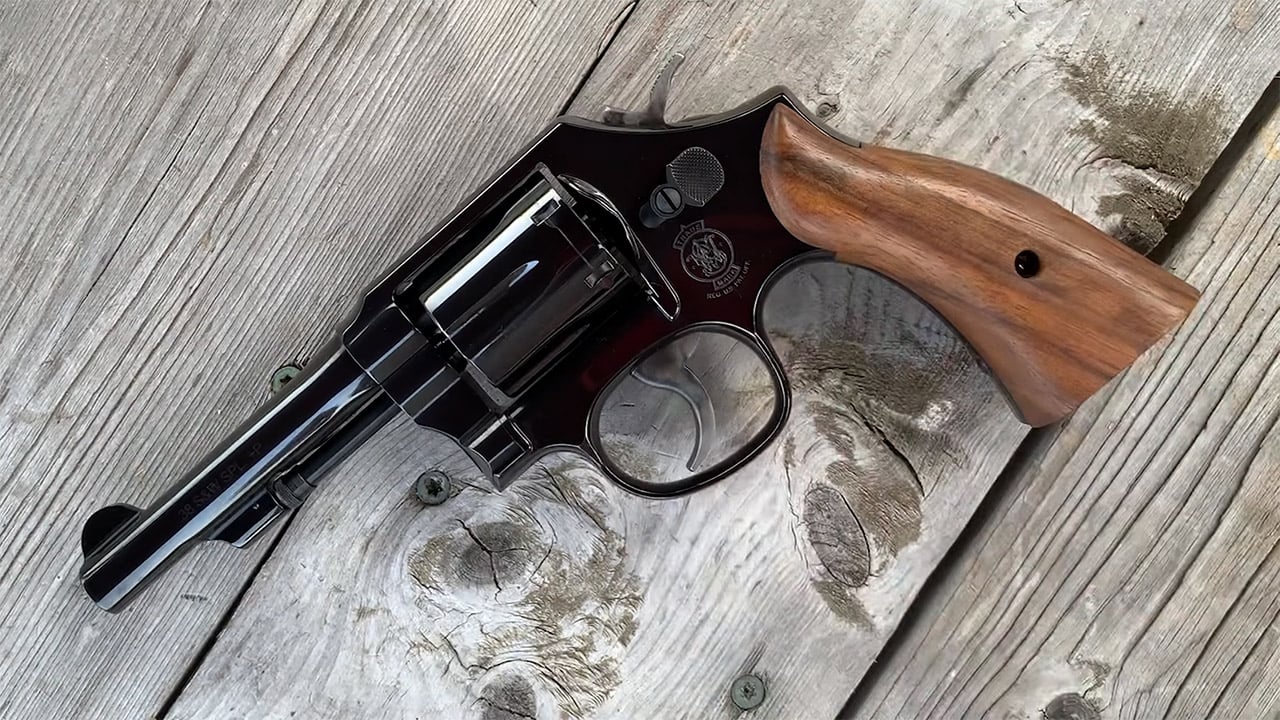
The Model 10 is the definition of common. Police trade-ins. Inherited guns. Pawn shop staples. For years, you could pick one up for what a polymer pistol costs on sale.
Turns out “common” can change fast. Older variations, nice bluing, and original parts matter to collectors, and shooters still love how a K-frame .38 feels. It’s also a reminder that a simple fixed-sight revolver is still one of the most shootable handguns ever made.
9. Smith & Wesson Model 15 (Combat Masterpiece)
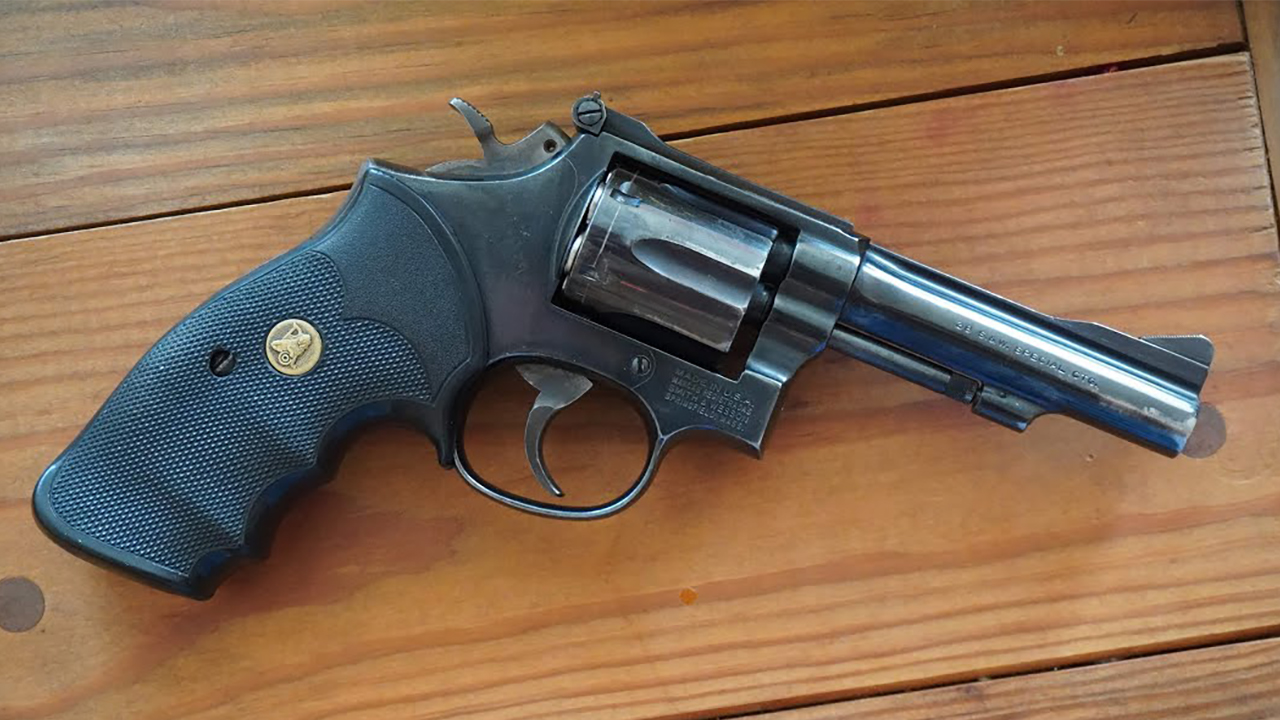
The Model 15 is one of those revolvers that makes you look better than you are. Great sights. Great trigger (on the good ones). Balanced like it was designed by someone who actually shot handguns.
For a while it lived in the shadow of .357 talk. Then .38 Special got appreciated again as a practical, pleasant cartridge. If you want a revolver for range time, trail carry, and just plain enjoyment, the 15 is hard to beat—and it’s not staying cheap.
10. Smith & Wesson Model 36 Chief’s Special (older blued guns)
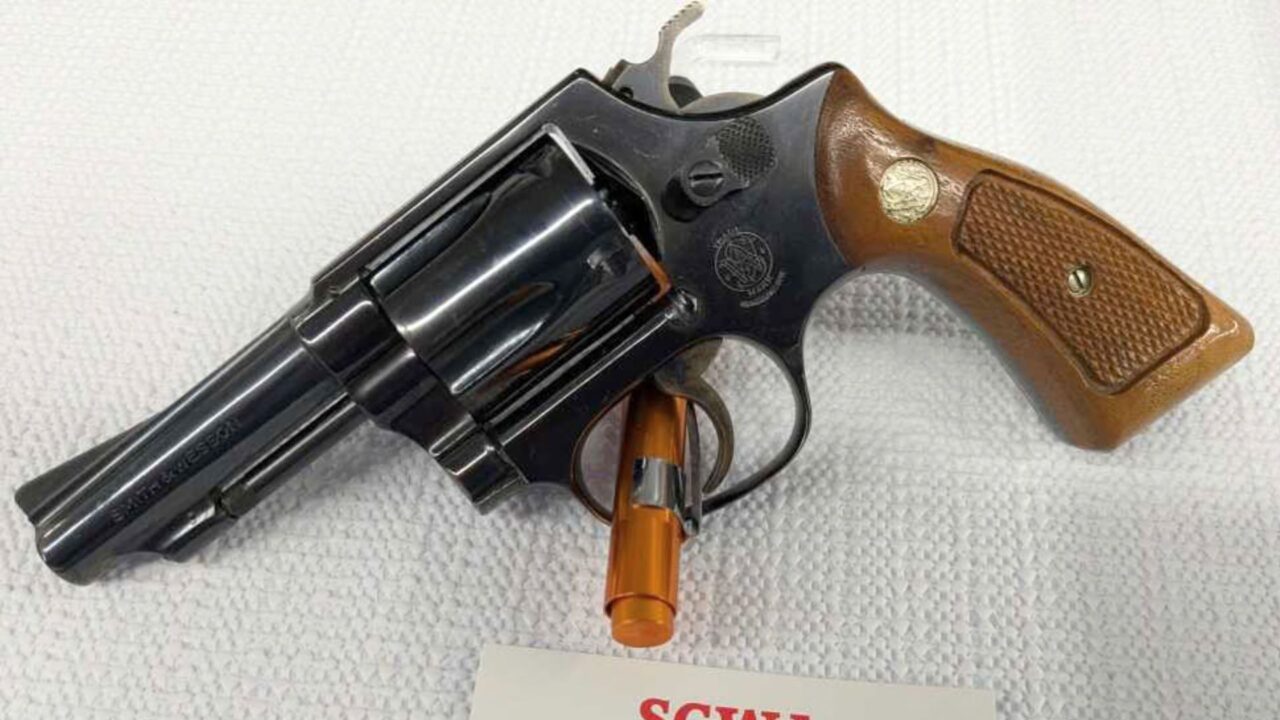
Five-shot J-frames were once so normal they got ignored. A Model 36 in a sock drawer wasn’t “collectible,” it was just there. Plenty of them got refinished poorly or carried hard until the edges were gone.
Now, original finish and clean examples pull attention. They’re still not the softest shooting guns, but they carry well and they’re honest. There’s a difference between “old” and “classic,” and the 36 crossed that line.
11. Smith & Wesson Model 49 Bodyguard (steel shrouded-hammer)
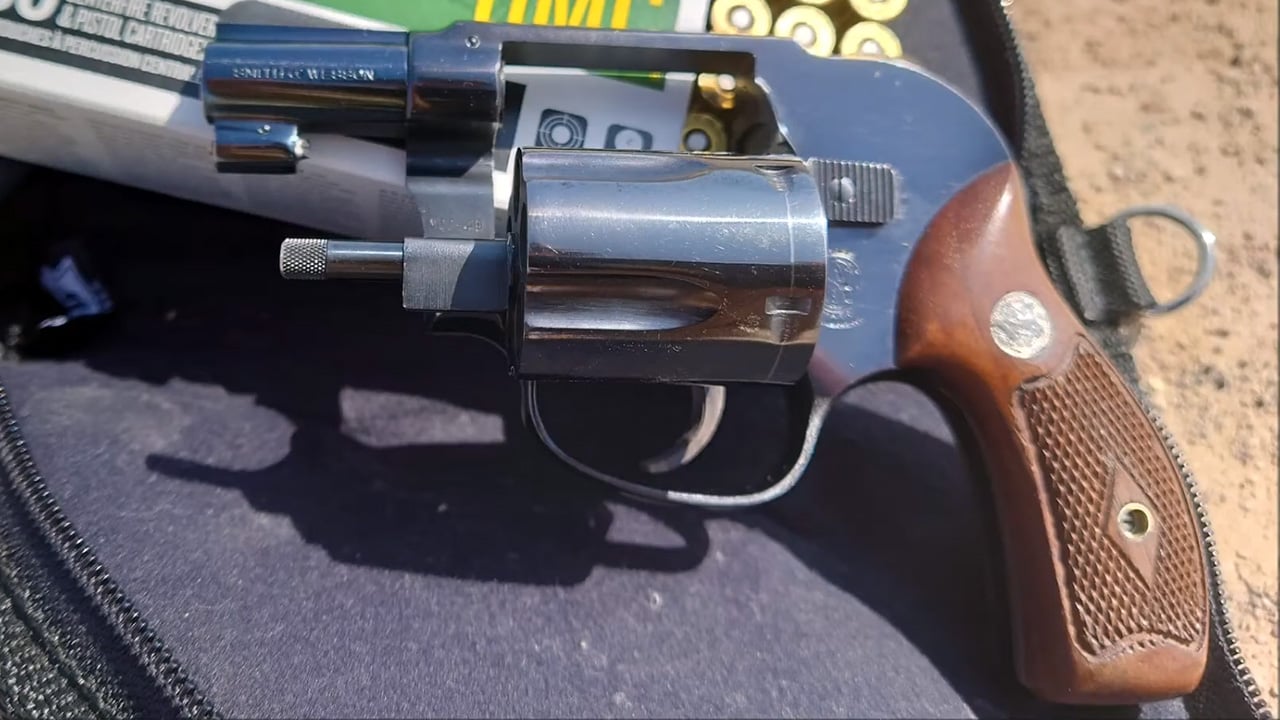
The 49 never had the glamour of a pure hammerless gun or the simplicity of an exposed-hammer snub. It was a niche idea: snag-resistant, but you can still thumb-cock it if you want.
Niche turns into desirable when people actually carry and realize what snags on jackets, waders, and seatbelts. A clean steel Bodyguard has a solid feel that the newer lightweight guns don’t. And yes, the market figured that out.
12. Ruger Security-Six (and Speed-Six)
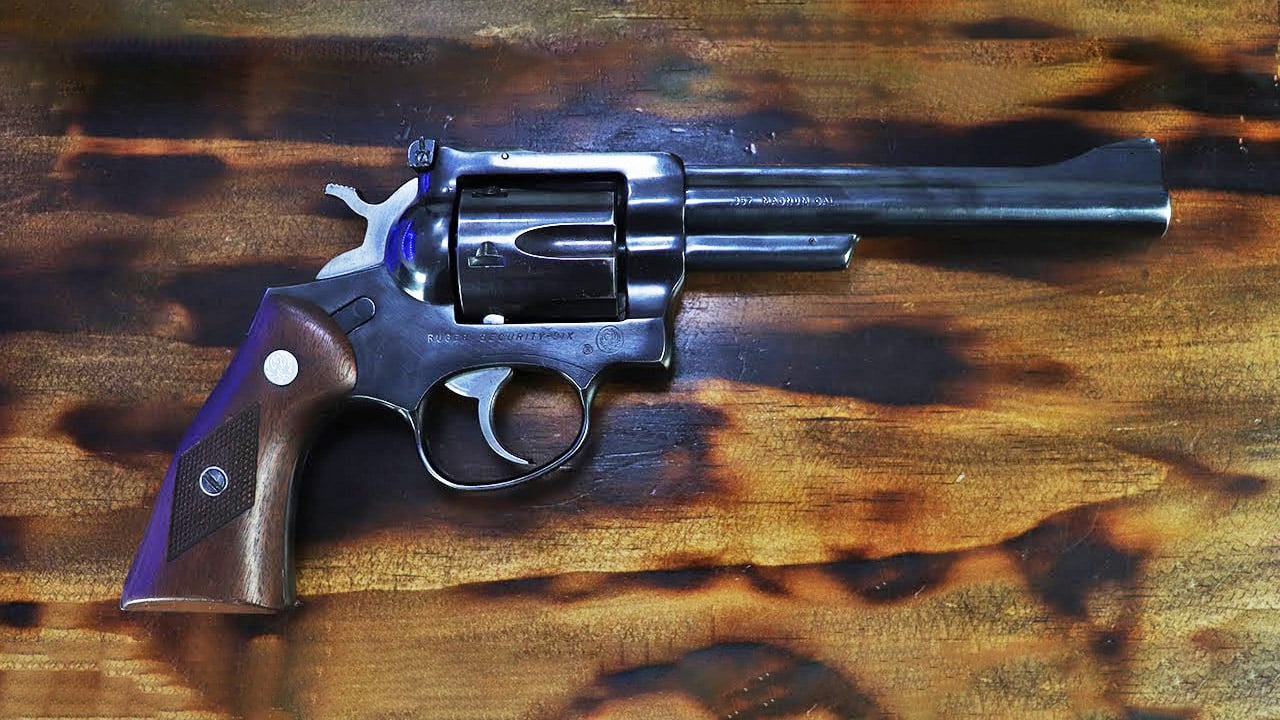
These were the “good used Rugers” forever. Tough, straightforward, and usually cheaper than comparable Smiths. If you wanted a .357 for the truck, a Six-series made a lot of sense.
Then folks realized Ruger wasn’t making them anymore, and the sweet spot is real: strong enough for steady magnums, but not as chunky as the later GP100. They point naturally, and parts/gunsmith knowledge is still out there—just don’t expect bargain pricing like the old days.
13. Ruger Service-Six (fixed sight)
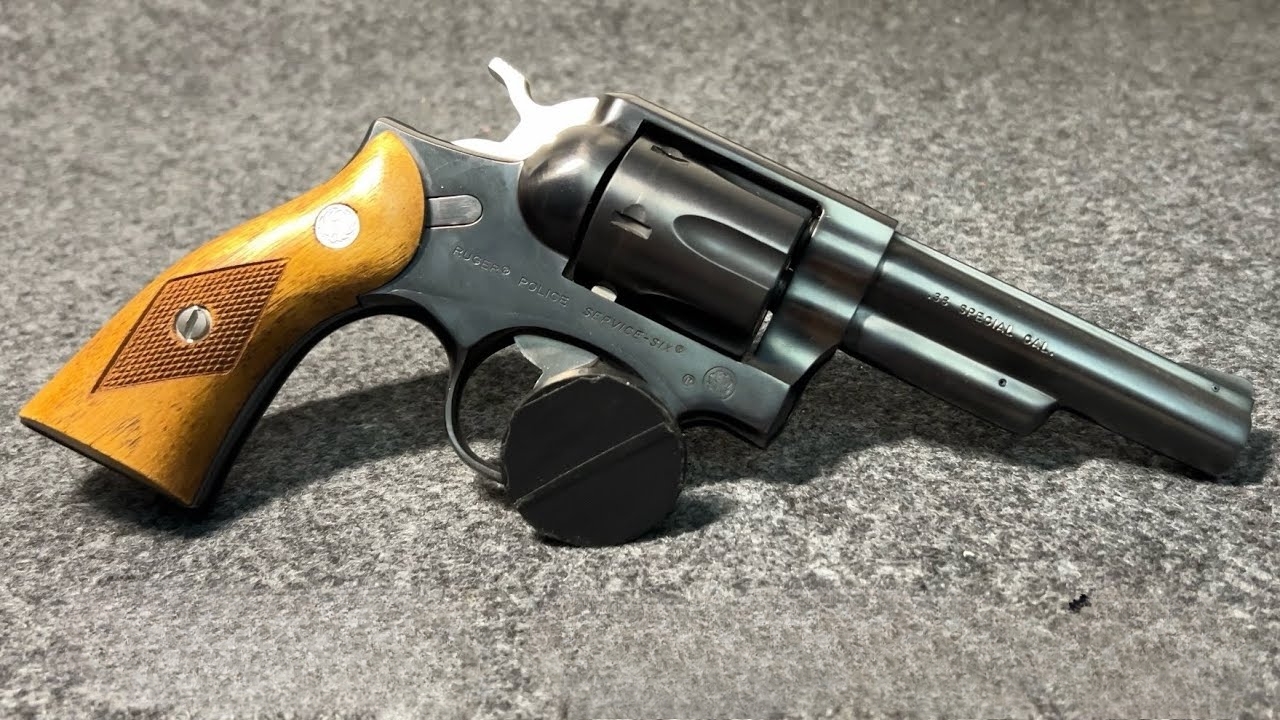
The fixed-sight Service-Six is the one that got the least love. No adjustable rear, plainer look, and it often wore honest holster wear from a working life.
But fixed sights make sense in the woods. Less to snag, less to break, and they stay put. When you find one that shoots to point of aim with your chosen load, it’s a simple, rugged tool—exactly the kind of gun that gets appreciated after the supply is gone.
14. Ruger GP100 (early production, especially blued 3″ and 4″)
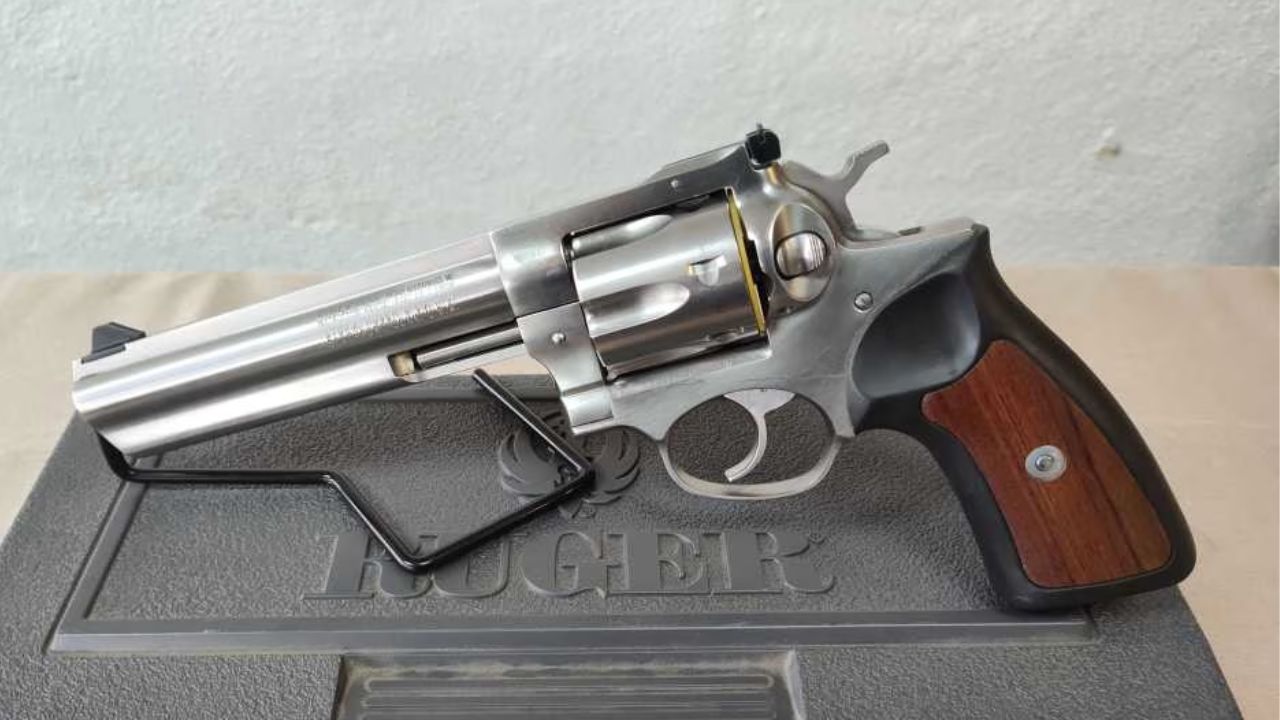
The GP100 was never “ignored” like a cheap import, but it was treated as a readily available workhorse. Guys would sell one to fund the next thing because, in their minds, another GP100 could be had anytime.
Then certain configurations started drying up, and the used market got proud. The GP100 is heavy, sure, but it tames .357 well and it’s the kind of revolver you can shoot a lot without feeling like you’re wearing it out.
15. Ruger Redhawk .44 Magnum (older guns)
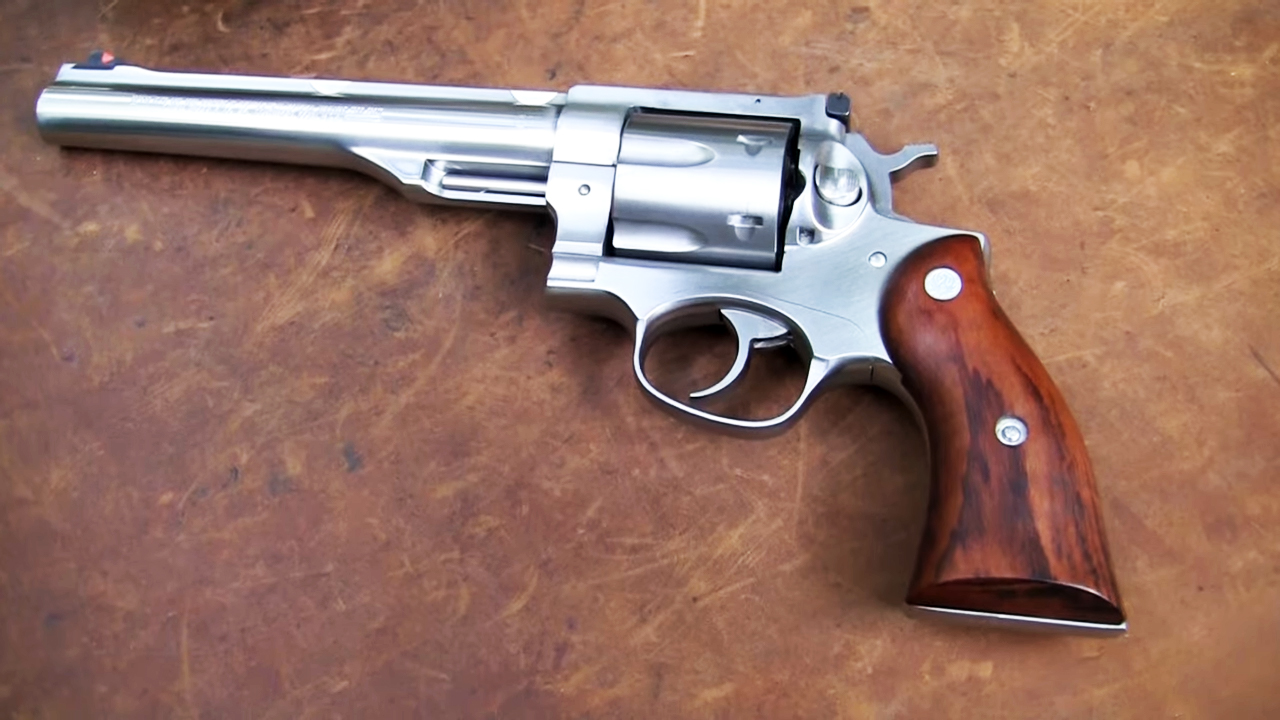
Big .44s are easy to admire and hard to actually live with. The Redhawk is stout and not exactly dainty on the belt. Plenty of them got fired a little, carried a little, and then traded when the novelty wore off.
But hunters and handloaders never stopped respecting it. The Redhawk will take real use, season after season, without feeling fragile. When you want a revolver that can ride in a chest rig during bear country chores, an older Redhawk has a reputation that keeps climbing.
16. Ruger Super Blackhawk (three-screw and early guns)
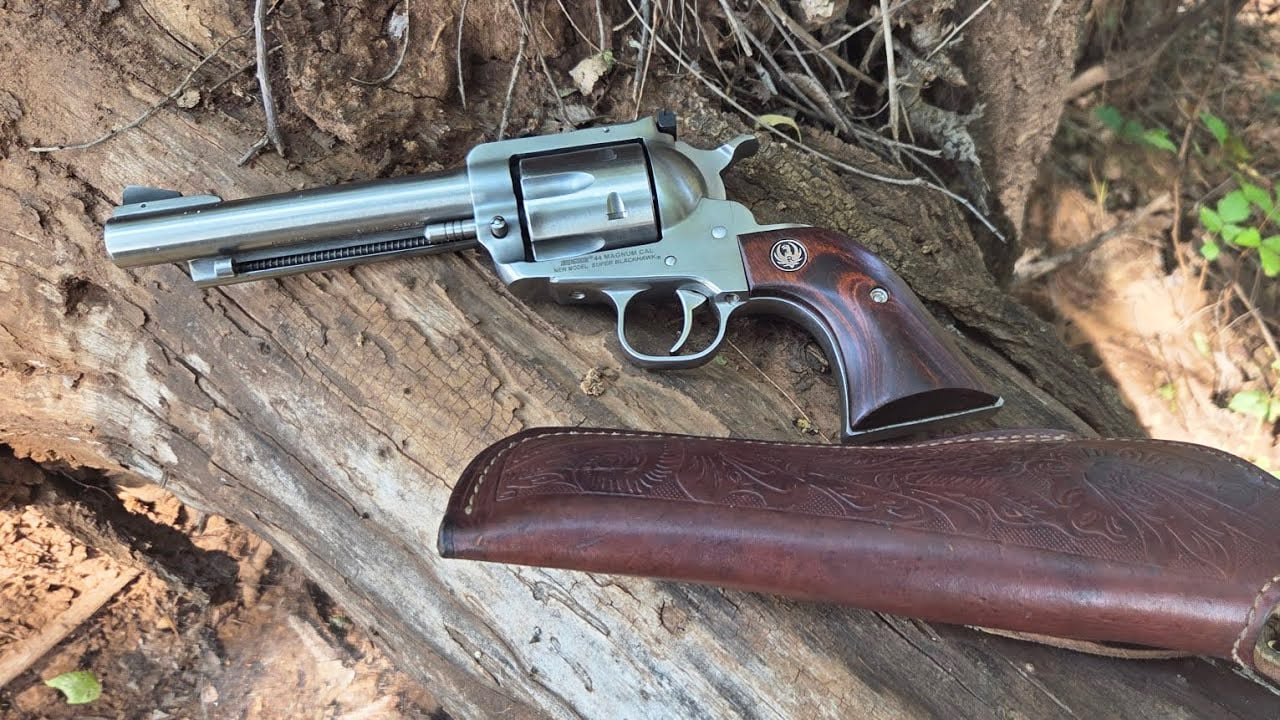
Single-actions went through a long stretch where they were “cowboy stuff.” Fun, but not serious. You’d see a Super Blackhawk in a trade pile after someone decided they wanted a semi-auto for the woods.
Now the older three-screw guns, in particular, get attention for their feel and their place in Ruger history. They’re not for everyone—slow reloads are slow reloads—but if you shoot them well, they’re accurate, durable hunting handguns that connect you to a different pace.
17. Dan Wesson Model 15 (.357 with interchangeable barrels)

Dan Wessons used to be the “weird but accurate” revolver that only a certain type of shooter cared about. The barrel system was smart, but it also meant loose parts, missing tools, and gun-show boxes that looked like a garage project.
Once people started chasing accuracy and unique designs, those same traits became the draw. A complete setup with multiple barrels and the right wrench can bring real money. And when you shoot a good one, you understand why the fan club never went away.
18. Charter Arms Undercover (older production)
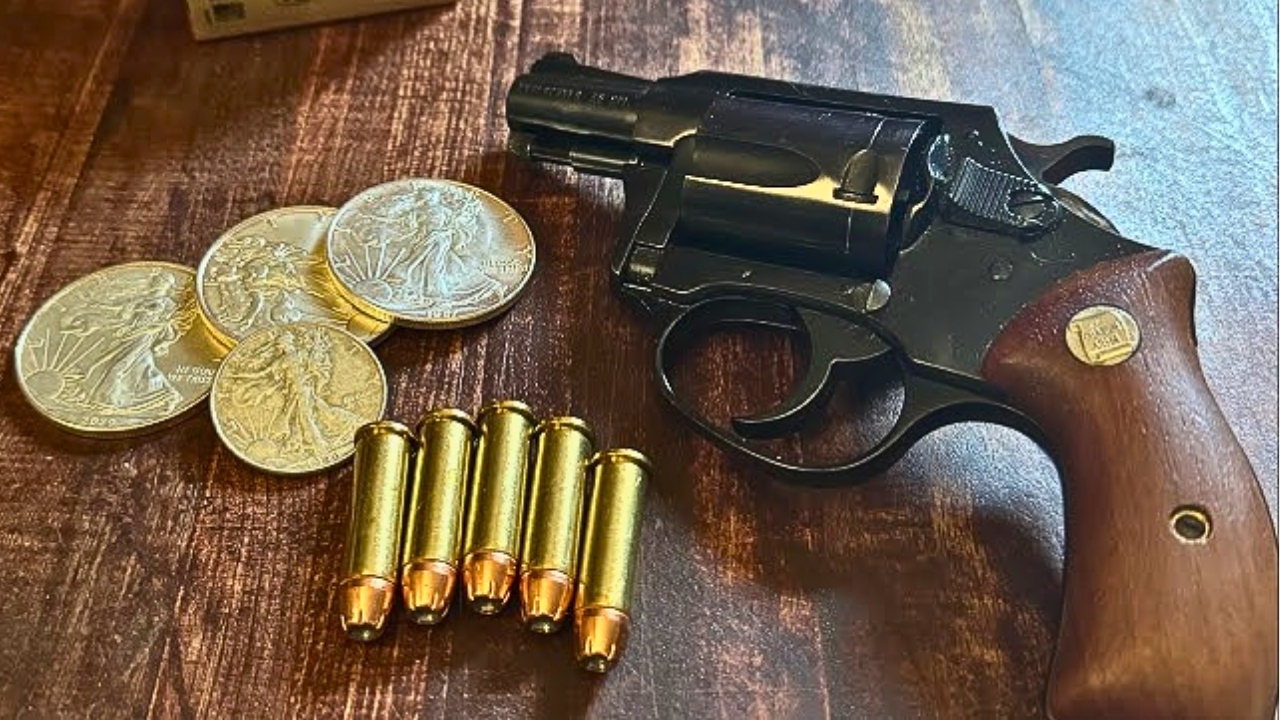
Charter Arms has had ups and downs, and that’s putting it politely. For a long time, a used Undercover was the gun you bought when the budget was tight and you needed something simple.
Older, solid examples have become harder to find than folks think, especially ones that haven’t been “kitchen table gunsmithed.” They’re light, they carry easy, and they do the job they were built for. They’re still not fancy, but they’re not throwaway cheap like they used to be.
19. Colt Trooper Mk III
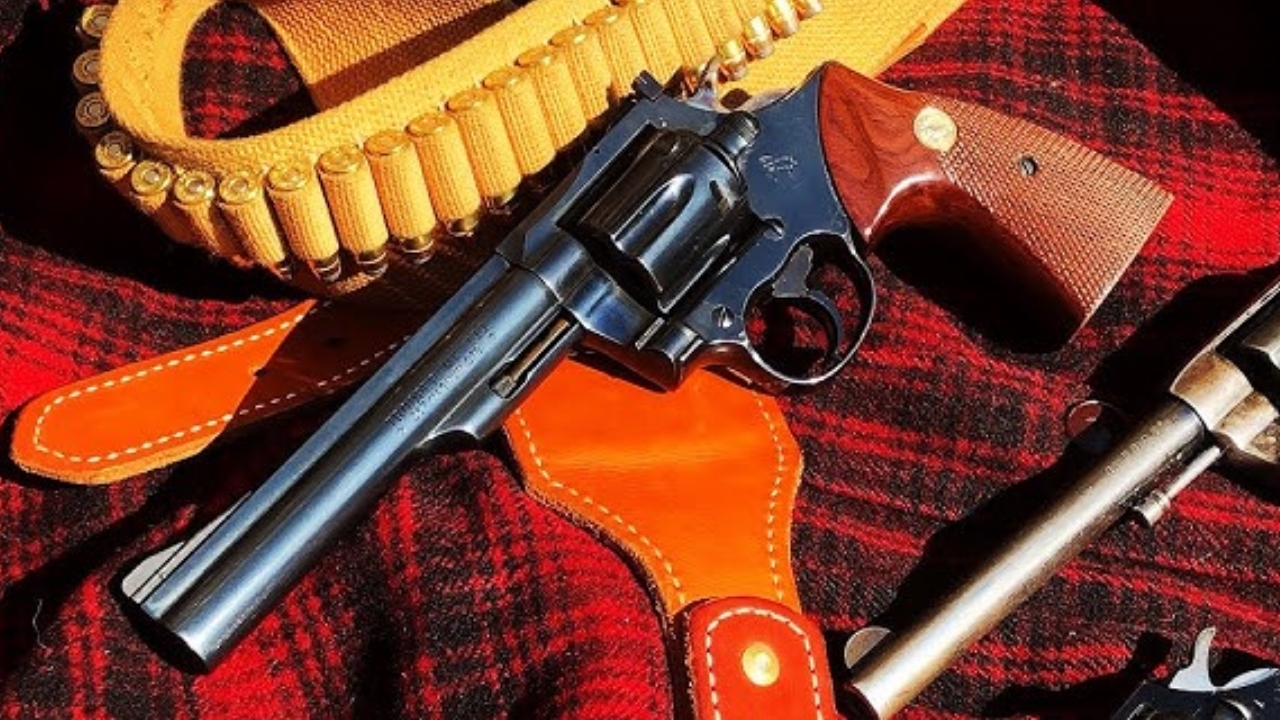
The Trooper Mk III lived in that middle zone: not the Python, not the cheap option, not the most talked about. A lot of them got bought as duty or home guns and then quietly sold off when semi-autos took over.
Now they’re a doorway into vintage Colt ownership without full Python pain—though the gap isn’t what it used to be. They’re strong, straightforward revolvers, and they scratch the “old Colt” itch for guys who actually want to shoot the thing.
20. Smith & Wesson Model 625 (.45 ACP, especially early runs)

Moon-clip revolvers were a niche for a long time. A .45 ACP wheelgun sounded odd if you weren’t already into it, and plenty of shooters couldn’t see the point next to a 1911 or a .44.
Then more folks discovered how fast and smooth a 625 can run, and how pleasant .45 ACP is in a big frame. Add in competition interest and limited availability in certain versions, and you’ve got a revolver that doesn’t sit on shelves anymore.
None of this means every old revolver is a retirement plan. Some are worn out, some are mismatched, and some were never that great to begin with. But if you’ve got a solid wheelgun that shoots straight, locks up right, and fits a real purpose—trail carry, deer camp, nightstand, truck chores—think hard before you trade it off for the next shiny thing. The market has a habit of teaching that lesson the expensive way.
Like The Avid Outdoorsman’s content? Be sure to follow us.
Here’s more from us: