Photo credit: The Outdoor Generalist/Youtube
Every gun counter has a little graveyard of “should’ve bought it when it was cheap” rifles. Not because they were perfect, but because they did real work for regular folks, then got discovered by the internet, a hunting show, a military-contract rumor, or a sudden shortage. Next thing you know, the same rifle you walked past for years is either double the price or flat-out gone.
This isn’t a collector flex piece. This is the stuff I’ve watched buddies sell to “fund a new build,” then try to buy back later with a pained look on their face. Some of these are old-school working guns. Some are modern rifles that used to be “just a budget option” until everyone realized they ran fine. And a few are oddballs that turned into cult favorites.
1. Ruger American Rifle

There is nothing fancy about it, and that is kind of the point. The early Ruger Americans were the “good enough” rifle you grabbed when you needed a deer rifle and also needed to pay the electric bill. They shot better than they had any right to, and the magazines and stocks were never the reason you missed.
Now they’re not exactly rare, but the days of stumbling into a screaming deal on one feel mostly over. Once folks figured out they’d stack factory ammo into tidy groups and carry light in the hills, the floor on used prices came up.
2. Savage Axis (original Axis/Edge)

The Axis used to be the rifle everybody made fun of right up until they saw the targets. The trigger wasn’t always great out of the box, and the plastic stock could feel like a canoe paddle. Still, they flat shot, and they fed most hunting ammo without drama.
They were also the rifle that got a lot of new hunters into the woods without taking out a loan. Once people realized an inexpensive bolt gun could be dependable and accurate enough for real seasons, the bargain tags didn’t last.
3. Tikka T3 (early T3 Lite)
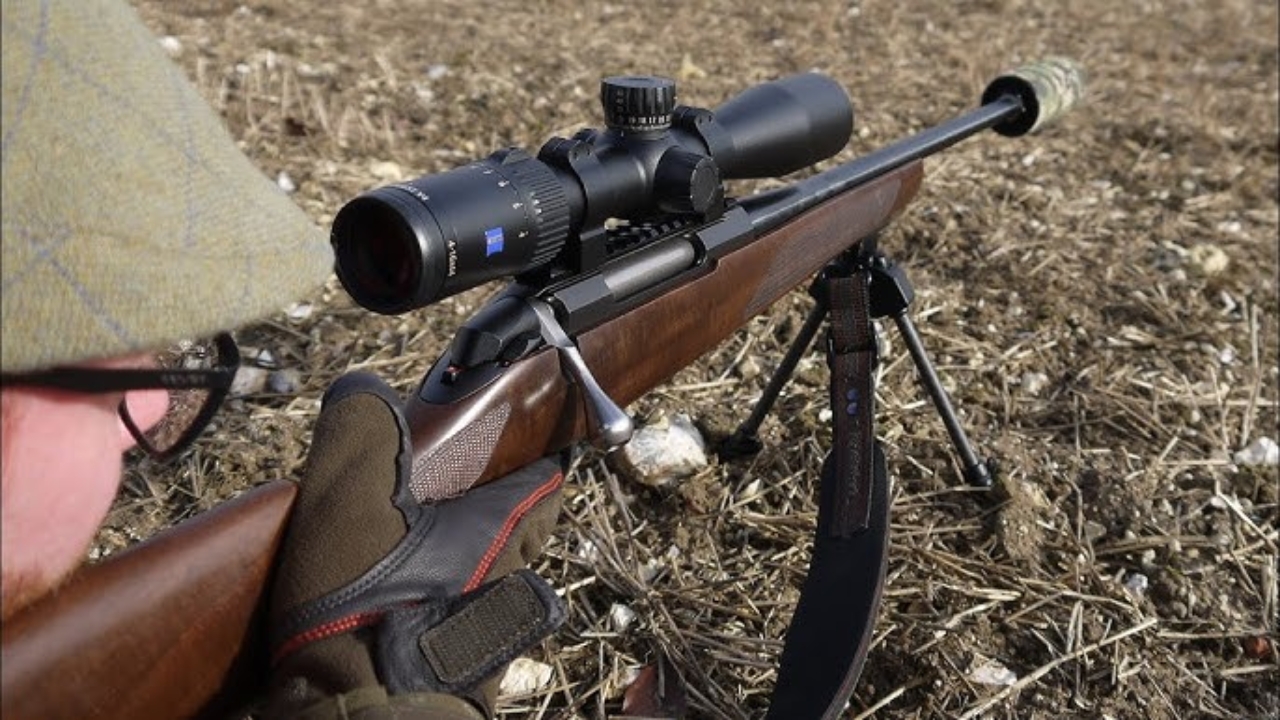
A Tikka action is the kind of smooth you notice even when you’re cold and wearing gloves. For a while, you could find used T3 Lites sitting on racks because they weren’t “tactical” and they weren’t old enough to be “classic.” That window didn’t stay open.
They carry like a mountain rifle and shoot like a heavier rig. When you combine that with a reputation for feeding slick and extracting clean, demand does what demand does.
4. CZ 527 (especially in .223 and 7.62×39)
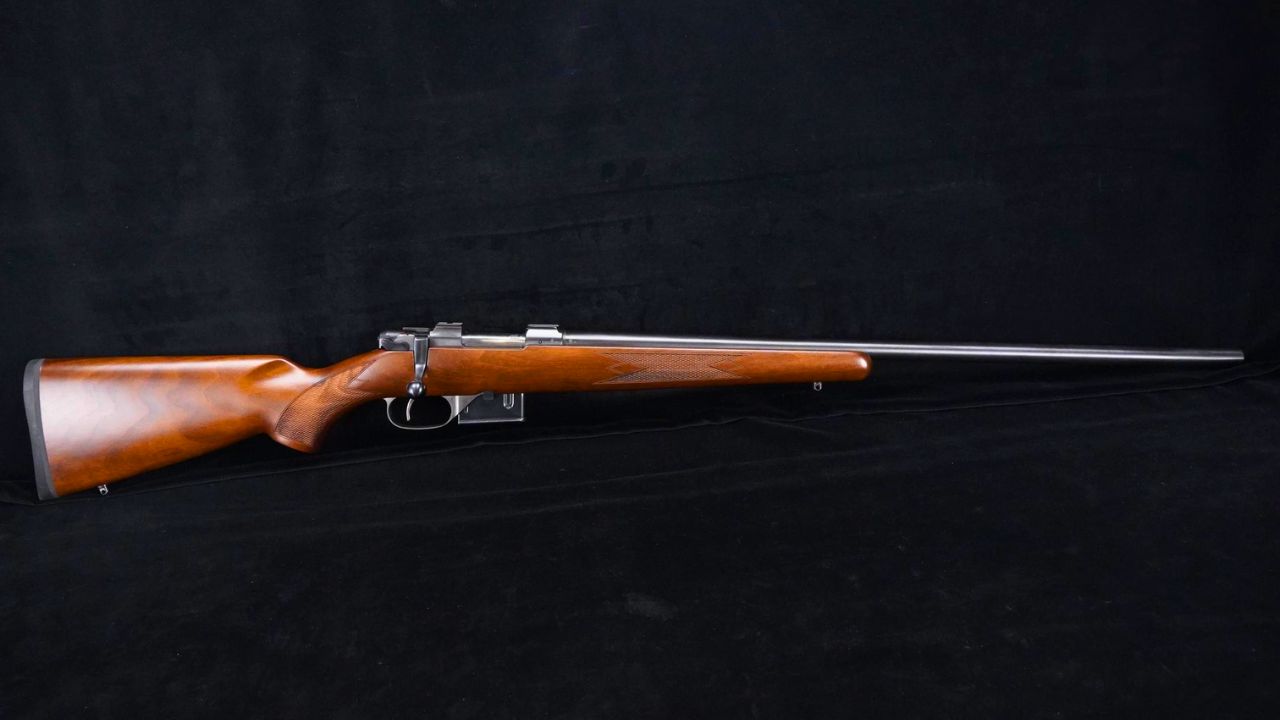
The little CZ 527 was a sleeper. It handled like a trim walking varminter, had real wood-and-steel charm, and the set trigger spoiled a lot of folks. The 7.62×39 version, in particular, was a handy “woods rifle” that didn’t feel like a brick.
Then they got harder to find and folks realized what they had. If you see one in good shape now, it’s usually not wearing an old price tag anymore.
5. Marlin 336 (JM-stamped)

If you grew up around deer camps, you’ve seen a 336 riding behind a truck seat or leaning in a corner by the back door. For a long time, they were just “grandpa’s lever gun” and priced like it. That one hurts.
Once everyone started chasing older Marlins with the right markings and the right feel, the market changed. A clean 336 that cycles smooth and shoots straight doesn’t sit long.
6. Winchester Model 94 (pre-safety)
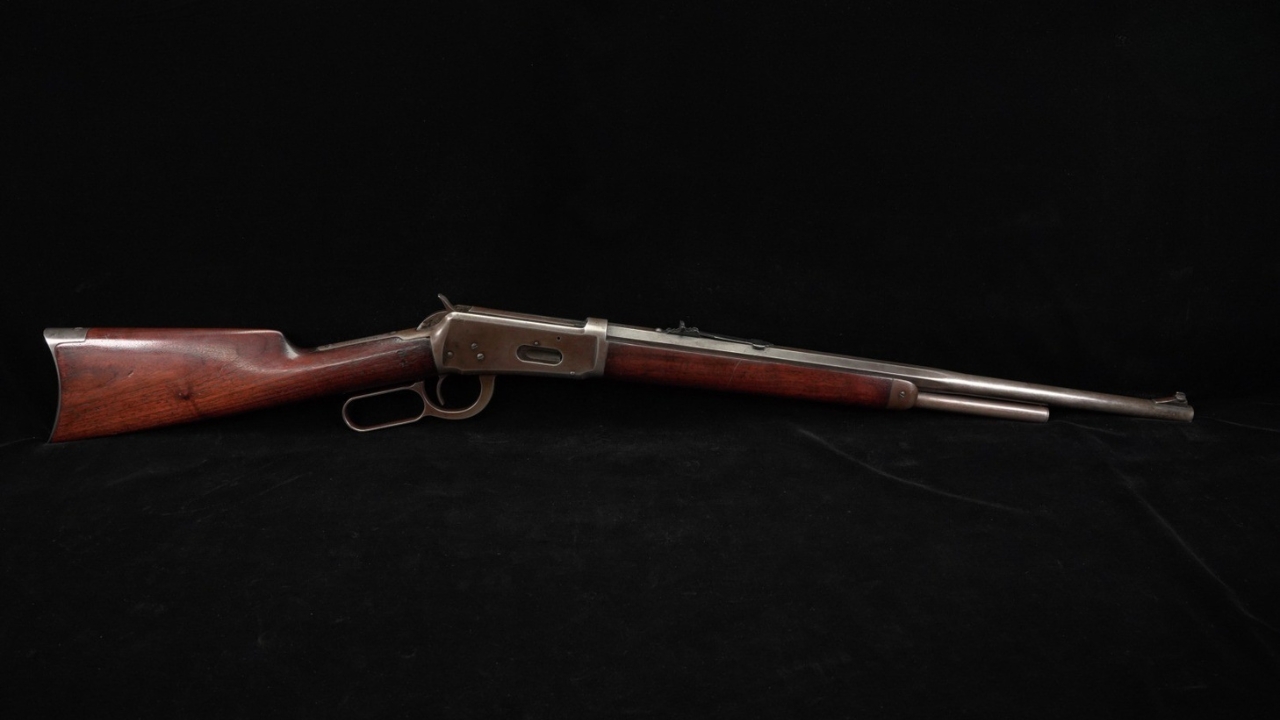
The Model 94 is another one that used to be everywhere. Not fancy, not rare, just honest. Then “everywhere” turned into “where did they all go?” and the pre-safety guns started getting snapped up.
They’re light, they point fast, and in thick timber they still make a lot of sense. When a rifle fits that many hunting scenarios, it doesn’t stay cheap forever.
7. Remington 700 ADL (older, plain-jane hunting versions)

Before the custom craze and the “build your own everything” era, the basic 700 ADL was a common working rifle. Nothing flashy. Cheap scope, a box of Core-Lokt, and it killed a lot of deer. The action footprint becoming the standard for a million parts didn’t hurt values either.
These days, even the plain ones catch attention because they’re a base for builds or a straightforward hunting rifle. The bargain ones still pop up, but they don’t linger.
8. Remington 788
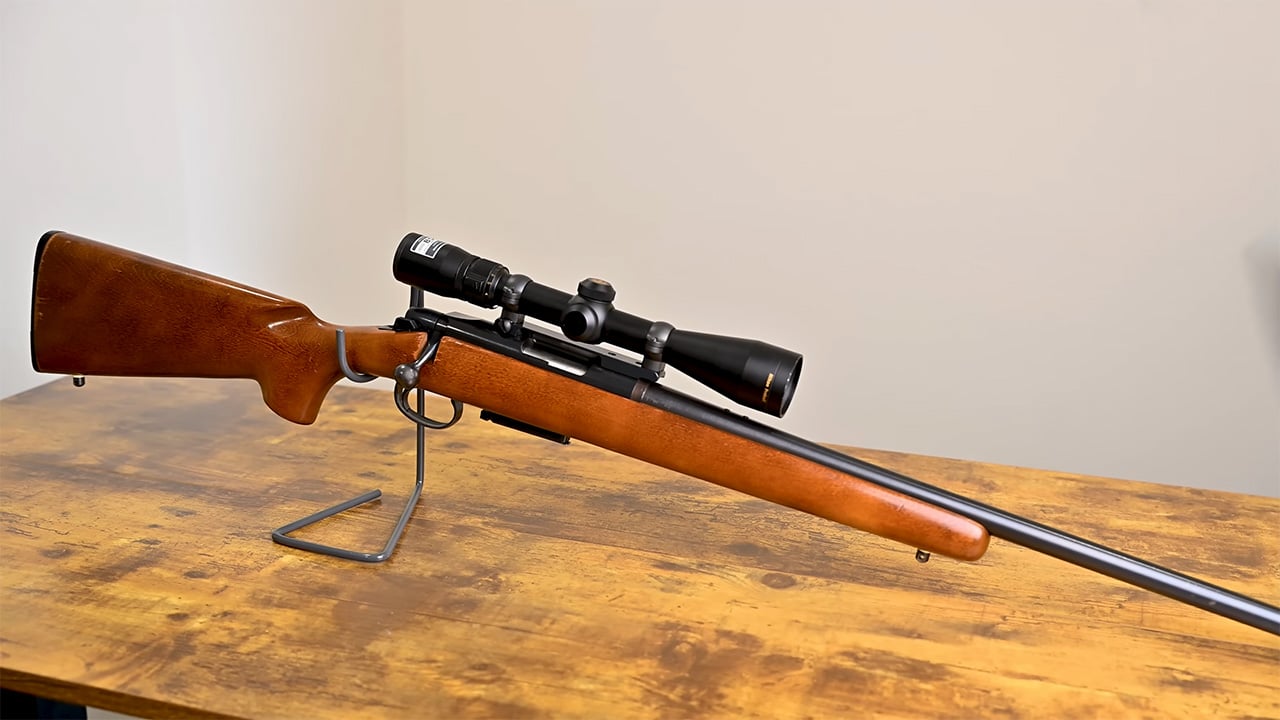
The 788 is ugly to some folks. The bolt throw feels different. The magazine setup is its own thing. And yet, they shoot. I’ve seen 788s embarrass rifles that cost three times as much, and it’s not a fluke.
For years they were the “cheap old Remington” that nobody bragged about. Then everybody with a range buddy who owns one figured it out, and the prices followed.
9. Ruger M77 Mark II
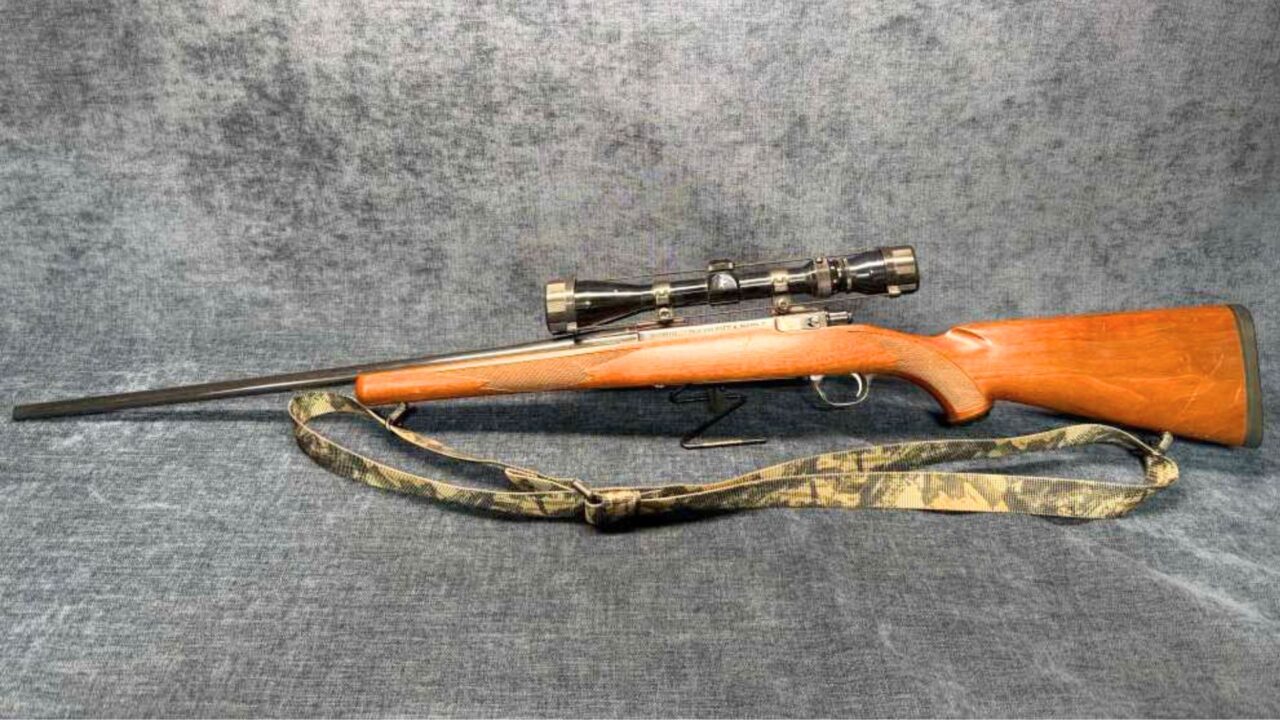
The Mark II is the kind of rifle you buy once and then quit thinking about rifles for a while. Controlled-round feed, sturdy build, and it’s not picky about being babied. They can be a little heavier than the new featherweight trends, but that weight settles in nice off sticks.
Used Mark IIs used to be easy to find at reasonable money. Now, clean ones tend to get “I know what I’ve got” pricing, because they earned that reputation.
10. Howa 1500 (including Weatherby Vanguard Series 1)
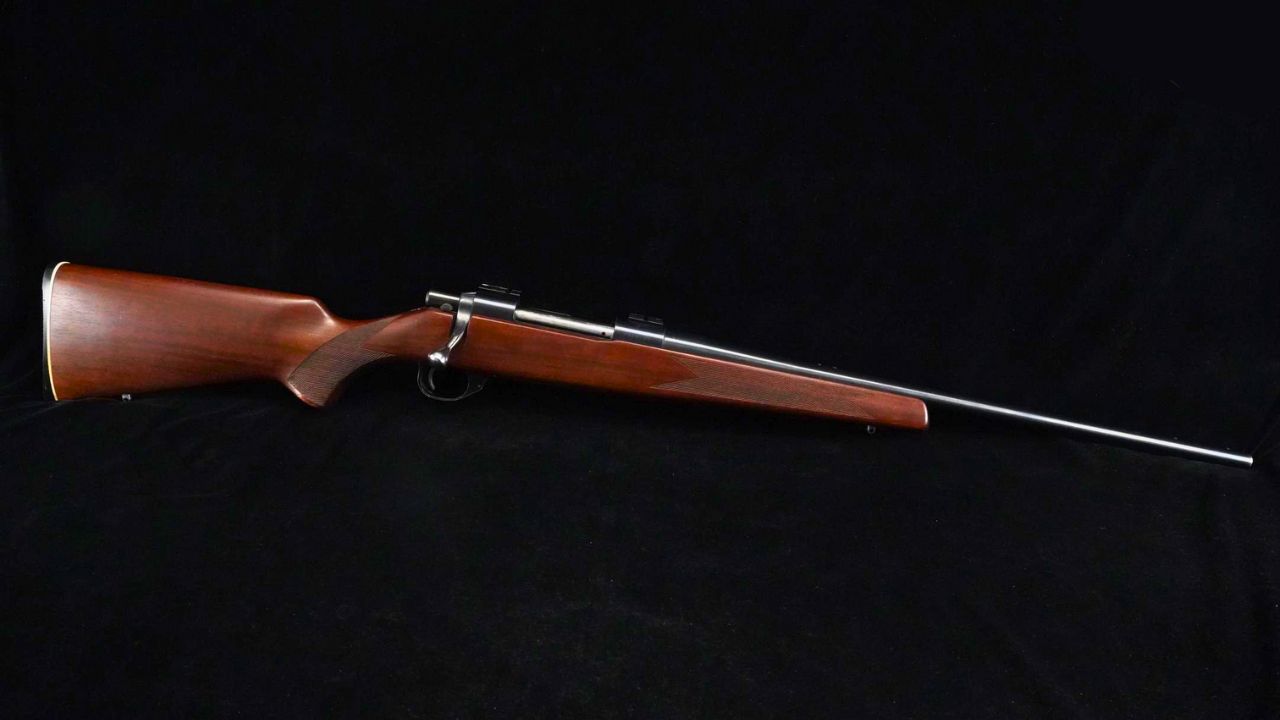
Howa 1500s were the handshake-deal rifles. Solid Japanese actions, good barrels, and they just kept going. The Vanguard Series 1 guns were especially easy to overlook because they weren’t the latest thing.
Once the word got around that these were dependable, accurate rifles with good aftermarket support, the “cheap but decent” label faded. They’re still a value, but the steals aren’t as common.
11. Mosin-Nagant 91/30

Everybody jokes about the era when they were stacked like cordwood for pocket change. But a functional, all-matching Mosin with a decent bore isn’t a throwaway anymore. Even if you’re not a collector, it’s a rugged rifle that will survive bad weather and neglect.
The ammo situation has changed over the years, and the novelty wore off for some. Still, the days of grabbing one just because it was cheap are long gone.
12. SKS (Norinco and Yugoslav variants)
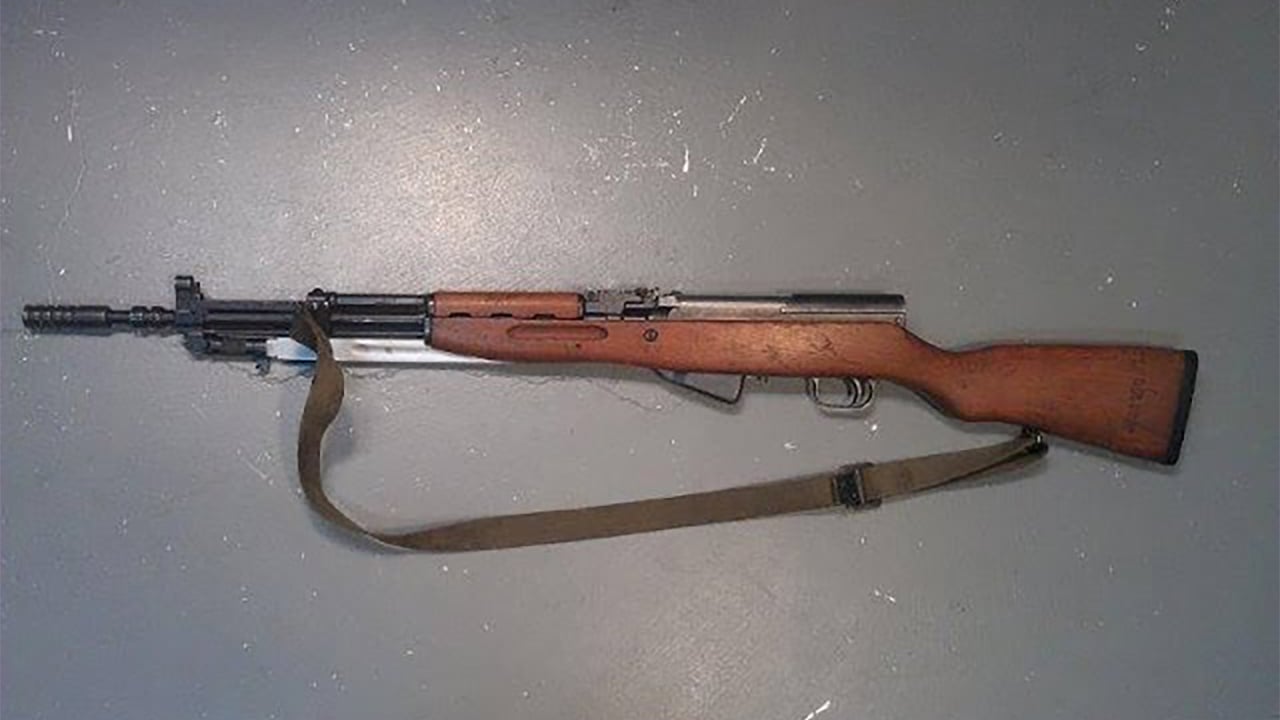
The SKS used to be the “first semi-auto” for a lot of folks. Not because it was the best, but because it was reliable, simple, and affordable. Ten rounds on tap, decent irons, and it’ll run dirty.
Now, even beat-up examples bring more than they used to. Original configuration matters more than it did when guys were slapping random accessories on them and calling it good.
13. Ruger Mini-14 (Ranch Rifle)
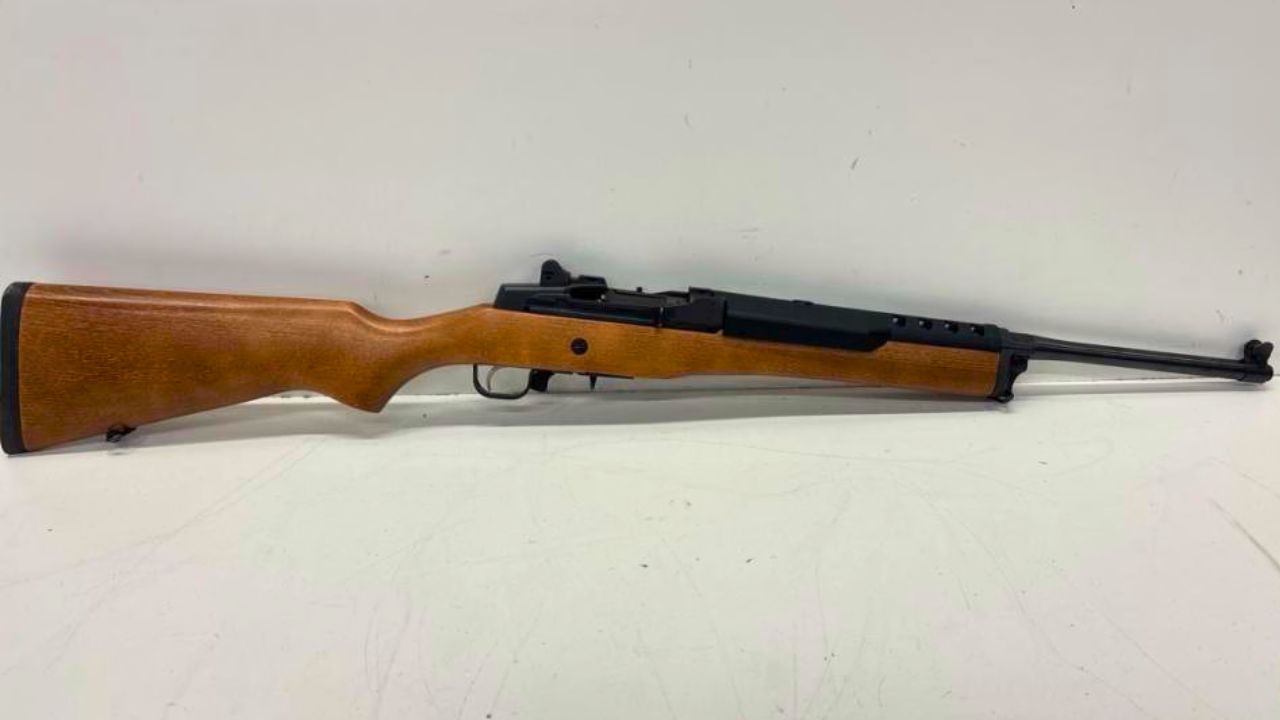
For a long time, the Mini-14 lived in a weird place. Too “old” for the tactical crowd, too “semi-auto” for the traditional deer rifle crowd. Then folks remembered it’s handy, reliable, and it carries well on a property or in a truck when you’re dealing with coyotes and chores.
Magazines used to be the pain point, and that turned buyers away. As factory mags and good aftermarket options became easier to get, the Mini’s value climbed right along with interest.
14. Colt AR-15 SP1
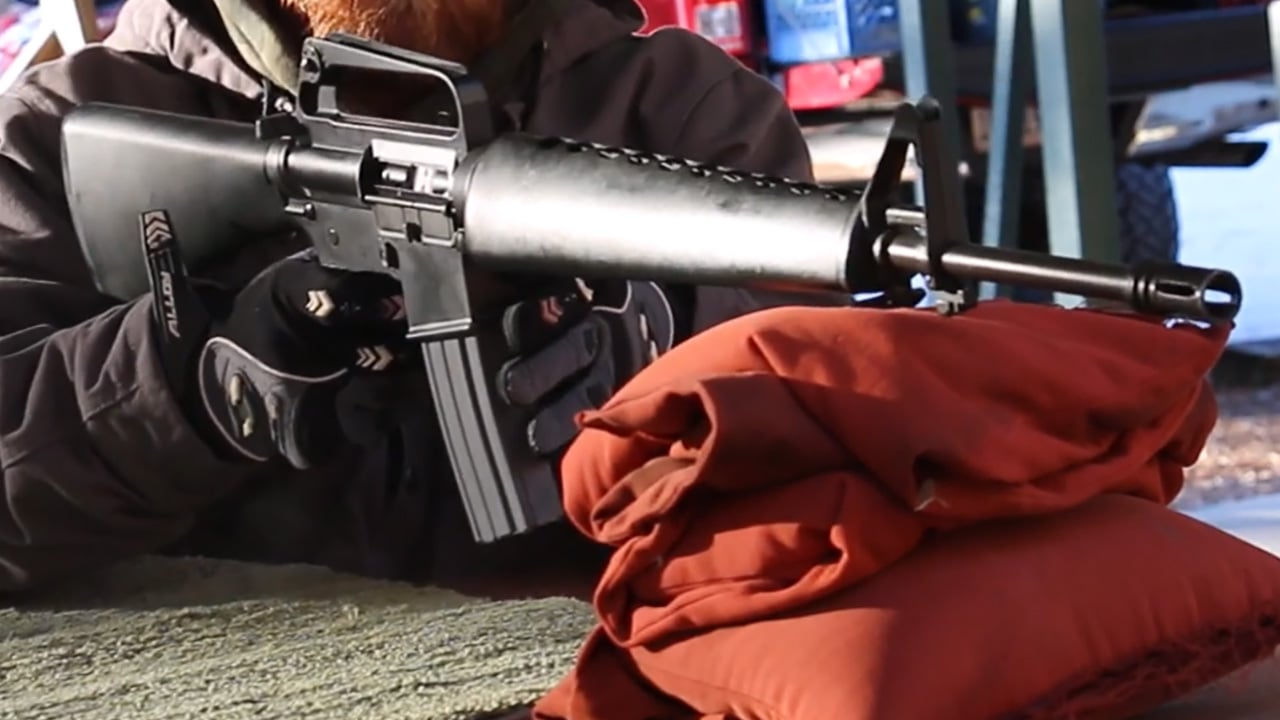
For years, SP1s were just “old ARs” with slick-side receivers and skinny barrels. Then retro builds got popular, and suddenly everyone wanted that exact look and feel. That’s how it goes.
They’re lightweight, they balance well, and they have that classic Colt vibe without needing to be a museum piece. If you passed on one because it seemed boring, you probably noticed the price jump later.
15. FN FAL (DSA and older imports)
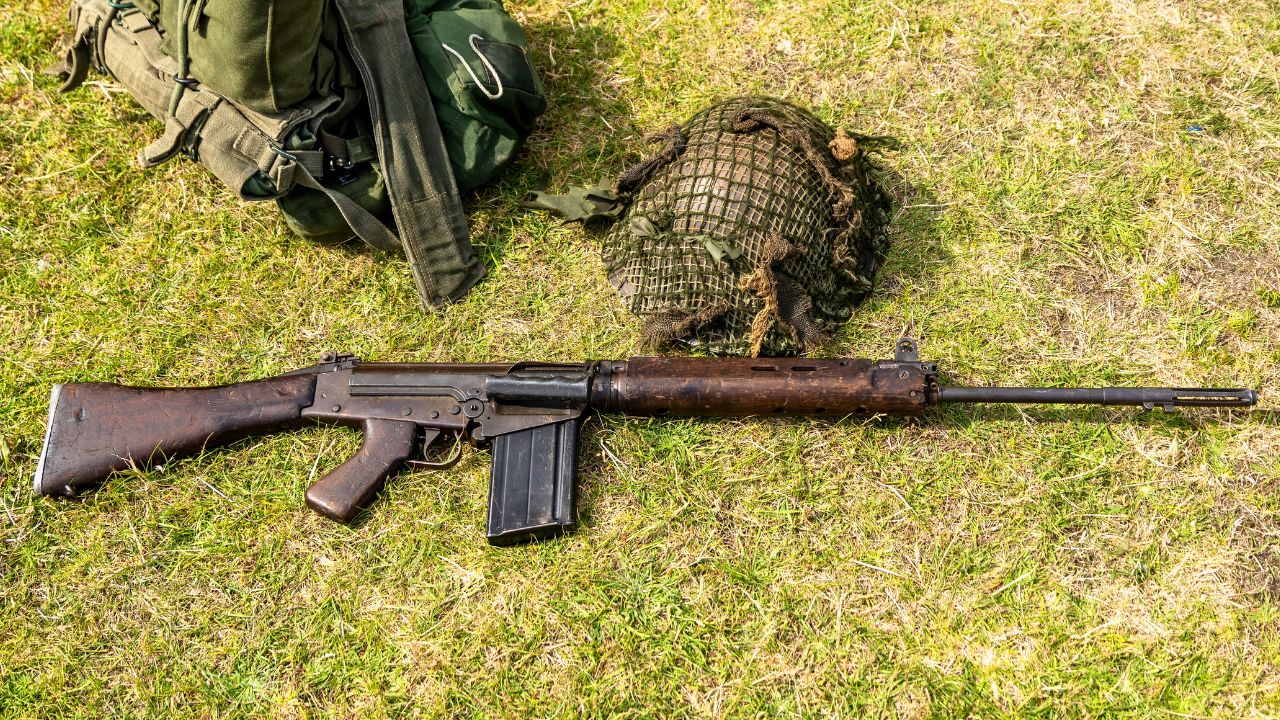
The FAL has always had a following, but there was a stretch where you could find a solid example without taking a deep breath at the price tag. A .308 battle rifle isn’t everyone’s idea of practical these days, especially if you’re hiking a lot.
Still, they’re smooth shooters for what they are, and they have a real “rifleman’s rifle” appeal. As supply tightened and interest stayed steady, the cheaper ones disappeared.
16. Springfield Armory M1A (Standard model, older production)

The M1A is one of those rifles that feels like a piece of Americana, even if you never served a day in uniform. The Standard model used to be a “save up and grab it” rifle that you could still find used at a fair number.
Between shifting costs, parts chatter, and the overall market, they’re not the easy bargain they were. And if you’re a guy who likes irons and wood, you already know there aren’t many substitutes.
17. Ruger 10/22 (older carbines and early runs)

You can still buy a new 10/22, sure. But the old “walk into a shop and snag a used one for next to nothing” deals have gotten scarcer. The 10/22 is the most useful rimfire rifle ever made for a lot of households, and usefulness drives demand.
It’s the rifle that teaches kids, rides along on squirrel hunts, and turns cheap ammo into real practice. When everybody needs one, nobody gives them away.
18. Marlin Model 60

The Model 60 was the other rimfire that used to be leaning in every pawn shop rack. Tube-fed, simple, surprisingly accurate, and it just keeps running if you don’t treat it like a mud shovel.
As certain versions became harder to find and new production changed hands over the years, the old ones got appreciated more. If you’ve got a clean Model 60, it’s not a bad idea to hang onto it.
19. Ruger No. 1

A single-shot falling block is not a “do everything” rifle, and that’s why they sat around as bargains for a while. But a Ruger No. 1 has a way of making you slow down and shoot like you mean it. The balance is different. The vibe is different. The rifle feels like it’ll last longer than you will.
Once folks started chasing certain chamberings and limited runs, the easy deals dried up. It’s a niche rifle, but it’s a niche with loyal customers.
20. Browning BLR

The BLR is what you buy when you want lever-gun handling but you also want modern cartridges and a box magazine. For a long time, some hunters didn’t know what to make of it, and that kept prices reasonable. Then they carried one in steep country and understood.
They’re not the simplest rifles inside, and I get why some folks stick to traditional levers. But as a practical hunting tool, especially where quick follow-ups and pointed handling matter, the BLR earns its keep—and the market finally noticed.
None of these rifles are magic, and a couple are downright awkward in their own ways. But they share one trait: they worked, they got noticed, and the cheap tags didn’t survive. If you’ve got one that you actually use, don’t be too quick to trade it off for the newest shiny thing. Ask me how I know.
Like The Avid Outdoorsman’s content? Subscribe to our newsletter so you never miss an article.
Here’s more from us: