Photo credit: tnoutdoors9/Youtube
There’s a funny gap between what wins matches and what earns trust in a muddy truck floorboard or a wet deer camp. Competitive shooters are rough on gear in a different way than hunters are, but the overlap is real: repeatable triggers, reliable feeding, and controls that don’t turn into a science project when it’s cold and you’ve got gloves on.
So here are 20 guns that have put trophies on tables and also get a nod from weekend hunters who just want something that works. Not every one is pretty. Not every one is “best.” But these are the kinds of guns you’ll still see when the new-hotness fades and folks go back to what they can count on.
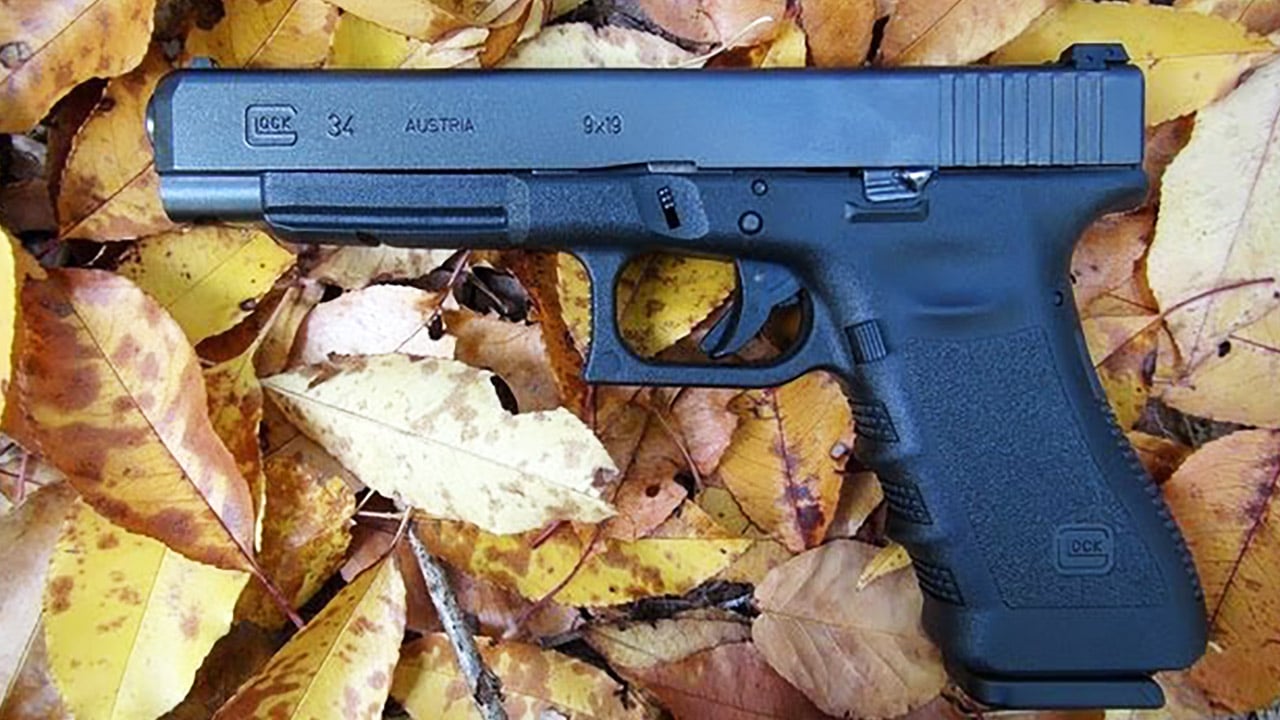
1. Glock 34
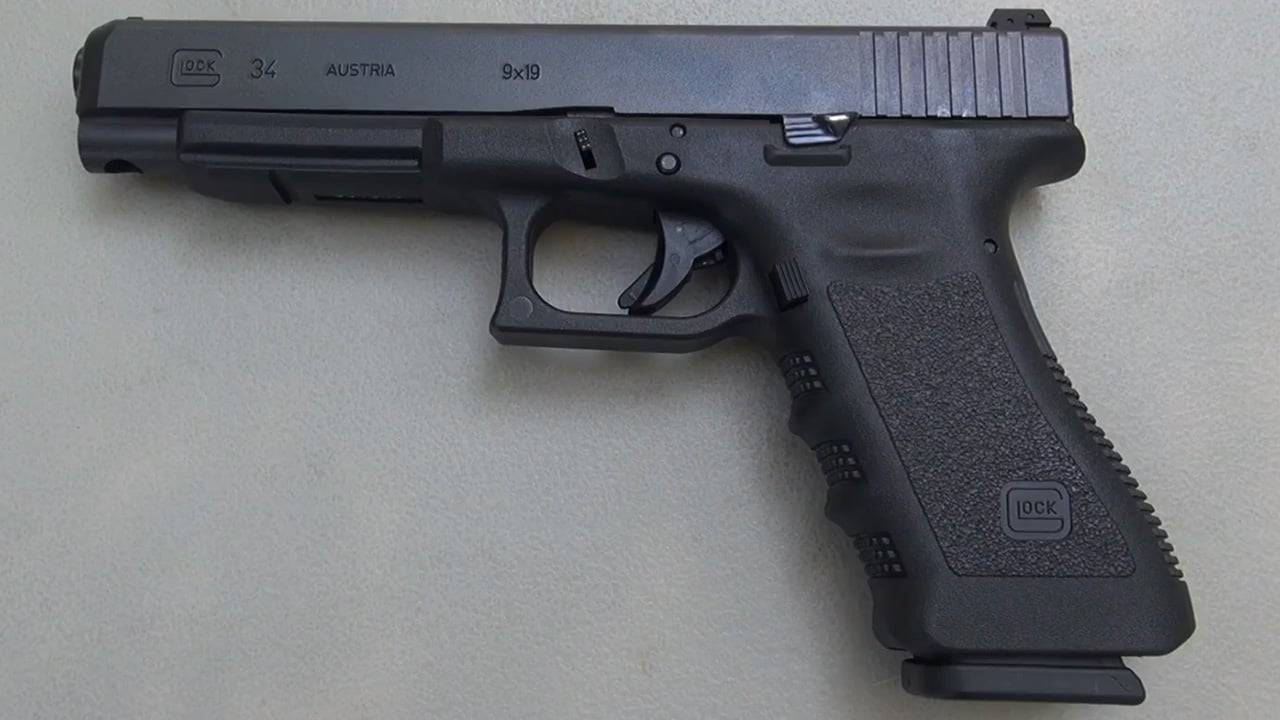
If you’ve ever been to a local match, you’ve seen one. The long slide settles the dot or front sight, the trigger is predictable once you learn it, and it’ll run dirty without getting dramatic.
Is it exciting? No. That’s the point. Magazines are everywhere, parts are everywhere, and if you actually practice, it rewards you without demanding a bunch of babying.
2. SIG Sauer P320 X-Five Legion
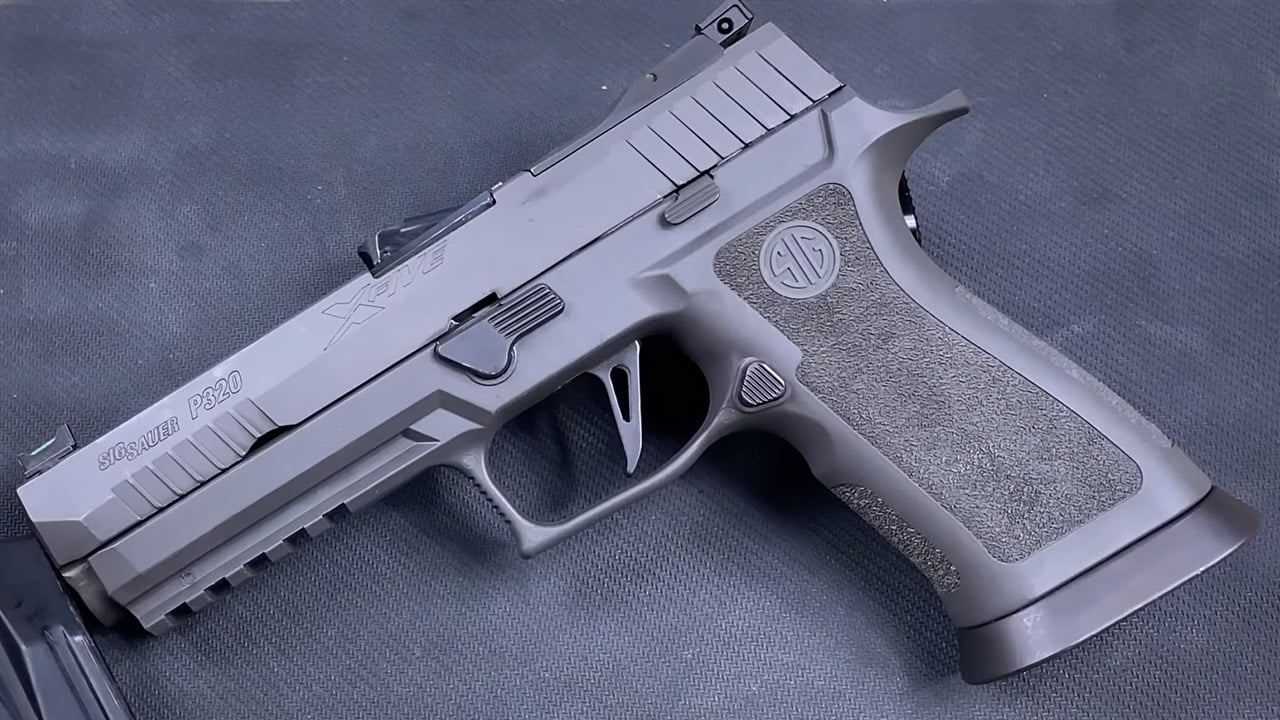
This one shows up when folks want a flatter, heavier striker gun that tracks fast and doesn’t feel like it’s trying to jump out of your hands. The extra weight is real, especially compared to carry guns.
For the weekend crowd, it’s a “range workhorse” that can also pull nightstand duty if you set it up sensibly and keep it in a proper safe. It’s not a backcountry pistol, but it’s a serious shooter’s tool.
3. CZ Shadow 2
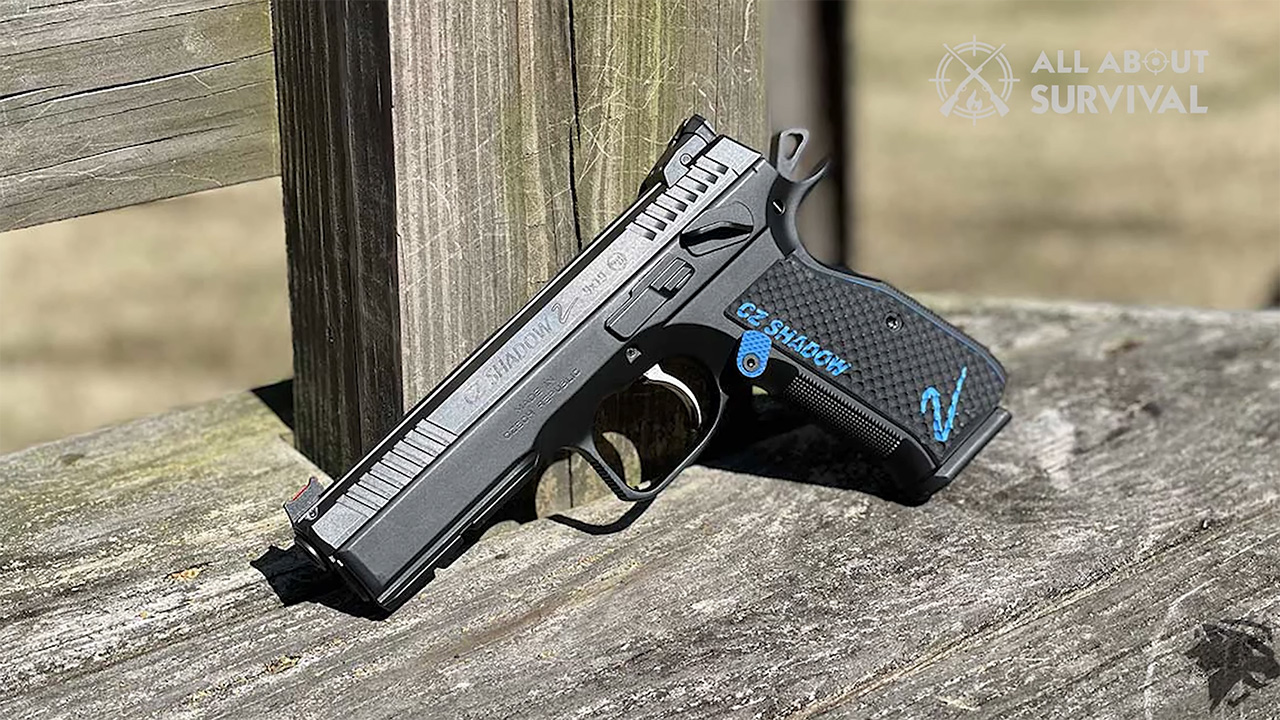
The Shadow 2 is what happens when a company builds a match pistol that still feels like a “real gun” in your hands. The grip shape points naturally, and that double-action/single-action rhythm can be incredibly fast once you commit to it.
Hunters who don’t want a plastic gun sometimes end up here for range time and steel matches, then realize it’s one of the easiest pistols to shoot well. It’s heavy, yes, but heavy is nice when you’re trying to stay honest on follow-up shots.
4. Smith & Wesson M&P 2.0 9mm (5-inch)

S&W finally nailed the texture and trigger feel in a way that doesn’t need excuses. The 5-inch model balances well, and it’s forgiving when your grip isn’t perfect.
It’s also a practical pick for folks who carry an M&P Compact and want one manual of arms. Same mags in the family, same controls, same basic maintenance. That kind of continuity matters more than internet arguments.
5. Beretta 92X Performance
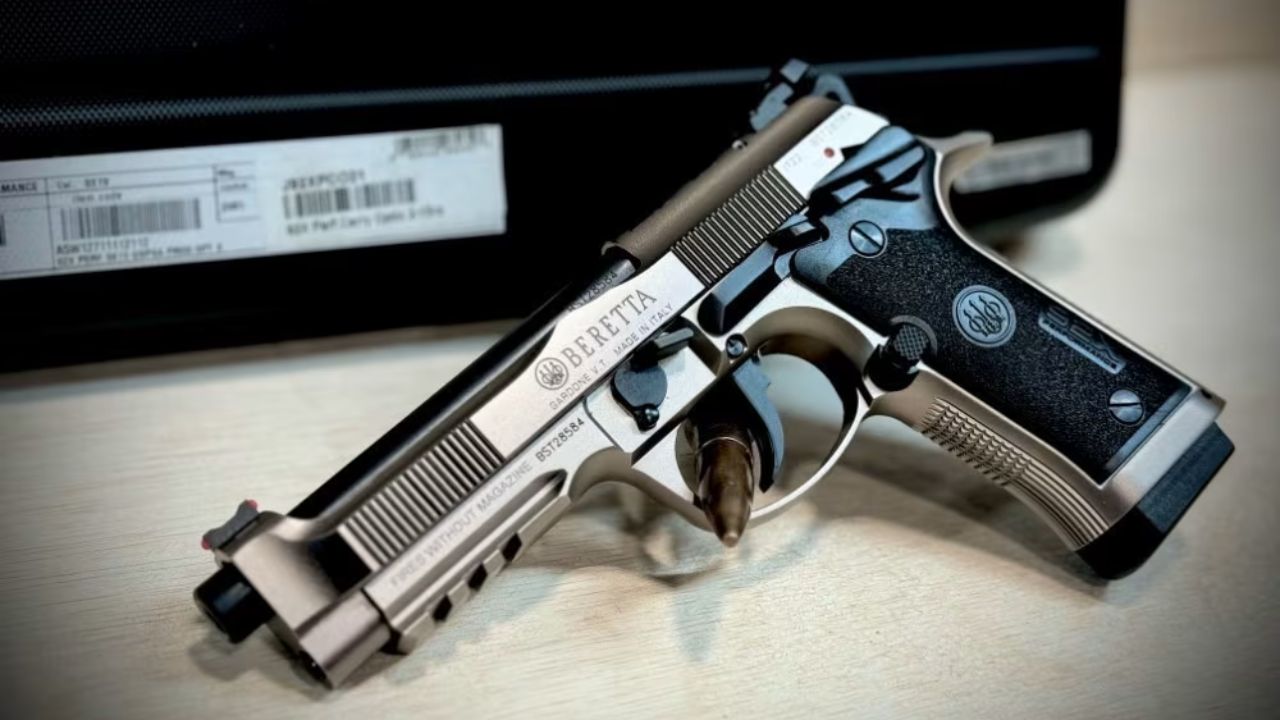
There’s a reason the Beretta 92 keeps finding its way back into serious use: it feeds well, it cycles smooth, and the open-top slide design just runs. The 92X Performance is the “grown-up” version for people who like steel and want it tuned for speed.
It’s not a mountain gun, and it’s not cheap. But if you like DA/SA and you want a pistol that doesn’t beat you up, this one is a soft shooter that still has enough parts and support to stay in service.
6. Staccato P

2011s can be finicky when they’re cheap or neglected. The Staccato P earned its reputation by being the one that tends to run like a duty gun while still giving you that crisp single-action feel.
Weekend hunters who’ve shot a buddy’s and then tried going back to a mushy striker trigger… that’s when the trouble starts. It’s expensive, magazines aren’t bargain-bin, but it’s a rare “nice gun” that also has real-world reliability baked in.
7. Ruger Mark IV (Target/Hunter models)
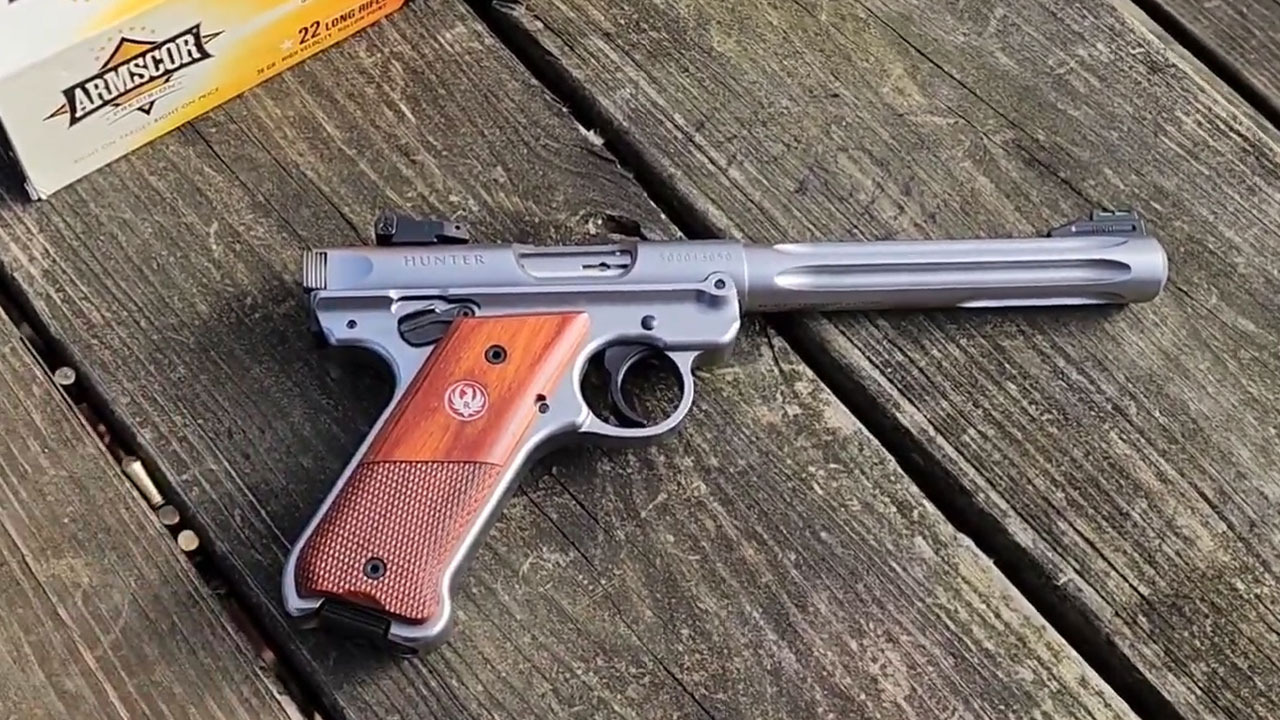
Good .22 pistols create good shooters. The Mark IV is simple, accurate, and the one-button takedown is a gift to anyone who has ever fought with a dirty rimfire after a long summer.
In competition, it’s a tack driver for rimfire steel and bullseye-style fun. For hunters, it’s a small-game and camp gun that doesn’t mind living in a holster as long as you keep the grit out of it.
8. Browning Buck Mark

The Buck Mark is the other .22 that refuses to go away, and I mean that as a compliment. The trigger is usually excellent out of the box, and they tend to be less picky about ammo than some folks expect.
It’s the kind of pistol you hand to a new shooter and they suddenly look better than they are. That confidence matters, and it’s why these keep showing up in tackle boxes, range bags, and farm trucks.
9. Ruger 10/22

Everyone has an opinion on the 10/22, and most of them are correct. Stock ones are reliable and handy, and modified ones can turn into a whole hobby that empties your wallet.
Competition shooters use them because they can be tuned for speed and accuracy. Hunters trust them because they carry easy, don’t kick, and will put squirrels in the pot if you do your job.
10. Tikka T3x Lite
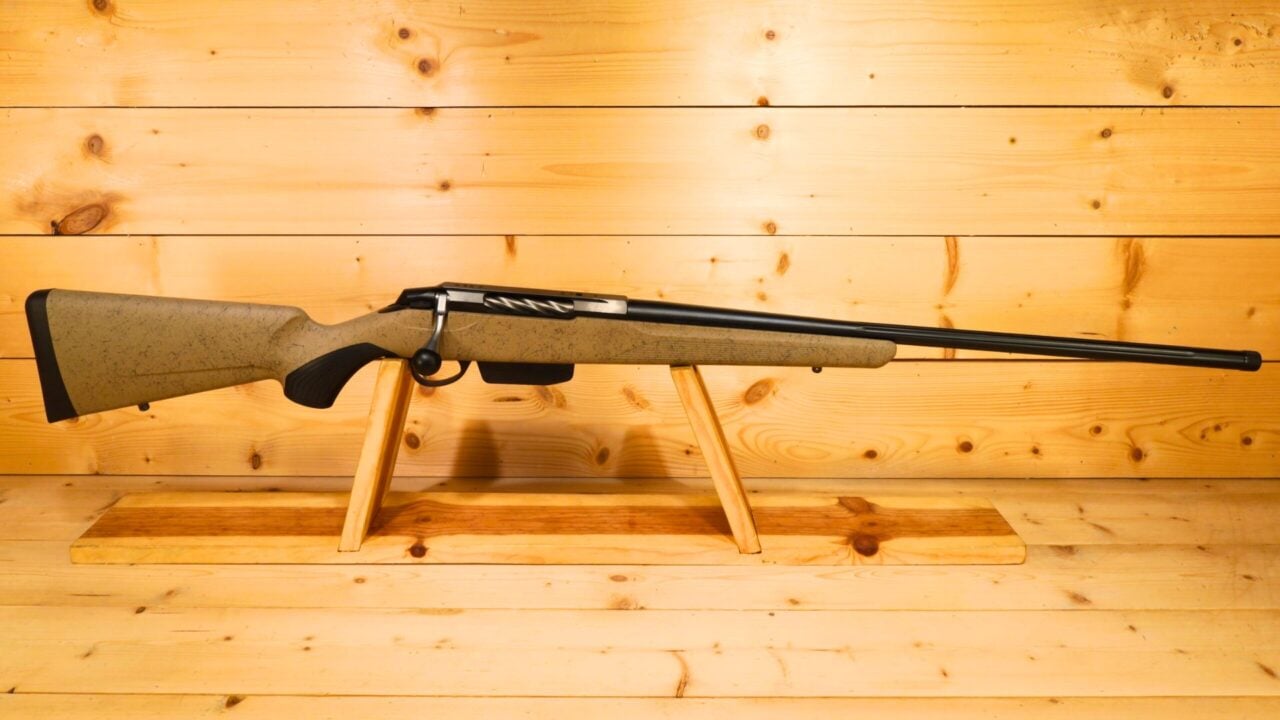
If you want a hunting rifle that shoots like it costs more than it does, the T3x is hard to argue with. The action is slick, the trigger is clean, and most of them flat-out group with factory ammo.
It’s not a “match rifle” in the heavy-barrel sense, but plenty of precision-minded shooters have used Tikkas as a starting point. For weekend hunters, it’s the rifle that doesn’t punish you for carrying it all day.
11. Bergara B-14 HMR
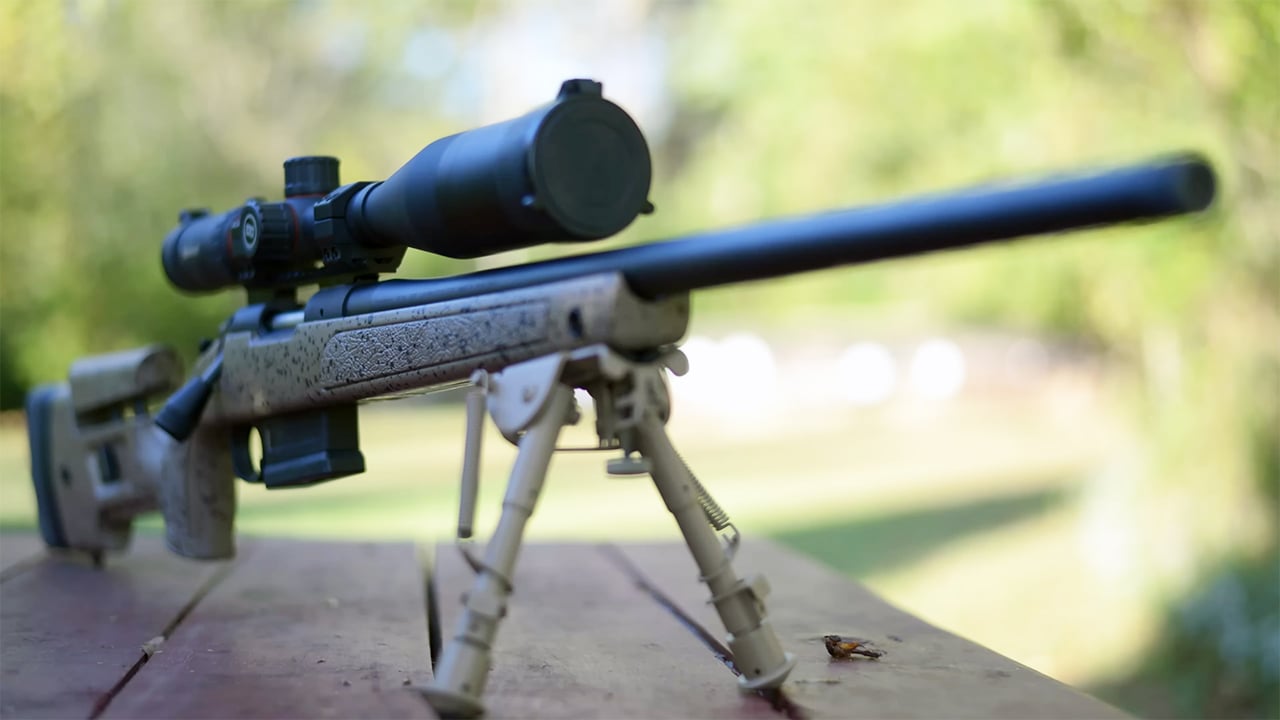
This one is the bridge rifle for guys who want to shoot steel on Saturday and hunt on Sunday without owning two separate rigs. It’s heavy enough to be stable, but not so heavy you hate yourself hiking a ridge.
The Remington 700 footprint is a big deal here. Stocks, triggers, bottom metal, scope bases—support is endless. You can keep it simple, or you can tinker for years.
12. Remington 700 (older models)
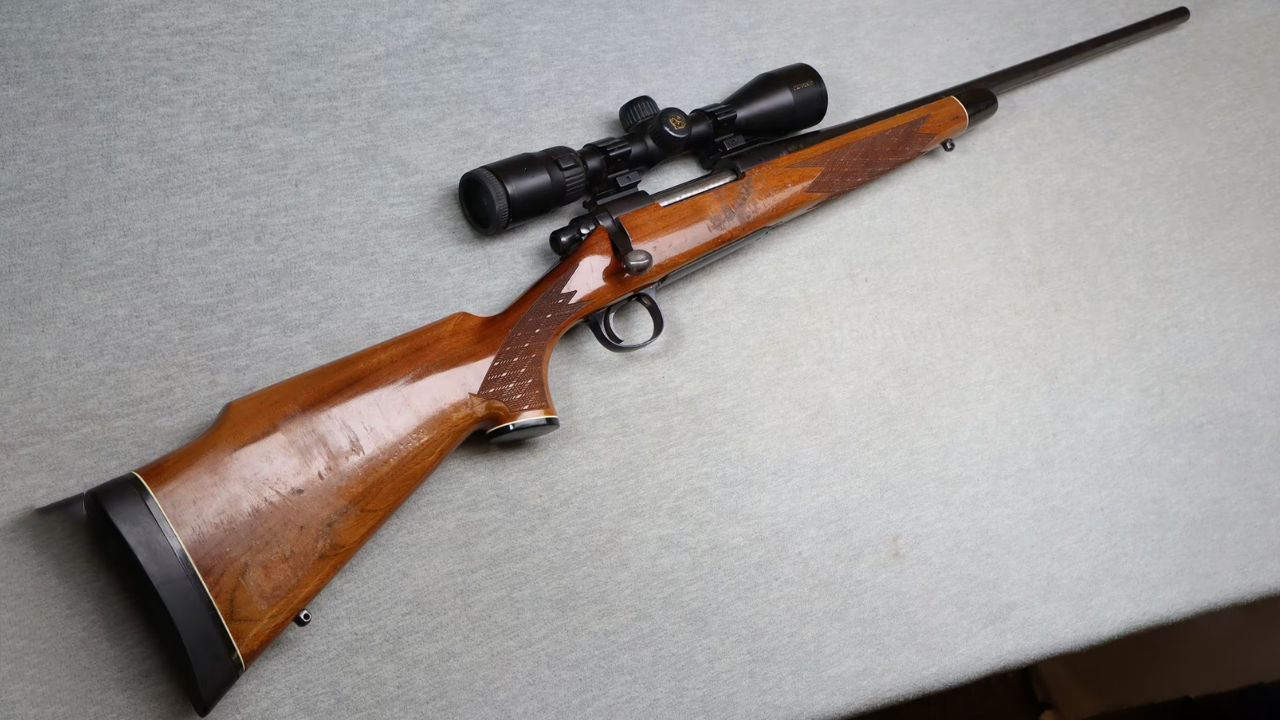
I’ve watched more than one person sell an older 700 because it wasn’t trendy, then spend the next two years trying to replace that exact “feel.” The action on a good one is familiar, and the rifle carries like a hunting rifle should.
Yes, there are newer options that shoot lights-out. Still, when you want a rifle every gunsmith understands and every shop can mount parts to, it’s hard to beat the platform’s practicality.
13. Winchester Model 70 (Featherweight or Super Grade)

The Model 70 is for the hunter who cares about controlled-round feed, slick cycling, and a rifle that doesn’t feel like a plastic tool. It points well, and it carries well, especially in Featherweight trim.
It’s not a benchrest darling, but in the field it shines. When your hands are cold and you’re trying to run the bolt without looking, this is the kind of rifle that feels natural.
14. Ruger American Rifle
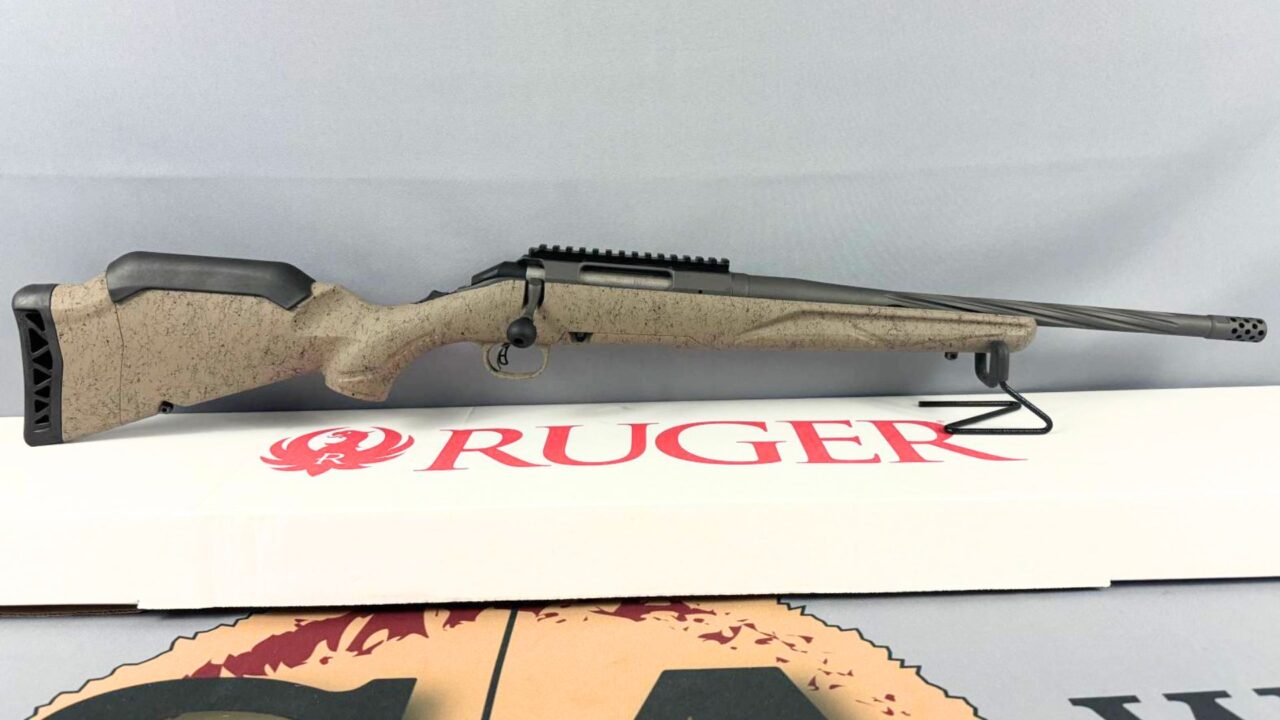
It’s not fancy. The stock is what it is. But the Ruger American has probably filled more freezers in the last decade than a lot of “premium” rifles that live in safes.
They shoot better than they have any right to for the price, and they don’t mind being knocked around. For the practical hunter, it’s a tool you can actually afford to use hard.
15. Savage 110 (including 110 Tactical variants)

Savage has been quietly turning out accurate rifles forever, and the 110 line is the reason. The AccuTrigger isn’t everyone’s favorite, but it’s adjustable and it works.
In the practical accuracy world, they get used because they shoot and the barrels tend to be honest. In hunting camps, they show up because they’re reliable, easy to scope, and not precious.
16. Ruger Precision Rifle
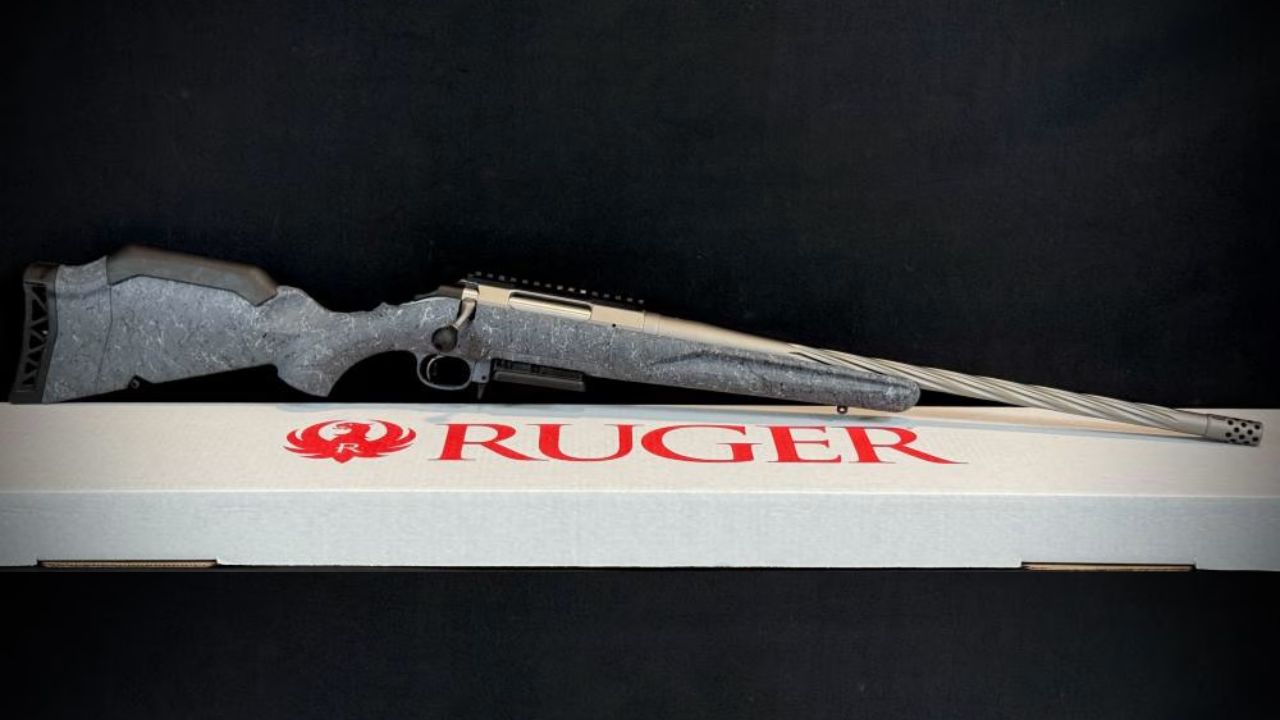
The RPR got a lot of shooters into longer-range work without forcing them to custom-build right out of the gate. It’s heavy, it’s angular, and it looks like it wants to start arguments at the diner.
But it shoots. And it teaches you quickly whether your fundamentals are real. Hunters don’t pack it up mountains much, but for crop-field coyotes, range time, and learning wind, it’s a solid “education rifle.”
17. AR-15 (Daniel Defense DDM4 V7)
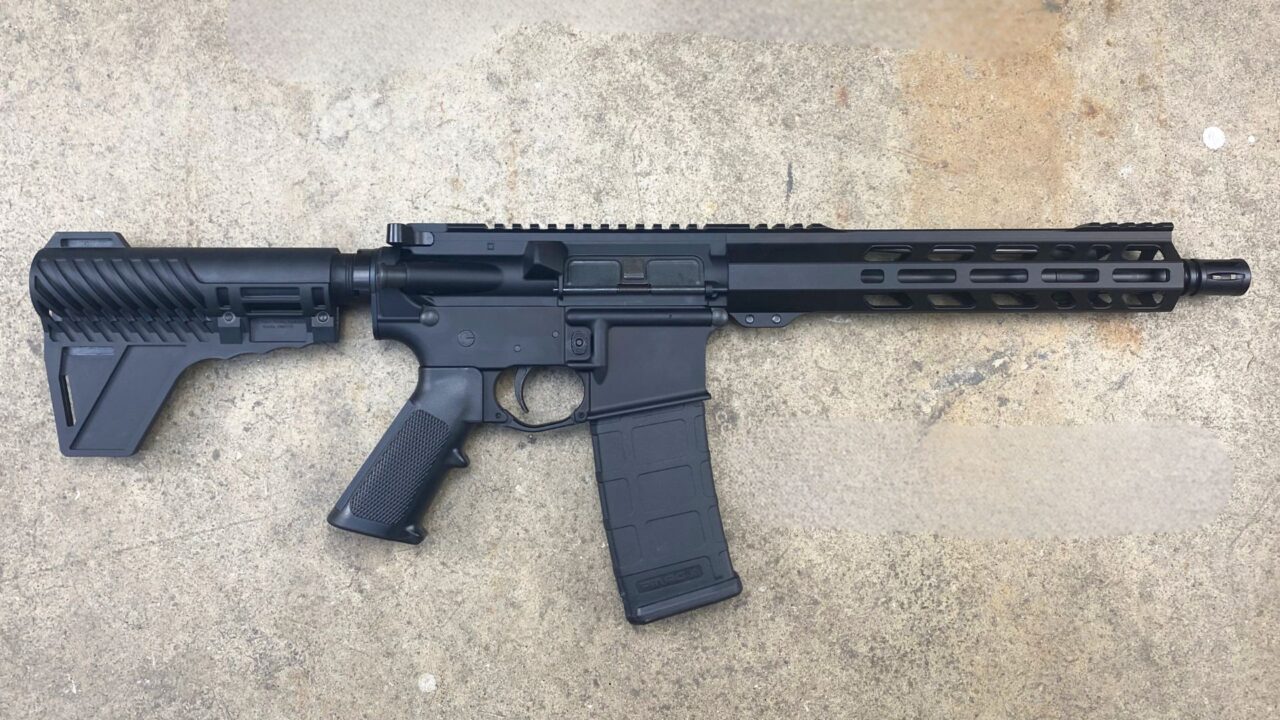
A good AR is boringly effective, and the DDM4 V7 is one of those rifles that tends to run without excuses. The balance is right, the gas system is sorted, and it’ll handle high round counts without feeling like a science experiment.
Competition shooters run ARs because they’re fast and modular. Hunters trust them for coyotes and hogs because follow-up shots are simple and the ergonomics are familiar, especially if you train with one.
18. Springfield Armory M1A (Loaded model)
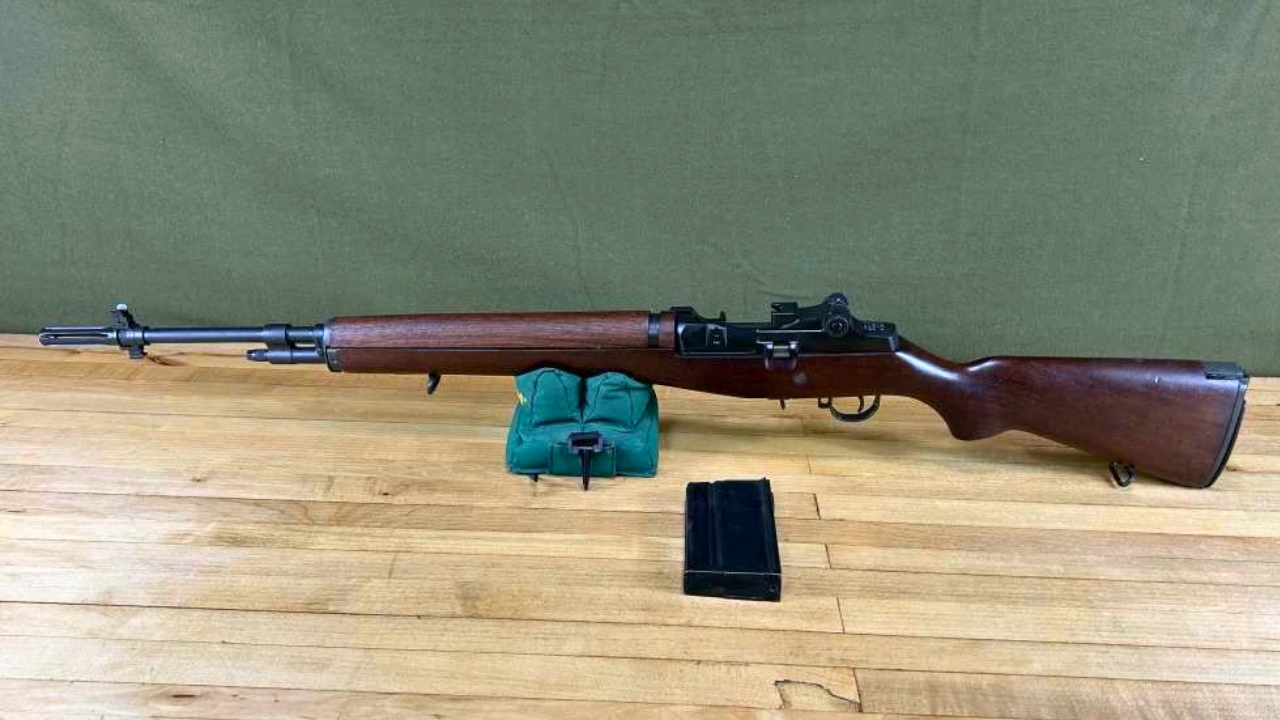
The M1A isn’t the easiest way to do a .308 these days, and it’s not the cheapest. But it’s got a feel that’s hard to replace, and when they’re set up right they run with a satisfying rhythm.
For matches, it’s more “traditional class” than cutting-edge. For hunters, it’s a heavy woods rifle that can still make sense where legal, especially for folks who grew up on walnut and steel.
19. Mossberg 500
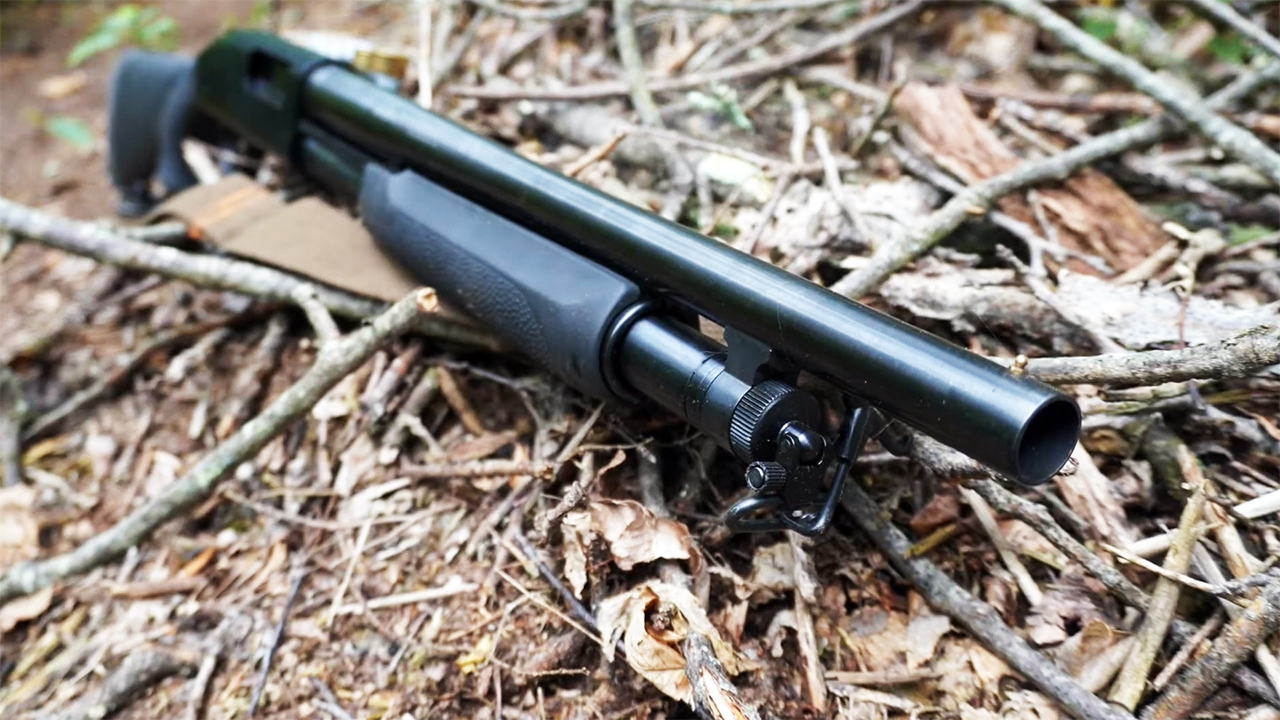
There are prettier shotguns, smoother shotguns, and more expensive shotguns. The Mossberg 500 is the one that keeps showing up anyway, because it works and it’s not fragile.
In the competitive world it’s not the top choice for speed, but it’s been used and used well. For weekend hunters, it’s a do-it-all platform: deer barrel, bird barrel, turkey choke, slug work—one receiver, lots of seasons.
20. Benelli M2
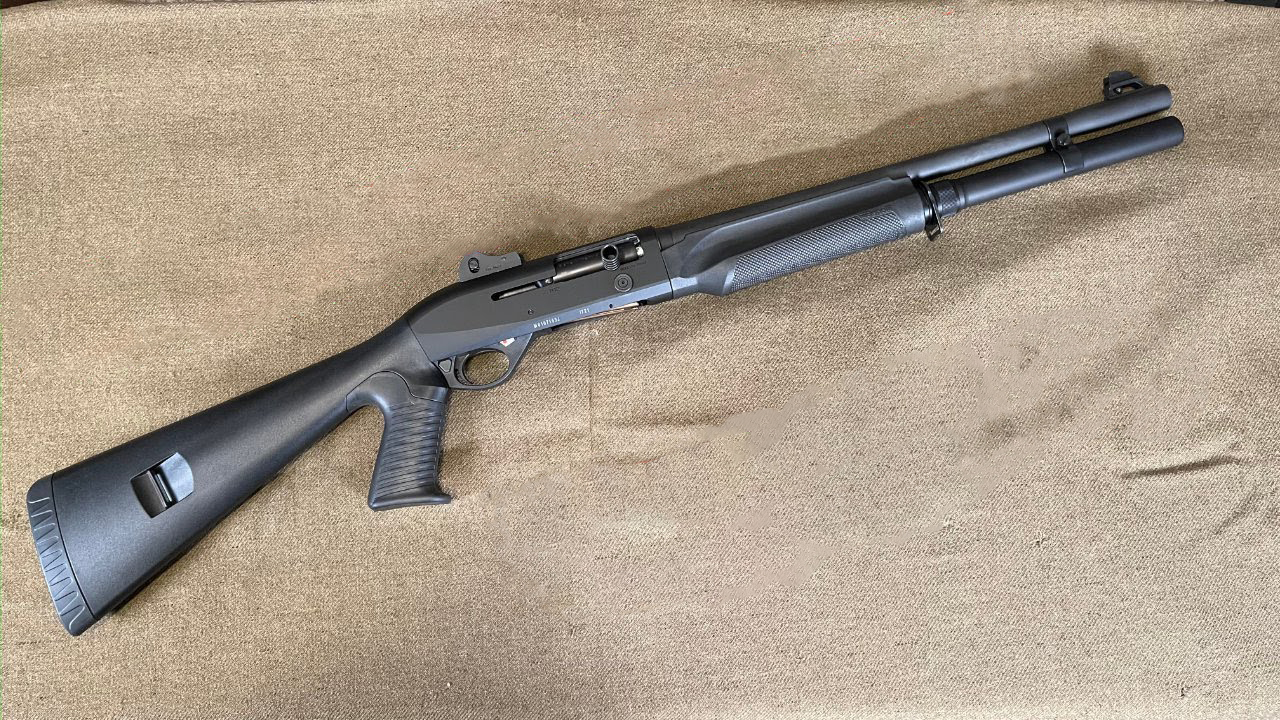
If you want a semi-auto shotgun that runs hard and doesn’t get moody when it’s dirty, the M2 is a safe bet. It’s light enough to carry all day, and it cycles fast enough to keep up when birds start doing bird things.
Plenty of 3-gun shooters built their shotgun skills on an M2 because it’s reliable and parts support is solid. Hunters trust it because it shrugs off bad weather, and that counts more than fancy engraving.
None of these guns are magic, and you can absolutely win with other stuff. But if you’re looking for the overlap—gear that performs under timers and still makes sense when you’re tired, cold, and trying to do things the simple way—this is the lane. Buy what fits you, feed it decent ammo, maintain it like you mean it, and quit chasing every new trend the moment it pops up on your phone.
Like The Avid Outdoorsman’s content? Subscribe to our newsletter so you never miss an article.
Here’s more from us: