Photo credit: The Even Steven Channel/Youtube
There’s a certain type of range day that changes a person. Not the “new optic, tighter group” kind. I mean the day when a semi-auto guy shows up with three mags, a pocket full of confidence, and leaves grumbling about stovepipes, limp-wristing, and tiny parts he can’t find in the grass. Then he picks up somebody’s revolver, runs a cylinder slow, runs it fast, and realizes something important: simple works.
I’m not here to bash semi-autos. They do a lot well. But when skeptics finally “get” revolvers, it’s usually because of the same handful of traits: they point naturally, they don’t care about your grip strength as much, and they keep running even when you’re tired, cold, muddy, or distracted. Here are 20 wheelguns that have a habit of turning doubters into believers.
1. Smith & Wesson Model 10
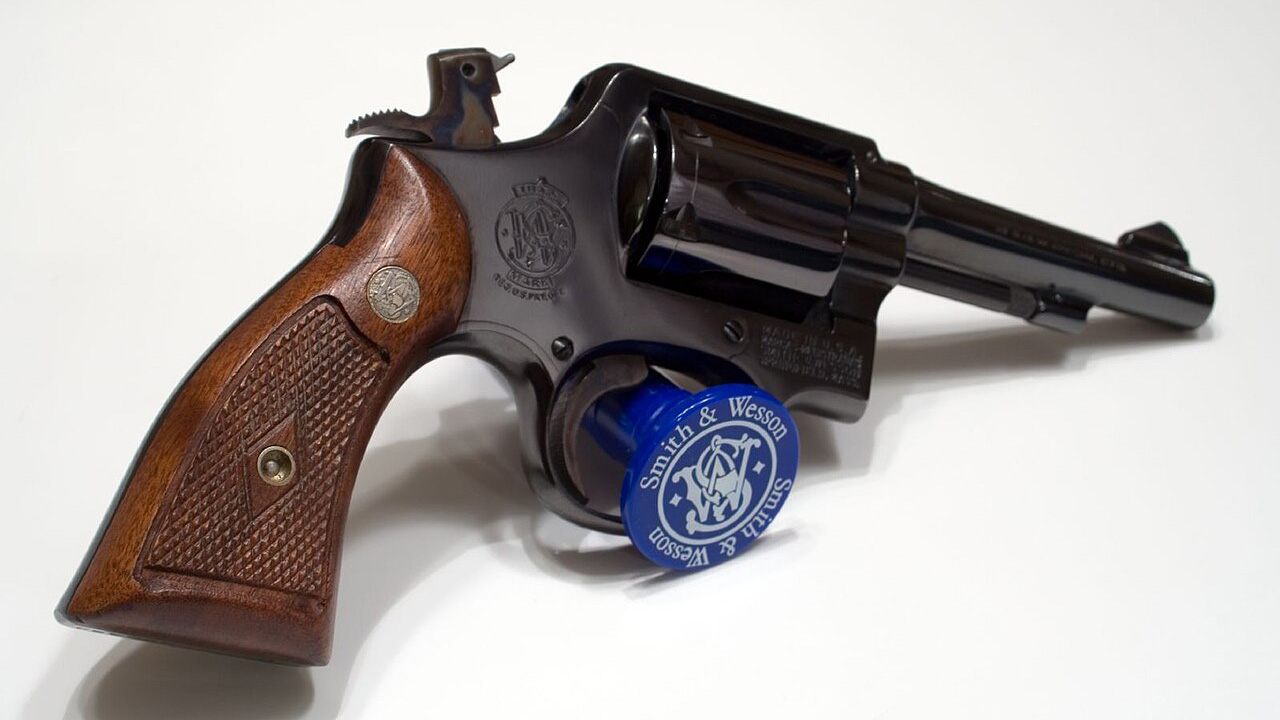
If you’ve ever handled a well-worn Model 10, you know why it converted so many folks. The balance is just right, the sights are simple, and the double-action pull (on a good one) feels like it’s on oiled bearings. There’s nothing flashy about it, and that’s kind of the point.
It’s also a reality check. Plenty of semi-auto arguments disappear when someone runs a Model 10 with decent .38 Special and sees clean hits show up with less drama. For a house gun or a “I just want it to work” revolver, this one still makes sense.
2. Ruger GP100

The GP100 is what you buy when you’re tired of babying gear. It’s beefy, a little blocky, and not shy about being heavy on the belt. Still, it soaks up .357 recoil in a way that lets newer shooters actually learn, instead of just surviving a cylinder.
Where it wins skeptics is durability. You can shoot it a lot, feed it hot loads, and it doesn’t feel like it’s on the edge. For folks who thought revolvers were “delicate old-man guns,” the GP100 tends to reset that idea fast.
3. Smith & Wesson Model 686

The 686 has probably sold more people on .357 Magnum than any internet argument ever will. The L-frame size is a sweet spot: big enough to handle real magnum work, not so huge it feels like a hunting-only tool.
It points well and shoots smooth, and the stainless finish holds up to real life. The first time a skeptic runs .38s for rhythm and then touches off a few magnums without the gun turning into a handful of misery, they start nodding.
4. Colt Python (new production)

Yeah, the Python has a reputation and a price tag. But the newer ones have been showing up at ranges and changing minds the old-fashioned way: by being extremely shootable. The action is slick, the lockup is tight, and the gun just feels “finished.”
For the semi-auto loyalist, the surprise is how fast you can be with a revolver when the trigger and timing are right. It’s not magic, but it’s close enough that people start wondering why they spent years chasing the perfect striker trigger.
5. Ruger SP101
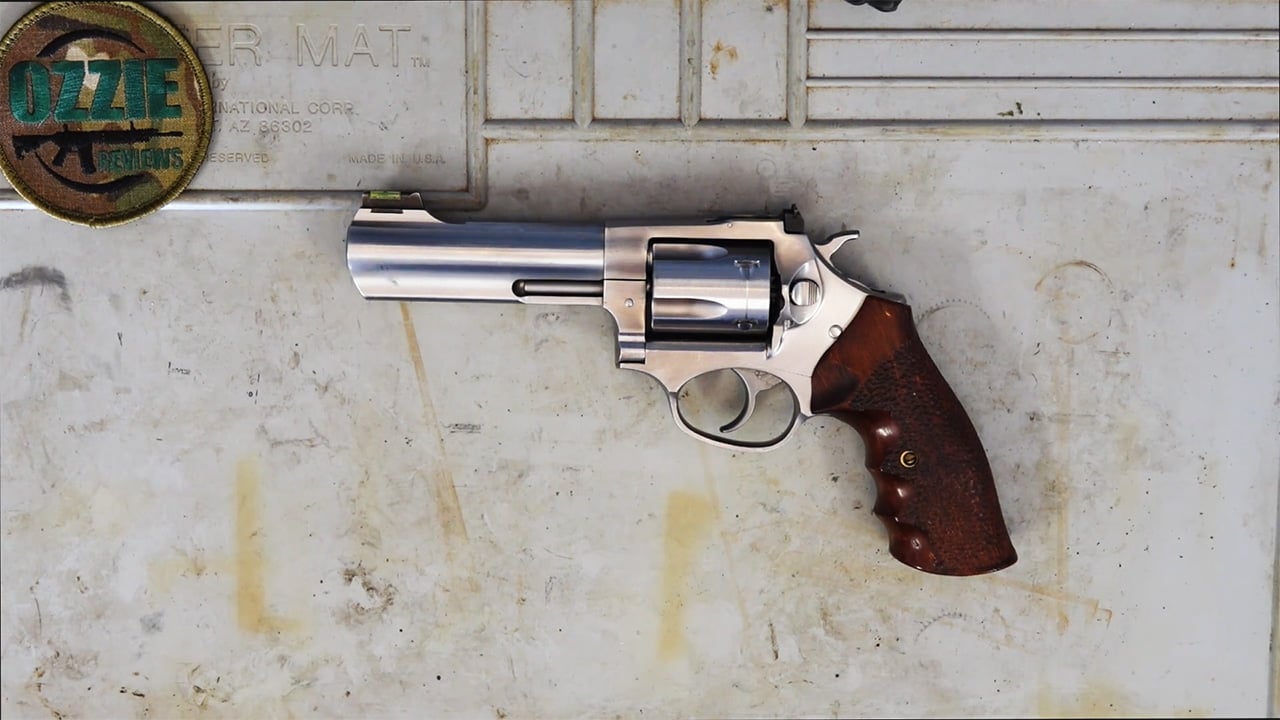
Small revolvers can be miserable. The SP101 is one of the few that doesn’t have to be. It’s chunky for its class, and that weight is your friend when you’re trying to shoot .357 out of something you can actually carry.
This is a “real world” gun. It rides in a coat pocket or on a belt without feeling like a boat anchor, and it holds up. Skeptics who assume small revolvers are only for people who hate their hands tend to change their tune after a box of ammo.
6. Smith & Wesson Model 642

The 642 is the no-nonsense J-frame that keeps showing up in pockets because it works. It’s not fun at the range for long sessions, and nobody should pretend it is. But for deep carry, it’s hard to argue with a snag-free, lightweight .38 that doesn’t care about lint.
Where it converts folks is in the “always” factor. Semi-autos are great until you start leaving them at home because they’re heavy or uncomfortable. A 642 gets carried, and a gun that’s actually on you beats the perfect one sitting in the safe.
7. Smith & Wesson Model 19
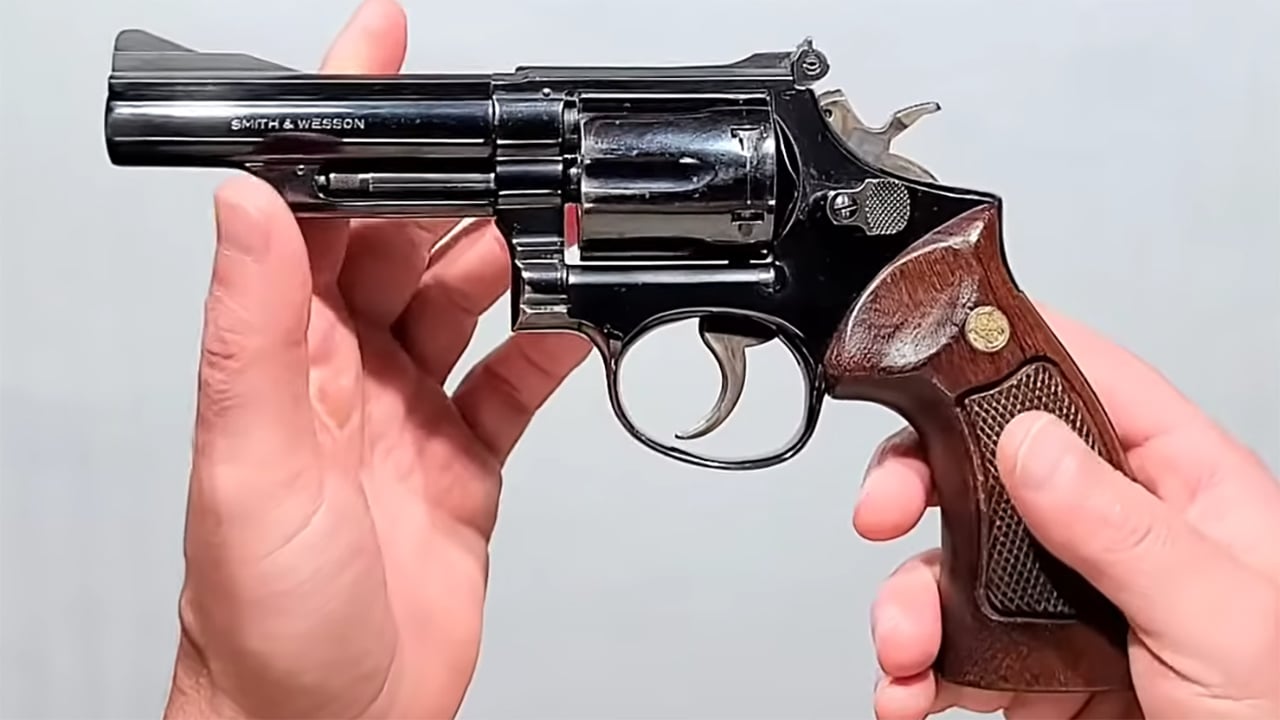
The Model 19 is one of those revolvers that makes people fall in love with how a handgun should feel. K-frame sizing, good lines, and that classic balance that points like it wants to hit. It’s also a reminder that older designs got a lot right.
It’s not the best choice for a steady diet of the hottest .357 loads, and that’s fine. Feed it sensible ammo and it’ll run for a long time. Skeptics usually come around when they realize “shootable” matters more than “maximum.”
8. Ruger Blackhawk

Single-actions aren’t for everyone, but a Blackhawk has a way of convincing the right kind of skeptic. The manual cocking slows people down, and that’s often exactly what they need. It forces attention to sights and trigger press.
In the woods, a Blackhawk also makes sense. It’s tough, accurate, and handles heavy loads in calibers like .357, .44 Magnum, and .45 Colt. Folks who thought revolvers were only for self-defense start seeing them as legitimate field tools.
9. Smith & Wesson Model 29
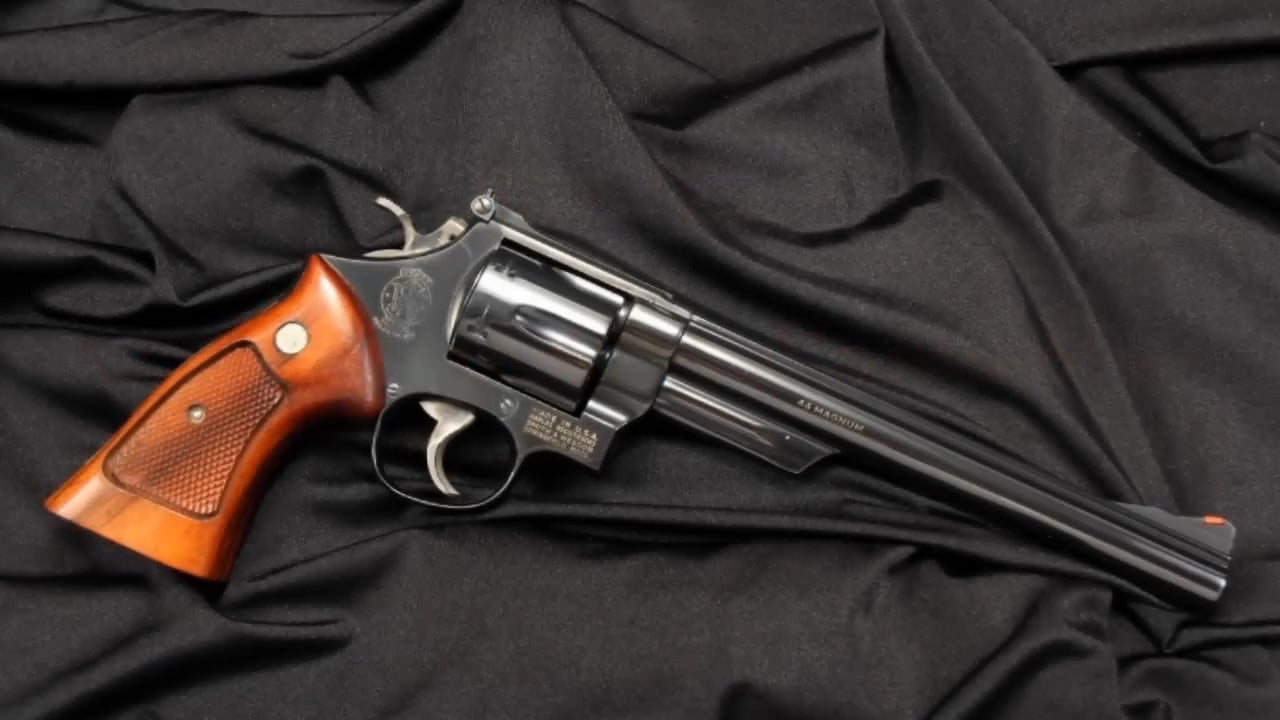
If you’ve never watched someone shoot a Model 29 for the first time, you’re missing out. There’s usually a grin, then a pause, then a respectful second shot. It’s big, it’s iconic, and it’s more controllable than people expect if they don’t try to fight it.
This one converts skeptics in a different way: it shows what a handgun can do when you’re not limited by a magazine format and a recoil spring. For hunting or bear-country backup (where legal and appropriate), it’s still a serious option.
10. Ruger Super Redhawk
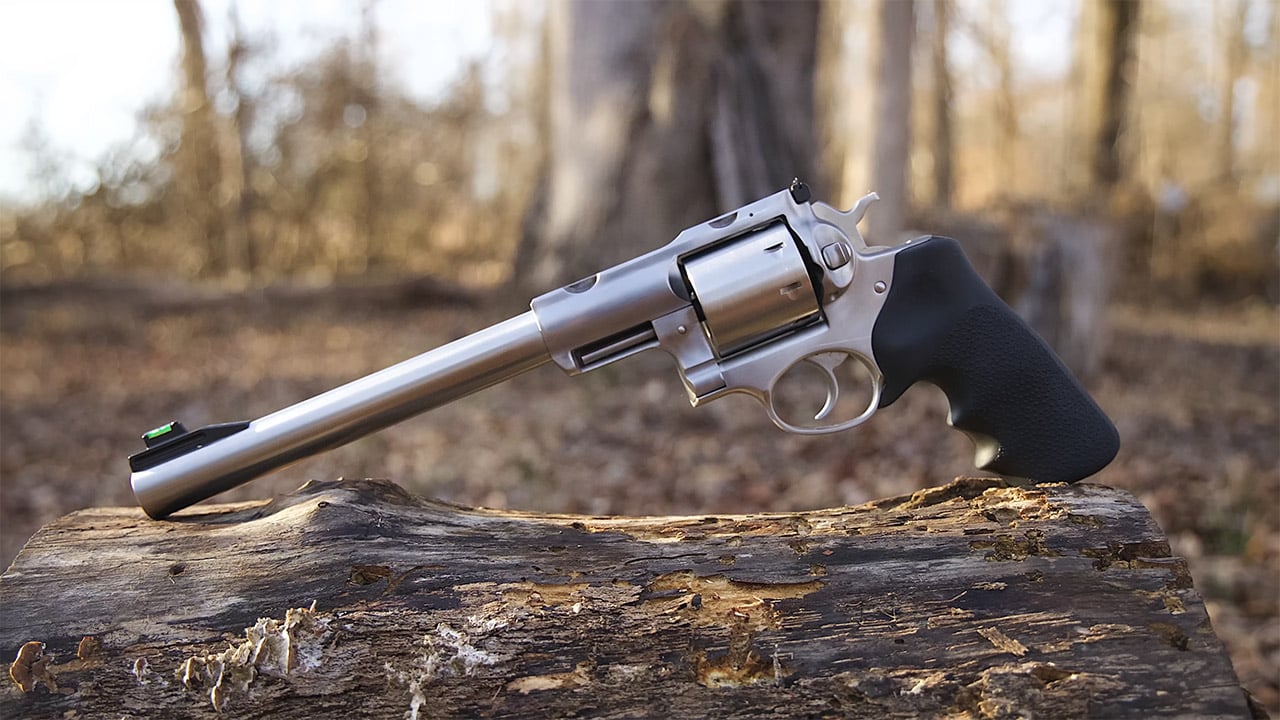
The Super Redhawk is not subtle. It’s heavy, built like a tank, and looks like it was designed with a sledgehammer in mind. But hand it to someone who doubts revolvers and let them shoot full-power .44 Magnum or .454 Casull with a solid grip.
What changes minds is the platform’s stability and strength. It’s not a “carry all day” gun for most folks, but as a hunting revolver or backwoods tool, it makes semi-auto debates feel small.
11. Smith & Wesson Model 60
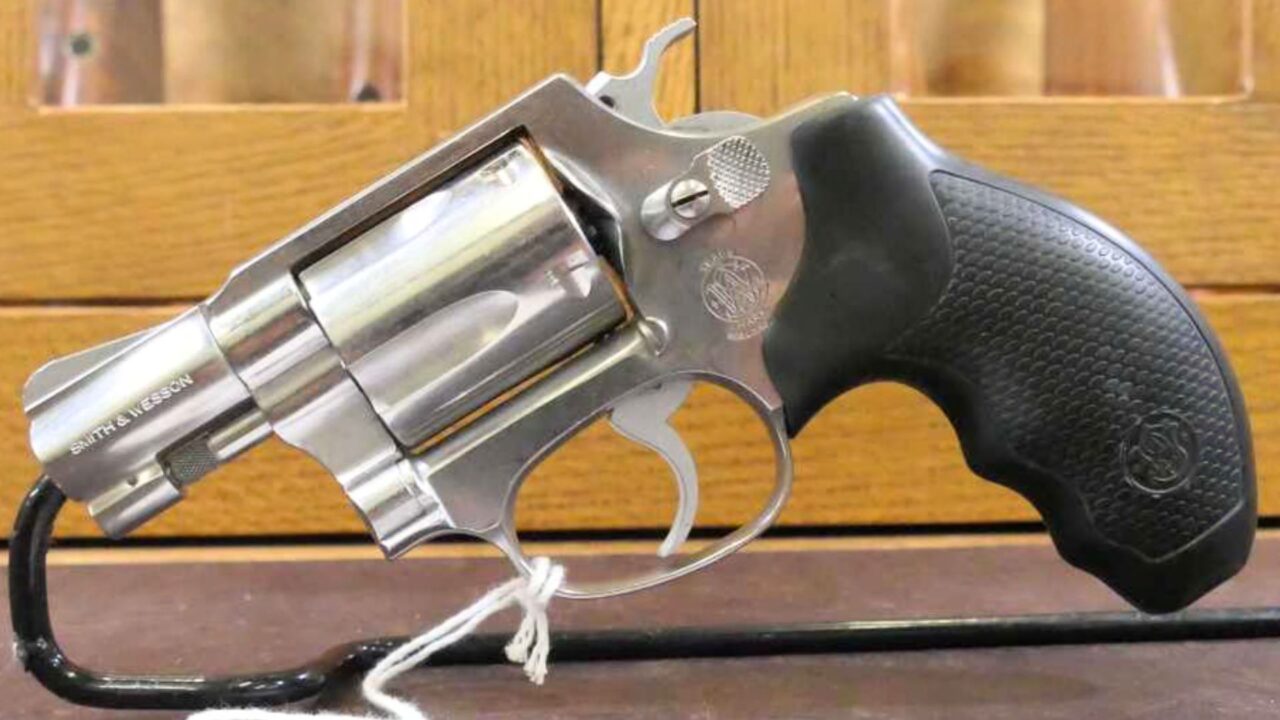
A steel J-frame like the Model 60 is a sweet compromise. You get the small size people want for carry, but the added weight makes it far more pleasant than the flyweight guns. It also tends to shoot a little better because you’re not wrestling it every shot.
For skeptics, it’s often their first “I could actually practice with this” snubnose. That matters. A revolver you can stand to train with is a revolver you’ll trust when your heart rate’s up.
12. Colt King Cobra (3-inch)

The 3-inch King Cobra is one of those revolvers that feels made for real carry. The barrel length gives you a longer ejector rod and better sight radius, and it still hides well. That extra inch makes a bigger difference than people think.
This one wins over semi-auto folks who want a practical belt gun. It’s not a range toy, and it’s not just a collector piece. It’s a working revolver that doesn’t ask much besides decent ammo and a good holster.
13. Kimber K6s

The K6s surprised a lot of people, including me. It’s compact, carries six rounds, and doesn’t feel like a cheap compromise. The trigger is usually solid, and the overall package is built for daily use.
Skeptics tend to like that it’s “modern” without being fussy. No magazine springs to worry about, no feed ramp drama, and it’s still slim enough to disappear. It’s one of the few newer snubs that feels like it was designed by someone who actually carries.
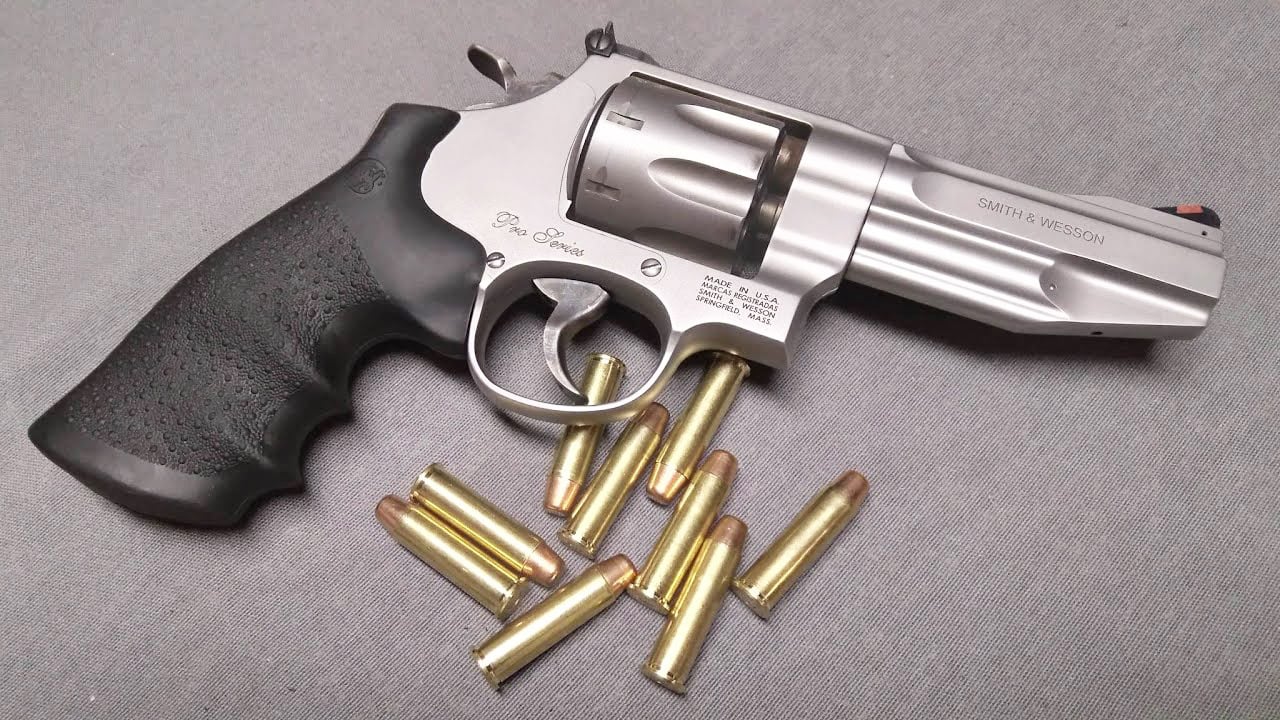
14. Smith & Wesson Model 627
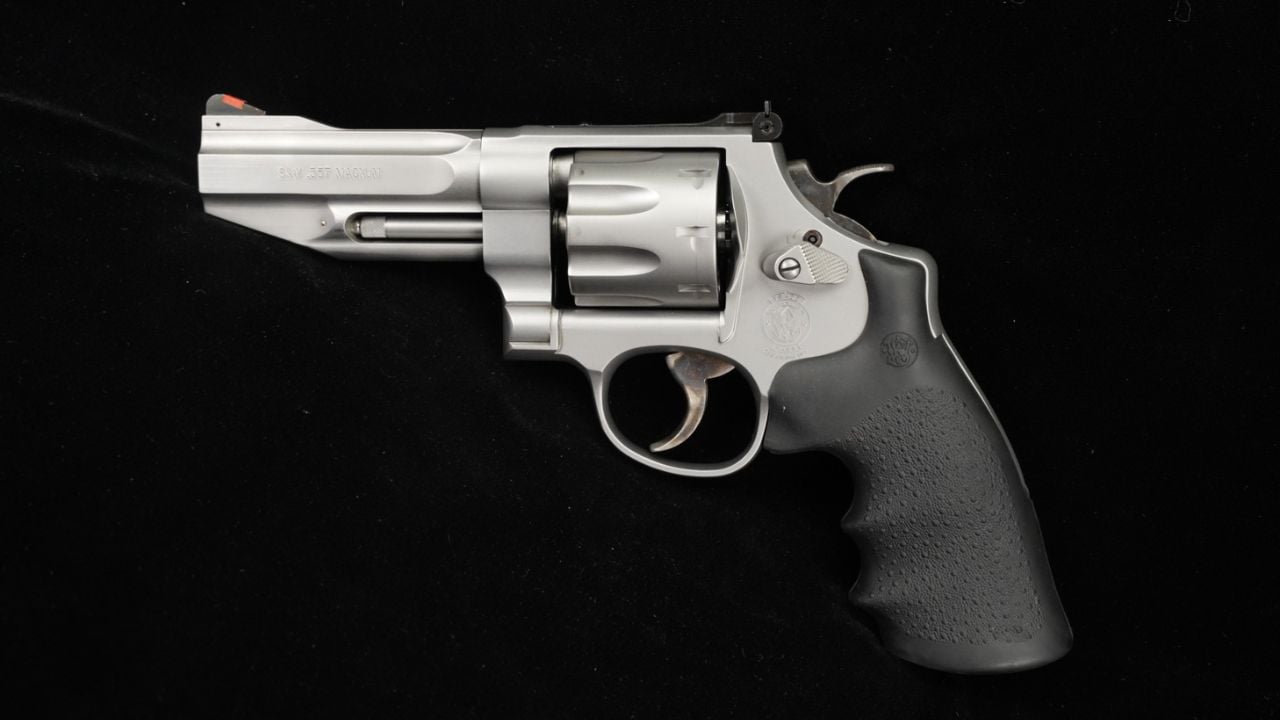
Eight shots of .357 changes the conversation. The Model 627 gives revolver fans more capacity without turning into a weird science project. It’s not small, but it runs flat and steady when you shoot it fast.
This is a common conversion gun for competition-curious semi-auto shooters. They pick it up expecting to be slow, then find themselves ringing steel with an easy rhythm. It’s hard to argue with hits.
15. Ruger LCR (.38 Special +P)
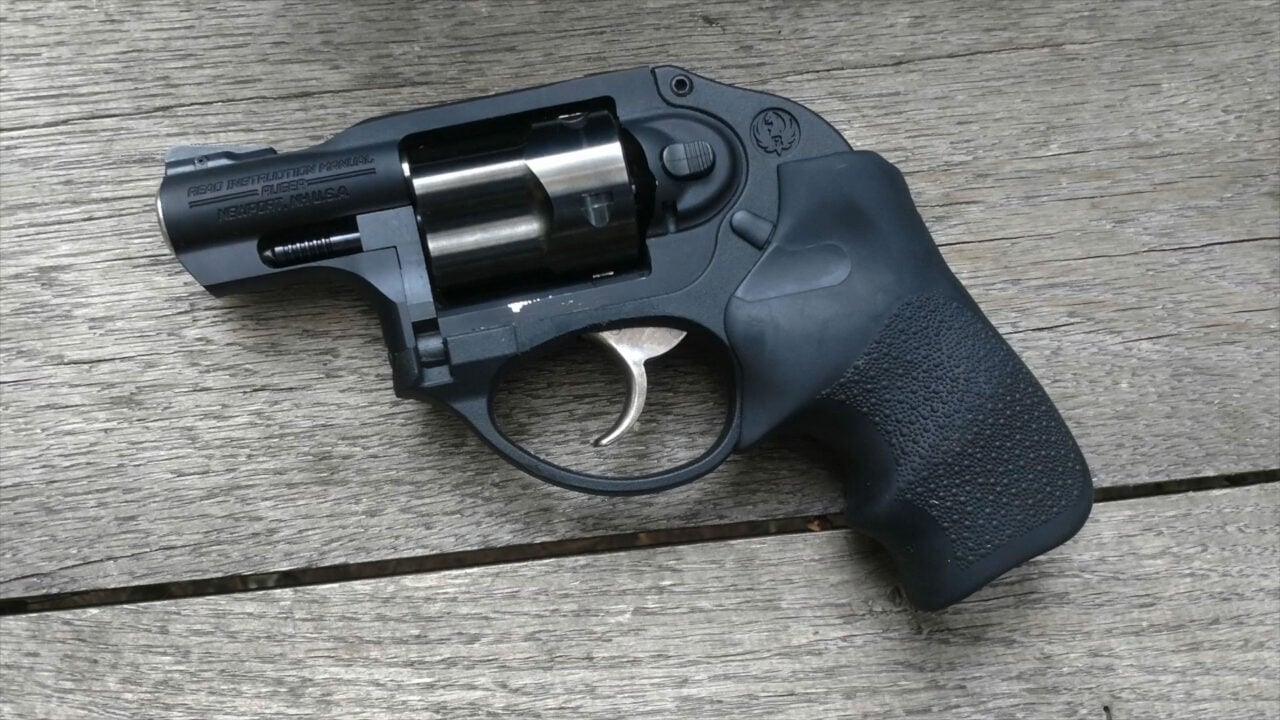
The LCR looks odd until you shoot it. Ruger did some smart things with the trigger geometry, and it shows. For a lightweight revolver, it’s manageable, and the trigger is often better than it has any right to be.
Where it pulls skeptics in is the “no excuses” carry role. It’s light, it’s simple, it works. It’s also a reminder that a revolver doesn’t have to be old-fashioned to be dependable.
16. Smith & Wesson Model 25 (.45 Colt)

Big-bore revolvers have a feel that semi-autos don’t quite match, and a Model 25 in .45 Colt is a prime example. It’s more of a shove than a snap, and it tends to be accurate with the right loads.
This one converts the “9mm is everything” crowd when they realize not every handgun problem is solved by capacity. In the woods, on the ranch, or just for plain shooting enjoyment, it’s a serious tool with a lot of character.
17. Taurus Tracker 627
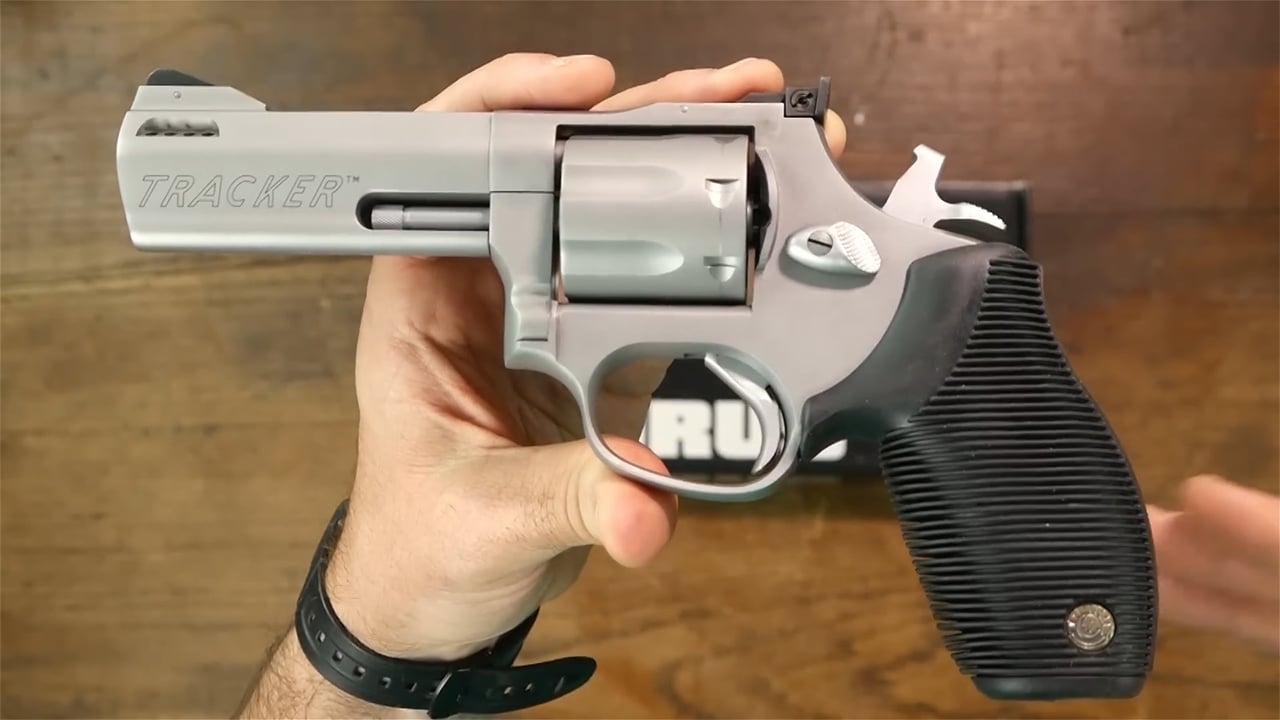
Taurus has had its ups and downs over the years, but the Tracker line has earned some loyal fans. The 627 in particular is a lot of revolver for the money: seven rounds, .357 capability, and a size that can still be carried.
It convinces skeptics mostly because it’s accessible. Not everyone is going to drop premium money on a wheelgun just to “try it.” A decent Tracker that runs well can be the gateway revolver that makes someone realize they don’t need to be a brand snob to be well-armed.
18. Smith & Wesson Model 17 (K-22 Masterpiece)
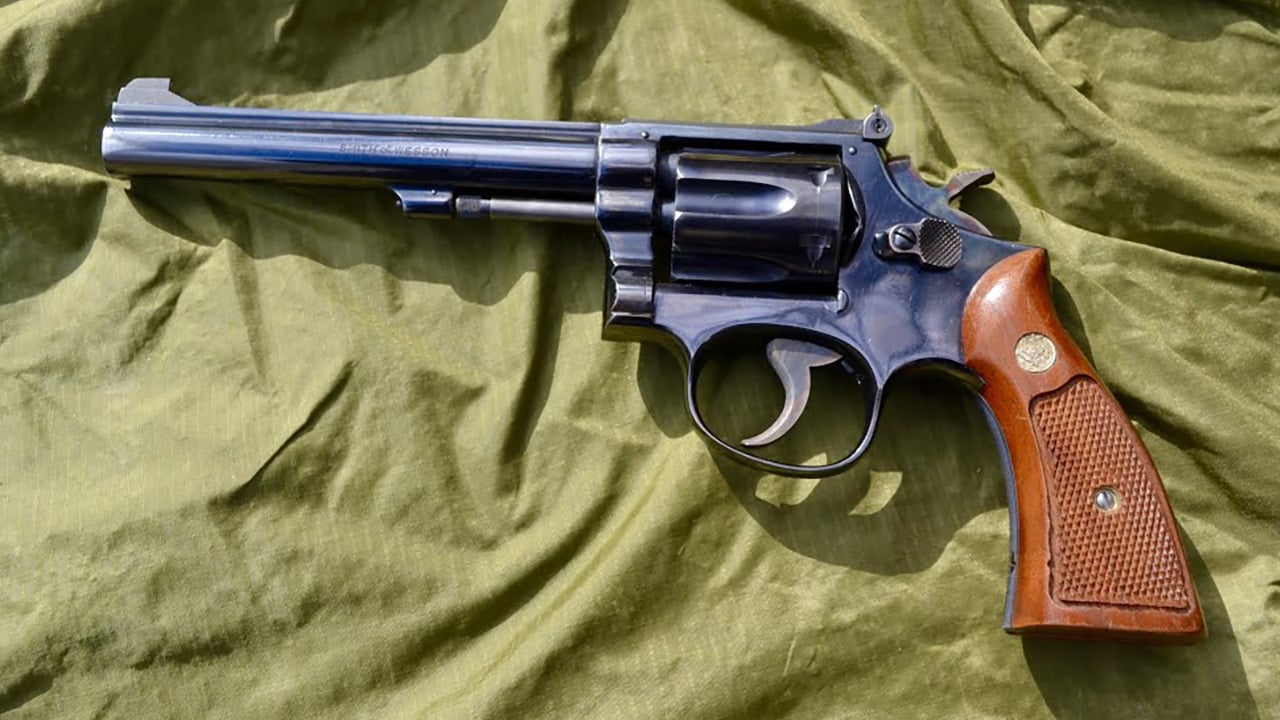
If you want to teach someone to shoot well, hand them a .22 revolver with a good trigger and decent sights. The Model 17 is a classic for a reason. It makes slow-fire accuracy feel achievable, and it shows every mistake without beating you up.
Semi-auto skeptics turn into revolver fans here because the learning is clean. No chasing brass. No wondering if a bad shot was you or the gun cycling oddly. It’s just you, the sights, and the trigger.
19. Ruger Single-Six

The Single-Six has probably started more new shooters than it gets credit for. It’s simple, it’s friendly, and it turns plinking into something you can do all afternoon without burning through your ammo budget.
It also creates confidence. A lot of semi-auto frustration comes from new shooters fighting malfunctions and recoil at the same time. A Single-Six lets them focus on fundamentals, and once that’s there, the respect for revolvers sticks.
20. Smith & Wesson Model 640

The 640 is the J-frame for folks who want pocket size but don’t want ultralight punishment. All-steel, enclosed hammer, and built like it expects to be carried daily. It’s not flashy, and it’s not cheap anymore, but it’s a serious little gun.
This is a common “I’m done messing around” purchase after someone gets tired of finicky micro-compact semi-autos. It’s heavy enough to shoot, small enough to carry, and boring in the best way.
Revolvers aren’t perfect. They can be heavy, slower to reload, and they take some practice to run well. But when someone wants a handgun that points naturally, handles real-world conditions, and doesn’t turn into a troubleshooting session every range trip, these are the wheelguns that keep doing the convincing. If you’ve got one that’s earned your trust, hang onto it. The older you get, the more you appreciate tools that don’t argue back.
Like The Avid Outdoorsman’s content? Be sure to follow us.
Here’s more from us: