Photo credit: willwood487/Youtube
Every gun safe has a couple gaps that still bug the owner. Not because the gun was rare or fancy, but because it was useful and the owner did not realize how hard “useful” is to replace. Revolvers are especially bad for that. They do not need magazines, they sit loaded for long stretches without drama, and when you find one that points right and runs right, it becomes part of the routine.
This is a list of wheelguns I have watched leave one owner’s hands for perfectly understandable reasons, then end up with a different owner who knew exactly what he was looking at. Some of these are classics. A few are ugly. A couple are legitimately weird. All of them have that “shouldn’t have sold it” reputation for a reason.
1. Smith & Wesson Model 19 (K-Frame .357)

The Model 19 is one of those revolvers that fits a human hand like it was planned that way. It carries flatter than you’d think for a steel gun, and the balance with a 4-inch barrel is about perfect for woods walking. Owners let them go when they “upgrade” to something heavier-duty or chase the newest carry trend. Then they realize the Model 19 did everything they actually asked a revolver to do.
Better owners snag them because the action is usually excellent, even on well-used examples, and the sights make sense for real shooting. It is not the best choice for a steady diet of screaming hot 125-grain .357 loads, and that’s where folks get sideways. Feed it .38s for practice, sensible .357s when needed, and it will live a long time. The regret usually shows up the first time someone tries to replace one and sees the price.
2. Ruger GP100 (4-inch stainless)
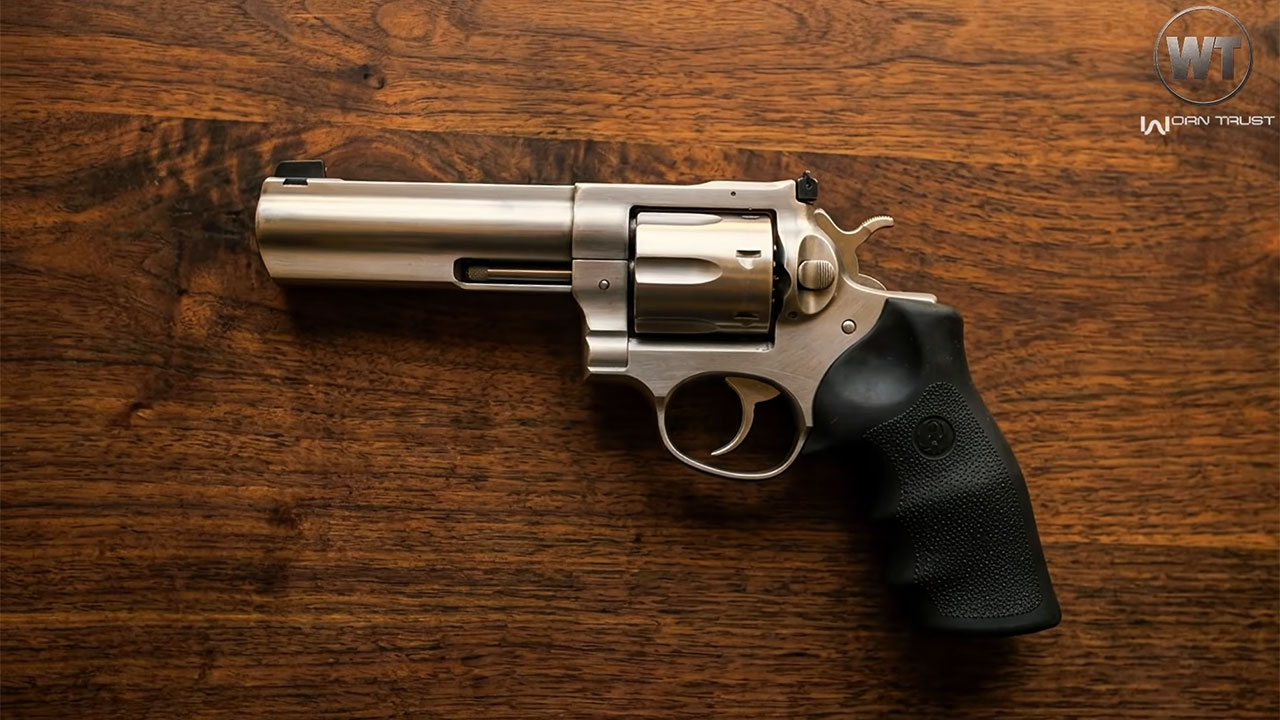
The GP100 gets sold because it is not sexy. It is a block of stainless honesty, and it is heavier than a lot of people want to carry all day. New owners buy one, shoot a couple boxes, and decide a lighter gun “makes more sense.” That logic lasts until they shoot that lighter gun with full-power .357s and remember why weight exists.
The GP100 is the revolver you keep when you want to actually run .357 Magnum and not just own the idea of it. The lockup is tank-like, the grip options are endless, and parts/support are about as easy as revolvers get. A better owner finds a used one with honest holster wear, gives it a decent cleaning, and then it becomes the chores gun, the trail gun, and the “I don’t feel like troubleshooting today” gun.
3. Colt Python (older production)

Pythons get sold when money gets tight or when someone is scared to carry a “nice gun.” I get it. It is hard to shove something with a mirror finish into a scuffed leather holster and head into briars. The other reason is owners buy one for the name, then don’t like the idea of paying for proper service when it finally needs it.
Better owners buy them because they understand what they’re buying: a high-finish, smooth-action revolver that shoots like it is on rails when everything is right. The full underlug soaks up recoil, and the sight picture is clean. It is not a beater, and it is not the revolver for someone who wants to tinker. But if you want a “one revolver” .357 that feels special every time you thumb the hammer back at the range, this is the kind of gun that rarely comes back once it’s gone.
4. Smith & Wesson Model 10 (K-Frame .38 Special)
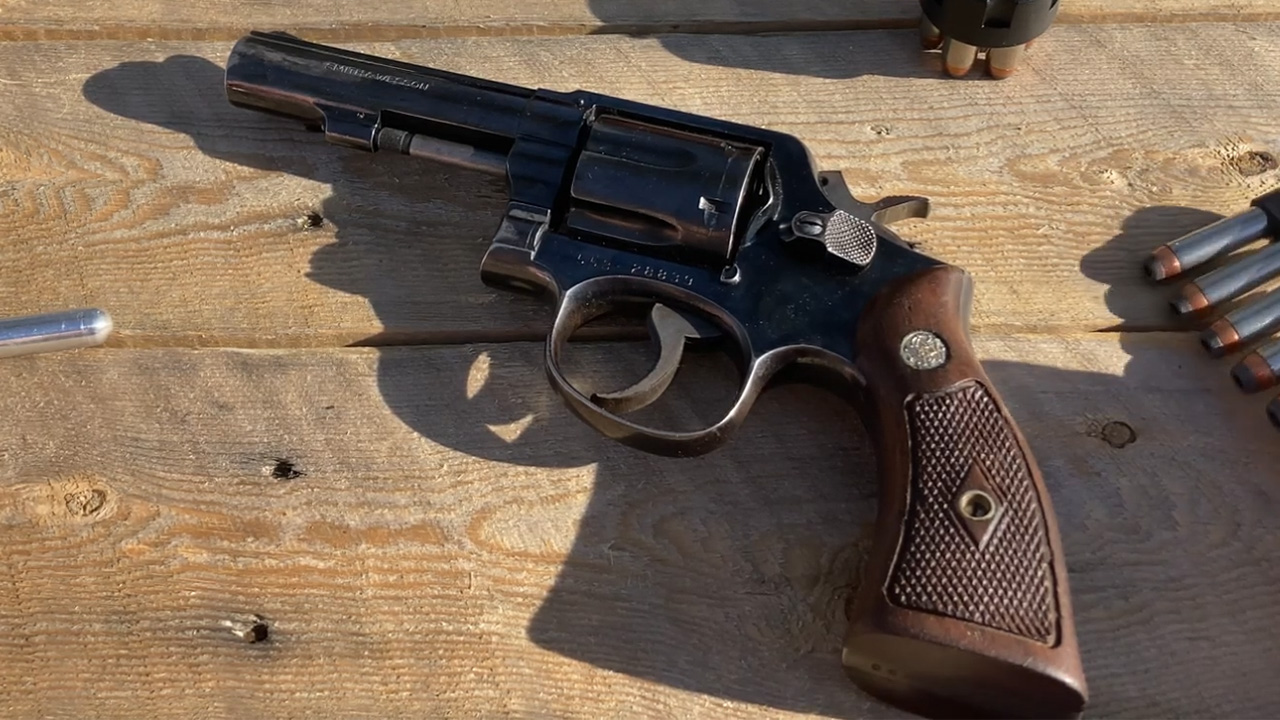
The Model 10 is the definition of boring, and that’s why it gets dumped. Folks inherit one, see “.38 Special,” and assume it is outdated. Or they buy one cheap, decide they need adjustable sights and magnum capability, and it gets traded off for something “better.” That one hurts, because the Model 10 is the revolver that taught a lot of good shooting habits.
Better owners keep them because they are simple, accurate, and easy to live with. Fixed sights are not a handicap for most real-world distances, and the gun carries nicely in a belt holster. With standard-pressure loads it is pleasant; with +P it is still manageable in steel. It is also one of the easiest revolvers to find grips and holsters for. If you want a house gun that will sit for months and still run when you need it, the old service .38 still earns its keep.
5. Ruger SP101 (2.25-inch .357)
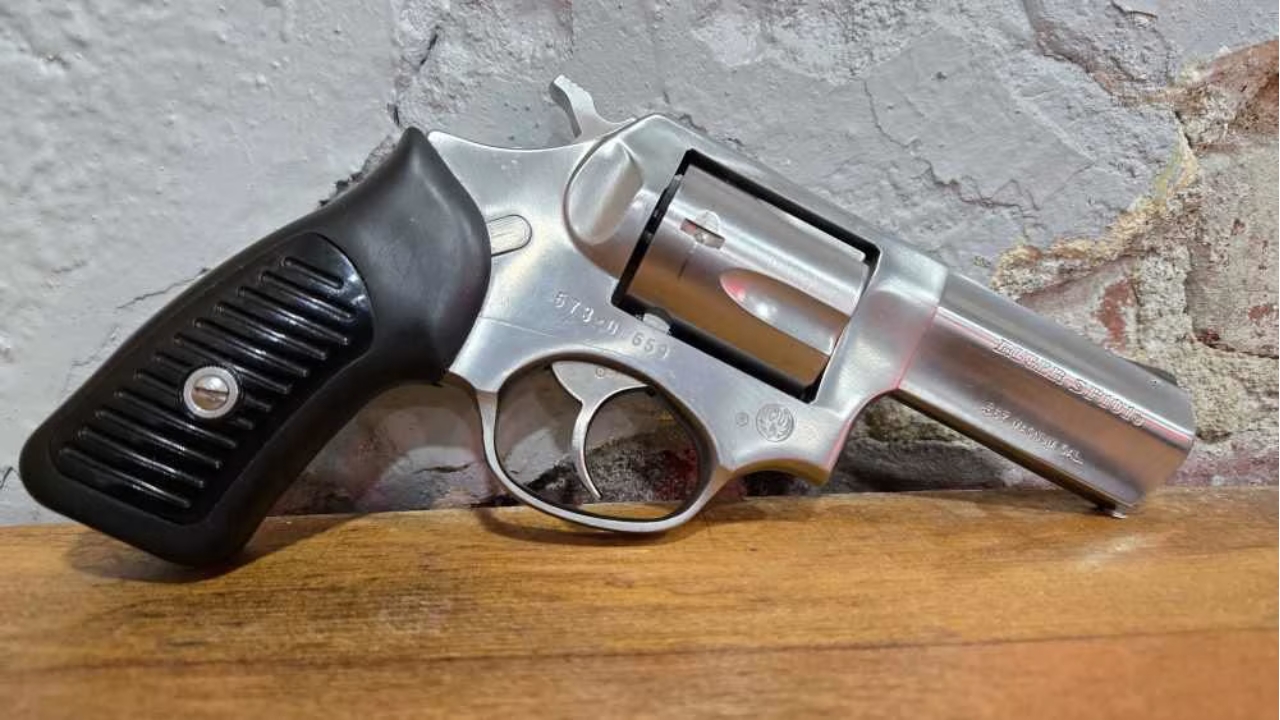
The SP101 gets sold after the first honest range session with magnums. It is a small revolver, and physics is physics. Owners buy it thinking they’ll carry .357 all the time, then realize they hate practicing with .357 in a short, stout little gun. So it goes down the road in favor of a lighter .38 or a small semi-auto.
Better owners buy SP101s with realistic expectations. They practice with .38s, confirm point of impact with their carry load, and appreciate that the gun is built like a tool. It rides well in a coat pocket with the right holster, it does not care about lint the way some autos do, and it will digest loads that would beat up lighter snubs. It is not the softest shooter, but it is one of the best “real carry” small-frame revolvers ever made if you commit to it.
6. Smith & Wesson Model 36 Chief’s Special
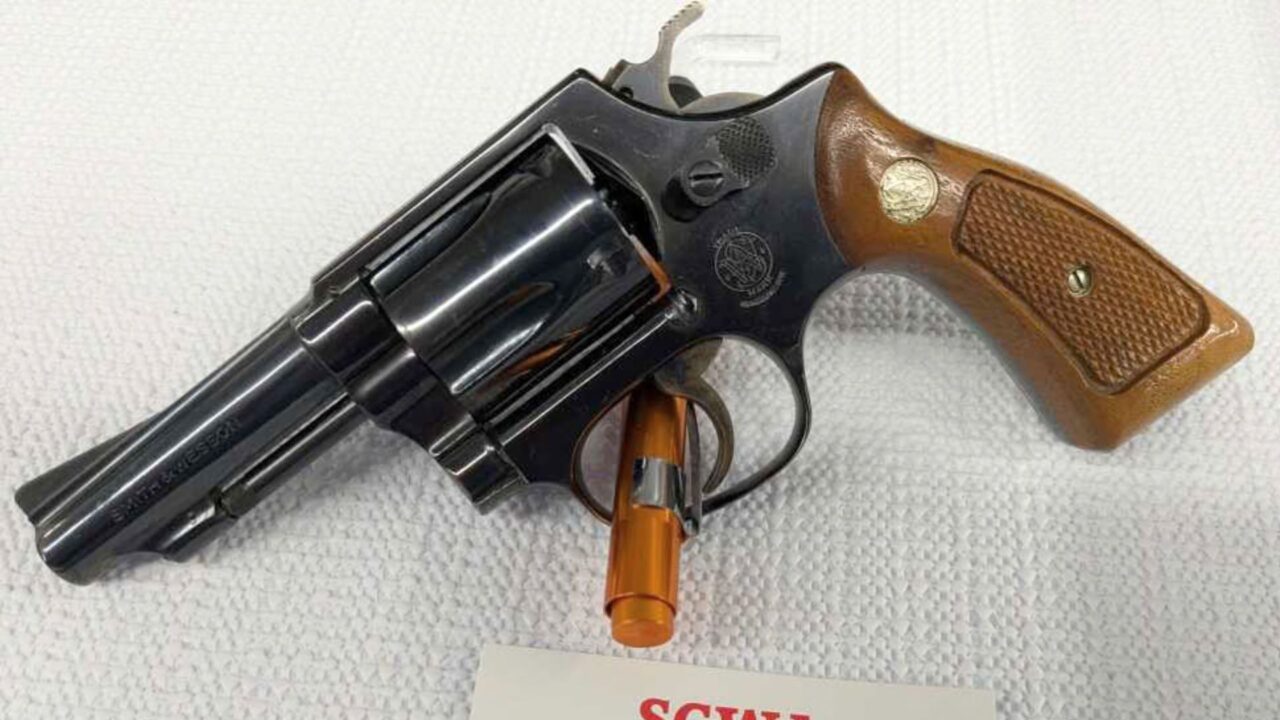
J-frames get sold because the owner’s hands change, their eyes change, or their patience changes. A steel Model 36 is not as light as the modern alloys, and that is exactly why it shoots better than you’d expect. Still, plenty of them get traded off for something with more capacity, a red dot, or a trigger that feels the same every time.
Better owners find a clean Model 36 and treat it like the classic it is. It carries easy, it points naturally, and it is pleasant with standard-pressure .38s. It is also one of those guns that makes you shoot like an adult. The sights are small, the grip is small, and you can’t fake it. Put in the work, and it becomes the revolver you actually take to the mailbox at night, keep in the tackle bag, or slip into a pocket when you’re running to town for five minutes.
7. Colt Detective Special (2-inch .38 Special)
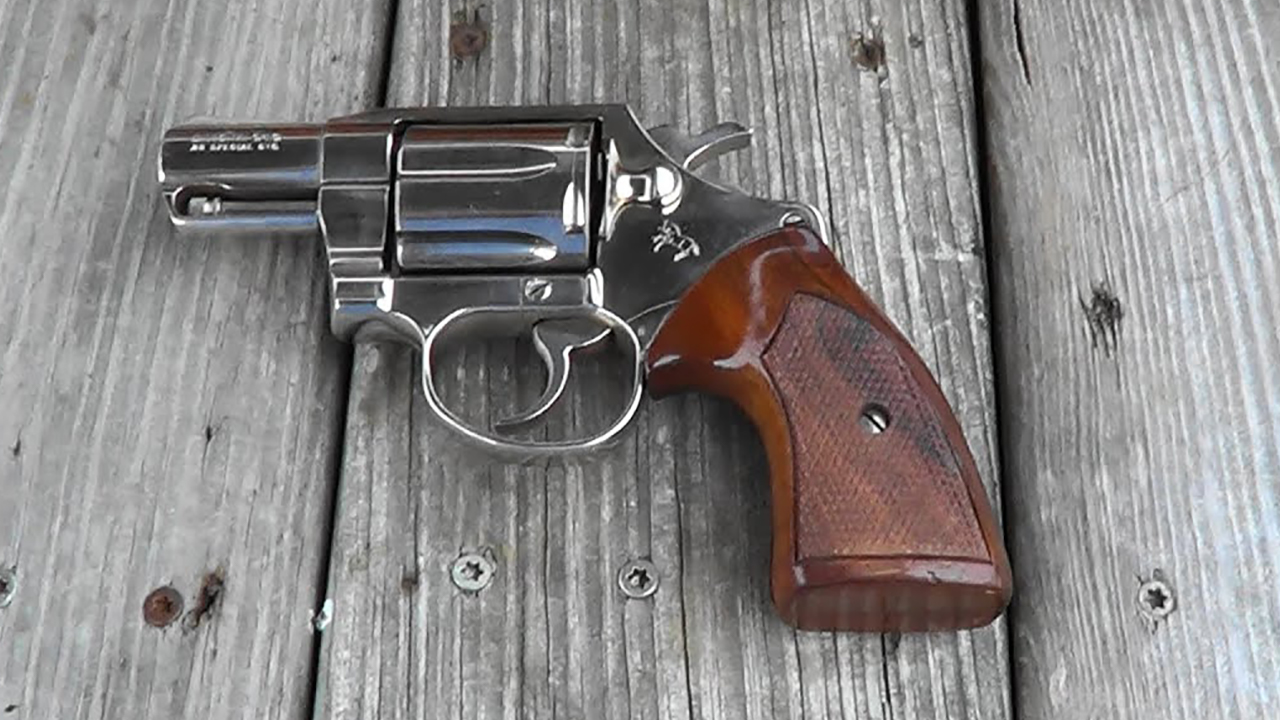
The Detective Special is one of those revolvers that gets sold because the owner is worried about parts or “Colt timing” talk. Some of that worry is fair if the gun is abused, but a lot of it is internet fear. The other reason is folks think they need .357, and a good .38 snub gets treated like a compromise instead of a solution.
Better owners like it because six shots in a snub-nose package is still a nice thing. The grip shape and frame size tend to fit hands well, and these guns often have a trigger that makes modern small revolvers feel crude. It is also a revolver that carries like it was designed by someone who actually carried a revolver. Find one that hasn’t been “kitchen gunsmithed,” feed it reasonable ammo, and it becomes a practical little classic that doesn’t need to prove anything.
8. Smith & Wesson Model 686 (L-Frame .357)

The 686 gets sold because it is heavy, especially in 6-inch form, and because owners decide they want something “more compact.” Then they go to the range with a lighter .357 and wonder why it feels like getting slapped with a shovel. The L-frame is a sweet spot for a lot of shooters, but you have to be honest about what you’re buying: a belt gun, not a pocket gun.
Better owners keep 686s because they are easy to shoot well. The extra weight calms everything down, the sight radius helps, and the cylinder window is built for a steady diet of magnum. If you hunt with a revolver, spend time at the range, or just want a home gun that is dead reliable, the 686 makes a lot of sense. It is also one of those guns where a decent used example is usually as good as a new one, as long as it hasn’t been abused.
9. Smith & Wesson Model 629 (N-Frame .44 Magnum)

Big-bore revolvers are famous for being purchased with confidence and sold with sore hands. A 629 is not a casual gun, and plenty of owners find that out after a cylinder or two of full-house loads. Then it sits, then it gets traded. Another reason is weight: an N-frame on the belt all day feels like a brick once you’ve climbed enough ridges.
Better owners buy them for specific work. They want a revolver that can ride in bear country, back up a rifle during hog work, or put a heavy bullet through a tough angle. They also understand you do not have to punish yourself to own a .44 Magnum. Midrange loads and .44 Special make it a whole different gun. A 629 with the right grips and a good chest rig is a serious outdoors tool, not a range toy, and the folks who get that tend to hang onto them.
10. Ruger Redhawk (.44 Magnum)
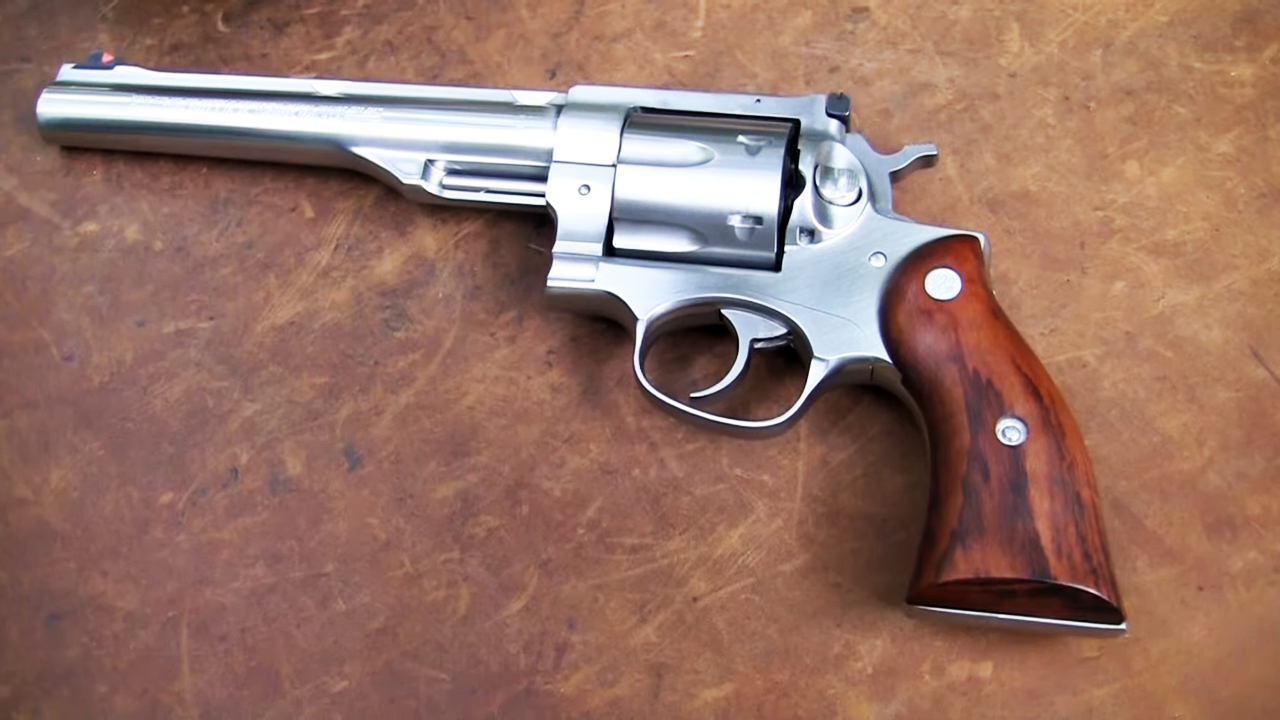
The Redhawk gets sold because it is overbuilt and feels like it. The trigger can be heavy compared to a slick Smith, and the whole gun has that “farm implement” vibe. If someone wanted a refined revolver, they sometimes buy a Redhawk by mistake, then move it along when they realize it is not going to feel like a tuned target gun.
Better owners pick the Redhawk because strength matters when the revolver is going to be used hard. It is a great choice for heavy hunting loads, and it tends to keep running even when it is dirty, wet, or neglected. In the real outdoors, polish does not matter much. Reliability does. The Redhawk is also a revolver that tolerates being a truck gun or a cabin gun without getting babied. It is not elegant, but it is stubborn, and I mean that as a compliment.
Free for gun owners: If something happened to you tomorrow, would your family know where the guns are, who has the safe combination, or what to do first? Our free Gun Owner’s Family Checklist walks them through it. It takes about 15 minutes to fill out. Get your free copy here.
11. Ruger Super Redhawk (Alaskan, .44 Magnum or .454 Casull)

The Alaskan version is the one that gets traded fast. It looks handy on the shelf, then the owner touches off real loads and realizes it is a handful. The short barrel gives up velocity and adds blast, and if you bought it as a “just in case” bear gun without practice, it becomes safe weight pretty quickly.
Better owners buy it because they will actually carry it where long barrels snag and poke. It is not for everyone, but it fills a real niche for folks who are in thick cover, on a river, or moving in and out of vehicles and boats. The Super Redhawk frame is strong, and the grip shape helps more than you’d expect. The smart way to own one is to practice with manageable loads and build up, not to prove toughness. As a last-ditch defensive revolver in the backcountry, it makes sense when you’re honest about the tradeoffs.
12. Smith & Wesson Model 27 (N-Frame .357 Magnum)
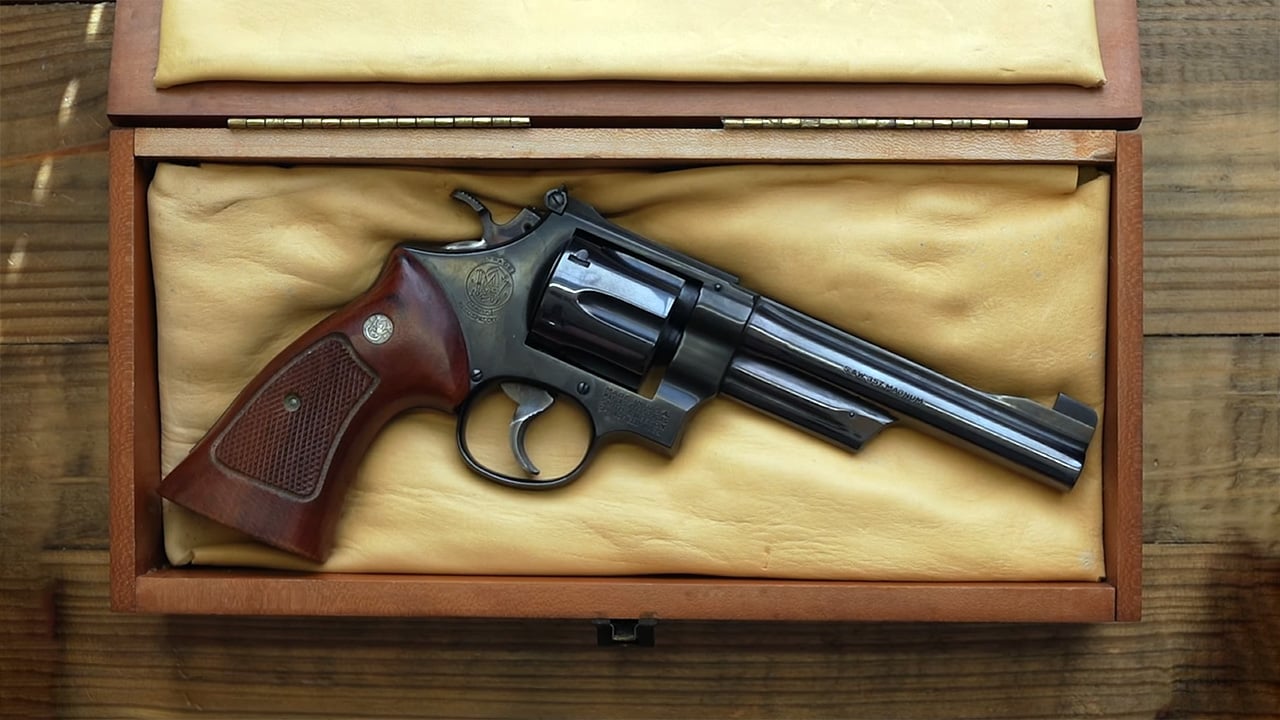
The Model 27 gets sold because it is big and because owners assume it is “just a .357.” Then they handle it beside modern production revolvers and realize what polish and fitting used to look like. Another reason is fear of scratching it. A high-finish classic makes some folks nervous, and nervous owners don’t shoot.
Better owners buy it because it is one of the great .357 platforms ever built. The weight makes magnums comfortable, the sight picture is excellent, and the gun has a presence you can’t fake. It is not a practical concealed carry piece for most people, but it is a practical range gun and woods gun. If you ever plan to hand down a revolver with some soul, an older Model 27 is hard to beat. Just don’t treat it like a safe queen and call that “appreciation.”
13. Smith & Wesson Model 28 Highway Patrolman
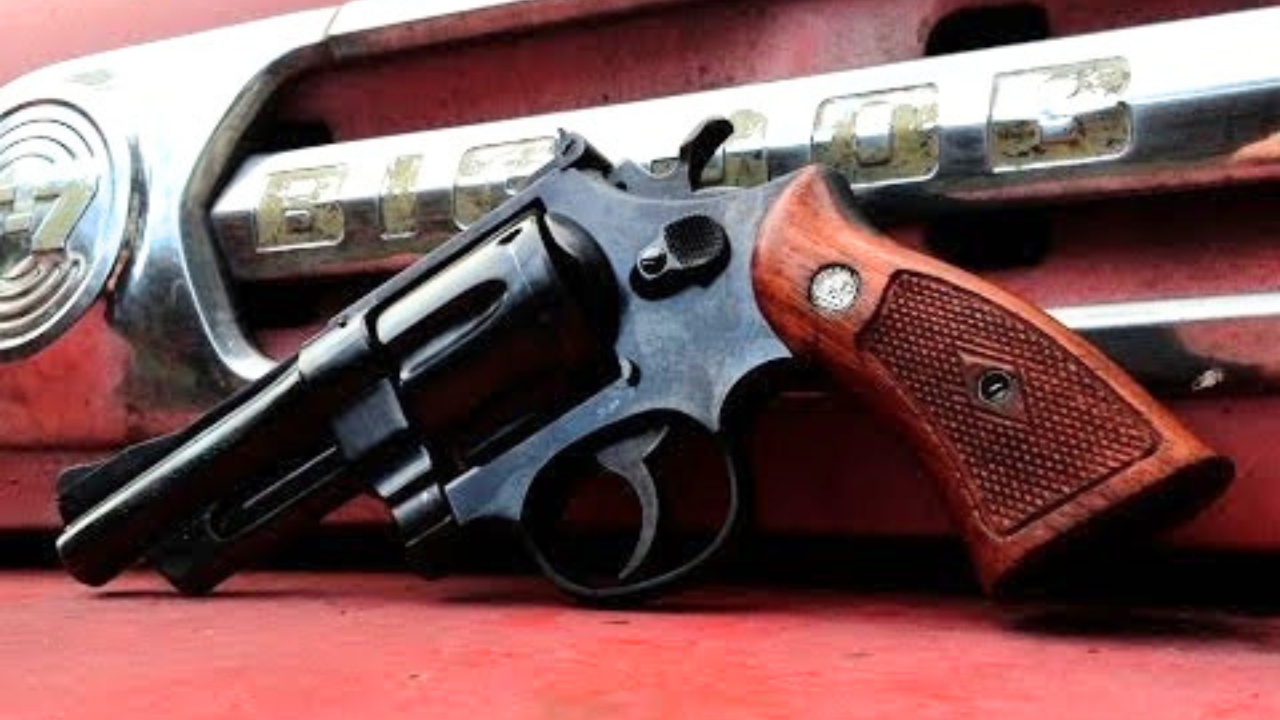
The Model 28 is the working man’s Model 27, and it gets sold because it looks plain. The finish is more utilitarian, and folks who don’t know what they’re holding think it is a lesser gun. They’ll trade it for something newer with flashier features, then later realize the Model 28 had exactly what they actually needed: an N-frame .357 that can take serious use.
Better owners like the Model 28 because it’s honest. It’s big, stable, and it shoots magnums without drama. It is also a revolver you can carry in a scuffed holster without having a heart attack over every little mark. For a lot of outdoorsmen, that’s the sweet spot: a gun nice enough to be proud of, but not so pretty you’re afraid to use it. When you find one with a tight lockup and a smooth trigger, it is tough to justify selling it again.
14. Dan Wesson Model 15 (.357 Magnum)
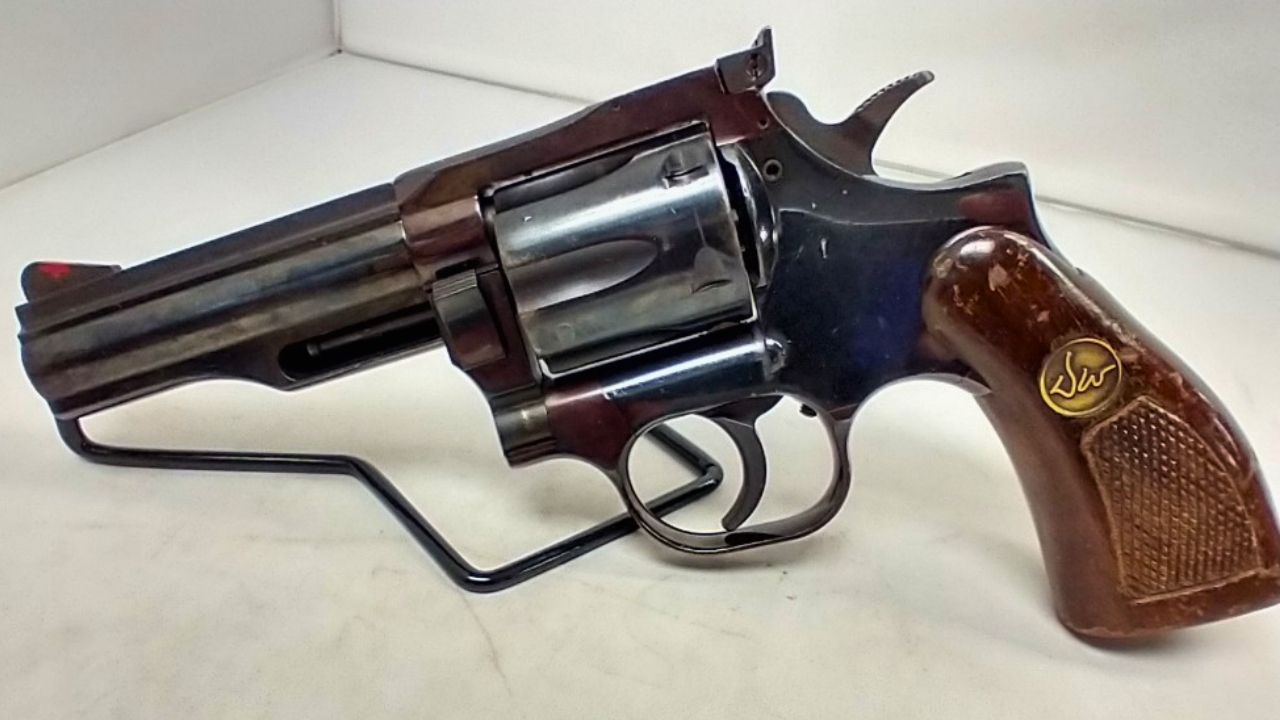
Dan Wessons often get sold because the owner doesn’t have the extra barrel/shroud pieces or doesn’t understand the system. Without the right parts, it looks like an oddball revolver that’s hard to support. And if someone inherited one, they may not want to chase down what they’re missing, so it goes to the shop and disappears.
Better owners grab them because they’re accurate and built for real shooting. The interchangeable barrel setup isn’t just a gimmick when you have the components; it can turn one revolver into a 2-inch carry piece or a longer-range hunting/target rig. Even in a fixed configuration, many Dan Wessons have a reputation for tight groups and good triggers. They are also different enough that collectors pay attention, which helps the smart buyer who is looking for value. Still, the real win is how well they shoot when you do your part.
15. Smith & Wesson Model 617 (K-Frame .22 LR)

A good .22 revolver gets sold because it is “just a rimfire.” Then ammo prices spike or a new shooter shows up in the family, and suddenly a solid .22 revolver sounds like the best idea in the world. The 617 is heavy for a .22, and that turns off buyers who want something light and cheap.
Better owners know that weight is why it shines. It holds steady, it soaks up movement, and it lets you work on trigger control without fighting recoil. It is also an easy gun to keep by the back door for pests, or to toss in the range bag when you want to practice without burning centerfire ammo. A 617 with a decent action is the kind of revolver you can shoot for hours. The only downside is that once you own a good one, you start comparing every other rimfire handgun to it.
16. Ruger Single-Six (.22 LR/.22 WMR convertible)
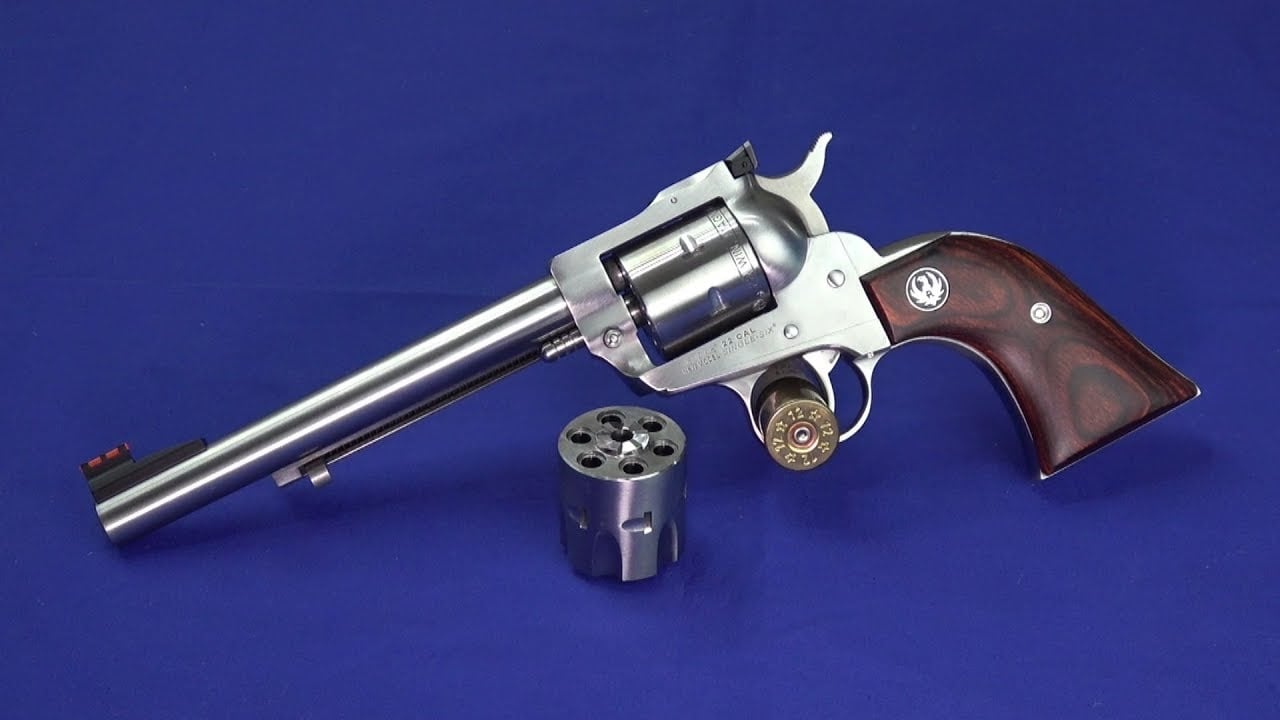
The Single-Six gets sold when someone decides single-actions are “slow” or “old fashioned.” Or they bought it for nostalgia and didn’t shoot it much. It’s also the kind of gun that gets traded when a guy consolidates calibers and decides he doesn’t need both .22 LR and .22 Magnum.
Better owners keep one because it does ranch chores without complaint. It rides in a belt holster fine, it’s safe to carry in the field with proper handling, and it will eat bulk ammo that chokes some semi-autos. The convertible cylinder is more useful than it sounds if you actually spend time outdoors. .22 LR for plinking and small pests, .22 WMR when you want a little more reach and thump. There is nothing fancy about it, and that is kind of the point. If you spend time around traps, barns, or creek banks, it earns its spot.
17. Ruger Blackhawk (.357 Magnum)

The Blackhawk gets sold by folks who buy it on looks, then realize it carries differently and reloads differently than a double-action. If you’re in a hurry at the range, you can get impatient with loading gates and ejector rods. And if you were hoping for a light pack gun, a steel Blackhawk can feel like more revolver than you planned on.
Better owners like the Blackhawk because it’s tough and it shoots well. The grip shape and single-action trigger make it easier for many shooters to hit at distance, especially with magnum loads. It is also a revolver that tolerates hard use and rough conditions. For camping, checking fence, and general “out behind the house” work, a Blackhawk in .357 is a steady companion. It will also run mild .38s all day, which makes it a practical training gun. Once you learn the manual of arms and stop trying to make it be something else, it makes sense.
18. Colt Single Action Army (3rd Gen and good clones)
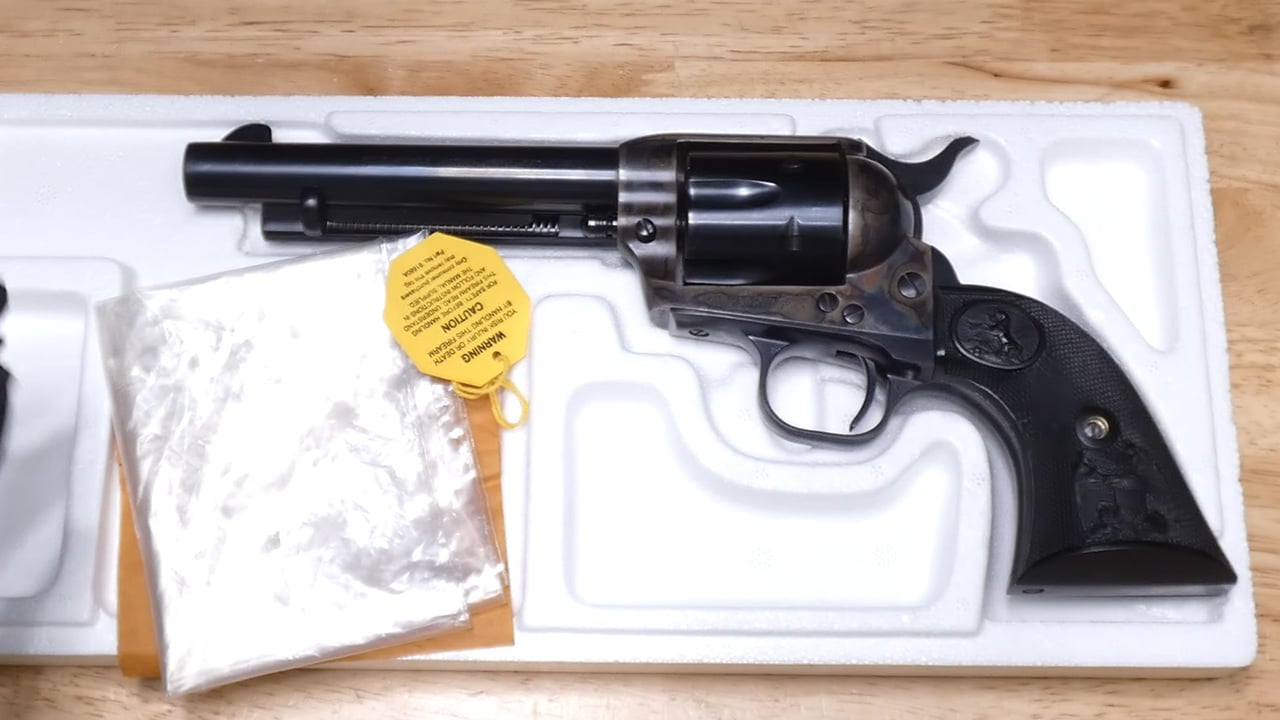
The classic single-action gets sold because it is expensive to keep and hard for some owners to justify. It can feel like a museum piece, especially if it is a real Colt. Then life happens, bills show up, and a gun that sits in a presentation box becomes easy to cash out. Clones get sold for different reasons: owners buy a cheap one, don’t shoot it much, and it becomes safe filler.
Better owners buy them because they appreciate what the design does well. A good SAA-style revolver carries nicely on the hip, points fast, and is fun in a way modern pistols rarely are. In the outdoors, fun matters because fun equals practice. No, it is not a tactical solution, and it is not the revolver for somebody who wants to run drills all afternoon. But for walking property, camping, and handing a kid a piece of American history (with proper supervision), it’s hard not to smile. Some guns are tools. Some are anchors to a tradition.
19. Smith & Wesson Model 60 (stainless J-Frame .38/.357)
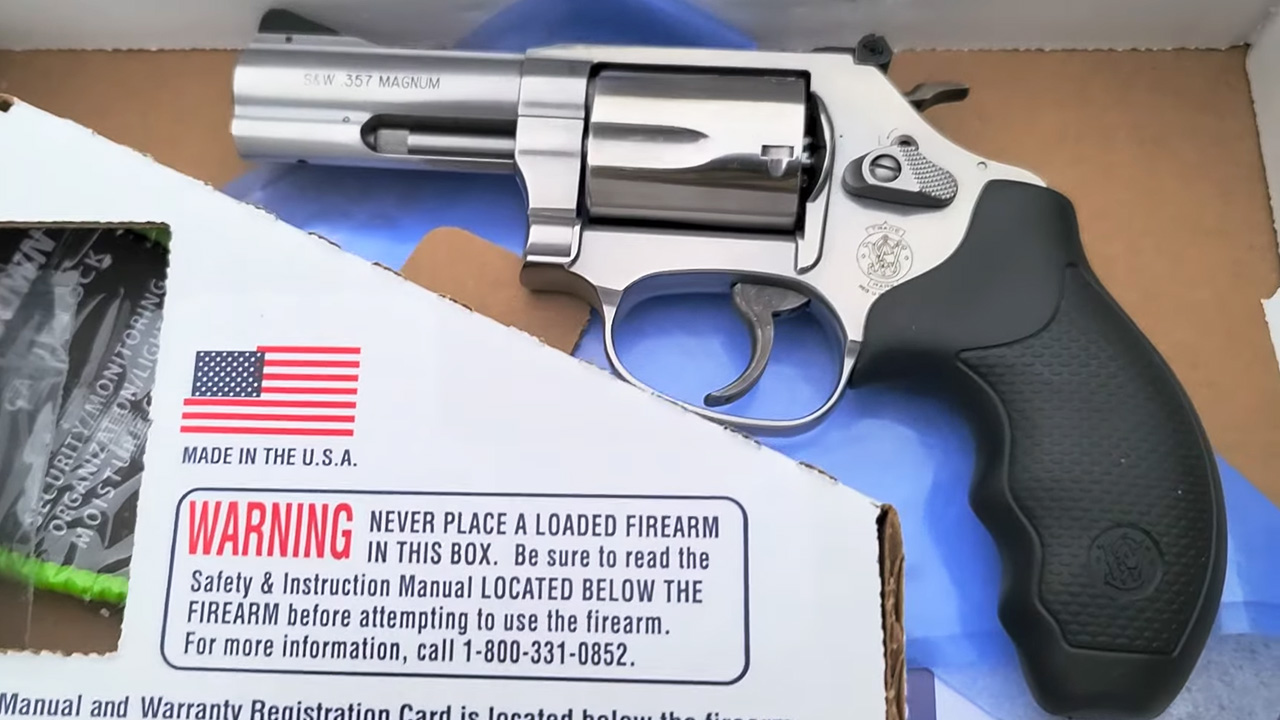
The Model 60 gets sold because it sits right in the middle of competing priorities. It’s heavier than the ultra-light snubs, and it’s smaller than a belt revolver. Owners who bought the .357 version sometimes learn they don’t enjoy magnums in a small frame, then decide the whole gun was a mistake. Others carry it for a year, get tired of five rounds, and jump to a micro 9.
Better owners keep the Model 60 because stainless and simple still wins. It rides in pockets better than many autos, it tolerates sweat and weather, and it is easy to check loaded status without playing games. In .38 +P it’s a practical, shootable carry revolver. In .357, it’s more of a “can do it” than a “should do it often,” depending on the shooter. With good grips and a little practice, it’s one of the better compromises out there. A lot of revolver guys end up back at a steel J-frame after experimenting.
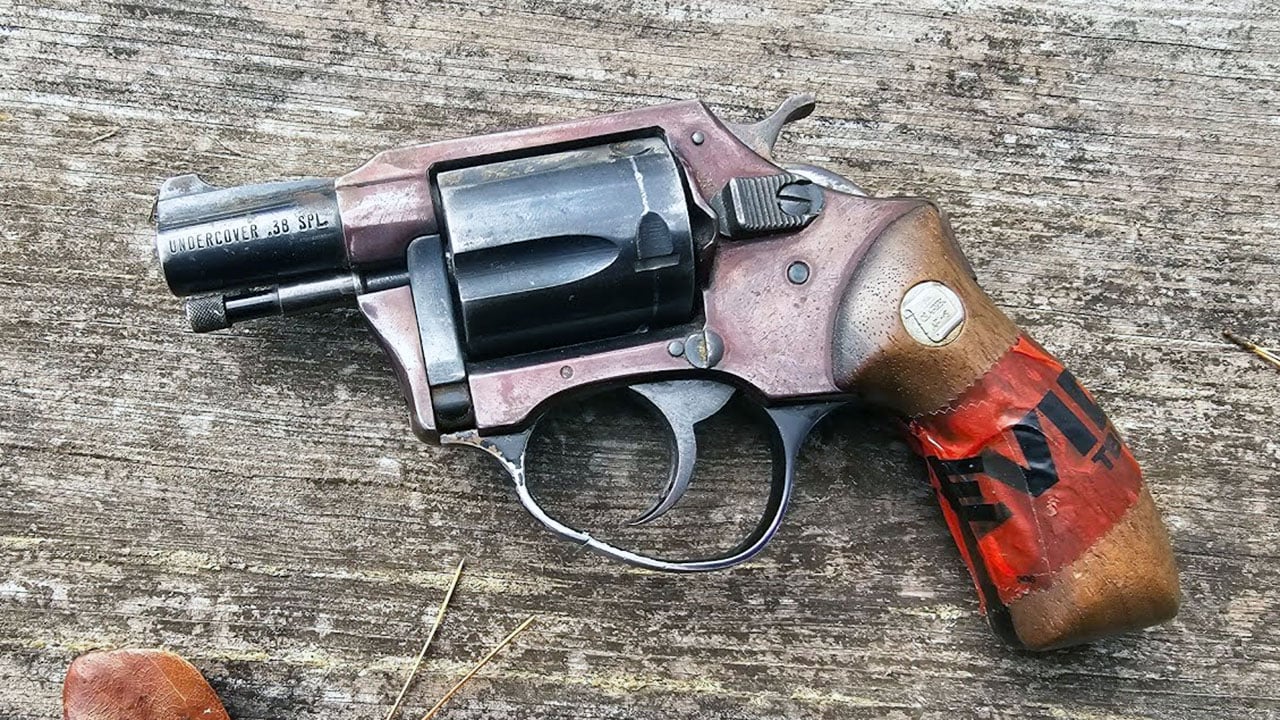
20. Charter Arms Undercover (classic .38 Special)
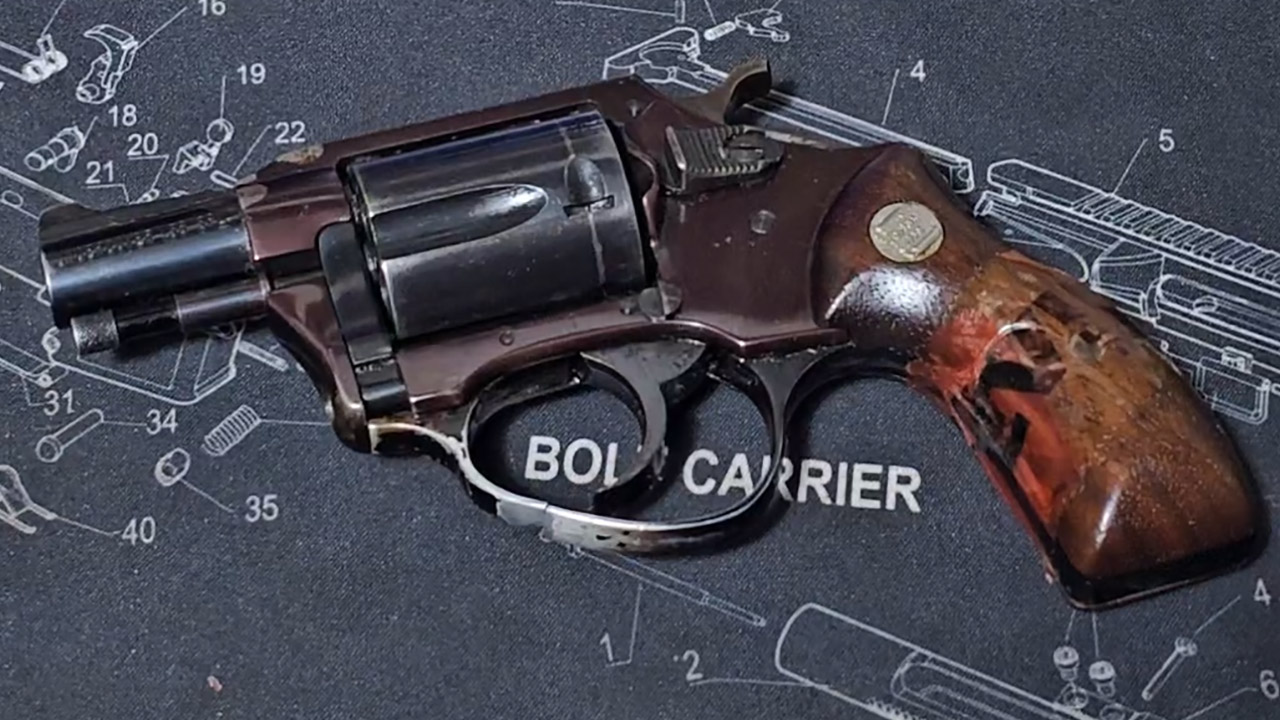
Charter revolvers get sold because they aren’t glamorous and because gun counter talk can be cruel. The finish is not fancy, the trigger varies, and they don’t have the same status as a Colt or Smith. Owners buy one as a budget carry option, then second-guess themselves when buddies start pushing brand names.
Better owners pick through them carefully and buy the good ones. A solid Undercover is light, simple, and perfectly capable with quality .38 ammo. It’s also the kind of revolver you don’t mind carrying in rough weather or tossing in a tackle bag in a proper holster. No, it is not a target revolver and it won’t impress anyone at the range. That’s fine. Plenty of outdoorsmen need a dependable “there if I need it” revolver more than they need a showpiece. If you find one that locks up tight and shoots to the sights, it can be a quiet little winner.
Revolvers have a way of teaching patience. They also teach you that “upgrade” is often just a sideways move with extra cost. If you’re thinking about letting one go, be honest about why. If it’s unreliable or doesn’t fit you, fine. But if it’s just boring and it always works, you might be staring at the exact gun you’ll be trying to buy back later—except it won’t be on your terms next time.
Like The Avid Outdoorsman’s content? Subscribe to our newsletter so you never miss an article.
Here’s more from us: