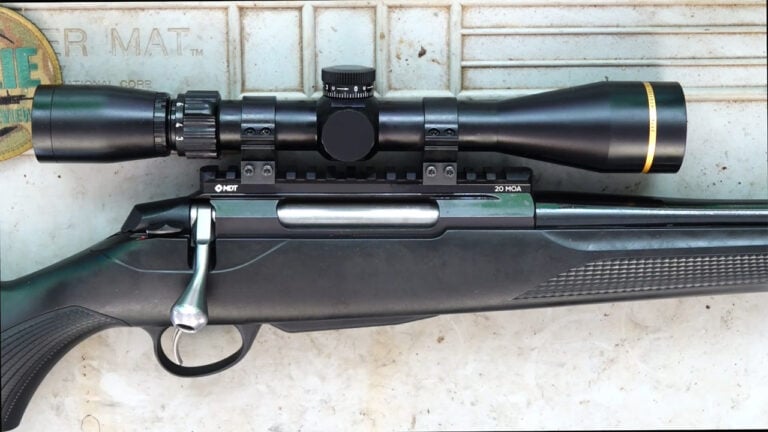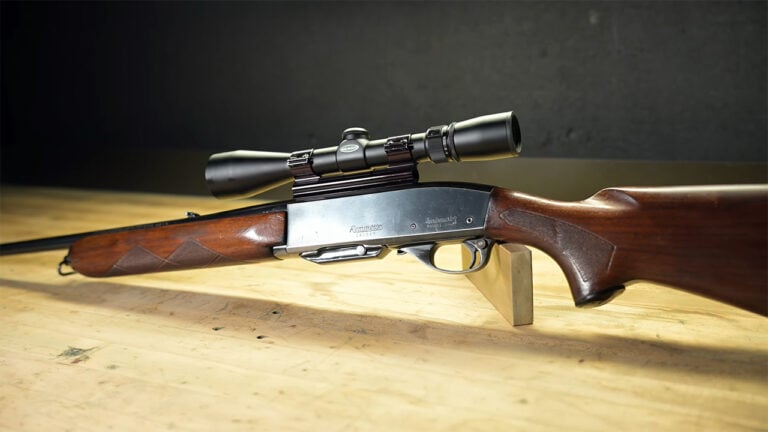
Photo credit: travisp11/Youtube
If you have ever walked a farm sale lot early, you know the scene. Card tables of rusty wrenches and coffee cans full of bolts. A stack of fence stretcher parts. A milk crate of holsters and slings. And then, leaning in the corner like it is just another piece of pipe, a lever gun that somebody treated like it was part of the hardware. That is where a lot of good rifles end up—when an estate gets cleaned out fast and nobody in the family is a “gun person” who separates the firearms from the hand tools.
What follows are the lever-actions I see most often in that kind of mixed pile. Some are worth grabbing even if the finish is gone. Some are better left for somebody who likes projects. Either way, if you hunt, run a trapline, or keep a rifle behind the truck seat, these are the ones that show up when nobody bothered to sort things out.
1. Marlin Model 336
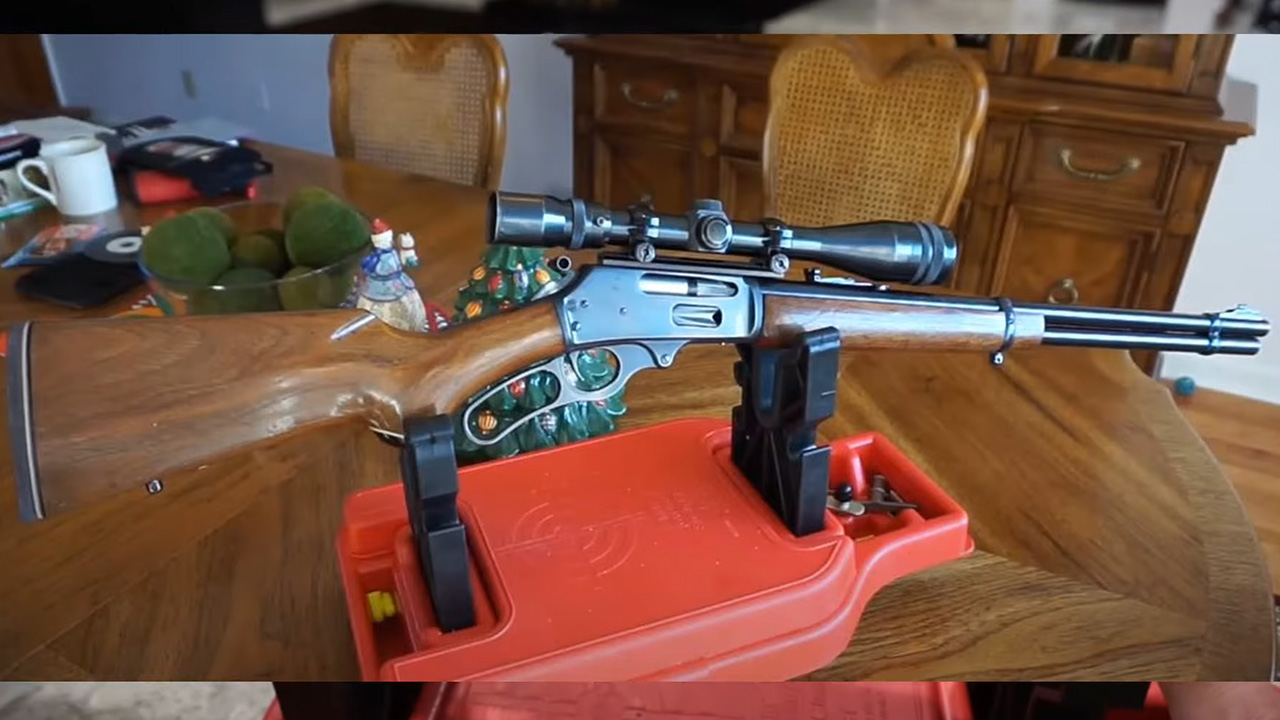
This is the classic “leaning by the post” deer rifle, usually in .30-30, and it blends into a farm sale like an old rake handle. The 336 points naturally, carries flat, and it is hard to beat inside normal timber distances. A lot of them wear a cheap 3-9x that has been bumped around for two decades, but the rifle itself still runs.
What makes the 336 easy to miss is how normal it looks. Worn bluing, shiny spots where hands carried it, and that thin layer of dust from sitting behind a door. Check the muzzle crown, make sure the loading gate is not bent, and cycle it slowly for grit. Even a rough one can be a solid hunting rifle with a basic clean-and-lube job.
2. Winchester Model 94
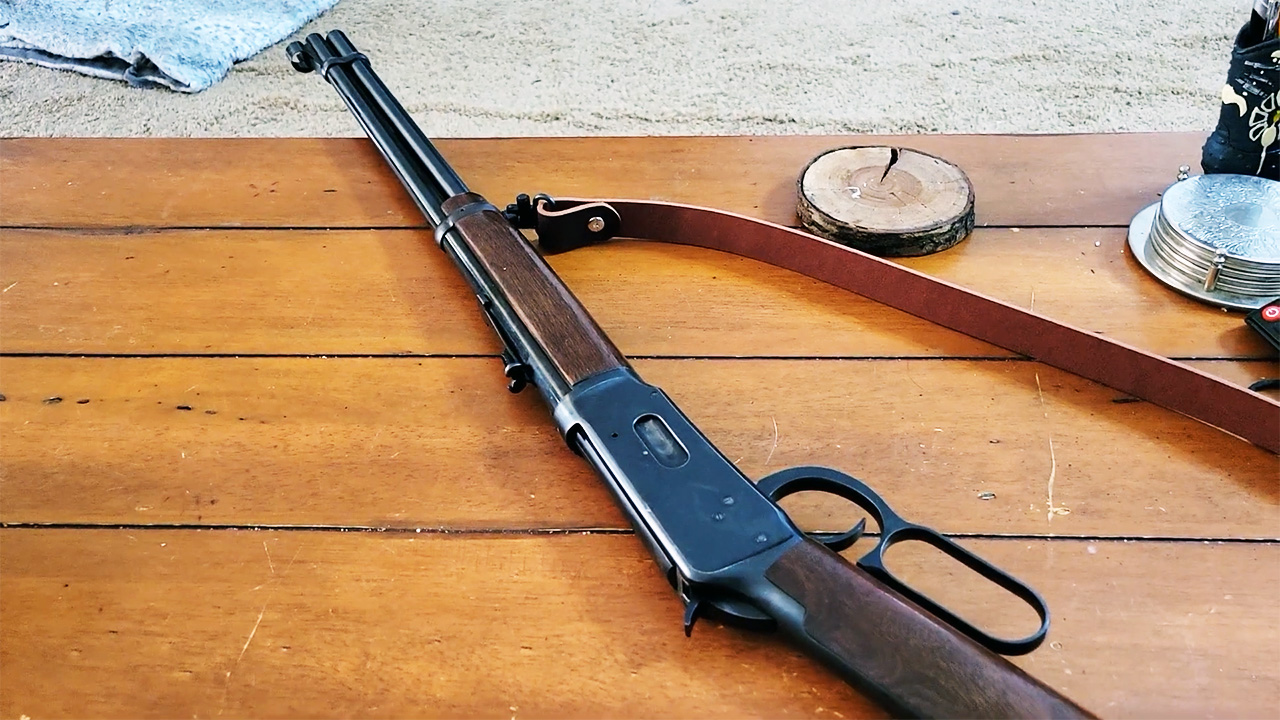
The Model 94 is the one that ends up right beside the pry bars because everybody thinks it is “just an old .30-30.” A lot of these are honest working guns, not collector pieces, and that is fine. They are light, quick, and still one of the easiest rifles to carry all day in steep country.
Where folks get burned is assuming every 94 is smooth and tight. Some have been run dry for years, and the action can feel like two bricks sliding past each other. Look for cracks at the wrist of the stock, and check for side-to-side slop in the lever. If it locks up solid and the bore is decent, it will still put venison in the freezer.
3. Henry Repeating Arms H001 (Classic .22)
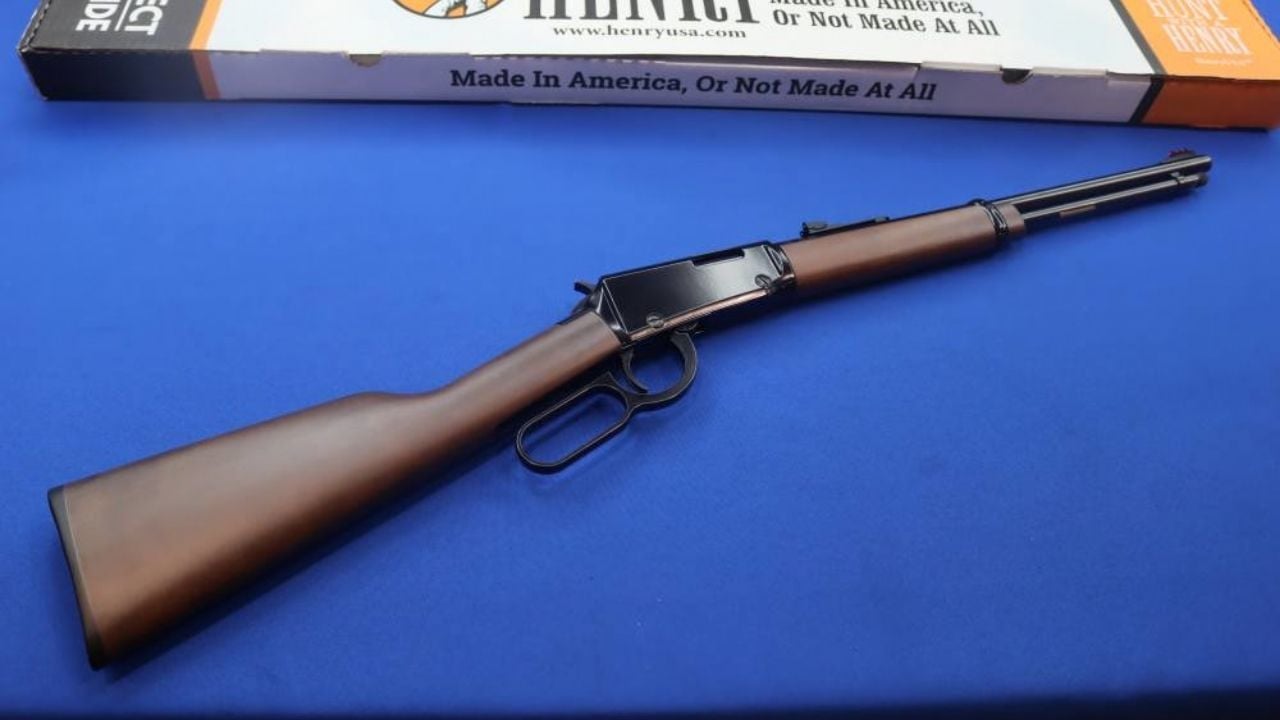
These show up at farm sales more than you would think because a .22 lever gun is often a “kid rifle,” and kid rifles get parked in closets when life changes. The Henry .22s are handy, accurate enough for squirrels, and they do not beat you up. They also get treated like a tool, because that is what they are.
The main thing to watch is the tube magazine and the crown. A dented tube or a bent inner rod can turn a fun plinker into a headache. Also, make sure the front sight is not canted from being shoved behind a seat. If it is clean inside, you are basically buying years of cheap practice and small game hunting in one simple package.
4. Marlin Model 1894
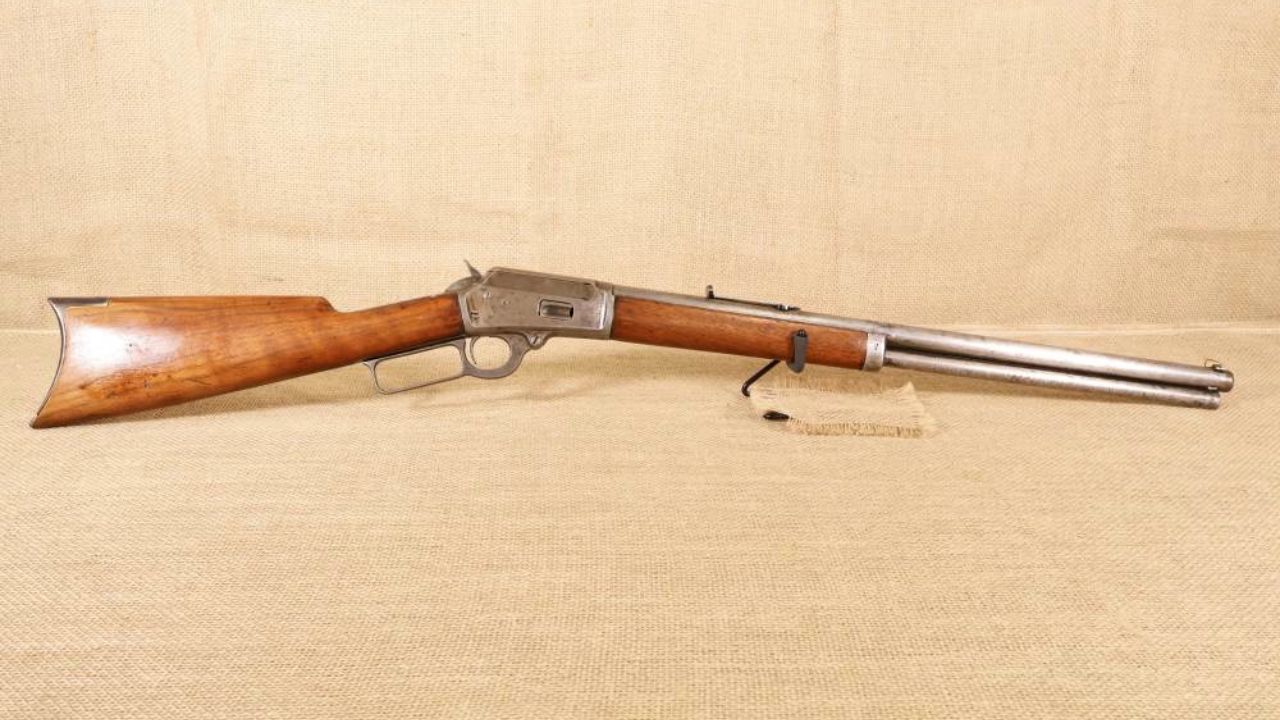
When you find a Marlin 1894 mixed in with hammers and sockets, it is usually a pistol-caliber gun—.357 Mag or .44 Mag—and it tends to be a “do-everything” ranch rifle. These carry like a dream and ride well in a scabbard. In thick brush, they come to the shoulder fast and they do not snag much.
They can also be picky if they are dirty or if someone tried to “slick them up” without knowing what they were doing. Work the action with dummy rounds if you can do it safely and legally at the sale, and feel for hesitation feeding from the magazine. A good 1894 is hard to replace without spending real money, especially if it is a pre-crossbolt-safety gun.
5. Rossi Model 92

The Rossi 92 is the lever gun that gets bought on a budget, used hard, and then left behind when somebody upgrades. It is patterned after the Winchester 1892 and usually shows up in .357 or .44. When they are right, they are fun, fast, and tougher than they look. When they are wrong, they can be rough.
At a farm sale, you are often dealing with a rifle that never got properly cleaned because “it always worked.” Cycle it and listen for scraping. Look at screws for signs of somebody attacking them with the wrong screwdriver. If it feels gritty but locks up, it might just need attention. If it feels like it is binding, price it like a project, because it might be.
6. Winchester Model 92 (original or early repro)
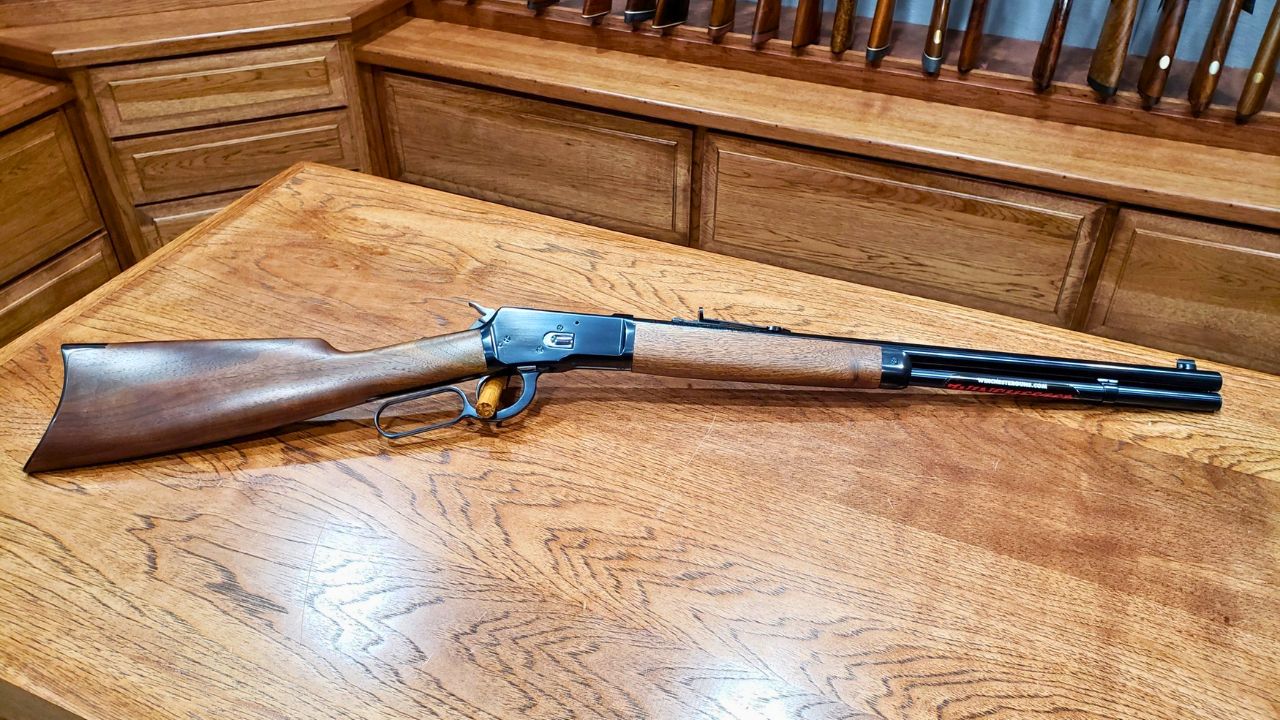
Every once in a while, there is a real Winchester 92 sitting in a corner like it is no different than an old level. That is the one that makes your heart rate jump. These rifles have a slick feel when they are in good shape, and they balance better than a lot of modern stuff. They are also genuinely collectible in certain configurations.
The catch is condition and originality. A “barn gun” 92 may have a dark bore, replaced sights, or a cracked forearm. None of that makes it useless, but it changes what it is worth and what it is for. If you do not know how to date one, take careful photos of markings and serials and do your homework before you go polishing anything.
7. Marlin Model 39A
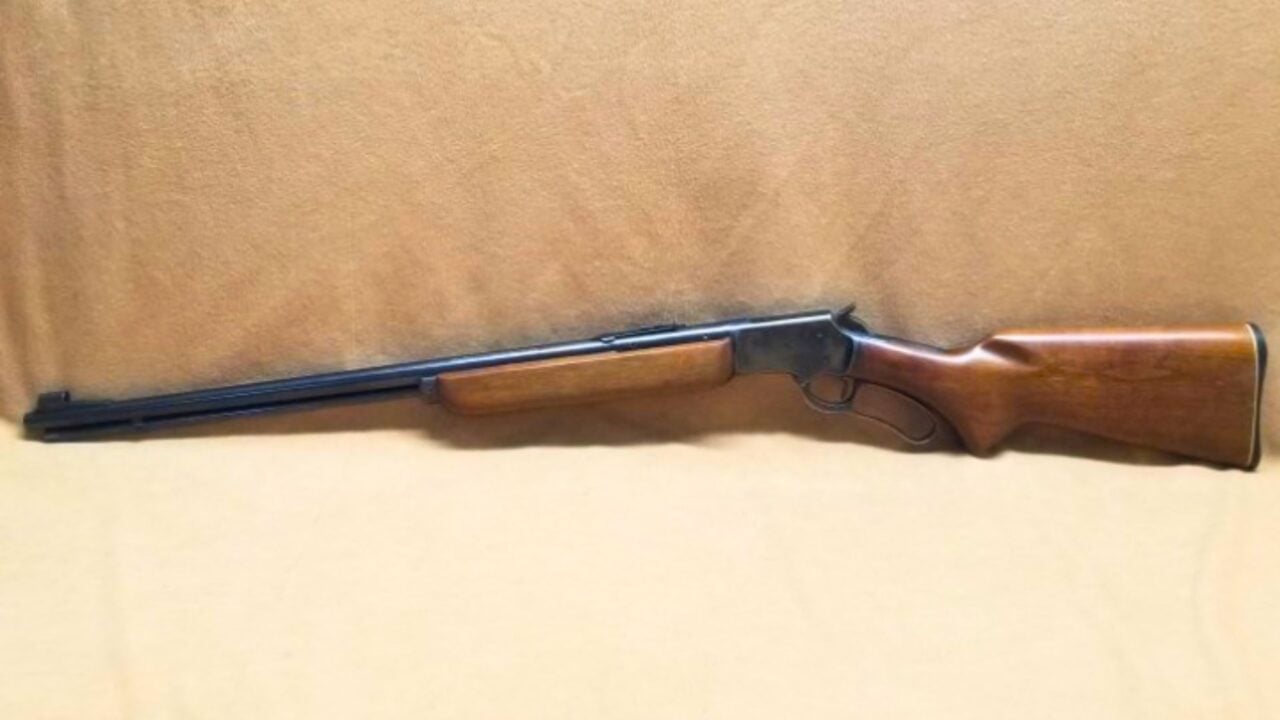
If you grew up around rural folks, you have seen a 39A that has accounted for more squirrels than any .22 semi-auto ever will. These are heirloom-grade .22 lever guns, and they tend to wind up in estate piles because they were “just the little one.” The 39A is accurate, solid, and usually smoother than it looks.
Pay attention to the takedown screw and the fit between the halves. A lot of them have been taken apart without care and then over-tightened. Check the bore for pitting, and make sure the sights are not smashed down from bouncing around in a truck. If it is mechanically sound, it is the kind of rifle you buy once and keep for life.
8. Savage Model 99

The Savage 99 is the lever gun that ends up among hand tools because it does not look “cowboy.” It looks like a serious hunting rifle, and it is. Many are in .300 Savage, some in .308, and they have taken a mountain of whitetails. The rotary magazine and sleek profile make it feel more like a bolt gun that happens to be a lever.
These deserve a careful look, because replacement parts are not like ordering AR bits online. Check that the lever closes tight and the action locks up. If it has a counter window for the magazine, make sure it still functions and the numbers track. A clean 99 is a sleeper, and I would not walk past one just because the wood has a few dings.
9. Browning BLR

A BLR can sit unnoticed because it is often scoped and looks “modern enough” that non-gun folks assume it is a common deer rifle. In reality, the BLR is its own thing—a lever gun that handles higher-pressure cartridges in many chamberings. It carries well and points quick, but it can also be a little more complex than the old-school designs.
On a dusty sale table, check the magazine and make sure it is present. Missing magazines are a pain, and that can turn a bargain into an expensive lesson. Work the lever slowly and feel for smoothness and full lockup. If it is a takedown model, look for tight fit. A BLR that is right is a very capable hunting rifle, not just a novelty.
10. Browning Model 71
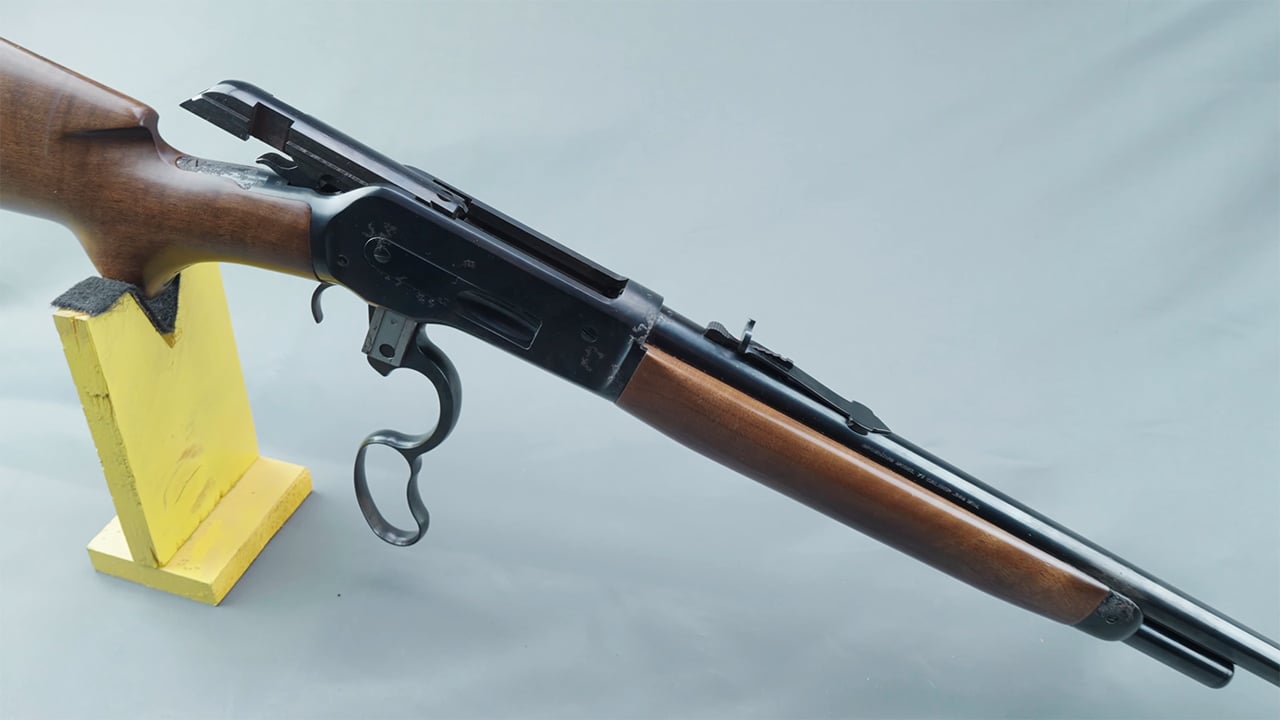
Every now and then, you will see a Browning 71 in .348 Winchester hiding in plain sight because most people do not know what they are looking at. It is a big, classic lever gun that feels like it was built for elk camps and saddle scabbards. When you shoulder one, it has that “serious rifle” heft and steadiness.
The downside is ammo and parts availability. If you do not already have a plan for .348, you need to think before you buy. Still, the rifle itself is usually well made, and many have not been shot a ton because of ammo cost. Check the bore, make sure the sights are intact, and do not assume it is “just another 30-30.” It is not.
Free for gun owners: If something happened to you tomorrow, would your family know where the guns are, who has the safe combination, or what to do first? Our free Gun Owner’s Family Checklist walks them through it. It takes about 15 minutes to fill out. Get your free copy here.
11. Marlin Model 1895 (Guide Gun and full-size)
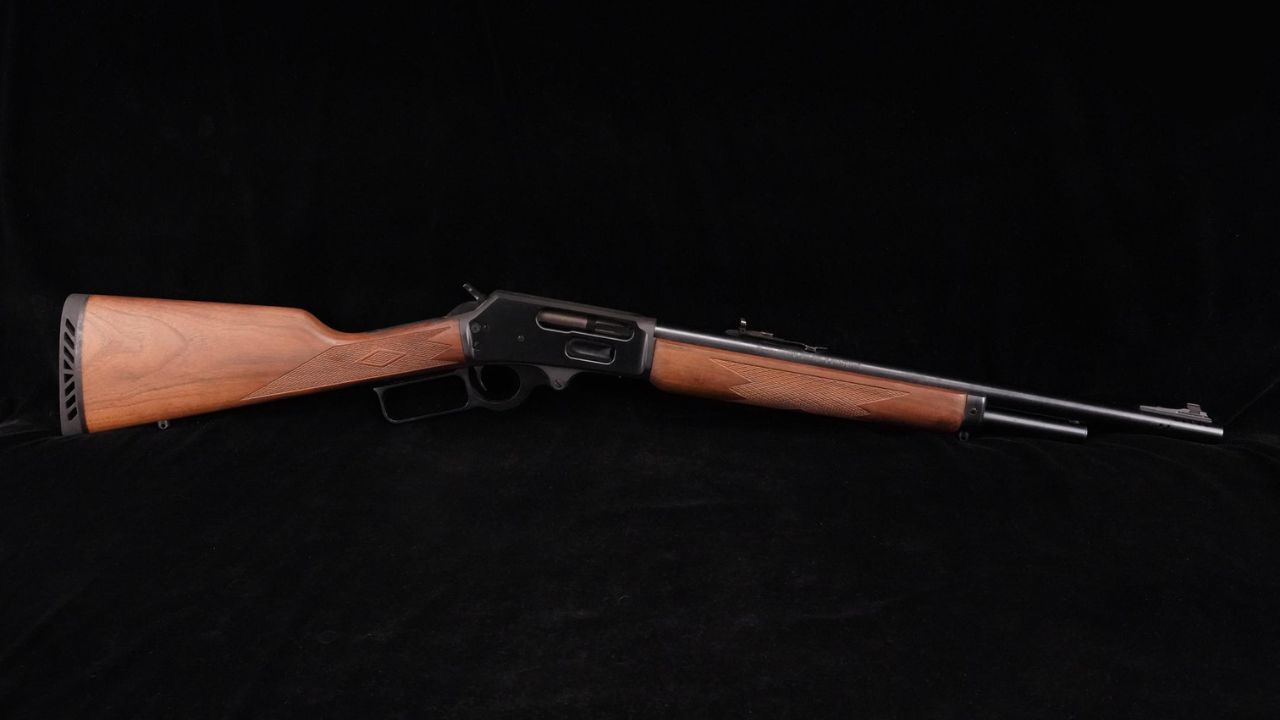
A .45-70 lever gun looks like a woods thumper, so it is funny how often they get treated like a farm tool and parked in a corner. The Marlin 1895, especially the short Guide Gun versions, is common in that “kept for bear season, carried twice” category. They are handy, powerful, and fun—right up until you touch off heavy loads from the bench.
At a sale, you want to check for cracked wood around the tangs and for loose scope mounts. Recoil will find any weak screws. Also look for evidence of hot loads: sticky extraction, battered internals, or flattened screw heads from repeated disassembly. A clean 1895 is a legit working rifle for big woods, but it is also one that gets abused by people chasing more power than they need.
12. Winchester Model 1886 (original or modern reproduction)
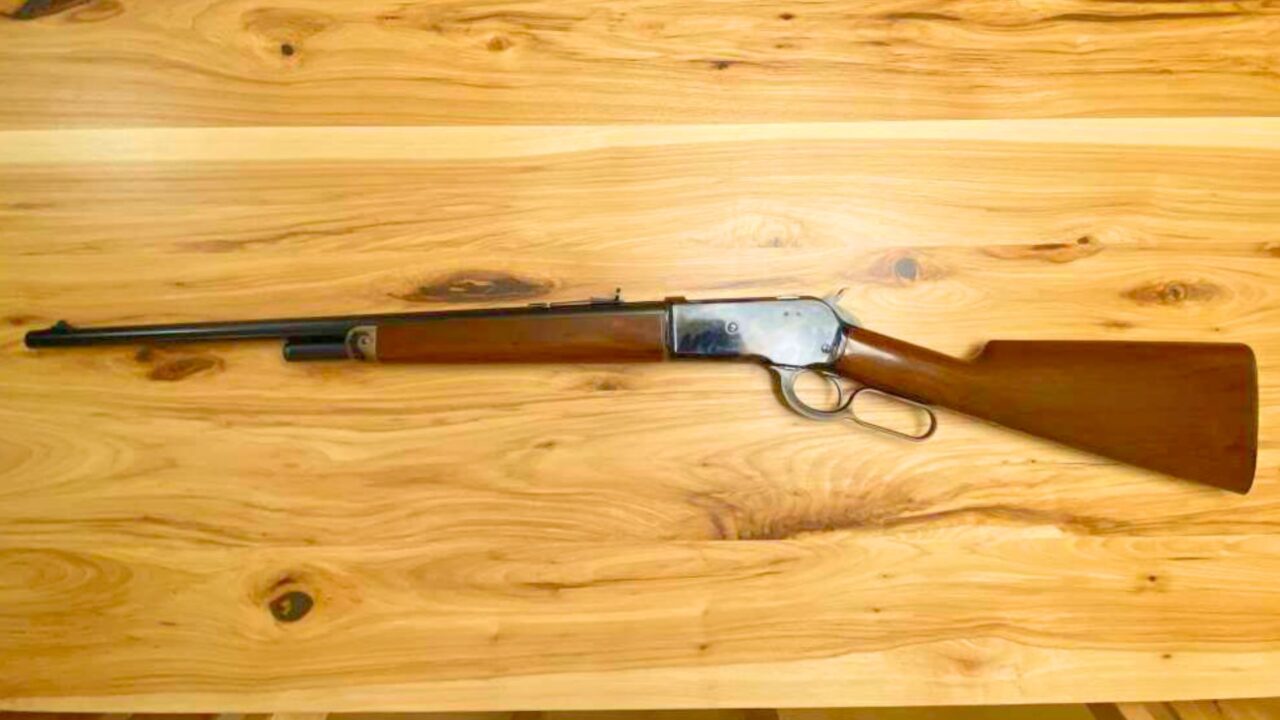
If an 1886 is sitting among fencing tools, somebody in the family did not understand what they had. Originals can be valuable, and even modern reproductions are not cheap. The 1886 is a big-frame lever gun with a strong action, and it is the kind of rifle you buy because you love lever guns, not because it was on sale at a big box store.
Condition is everything. Look for sanded wood, rounded edges on the receiver, and buggered screws that suggest amateur work. Check that the lever safety and half-cock function correctly, and do not dry-fire it thoughtlessly. If you are not comfortable evaluating one, bring someone who is, because this is where “farm sale pricing” can either be the best day of your year or a wallet bruise.
13. Winchester Model 1895
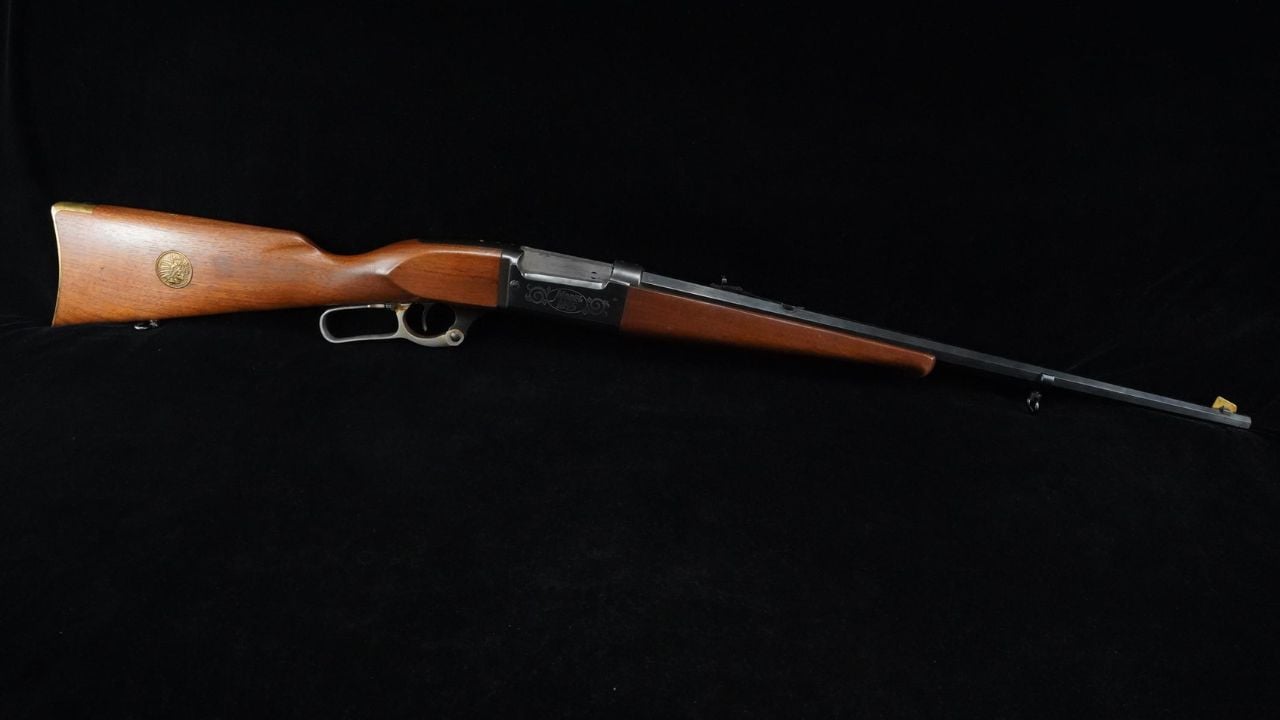
The 1895 is the oddball lever gun that gets overlooked because it does not fit most people’s mental picture. Box magazine, more angular lines, sometimes chambered in stuff you do not see every day. When it shows up at a rural sale, it is usually because it was grandpa’s “different one” and nobody else ever shot it much.
These can be neat rifles, but you need to be realistic about support and ammo. Inspect the magazine and latch area for wear, and make sure it feeds smoothly. Also, look for cracks in the stock near the tangs—older wood plus recoil can do that. If you are a history-minded hunter, an 1895 can be a treasure. If you just want a simple deer rifle, it might be more romance than practicality.
14. Henry Big Boy (brass receiver models)

The Henry Big Boy is hard to miss if it is polished, but plenty of them are dull and fingerprinted and look like “that shiny lever gun” sitting between tackle boxes. They are usually in .357, .44, or .45 Colt. They run well, and they have a smooth feel that makes new shooters grin. They are also heavier than many buyers expect.
That weight is why some end up for sale. They are great from a stand or on a short walk, but they are not a featherweight brush rifle. At a farm sale, check for dings around the loading tube area and make sure the tube operates smoothly. Also look at the sights—some owners swap to buckhorns or add a big optic that does not belong. The Big Boy is not for everyone, but it is not junk, either.
15. Mossberg 464

The Mossberg 464 is one of those rifles that got bought because it looked like a familiar lever gun at a decent price. Many are in .30-30, and they do the job, but they never built the same reputation as the older Winchesters and Marlins. That is why they show up in sale lots more often than you would think.
If you pick one up, pay attention to fit and finish details. Some run fine; some feel a little loose or rough. Work the lever and check ejection and lockup. Also look at the sights and the front barrel band area for any movement. If the price is right, a 464 can be a perfectly serviceable deer rifle. I just would not buy one at “classic lever gun” money when there are better options.
16. Marlin Model 1893 (and early 1893 variations)
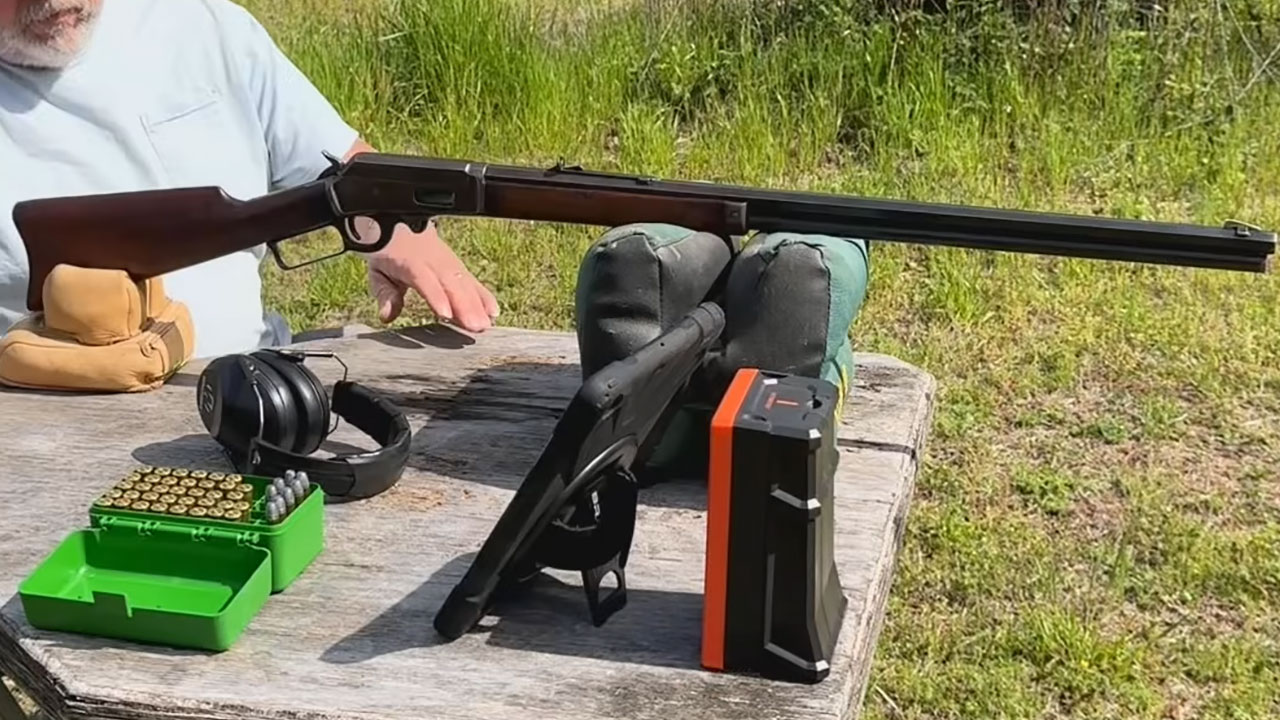
Old Marlin 1893 rifles sometimes get treated like wall decor until somebody is tasked with cleaning out a shop. Then they get leaned by the toolbox with no tag and no story. Many are in .30-30 or older cartridges, and they have that long, slim look that screams “another era.” They are cool rifles, but cool does not automatically mean easy.
Here you want to be careful about chambering and ammo. Some older guns are not meant for modern high-pressure loads, and you should verify exactly what it is before you ever think about shooting it. Check the bore, the locking surfaces, and the overall tightness. If it is loose, it may need a specialist. As a collector or nostalgia piece, they are hard to ignore. As a “grab it and hunt tomorrow” rifle, maybe not.
17. Winchester Model 73 (original or reproduction)
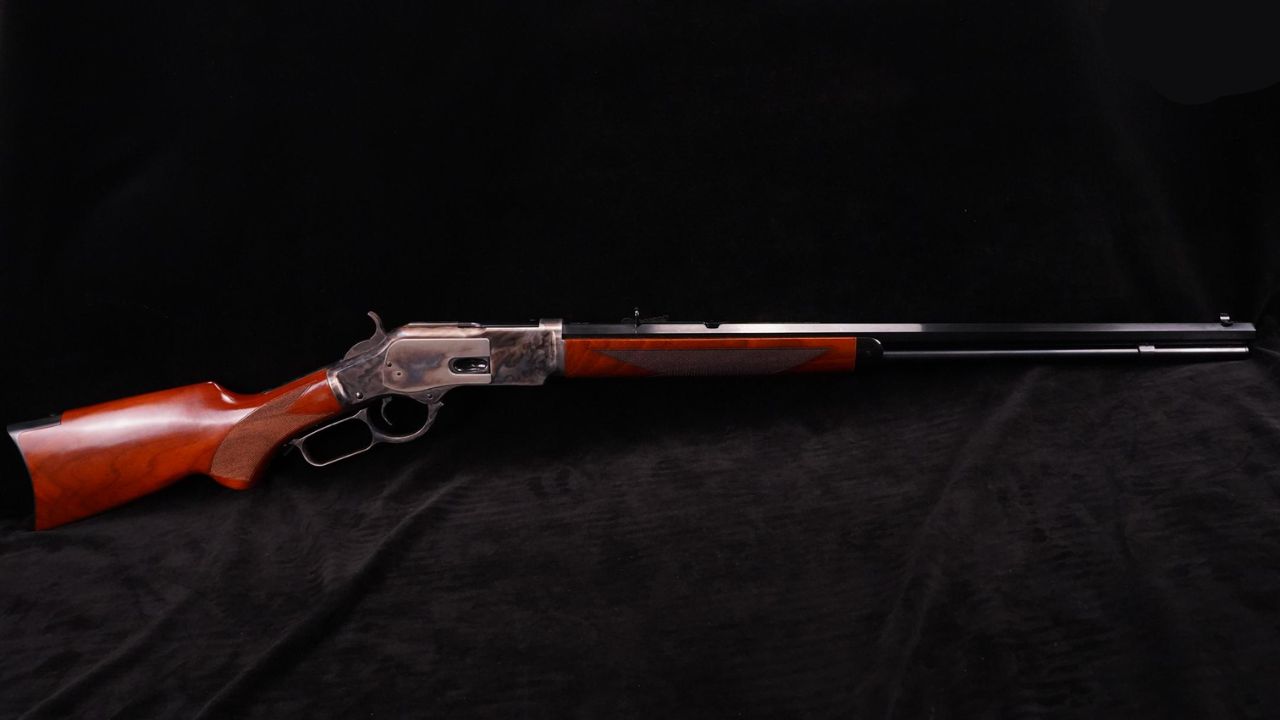
The 1873 pattern guns—whether original antiques or modern reproductions—show up when a cowboy-action phase passes or an estate gets liquidated. The funny part is they can be sitting there with garden tools because they look like “an old western gun” to most folks. They point great and cycle fast when tuned, and they are pure fun on steel.
They are also not the strongest design compared to later lever guns, so use-case matters. Look closely at the toggle-link action area for wear, and check the timing if you know how. If you do not, at least make sure it cycles and locks consistently. A well-kept 73 is a joy, but a beat-up one can be a money pit. If you want a working hunting lever gun, this is more of a specialty choice than a daily driver.
18. Winchester Model 92 (modern Miroku production)
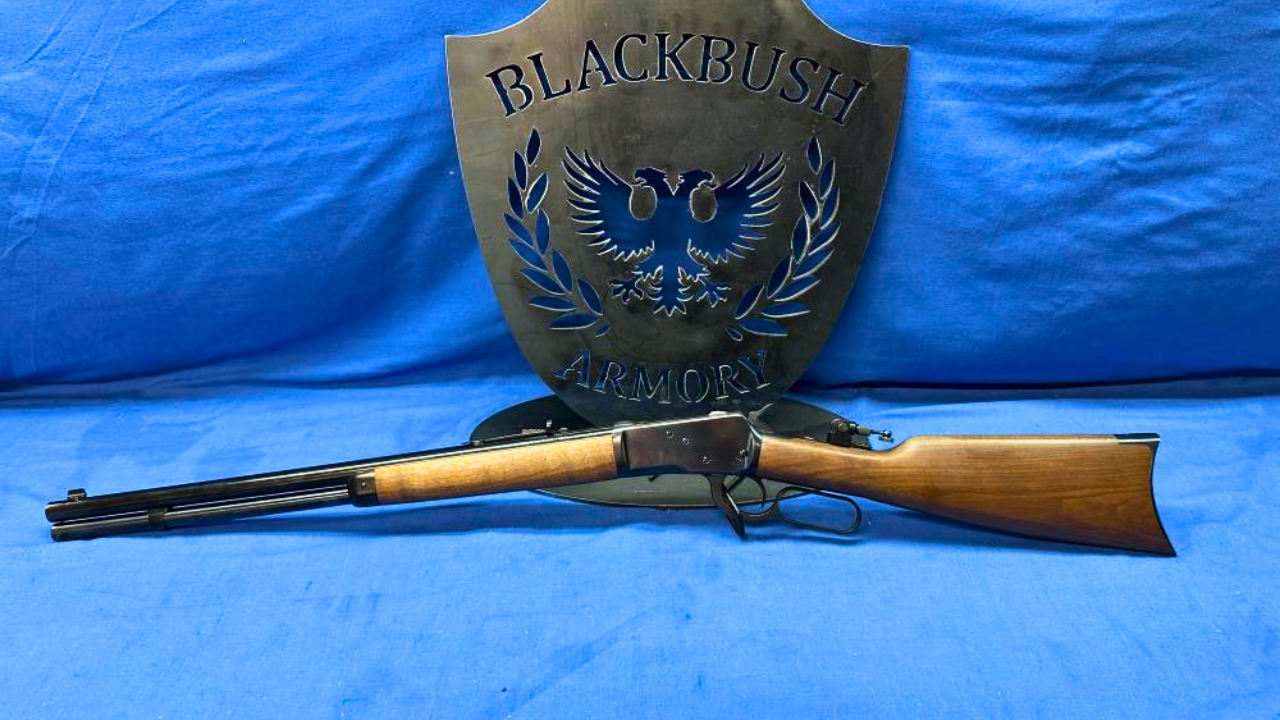
The modern Miroku-made Winchester 92s are nice rifles, but they still end up in sale lots because someone bought one on looks alone. They are slick, well-fit, and usually reliable, but they are also priced high enough new that the first owner sometimes babying it turns into “I didn’t really use it” guilt. Then it lands on a table next to drill bits.
What you are checking here is not “is it worn out,” but “is it messed with.” Look for replaced sights, marred screws, and evidence of home gunsmith work. Cycle it and feel for smoothness; these should not feel crunchy. If it comes with the box and paperwork, that is a clue it lived an easy life. If it is just the rifle with a cheap strap, assume it rode in a truck and inspect accordingly.
19. Uberti 1866 Yellowboy
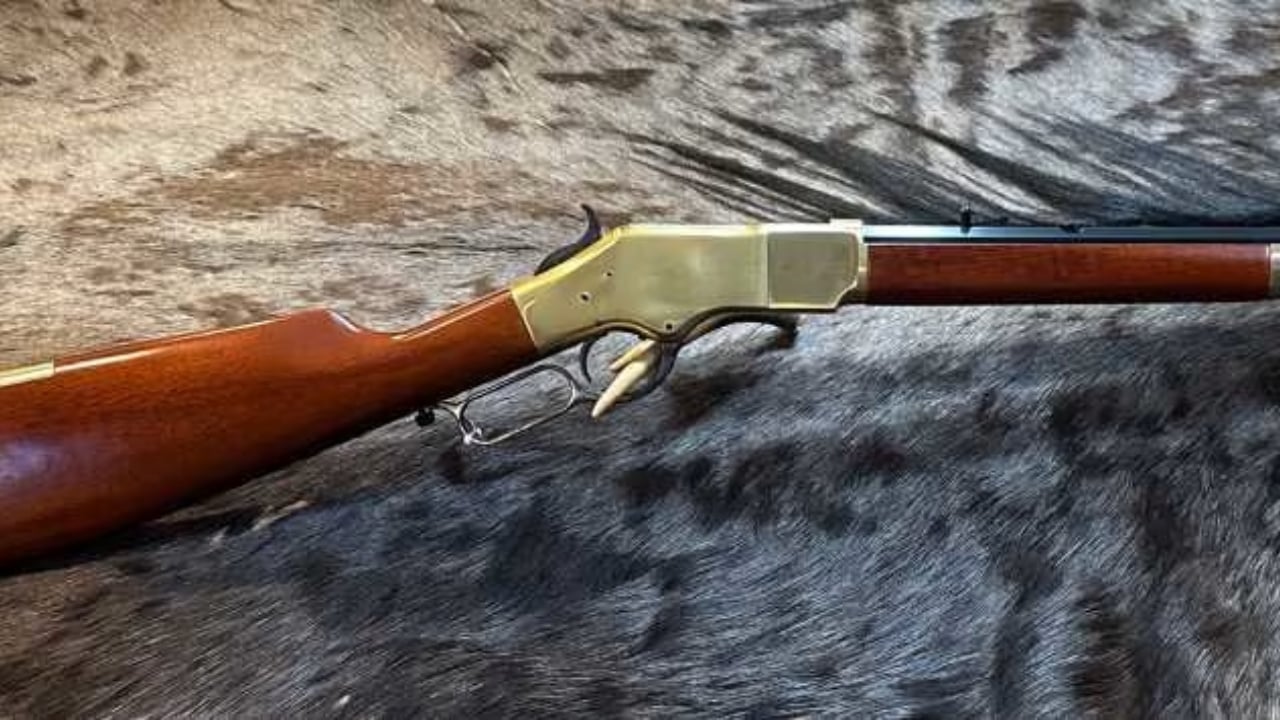
The Yellowboy is the one that looks fancy enough to get attention, yet it still gets lumped into “gun stuff” and tossed on a blanket. Brass-framed, usually in .38/.357 or .44-40, and often bought because it is gorgeous. Then somebody realizes it is a range toy more than a practical hunting rifle for their needs.
These can be excellent, but they do not like neglect. Brass shows every little ding and scratch, and rough storage can leave grime in places that make the action feel sluggish. Check that the carrier lifts correctly and the lever closes fully without forcing it. Also verify chambering so you are not guessing later. If you want a fun, classic-feeling shooter, it is hard not to like one. Just do not pay “museum piece” money for a gun that lived under a workbench.
20. Marlin Model 444
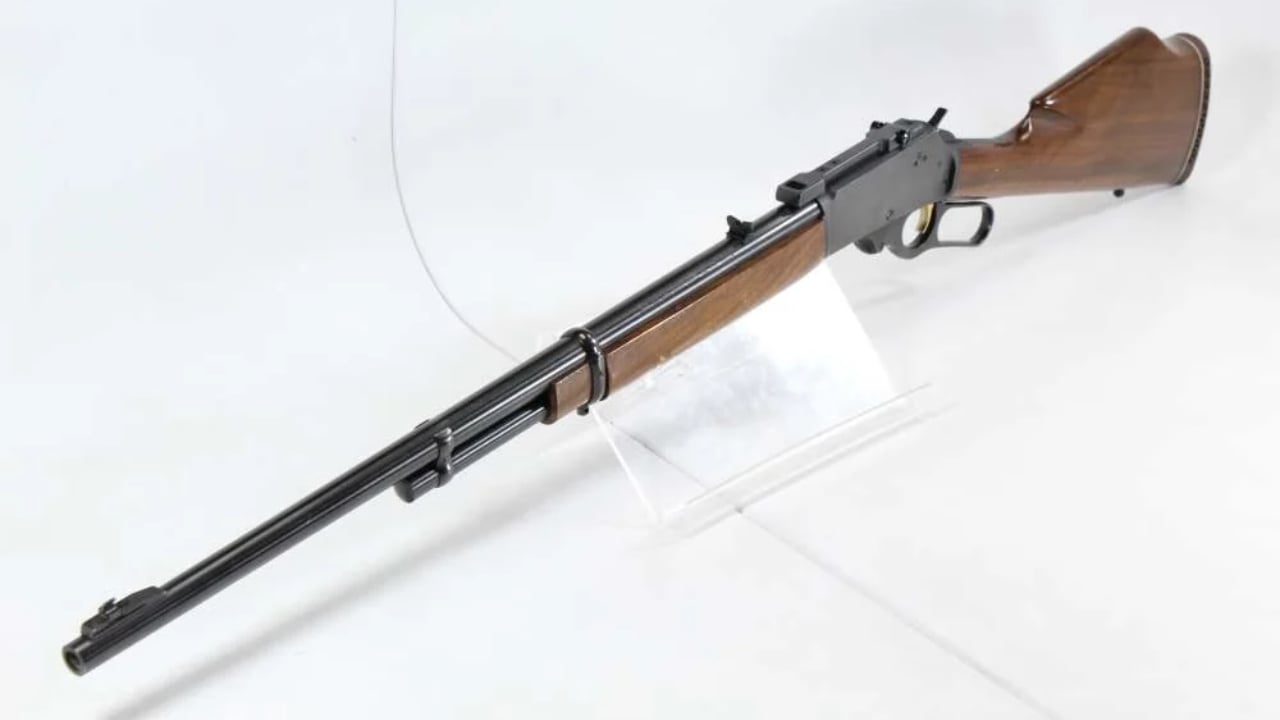
The Marlin 444 is a lever gun that gets ignored because not everyone wants a big-bore that is not a .45-70. In deer camp circles, the 444 has a reputation as a hammer, and it is. When one shows up at a farm sale, it is often because the owner got older and decided recoil was not as entertaining as it used to be. I get it.
Inspect the stock carefully—hard recoil can open up cracks that are easy to miss in bad light. Check the scope base screws and the condition of the crown. Also consider ammo availability where you live; it is not as common as .30-30. Still, a good 444 is an effective woods rifle with real authority, and it carries better than most people expect for the punch it delivers.
Farm sale lever guns are a reminder that “collectible” and “useful” are two different things, and sometimes the useful ones are the best buys. If you stumble onto one, handle it safely, check the bore and the action, and do not get in a hurry. A lever-action that spent its life as a working rifle will usually tell you the truth if you pay attention. And if you bring it home, clean it right and store it like it matters—because it does.
Like The Avid Outdoorsman’s content? Subscribe to our newsletter so you never miss an article.
Here’s more from us: