Photo credit: 22plinkster/Youtube
Walk a few farm auctions and you start to recognize the “junk rack.” It’s the corner where old rifles lean with cracked stocks, orange freckles on the barrel, and a coat of barn dust thick enough to plant corn in. The temptation is to assume they’re dead. Sometimes they are. But plenty of those ugly old rifles are one cleaning and a box of ammo away from being the most useful thing in your truck all fall.
I’m not talking about rare collector pieces you should never touch. I’m talking about the working rifles that got rode hard, put away wet, and still have a lot of honest hunting left in them. Here are 20 that often look rough at an auction table but are usually better than they appear—if you keep your head, check them over safely, and don’t get starry-eyed.
1. Mosin-Nagant M91/30

You’ll see these with flaking shellac, sticky bolts, and bores that look like someone stored them muzzle-down in a grain bin. A lot of that is just cosmoline, old oil, and neglect—not fatal problems. The actions are crude but tough, and a good one will still shoot “minute of whitetail” all day with the right ammo.
The downside is real: they kick, the safety is awkward, and the sights are basic. Still, if you want a rifle that doesn’t care about rain, mud, or getting leaned in a corner of a machine shed, this is the kind of ugly that keeps working. Check the muzzle crown and make sure the bolt cycles without binding like it’s full of sand.
2. Lee-Enfield No. 4 Mk I

Enfields show up with dinged handguards, dark wood, and mismatched numbers that scare off anyone looking for “collector correct.” For a hunter, the magic is the action. A healthy No. 4 bolt runs fast and smooth, and the rifle balances better than you’d think for something that looks like a fence post.
.303 British ammo isn’t as common as .30-06 at every small-town hardware store anymore, but it’s still around, and the rifles are usually accurate enough for woods ranges. What you look for at an auction is a decent bore and a tight lockup. If the bolt feels like it closes on air and the headspace is questionable, walk away. If it feels solid, you might have a gem.
3. Mauser Model 1898 (military 98 pattern)
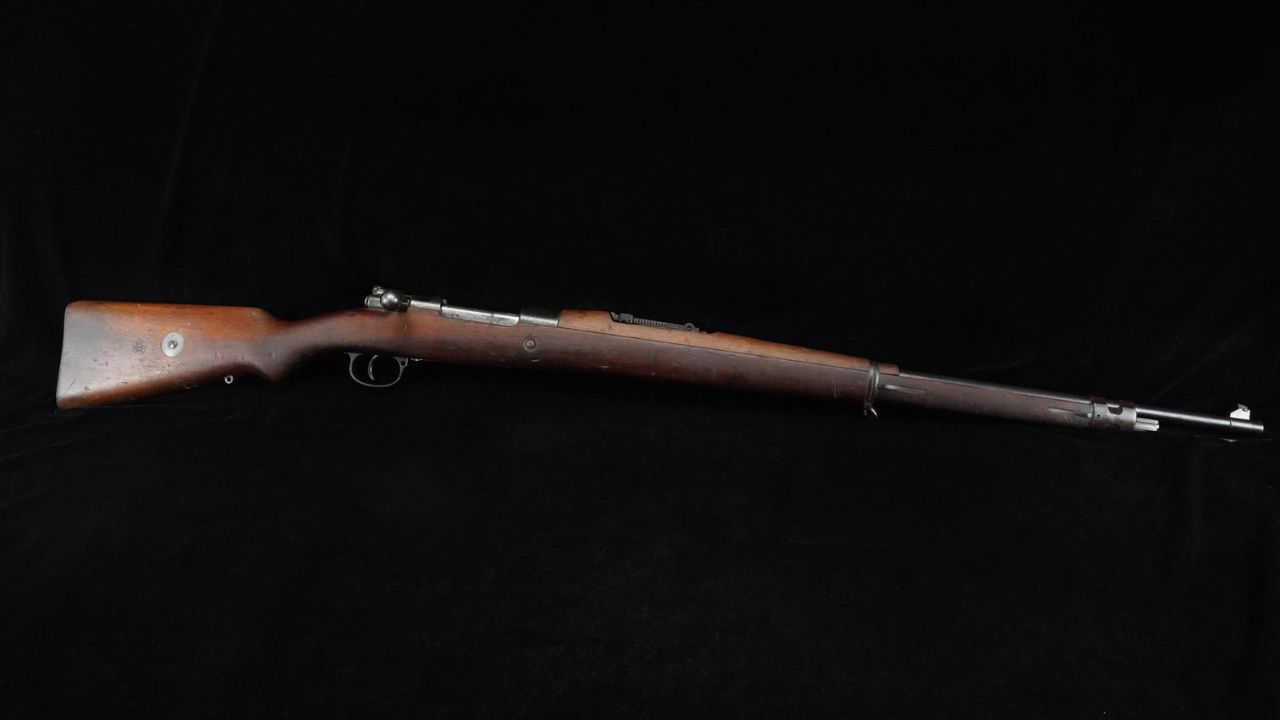
Old Mausers are famous for looking worse than they are. Surface rust, trench art, cracked handguards—none of that automatically means the action is shot. The 98 pattern controlled-round feed is still the gold standard for a reason. It feeds like it means it, and the extractor is built for real work.
A lot of these were sporterized decades ago, and some of those jobs were done with a hacksaw and a bad attitude. Still, a sound Mauser action can be the base for a practical hunting rifle even if it wears ugly wood. Pay attention to the bolt handle shape, drilled-and-tapped holes, and whether the safety works as intended. If it’s been “kitchen table modified,” you want to be extra picky.
4. Springfield Armory M1903 (and 03A3)
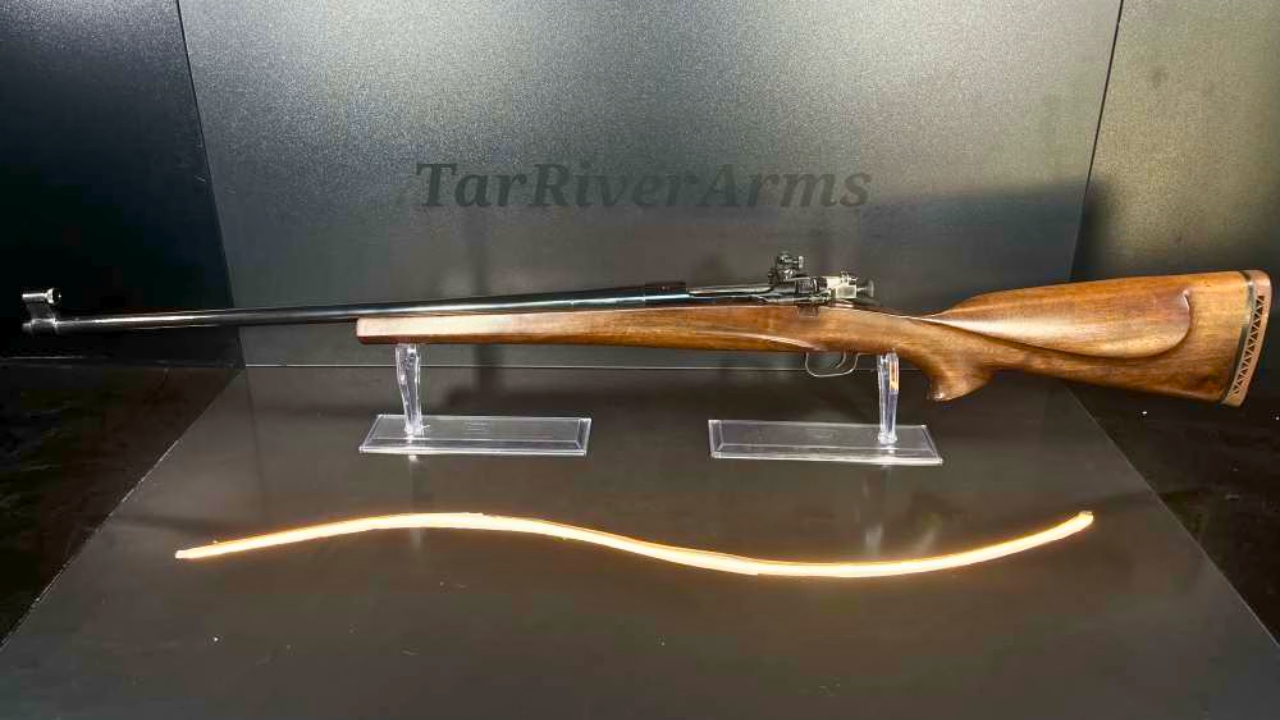
The 1903 family gets treated like a museum piece online, but at farm auctions you’ll find them looking downright abused. Worn bluing and a stock that’s been refinished three times doesn’t stop a good 03A3 from shooting straight. Those peep sights, especially on the A3, are still easy to use fast in the woods.
The caution here is condition and history. Some are drill rifles, some are parts guns, and some have been messed with. If you’re not sure what you’re looking at, don’t bid like it’s guaranteed gold. But a legit, intact rifle with a decent bore is a serious hunting tool. It’s heavy compared to modern rifles, sure, but heavy also means steady on sticks.
5. Winchester Model 94
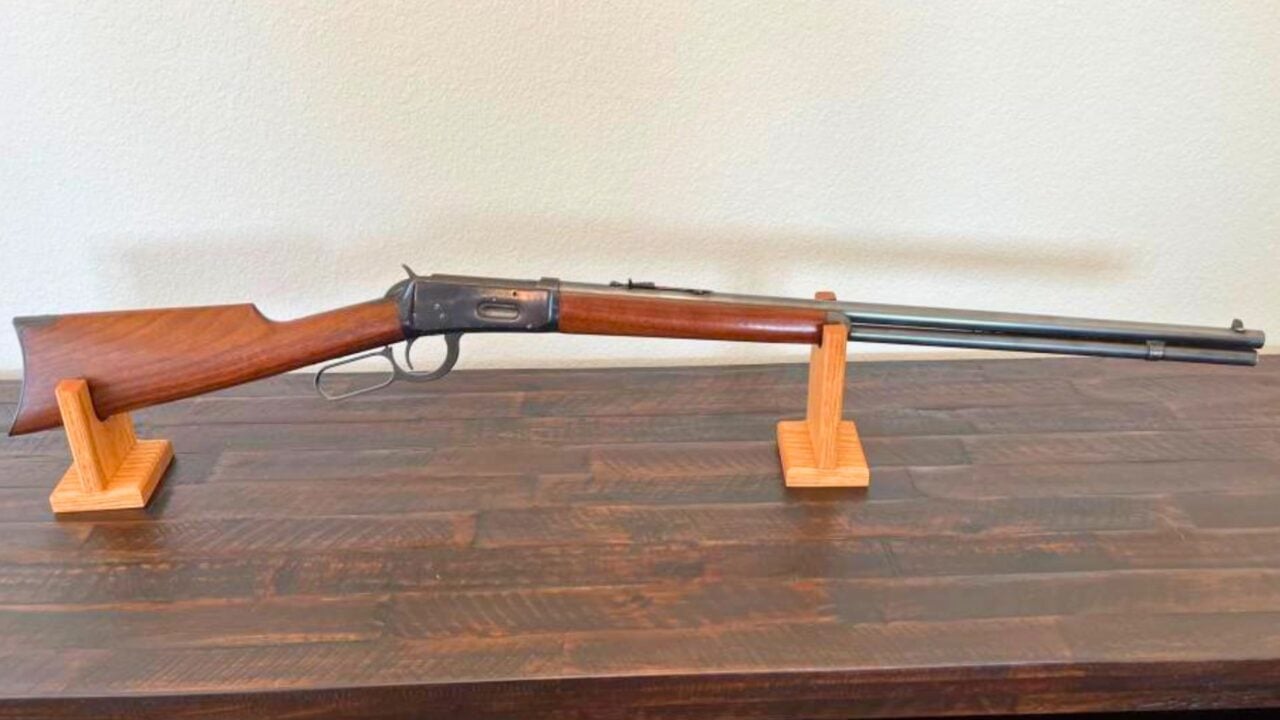
If you hunt thick timber, this is the rifle that keeps showing up beat to pieces and still running. A Model 94 that’s lived behind a truck seat will have bare spots and dents, and it might look like it’s ready for retirement. Then you shoulder it and remember why everyone carried one: it points quick and carries easy.
Check the muzzle for damage and make sure the lever isn’t loose like a worn-out gate hinge. Also check function with the gun pointed in a safe direction—no forcing anything. .30-30 isn’t trendy, but it’s still one of the best “real hunting” cartridges ever made. A rough 94 with good bones is a better buy than a shiny rifle that you’re afraid to scratch.
6. Marlin Model 336
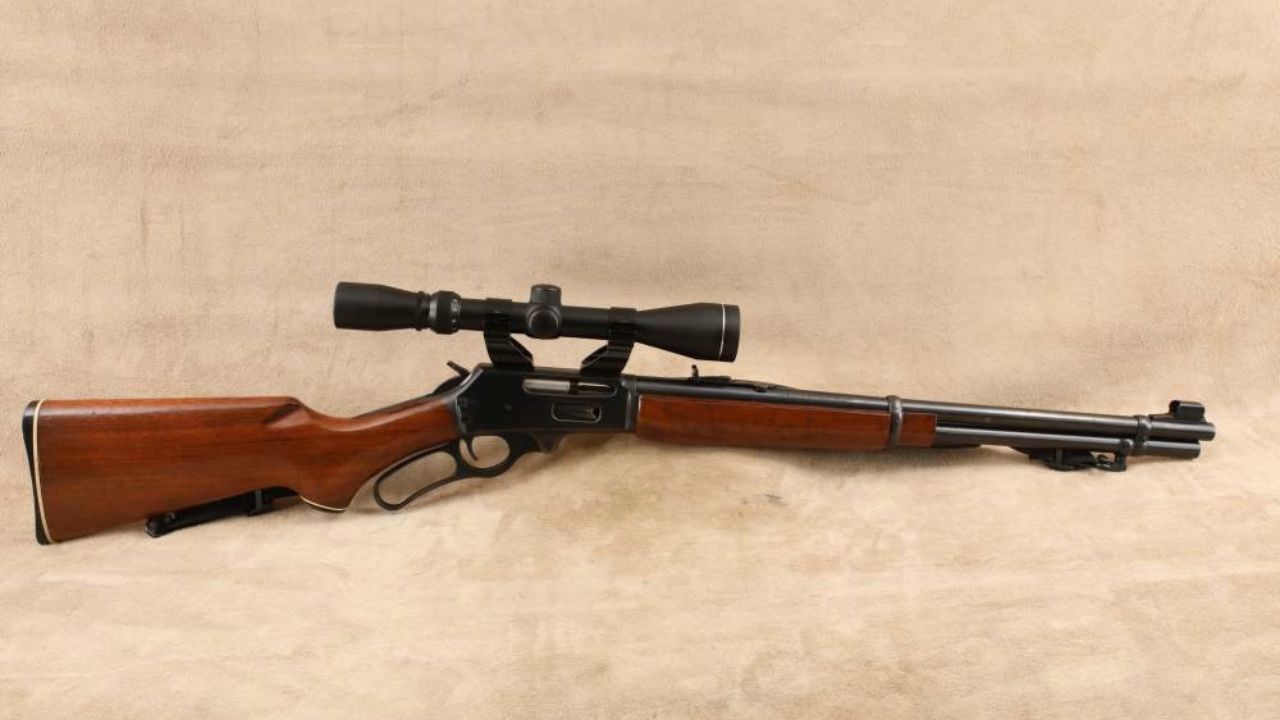
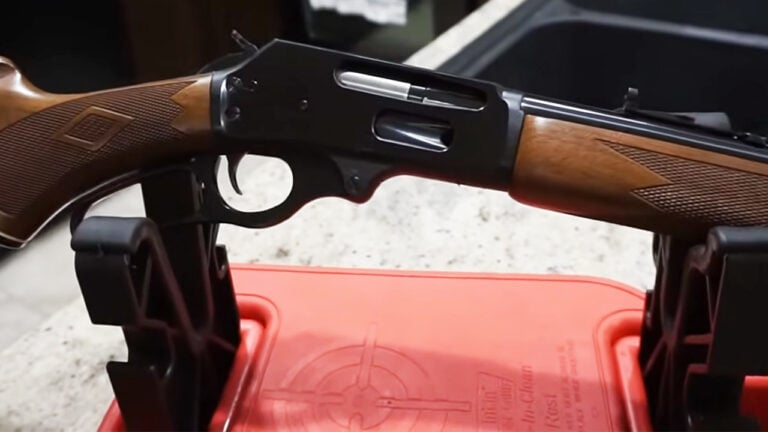
The Marlin 336 often shows up with rust freckles under the fore-end cap and a stock that’s been banged on every tree in the county. It’s still one of the best deer rifles ever built for normal ranges. The side-eject makes scope mounting simple, and the action tends to feel tighter than a lot of well-worn lever guns.
Where guys get burned is assuming every 336 is equal. Look for smooth cycling and a decent crown, and make sure the sights aren’t bent from being dropped. Older “JM” marked rifles get talked about like they’re magic, but I’ve seen plenty of later ones shoot fine too. The big thing is: a 336 that locks up solid is hard to hate.
7. Remington 870 (rifled slug barrel setups included)
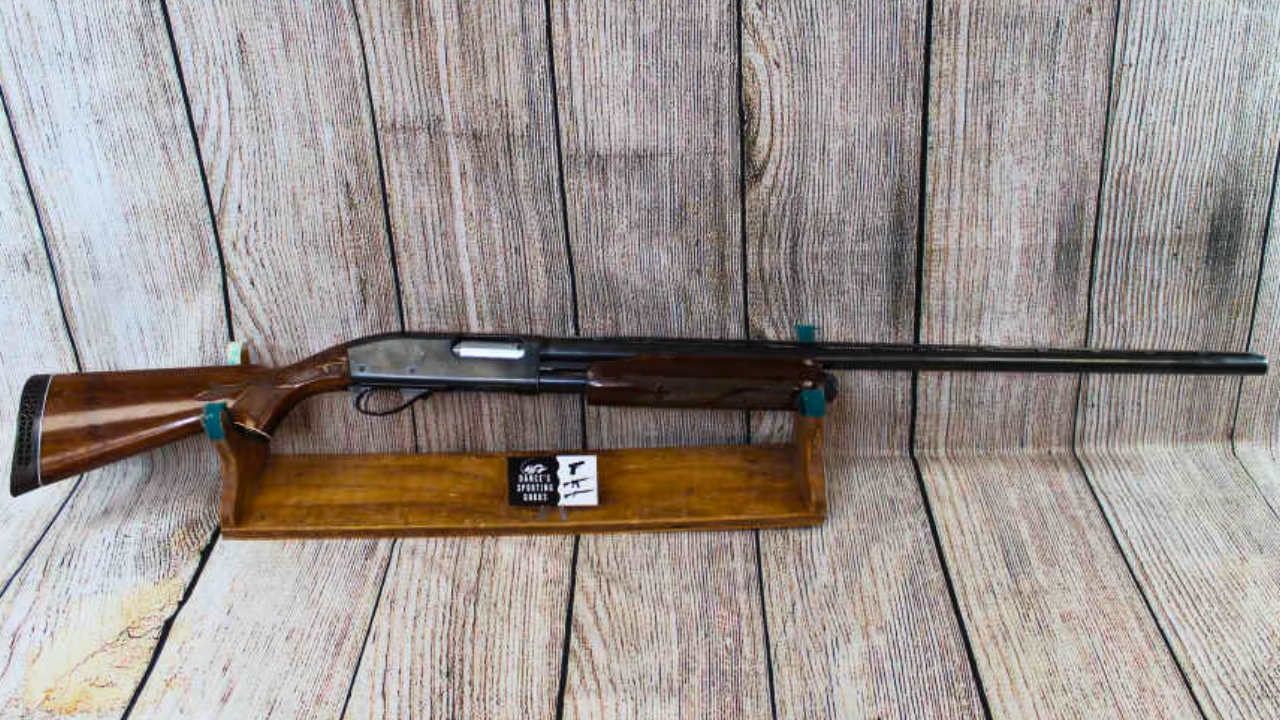
Yeah, it’s a shotgun, but at farm auctions it sits right next to the rifles and gets treated the same way: “old, rusty, probably junk.” I’ve seen 870s that looked like scrap and still ran like a sewing machine after a basic cleaning. If you hunt deer with slugs in shotgun zones, an ugly 870 is a practical workhorse.
Check for a smooth pump stroke, a decent chamber, and avoid anything that looks like it was stored wet for years with pitting in the barrel. Parts and barrels are common, and that matters when you’re buying used. If it comes with a rifled barrel and a beat-up scope, don’t value the scope much—but the barrel itself can be the prize.
8. Ruger 10/22
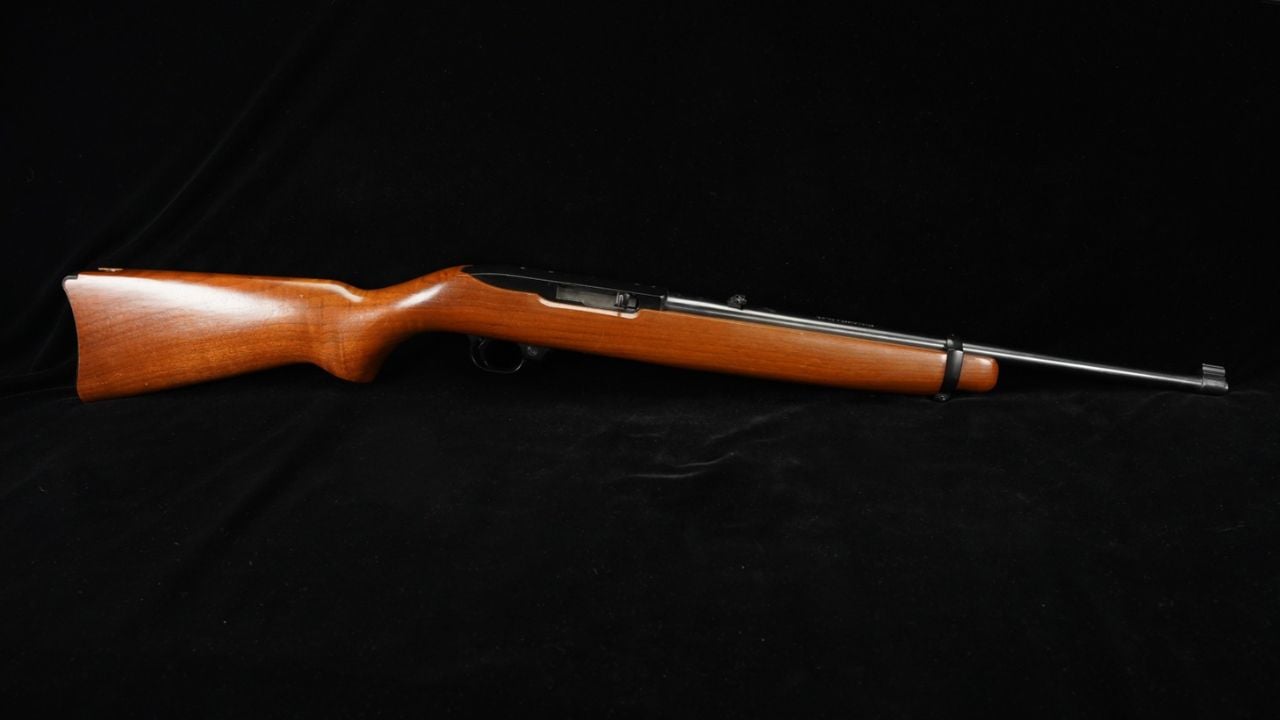
A farm-auction 10/22 usually looks like it spent a decade behind the seat, rolling around with fencing pliers and old bolts. Stocks get cracked at the wrist, the barrel gets scratched, and the receiver looks dull and tired. Most of the time, it’s still a 10/22—meaning it’s one of the most useful .22s ever made.
What you’re really buying is the platform. Magazines are everywhere, parts are everywhere, and you can make it into almost anything later without doing anything sketchy. Function matters more than cosmetics. Check that the bolt cycles freely, the safety clicks positively, and the magazine latches properly. A rough 10/22 that runs is a year-round tool for chores, pests, and plinking.
9. Marlin Model 60
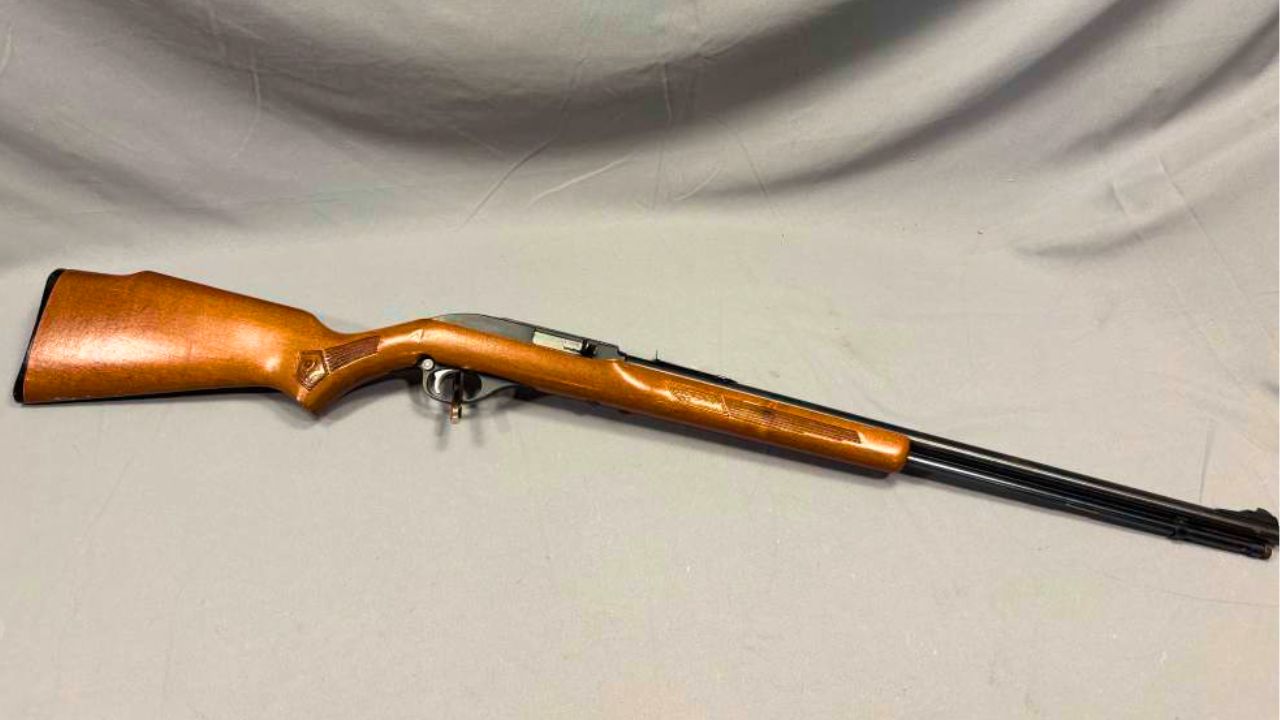
If there’s a rifle that gets treated like a disposable appliance, it’s the old Marlin 60. Tube-fed, cheap-looking, and usually filthy at auctions. But a good Model 60 can be scary accurate for what it is, and the balance is nice for walking fence lines and popping the occasional nuisance critter where legal.
The weak point is maintenance and wear. A neglected one can get gunked up, and feed issues show up when the tube or inner parts are bent or worn. Still, they’re common enough that parts aren’t impossible, and a lot of problems are just old crud. If the bore looks decent and the action isn’t frozen, don’t be too quick to dismiss it.
10. Savage Model 340
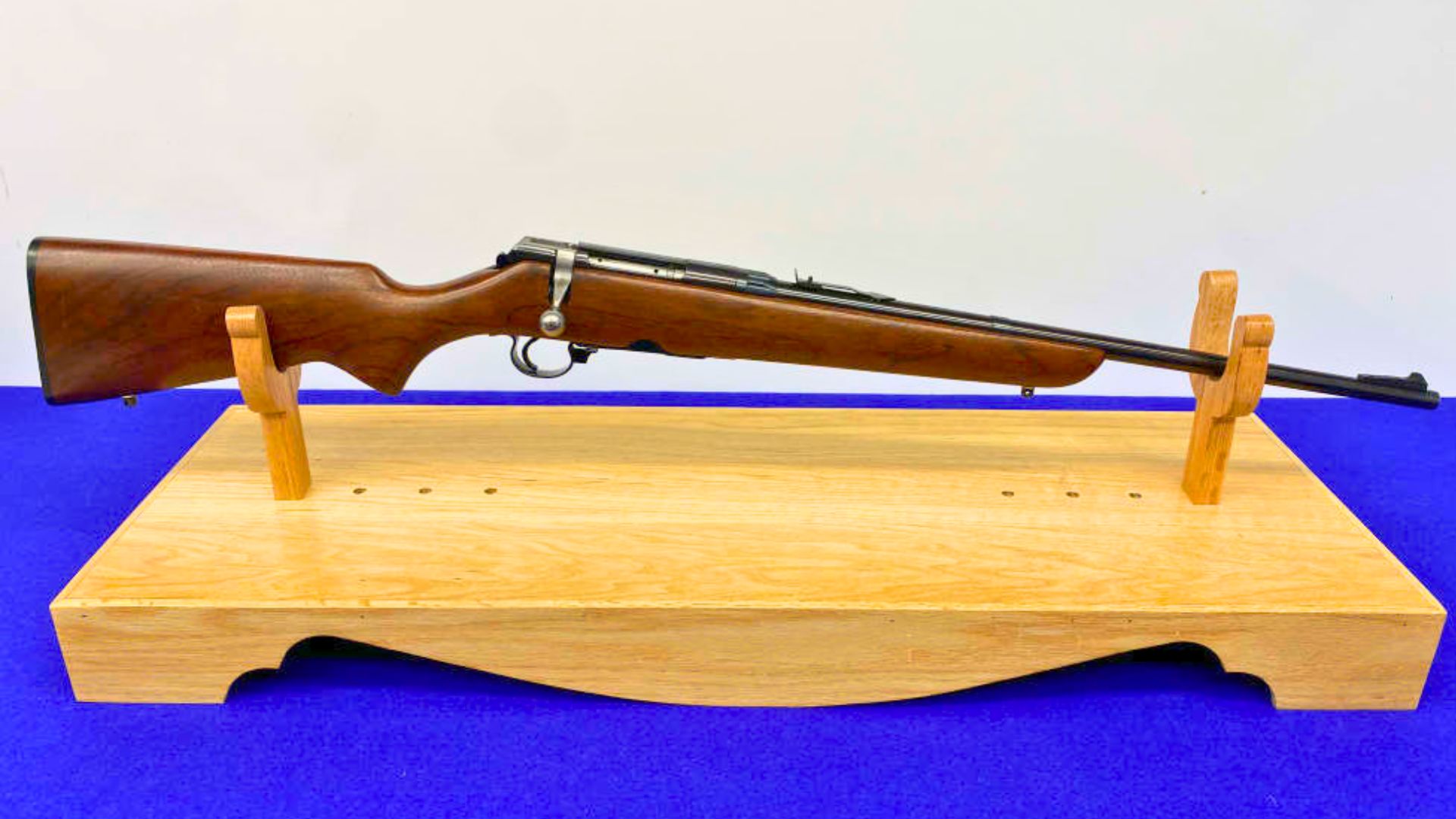
The Savage 340 is one of those plain rifles that never got the respect it deserved. You’ll find them in .30-30, .222, and other classic cartridges, usually with a cheap old scope in crooked rings and a magazine that looks like it was stepped on. They aren’t fancy and they aren’t smooth like a Model 70, but they kill deer just fine.
The detachable magazine is both a blessing and a pain. If it’s missing, finding the right one can be annoying. If it’s present and works, you’re ahead. These rifles also tend to have utilitarian triggers and thin stocks that show every ding. But if the bolt locks up right and the bore isn’t wrecked, it’s a legitimate “use it, don’t baby it” hunting rifle.
Free for gun owners: If something happened to you tomorrow, would your family know where the guns are, who has the safe combination, or what to do first? Our free Gun Owner’s Family Checklist walks them through it. It takes about 15 minutes to fill out. Get your free copy here.
11. Savage Model 110 (older long-action rifles)

Older Model 110s show up with stained stocks, worn checkering, and scopes that belong in a tackle box. They can look like a total beater. The truth is the Savage system—barrel nut and all—helped a lot of average rifles shoot better than they had any right to. A plain 110 often prints honest groups with basic ammo.
They’re not glamorous, and the older ones can feel bulky. But they feed reliably, the aftermarket is strong, and they’re easy to live with. At an auction, I’m looking for a straight bolt handle, no obvious stock cracks around the recoil lug area, and a bore that isn’t frosted beyond hope. If it passes those checks, it’s a serious candidate for a cheap deer rifle that won’t let you down.
12. Remington 700 ADL (older wood-stock guns)
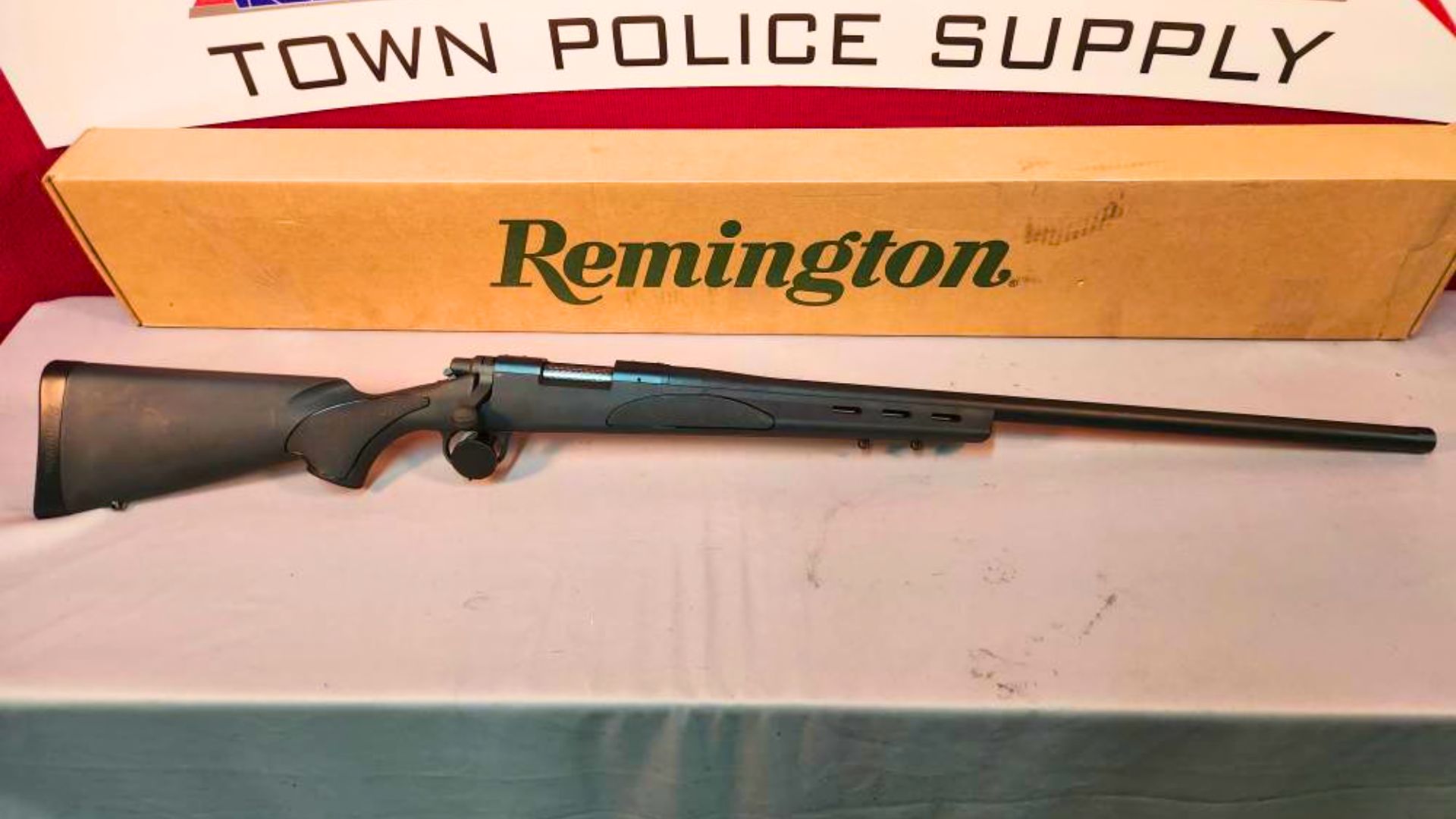
You’ll see plenty of 700 ADLs that have lived hard lives: faded bluing, a stock that’s been “sealed” with something from a paint can, and sling studs that are halfway pulled out. The bones are often still good. The action is strong, and it’s one of the easiest rifles in America to find bases, rings, and other common parts for.
I’m not going to pretend every used 700 is automatically a winner. You still inspect it like any other rifle, and you don’t ignore safety concerns just because the name is familiar. But from a pure hunting standpoint, an ADL in .30-06 or .270 that shoots well is boring in the best way. There is nothing fancy about it, and that is kind of the point.
13. Ruger M77 (tang safety models)

Old tang-safety Ruger M77s have a look that screams “grandpa gun,” and at auctions they’re often scratched up with a chipped recoil pad and dried oil around the safety. I wouldn’t be quick to pass on one. They’re usually built like a shovel, and the tang safety is natural and fast when you’re wearing gloves in cold weather.
They can be a little stiff, and some of them aren’t as inherently accurate as today’s best budget rifles. But they hold up, and they tend to feed well. Pay attention to the bedding area and make sure the action screws haven’t been monkeyed with into stripped territory. If the bore is clean and the safety works right, it’s a strong, practical rifle that still belongs in the woods.
14. Winchester Model 70 (post-’64 hunting rifles)
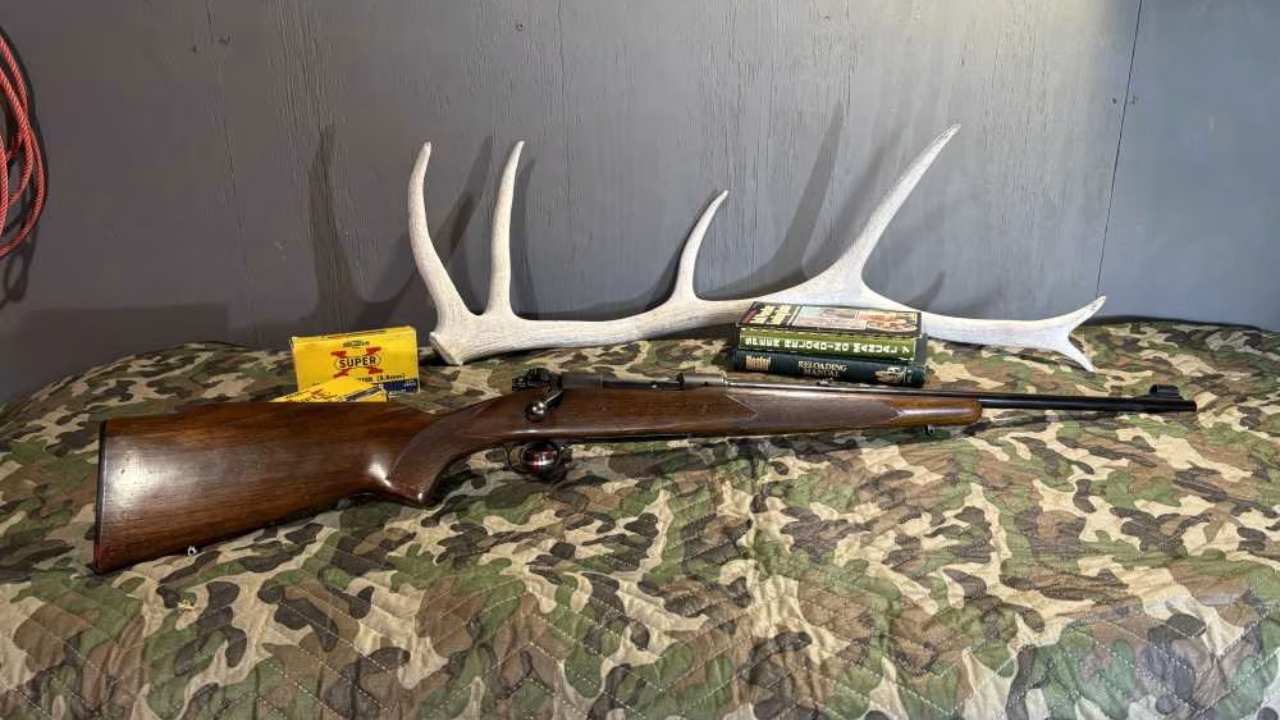
The Model 70 at a farm auction is often a post-’64 that doesn’t get the collector crowd excited. It might have a reblued barrel, an old recoil pad, and enough stock dings to tell a whole deer-camp story. That cosmetic stuff doesn’t automatically matter. What matters is whether the rifle shoulders well and cycles smoothly.
These rifles can be excellent hunters, especially when someone hasn’t tried to “improve” them with questionable gunsmithing. Check the trigger feel, make sure the safety works correctly, and look hard at the muzzle and bore. A Model 70 with honest wear is still a rifle you can hunt with for the next 30 years. If you’ve never carried one, you might be surprised how right they feel in the hands.
15. Husqvarna Model 1600
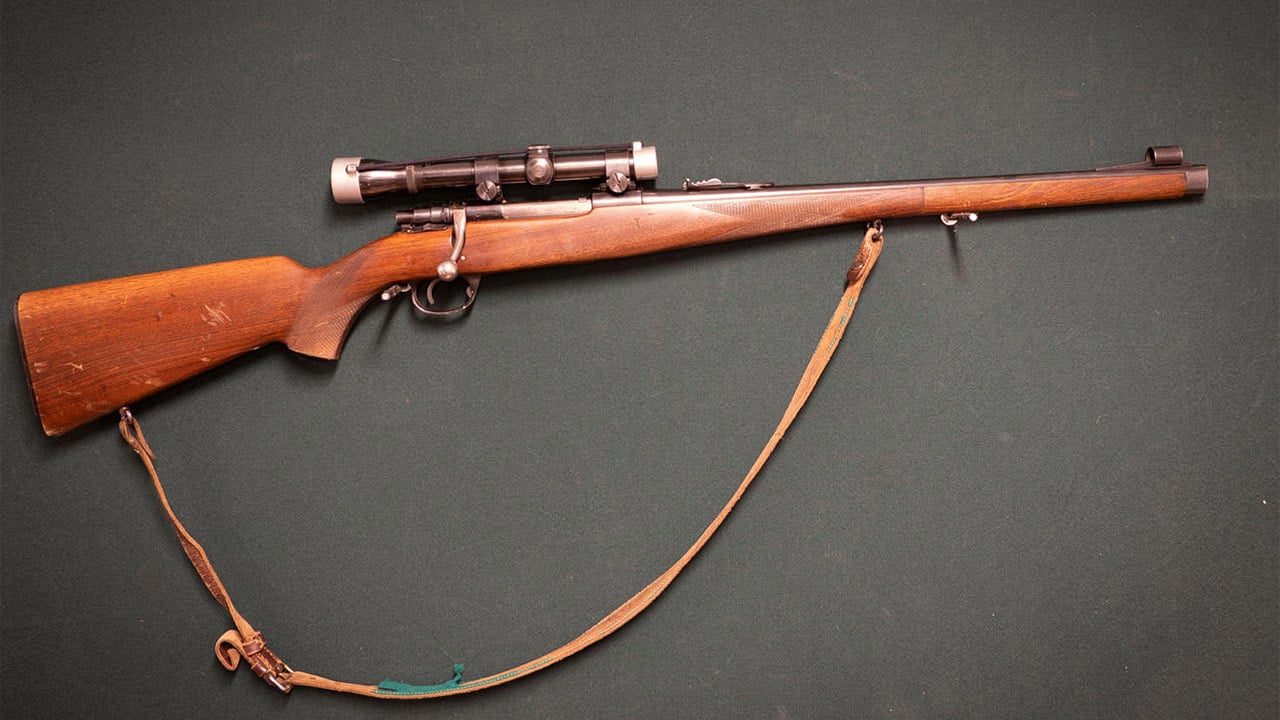
Husqvarna sporting rifles show up looking like they’ve been forgotten in the back of a closet, usually wearing odd old rings and a scope brand nobody recognizes anymore. They aren’t mainstream, so buyers get nervous. That can be your advantage. Many of these are lightweight, well-machined rifles built on slick actions that carry like a dream.
The trick is not confusing “unfamiliar” with “bad.” Parts aren’t as common as a 700, so you want one that’s mechanically sound. Check that the magazine and follower work, the bolt lugs look clean, and the stock isn’t cracked at the tang. In cartridges like 6.5×55, they’re sweet shooters for deer-sized game with mild recoil. Ugly at the table, classy in the field.
16. CZ 527

The CZ 527 is one of those rifles that can look plain and a little dated when it’s been knocked around. You’ll see finish wear on the bolt handle and little dings in the wood that make folks think it’s “just a cheap .223.” Then you run the bolt. It’s a mini-Mauser style action that feels better than most rifles twice the price.
They’re handy, accurate, and make excellent farm rifles for coyotes and varmints. The detachable magazine sticks down and can catch on things, which is one reason some owners never warmed up to it. Still, these rifles have a loyal following, and they’re not as easy to replace now. If you find one rough but complete—with the magazine—look close. It might be the best “walk-and-carry” rifle in the whole auction.
17. SKS (Norinco and other common variants)

SKSs at auctions are often coated in grime, with beat-up stocks and missing cleaning rods. They get treated like a leftover from somebody’s “cheap surplus phase.” The good ones are incredibly dependable rifles that digest cheap 7.62×39 without drama. For a utility rifle on a farm, that matters more than a pretty finish.
You do need to be careful with any semi-auto of unknown history. Check for obvious damage, make sure the safety functions, and don’t ignore signs of neglect that could affect safe operation. The fixed magazine is simple and avoids the “where do I find mags?” problem. Accuracy is usually acceptable, not match-grade. But for practical ranges and general use, an SKS that runs is hard to kill and easy to live with.
18. Ruger Mini-14 (older Ranch Rifle models)

Older Mini-14s show up looking like they’ve been bounced around in a tool box—scratched wood, worn bluing, maybe an old side mount and rings still attached. They don’t always impress paper-target shooters, and that’s why they end up sitting on auction tables. In real field use, they’re handy, light, and quick to point.
Magazine availability used to be a sore spot, but it’s better now if you stick with reputable mags. The older thin-barrel guns can string shots when hot, so don’t buy one expecting it to be a benchrest rifle. Buy it because you want a ranch-style .223 that carries well and doesn’t mind dust. If it cycles reliably and the sights aren’t mangled, it’s still a useful rifle despite the internet grumbling.
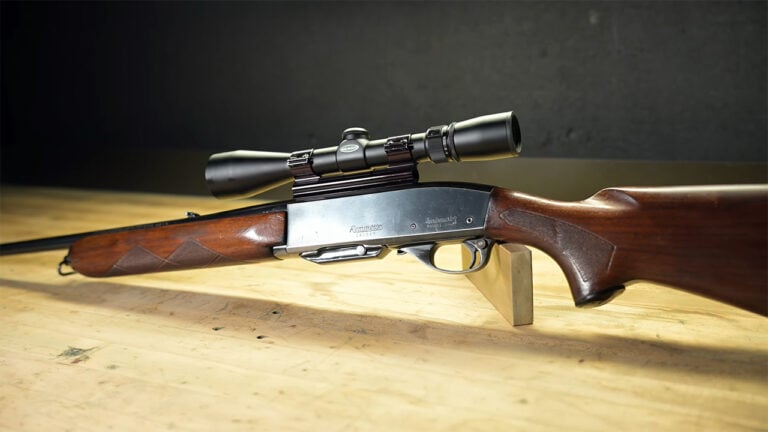
19. Remington Model 742 Woodsmaster
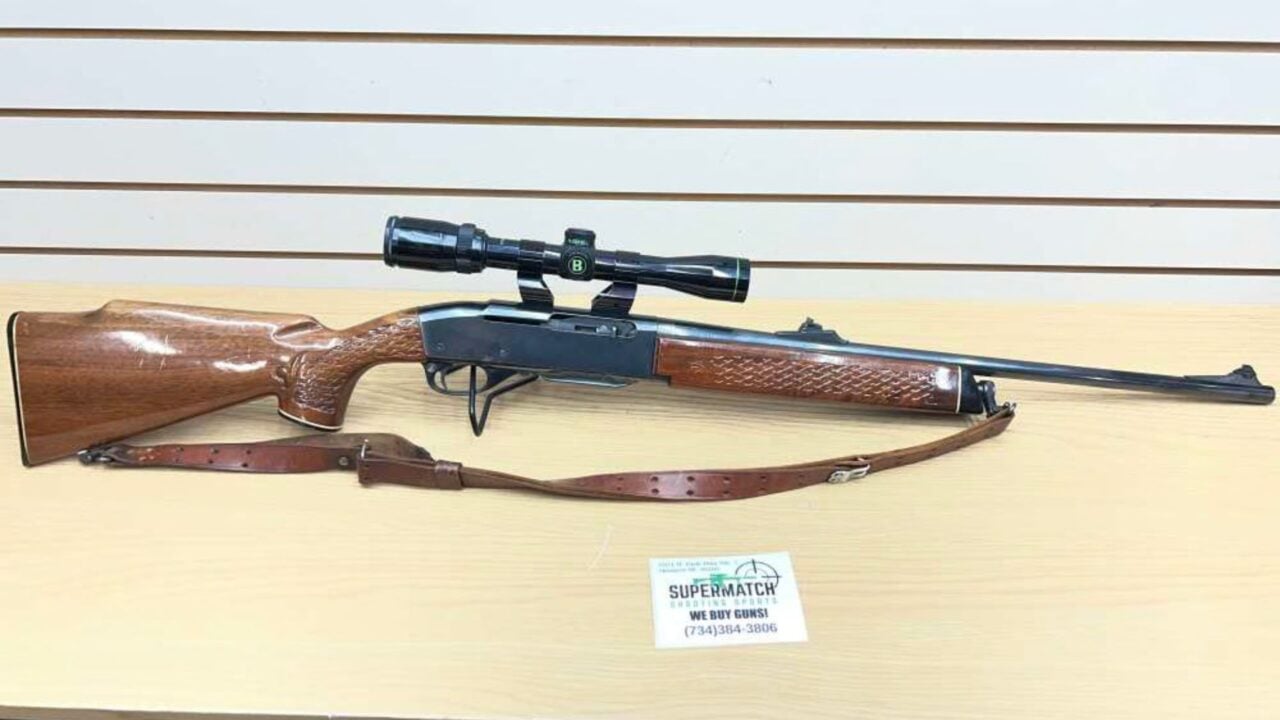
The 742 is the one that gets the most side-eye at auctions, and I get why. They can be picky, they can wear in ways that aren’t obvious, and they aren’t forgiving if someone ran them dry and dirty for years. Still, plenty of them have killed piles of deer, and a good-running 742 handles like a dream in the woods.
If you’re looking at one, you inspect it carefully and you don’t pay like it’s a sure thing. Make sure it cycles properly, locks up, and doesn’t show glaring signs of abuse. The appeal is fast follow-up shots in a familiar hunting cartridge like .30-06. For a hunter who understands it’s a “keep it clean and maintained” rifle, it can still serve. Just don’t pretend it’s indestructible.
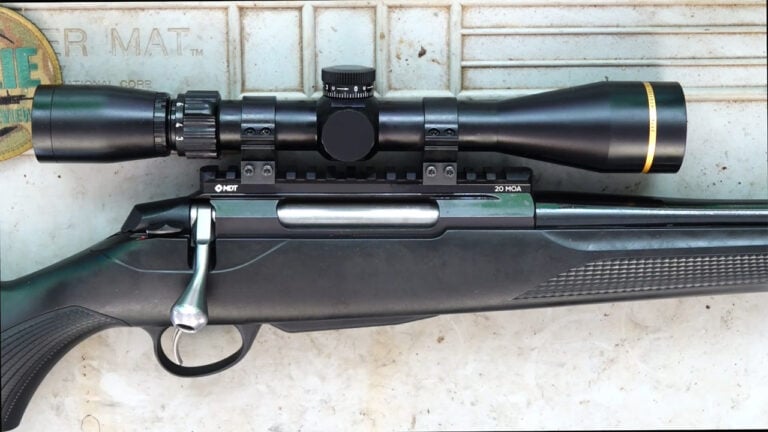
20. Thompson/Center Compass

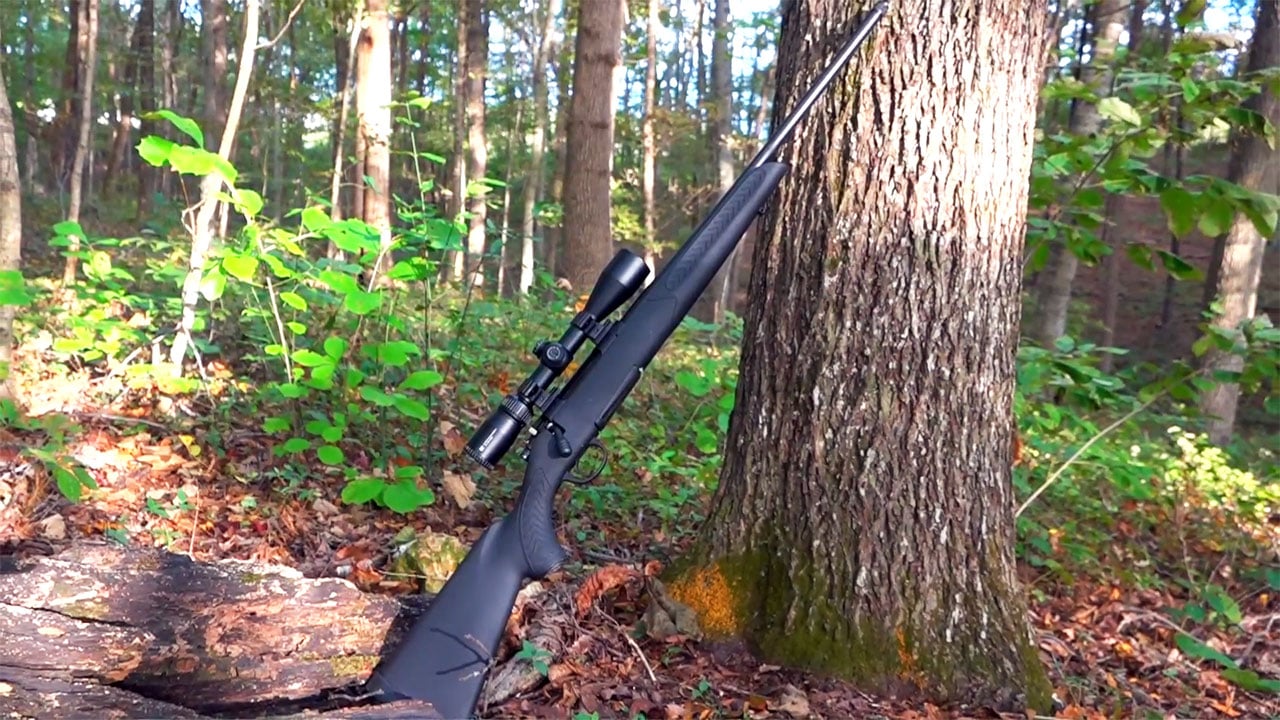
Budget bolt guns like the T/C Compass sometimes land at auctions looking like they already had a hard life—cheap scope, plastic stock scuffed white, and maybe rust starting on the barrel from being left in a case. Folks assume “cheap rifle” equals “done for.” Not always. These rifles can shoot surprisingly well, and they’re light enough to carry all day.
The feel is utilitarian, and the factory stock and trigger won’t win beauty contests. But if the bore is clean and the action cycles smoothly, it’s a practical tool. The biggest thing with any modern budget rifle is verifying it wasn’t treated like a disposable object. Check the crown, check the scope bases for stripped screws, and make sure the magazine feeds correctly. An ugly Compass that shoots is a meat rifle, plain and simple.
Farm auctions are full of rifles that look tired because they worked for a living. If you’re willing to inspect carefully, avoid obvious safety problems, and accept that dings don’t stop bullets, you can walk out with a rifle that still earns its keep. The trick is staying disciplined: don’t buy a project you don’t want, don’t assume “old” means “perfect,” and don’t assume “rough” means “ruined.” Sometimes the best hunting rifle in the rack is the one nobody wants to touch.
Like The Avid Outdoorsman’s content? Subscribe to our newsletter so you never miss an article.
Here’s more from us: