Photo credit: D4 Guns/Youtube
You can walk into a rural auction thinking you’re just going to kill an hour, maybe grab a few ammo cans or an old vice for the shop. Then a revolver comes out of a shoebox or a felt-lined case, the auctioneer rattles off a few words, and the whole place leans forward. It’s not always the fanciest gun in the room. It’s the one you almost never see in the wild anymore—until you do—and then it’s gone before you’ve even done the math in your head.
These are the revolvers that show up once in a great while, bring just enough drama to ruin your budget, and somehow are never sitting there when you circle back “next time.” If you’ve been to enough estate sales, farm auctions, and small-town consignments, you know exactly what I mean.
1. Colt Python (pre-2005)
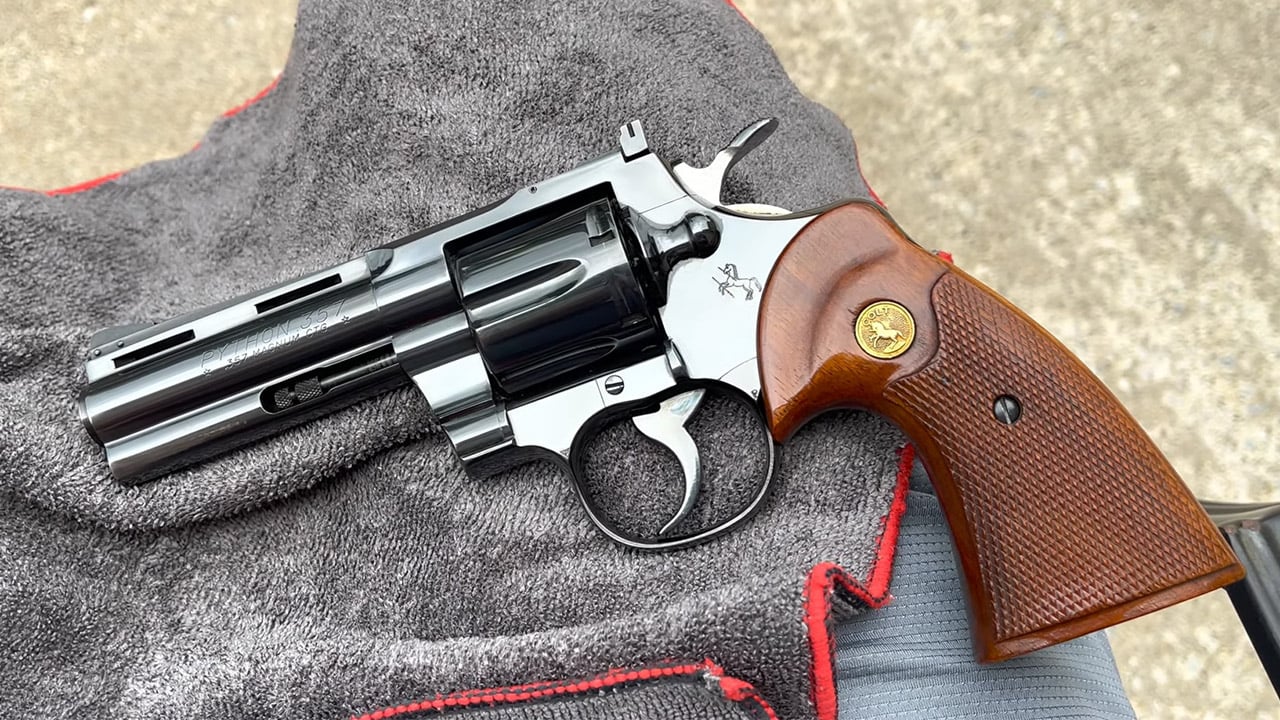
The older Pythons have a look to them that makes folks act irrational, and I’m not pretending I’m immune. The polished blue, the full underlug, that smooth “Colt” feel when everything is timed right—it’s a whole vibe. At auctions, they don’t always present like safe queens either. Sometimes it’s a working gun with holster wear and a story, and that’s when it gets dangerous, because you start thinking you can “actually use it.”
Here’s the catch: condition and lockup matter a lot, and you don’t always get time to really check it. A Python that’s out of time can become a project fast, and good revolver smiths aren’t sitting around bored. Still, when a clean one pops up in a rural sale, it rarely goes cheap, and it rarely comes back around.
2. Colt Diamondback (.22 LR or .38 Special)
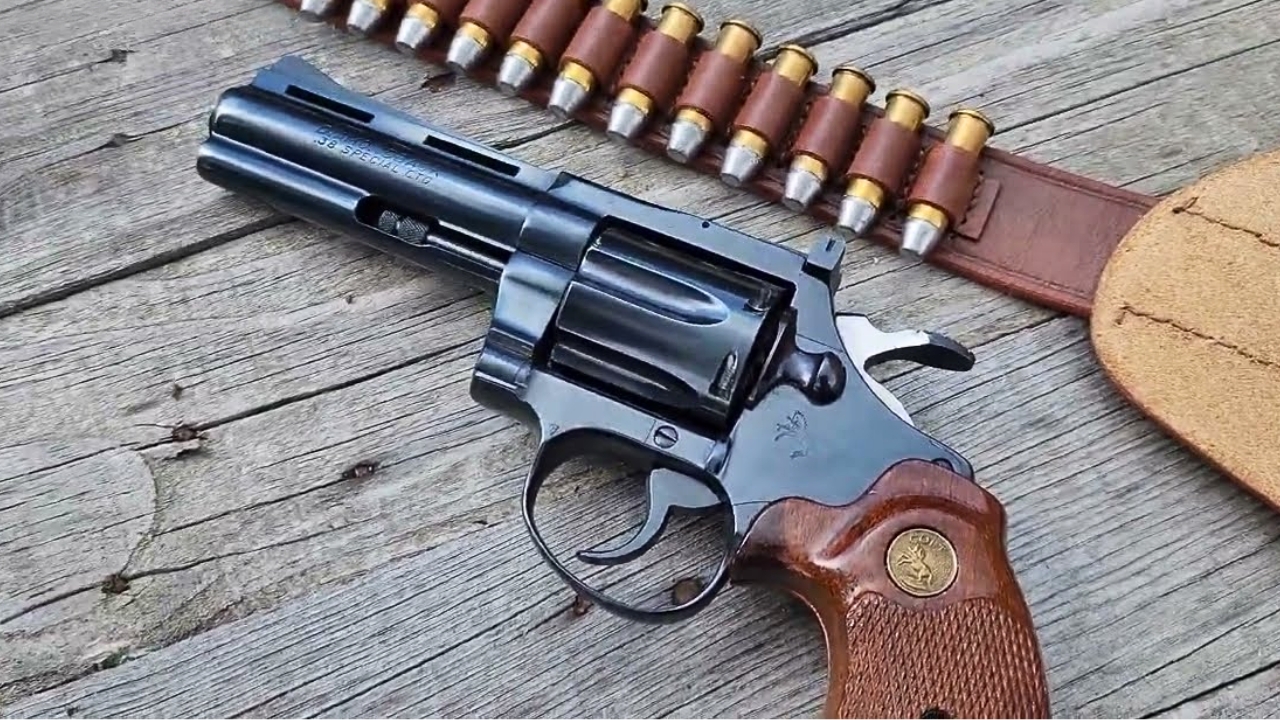
The Diamondback is one of those guns that looks like it should be common, but it just isn’t anymore. It carries like a smaller Python, points quick, and the .22 versions are the kind of rimfire revolver you hand to a kid once and they never forget it. At auctions, these often show up because an older owner kept it in the nightstand, shot it a little, then tucked it away for decades.
The .38 Diamondbacks can be snappy with hotter loads, but they’re handy and slick. The reason they vanish is simple: collectors want them, shooters want them, and they don’t make any more of the originals. If you pass once, odds are you’ll be staring at online prices later, wishing you’d just bid one more time.
3. Smith & Wesson Model 27 (pre-lock)

The Model 27 is what you buy when you want a .357 that feels like it was built by people who assumed it might have to last through a hard life. They’re big, yes. But the balance with a 4-inch or 5-inch barrel is hard to beat, and the checkering and polish on older ones is the kind of craftsmanship you don’t stumble into every day.
At rural auctions, the Model 27 sometimes gets mislabeled as “old .357,” and that can be your one shot at a fair price—if you’re paying attention. The downside is weight for carry, and not everyone wants a revolver that feels like an anvil on the belt. For a woods gun, a truck gun (stored properly), or a range staple, it’s a serious piece, and they don’t sit on the table long.
4. Smith & Wesson Model 29 (pinned & recessed era)
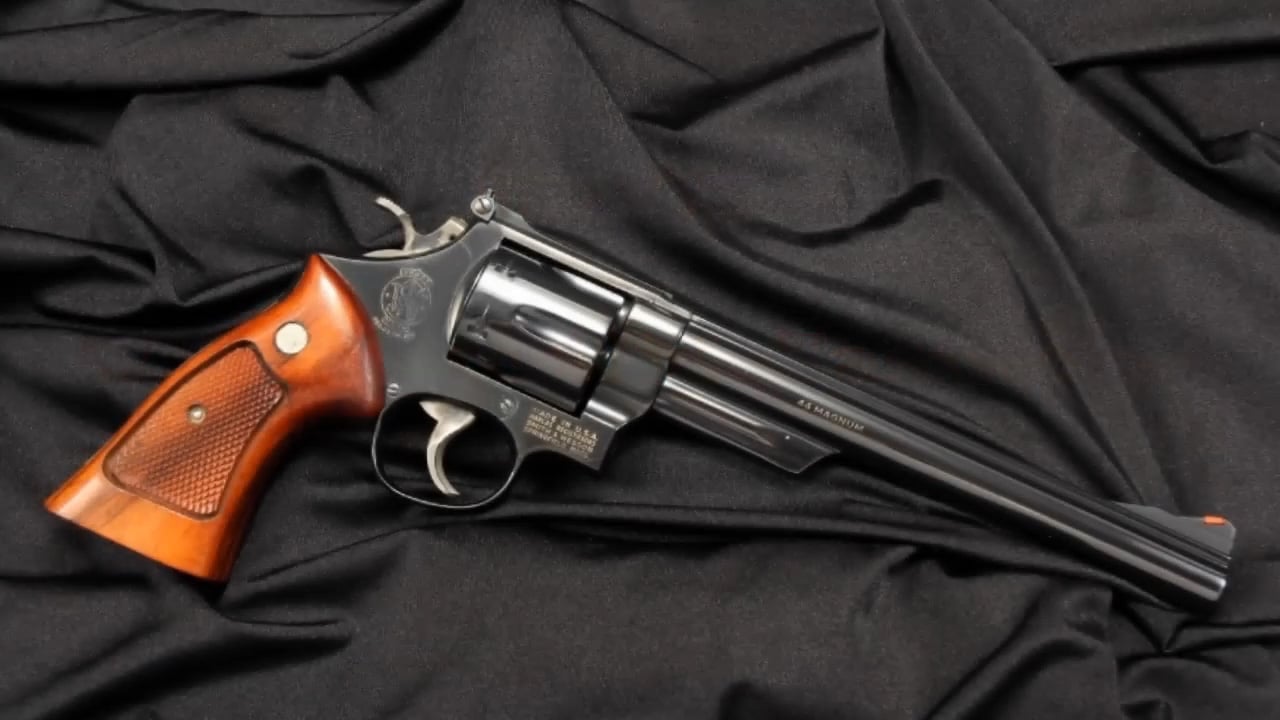
There’s always a little extra noise in the crowd when a classic Model 29 hits the block. Part of it is the .44 Magnum reputation, and part of it is that older S&W fit and finish. Even folks who don’t shoot much recognize it, and that recognition drives bids. If it’s a pinned-and-recessed gun with honest wear, it’ll still bring attention.
What I’ve seen is buyers either want it as a collector piece or as a “once in a while” shooter. Very few actually run them hard these days, and that’s probably smart. Heavy magnum loads aren’t free, and they aren’t gentle. But for a hunter who appreciates a revolver, or a guy who wants a real-deal classic, a good Model 29 at a rural auction is a blink-and-it’s-gone situation.
5. Smith & Wesson Model 19 (Combat Magnum)
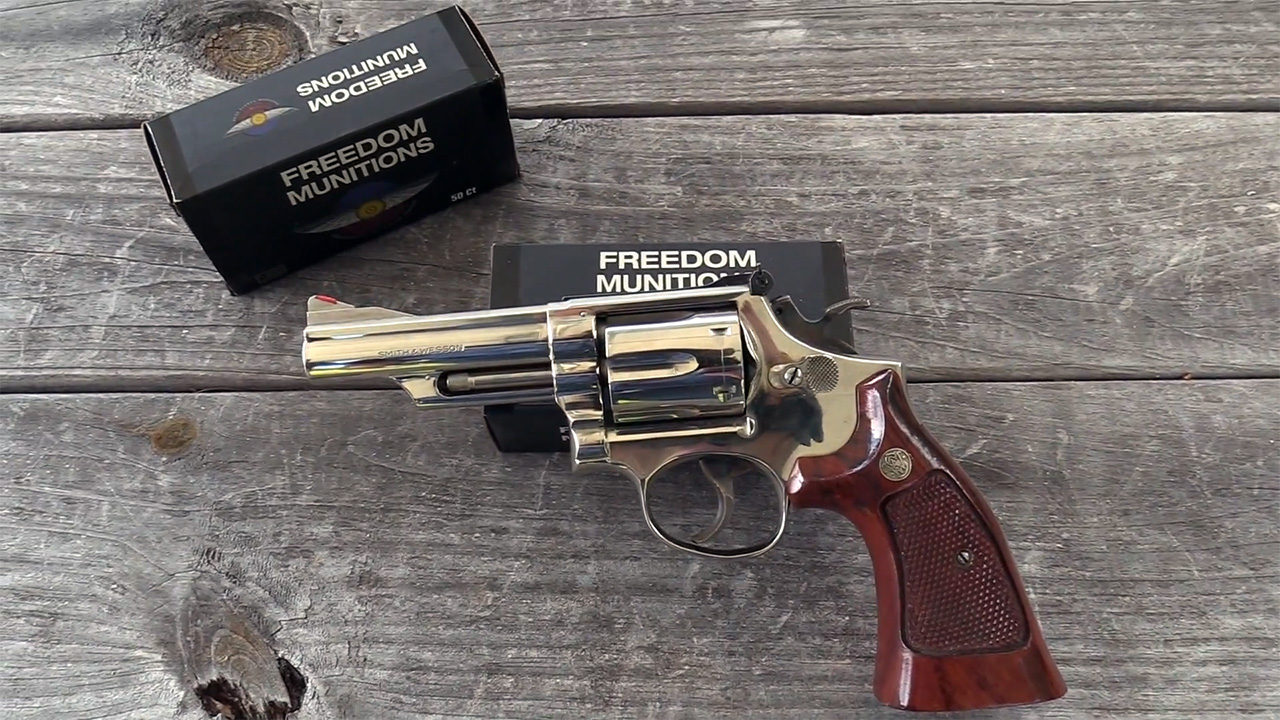
The Model 19 is one of the easiest revolvers in the world to like. It carries better than the big N-frames, points naturally, and in 4-inch trim it’s just right. You see them show up when an estate has “grandpa’s service gun” vibes—worn grips, maybe a little bluing loss, but the action still feels like it’s on ball bearings.
The catch is the well-known reality: a steady diet of hot, light .357 loads can be rough on them. The Model 19 shines with .38s and reasonable .357s, and that’s where it earns its keep. At auctions, a clean pre-lock Model 19 can bring a small bidding war because it’s one of those revolvers that’s actually useful, not just collectible.
6. Smith & Wesson Model 66 (no-dash or early dash)
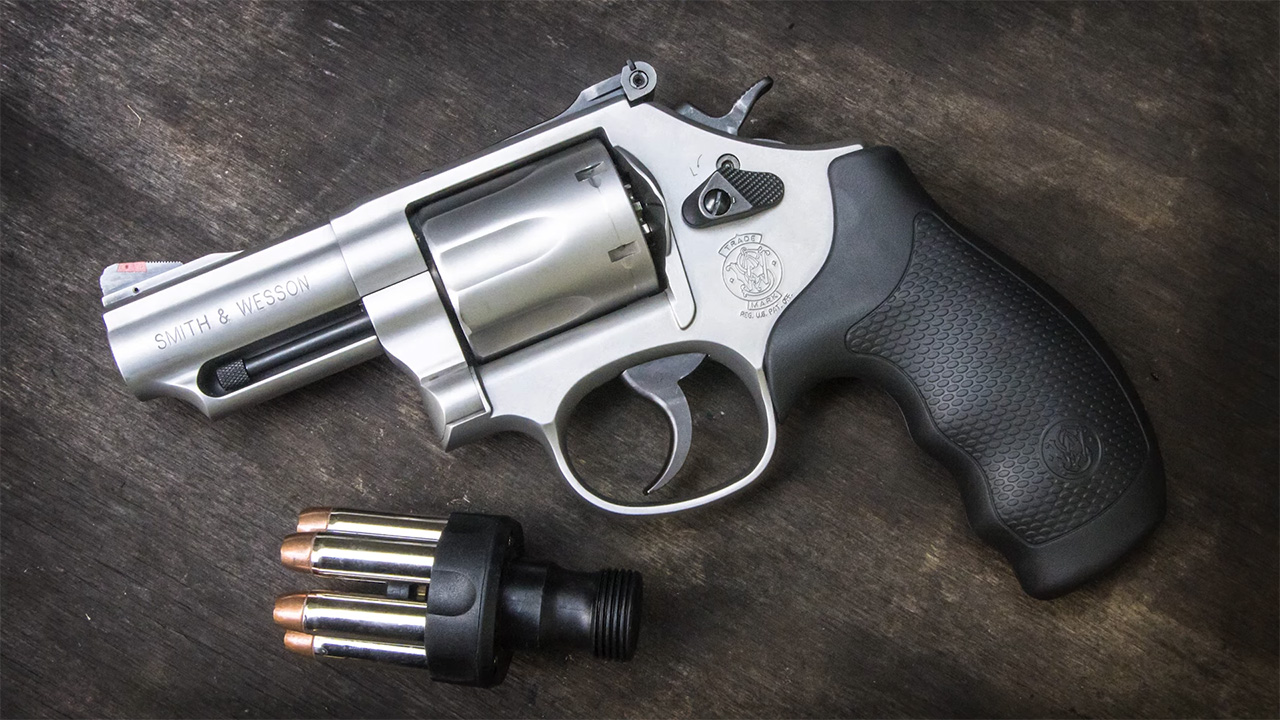
Stainless makes sense in the real world. The Model 66 takes everything good about the Model 19 and adds weather resistance for folks who are outside a lot. In a rural setting—truck seats, wet deer seasons, sweat in the summer—stainless is not a gimmick. Early 66s show up just infrequently enough that you start to think you imagined the last one you saw.
They’re popular because they do so many jobs well: woods walking, glovebox duty with proper storage, a simple home-defense revolver, and a range gun that won’t beat you up. When one lands at auction with a decent bore and tight lockup, it tends to get bought by somebody who knows exactly what it is, then it disappears into a safe for another twenty years.
7. Smith & Wesson Model 686 (no-lock, 4-inch)
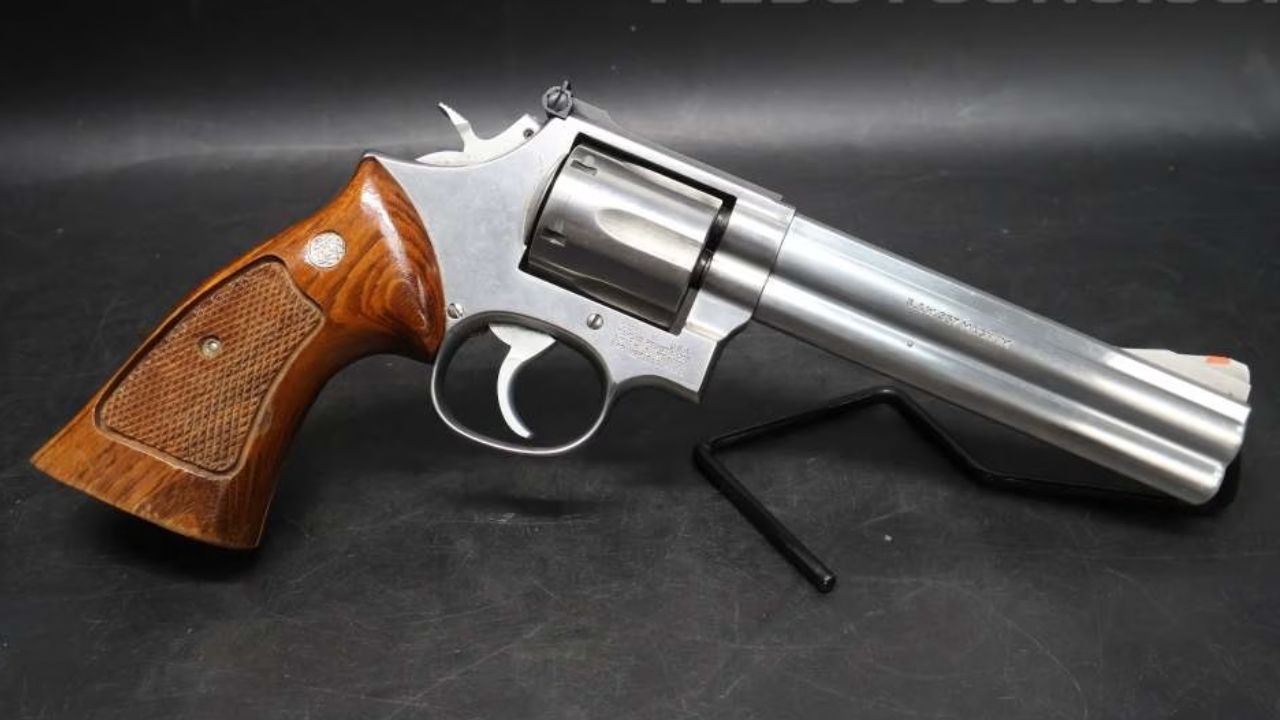
The 686 is not rare in the big picture, but the specific ones folks want—no internal lock, solid condition, right barrel length—don’t just sit around at local auctions. The L-frame soaks up .357 recoil well, and for shooters who actually practice, that matters. A 4-inch 686 is about as close to “do everything” as revolvers get.
You’ll see them sell because somebody’s thinning down to plastic pistols, or because an estate has a mix of guns and the family just wants it handled. I get why they go fast: parts and service are easier than with some older Colts, holsters are everywhere, and it’s a revolver you can shoot a lot without feeling like you’re abusing history.
8. Smith & Wesson Model 10 (pre-Model and early pencil barrels)
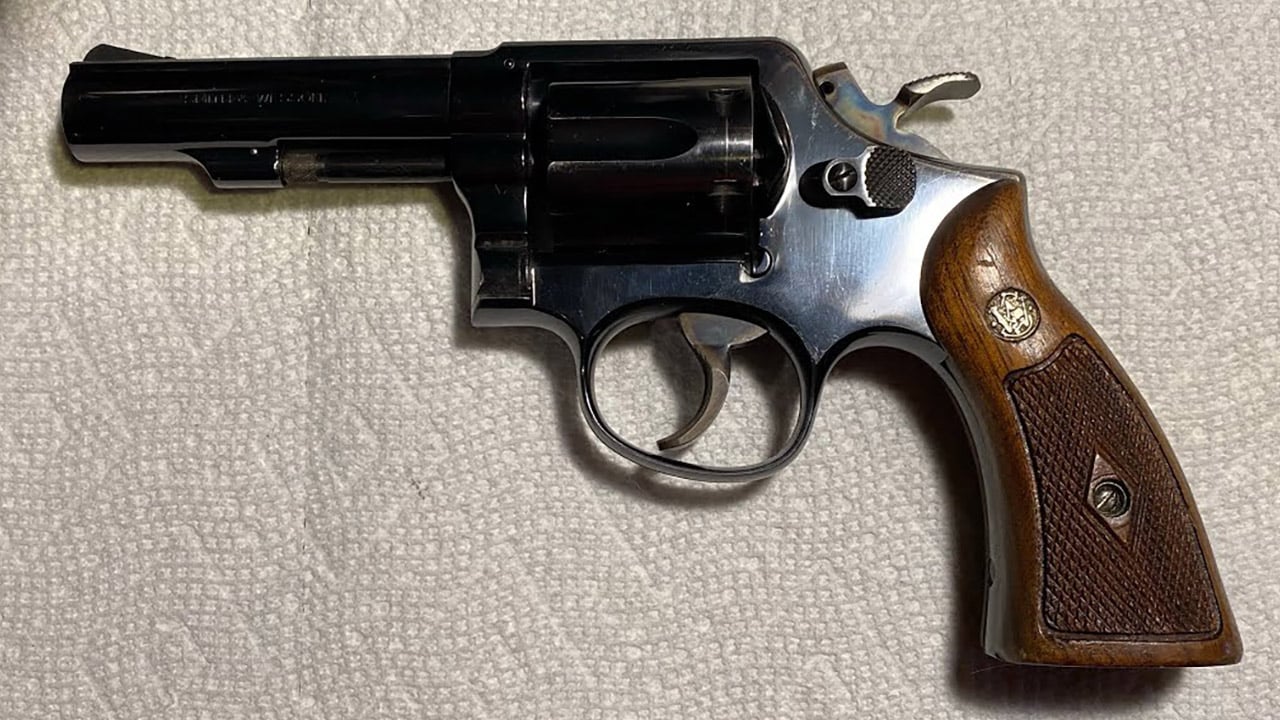
The Model 10 is the definition of boring… until you realize boring is what works. They show up at rural auctions with worn finish and perfect timing, and they’ll still shoot better than a lot of folks can hold. A good K-frame .38 with fixed sights is a comfort tool, not a fashion statement.
These are the ones that disappear because they’re priced within reach and they’re useful. Load it with sensible ammo and it’ll do what it’s always done. The only “problem” is that once you buy one, you start wanting another with a different barrel length, different grips, maybe an older variant. It’s a slippery slope, and auctions are where that slope starts.
9. Smith & Wesson Model 36 (Chief’s Special)

The little J-frame Model 36 is a pocketful of tradition. It’s also one of the revolvers that makes the most sense for real carry, especially for folks who don’t want a semi-auto. At auctions, the blued steel snubs with honest wear show up in tackle boxes, dresser drawers, and those small metal lockboxes with a key nobody can find.
They aren’t target guns. The sights are small, the grip can be short, and +P loads in a light revolver get your attention. Still, they carry easy, they’re simple, and they’re proven. When you find a clean one with a decent trigger, you’ll watch three bidders decide they need it more than they need the money. And usually one of them is right.
10. Ruger Security-Six (and Speed-Six)

Ruger’s Six series is what I think of when someone says “farm revolver.” They’re tough, straightforward, and they don’t mind living in a world that’s dusty, cold, and occasionally neglected. The Speed-Six carries a little trimmer, the Security-Six feels like a proper belt gun, and both have reputations that are hard to argue with.
At auctions, they vanish because they’re the sweet spot for a buyer who wants a revolver to use, not just admire. They’re usually priced lower than comparable S&Ws, and they can handle real shooting. The only downside is they’re discontinued, so certain parts and grips can take some hunting. When a clean one hits a rural auction table, it tends to go home with the guy who actually checks cylinder play and buys based on function.
Free for gun owners: If something happened to you tomorrow, would your family know where the guns are, who has the safe combination, or what to do first? Our free Gun Owner’s Family Checklist walks them through it. It takes about 15 minutes to fill out. Get your free copy here.
11. Ruger GP100 (early production, 3-inch or 4-inch)
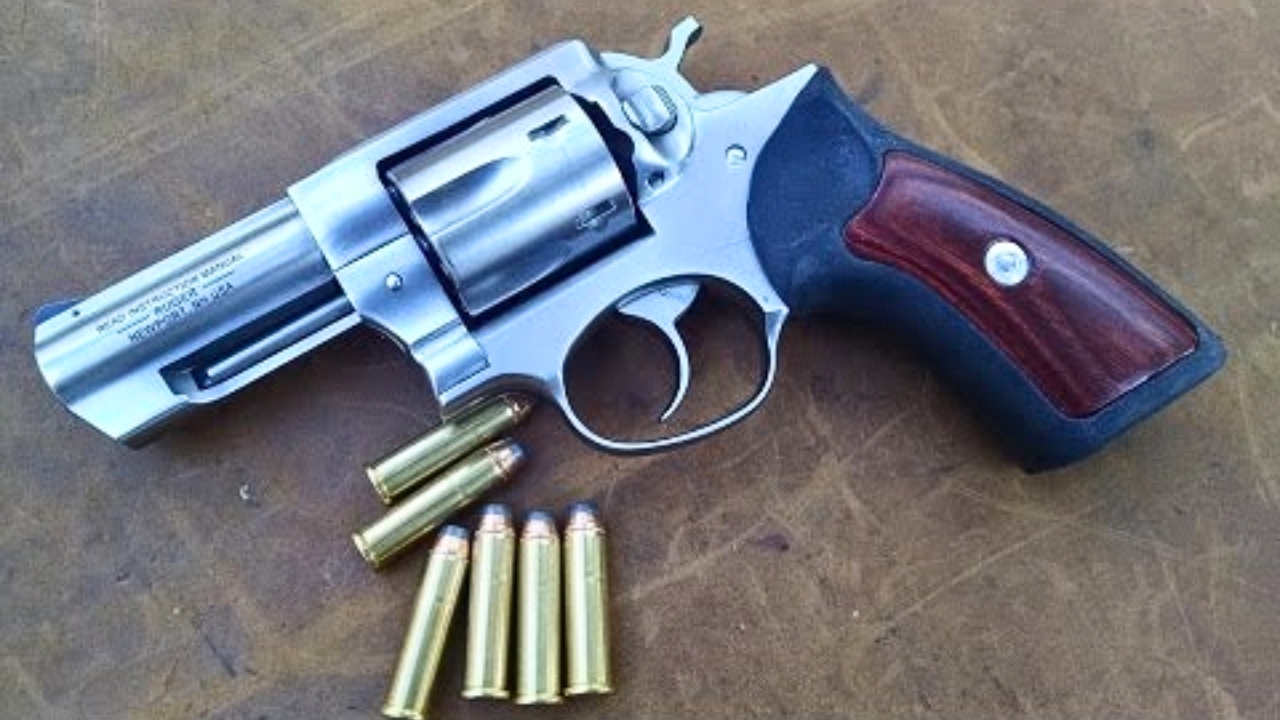
A GP100 is not delicate. It’s a working revolver, and that’s why people keep buying them. The 3-inch versions in particular have a following because they’re compact enough to carry but still controllable with .357 loads. When one pops up locally, it attracts practical buyers—guys who run dogs, check fences, or spend time in the timber and want something that won’t complain.
The GP100’s heft is both blessing and curse. It soaks recoil, but it’s not a feather on the hip. At auction, you’ll see them go quick because the buyer knows there’s nothing mysterious about owning one. Holsters exist, ammo exists, and Ruger isn’t known for fragile revolvers. If you’ve ever passed on a clean 3-inch GP100 thinking you’d find another next month, that one hurts.
12. Ruger Redhawk (.44 Magnum)

The Redhawk is the revolver a lot of people buy once they admit they want a serious .44 they can actually shoot. It’s not as refined as some classics, and the trigger can vary, but the platform is strong. At rural auctions, you’ll see Redhawks that rode in trucks, lived in saddle bags, or sat in a drawer for “just in case” for years.
They disappear because they’re trusted. In bear country, in hog country, or just for folks who feel better with a heavy caliber in the woods, a Redhawk makes sense. The downside is weight and bulk—no one pretends it’s comfortable like a K-frame. But if you want a revolver that feels like it could survive falling off a tailgate onto gravel, the Redhawk is always tempting, and rarely still there when you come back after lunch.
13. Ruger Blackhawk (Old Model three-screw)

Old Model three-screw Blackhawks have a following that’s hard to explain to someone who’s never thumbed back that hammer. They’re simple, accurate, and they scratch that cowboy itch without being a wall-hanger. At auctions, they show up with mismatched holsters, hand-written ammo notes, and grips polished smooth from years of carry.
The reason they don’t stick around is because they’re fun and they last. The caution is real, though: older single-actions can have different safety setups than modern guns, and you need to understand what you’re buying and how it’s meant to be carried and handled. Nothing about that is complicated, but you can’t be careless. If you know what you’re looking at and you want a rugged, classic single-action, an older Blackhawk is a rare treat at a small-town sale.
14. Colt Single Action Army (3rd Gen and older)
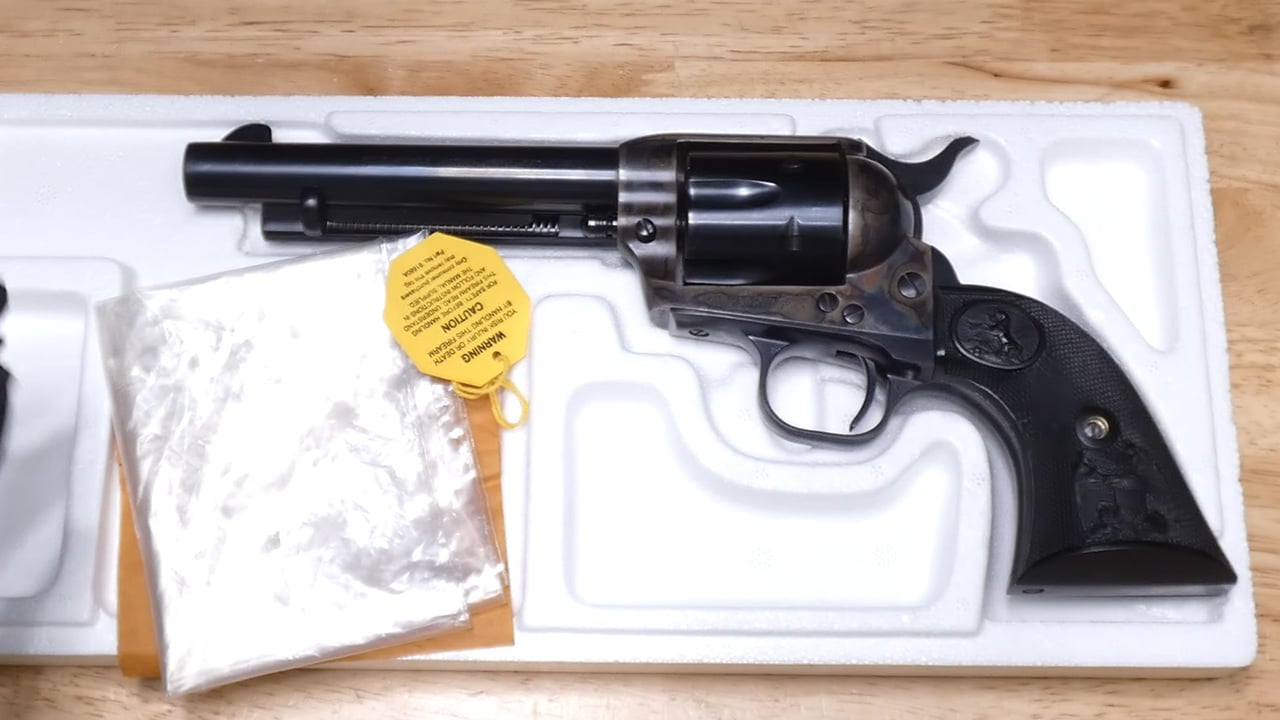
A real Colt SAA has a way of pulling people in. Even if you’re not a “cowboy gun” person, you can’t ignore the history and the lines. At auctions, these can be the wild card—sometimes an honest shooter, sometimes something that’s been tinkered with, refinished, or built from mixed parts over the years.
The smart move is to slow down and look carefully, because this is where mistakes get expensive. But when it’s right, it’s right. They vanish because collectors are always watching, and because there’s something satisfying about owning a revolver that still feels like America’s original sidearm. It’s not the practical choice for most folks, but rural auctions aren’t always about practical. Sometimes they’re about once-in-a-decade chances.
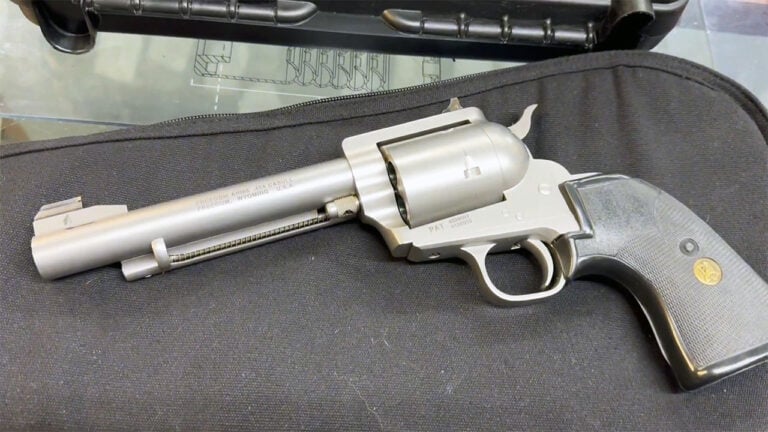
15. Freedom Arms Model 83 (.454 Casull or .44 Magnum)

Freedom Arms revolvers don’t show up often anywhere, and when they show up at a rural auction it’s usually because someone had very specific taste. The Model 83 is tight, accurate, and built like a precision instrument. It’s the kind of gun you buy for hunting, not for casual plinking, and it demands good technique and good loads.
They disappear because knowledgeable buyers know what a new one costs, and because used ones aren’t usually “used up.” The downside is they can be too much gun for a casual shooter, and the recoil in .454 can make a tough guy out of a tough guy real quick. Still, if you’re a handgun hunter and you stumble into a Freedom Arms at a country auction, you’re looking at a rare opportunity to own something that’s more tool than toy.
16. Dan Wesson Model 15 (.357 Magnum, interchangeable barrels)
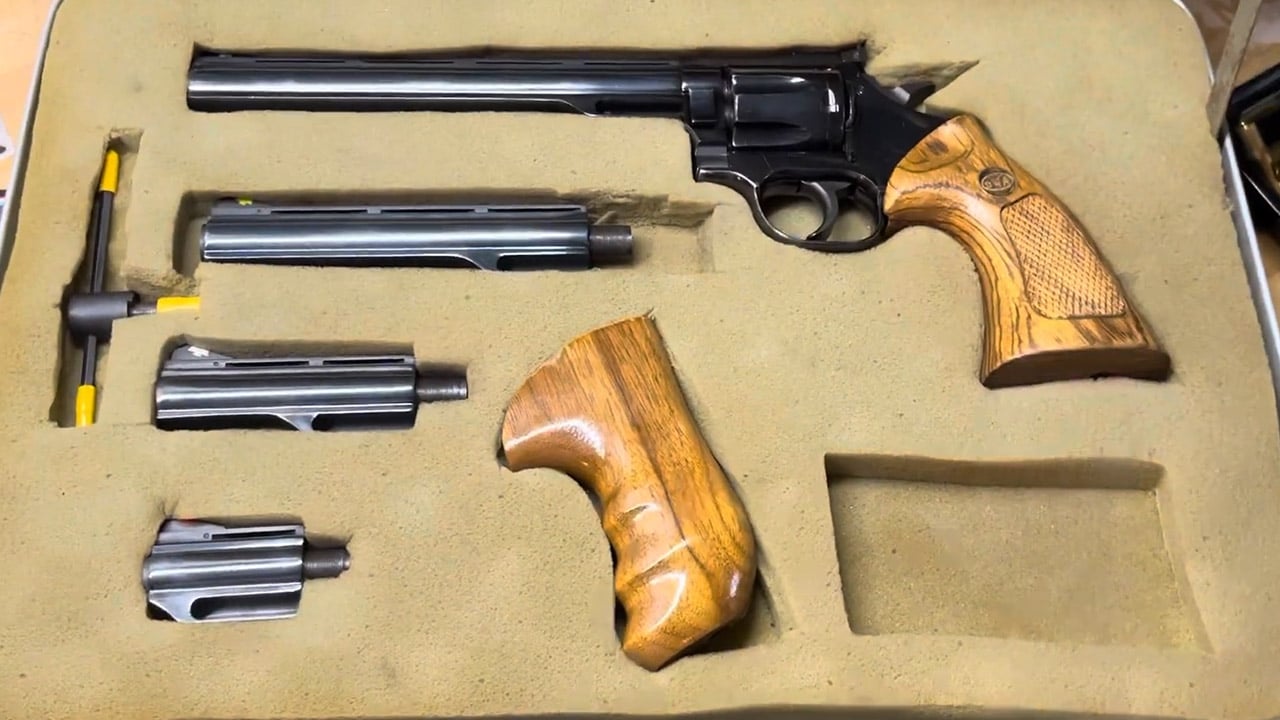
Dan Wesson revolvers are the ones that make half the room shrug and the other half start paying attention. The interchangeable barrel system is genuinely useful, but it also means you want the right parts with it—barrel wrench, extra barrels, the whole deal. At auctions, sometimes the accessories are there in a coffee can, and sometimes they aren’t, and that affects what it’s really worth.
When everything is together, these guns shoot. They’re accurate, they handle magnum loads well, and they have a cult following for a reason. They also aren’t something you see in every gun shop case anymore. A complete Dan Wesson setup tends to get bought by the guy who already owns one and wants another, or the shooter who appreciates oddball practical designs. Either way, it’s usually gone before you’ve finished your second loop around the tables.
17. Harrington & Richardson 999 Sportsman (.22 LR)
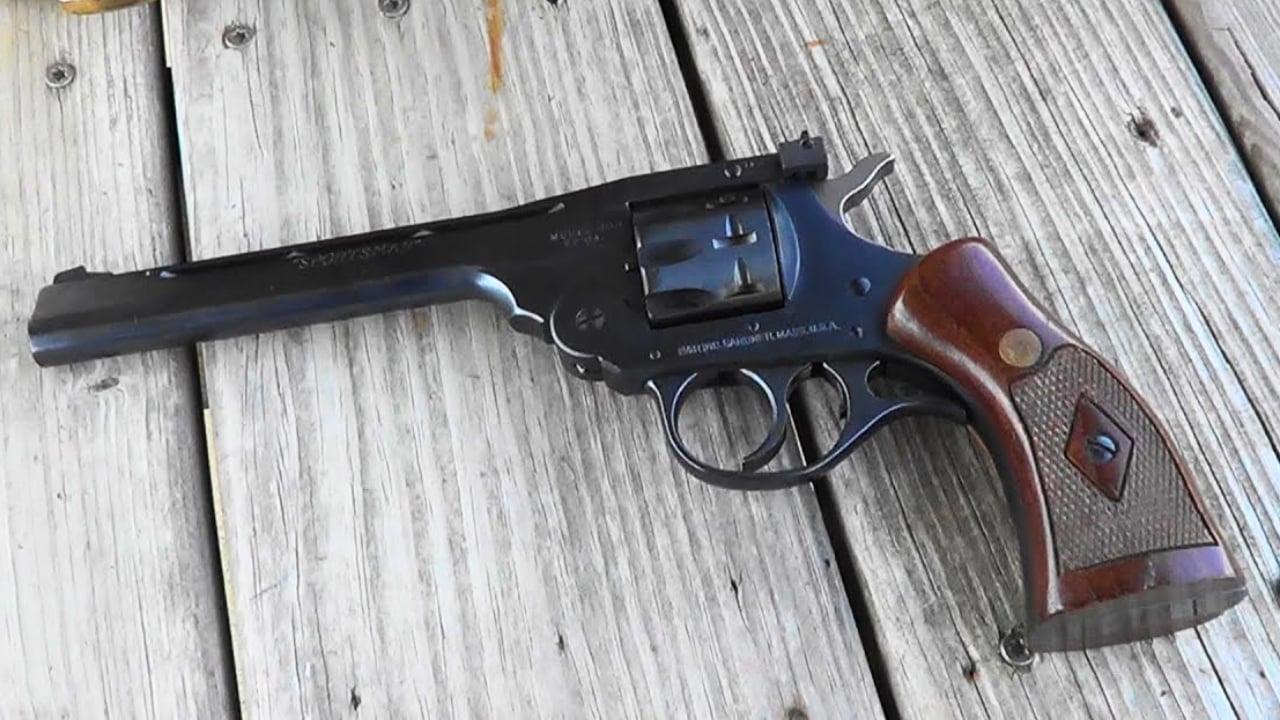
The H&R 999 is an old-school top-break .22 that feels like it came from a different era of backyard shooting. It’s not fancy, but it has charm, and the action is just plain enjoyable. At rural auctions, these show up in the “fishing stuff and old guns” pile more than the “collector display” side, which is exactly why you have to keep your eyes open.
A good .22 revolver is never useless, and the 999 is the kind you can shoot all afternoon without thinking about it. The downside is parts and service are not as simple as modern production guns, and you want to check lockup and timing like you would with any older revolver. Still, when one is sound, it’s the perfect trail plinker. And when the right bidder spots it, it’s gone.
18. High Standard Sentinel (9-shot .22 LR)
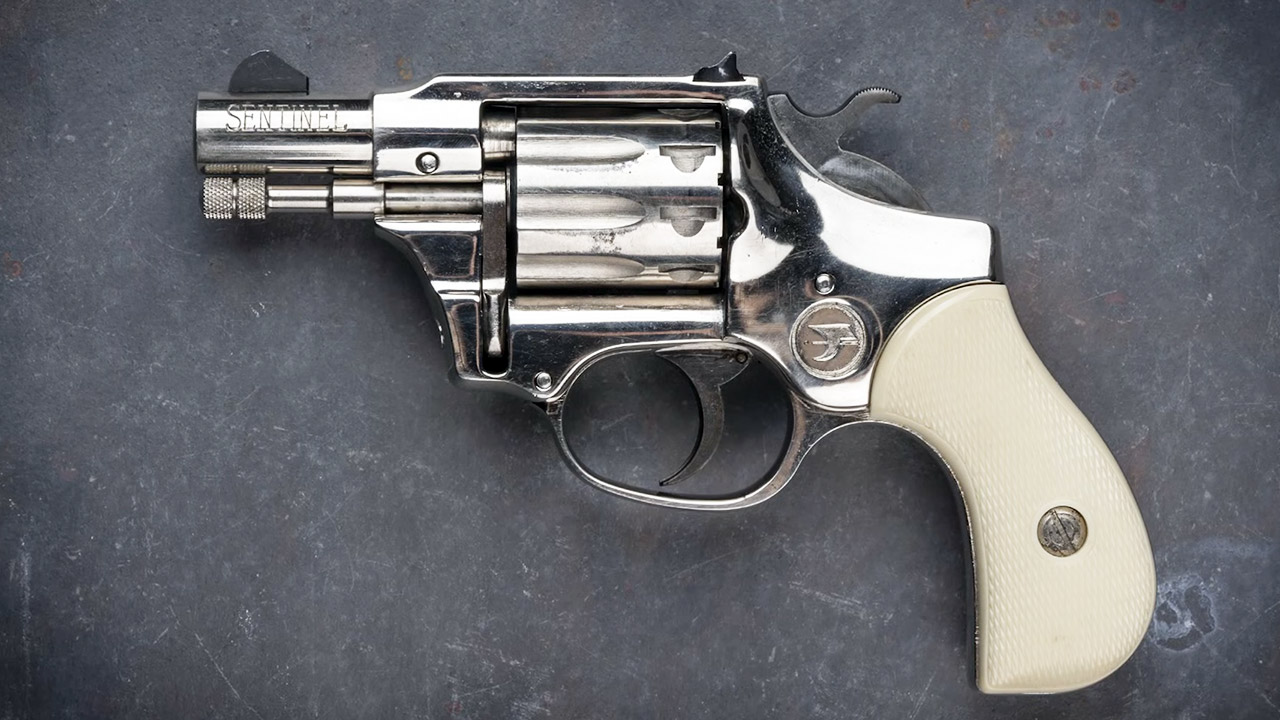
The Sentinel is one of those sleepers that makes you smile when you see it. A 9-shot .22 revolver is just practical fun, and the Sentinel has that classic mid-century look that reminds you of hardware stores that used to sell guns next to nails. At auctions, they’re often priced like “just another .22,” which is why they disappear fast.
They’re light, handy, and they do exactly what you want a .22 revolver to do: knock around, teach new shooters, and ride along on a trapline or a walk in the woods. The downside is they aren’t built like a Ruger tank, and you want to avoid abuse and sketchy ammo. But as an everyday rimfire companion, they’re hard to beat. When you see one with a clean bore and decent timing, it’s usually already halfway to somebody’s truck.
19. Smith & Wesson Model 17 (K-22 Masterpiece)

If you want to learn what a trigger is supposed to feel like, a good K-22 will teach you. The Model 17 points like a “real” revolver, not a toy, and it makes .22 LR feel serious. At rural auctions, these show up when someone thins a collection or when a family brings in “that .22 target revolver” without realizing how loved these are.
They disappear because they’re useful forever. A Model 17 is a training gun, a small-game option, and a range gun that doesn’t punish your hands or your wallet. The only drawback is they’re not small, and if you want a packable kit gun you’ll look elsewhere. But for pure shooting enjoyment, it’s hard to beat. Once you’ve owned one, you notice when they’re missing from tables for years at a time.
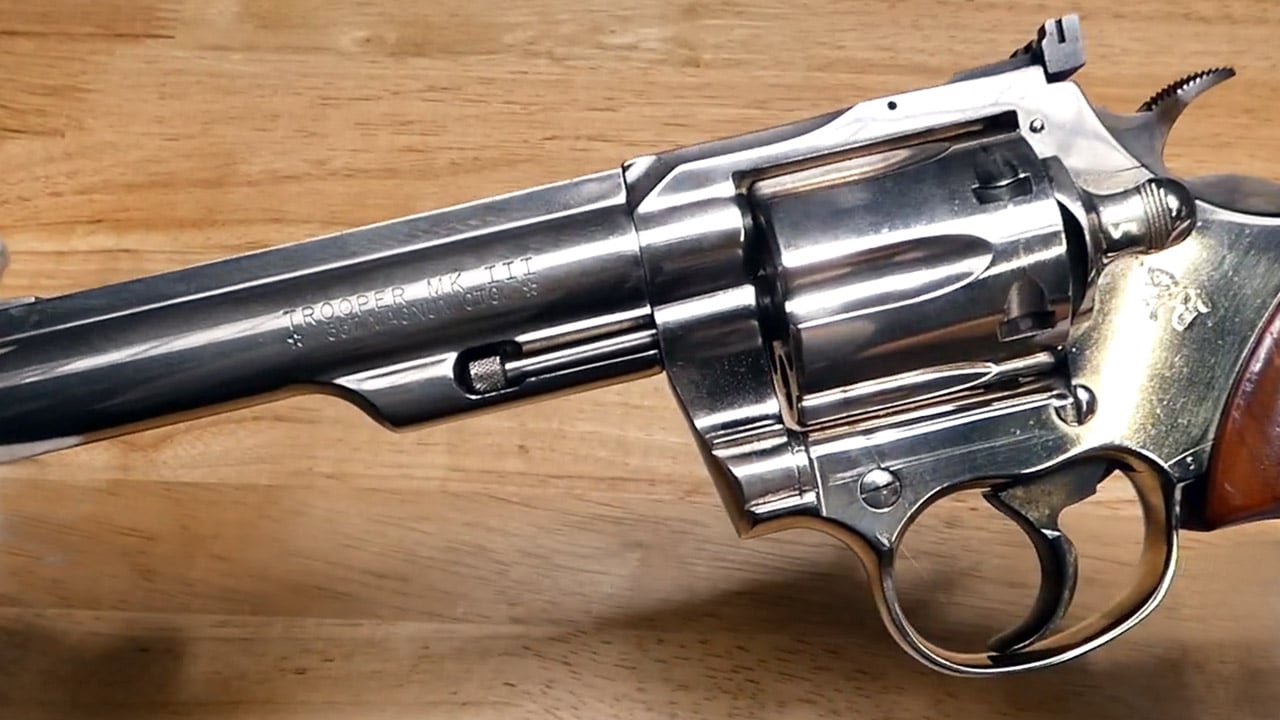
20. Colt Trooper Mark III (.357 Magnum)
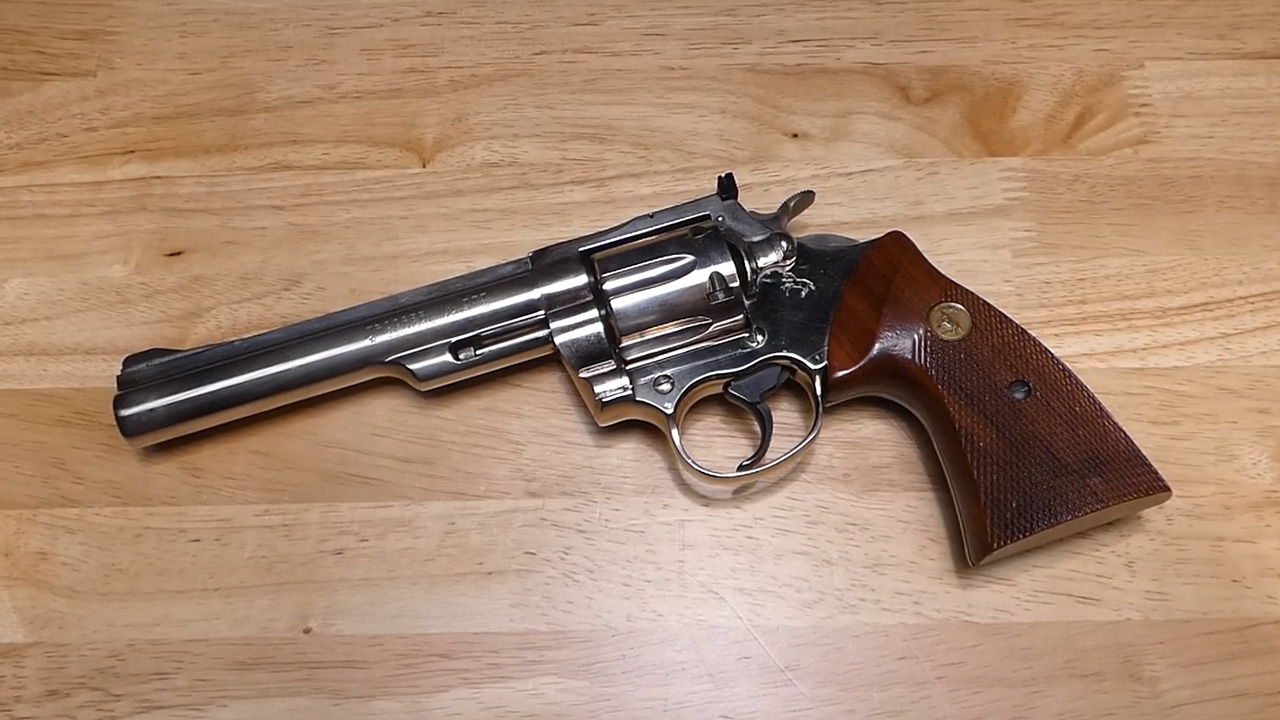
The Trooper Mark III is one of those Colts that flies under the “Python or nothing” radar, and that’s a shame because it’s a solid revolver. They’re generally strong, serviceable, and they feel good in the hand without the same price tag as the top-shelf Colt names. At auctions, these are the ones that can still be a reasonable buy—until two Colt guys notice it at the same time.
They vanish because they’re a realistic way to own an older Colt without taking out a loan. The action is different than earlier Colt designs, and some folks prefer S&W triggers, but the Mark III has its own honest appeal. If you want a .357 you’ll actually shoot, and you like the Colt name without chasing unicorns, this is exactly the kind of rural-auction find that never seems to repeat on your schedule.
Rural auctions have a cruel rhythm. The day you bring cash and confidence, it’s all junk holsters and tired deer rifles. The day you stop “just for a minute,” there’s a revolver you’ve wanted for ten years sitting there like it’s no big deal. If you’re serious about finding one of these, do the unglamorous stuff: show up early, bring a small light, know what tight lockup feels like, and don’t count on seeing it again. Because you probably won’t.
Like The Avid Outdoorsman’s content? Subscribe to our newsletter so you never miss an article.
Here’s more from us: