Photo credit: Graniteviewsports/Youtube
Every collector has at least one handgun story that starts with, “I should’ve kept it.” Sometimes it’s money. Sometimes it’s life getting in the way. And sometimes you just didn’t realize how thin the supply was until you went looking again and found… nothing but inflated prices and “discontinued” listings.
These aren’t all museum pieces. A bunch of them are working guns that happen to sit in a weird spot: limited production runs, import pipelines that dried up, police trade-ins that don’t come around like they used to, or designs the factory just decided to quit on. If you’ve got one of these and it runs, I get why experienced collectors treat it like it might be the last one they see in the wild.
1. Colt Python (pre-2005)

The older Pythons have a feel that’s hard to explain until you’ve handled one next to other .357s. The action on a good one is slick without being “loose,” and the timing and lockup on an unmolested example is just satisfying. They’re not magic wands, but the whole package is smoother than it has any right to be for a production revolver.
What makes collectors cling to them is the reality that original-condition Pythons don’t get more common. They get refinished, “tuned,” rebarreled, or turned into somebody’s project gun. The current-production Python has its place, but it doesn’t make the older ones any easier to replace, especially if you want the right barrel length, sights, and finish with clean roll marks.
2. Heckler & Koch P7M8

The P7 is one of those pistols that feels like it came from a different timeline. Squeeze-cocking isn’t for everybody, but it points fast, shoots flat, and the mechanical quality is obvious the moment you rack it. When you run one on steel, it’s almost unfair how easy it is to be “on” with it.
The downside is heat. Put a couple boxes through it in quick order and you’ll learn why folks talk about warm frames. But here’s why collectors hang on: they’re not making them anymore, magazines aren’t cheap, and clean examples with the right box and accessories keep drying up. When a nice one shows up, it doesn’t sit long.
3. Smith & Wesson Model 29 (pinned & recessed)
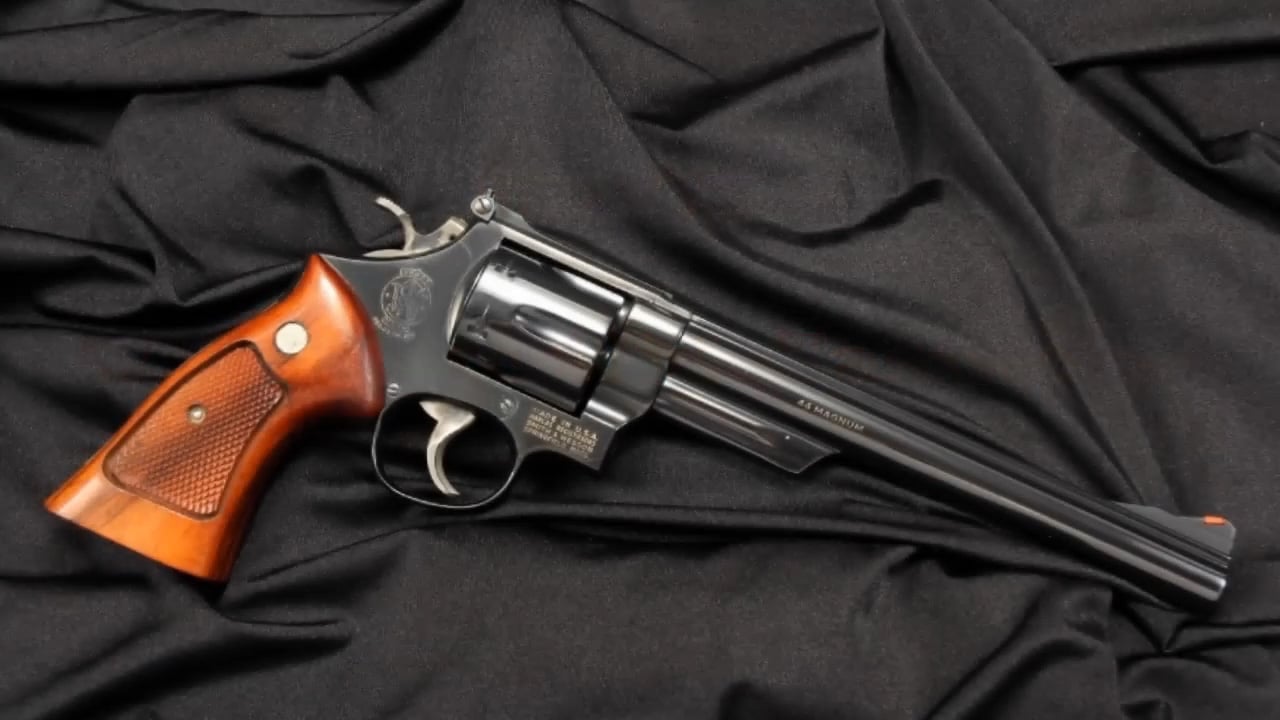
A classic .44 Magnum is a hunting sidearm for some and a safe queen for others, but the pinned-and-recessed era guns are what a lot of collectors chase. They’ve got that older fit, that older bluing, and the kind of trigger you don’t see as often on new production revolvers without paying for custom work.
They’re also the kind of gun that gets “improved” into something else—ported barrels, scope bases drilled, aftermarket finishes—because people want a woods gun and don’t think about what they’re starting with. If you’ve got a clean one that hasn’t been messed with, you’re holding a piece of revolver history that’s getting harder to find in honest condition.
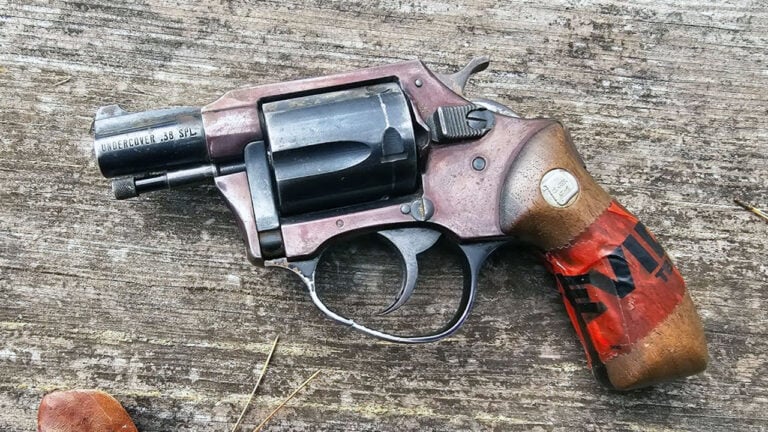
4. Colt Detective Special (2nd Series)
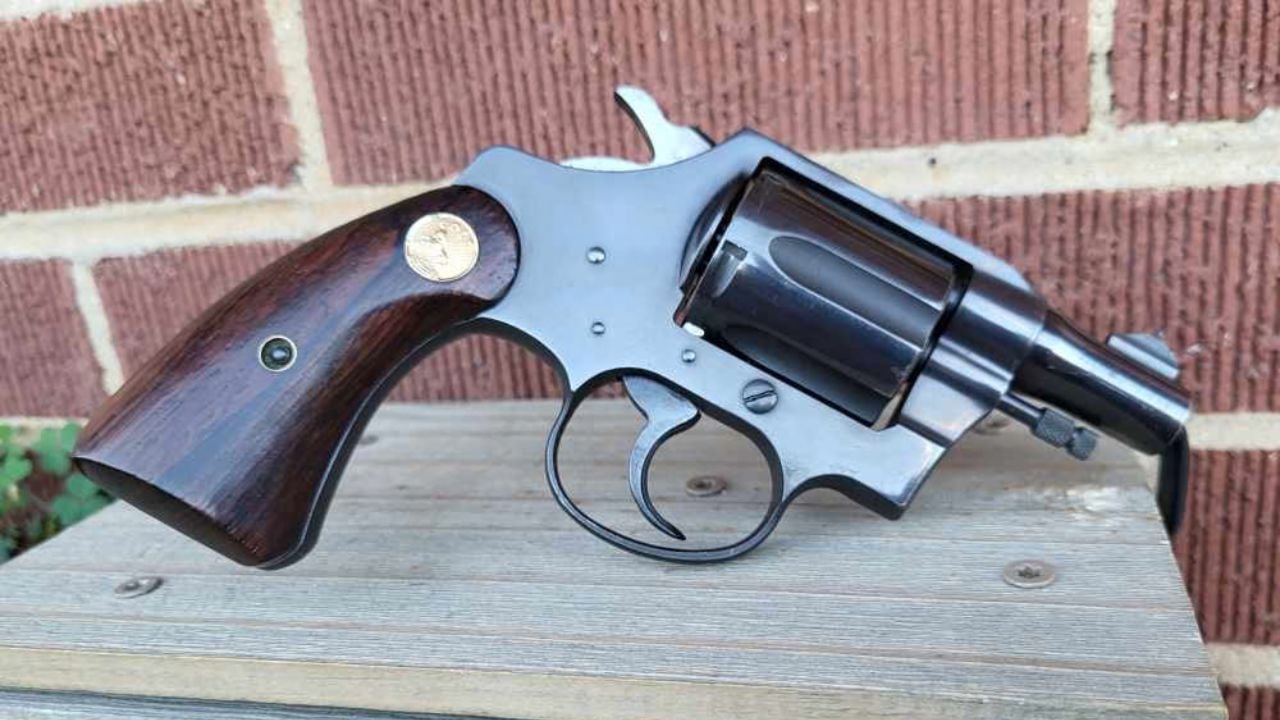
This is one of those revolvers that makes you wonder why we ever got away from slim, steel snubs that actually shoot well. A Detective Special carries flatter than you’d expect, fills the hand better than many tiny-frame guns, and gives you a six-shot cylinder in a package that still hides easy under a jacket.
Collectors treat them carefully because the good ones are already spoken for. They got carried a lot, got reblued a lot, and got shot with enough hot .38s to loosen them up. A tight, original example with clean edges and a decent bore is not something you assume you can just replace next weekend at a show.
5. Browning Hi-Power (Belgian-made)

The Hi-Power isn’t perfect. The factory trigger can be gritty, and the small controls feel dated if you’re used to modern striker guns. Still, it’s one of the most natural-pointing 9mms ever built, and a good one has a balance that makes you want to keep shooting.
Collectors get protective over the Belgian guns because the market got weird after production shifts and shutdowns. There are modern clones and revivals that run fine, but the older Browning-marked pistols with matching parts and clean markings are their own lane. And once you start caring about details like sights, internal extractor versions, and finish, the “just buy another” mindset goes out the window.
6. SIG Sauer P210 (Swiss/German originals)

If you’ve ever shot a real P210 that hasn’t been worn out, you understand the reputation. The slide-to-frame fit is tight in a way that still cycles like it’s on bearings. The accuracy isn’t internet myth either—these things will make you look better than you are if you do your part.
It’s also not a casual purchase. The originals have collector pricing and collector expectations, and clean examples tend to stay with the folks who already have them. The newer American-made versions can be excellent, but collectors separate them in their heads. Original P210s are the kind of pistol you buy once, then start thinking about how you’re going to keep it nice for the next 30 years.
7. Smith & Wesson Model 52
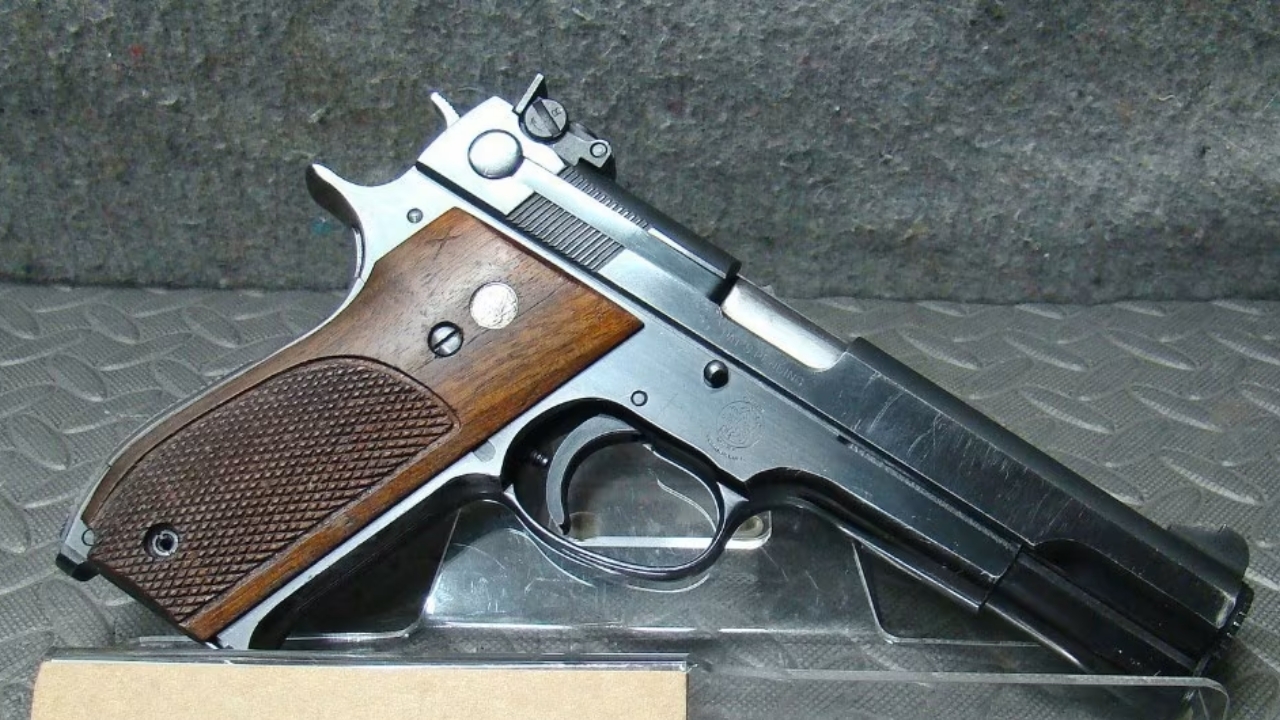
The Model 52 is a purpose-built target pistol, and it’s picky by design. It’s built around midrange wadcutter .38 Special loads, and when you feed it what it wants, it’s a laser with a trigger that feels like it was set up by a bullseye shooter who hates excuses.
Collectors treat them like they’re endangered because, honestly, they kind of are. They’re discontinued, parts aren’t getting easier to source, and not many people kept them pristine because they were meant to be shot in matches. If you find one with original magazines and it runs right, you don’t assume you’ll stumble into another one that clean anytime soon.
8. Ruger Old Army

It’s a cap-and-ball revolver, but it’s built like a Ruger. That means it’s overbuilt, sturdy, and generally less fussy than a lot of traditional replicas. For the blackpowder crowd, it’s one of the few percussion revolvers that feels like it was designed by engineers instead of historians.
Ruger discontinued it, and that’s why collectors squirrel them away. The supply is fixed, and every year more of them get “customized,” used hard, or broken down for parts. If you want one that’s complete, unmodified, and not beat up, you’ll understand why owners get a little tight-fisted when someone says, “You can always find another.”
9. Dan Wesson Model 15 (.357 with barrel sets)
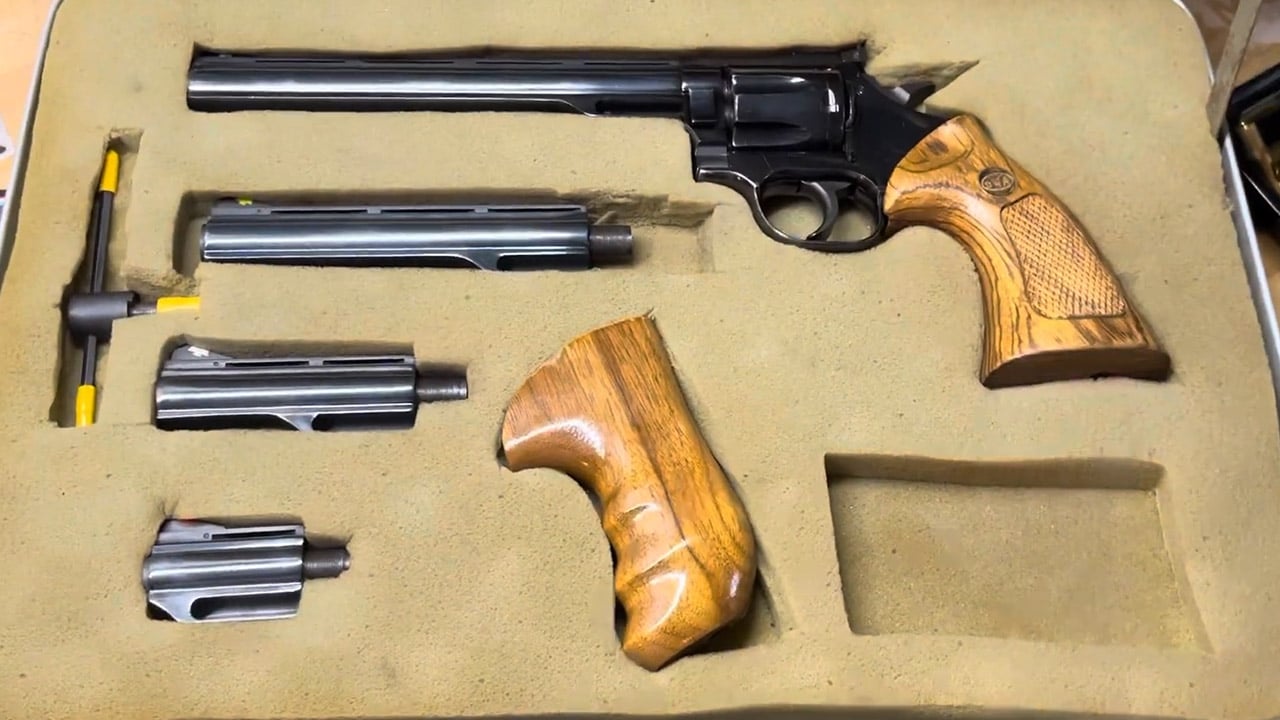
The interchangeable barrel system is either the coolest thing ever or something you don’t care about at all. But the revolvers themselves are legit shooters, with solid lockup and accuracy that keeps surprising people who only know the brand by name. A complete pistol pack with multiple barrels and tools is a neat setup for a guy who likes options.
Here’s the catch: complete sets don’t stay complete. Barrels get separated, tools disappear, cases get tossed, and suddenly the “set” is just a revolver with one tube. Collectors protect the full kits because assembling one later is annoying and expensive. When you see a true, complete package in good shape, it’s wise to assume you won’t see another one soon.
10. CZ 97B
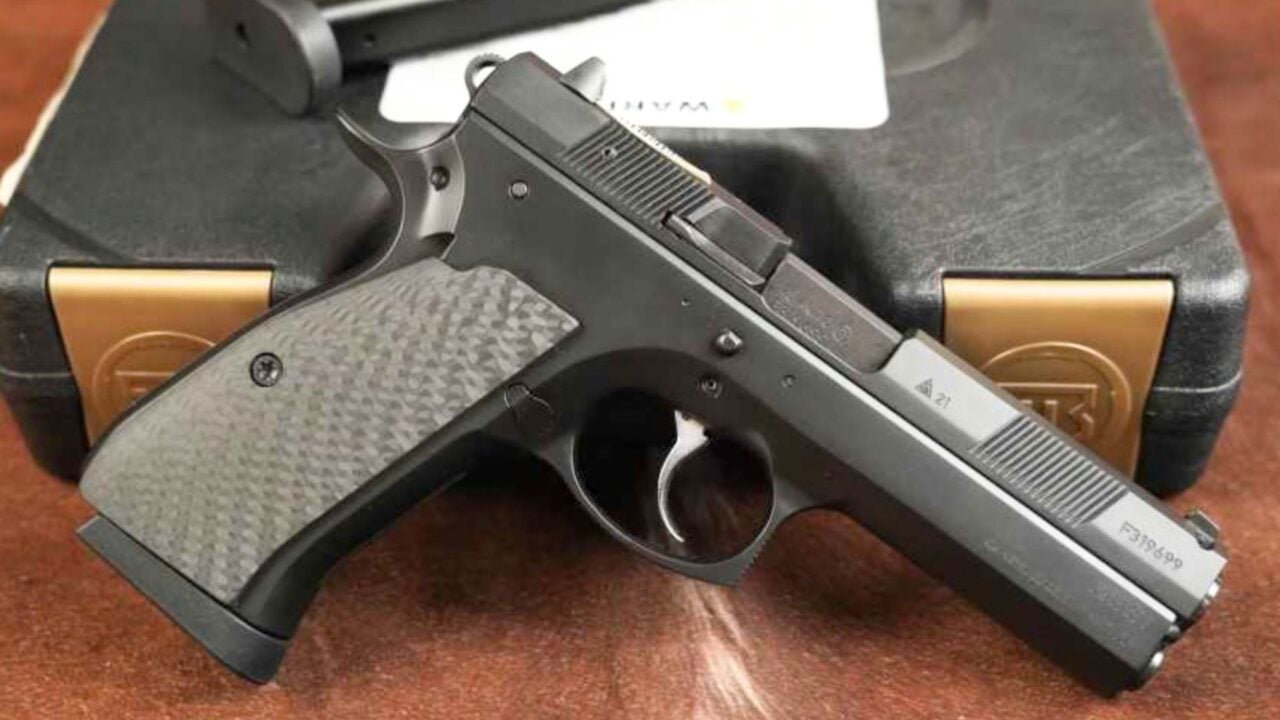
The 97B is a big, steel .45 that never tried to be trendy. It’s heavy, it soaks up recoil, and it shoots better than most folks expect from a double-action .45. If you like classic CZ ergonomics and don’t mind a full-size gun, it’s a satisfying pistol.
They were discontinued, and that changed the whole vibe. Magazines and parts exist, but the pipeline isn’t what it was, and clean examples started getting snapped up by the guys who already understood them. It’s not a perfect carry gun, but it’s a great “range .45” that doesn’t feel disposable. Once you sell one, the next one you see is usually priced like a collector already beat you to the punch.
Free for gun owners: If something happened to you tomorrow, would your family know where the guns are, who has the safe combination, or what to do first? Our free Gun Owner’s Family Checklist walks them through it. It takes about 15 minutes to fill out. Get your free copy here.
11. Colt Woodsman (pre-war and early post-war)

A good .22 pistol is more useful than people admit. It’s how you teach new shooters, how you stay sharp without burning a pile of ammo money, and how you knock over cans at the back berm on a slow afternoon. The Woodsman is one of those .22s that feels lively and well-balanced, not clunky.
Collectors baby them because condition is everything, and these guns lived real lives. They rode in tackle boxes, got taken camping, and sat in nightstands for decades. Finding one with crisp markings, a good bore, and the right magazine can be a hunt. When somebody has a nice one that runs, it makes sense they treat it like it’s not coming back if it walks out the door.
12. Smith & Wesson Model 41

The Model 41 is a serious .22 target pistol that also happens to be a joy to shoot on a normal range day. The grip angle works, the sights are clean, and when the ammo and magazines agree with the gun, it’s as smooth as a Sunday morning. It’s the kind of pistol that makes you slow down and shoot groups on purpose.
They’re still around, but the really good older examples—especially the ones that haven’t been “gunsmithed” into problems—aren’t exactly overflowing on shelves. Collectors hang onto them because replacing a known-good 41 is a gamble. Rimfire pistols can be picky, and once you have one that runs your preferred loads and prints where you aim, that’s worth holding onto.
13. Walther PPK (pre-1968 import, West German)

The PPK has more nostalgia than practicality for most folks these days. It’s small, it can bite your hand, and the sights are not what anyone would call generous. Still, it carries flat, and it has that old-world machining that makes modern budget guns feel soulless.
The collector angle is where it gets sticky. Import marks, production eras, and condition matter a lot, and the pre-1968 imports and clean West German guns have a following. There are newer PPKs you can buy, sure, but the older ones have their own desirability. Once you let a clean one go, finding another with the same fit and finish can turn into a long search.
14. Beretta 92G Brigadier (factory G decocker-only)
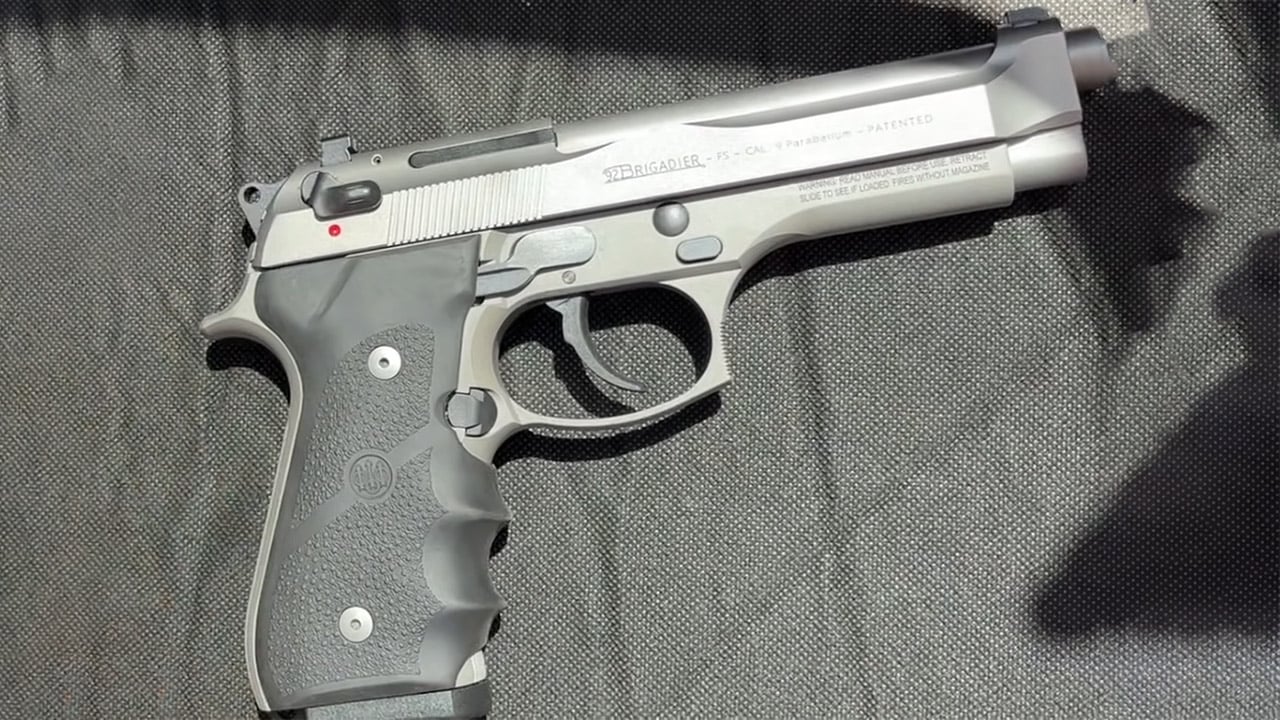
The 92 platform is common, but the details matter. A true factory “G” decocker-only setup is a big deal for shooters who don’t want a safety lever staying down. Add the Brigadier slide, and you’ve got a gun that feels a little steadier up top and tends to run forever if you keep springs fresh.
Collectors latch onto these because the exact configuration comes and goes. Beretta does runs, agencies order batches, then the market dries up. You can convert some variants, but factory markings and factory parts are what collectors chase. If you’ve got a real one that hasn’t been swapped into a Frankenstein build, it’s the sort of pistol you don’t toss in a trade deal just to try something new for a month.
15. SIG Sauer P228 (German “folded slide”)

The P228 is one of those 9mms that just feels right in the hand. The balance is excellent, the recoil impulse is soft, and it carries better than you’d think for a double-stack metal gun. It’s not flashy, but it’s a pistol you can shoot well without wrestling it.
Collectors treat the German P228s differently than later variations. The “folded slide” era guns have a vibe and a build style you don’t see anymore. Police and military history plays into it too, and that always adds demand. When you sell a clean one with matching parts and original mags, you might not feel it immediately. Then you go looking later, and you realize most of what’s left has been rode hard or priced like it belongs behind glass.
16. Smith & Wesson 3913 (3rd Gen)
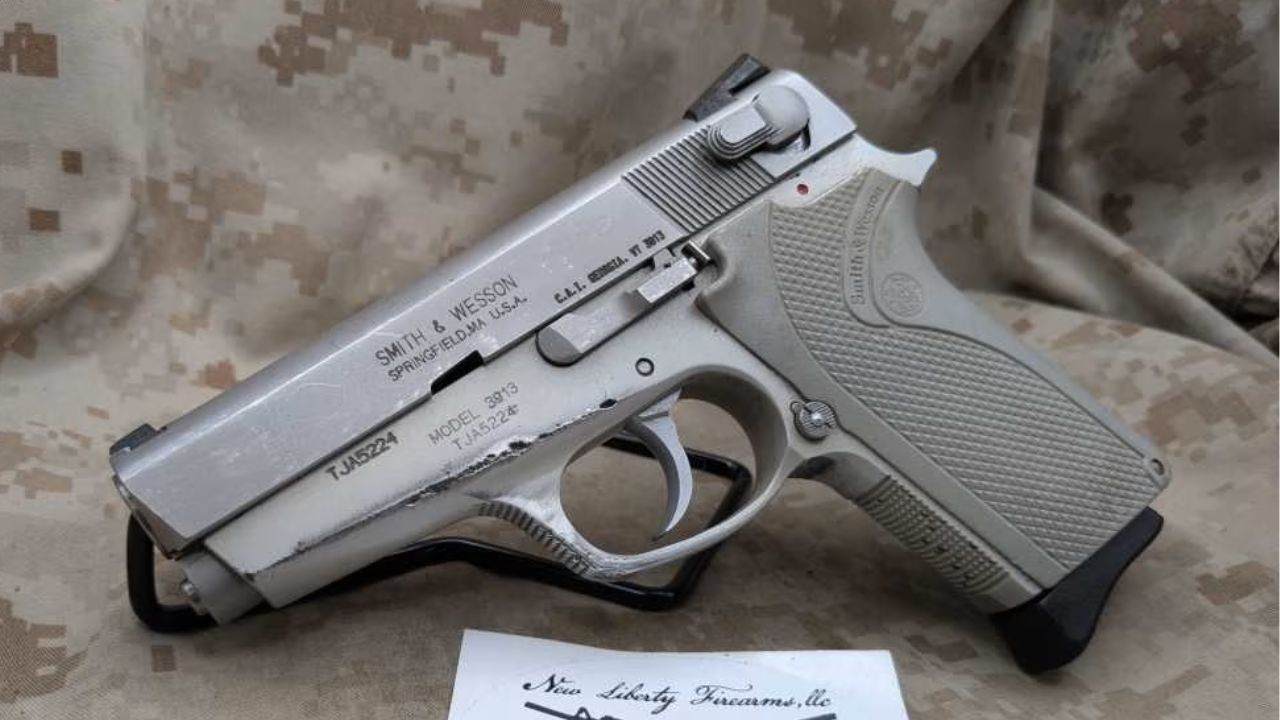
If you carried in the era before micro-compacts took over, the 3913 makes a lot of sense. Slim, reliable, and sized right for belt carry without feeling like a brick. The single-stack magazine is the tradeoff, but it’s also why the gun disappears under a flannel or a coat.
Collectors and practical shooters both hold onto them because the whole S&W 3rd Gen line is basically a finished chapter. The guns are tough, but small parts and factory support aren’t getting better with time. A clean 3913 with good magazines is still a very usable carry gun, not just a nostalgia piece. When you find one that hasn’t been abused, it’s hard not to think, “I should probably keep this.”
17. Glock 17L (factory long-slide)
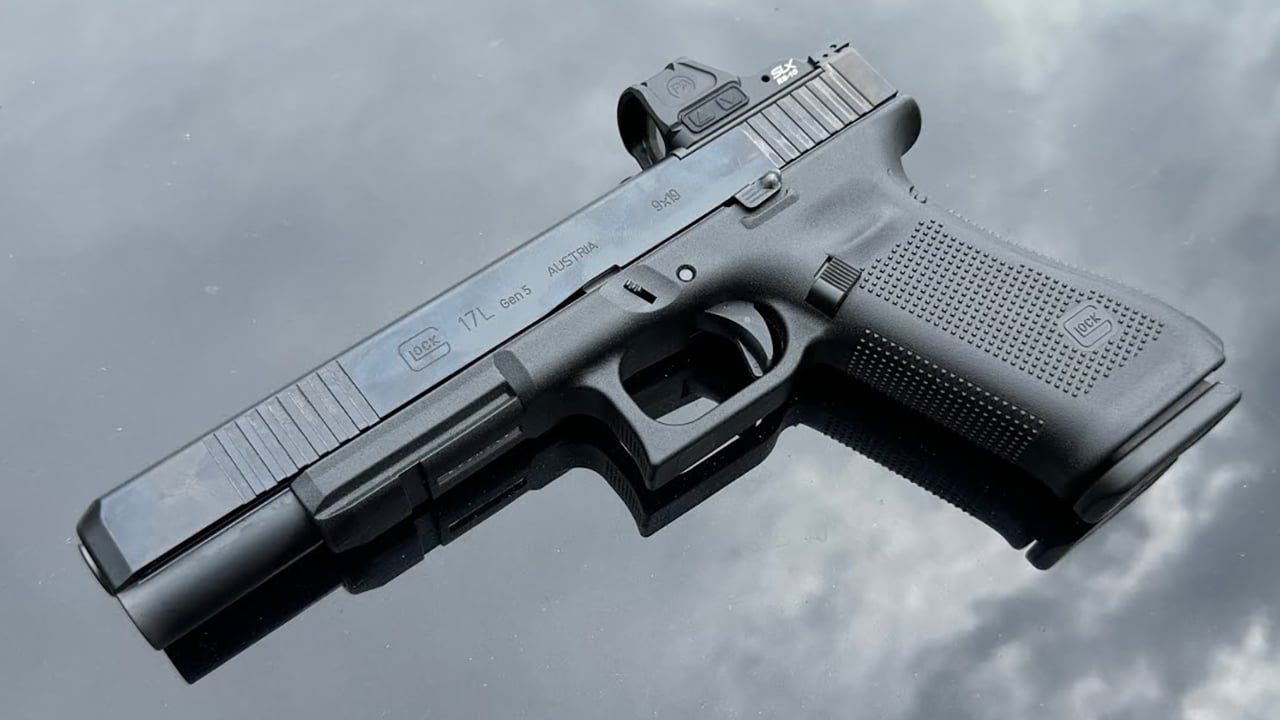
It’s a Glock, so it’s not rare in the “unobtainable” sense, but the 17L is one of those models that appears, disappears, then suddenly everybody wants one again. The long sight radius and softer feel make it a sweet shooter for range work, especially if you like simple, reliable pistols with easy-to-find magazines.
Collectors treat them carefully because production isn’t consistent. You’ll see a run come through, then it dries up and the used market gets proud. It’s also the kind of pistol that gets bought, shot a little, then parked, which means unfired or lightly used examples exist—but they don’t always show up when you’re ready. If you have one that shoots straight and isn’t beat up, it’s easy to understand the “hang onto it” mindset.
18. Ruger Security-Six (early production)
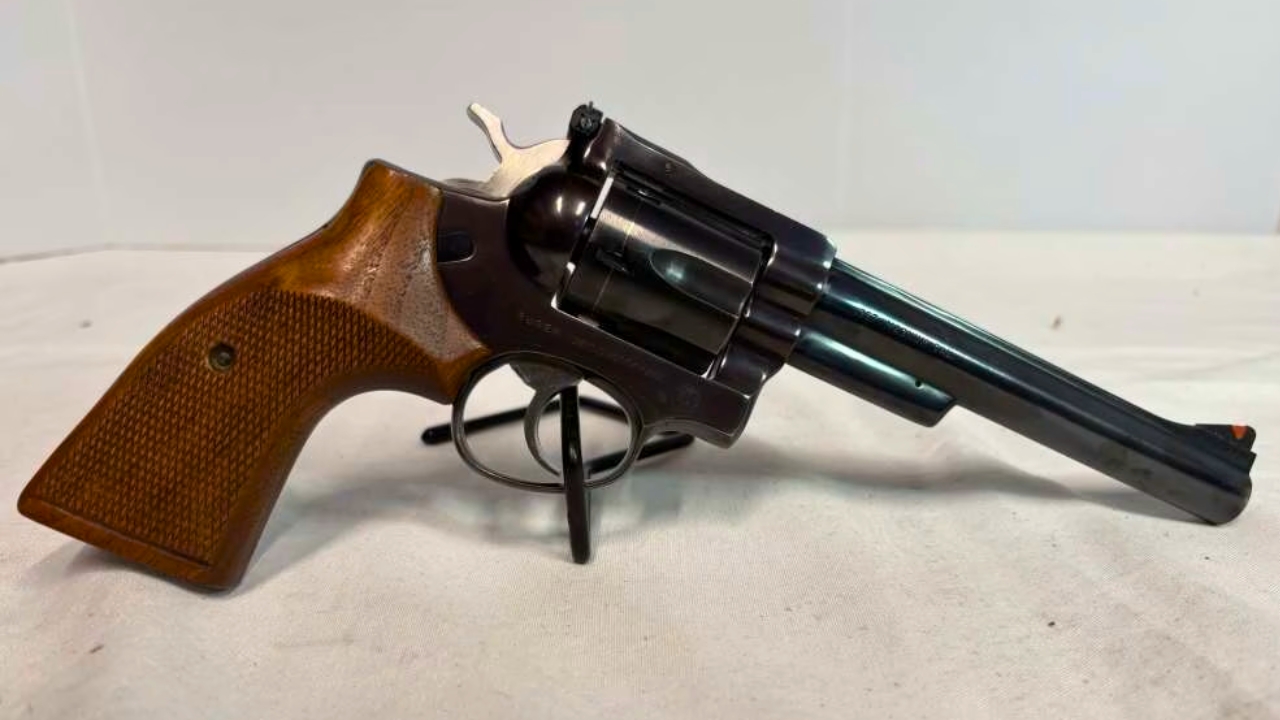
The Security-Six is a working revolver, plain and tough, and it still makes sense as a woods gun. It’s strong enough for serious .357 use, it carries better than some of the bulkier options, and it doesn’t mind getting scuffed up. There is nothing fancy about it, and that is kind of the point.
Collectors grab the early ones because they represent a time when Ruger was turning out rugged revolvers at a price regular folks could swing. Many of these lived in glove boxes and tackle boxes, so finding one with a clean forcing cone, tight lockup, and decent finish is getting harder. It’s also a model line Ruger moved on from, so the exact “feel” of the Six series is its own thing. Ask me how I know: selling a good one is easy; replacing it with an equally good one is not.
19. Kimber K6s (DASA, early runs and special variants)
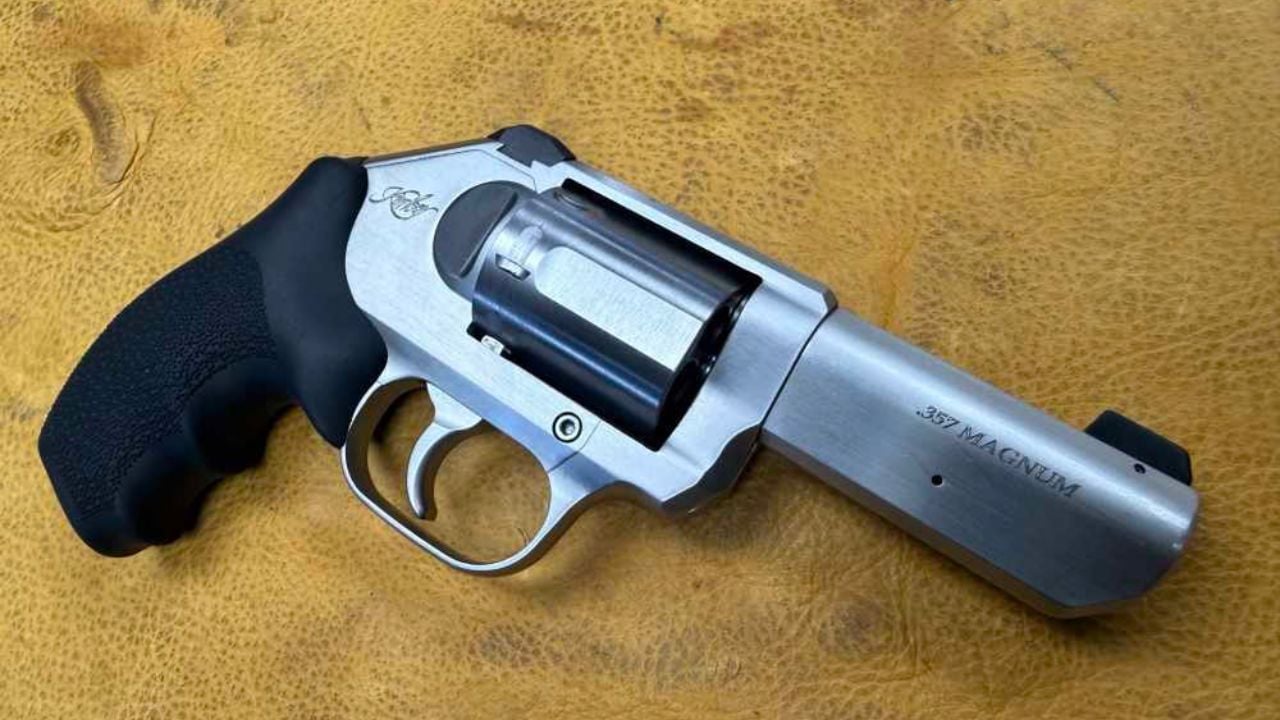
The K6s surprised a lot of revolver guys. Six rounds in a small-frame .357 package is appealing, and the gun carries well while still being shootable. Some variants are better than others, but a good K6s has a tight, modern feel without being bulky.
The collector pressure comes from how Kimber has shuffled models and variants. Certain versions show up briefly, then vanish, and the used market doesn’t always distinguish what you’re looking at. If you find one that has the trigger feel you like and it hits to the sights with your preferred .38 +P or .357 load, you tend to keep it. Small revolvers are personal, and when one fits, you stop wanting to roll the dice again.
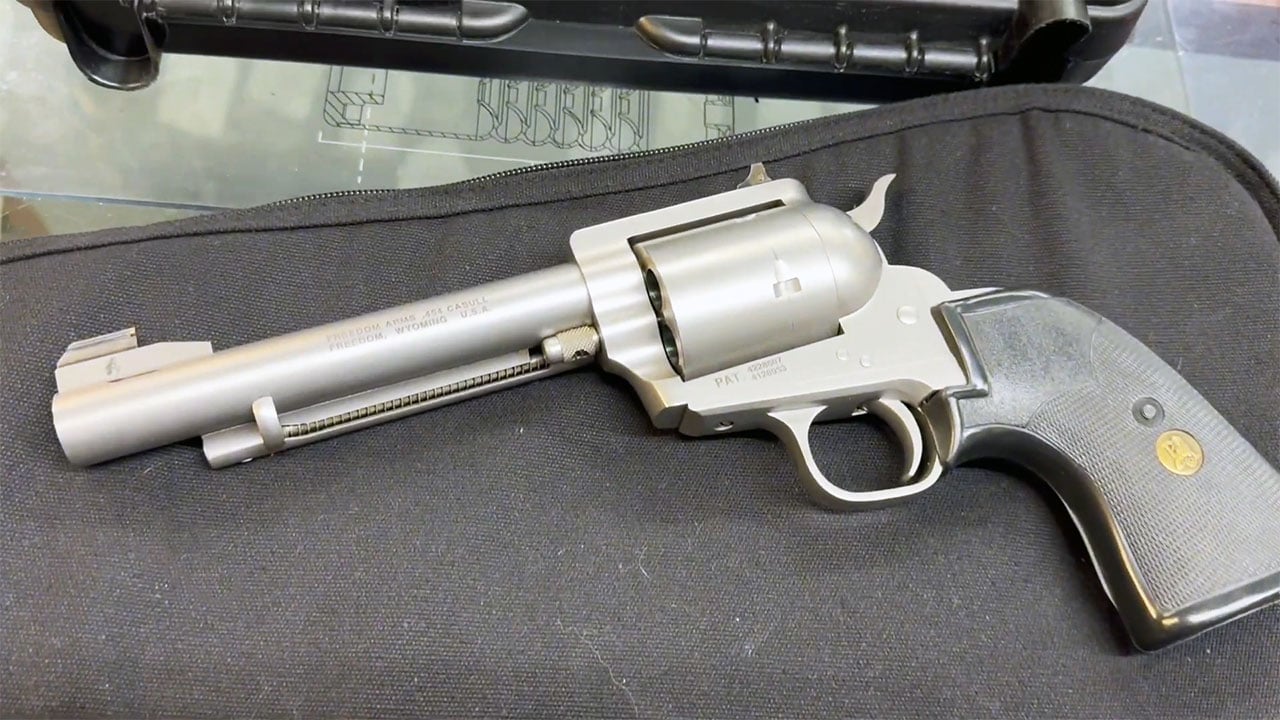
20. Freedom Arms Model 83 (.454 Casull)
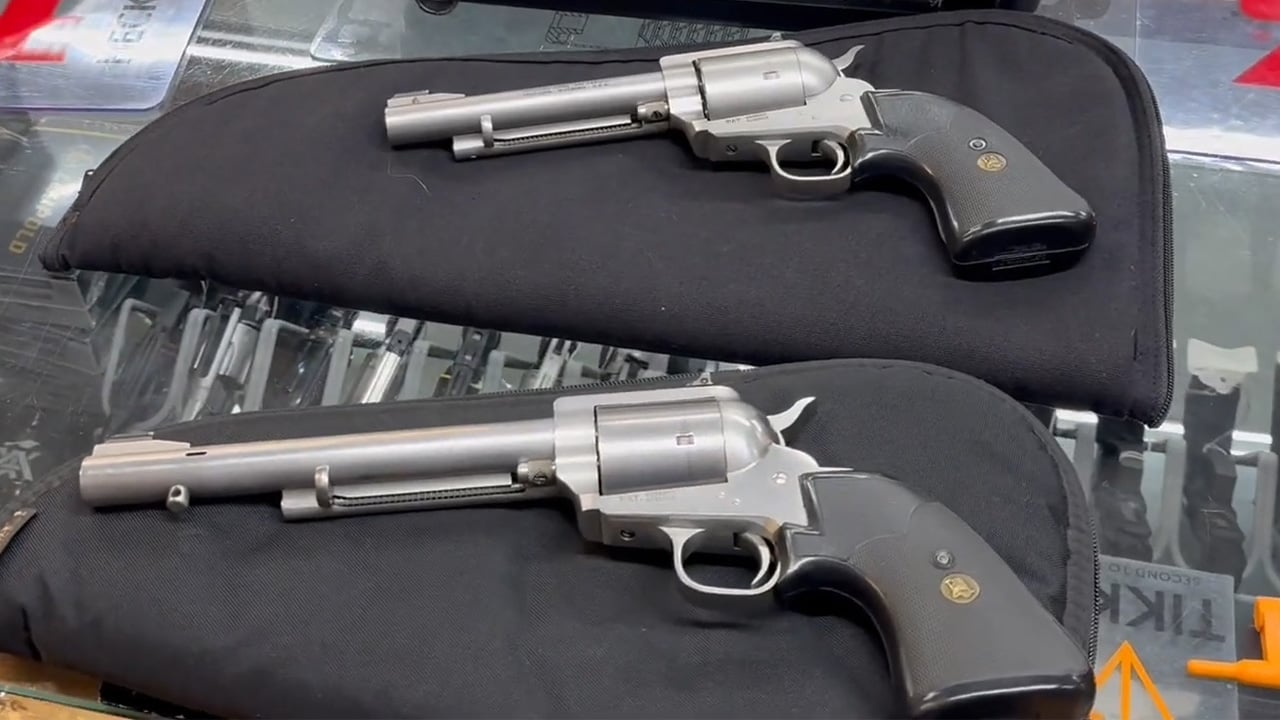
This isn’t a casual handgun. It’s a serious revolver for serious cartridges, and it’s built to a standard you can feel in the cylinder lockup and the way the action runs. If you hunt with a handgun or spend time in big country where you want a heavy hitter, a Model 83 is one of those “buy once” tools.
Collectors treat them like they’re not replaceable because, in a way, they aren’t. They’re expensive new, used ones don’t always show up in the barrel length and finish you want, and condition matters a lot when you’re talking about heavy loads and hard use. On top of that, the people who buy Freedom Arms usually aren’t impulse buyers. They keep them. When one lands in a display case, it tends to get picked up fast by someone who already knows exactly what it is.
None of this means you should never trade a handgun. Sometimes you need the money, sometimes you’re simplifying, and sometimes a gun just doesn’t fit you. But if you’re staring at one of these with a “maybe I’ll move it” feeling, it’s worth slowing down. The older I get, the more I realize the hard part isn’t buying a gun. The hard part is finding the same one again when you finally admit you made a mistake.
Like The Avid Outdoorsman’s content? Subscribe to our newsletter so you never miss an article.
Here’s more from us: