Photo credit: JAS-Skogaas/Youtube
Walk into a small-town gun shop on a weekday and you’ll see it: a rack full of new rifles that all kind of look and feel the same, and an empty space where the oddballs used to sit. The older rifles that had real personality—different actions, different safety setups, different handling—are showing up less and less. And when they do show up, they’re usually already spoken for.
This isn’t just collector talk. Some of these rifles filled a niche that modern production doesn’t bother with anymore. Others were built in a way that’s expensive to replicate today. And a few are just victims of changing tastes: detachable mags, optics-ready rails, and lightweight everything. I like modern rifles fine, but there are older models that still do certain jobs better, and they’re getting harder to replace every season.
1. Remington Model 7600
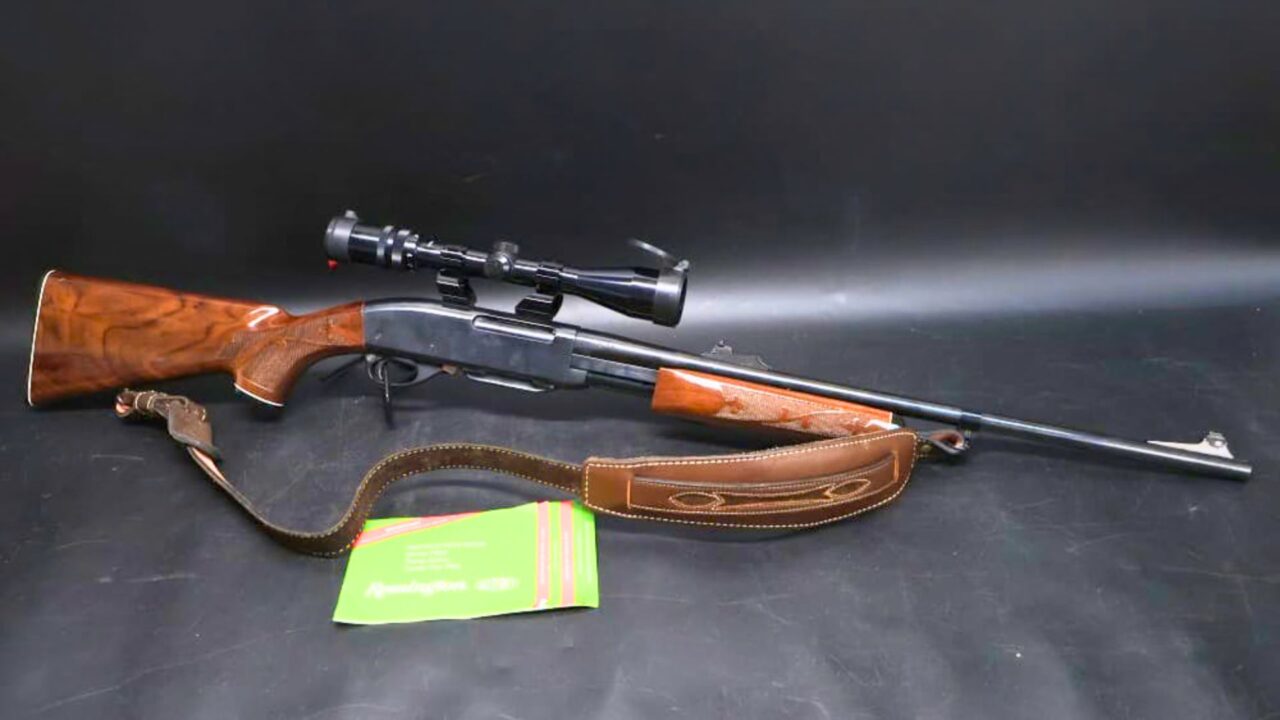
If you’ve hunted thick timber where a quick follow-up shot actually matters, you understand the pump rifle. The 7600 points like a shotgun, cycles fast without breaking your cheek weld, and carries well through brush. There’s nothing tactical about it, which is exactly why it worked for so many deer hunters.
Once they stopped making them, the supply dried up fast. The remaining ones get passed around family circles or sell instantly when a shop gets one in. Modern replacements exist “kind of,” but they don’t feel the same in the hands, and they rarely have that same plain reliability and parts familiarity that the 7600 crowd depended on.
2. Remington Model 7400
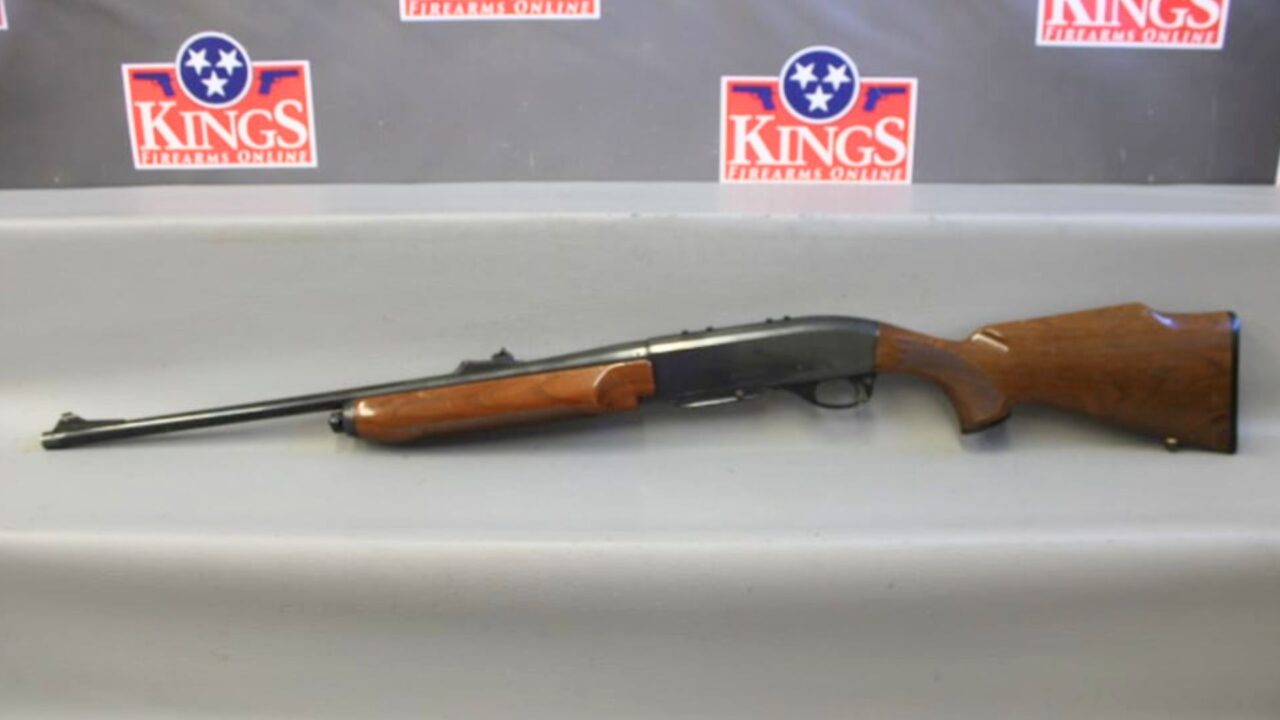
The 7400 has a reputation that depends on who you ask. Some ran forever; some got finicky if they were neglected or run hard with dirty ammo. Still, for a lot of hunters it was the first semi-auto deer rifle that didn’t feel like a boat anchor.
What’s getting scarce isn’t just the rifle—good magazines and clean examples are the real trick now. A modern semi-auto in a hunting cartridge usually means a different platform and a different price bracket, and it doesn’t scratch the same “simple woods rifle” itch.
3. Winchester Model 94 (pre-64 and early post-64)

There are lever guns and then there’s the 94. It’s light, it carries flat, and it’s about as “grab it and go” as a deer rifle gets. In .30-30, it’s still one of the most useful hunting combinations ever made for normal woods ranges.
New production lever guns exist, sure. But the old Winchesters have a feel to the action and a balance that a lot of current rifles don’t quite match, even when the new ones are objectively well-made. When you handle a slick, honest-used 94 with most of its blue worn off, you get it.
4. Marlin 336 (JM-stamped)
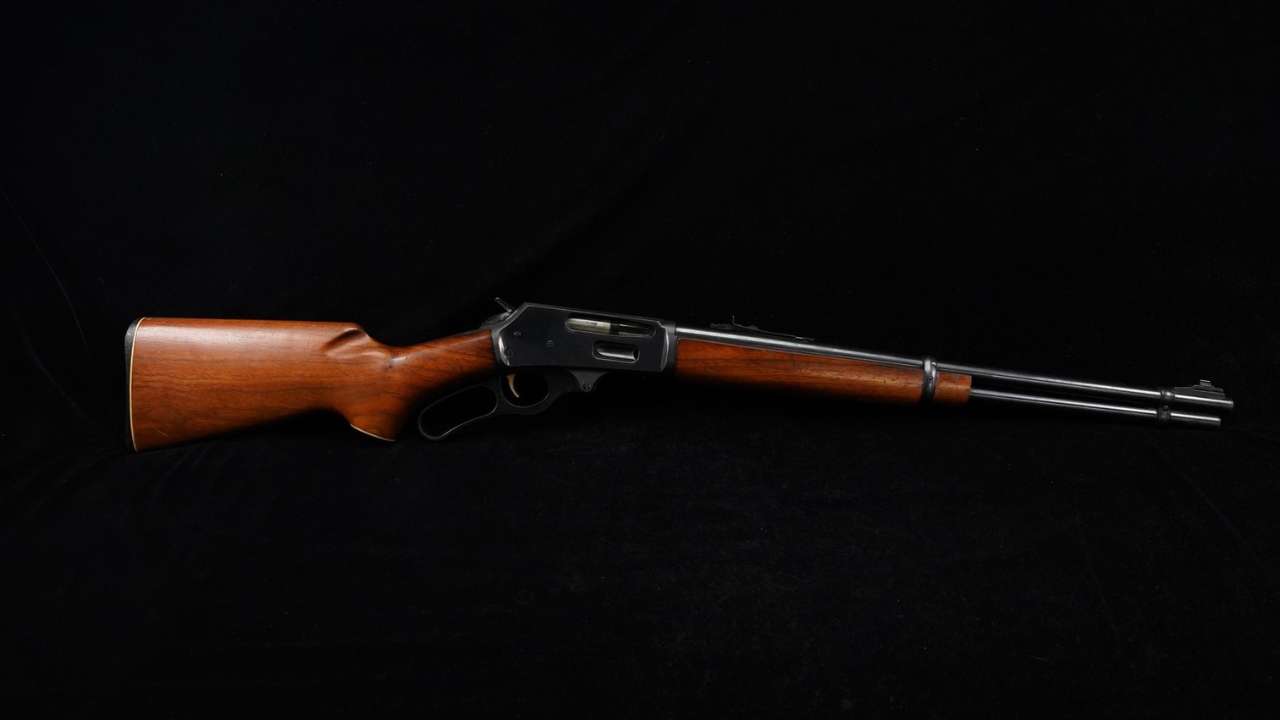
The JM-stamped 336 is the lever gun that makes folks argue at the gun counter. Smooth action, solid lockup, good accuracy for what it is, and it just flat works in the rain and snow. They were deer camp staples for a reason.
Modern Marlins are improving and some are excellent, but they’re not the same rifle in the way buyers mean it. The older ones have that “already proven” feel, and the supply keeps shrinking because owners don’t let them go unless they have to.
5. Ruger Model 77 (tang safety, M77/RS and early M77)
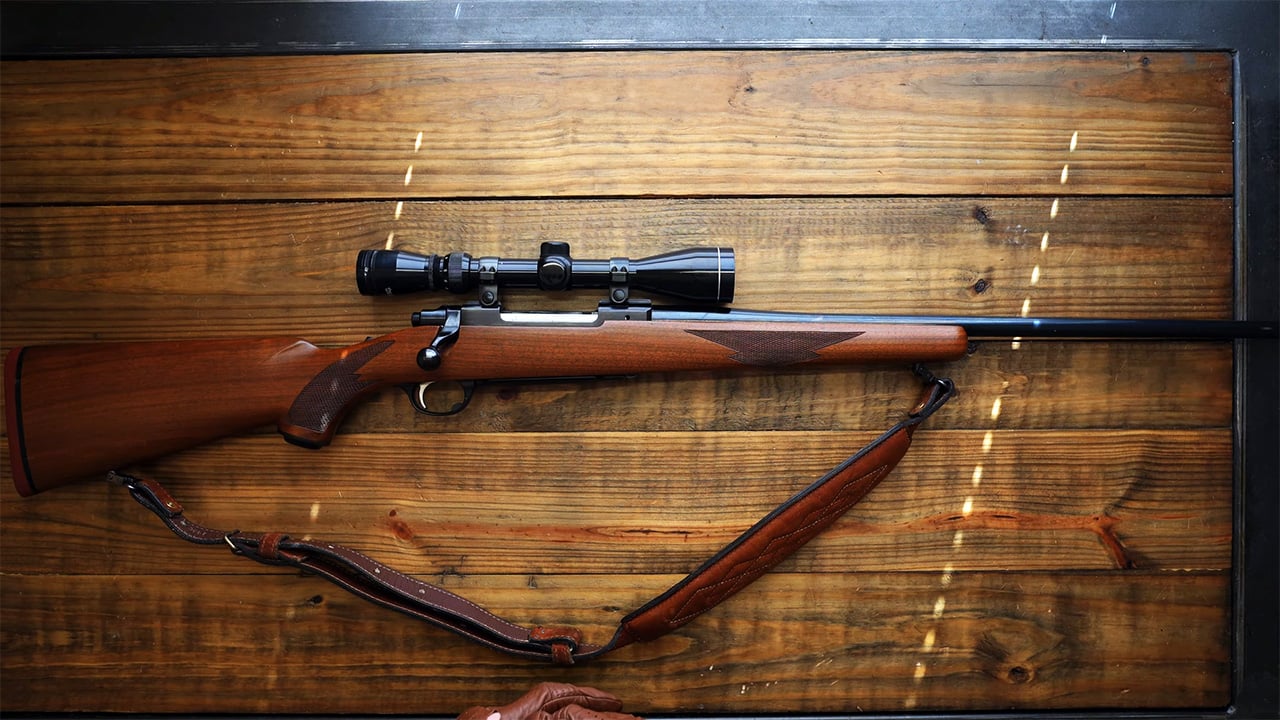
The tang-safety Ruger 77 is one of those rifles that just sits right on the shoulder. The safety location is natural, especially with gloves, and the rifle has an old-school ruggedness without feeling clunky. They were built for hunters, not for catalogs.
Ruger makes good rifles now, but the tang-safety era has a following for a reason. When you find one that hasn’t been bubba’d—no drilled extra holes, no hacked stock—you’d be smart to pause before you pass.
6. Ruger M77 Mark II (controlled-round feed)
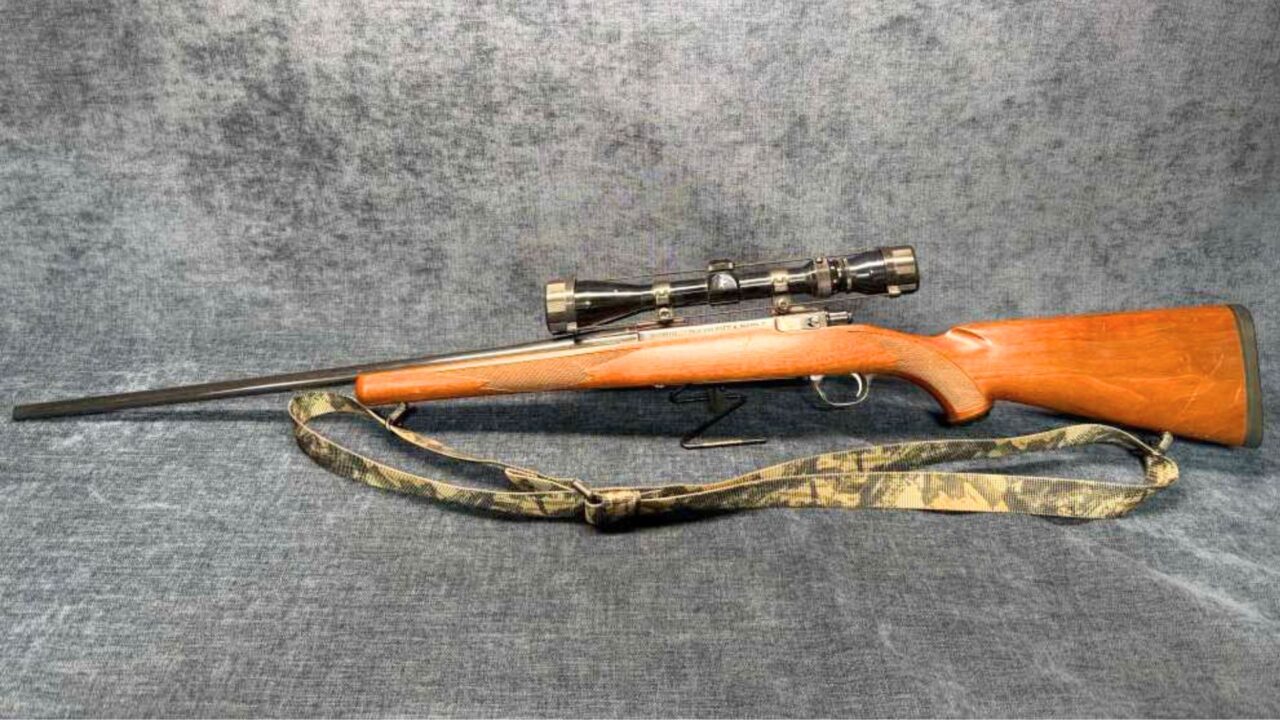
This one is more common than some on this list, but clean examples are getting picked off. The Mark II controlled-round feed action is confidence-inspiring on a cold, wet elk hunt when you’re tired and moving too fast. It feeds like it means it.
Plenty of modern bolt guns are accurate, but not many are built with that same “hard use is expected” vibe at a reasonable used price. The Mark II is boring in the best way. There’s nothing fancy about it, and that is kind of the point.
7. Savage Model 99

The Savage 99 is one of the coolest “working man” rifles America ever had. Rotary magazine, slick lever action, and chamberings that punched above their weight in the deer woods. It’s a lever gun that doesn’t have to live in the .30-30 lane.
There’s no real modern stand-in. You can buy a new lever gun, but not one that feels like a 99 and offers that same blend of design and practicality. When a nice 99 shows up, it’s usually priced like the shop owner knows exactly what it is.
8. Browning BLR (steel receiver, early production)

The BLR is for the hunter who wants lever-gun handling but doesn’t want to give up modern cartridges. Detachable magazine, strong action, and it’ll run pointy bullets without drama. It’s a real tool, not just nostalgia.
The older steel-receiver guns have a fit and feel that’s getting harder to find. New BLRs are still around, but the early ones have become their own category, and parts/mag availability can turn into a scavenger hunt if you didn’t plan ahead.
9. Sako L461 “Vixen”
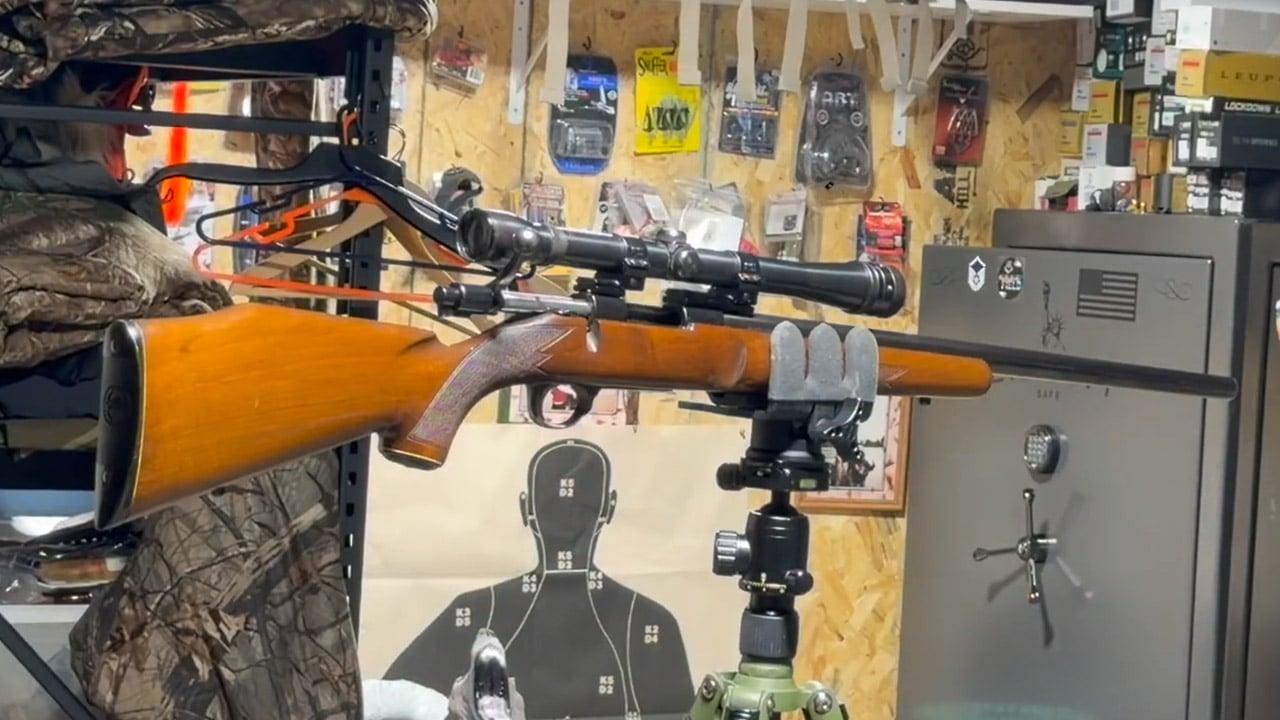
If you’ve ever cycled a good Sako bolt, you know why they’re loved. The Vixen is small, smooth, and built like somebody actually cared about the details. In .222 or .223, it’s a walking varmint rifle that doesn’t feel like a fence post.
Modern rifles can shoot tiny groups, but they often feel disposable. The Vixen feels like an heirloom that also happens to be deadly accurate. Clean ones don’t sit long, and they’re not getting cheaper.
10. Sako L579 “Forester”

The Forester is that sweet spot for .243/.308-class rifles—balanced, classy, and practical. It carries like a hunting rifle should, not like a target rifle pretending to be one. The action is smooth without feeling loose.
What’s scarce is the combination of quality and common-sense design at a “normal” weight. New rifles often chase ultra-light or chassis-heavy. The Forester just hunted, season after season, without needing a new trend to justify its place.
11. Winchester Model 70 (pre-64)
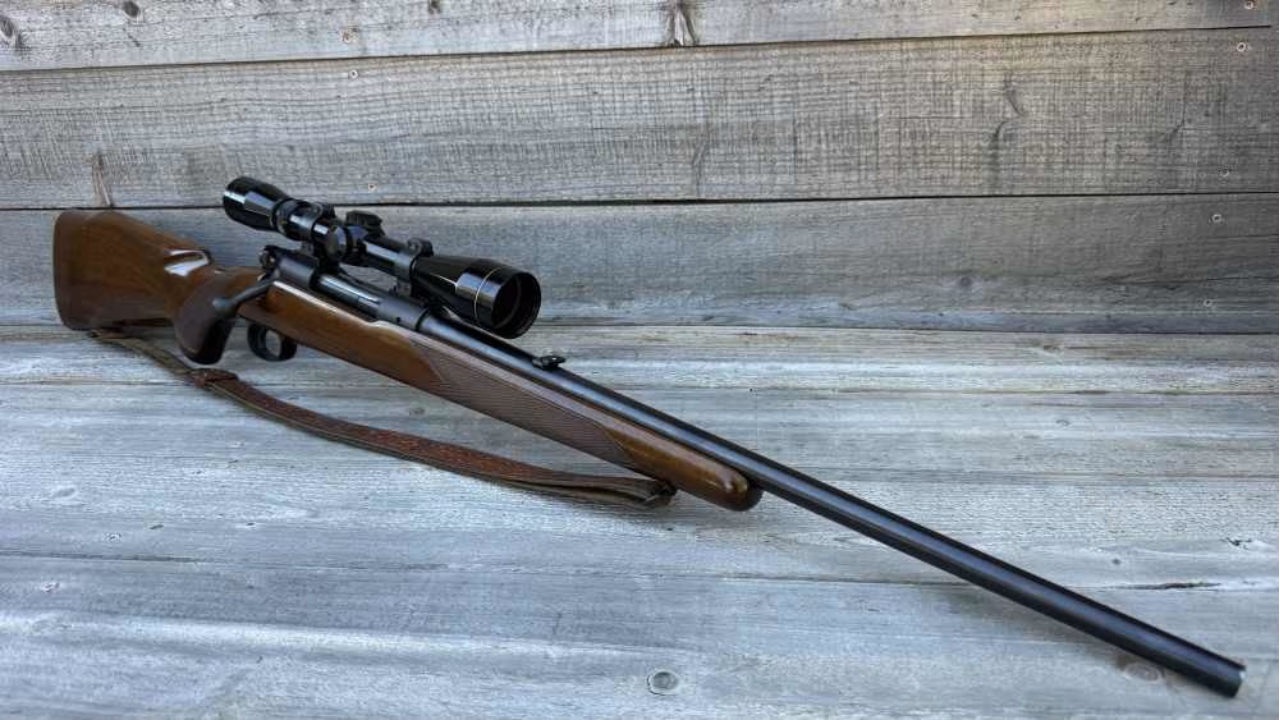
This one’s obvious, but it’s on the list because it keeps getting truer: fewer clean pre-64s are floating around every year. The action feel, the craftsmanship, the history—everybody knows what it is the moment you work the bolt.
Winchester has made good Model 70s in different eras, but the pre-64 is its own animal. It’s also the kind of rifle that gets “upgraded” in the worst ways—sanded stocks, hot bluing, drilled holes—so original examples are thinning out.
12. Winchester Model 70 “Classic” (controlled-round feed, 1990s-2000s)

The “Classic” CRF Model 70s are sleepers compared to the pre-64 hype. They’re strong, they feed great, and many of them shoot better than folks expect from a factory hunting rifle. They were made to be used, not just admired.
They’re getting scarcer because hunters who own them tend to keep them. Also, they’re old enough now that the nicest ones are no longer the ones left behind at estate sales. The good ones get snagged early.
13. CZ 527
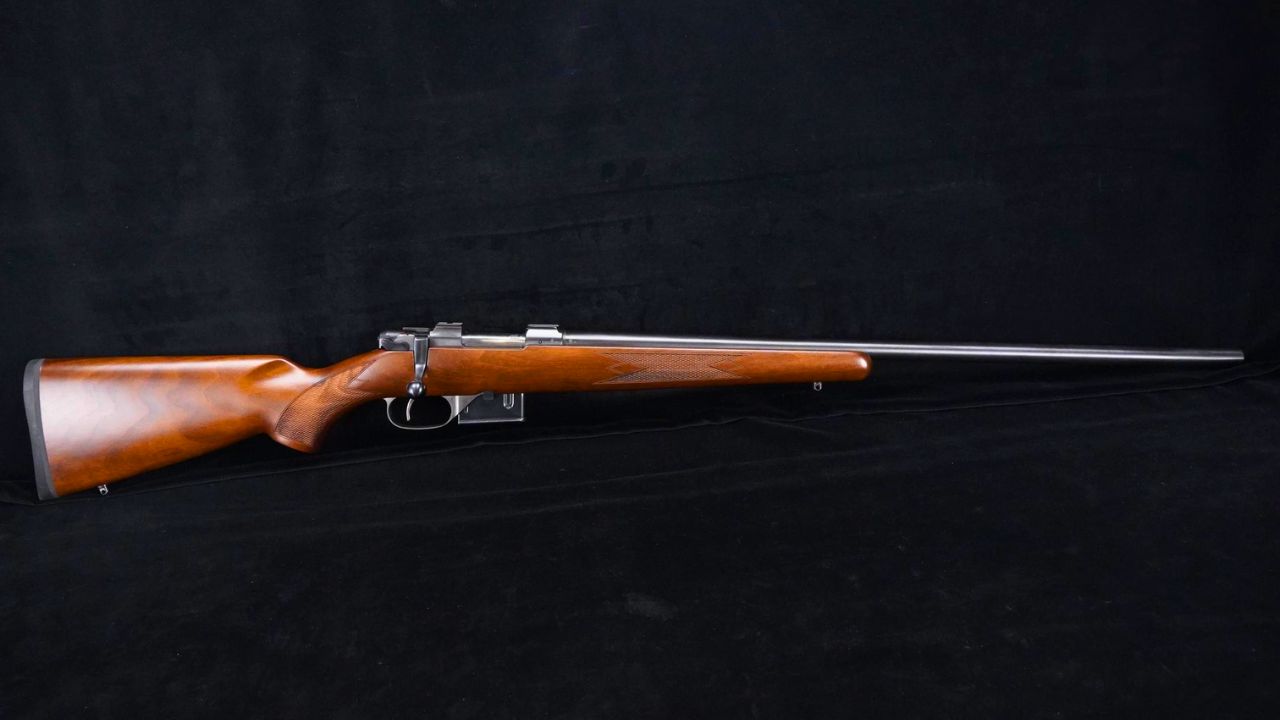
That little CZ 527 is the rifle a lot of folks didn’t appreciate until it was gone. Mini Mauser action, set trigger on many models, great handling, and it made small cartridges feel “right.” It’s a walk-and-stalk predator rifle that doesn’t drag you down.
There are other small bolt guns, but the 527’s blend of feel, accuracy, and old-school design is hard to duplicate. Magazines aren’t impossible, but they’re not getting easier either. If you’ve got one that runs, I would not be quick to let it go.
14. Remington Model 700 CDL SF Limited (stainless fluted, older runs)
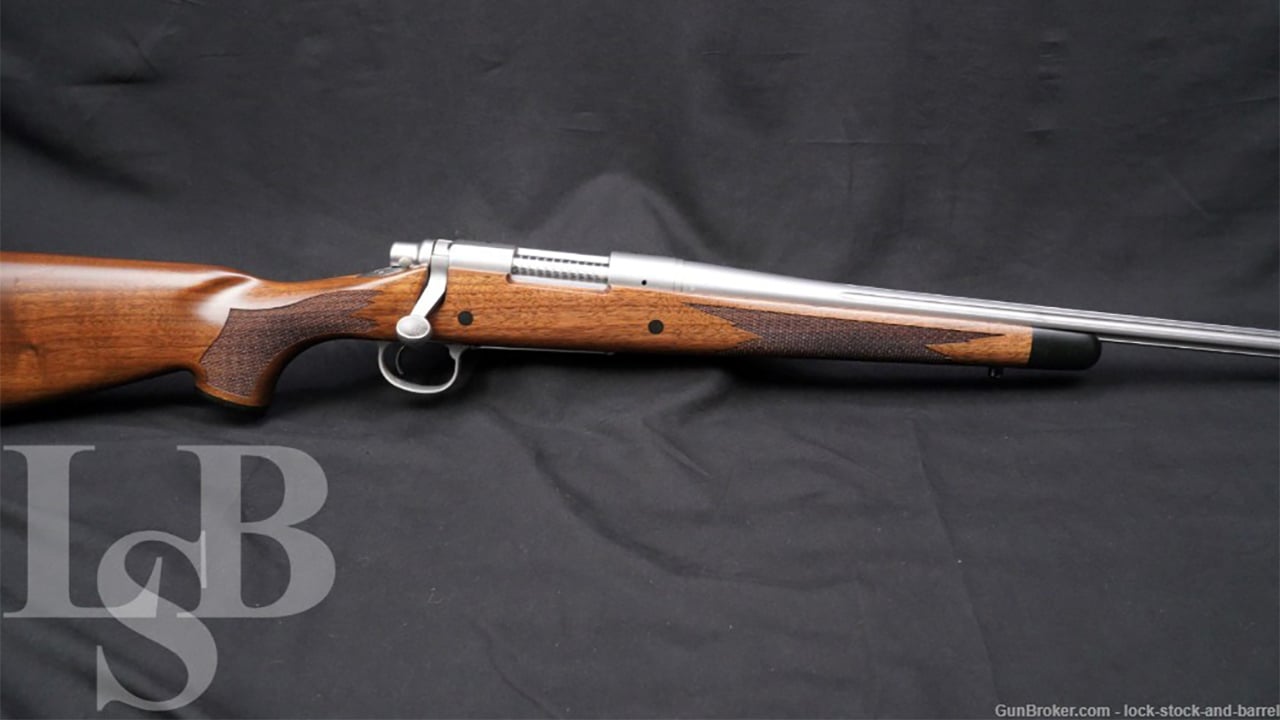
I’m not going to pretend every Remington 700 variant is special. But some older limited runs hit a perfect mix: stainless, fluted barrel, decent stock lines, and a “classic rifle” look without being delicate. They were the kind of rifle you could hunt hard and still be proud to hand down.
What’s disappearing is that specific factory package. Today you can piece together similar features, but it’s not the same as finding an un-messed-with factory rifle that already balances right and doesn’t need a parts list to become useful.
15. Kimber 84M (early production, Montana/Classic)
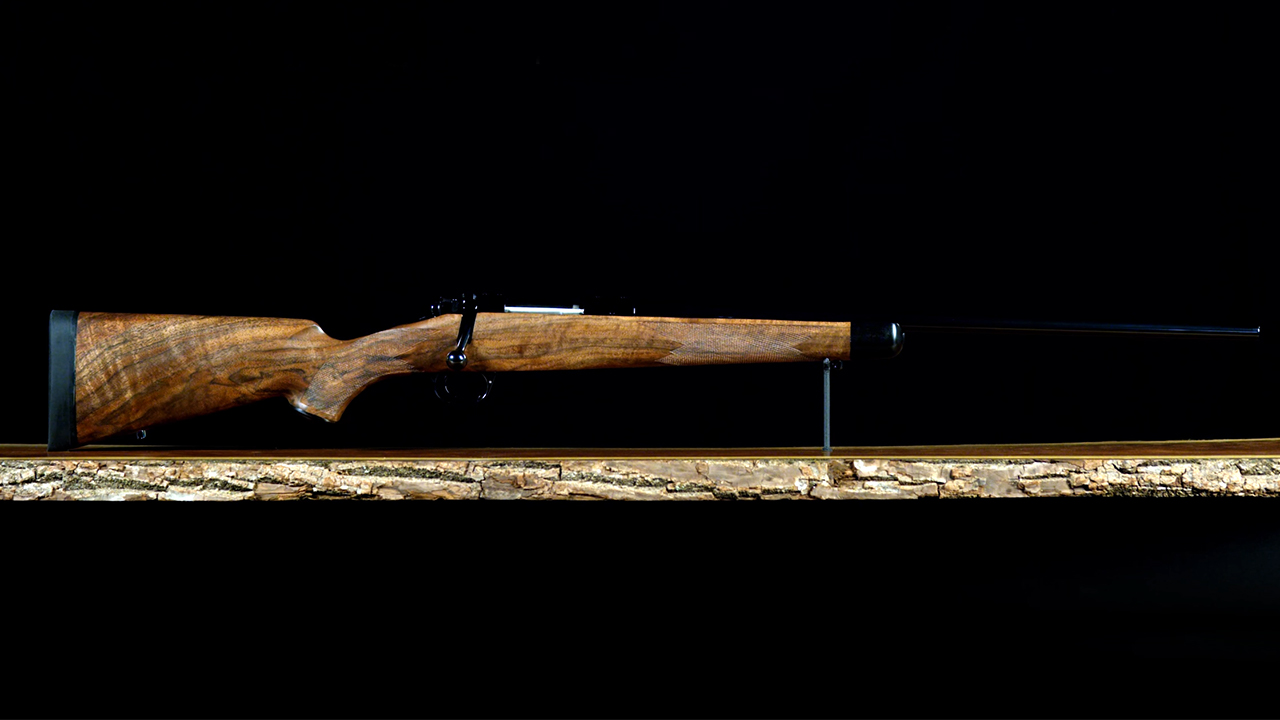
The Kimber 84M is a love-it-or-hate-it rifle, mostly because ultra-light rifles are unforgiving. But when you get a good one, it carries like a dream. For mountain hunts or long walks on private ground where you’re covering ridges all day, weight matters.
Early, clean examples are getting harder to find because the guys who figured them out keep them. New light rifles exist, but the feel and trim dimensions of the 84M are hard to copy without jumping into even higher prices.
16. Steyr Mannlicher “Schoenauer” (classic full-stock models)
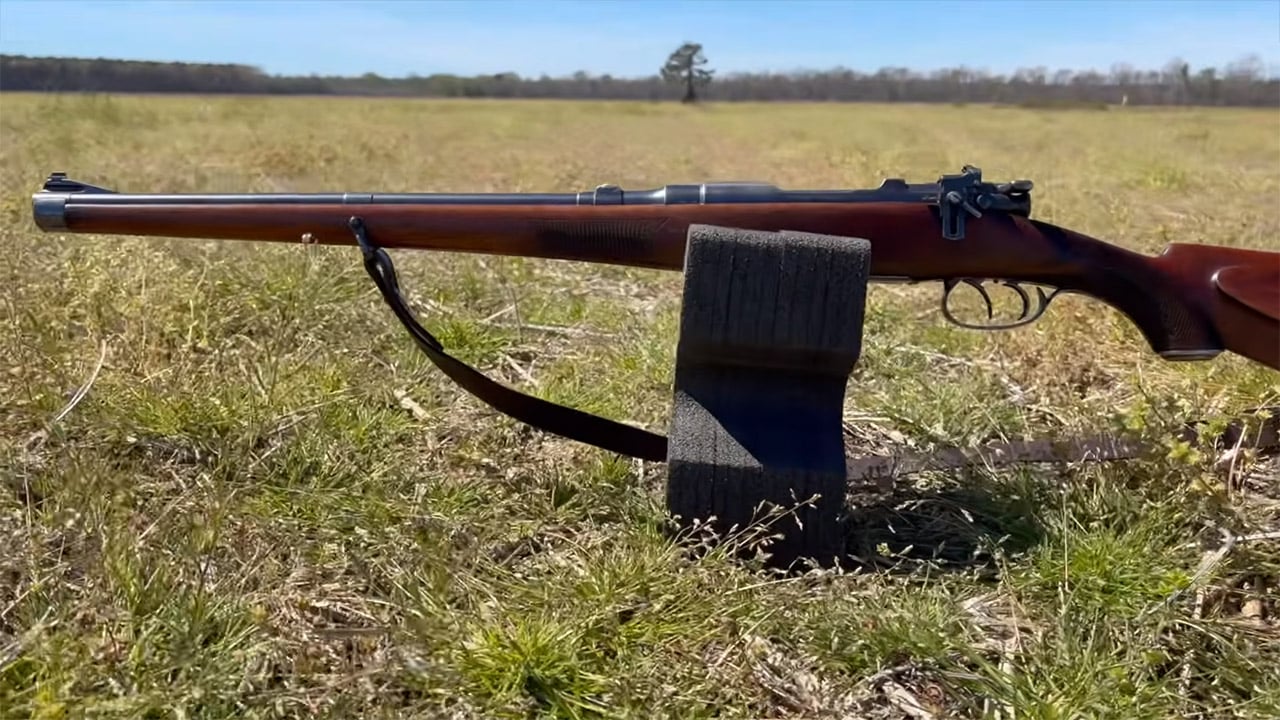
These aren’t everybody’s cup of coffee. Full-stock rifles can be picky about heat and contact points, and they’re not built for dump-truck abuse. But as a carried rifle—one you actually tote through the woods—they’re special.
Modern rifles don’t really do this anymore, not in a common way. The craftsmanship is expensive, the style is niche, and most companies aren’t interested in tying up production for a rifle that won’t appeal to the “bolt gun plus rail” crowd.
17. Mannlicher-Schönauer Model 1952/56
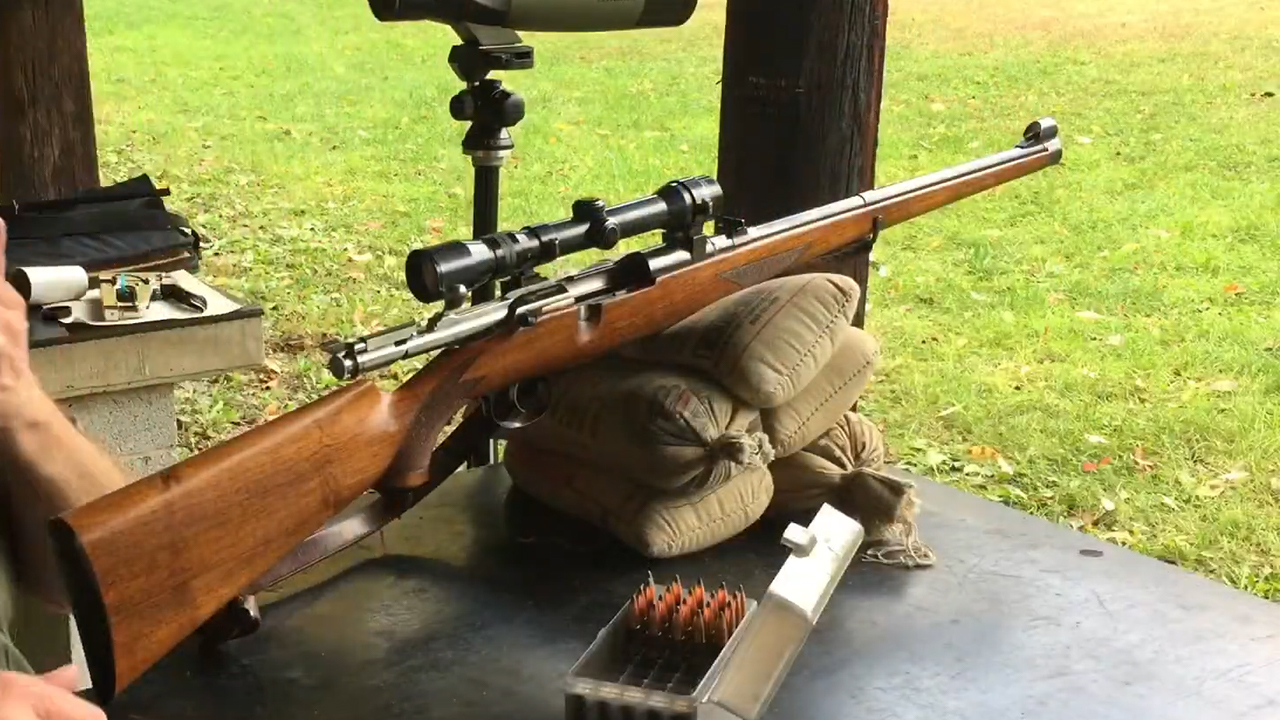
There’s smooth, and then there’s Mannlicher-Schönauer smooth. The rotary magazine system and the action feel are hard to describe until you run one. It’s the kind of rifle that makes you slow down and shoot better.
The downside is obvious: parts and support aren’t like buying a modern mass-produced gun. That’s exactly why they’re getting scarcer, though—owners who have them tend to baby them and keep them close.
18. Colt AR-15 SP1
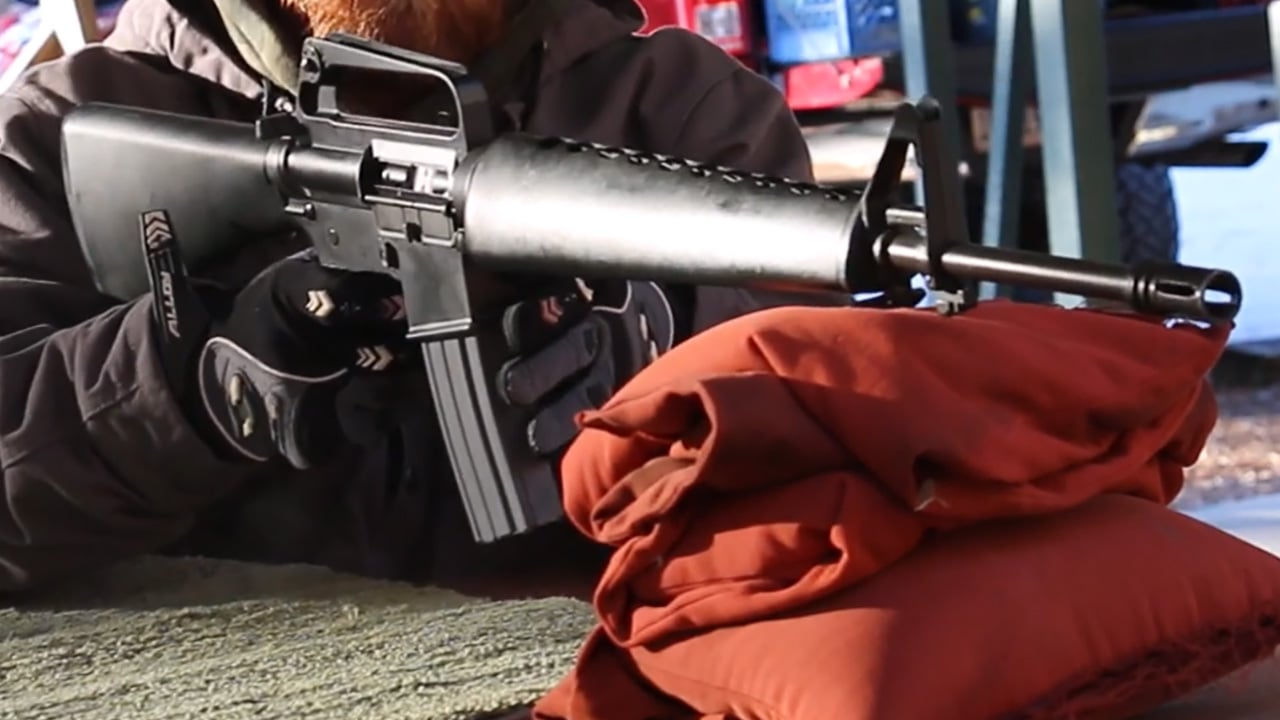
The SP1 is the lightweight, simple AR that a lot of modern builds accidentally try to recreate. Pencil barrel, slick carry handle profile, and a balance that feels fast. You pick it up and wonder why you ever thought every AR needed to be front-heavy.
It’s not a “better fighting rifle” than modern setups. It’s just a different kind of useful. Original SP1s are drying up because they’re collectible, but also because they’re fun to actually shoot, and that keeps them out of circulation.
19. Springfield Armory M1A (older, USGI-parts heavy rifles)
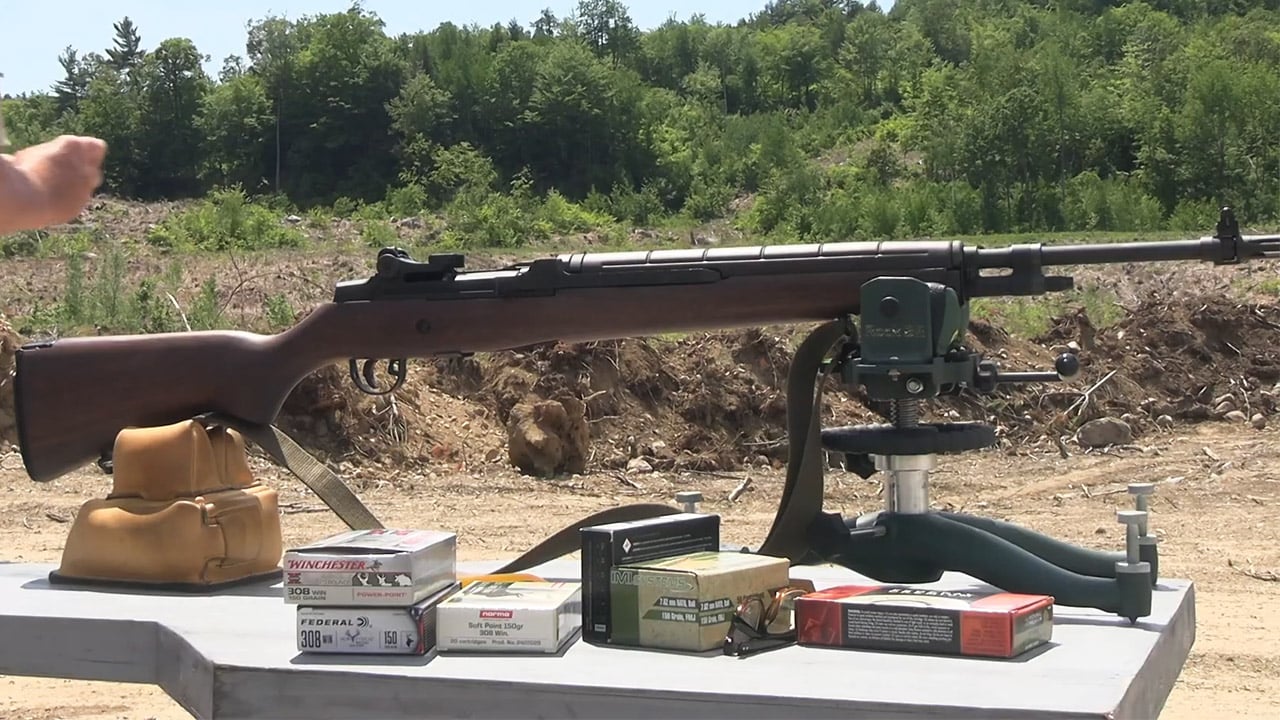
The M1A is heavy, not cheap, and not the easiest thing to scope. Still, there’s a reason it keeps getting pulled out of safes. The sight picture is excellent, the rifle has a rhythm to it, and it hits with authority in .308.
The older rifles with more USGI parts are the ones getting scarce. Modern production keeps going, but the “old parts, old feel” versions are their own thing, and finding one that hasn’t been messed with is getting tougher.
20. Ruger No. 1

Single-shots aren’t convenient, and that’s why they’re honest. A Ruger No. 1 carries short for its barrel length, balances well, and forces you to shoot like you mean it. For some hunts—especially where you’ve got one clean shot—there’s something satisfying about it.
There’s no real modern replacement because most companies don’t want to build classy single-shots for regular buyers anymore. The No. 1 also lives in a world of odd chamberings, and when you find the one you want, it’s rarely sitting there next week.
If you’ve got one of these rifles and it’s doing what you need, don’t get talked into trading it just because something new showed up with a louder marketing campaign. New rifles are great, but a lot of them are interchangeable in a way these aren’t. The older ones that still earn their keep are getting harder to find for a reason—and once they’re gone, you don’t just replace them. You settle.
Like The Avid Outdoorsman’s content? Subscribe to our newsletter so you never miss an article.
Here’s more from us: