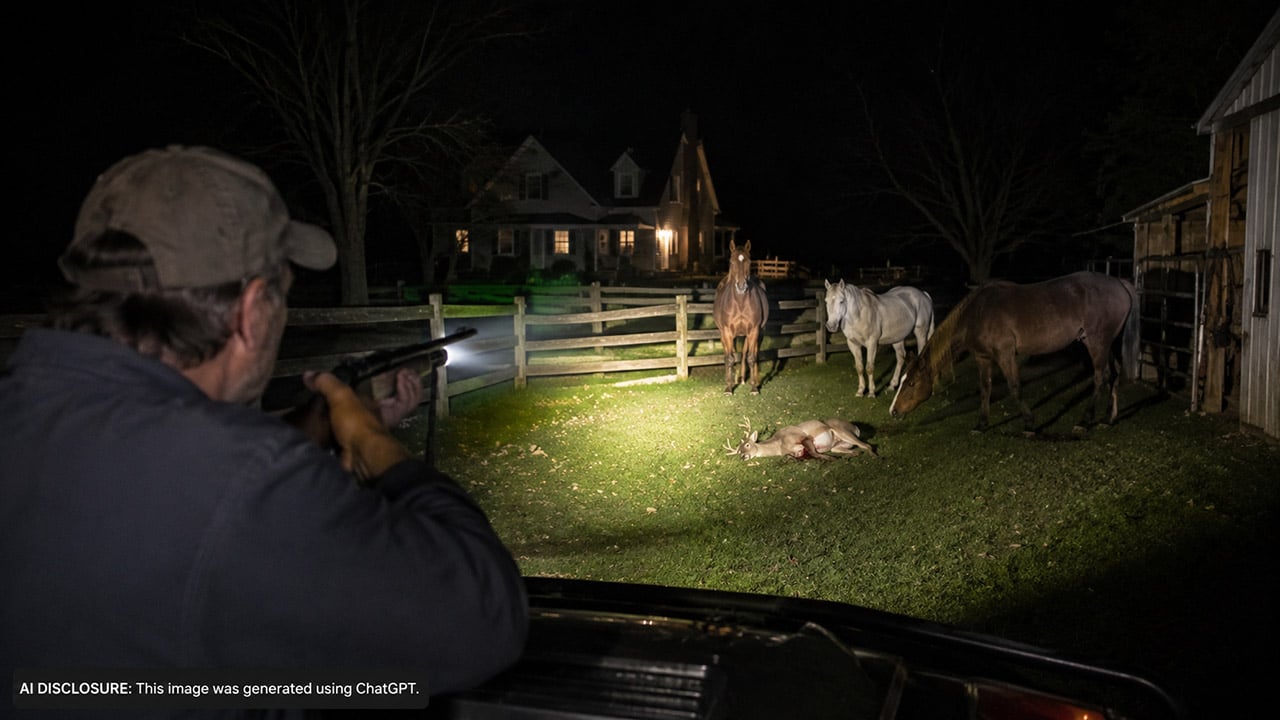
Photo credit: AI-generated image created using ChatGPT. Illustrative only
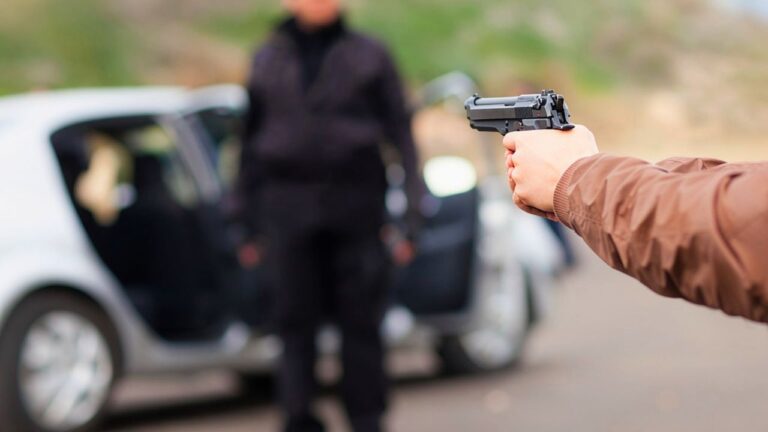
Out in the country, most folks can tolerate a lot. Dogs bark. Tractors run late. Somebody sighting-in a rifle on a Saturday isn’t the end of the world. But when gunfire becomes an every-night routine—and it’s paired with spotlighting and deer being shot close to homes and livestock—that’s when it stops being “rural living” and turns into a real safety problem.
That’s the situation described in the original post, where a landowner says a neighbor has been “shooting all night, every night” for weeks. According to the post, the neighbor even shot a deer in the poster’s yard, where horses were present, and the whole neighborhood is upset. The kicker: the local sheriff is related to the alleged shooter, and the family is asking what recourse they have.
When nightly shooting turns into a safety issue
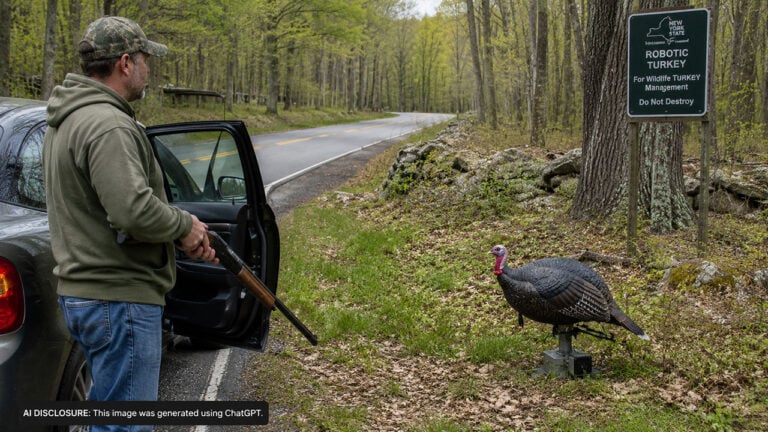
Plenty of law-abiding hunters have used a light to find a downed deer after the shot, or to walk out of the woods. That’s not what this sounds like. The post describes “spotlighting” alongside repeated nighttime shooting, and that combination raises a red flag in most states—both for hunting violations and for public safety.
More than anything, the danger is the “where.” A deer shot in a family’s yard with horses nearby isn’t just irresponsible; it’s exactly how livestock get spooked, fences get crashed, and rounds end up somewhere they were never intended to go. Folks who live rural know bullets don’t care about property lines, and the wrong angle can carry a long way.
A deer in the yard with horses nearby changes everything
Deer are tough animals, and a marginal shot can send one running. When that happens in timber or a cut cornfield, you’ve got room to track, time to think, and usually a safe direction of travel. In a yard—especially one “full of horses”—you’re talking about a tight space full of expensive, reactive animals that can injure themselves in a heartbeat.
Even if nobody gets hit, the risk isn’t theoretical. Horses can blow through gates or wire if they’re startled. And if a deer is shot and runs, now you’ve got a wounded animal moving through someone else’s property, which can drag the entire neighborhood into a mess of liability, trespass, and hard feelings.
The spotlighting/poaching angle isn’t just “annoying”—it’s usually illegal
The post frames this as “poaching spotlighting neighbor shooting,” and that wording makes sense. Many states restrict or outright prohibit shining artificial light from a vehicle or road to locate wildlife, especially deer, and especially at night. A lot of places treat spotlighting as a poaching indicator because it’s a common method used to take deer when nobody’s watching.
There’s also the basic issue of shooting at night. Even where nighttime predator hunting is legal, it’s typically regulated and doesn’t mean you can be firing rounds all night long in a settled area. If someone is truly “shooting all night, every night,” that’s not a normal hunting pattern. That’s a pattern that calls for documentation and outside oversight.
When the sheriff is related, you don’t argue—you document and widen the net
The hard part in this situation isn’t recognizing the problem. It’s knowing who will actually enforce the rules when there’s a family connection at the local level. In small communities, relationships matter—sometimes too much. If the landowner believes the sheriff is related to the neighbor and that it affects enforcement, the best move usually isn’t a loud confrontation at the fence line.
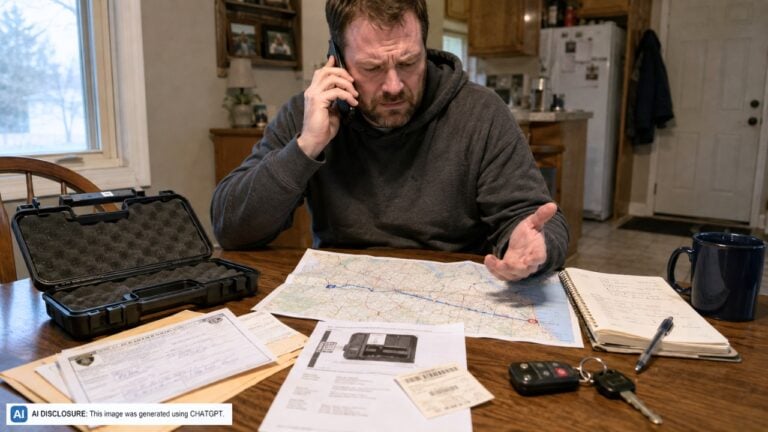
This is where calm, consistent documentation becomes your best friend. Dates, times, what was heard or seen, where rounds were fired, where animals were located, and any property impact. If the neighborhood is upset, it’s also worth getting neighbors to document separately, in their own words, instead of trying to coordinate a single story. Independent accounts carry weight.
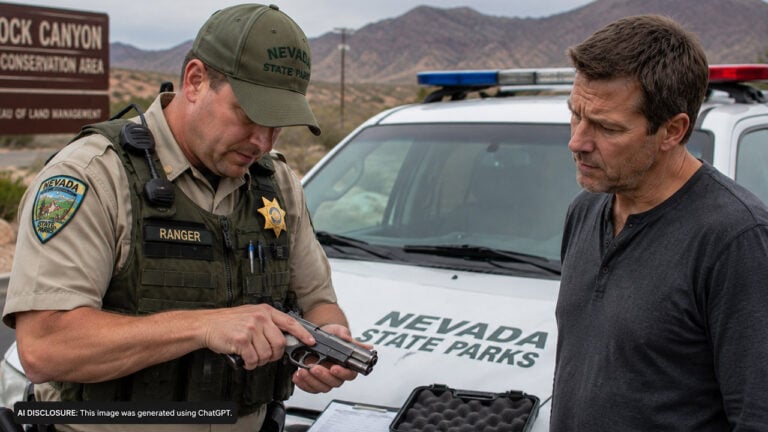
Most importantly, this is the kind of thing that’s often better handled by agencies that aren’t tied into local politics. In many states, wildlife officers/game wardens have their own enforcement authority and take spotlighting complaints seriously. And if shots are being fired in a way that endangers homes or livestock, that can cross into broader law enforcement territory as well—sometimes handled at a level above a single county office.
Practical steps rural landowners tend to lean on in cases like this
When you’ve got someone acting reckless around animals and residences, it’s tempting to go handle it the old-fashioned way: drive over, exchange words, “make it clear.” Most of the time, that’s how things escalate. If the person is already shooting nightly and spotlighting, they’re not showing good judgment to begin with.
Landowners in similar situations often focus on a few practical moves: improving lighting around barns and paddocks, bringing horses in earlier if possible, and positioning them away from the side of the property where the shooting is coming from. If you can safely do it, adding cameras covering the yard, gate entrances, and any likely shooting direction can help, too. You’re not trying to play detective for fun—you’re trying to create a record that can’t be shrugged off.
And while it’s not as satisfying as “just fix it,” it matters to make reports through the proper channels every time it happens. A single complaint can be ignored. A clear pattern—week after week, with times and details—gets harder to wave away, even in a tight-knit county.
Most hunters work hard to do things right: permission, safe backstops, legal hours, and respect for neighbors. Guys like that don’t want to be anywhere near a story where deer are being shot in a yard with horses, night after night. It makes everyone look bad, and it’s the kind of behavior that fuels more restrictions for the people who are actually responsible.
If you’re the landowner living next to this, the priority is safety—yours, your family’s, and your animals’. Keep emotions in check, avoid direct confrontation, and build a clean paper trail. And if local enforcement is compromised by family ties, don’t be afraid to seek help from outside the immediate circle. In the country, we handle a lot ourselves. But when bullets start landing too close to home, it’s not just a neighbor dispute anymore.
Like The Avid Outdoorsman’s content? Subscribe to our newsletter so you never miss an article.
Here’s more from us: