Photo credit: AI-generated image created using ChatGPT. Illustrative only
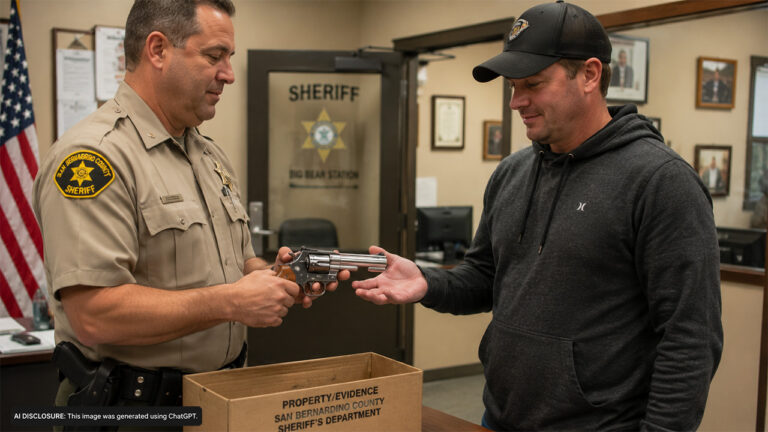
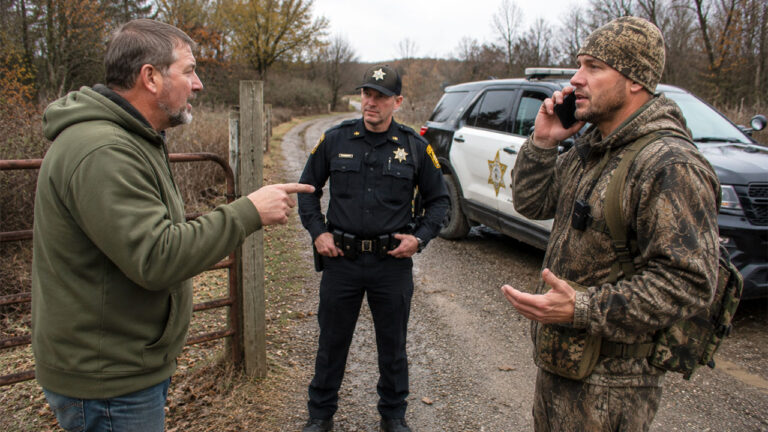
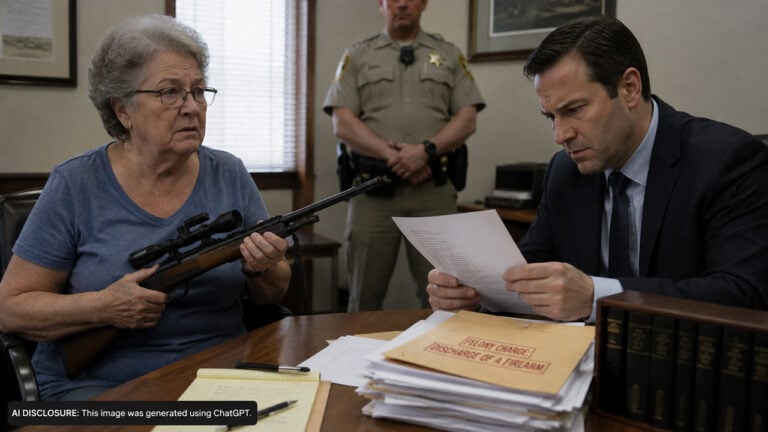
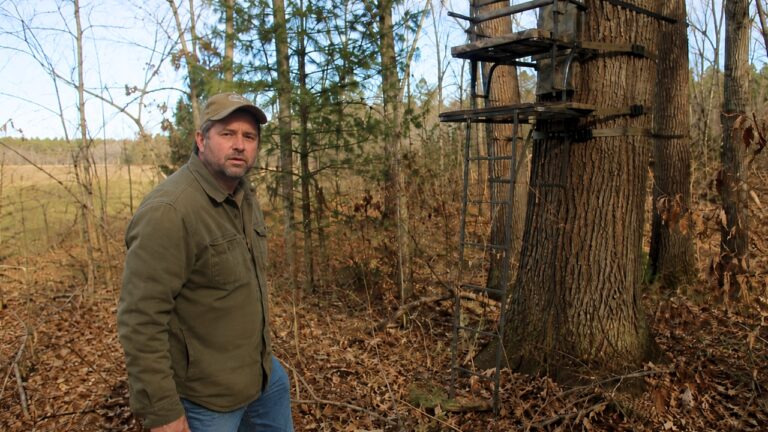
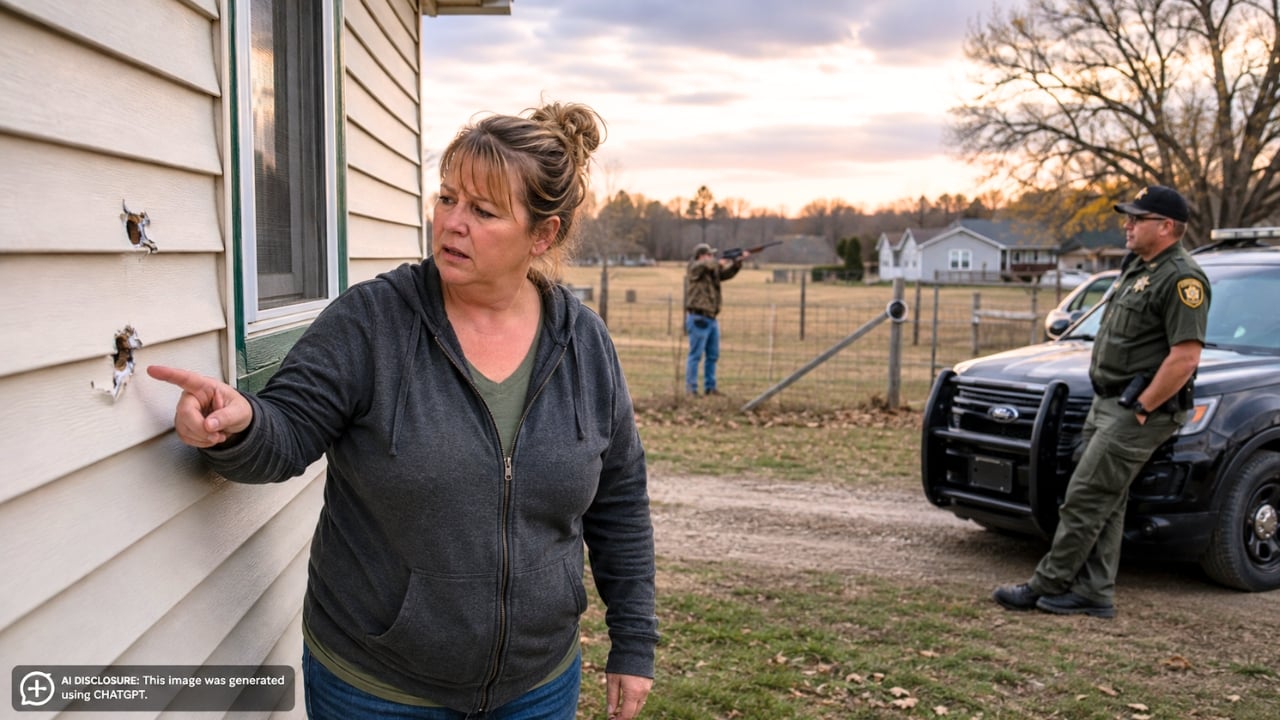
Most folks who live out in the country can tell the difference between a neighbor doing legitimate pest control and somebody just cracking off rounds because they feel like it. In this case, a woman’s home is taking the hits—stray bullets keep striking her house after a neighbor reportedly shoots at “varmints” in a residential area.
The details were laid out in the original post: the neighbor is allegedly hunting random wildlife close to homes, bullets have been hitting the mother’s house, and the local response has been a shrug. Police won’t do anything, and a sheriff’s deputy seemed to waffle instead of treating it like the serious safety issue it is.
When “varmint hunting” turns into rounds flying through a neighborhood
There’s nothing controversial about dealing with nuisance animals when it’s done safely and legally. But the moment rounds are leaving a property—or even just being fired without a safe backstop in a residential setting—it stops being “varmint control” and becomes reckless endangerment in plain language.
In the situation described, it’s not theoretical. Stray bullets are allegedly impacting the woman’s house. That’s the kind of thing that should snap everyone’s attention into focus, because it means somebody is shooting with an unsafe line of fire, an unsafe background, or both.
Stray bullets hitting a house changes everything
A missed shot in the woods is one thing. A bullet striking a residence is another category entirely. Walls don’t stop every projectile, and you don’t get to call it an “accident” after the fact when you were the one who chose to pull the trigger without a safe setup.
Hunters learn early: know your target and what’s beyond it. “Beyond it” includes houses, roads, and livestock—especially in mixed residential-rural areas where people assume their yard is safe. When rounds are hitting siding or punching through exterior materials, it’s a warning that the next impact could be a window, a vehicle, or a person.
Law enforcement’s refusal to act leaves the homeowner stuck
The homeowner in the post wasn’t asking for anything unreasonable. She wanted the shooting to stop before someone got hurt. But the account says the police wouldn’t take action, and the sheriff’s deputy seemed to equivocate on whether anything could be done.
That’s a frustrating place to be. When the people tasked with responding to dangerous gunfire treat it like a neighbor dispute, the victim gets pushed into doing legwork they shouldn’t have to do—figuring out who has jurisdiction, what statutes apply, and which agency will actually treat incoming bullets like the emergency they are.
Why Game & Fish (and a game warden) might be the pressure point
The next question raised in the source material is a practical one: if the cops won’t move, is the next best shot contacting the Game & Fish Department? In many places, that’s not a crazy idea.
Game wardens don’t just check licenses. They deal with illegal hunting, unlawful take of wildlife, shooting violations tied to hunting activity, and sometimes the exact sort of “I’m hunting varmints” excuse used to cover unsafe or prohibited shooting. If the neighbor is truly hunting wildlife in a residential area, that can bring hunting regs into play, not just general firearms laws.
And here’s the other angle: a warden who believes someone is illegally taking wildlife may have more interest in digging than an officer who’s treating it like “just some noise complaints.” That doesn’t guarantee action, but it can change the tone fast.
What outdoorsmen kept circling back to: documentation and proof
Even with a clear safety problem, these situations often come down to what can be proven and how consistently it’s documented. The short description of the discussion points toward that reality: the family knows the neighbor is shooting, and bullets are allegedly hitting the house, but getting an agency to act can hinge on details—dates, times, evidence of impacts, and whether there’s a clear link to the shooter.
From a practical standpoint, folks in the outdoors world tend to emphasize the same basics in incidents like this: keep records, photograph damage, preserve anything that can be preserved, and avoid turning it into a face-to-face confrontation. When tempers are hot and guns are involved, “going over there to talk” can turn a dangerous situation into a tragedy.
The hard truth: safe shooting isn’t optional, even on your own land
A lot of shooters grow up hearing, “It’s my property, I can do what I want.” That’s never been the full story. You can’t send rounds toward a neighbor’s house and hide behind property lines. You can’t “hunt varmints” in a way that puts other families at risk. And you definitely don’t get a pass just because the targets are labeled pests or wildlife.
This is also where responsible gun owners should be clear-eyed: when stray bullets are striking a residence and no one intervenes, it doesn’t just endanger one household. It damages the public’s trust in hunters and shooters who actually follow the rules—legal seasons, legal methods, safe backstops, and common sense.
If this account is accurate, the most grounded path forward is the one implied by the question itself: keep pushing for the right agency to take ownership of the problem. Whether that’s Game & Fish for the alleged illegal hunting piece, or another authority for the broader firearms safety issue, the goal is simple—stop the shooting before the next “impact on the house” becomes something far worse.
Like The Avid Outdoorsman’s content? Be sure to follow us.
Here’s more from us: