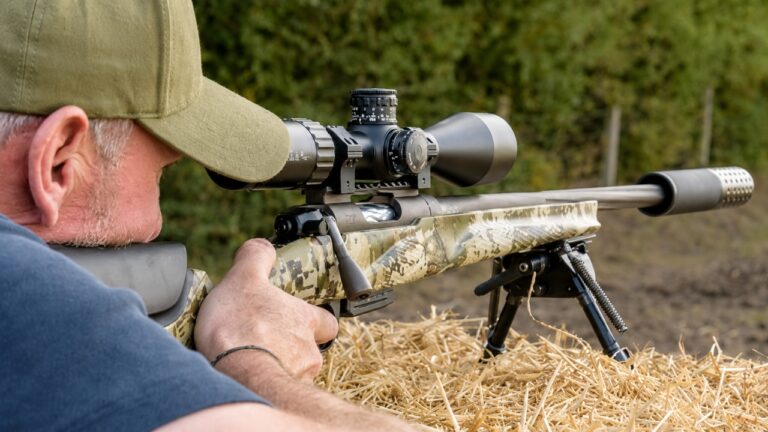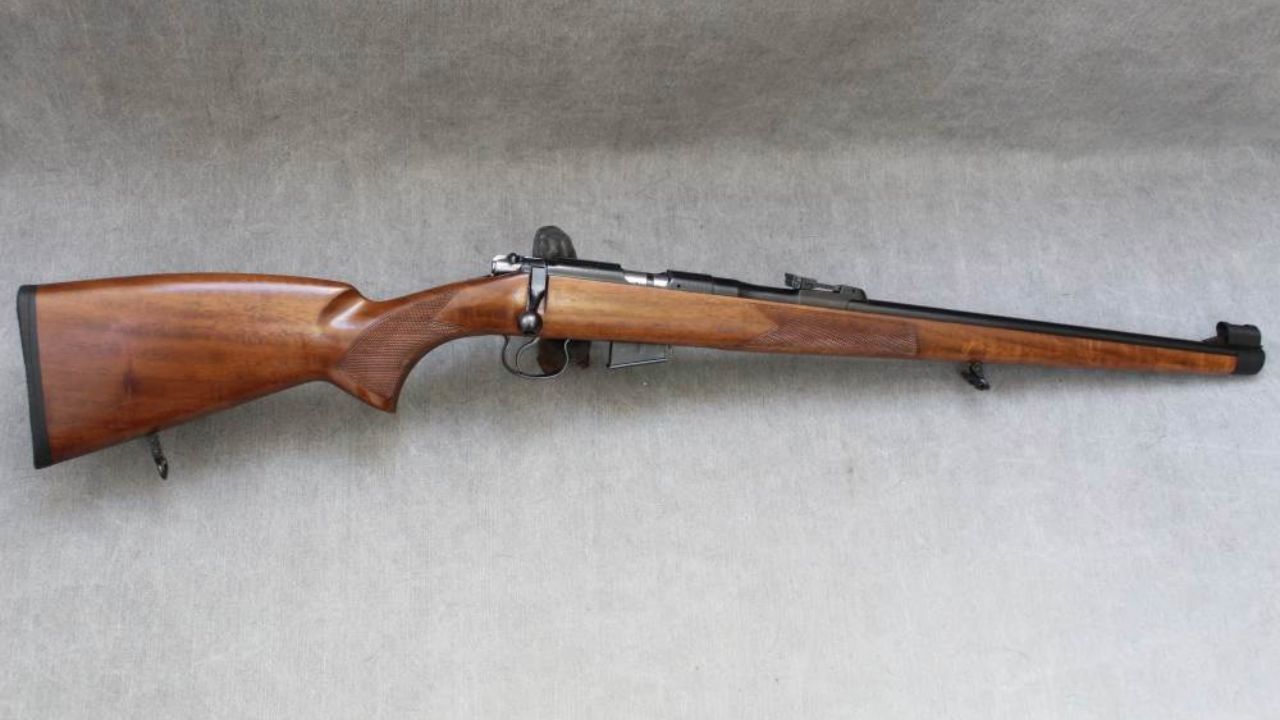
Photo credit: Colonial Gun Works/GunBroker
Every season I see the same thing happen at the gun counter and in buddy-to-buddy trades. A rifle gets labeled “just a deer gun,” “grandpa’s old .22,” or “that weird one I never shoot,” and it walks out the door for quick cash or to fund the new hotness. Then a few years pass, ammo changes, parts dry up, states tweak hunting rules, and suddenly that “boring” rifle is the one everybody wants back.
This isn’t about turning every safe into a museum. It’s about recognizing the rifles that are quietly more valuable than they look, and more difficult to replace than most owners realize until they try. Here are 20 that I’d think twice about letting go.
1. Winchester Model 70 (pre-64)
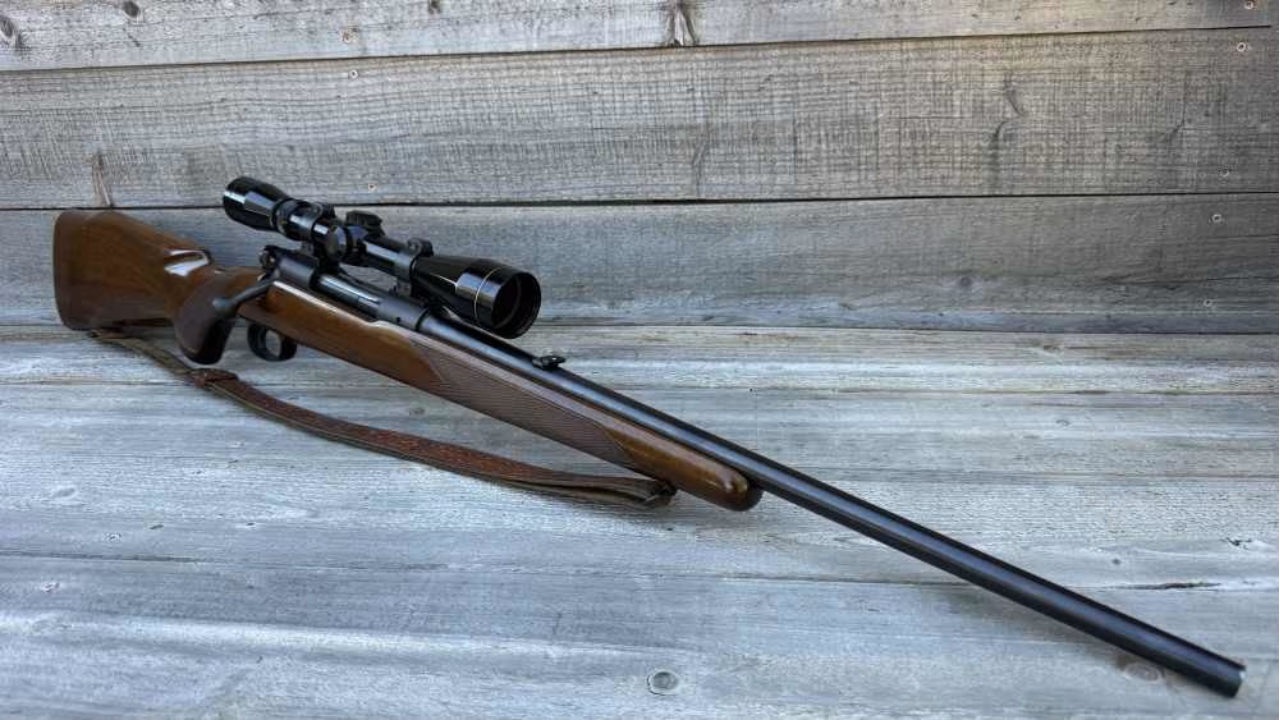
Plenty of rifles will kill deer. A pre-64 Model 70 does it with that controlled-round-feed feel that just runs right when you’re cold, tired, and working the bolt without thinking. The fit and machine work are part of it, but the bigger part is how these rifles tend to point naturally and feed smoothly even when you’re not being gentle.
Owners sometimes treat them like “old Winchesters” and price them like any other used bolt gun. Replacing one later is a headache because condition matters, caliber matters, and once you start chasing an unmolested example you find out what the market already knows.
2. Remington Model 700 BDL (older, blued/walnut)
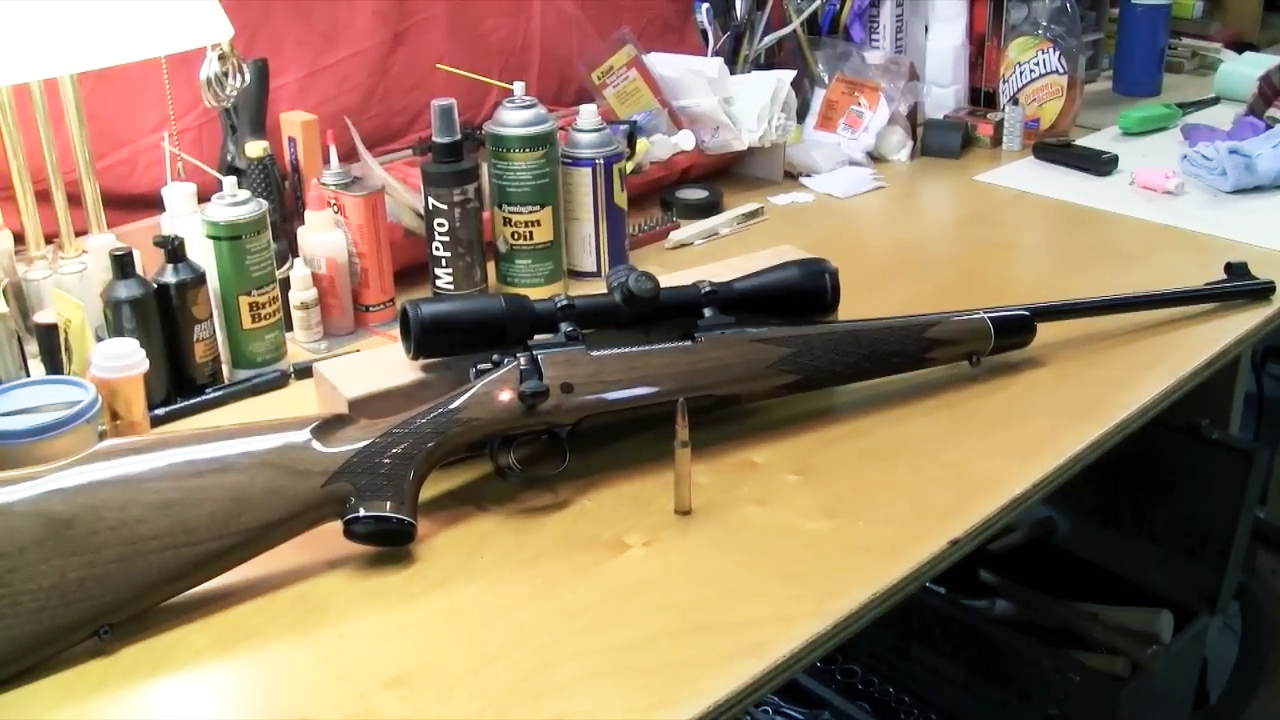
The older BDLs are one of those rifles that feel like a “real rifle” the second you pick them up. Balance is usually good, triggers were often decent, and the stock geometry just works for typical whitetail shooting. No, they aren’t exotic. That’s why so many got used hard and altered.
Try buying back an original BDL that hasn’t been drilled extra, rebarreled, or hacked into a project. That’s where the replacement cost creeps in. The rifle you sold as “just a 700” turns out to be the clean one everyone else already messed with.
3. Ruger M77 Mark II (controlled round feed)
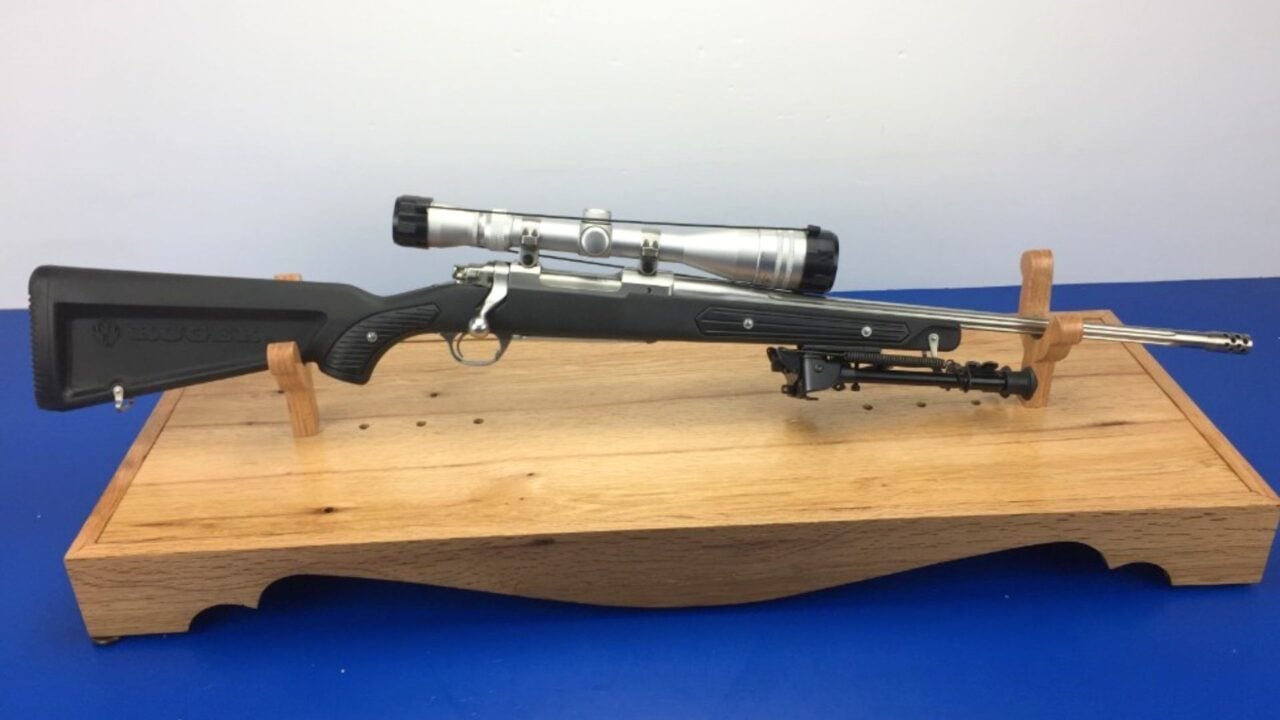
These don’t get the internet romance of some other classics, but in the real world they’re tough and simple. The Mark II action is stout, and the safety setup is straightforward in the field. They’re the kind of rifle you don’t worry about when it’s raining sideways and you still have a mile to walk.
What makes them sneaky valuable is the “nothing to prove” reliability and the fact that clean examples in common hunting cartridges don’t sit long anymore. When you need one quickly for a backup rifle, you’ll notice that.
4. Savage 99 (especially .300 Savage)

The Savage 99 is the lever gun for folks who like lever guns but still want something that feels a little more “rifle-like” than a saddle carbine. They carry flat, they shoulder fast, and the rotary magazine is a neat piece of engineering that holds up better than people expect.
A lot of 99s got hunted hard, and a lot got stored rough. Finding one with a decent bore, solid wood, and minimal Bubba work is getting tougher, and the prices follow that reality.
5. Marlin Model 336 (JM-stamped)

There’s nothing fancy about a 336, and that is kind of the point. A good one cycles smooth, carries like it belongs in your hands, and hits hard inside typical woods ranges. When you’ve got gloves on and your heart rate is up, simple controls matter.
The JM-stamped rifles have become their own category because folks can feel the difference in fit and finish, and because “I’ll just buy another one” isn’t as true as it used to be. If you’ve got a clean .30-30 that runs slick, you’re sitting on more than you think.
6. Winchester Model 94 (pre-64)

These are everywhere until they’re not. The pre-64 94s tend to have that smooth, worn-in lever throw that newer guns don’t always match, and they just look right. If you hunt thick cover, a 94 that carries easy and comes up quick is worth real money in the field.
Owners downplay them because they were “common.” But originality drives value, and originality is exactly what disappears over decades of saddle scabbards, truck racks, and “improvements.”
7. Browning BAR (Belgium-made or early Japanese production)

The BAR is heavy. It’s also a soft-shooting, steady rifle that can turn a shaky offhand shot into a clean one if you do your part. In camp, BARs have always had that reputation for just working and printing respectable groups with hunting ammo.
Replacing a good one later is tricky because there are lots of variants, magazine setups, and condition differences. And once you price magazines and find a clean older rifle, the “I sold it to buy something lighter” decision can sting.
8. Ruger No. 1

Single-shots aren’t for everyone, but a Ruger No. 1 is one of those rifles that makes you slow down and shoot like you mean it. They’re compact for the barrel length, they balance well, and they turn heads in a way plastic-stock rifles never will.
They’re also not cheap to replace, and they’re not all equally accurate with all loads. If you have a No. 1 that shoots well and fits you, that’s a “keep it” rifle even if it only comes out a few times a year.
9. CZ 452 (rimfire)
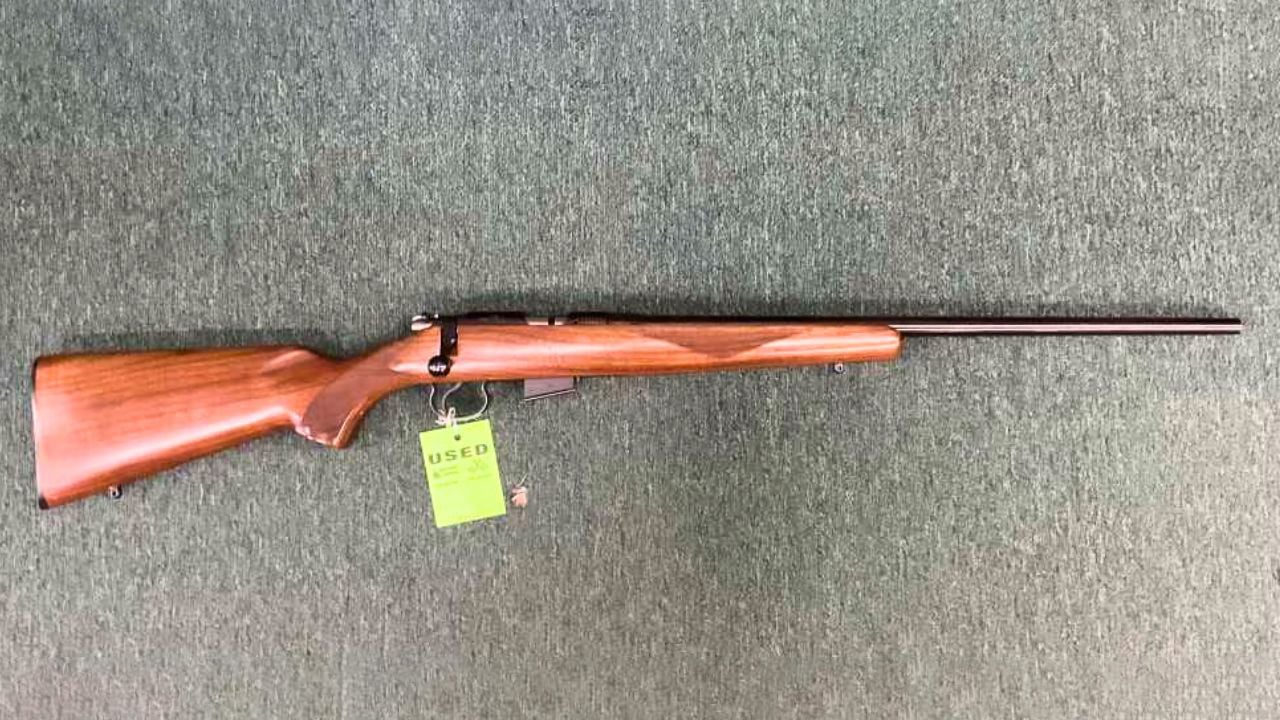
If you’ve spent time shooting squirrels or paper with a good bolt .22, you already know the CZ 452 vibe. The action feels like a real rifle, not a toy, and they have a habit of shooting better than the guy behind them deserves.
Owners let them go because .22s multiply in a safe and “they’re all the same.” They aren’t. The 452s have gotten harder to find clean, and when you want a rimfire that behaves like a centerfire trainer, you’ll miss it.
10. Anschütz Model 54-series sporters
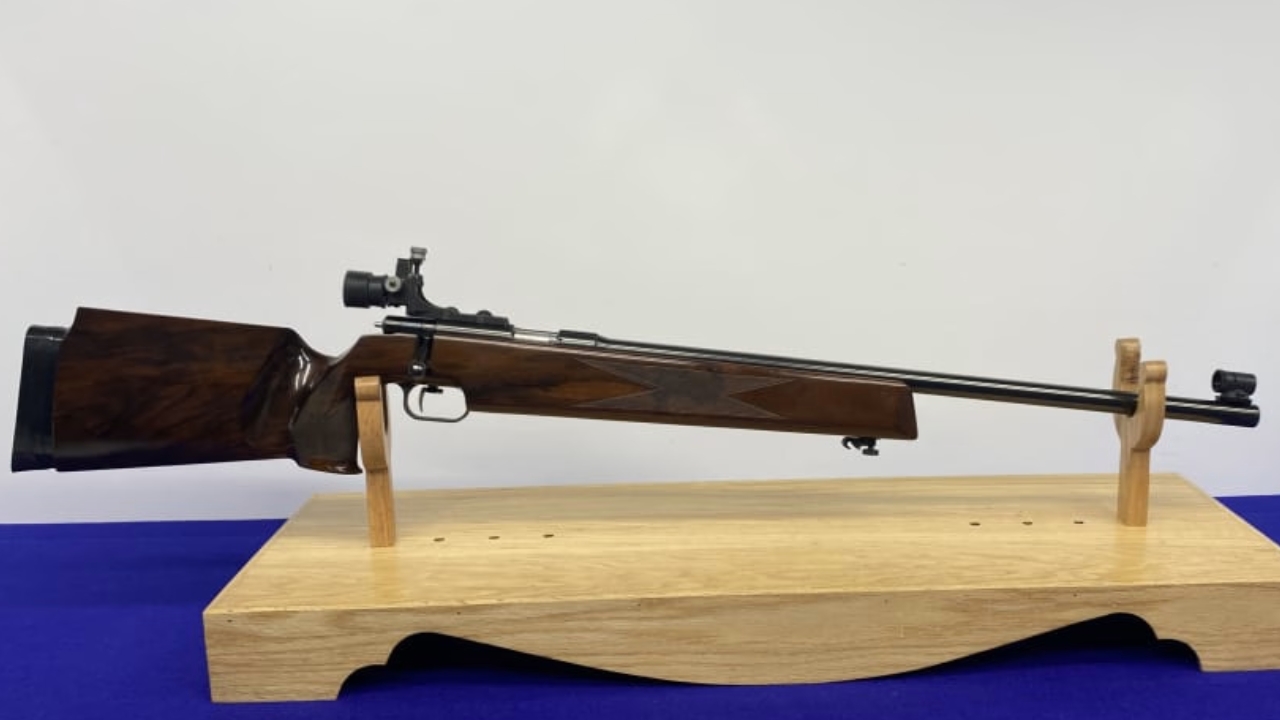
Not everybody needs German rimfire precision, but once you’ve carried one in the woods you start to get it. The triggers are usually excellent, the barrels shoot, and the whole rifle feels like it was built with pride instead of just assembled.
They’re easy for owners to undervalue because it’s “just a .22.” Then they go shopping and realize the price of entry for that level of rimfire accuracy and craftsmanship is not friendly.
11. Springfield Armory M1 Garand (CMP-era)
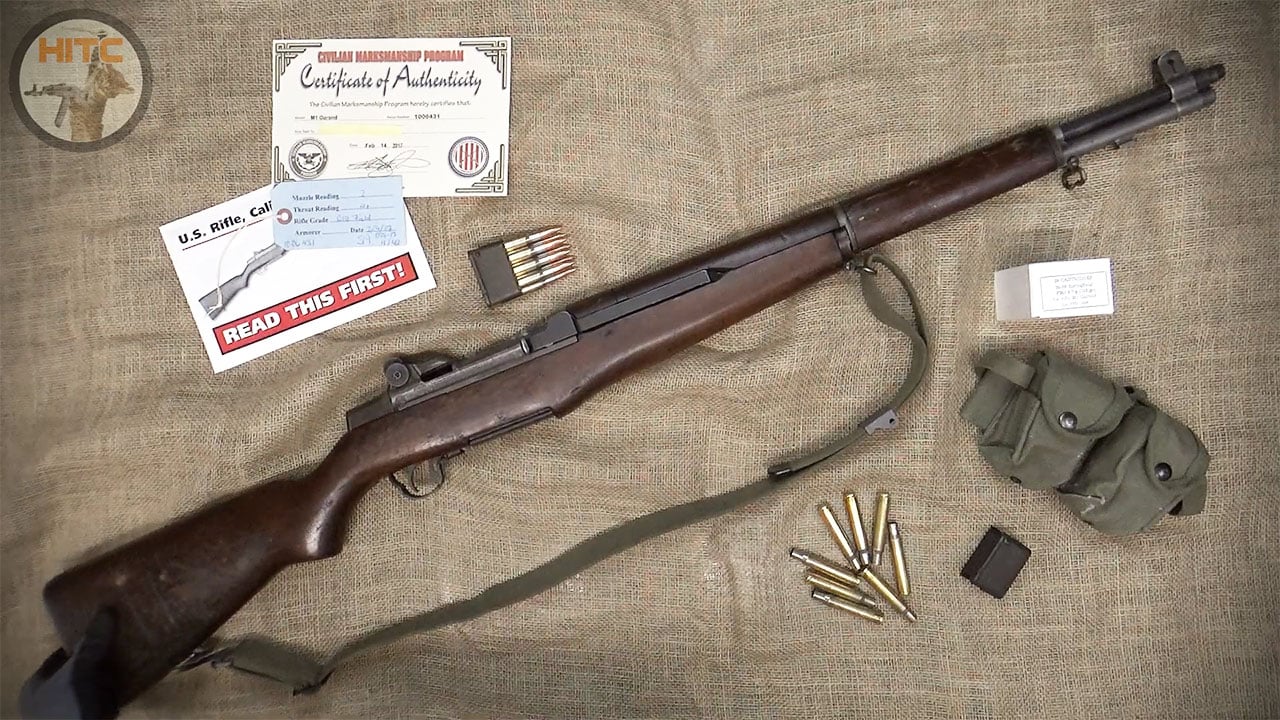
For a long time, Garands were “that cool old war rifle.” Then the supply tightened, the paperwork got a little more annoying, and the rifles that were once picked over became rifles people wish they’d grabbed two of.
If you have a solid CMP Garand with decent wood and a good barrel, don’t treat it like a beater just because it’s not rare. They’re heavy and loud, sure. But they aren’t getting easier to replace, and they aren’t getting cheaper.
12. Springfield Armory M1A (older standard models)
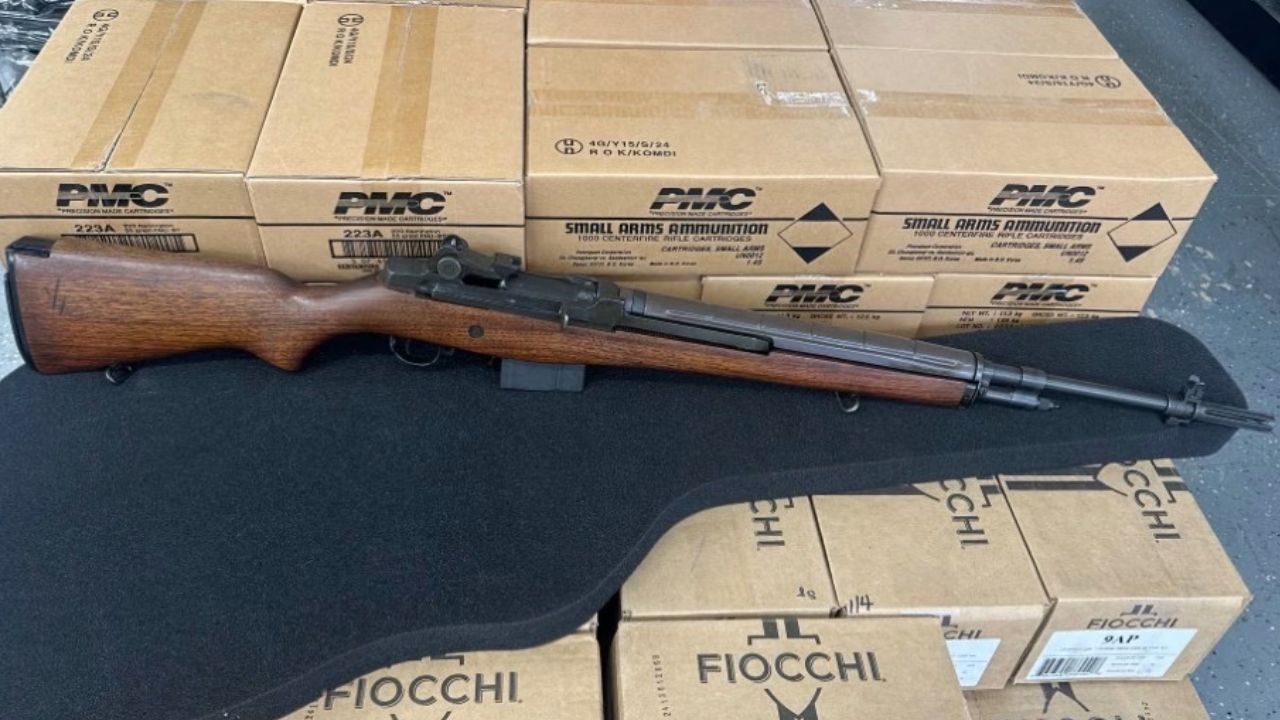
The M1A is one of those rifles that feels like America, for better or worse. It’s long, it’s steel and walnut (or it used to be), and it has a recoil impulse that’s more push than slap. For some shooters, it just works.
Owners get tempted to sell when they realize it’s not a lightweight mountain rifle or a cheap-to-feed plinker. Still, clean older examples and quality mags are not something you want to scramble for later if you decide you miss that platform.
13. Ruger Mini-14 (older 180/181 series and early Ranch rifles)
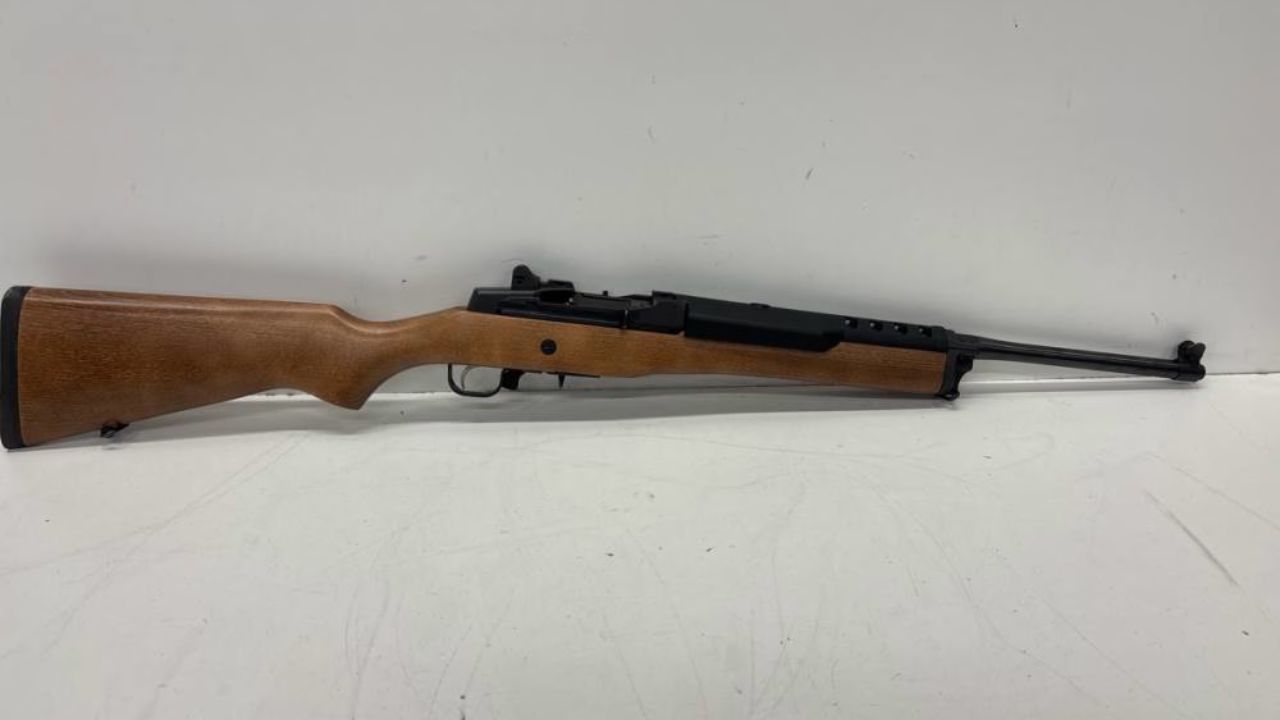
Mini-14s have been mocked and loved, sometimes by the same person. The older ones aren’t always tack-drivers, but they carry like a real rifle and handle fast around a farm or in tight cover. They also have that “grab and go” simplicity that makes sense for normal life.
What gets people is magazine reality and model differences. The wrong mags can make you hate a Mini. A good Mini with good factory mags is a different story, and those setups are not as cheap as they used to be.
14. Remington Model 742/7400 Woodsmaster (good-condition, unmolested)
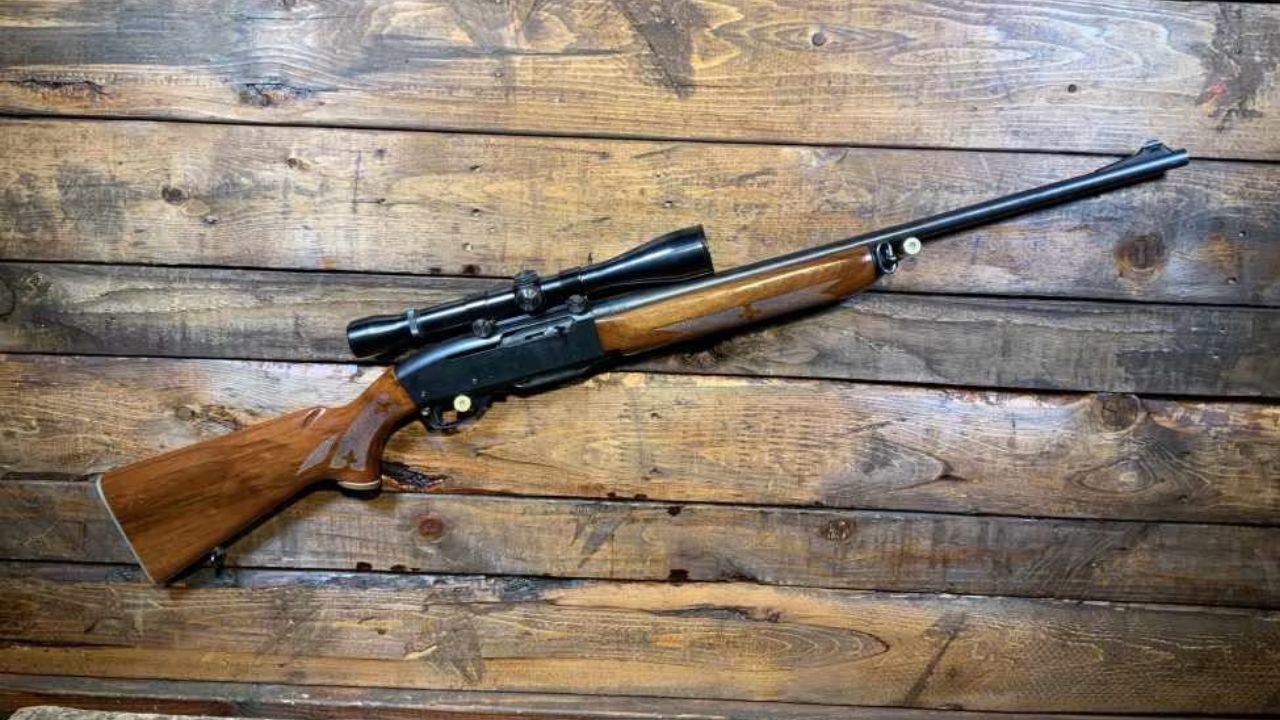
I’m not here to pretend every 742 is a gem. Some are worn out, some are finicky, and some have been shot loose. But a clean one that runs and has been treated right is a legitimate woods rifle, especially for hunters who like fast follow-ups.
The trick is that “treated right” part. Many were not. Finding one that hasn’t been abused is harder every year, and the guys who have a good one tend to keep it because they know what they’ve got.
15. Mossberg 144/44 US (trainer .22s)
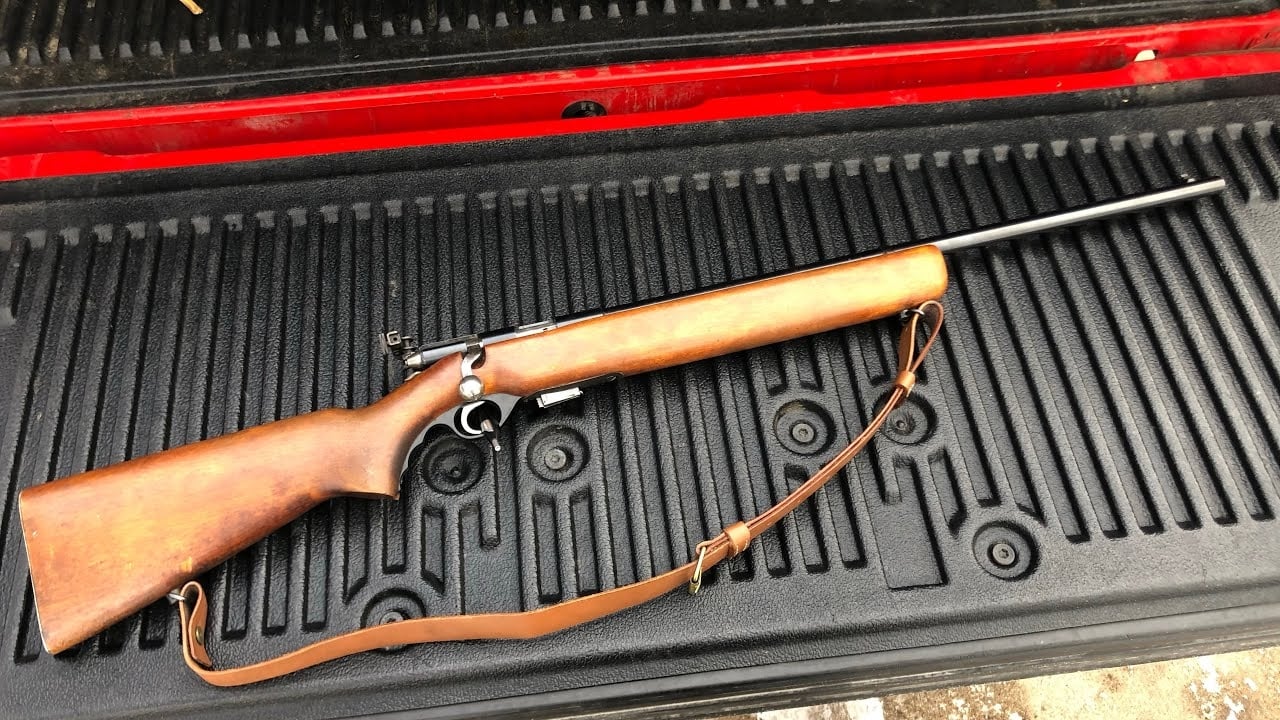
Old .22 trainers don’t get respect until you shoot them. These Mossbergs often have excellent barrels and surprisingly good triggers, and they’ll stack cheap rimfire ammo into tiny groups on a calm day. They’re also built like they expected kids to be hard on them.
They slip under the radar because the name doesn’t carry “collector” status like some others. Then you try to find one with nice sights, intact parts, and a clean stock, and you realize they’re not just $150 rifles anymore.
16. Winchester Model 52 (sporters and target rifles)
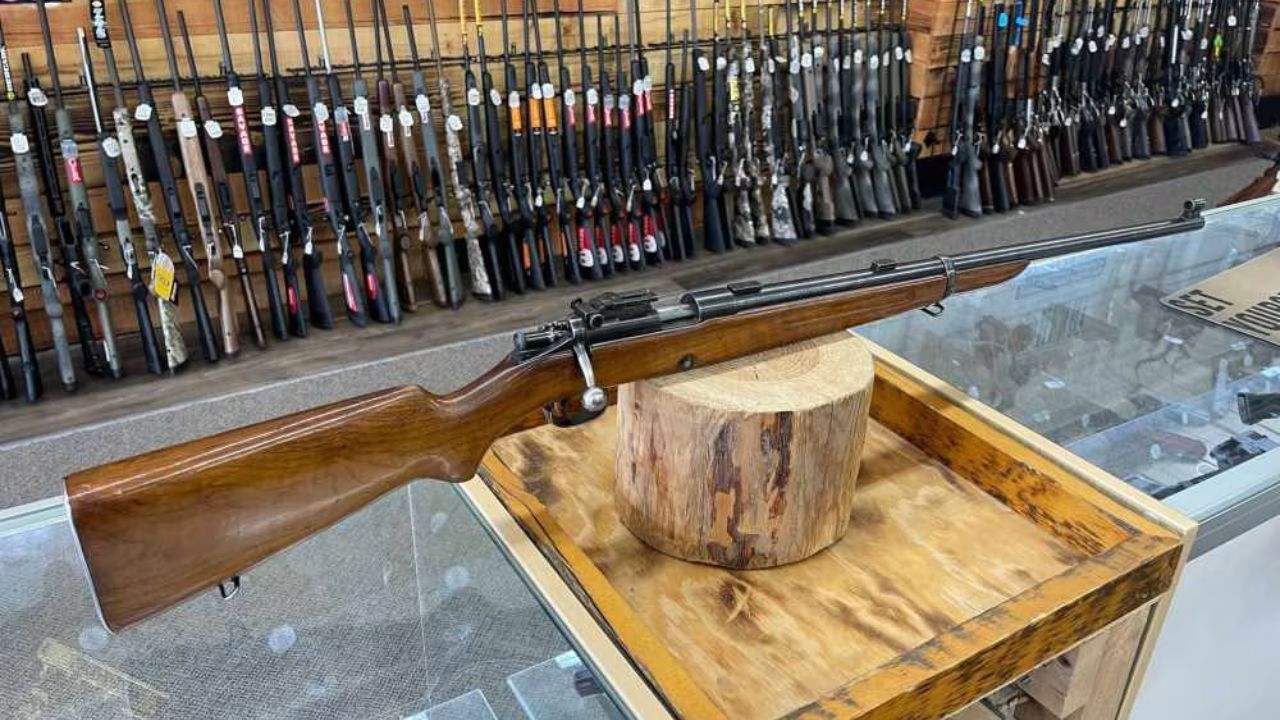
The Model 52 is one of the finest American .22 bolt guns ever made. It’s smooth in a way that’s hard to explain until you run the bolt a few times. Even the heavier target versions have a steadiness that makes you feel like a better shot.
Owners inherit them and think “old target rifle.” Replacing one is expensive, and originality matters. If you’ve got one with correct sights and a good bore, it’s not the kind of rifle you dump in a trade to shave a few bucks off a new purchase.
17. Tikka T3 (early production, basic hunting models)
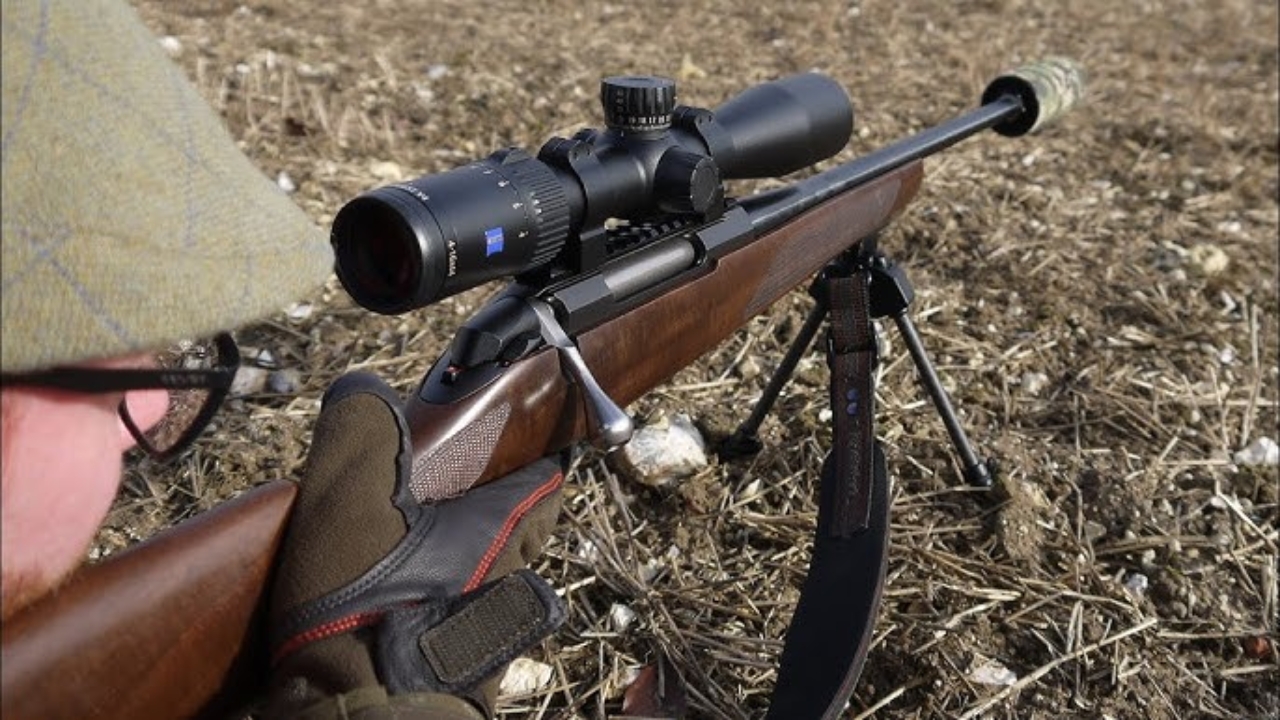
Tikkas are almost too easy to take for granted. They’re lightweight, they shoot, and the actions are slick. The basic synthetic models look plain, so folks don’t treat them like something special.
Then you try to replace a “plain” rifle that consistently prints tight groups with factory ammo and doesn’t rust if you look at it wrong. The sticker shock isn’t even the worst part; it’s buying another rifle and realizing it doesn’t run as smoothly or shoot as honestly.
18. Weatherby Mark V (German or early Japanese production)
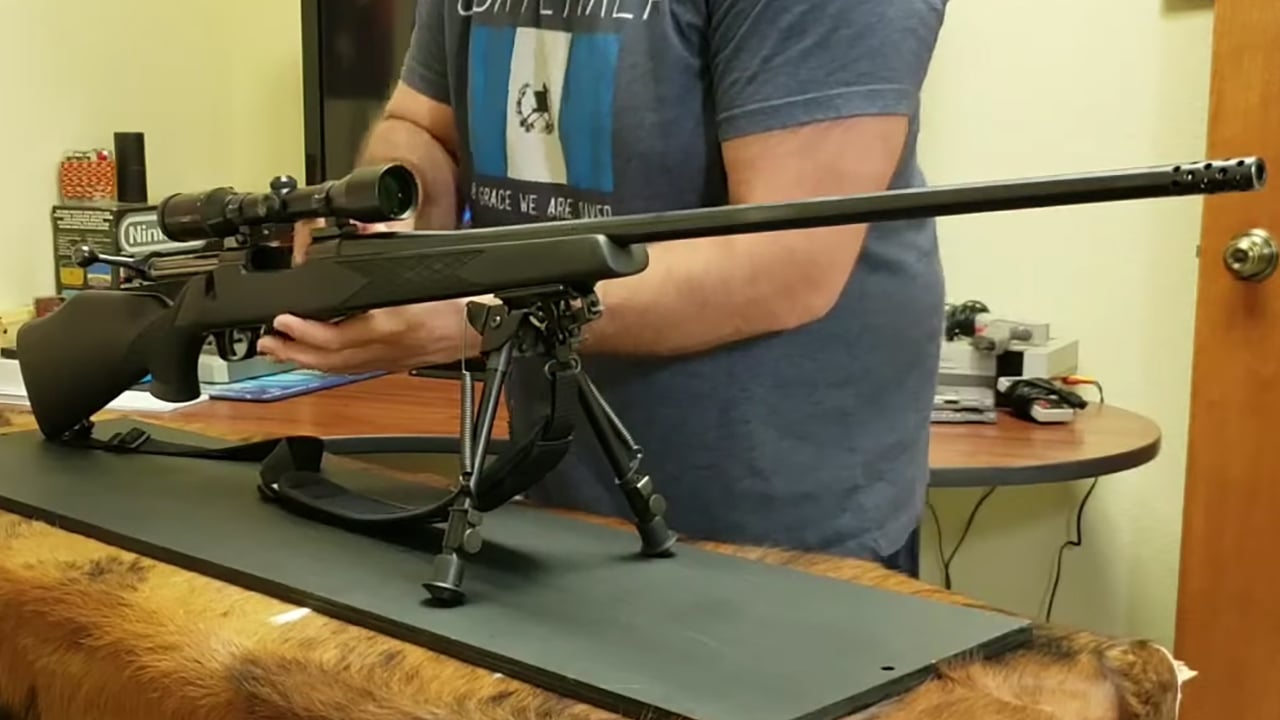
A Mark V isn’t subtle. It’s got that big-shouldered Weatherby identity, and in the magnum chamberings it can be a lot of rifle. But they’re well-made, and the better examples feel like a serious tool built for serious distances, even if most hunting shots aren’t that far.
Owners sometimes sell because the ammo bill hurts or the rifle feels like “too much.” Fair enough. Still, clean older Mark Vs have a following, and replacing one in comparable condition can turn into a wallet-buster.
19. Sako L61R Finnbear

The Finnbear is one of those rifles that makes you notice machining and wood-to-metal fit again. The bolt throw feels right, feeding is smooth, and they tend to shoot. They’re not “tactical,” and that’s exactly why a lot of hunters love them.
They also got expensive in a quiet way. Guys who know Sakos don’t let clean ones go cheap, and once you’ve owned one that fits you, it’s hard to be excited about replacing it with something that feels like a cost-cutting exercise.
20. Winchester Model 1885 High Wall (Browning/Winchester reproductions included)
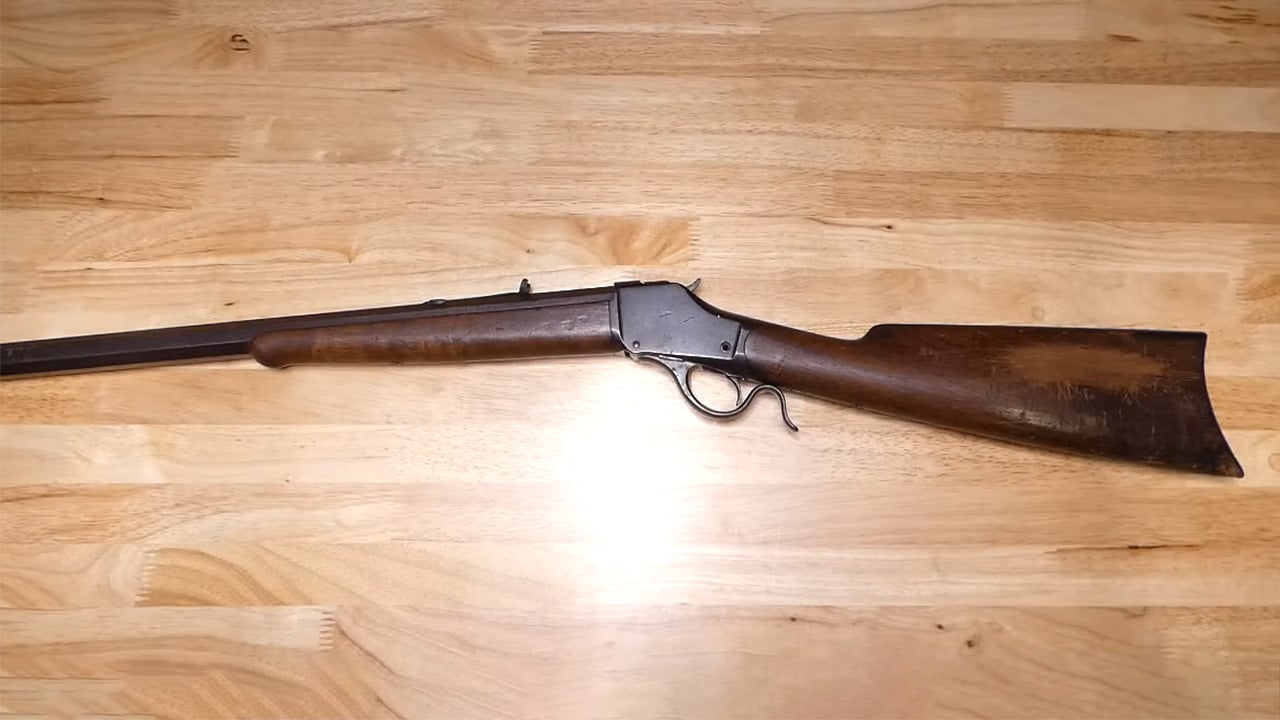
The High Wall is another single-shot that forces you to be honest. It’s not for hurried shooting, and it’s not a beginner’s rifle. But it’s strong, classy, and surprisingly practical for the hunter who likes one careful shot and a rifle that will outlast him.
Owners underestimate them because they don’t see them used much anymore. Then they go looking for one and find out the good ones don’t hang around. If you’ve got a High Wall that shoots and you actually enjoy it, that’s not a throwaway piece.
None of this means you should never sell a rifle. Safes get full, priorities change, and sometimes the right move is to let something go. I just like seeing outdoorsmen keep the rifles that are genuinely hard to replace: the ones that fit, run, and have already proven themselves when the weather turned ugly and the shot still had to count.
Like The Avid Outdoorsman’s content? Be sure to follow us.
Here’s more from us: