
Photo credit: TheGearTester/Youtube
Every gun counter has a story like this: a rifle that sat there forever because it wasn’t “cool,” didn’t have the right name, or didn’t fit whatever trend was hot that season. Then five or ten years go by, ammo changes, laws shift, parts dry up, or folks finally put real rounds downrange and realize that “boring” sometimes means “works.” I’ve watched guys trade off rifles for pennies, only to spend the next decade trying to buy the same thing back. Here are 20 rifles that had a habit of slipping through hands before anyone really understood what they were.
1. Ruger Mini-14 (180/181-series and early Ranch Rifles)
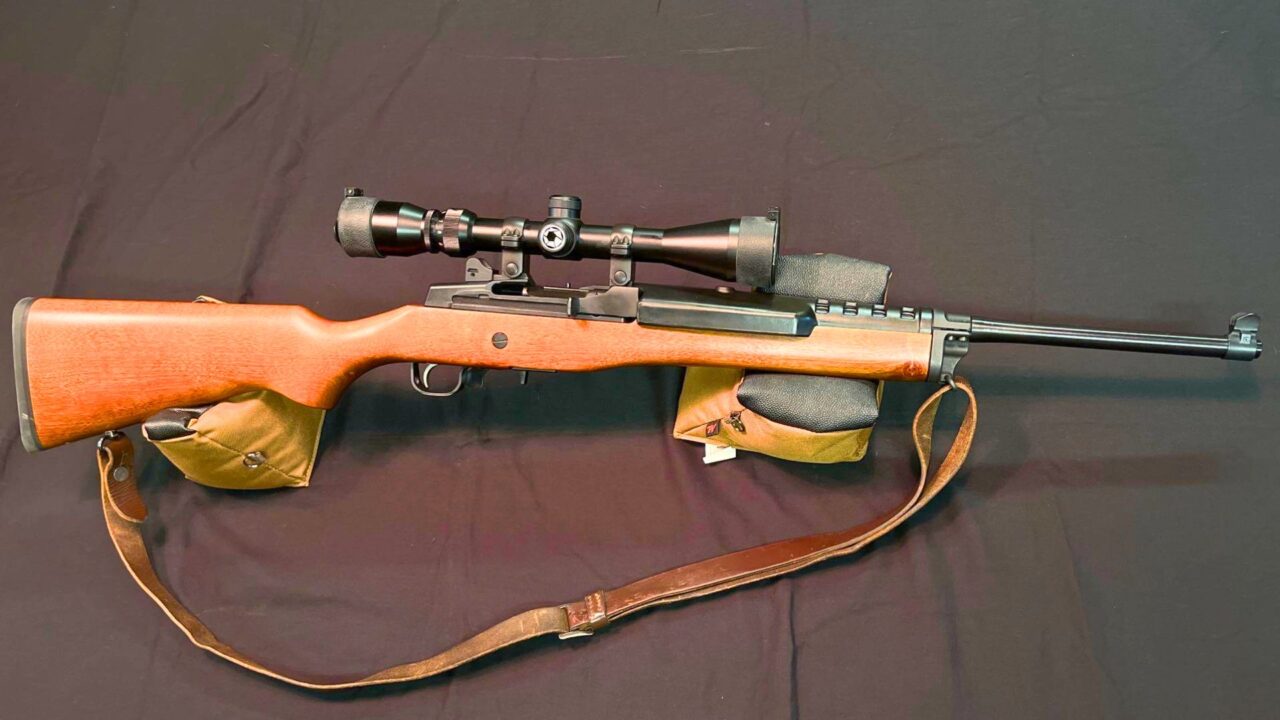
For a long time the Mini-14 lived in a weird spot. ARs were either “too military” for some crowds or “too accurate” for folks who wanted to look serious at the range. Early Minis got labeled as scatterguns because a skinny barrel heats up fast and groups open up when you start dumping magazines. So guys sold them and told themselves they were “upgrading.”
Then you actually carry one all day. The Mini balances like a real rifle, not a fence post. It points quick in thick cover, rides behind a truck seat without snagging on everything, and it runs filthy. Good factory mags are the key, and once you’ve got them, the rifle just works. When you find a clean older one now, you realize why ranchers kept them.
2. Ruger M77 Mark II (controlled-round feed)
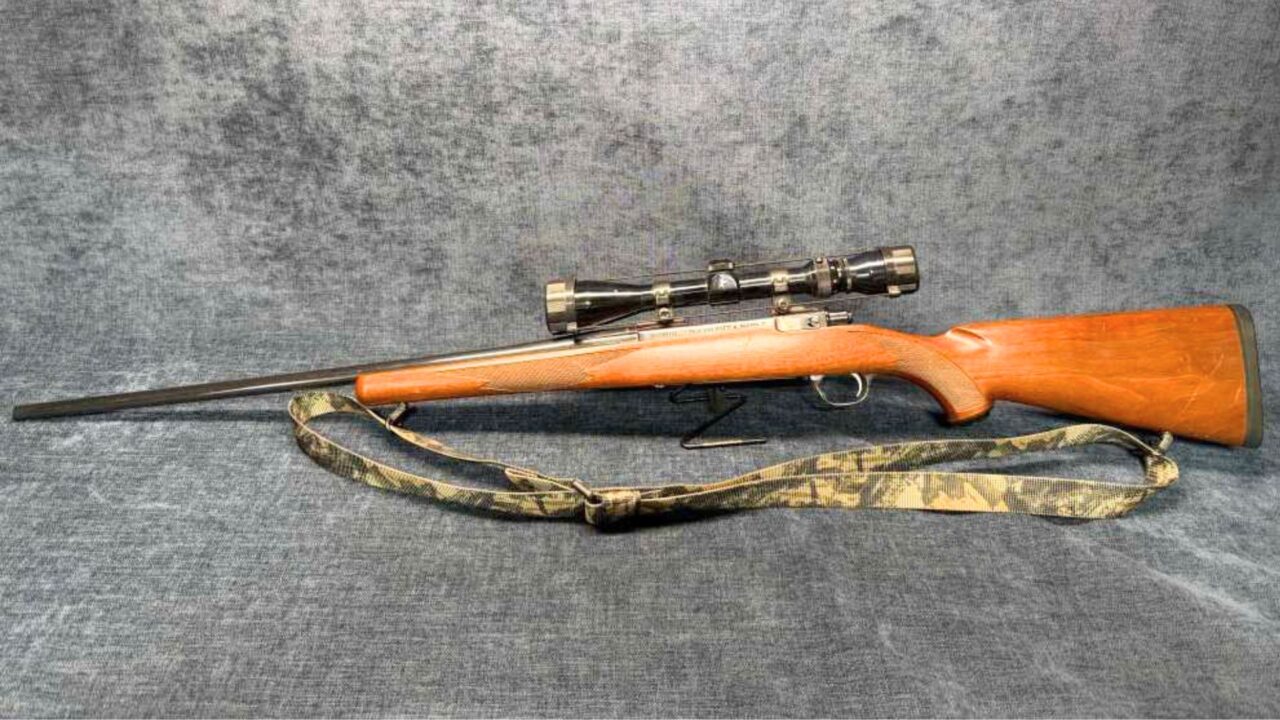
The M77 Mark II didn’t get much love during the era when everybody wanted three-lug bolts, detachable box magazines, and “tactical” everything. The Ruger was a little heavier than some, the trigger wasn’t always perfect from the factory, and it didn’t come wrapped in marketing hype. Plenty of guys moved them along for the next shiny thing.
Controlled-round feed is one of those features you don’t appreciate until you’re cold, gloves on, trying to run the bolt from an awkward position on a steep hillside. The Mark II feeds like it means it, and the extractor is not a dainty little piece. They also tend to be the kind of rifle you don’t baby. Dings happen, seasons pass, and it just keeps hunting.
3. Winchester Model 70 Classic (post-’92 CRF)

There was a stretch where “pre-64 or nothing” talk made folks overlook the Model 70 Classics. If it didn’t have the magic collector stamp, it was treated like a consolation prize. I’ve watched really solid Classics get traded off to fund a scope, which is a tough sentence to type.
Those rifles are legit hunting tools. The action feels right, the safety is easy to run quietly, and the stock geometry usually behaves under recoil. They’re also easy to live with—simple bedding jobs, standard bases, and no weird proprietary headaches. If you find one that someone carried more than they shot, you’re holding a lifetime rifle, not a “second-tier” Model 70.
4. Remington Model 700 BDL (older production, walnut and blued)
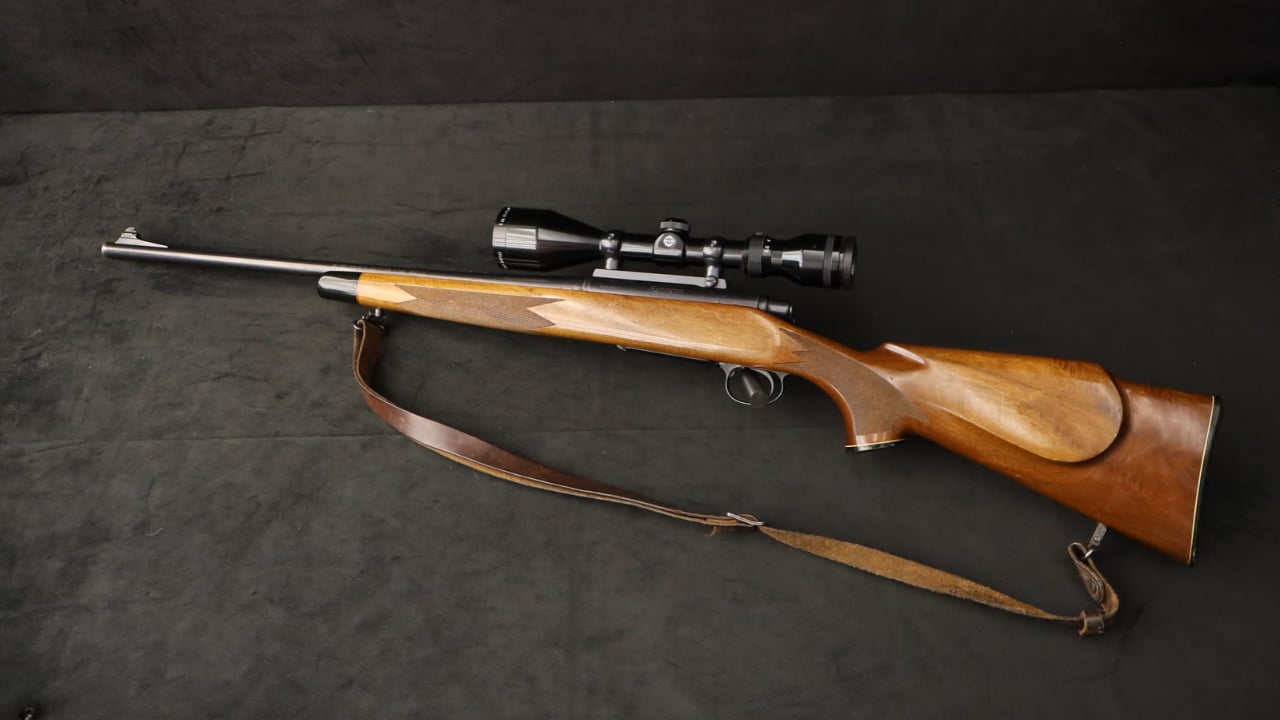
For years, guys acted like every 700 was the same. Then later production hiccups, internet arguments, and a flood of bargain-package rifles muddied the reputation. That pushed some hunters to dump older BDLs because they figured they were getting ahead of the curve.
An older 700 BDL in a sensible caliber is still one of the easiest rifles in America to keep running and shooting well. The aftermarket is endless, triggers and stocks are everywhere, and any competent gunsmith knows the platform. More important, they carry well and settle in naturally for a field shot. If yours shoots, it’s hard to replace that “known quantity” with a mystery box just because the forum said so.
5. Remington Model Seven (especially stainless/synthetic)

The Model Seven got dismissed as a “short 700” and a little overpriced for what it was. Guys would buy one, decide the stock felt small, and trade it for a full-size rifle that looked more serious in the safe. I get it—on the rack it doesn’t scream power.
But in the woods, the Seven makes sense. It’s handy in tight cover, it comes to the shoulder quick, and it rides in one hand without feeling like you’re carrying a canoe paddle. In cartridges like .308, 7mm-08, or .243, it’s a dead-reliable deer rifle that actually encourages you to move. When you’ve climbed in and out of trucks, stands, and creek bottoms all season, “compact and simple” starts to look smart.
6. Savage Model 99

The 99 was “grandpa’s rifle” for a long time, and that label cost it respect. Lever guns without a loading gate and with a rotary magazine seemed odd to folks raised on tube-fed deer rifles. Add in older cartridges like .300 Savage, and plenty of rifles got shoved to the back of closets or sold off cheap.
The Savage 99 is slicker than it gets once you learn it. It carries flat, handles fast, and the action has a mechanical confidence that’s hard to explain until you run one. And the rotary magazine isn’t a gimmick—it allows spitzer bullets in a lever gun without turning your magazine into a safety issue. In thick timber, a good 99 feels like it’s reading your mind. That’s not nostalgia. That’s design.
7. Marlin Model 336 (JM-stamped)

There was a period where lever guns were considered “behind the times,” and the 336 got treated like a pawn shop special. Then quality shifts happened in the market and everybody suddenly started paying attention to markings, fit, and wood-to-metal that used to be taken for granted.
A solid 336 in .30-30 is still one of the best working rifles ever made for the Eastern woods. It carries easy, cycles smoothly when it’s been worn in, and it’s forgiving in the rain if you keep it wiped down. Ammo is widely available in normal years, recoil is manageable, and it’s deadly inside the distances most deer are actually shot. When you pick up a good one today, you understand why folks regret letting them go.
8. Winchester Model 94 (pre-64 and early Angle Eject)
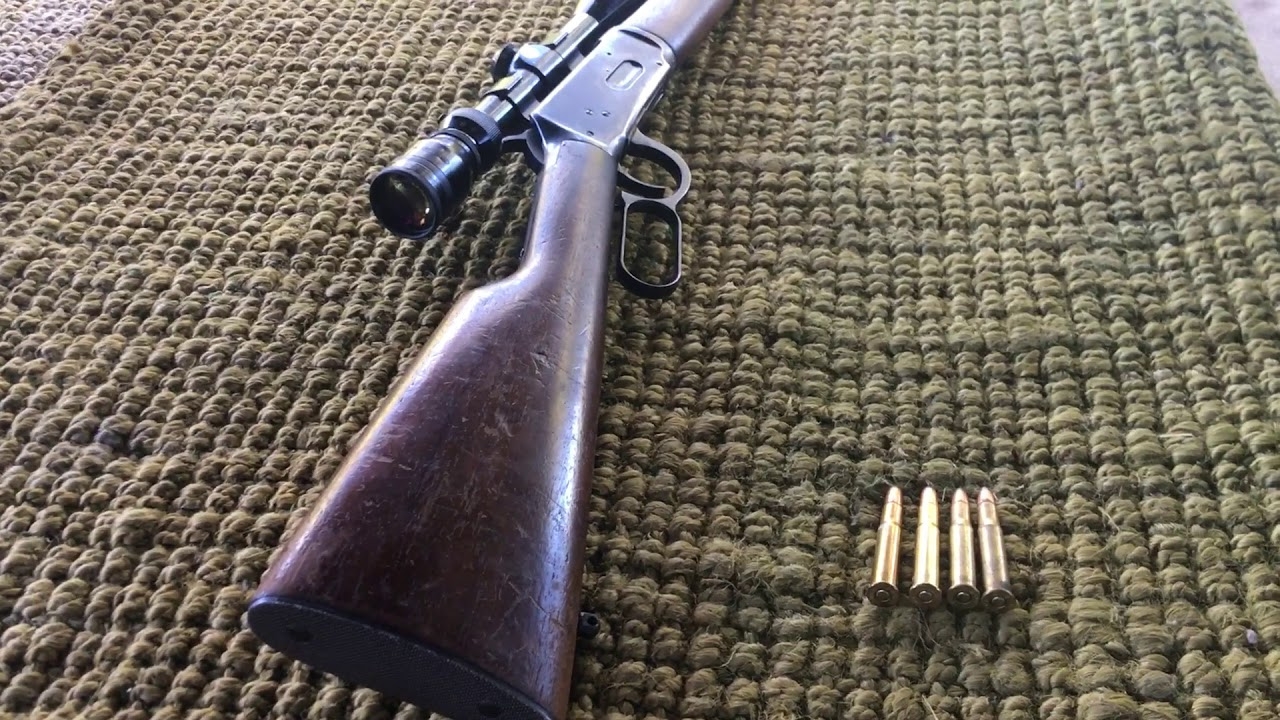
The Model 94 was so common that it got taken for granted. A lot of them lived behind truck seats, got banged around in barns, and were treated like disposable utility guns. Then the market got weird, and suddenly “common” turned into “hard to find in clean shape.”
Even setting collector talk aside, a good 94 just works for hunting. It’s slim, fast, and instinctive. The Angle Eject versions, in particular, are more useful than folks gave them credit for because you can mount a scope in a normal way without fighting the top-eject design. They’re not range toys and they’re not meant to be. They’re meant to put venison on the pole without drama.
9. CZ 527 (especially in 7.62×39 and .223)

The CZ 527 always felt like it had to apologize for being small. The mini-Mauser action, set trigger, and detachable magazine made it “different,” and different rifles are easy to overlook when everyone’s chasing the same plastic-stock formula. When they were still easy to find, plenty of guys passed because they didn’t want to deal with “a euro gun.”
Then you shoot one. The single-set trigger is not a gimmick if you know how to use it safely, and the rifles tend to be honest shooters with factory ammo. In 7.62×39, it turns cheap-ish steel-case plinking into a handy little deer-and-hog tool where legal. In .223, it’s a walking varmint rifle that carries like a .22. Now that they’re discontinued, the appreciation is loud.
10. CZ 550 (full-size Mauser-style)
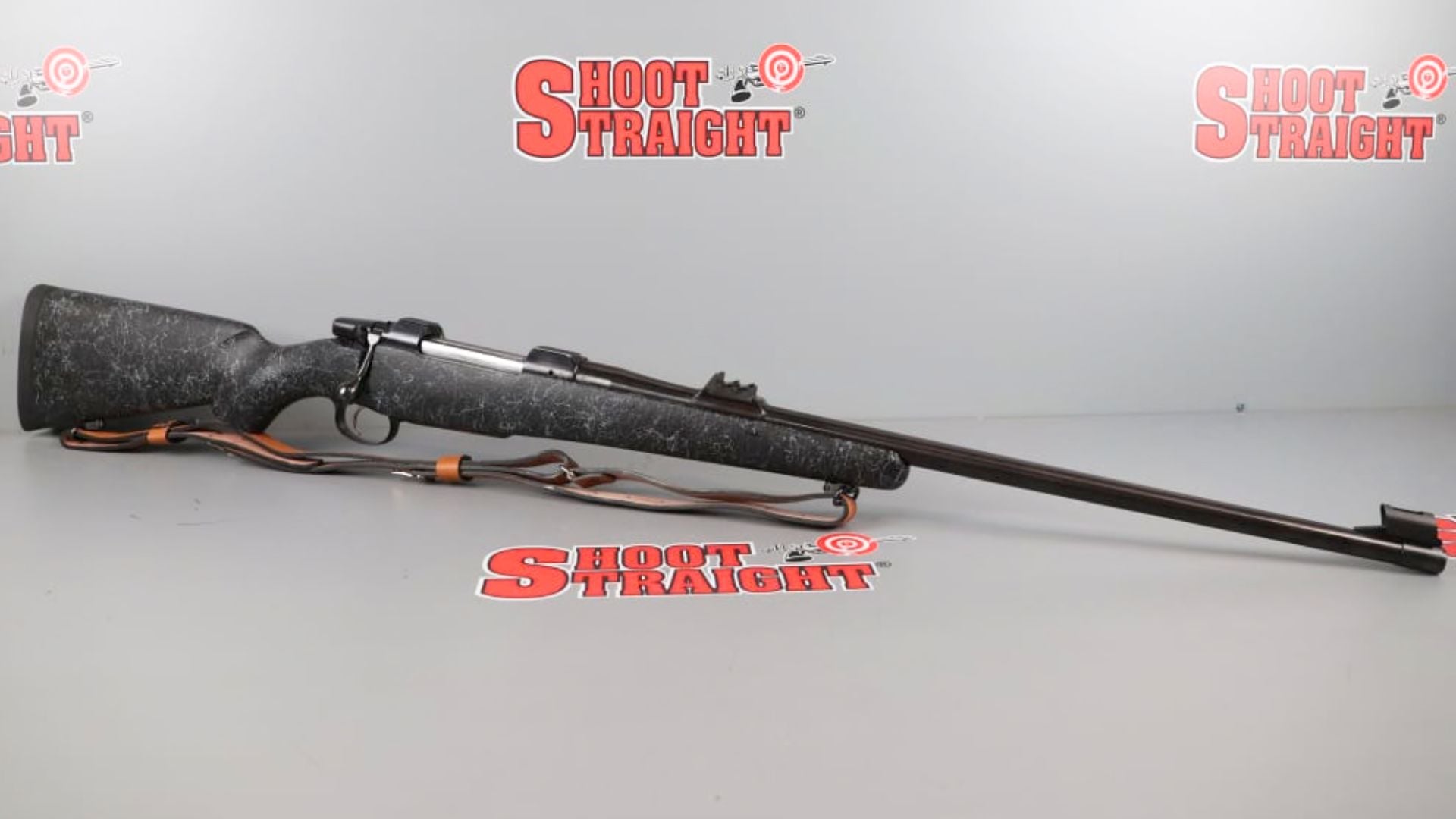
The CZ 550 caught flak for being a little chunky and old-school. In an era of featherweight rifles and short actions, the 550 felt like a throwback. Some hunters didn’t like the idea of extra ounces, and some didn’t like the long bolt throw. So they moved on.
But the 550 is one of those rifles you can run hard. Big claw extractor, sturdy action, and usually very good barrels. They also tend to come with better-than-average stocks for the money, and they point well in field positions. If you hunt rough country or you travel, a rifle that feeds with authority and doesn’t feel delicate is worth more than a half-pound on paper.
11. Tikka T3 (early production, “too smooth” crowd)
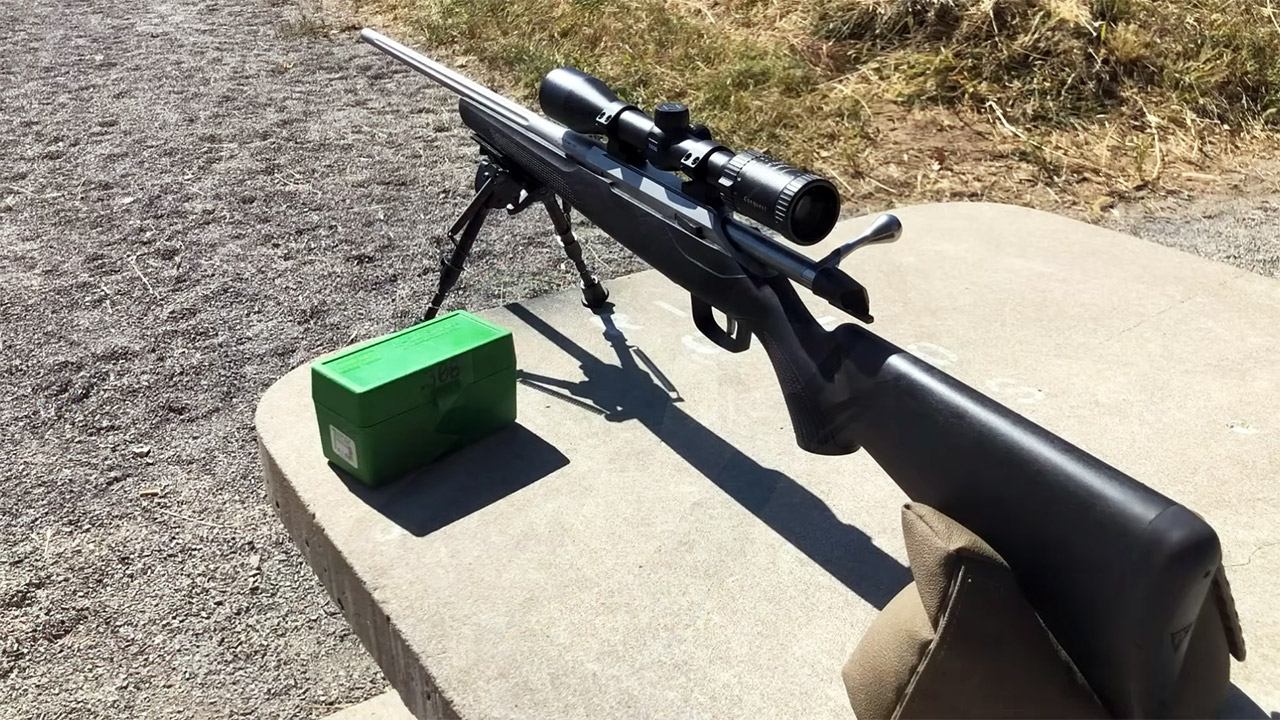
I’ve heard the jokes for years: “It’s too smooth,” “It’s a plastic gun,” “It feels like a toy.” The T3 got dismissed by guys who equate weight with quality, and by guys who want controlled-round feed no matter what. A lot of Tikkas got sold after one season because they didn’t have the right vibe.
Then the same guys watch a Tikka stack bullets with factory ammo, in a basic hunting stock, with a normal scope. The bolt is smooth because it’s well-made, and that matters when you’re working it fast without disturbing the sight picture. They’re also easy rifles to shoot well, which is the whole point. Magazines aren’t cheap, but the rifles are so dependable that many owners stop caring after a couple seasons of clean kills.
12. Weatherby Vanguard Series 1 (Japanese Howa-built)

The Vanguard used to be the rifle folks bought when they wanted “a Weatherby” but not the full Mark V price. That got it labeled as second-best, even though the early Japanese-made guns were strong, consistent, and usually accurate. A lot of them ended up traded in because the owner wanted a fancier name on the receiver.
Here’s what the Vanguard does: it shoots. The action is robust, the two-stage trigger (especially on later versions) is usable, and the rifles tend to like a wide range of factory loads. They’re not the lightest, but they settle nicely for field shots and don’t beat you up in common calibers. If you want a rifle that behaves and doesn’t require tinkering, the old Vanguard is one of the quieter wins.
13. Howa 1500 (basic synthetic models)

Howa rifles have been “sleepers” forever, and sleepers get ignored until they’re not sleepers anymore. The 1500 wasn’t trendy, didn’t have the loudest marketing, and often showed up as a package deal with a so-so scope. That’s a recipe for getting overlooked at the shop.
But the barreled actions are the real deal. The bolts feel solid, the recoil lug setup is dependable, and they generally shoot better than their price tag suggests. They’re also easy to re-stock if you want to build something nicer later, which makes them a smart long-game rifle. If you just leave it alone and hunt, it’s the kind of tool that quietly builds trust season after season.
14. Browning A-Bolt (original, not the later variations)

The A-Bolt got knocked for proprietary magazines and being “too nice” to drag through brush. It also lived in the shadow of the X-Bolt later, which made some owners dump the older rifle thinking it was outdated. That one hurts, because the original A-Bolts had a feel that’s hard to copy.
They’re slick, they lock up tight, and they tend to feed cleanly. The rifles point naturally, and Browning usually got the stock dimensions right for a wide range of shooters. The downside is real: spare mags can be expensive, and you don’t want to lose one in the leaves. Still, as a hunting rifle that carries well and shoots where you aim, the A-Bolt earned its reputation the old-fashioned way.
15. Ruger American Rifle (first-generation, “cheap” stigma)

When the Ruger American hit the shelves, plenty of experienced hunters laughed it off. The stock felt hollow, it was light, and it didn’t have the pride-of-ownership vibe. A lot of them got bought as a stopgap and sold as soon as the owner had “real rifle” money.
Then you see how many deer have been killed with them. They’re generally accurate, they don’t mind bad weather, and the rotary magazine is more reliable than it looks. The bedding system does its job, and the rifle carries easy on long walks. No, it’s not a walnut heirloom. It’s a working gun for the guy who hunts more than he talks about hunting, and that deserves respect.
16. Mossberg MVP (5.56/7.62 models that take common mags)
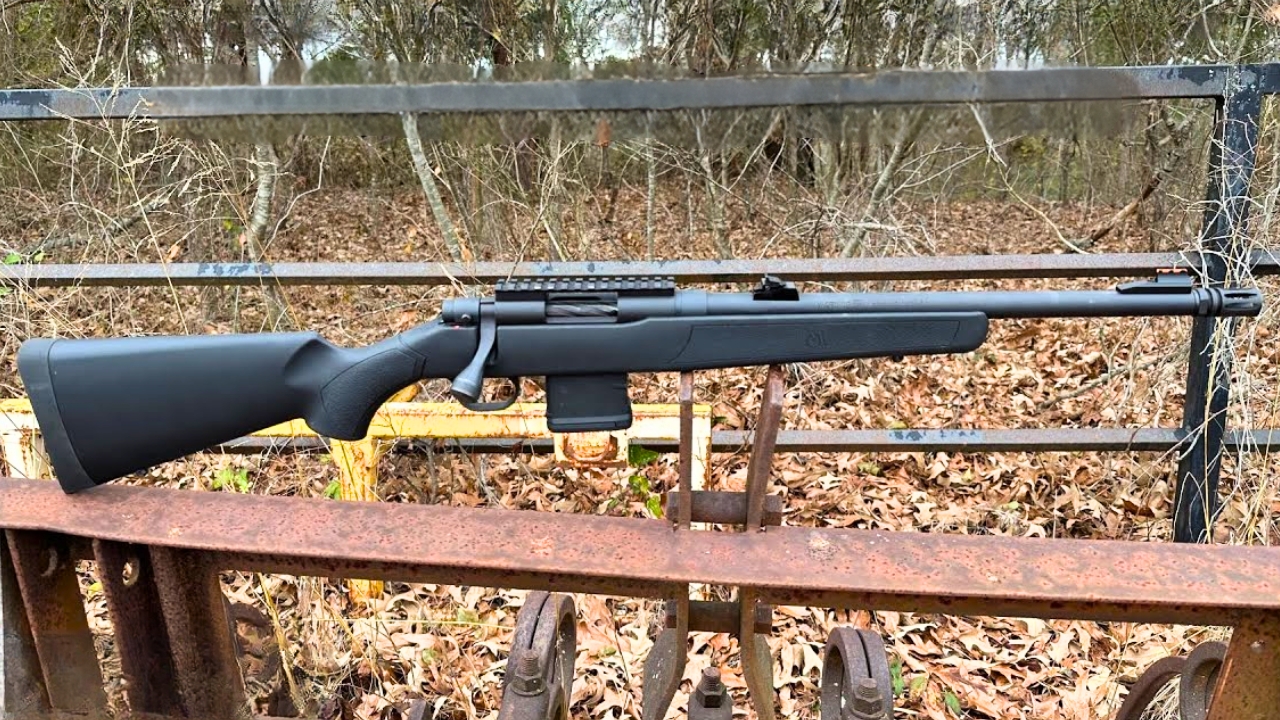
The MVP looked like an answer to a question nobody asked: a bolt gun that feeds from AR-style magazines. Early rifles got mixed reviews on feel and fit, and that was enough for many shooters to write the whole platform off. They moved them along quick, assuming the idea was flawed.
In real use, the MVP can be extremely practical. If you already stock AR mags, it’s convenient on a ranch or at a range day where you’re not trying to chase loose rounds. In states or situations where a semi-auto isn’t the best choice, a magazine-fed bolt gun keeps things simple. The MVP isn’t refined like a high-dollar bolt rifle, but for coyote work, property rifles, and straightforward utility, it can be a better tool than folks expected.
17. Springfield Armory M1A (standard and Scout Squad)
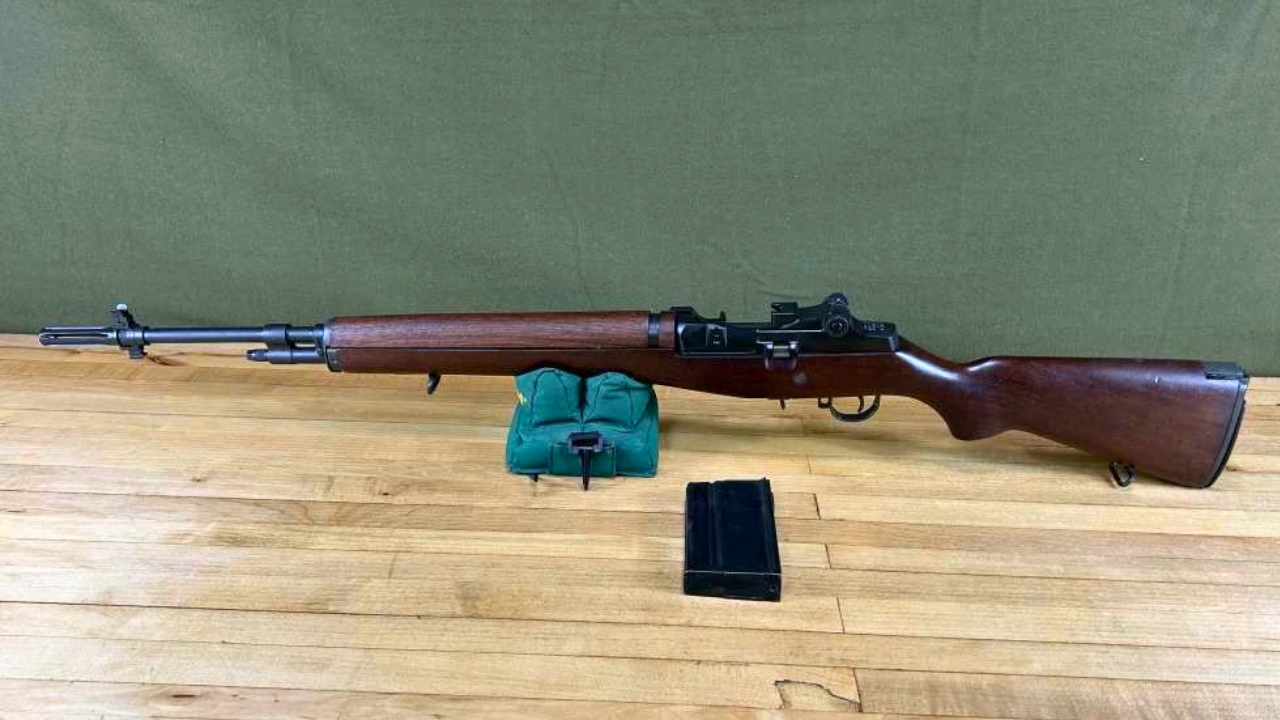
The M1A has always been loved and criticized in equal measure. Heavy, expensive magazines, and not as inherently accurate as a purpose-built modern precision rifle—those knocks are fair. So a lot of owners bought one on emotion, then sold it after they realized it wasn’t an AR-10 and it wasn’t a benchrest gun.
But the M1A does something that’s hard to quantify: it carries authority and shoots with a rhythm that makes sense in field positions. The iron sights are excellent, the recoil impulse is more of a shove than a snap, and the Scout-style models balance well for practical distances. It’s not a beginner’s maintenance rifle, and it’s not cheap to feed. Still, when you run one that’s set up right, you understand why it refuses to disappear.
18. Ruger Gunsite Scout Rifle

Scout rifles got talked to death online, and that chatter hurt the Gunsite Scout more than it helped. Folks either expected it to be a long-range precision rig or they expected it to be a featherweight mountain rifle. It’s neither. So it got bought, misunderstood, and traded off.
What it actually is: a compact, handy .308 that’s built to be carried and used in awkward places. The iron sights are a real plus, the controlled-round feed is comforting when you’re running the bolt fast, and the detachable mags make loading and unloading around vehicles less of a juggling act. The forward optic setup isn’t for everyone, but a normal scope works too. It’s a practical rifle for a working hunter who values handling over bragging rights.
19. H&R Handi-Rifle (SB2-era centerfire)
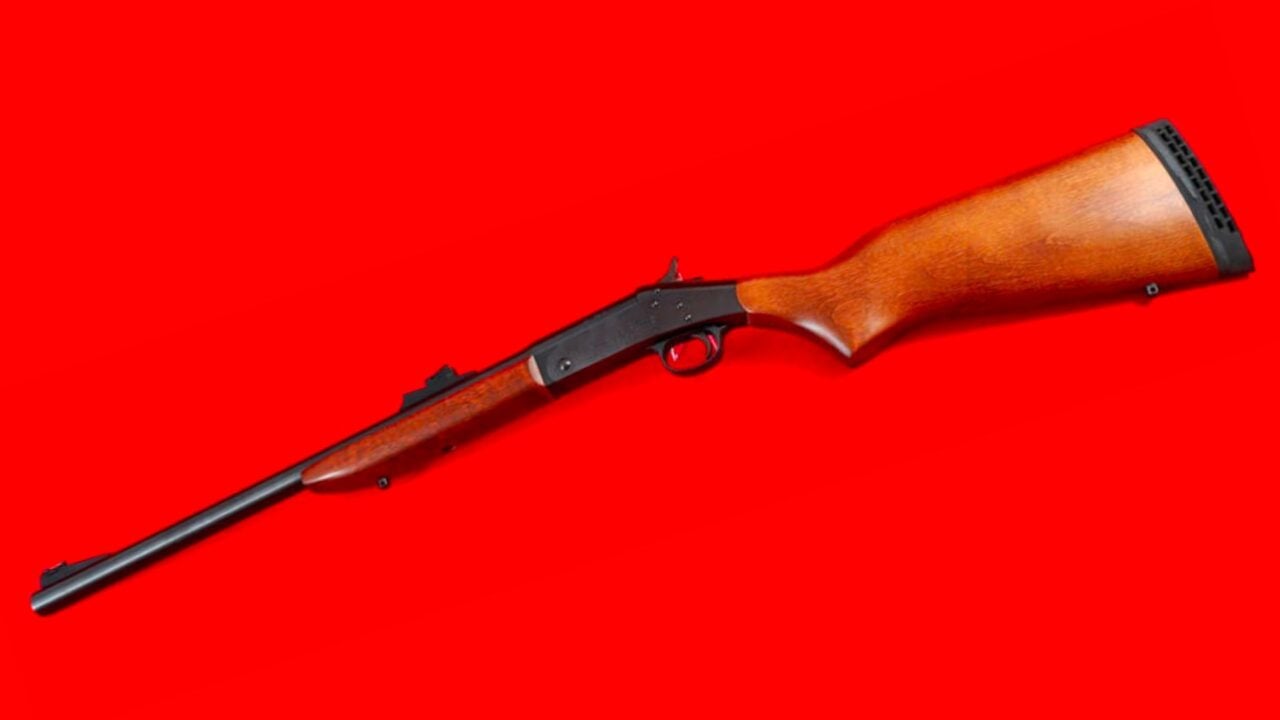
Single-shots get zero respect until you hunt with one. The Handi-Rifle was cheap, plain, and not something you posted online to impress anybody. A lot of them were bought for a kid, used a season or two, and sold off when the kid graduated to a bolt gun.
But the Handi taught good habits. You make the first shot count. You slow down. You pay attention to safe loading and unloading because everything is right there in the open. They’re also handy little rifles to stash at camp or keep for a loaner, and barrels exist in enough chamberings to cover most normal hunting. Triggers vary, and accuracy can be hit or miss, but a good one is more useful than its price ever suggested.
20. Steyr Scout
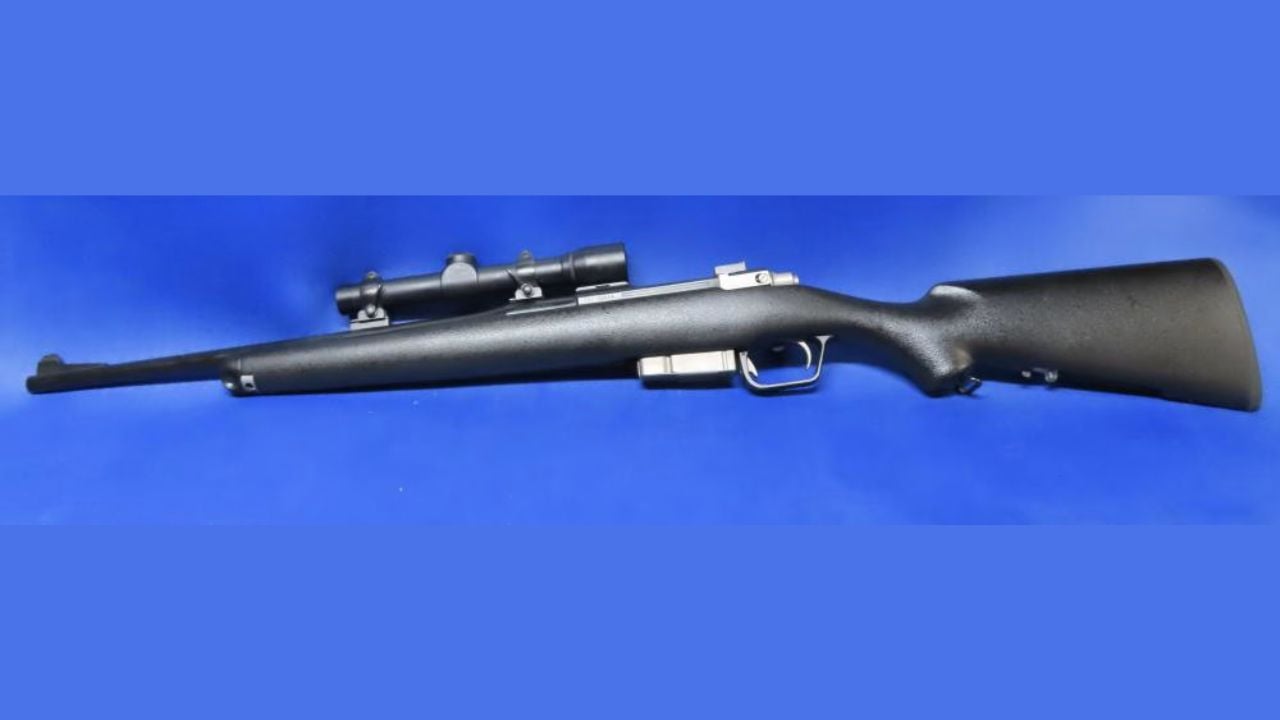
The Steyr Scout was ahead of the market, and that’s a bad place to be sometimes. It looked strange, cost real money, and came with features most hunters hadn’t asked for yet. Bipod in the fore-end, spare mag storage, forward optic concept—it was too different, so plenty of buyers flipped them fast.
Fast forward, and a lot of modern “do-it-all” rifles are chasing the same ideas with more weight and less elegance. The Steyr carries incredibly well, balances like it was designed by someone who actually walks, and it’s built with practical field use in mind. It isn’t a bench rifle, and the ergonomics are not everyone’s favorite. But if you spend time in rough country and value a rifle that’s always ready without being bulky, the Scout starts making a lot of sense.
The funny part about these rifles is that none of them are perfect. Some have quirks, some have magazine hassles, and some just don’t fit every shooter. The lesson is simpler than the internet makes it: if a rifle has proven itself in your hands, in your weather, on your land, be slow to dump it just because something newer looks better on a rack. Reliable and familiar beats trendy when the shot finally shows up.
Like The Avid Outdoorsman’s content? Subscribe to our newsletter so you never miss an article.
Here’s more from us: