Photo credit: ZRUS Outdoors Channel/YouTube
You can tell who’s been doing gun shows for a while by how they move. They don’t drift table to table staring at everything. They scan, they spot, and when they see the right lever gun sitting there like it’s just another used rifle, they’re already reaching for their wallet. Lever-actions are like that. The good ones don’t sit long, especially if they’re clean, correctly priced, and chambered in something a hunter can actually use without chasing boutique ammo.
Here are the lever-actions I’ve watched seasoned gun show regulars buy fast, for real-world reasons—carry, hunt, keep, and hand down.
1. Marlin 336 (JM-stamped)

If there’s one rifle that gets picked up, cycled once, and quietly set aside “behind the table,” it’s a clean JM-stamped 336. The old North Haven Marlins have a feel to them—slick without being loose, solid without being clunky. A .30-30 336 carries like it belongs in your hand, not on a sling, and it points fast in thick timber.
The reason these go quick is simple: they’re useful, and the good ones aren’t getting more common. A straight, honest 336 with a decent bore is a lifetime deer rifle. Parts and know-how are everywhere, and you can still find .30-30 when the shelves look rough. It’s not a fancy gun. It’s just the one that keeps getting it done.
2. Winchester Model 94 (pre-64)

Pre-64 Model 94s have their own gravity at a gun show. Even folks who don’t “collect” suddenly start talking about serial ranges and receiver finish. They’re light, fast, and they shoulder like a bird gun. If you grew up around one, the first time you run that lever again, it’s hard not to want it back.
They’re not perfect. A lot of them have been carried hard, and plenty have dark bores or buggered screws. Still, a solid pre-64 in .30-30 is about as classic as it gets for whitetails inside normal woods ranges. The real draw is they haven’t made them like that in a long time, and a straight one at a fair price does not last until lunchtime.
3. Marlin 1895 Guide Gun
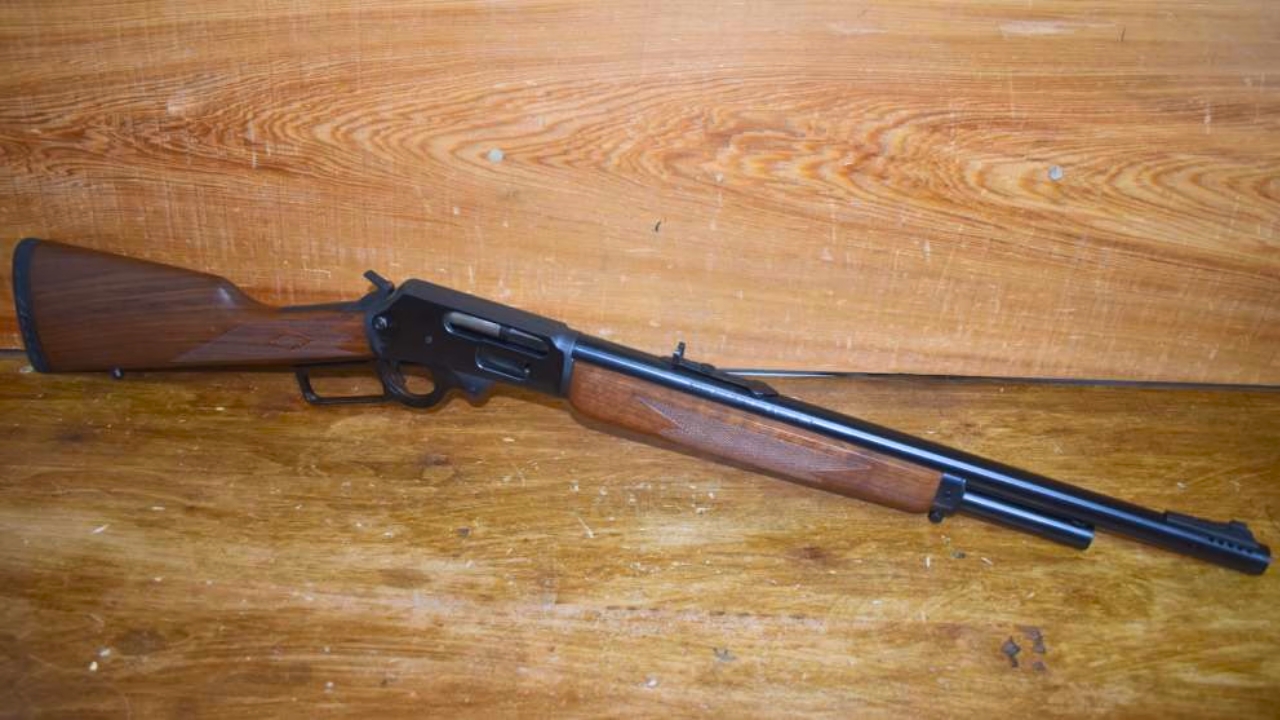
The Guide Gun is what happens when “handy” meets “serious.” Short barrel, big hole in the muzzle, and enough authority in .45-70 to settle arguments with heavy animals. Gun show regulars grab these because they know what they cost new, and they know how often a clean used one shows up that hasn’t been abused with hot loads and neglect.
It’s not for everyone. Recoil is real, especially in a light rifle, and you’ve got to actually practice if you want it to be more than a safe queen. But as a thick-cover hog rifle, a bait-site bear rifle, or a just-in-case woods gun, it fills a niche nothing else fills quite as well. A clean 1895 with good wood-to-metal fit and a smooth action is a “do not hesitate” purchase.
4. Henry Big Boy Steel (in .357 Magnum)
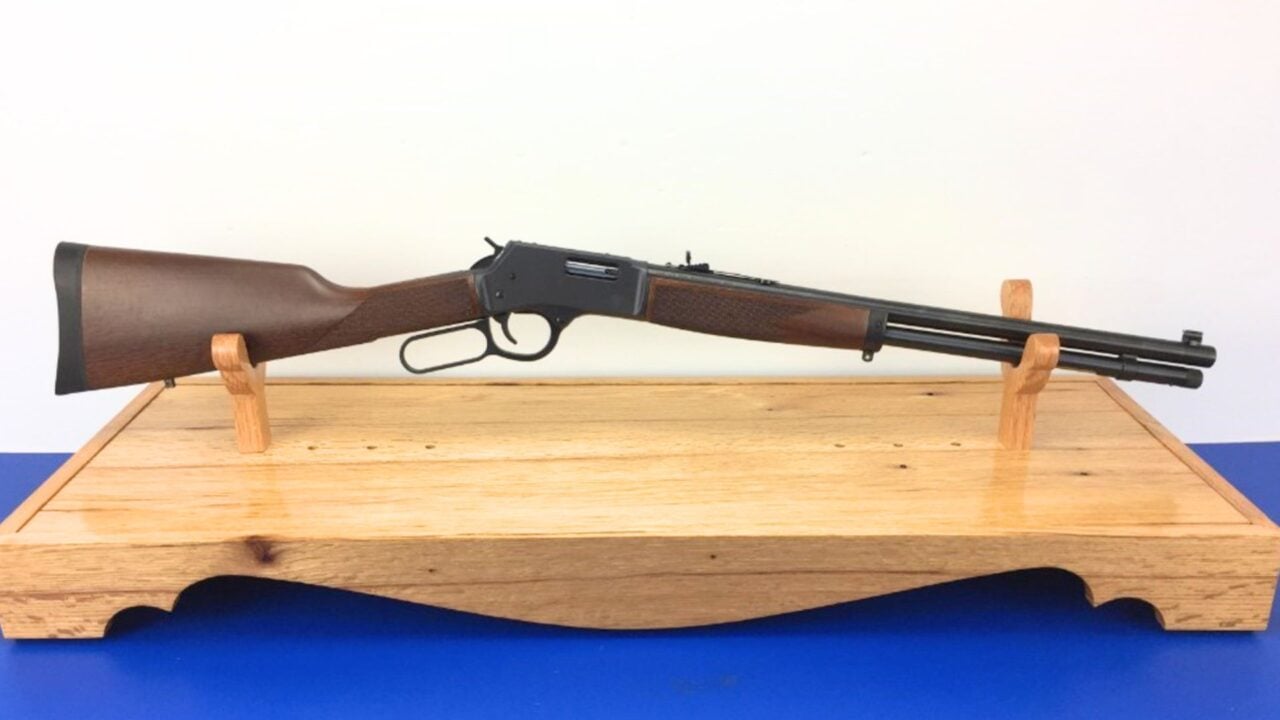
I’ve watched more than one guy walk in saying he’s “just looking” and walk out with a Big Boy Steel in .357. It balances well, doesn’t feel cheap, and it runs like Henry usually runs—smooth, with a lever throw that doesn’t feel gritty. With .38 Specials it’s easy, quiet-ish, and downright fun. That matters because fun guns get practiced with.
Gun show regulars like them because they’re practical. A .357 lever gun is a legitimate 100-yard deer rifle with the right ammo and placement, and it’s also a farm rifle that won’t beat you up. The Steel models avoid that overly shiny look some folks don’t want, and they hold up to real use. If the price is right and the crown and bore look good, these don’t sit around.
5. Winchester Model 92 (original or quality reproduction)
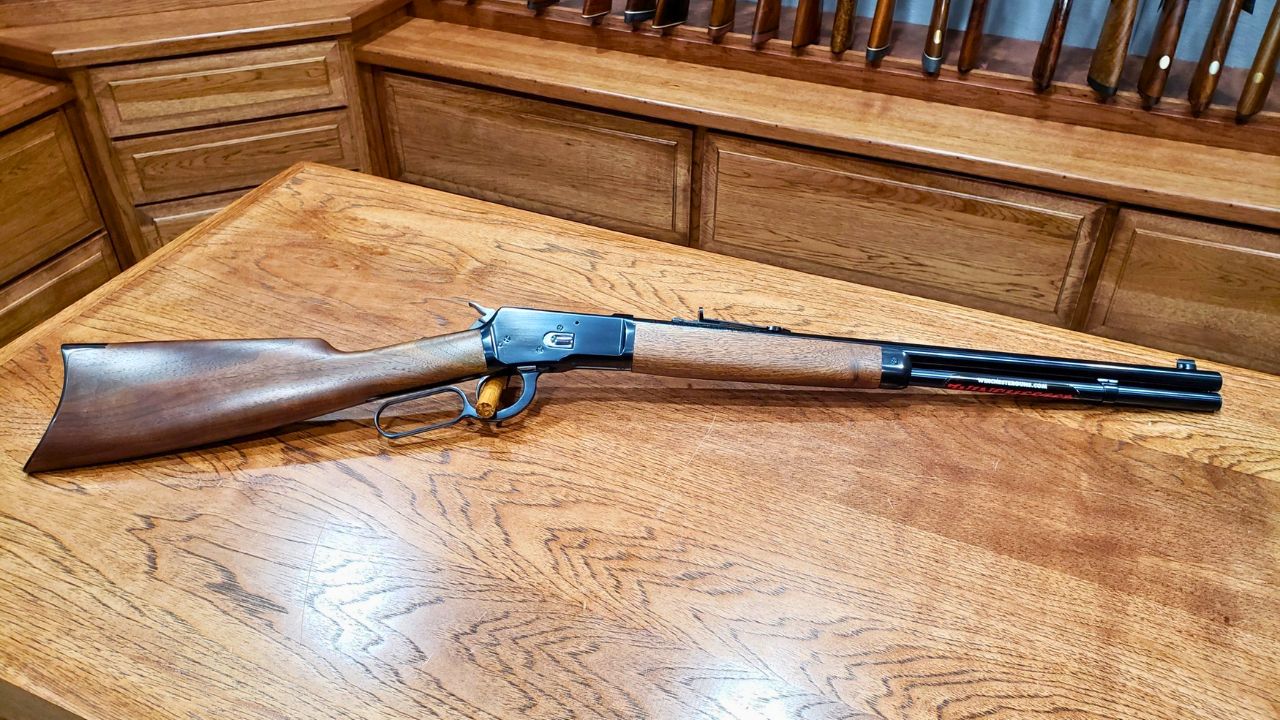
The 1892 pattern rifles are slick when they’re right. Short action, quick cycling, and they tend to run pistol calibers better than a lot of other designs. When you pick up a good one in .357 or .44 Mag and work the lever, you understand why cowboy-action shooters gravitated to them.
Original Winchesters bring collector attention, but even quality reproductions get bought fast because they make sense. A 92 in .357 is light enough to carry all day, and it rides in a truck without feeling like you’re hauling a fence post. The key is condition and timing—if it feels “crunchy” or out of sync, walk. If it’s smooth and tight, someone else will grab it if you don’t.
6. Marlin 1894 (JM-stamped, .357 or .44 Mag)
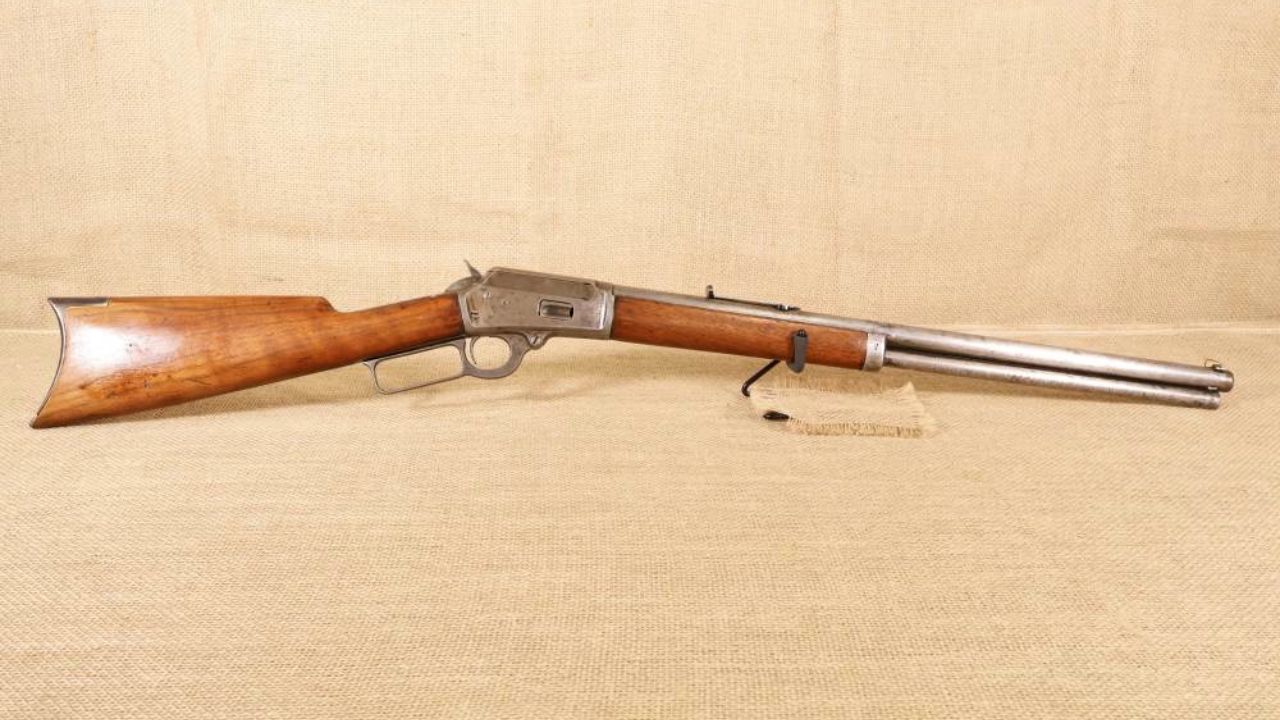
A JM 1894 in .357 is one of those rifles that never seems like a bad idea. It’s compact, quick, and accurate enough for what it is. In .44 Mag it turns into a serious woods tool, especially for folks who hunt where shots are close and angles are weird. These carbines carry easy and come to the shoulder fast.
The reason show regulars buy them fast is because replacements aren’t simple. The older ones have a better reputation for fit and finish, and the demand for pistol-caliber lever guns has stayed high. Also, you can actually run these hard without babying them. If the loading gate isn’t chewed up and the action doesn’t feel like it’s full of sand, it’s probably leaving the table with somebody.
7. Browning BLR (in .308 Win or .358 Win)
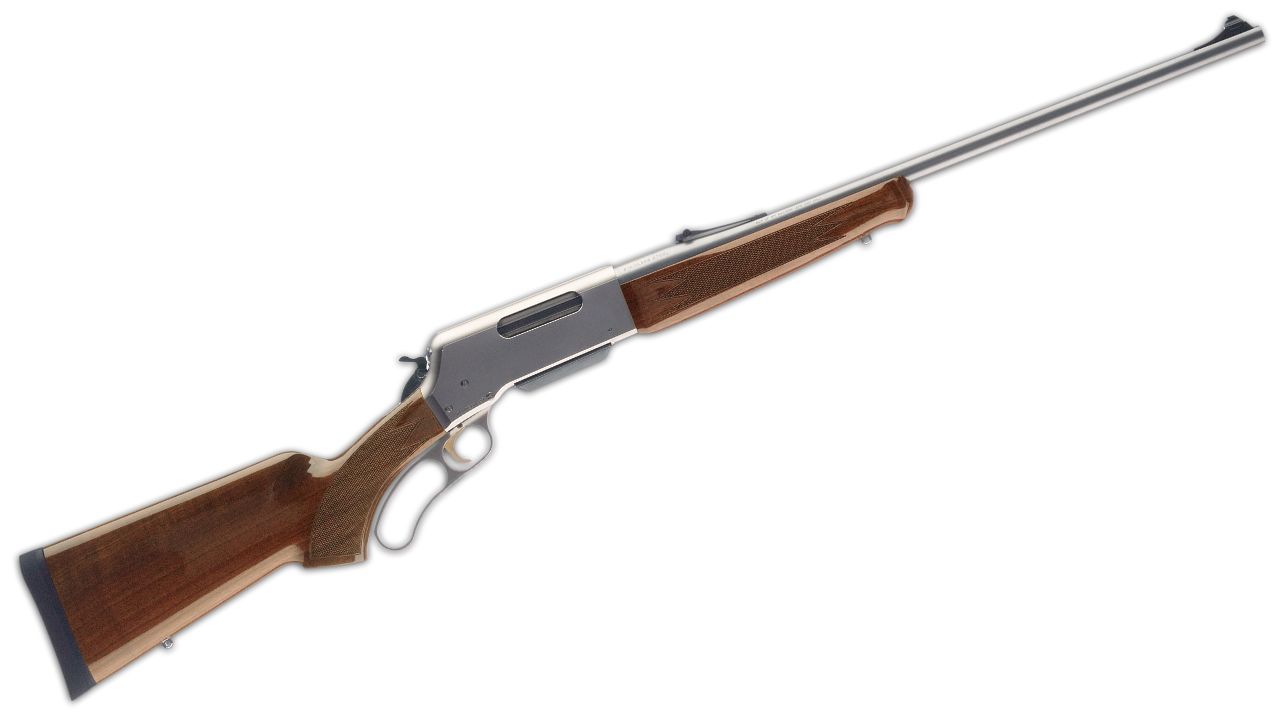
The BLR is the lever gun for folks who want modern cartridges without giving up lever handling. Detachable magazine, strong lockup, and it’ll shoot .308 like a normal hunting rifle—because basically, it is. You’ll see regulars snag BLRs because they’re not common on tables, and the good ones don’t get cheaper.
They aren’t as simple as a 94 or a 336, and you don’t buy one expecting “old-school charm.” You buy it because you want a lever rifle that can reach across a cut bean field and still handle well in a stand. If it comes with the factory mag and the lever isn’t sloppy, it’s a smart pickup. Lose that magazine, though, and you’ll learn why guys guard spares like they’re gold.
8. Savage Model 99 (in .300 Savage or .308 Win)

The Savage 99 is one of those rifles that feels smarter than it looks. Rotary magazine, pointy bullet friendly, and a balance that’s hard to explain until you carry one in the woods. When a clean 99 shows up, especially in a common chambering, it draws the older hunters and the younger history-minded guys at the same time.
These get bought quickly because they’re both useful and interesting. A .300 Savage will still kill deer as dead as you need it to, and a .308 version keeps ammo simple. The caution is parts and smithing—this isn’t always a “drop it off anywhere” kind of rifle. But if it locks up tight, cycles clean, and hasn’t been drilled into oblivion, it’s a grab-it-now lever gun with real field value.
9. Winchester Model 71
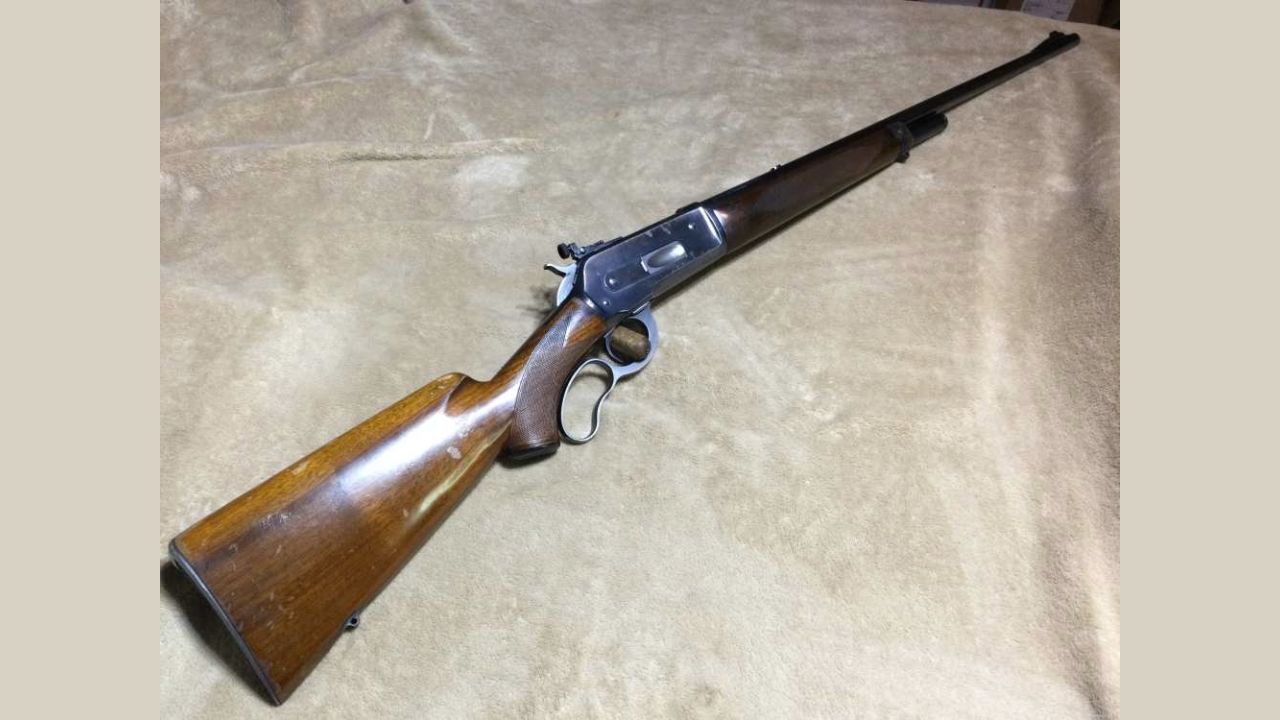
A Model 71 on a table changes the traffic pattern. It’s not common, and it’s not cheap, but it’s one of those rifles that feels like a serious tool from a serious era. Chambered in .348 Winchester, it’s a big-woods hammer with smooth lines and real presence. You pick it up and it feels alive.
Gun show regulars move fast on these because there just aren’t many chances. Ammo isn’t as easy as .30-30, so it’s not a casual buy, but the folks who want a 71 already know that. They’re looking for condition—cracks at the wrist, buggered screws, bore condition, and whether it’s been messed with. A correct, clean 71 is a “buy it and don’t look back” rifle for the right buyer.
10. Ruger 96/44
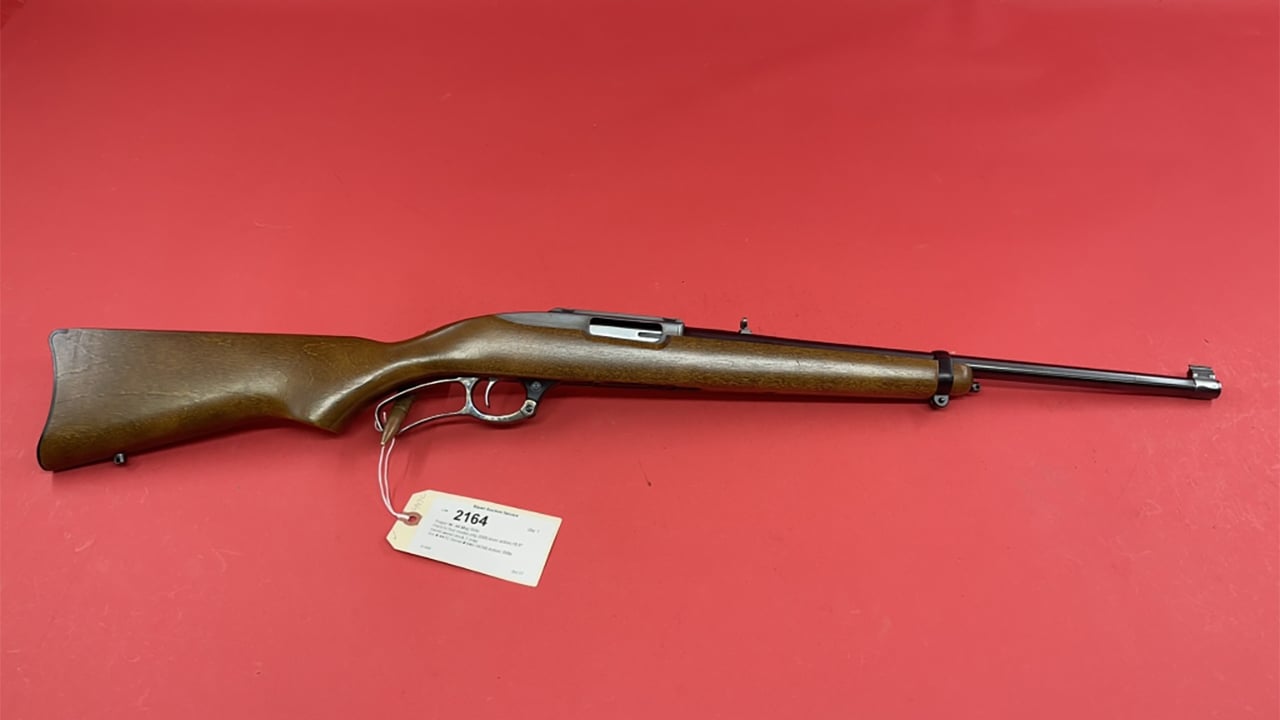
The Ruger 96/44 is a sleeper. It’s not the prettiest lever gun ever made, and it doesn’t scratch the “classic walnut and bluing” itch for everyone. But it’s light, handy, and it takes rotary magazines. If you hunt thick cover and want fast reloads without a tube, it’s a neat little rig.
These get bought fast because they were never everywhere, and the guys who’ve owned them tend to keep them. In .44 Mag, it’s a legitimate close-range deer rifle that handles more like a .22 than a thumper. Magazines matter here—if it comes with extras, that’s a big deal. If you’re the type who wants a practical brush gun and doesn’t care about tradition points, the 96/44 is easy to love.
11. Marlin 39A
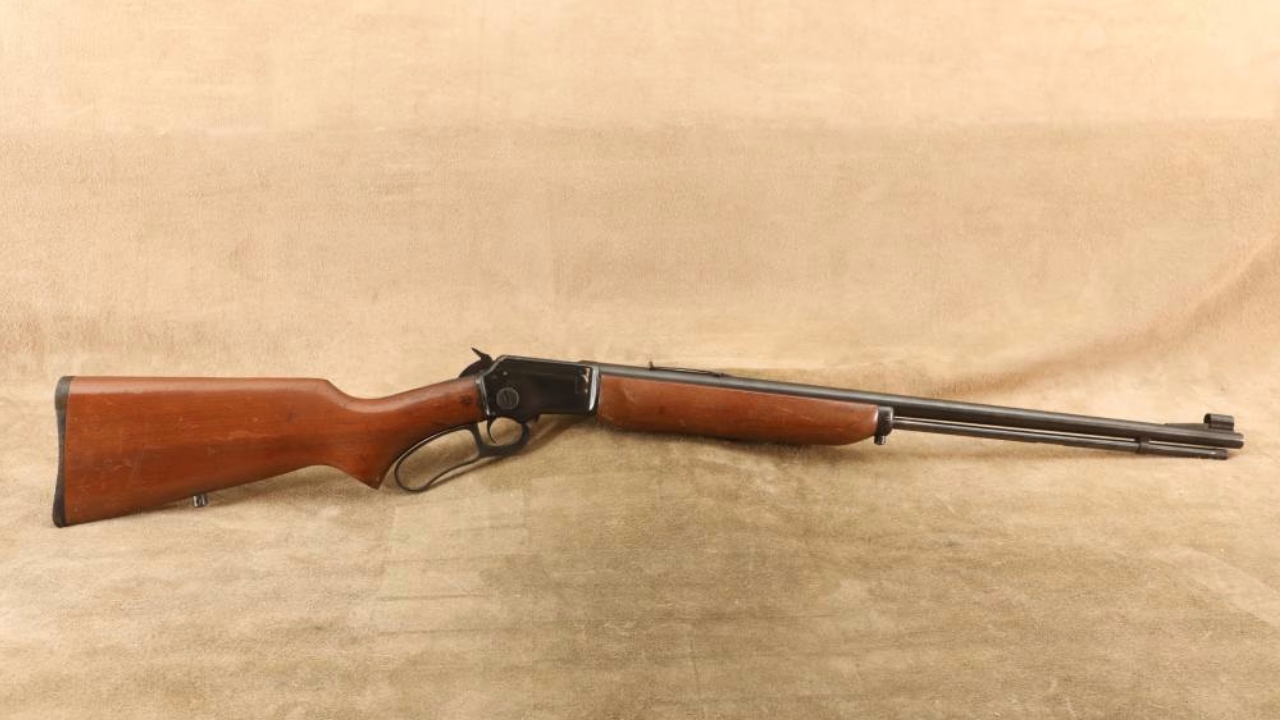
Every gun show has tables full of .22s, but a clean Marlin 39A still gets attention. It’s a lever .22 that feels like a centerfire in the hands, and it will outlast most of us if it’s treated right. The takedown design is handy, and the accuracy is the kind that makes you blame yourself when you miss.
Regulars buy these quickly because good .22s are never a bad investment in shooting time. A 39A is for squirrels, cans, trapline chores, and teaching kids without handing them something flimsy. The downside is weight—it’s not a feather—and some have been “improved” with bad scope mounts or questionable refinishing. Still, if the bore is bright and the action is smooth, it’s hard to justify leaving it for the next guy.
12. Winchester 9422

The 9422 is one of those rifles that even non-lever guys respect. It has that Winchester feel, tight and clean, and it runs like it’s on bearings when it’s been cared for. At a show, you’ll see a regular pick it up, check the muzzle and the loading port, and either put it down immediately or start talking numbers.
These disappear fast because they’re not made anymore and they’re genuinely nice .22s. They’re also a safe bet as a “forever” rifle—small-game hunting, plinking, and camp use. The catch is price. Some sellers think every 9422 is made of rare metal, and some buyers still pay it. If you find one priced like a shooter instead of a museum piece, you don’t stroll around thinking about it. You buy it.
13. Henry H001 (Classic Lever Action .22)

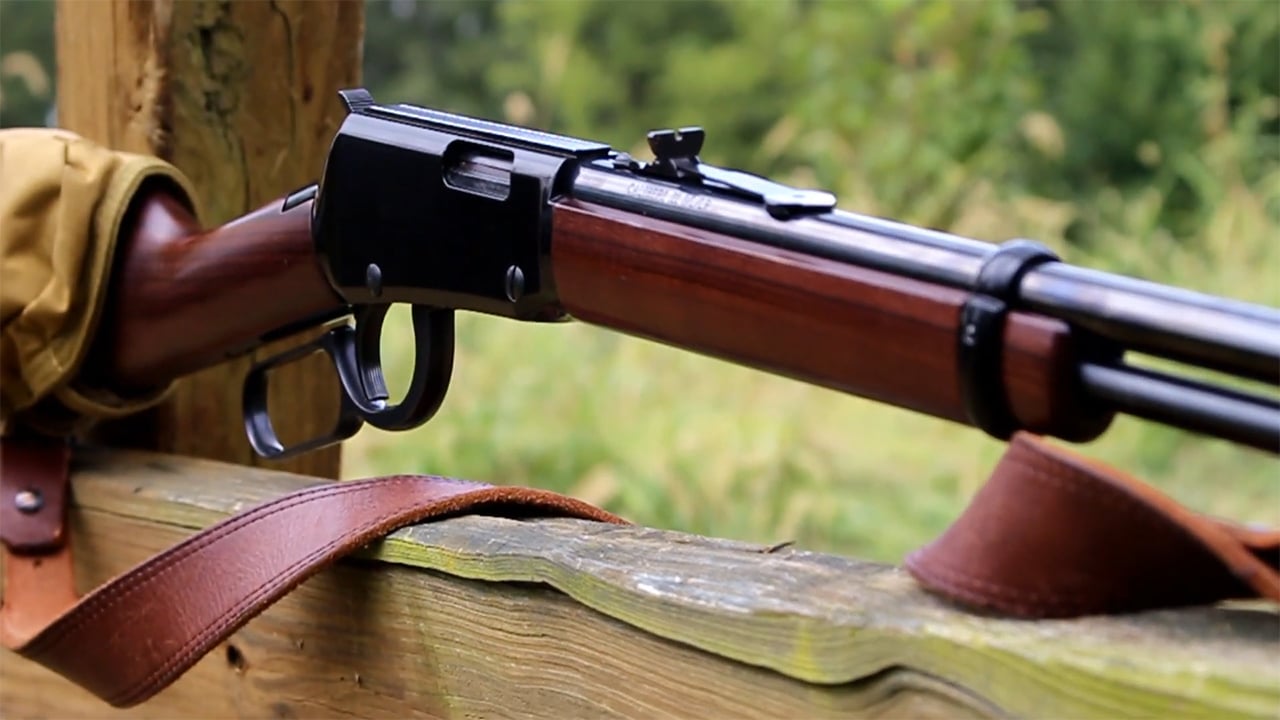
The plain Henry .22 doesn’t get collector hearts racing, but it gets bought because it works. It’s affordable, it’s reliable, and it’s a rifle you can toss behind a truck seat in a case without feeling like you’re risking a family heirloom. The action is usually smooth right out of the box, and it doesn’t take much to keep it running.
At gun shows, regulars grab clean used H001s because they make great “loaner” rifles for new shooters and kids. They also make sense for landowners who want a dedicated critter gun that won’t cause tears if it gets a scratch. The knocks are the sights (serviceable, not amazing) and the fact it’s not a takedown like some older guns. Still, as a tool, it’s hard to argue with, especially when the price is right.
14. Mossberg 464
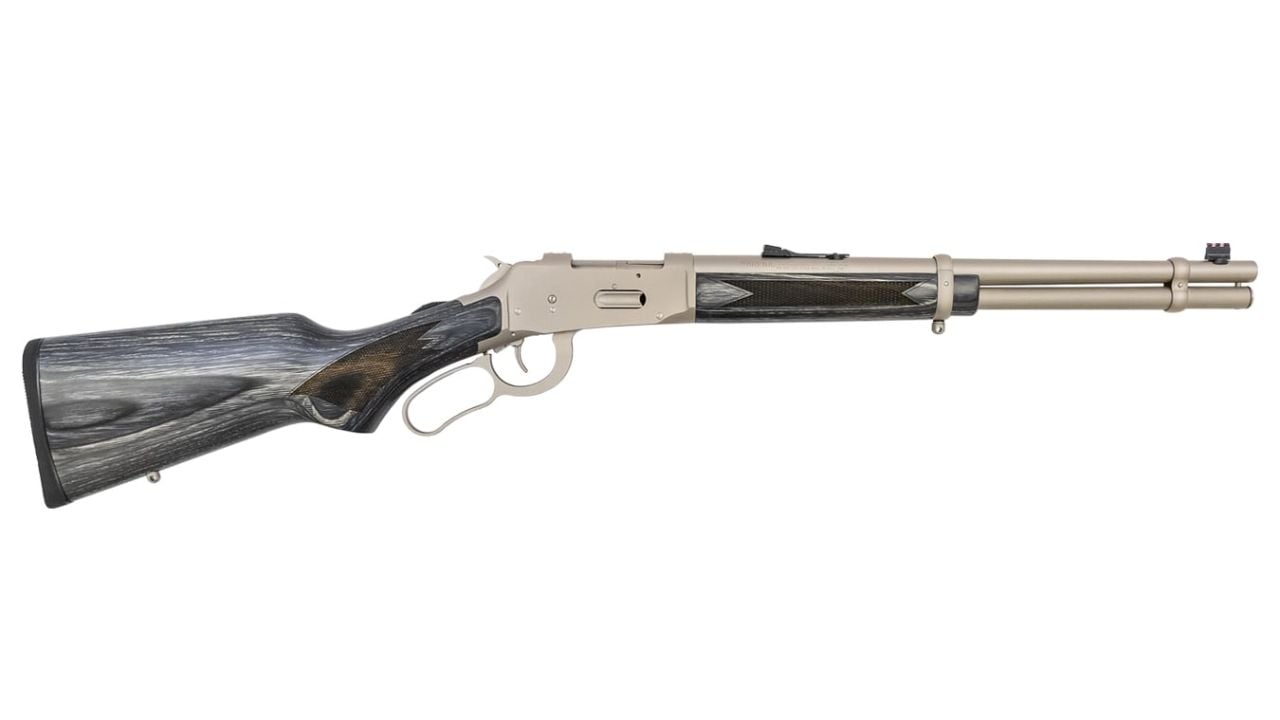
The Mossberg 464 doesn’t get the same love as the old Winchesters and Marlins, but it’s one I’ve seen bought quickly when the buyer knows what they’re looking at. A decent 464 is a straightforward .30-30 that you can hunt with immediately. It’s not delicate, and it’s usually priced where a working guy can say yes without selling something else.
Why buy it on sight? Because it’s often the only honest “use it hard” lever gun sitting there that hasn’t been inflated into collector pricing. The feel is a little different—sometimes a bit stiff, sometimes not as refined. But if the sights are straight, the lever timing feels right, and the rifle hasn’t been abused, it’ll kill deer just fine. It’s a good reminder that not every hunting rifle has to be a romance novel.
15. Rossi Model 92 (Puma/R92)
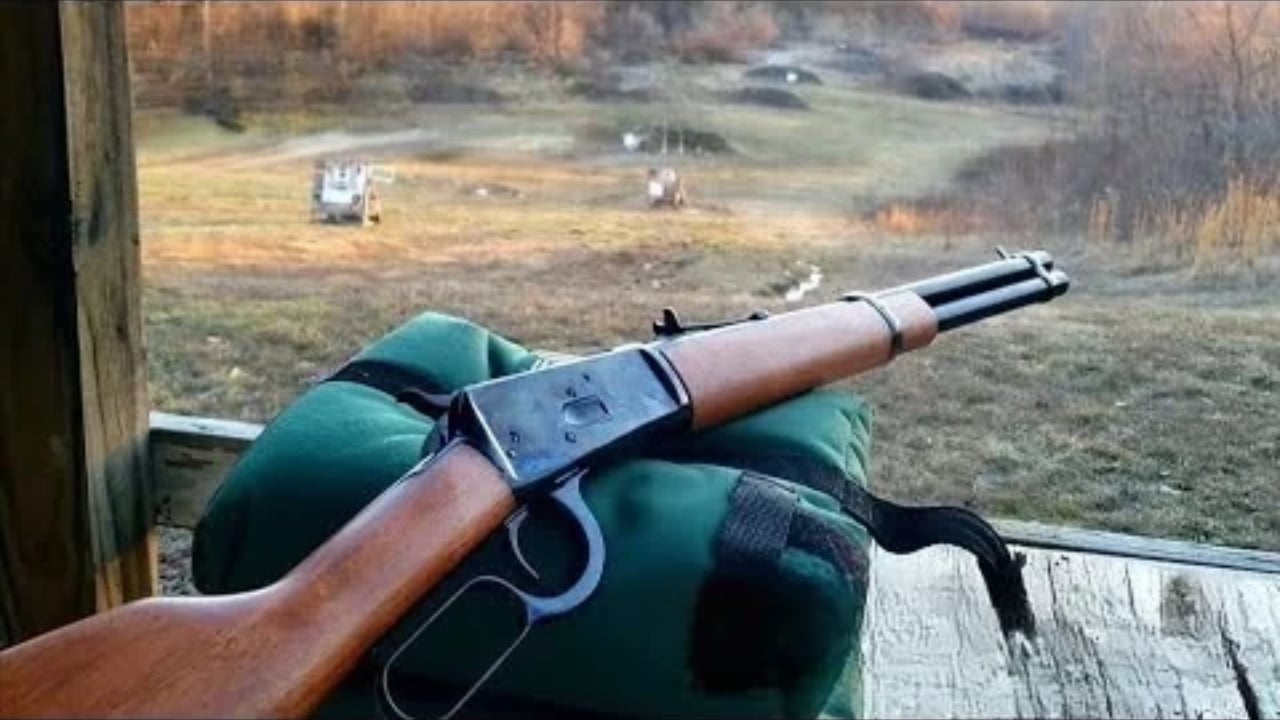
Rossi 92s are a mixed bag, and that’s exactly why savvy buyers move fast when they find a good one already vetted by time. The action on a good Rossi can be surprisingly slick, and the rifles are light. In .357, they’re easy to feed, easy to shoot, and easy to carry.
The smart gun show move is to handle it carefully: cycle it, check the sights, look at screw heads, and see if it feels like it’s been “worked on” by somebody with more confidence than skill. When they’re right, they’re a ton of rifle for the money, and they fill that pistol-caliber lever niche without costing premium dollars. When they’re wrong, they can be frustrating. That’s why a proven, smooth example gets snapped up—somebody else already did the sorting.
16. Uberti 1873 (Winchester 1873 reproduction)
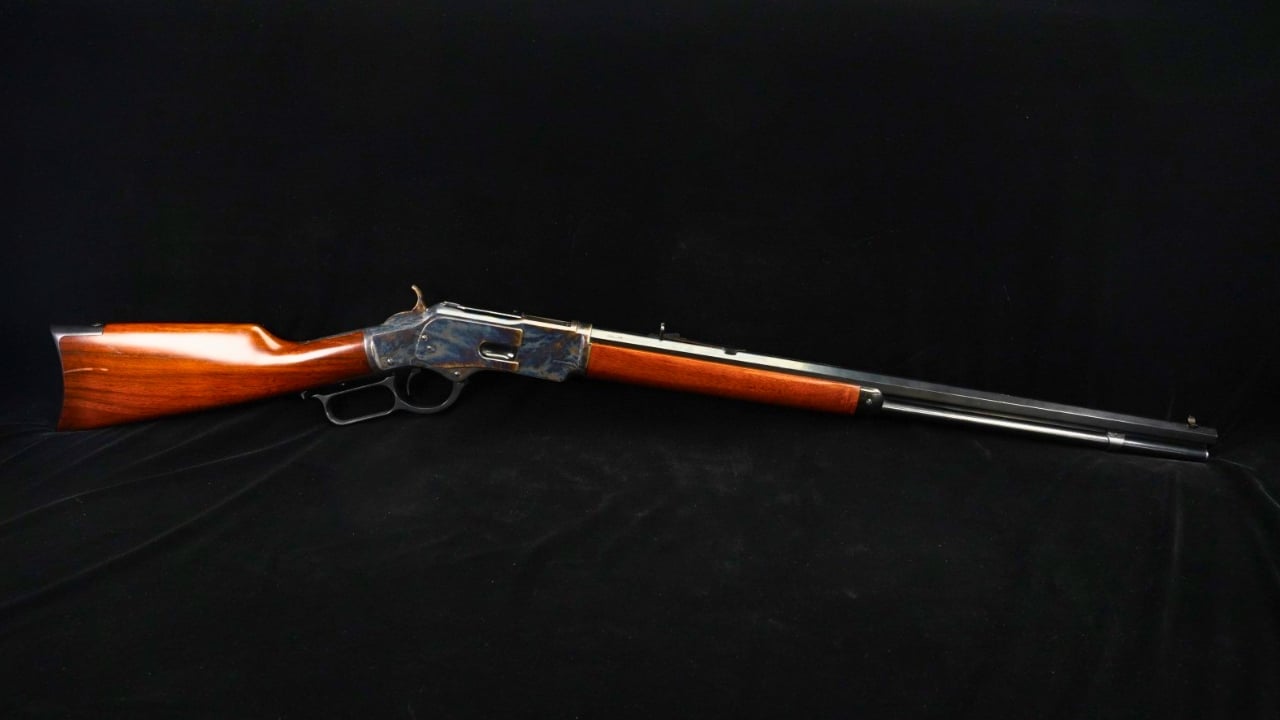
There’s a reason the 1873 pattern dominates certain shooting games: when it’s tuned well, it runs fast and smooth. Uberti makes some of the better reproductions, and at a gun show you can feel the difference between one that’s been cared for and one that’s been run dry and put away wet.
These get bought quickly because they’re fun, yes, but they’re also legitimately useful as a pistol-caliber carbine. A .357 1873 with decent sights can be a great ranch rifle inside realistic distances, and it’s a rifle you’ll actually want to shoot. The caution is that not all parts compatibility and gunsmith familiarity is the same as with a 336 or 94. Still, if the action is smooth, the wood fit is decent, and the price isn’t fantasy, it’s a quick sale.
17. Chiappa 1892 Alaskan (takedown)

The Chiappa 1892 Alaskan takedown is the kind of lever gun that makes practical folks stop and look twice. Stainless, short, and built around the handy idea that you can break it down for packing. For boat hunters, backcountry types, and anyone who likes compact storage without going to a folding stock gimmick, it’s appealing.
Gun show regulars buy these when they find one that locks up correctly. Takedown systems have to be tight, and you want to make sure it goes together without wobble. In .357 or .44 Mag, it’s a legit trail and camp rifle, and it handles nasty weather better than blued steel. It’s not a traditionalist’s dream, and it’s not cheap, but it does a specific job. When a guy wants one, he doesn’t wait around and hope another shows up next month.
18. Marlin 444 (Model 444 / 444SS)
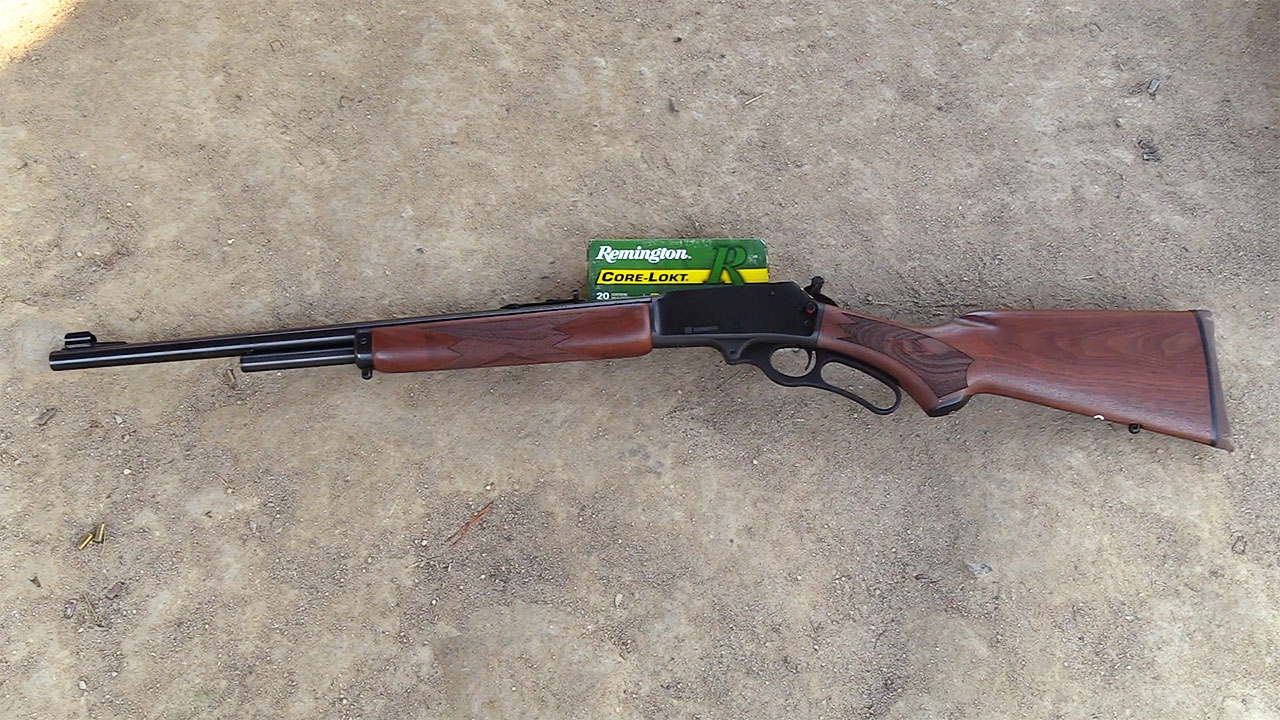
The .444 Marlin is one of those cartridges that doesn’t get talked about enough until you hunt where big holes and heavy bullets make life simpler. A Marlin 444 is a purpose-built woods rifle that hits hard without needing boutique ammo or extreme pressure games. When you see one at a show, it’s usually there because somebody didn’t shoot it much, not because it quit working.
Regulars buy these quickly because they’re not common, and they’re extremely effective on hogs and big-bodied deer in thick cover. Recoil is there, but it’s a different feel than some lighter .45-70 setups, and many shooters find it manageable with a good pad. The biggest limiter is ammo availability in small-town stores, so it helps to plan ahead. Still, if you want a thumper that feeds slick and carries well, a clean 444 is a smart grab.
19. Winchester Model 94AE (Angle Eject)

The Angle Eject 94s don’t always get the same collector love, and that’s exactly why the practical guys like them. If you want a Winchester 94 you can scope without goofy side mounts, the AE is the answer. They still carry light, still point quick, and still do .30-30 work the way it’s always been done.
At gun shows, these get bought when they’re priced like shooters, not like museum pieces. Check the usual stuff: crown, bore, lever slop, and whether it’s been drilled extra times. The AE models can be the best “real hunting” compromise for someone who wants the 94 feel but also wants a low-power scope for low light and older eyes. No, it’s not pre-64 magic. But it’s a rifle you’ll actually take out in the rain without having a panic attack.
20. Marlin 1894C (in .357 Magnum)
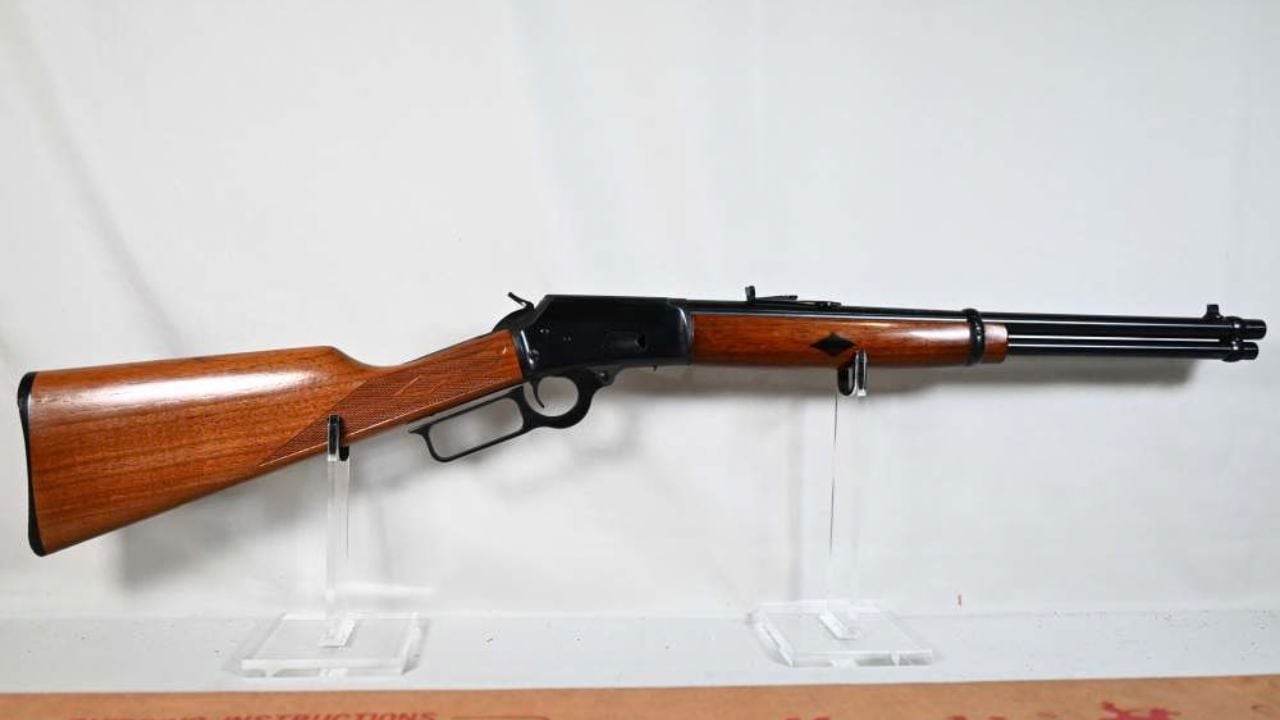
If you want to understand why pistol-caliber lever guns got so popular again, spend an afternoon with an 1894C. It’s compact, fast, and friendly. .38 Specials turn it into a low-noise, low-recoil practice machine, and .357 loads give you real punch for deer at woods distances if you do your part and pick your shots.
Gun show regulars buy these immediately because they disappear the moment hunting season gets close. It’s also a rifle that fits into a lot of lives: truck gun for checking fences (with safe handling and storage), camp rifle, home-place pest control, and a crossover gun if you already carry a .357 revolver. The things to check are the micro-groove vs. later barrels if you’re a cast-bullet guy, and general wear around the loading gate. A good one is hard to regret.
Lever-actions have a way of getting under your skin, but the ones that move fastest at a gun show aren’t always the rarest. They’re the ones that still solve problems: thick-woods deer, camp meat, ranch chores, and “one rifle that just works.” If you see one of these in honest condition and fair price range, don’t wander off to think about it too long. Somebody else already knows what it is.
Like The Avid Outdoorsman’s content? Subscribe to our newsletter so you never miss an article.
Here’s more from us: