Photo credit: ANR Design – Thermoplastic Holsters/YouTube
Estate sales are where you see the whole timeline of American handgun ownership laid out on folding tables. Grandpa’s nightstand gun. Dad’s “I’m getting my permit” phase. Somebody’s impulse buy after a scary news cycle. And then the pricing happens—usually by a well-meaning relative who only recognizes whatever is stamped on the slide and thinks every old pistol is either priceless or junk.
What follows are the pistols I see over and over in those situations, either tagged too high because the name sounds expensive, or tagged too low because the seller doesn’t realize what they’ve got. I’m not telling you to be “that guy” at an estate sale. I am telling you to slow down, look past the brand, and judge the actual gun: condition, magazines, parts support, and whether it’s a shooter or a safe queen.
1. Colt Mustang Pocketlite

This little Colt shows up with a tag that says “COLT = $$$” and sometimes that’s true. The problem is there are a bunch of Mustangs out there that lived hard in a pocket, got carried a lot, and never got cleaned much. Slide wear and chewed-up screw heads don’t scare me, but cracked grips, hacked-on sights, and home-brew “polish jobs” do.
On the other side, I’ve seen them priced like any random .380 because the seller assumes small equals cheap. The Mustang is one of those guns that points naturally, carries easy, and has real Colt interest behind it. Magazines and small parts can be a little more “hunt and peck” than modern polymer stuff, so factor that in. If it comes with the box and original mags, pay attention.
2. Colt Detective Special

Somebody always calls it a “snubnose Colt” and slaps an optimistic price on it like it’s a Python. It isn’t, but it’s still a real-deal old Colt, and condition matters a lot. Timing issues on older revolvers are no joke, and you can’t eyeball that from across the card table.
What gets missed is how good these are as practical revolvers when they’re right. A Detective Special carries well, points fast, and has that classic Colt feel in the action. If the cylinder locks up tight and it hasn’t been “kitchen table tuned,” it’s worth more than the average used wheelgun. If it’s loose, you’re buying a project, not a bargain.
3. Smith & Wesson Model 10
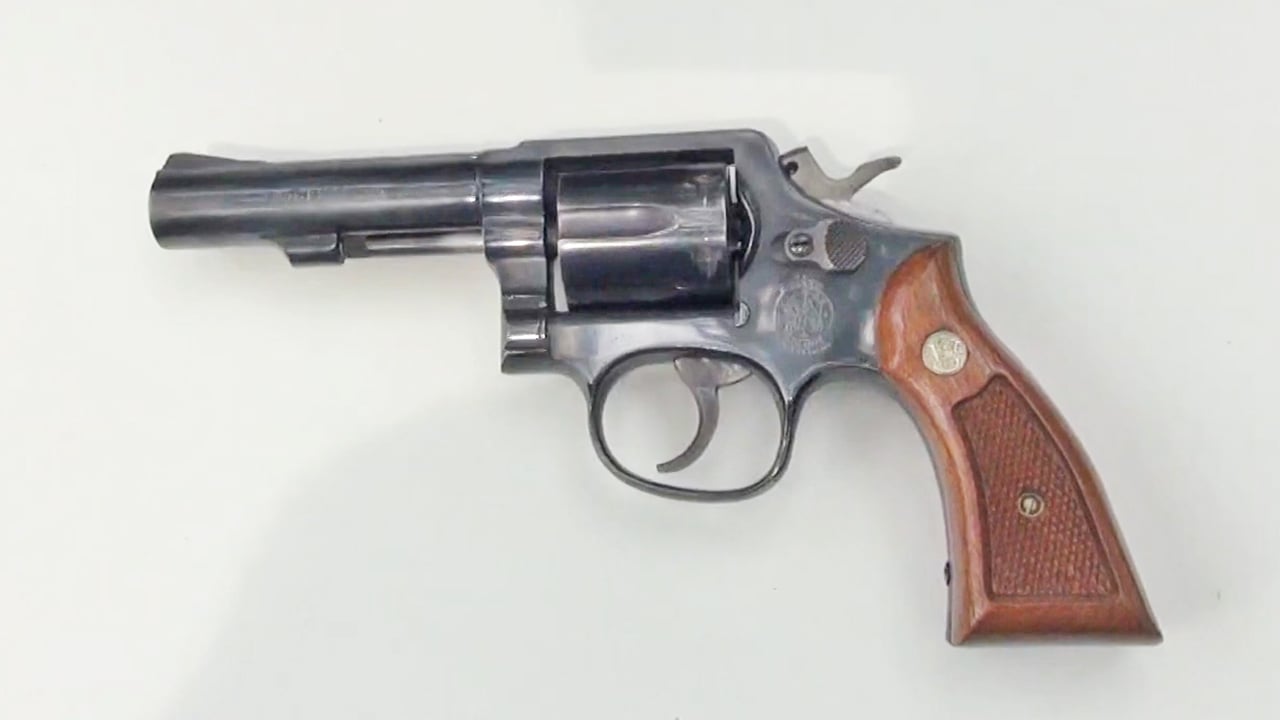
The Model 10 is the opposite problem: it’s so common that sellers either treat it like a museum piece or like a paperweight. You’ll see “Smith & Wesson .38” on the tag and a number that makes no sense in either direction. Police trade-in history is typical, and honest holster wear is normal.
Here’s why I stop and look: a solid Model 10 is one of the best plain revolvers ever made. It’s easy to shoot well, easy to find grips for, and it just works. If you’re a woods-and-farm guy, it’s the kind of handgun you can toss in a truck console (secured, obviously) and not worry about babying. The only real downer is if someone ran hot loads forever or dry-fired it into a worn-out state.
4. Smith & Wesson Model 36 Chief’s Special
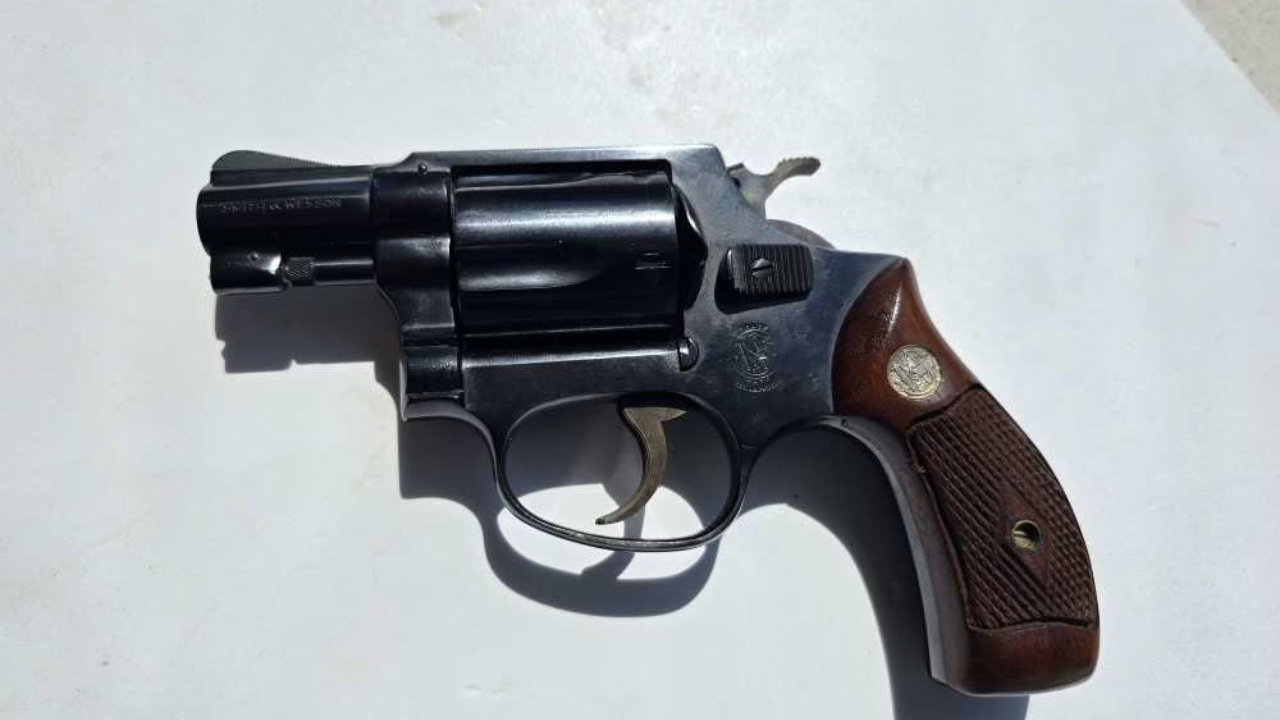
This one gets “grandma gun” pricing until somebody in the family remembers it’s a Smith. Then the number jumps. The Model 36 is a classic J-frame, and you can tell when one spent decades in a purse or sock drawer. Look for rust under the grips and around the sideplate screws, because that’s where neglect hides.
As a shooter, it’s not soft. Small revolvers never are. But for a simple, reliable .38 that fits in a tackle box or a coat pocket on the property, it still makes sense. The value is in originality and condition, not in being “old.” If it has the box, paperwork, and un-bubba’d grips, it’s usually worth more than whoever wrote the tag realizes.
5. Ruger Mark II
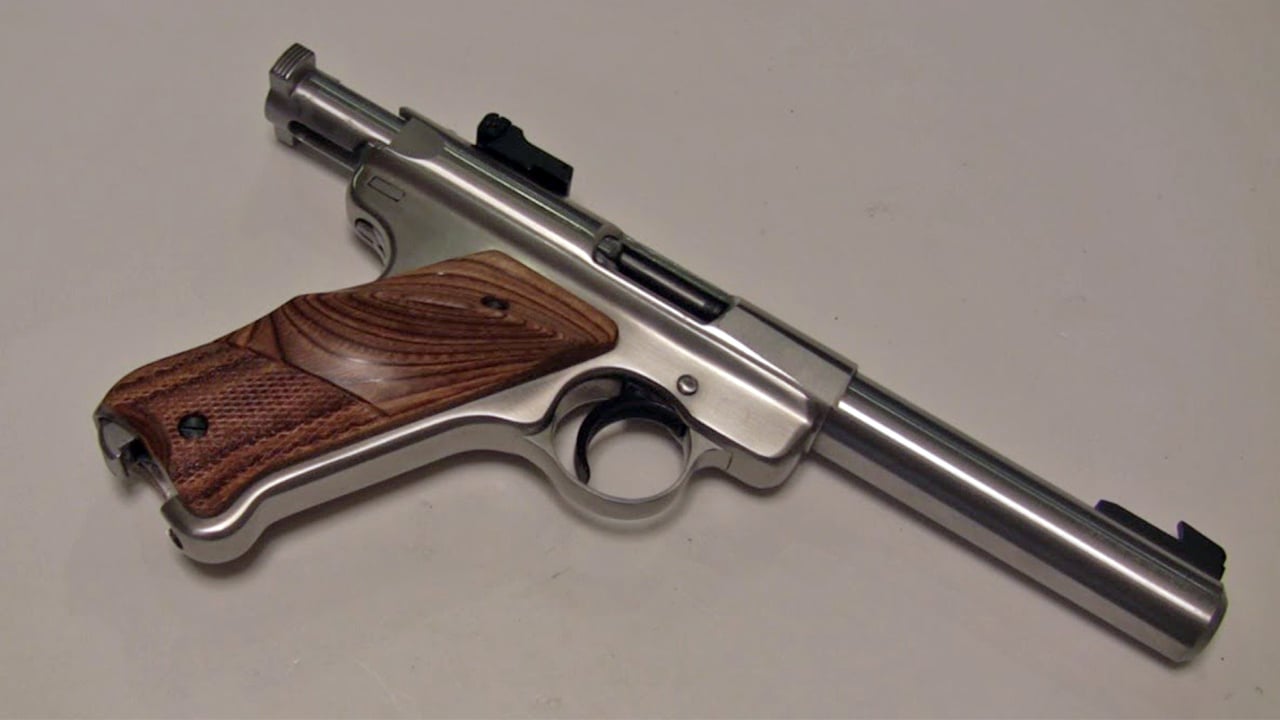
The Ruger .22 autos are the estate-sale kings because they were everywhere, and they last. The Mark II specifically gets mispriced because the seller sees “Ruger .22” and thinks it’s a cheap plinker. Meanwhile, the buyer who actually shoots knows a Mark II is a lifetime pistol if it hasn’t been abused.
Now for the part nobody wants to talk about: takedown. If you don’t know the Ruger Mark series, you can turn a five-minute cleaning into a 45-minute wrestling match. Ask me how I know. Still, if the bore is clean and the action feels right, it’s hard to go wrong. Extra mags and a decent holster can make it a perfect trail companion for traps, pests, or just knocking cans around the back berm.
6. Ruger P89
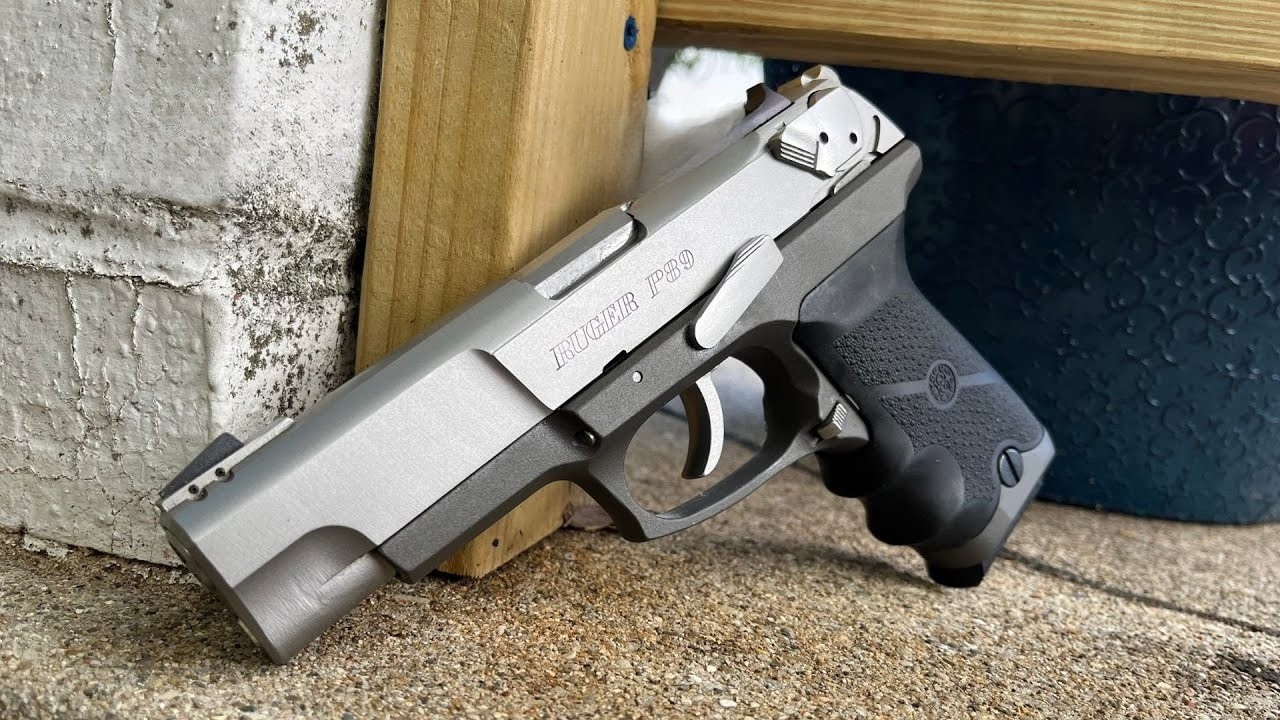
The P89 is the brick of the 1990s, and I mean that as a compliment and an insult. I’ve seen them tagged high because “Ruger is good,” and I’ve seen them tagged low because they look like a boat anchor. They are big, they are chunky, and they are not winning any beauty contests.
But they’re also famously durable, and a clean P89 is one of the better “truck 9mm” candidates if you don’t mind the size. The double-action trigger can be long and a little gritty, yet they run. Magazines are generally available, parts are still out there, and they handle cheap range ammo without being picky. If you want a slick carry gun, this isn’t it. If you want a reliable beater that won’t make you cry over a scratch, it’s worth a look.
7. Glock 19 (Gen 3 and Gen 4)
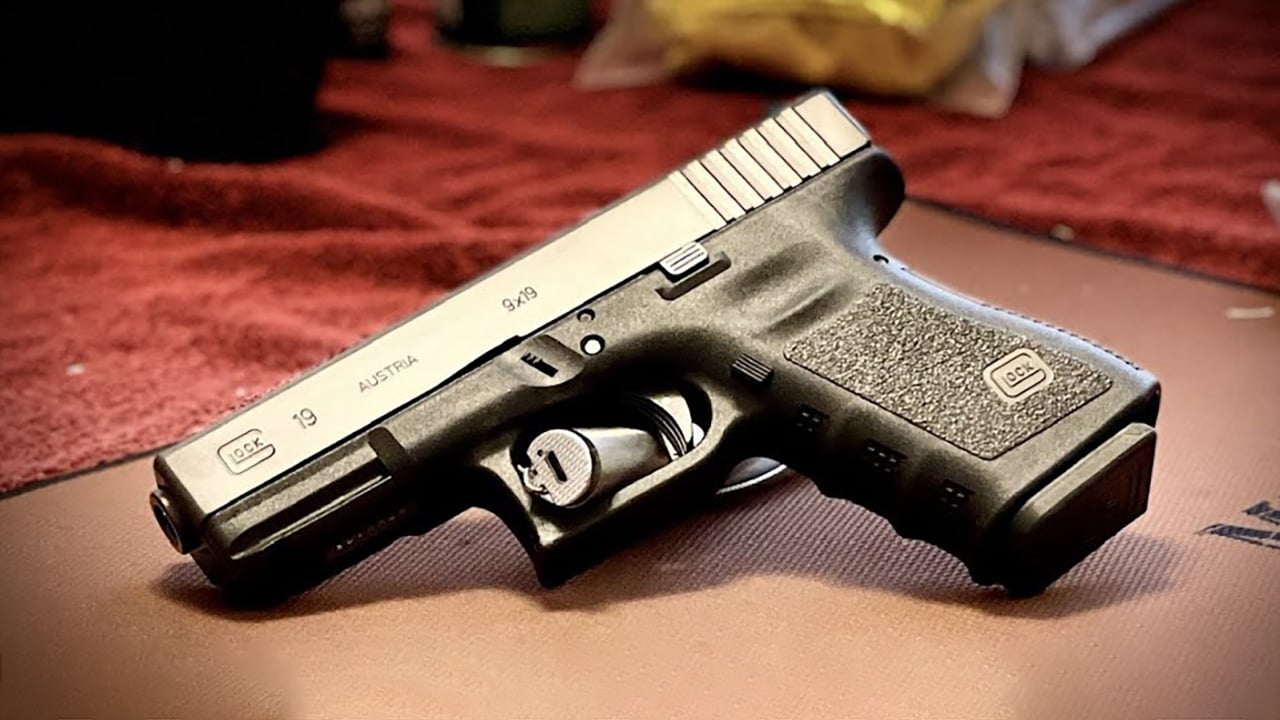
Glocks are the funniest estate-sale pistol because everybody knows the name, and that means the tag is either “new gun pricing” or “I don’t like those plastic guns” cheap. The truth is condition matters more than the logo. A Glock 19 can be a steal if it’s stock and not full of mystery parts.
I get wary when I see a baggie of aftermarket connectors and springs next to it. That usually means somebody chased a trigger feel and maybe went too far. The good news is magazines are everywhere, holsters are everywhere, and parts support is endless. A used Glock that passes a basic function check and hasn’t been hacked is one of the safest buys on a folding table. Overpaying for one because it says “Glock” is still overpaying, though.
8. Glock 43
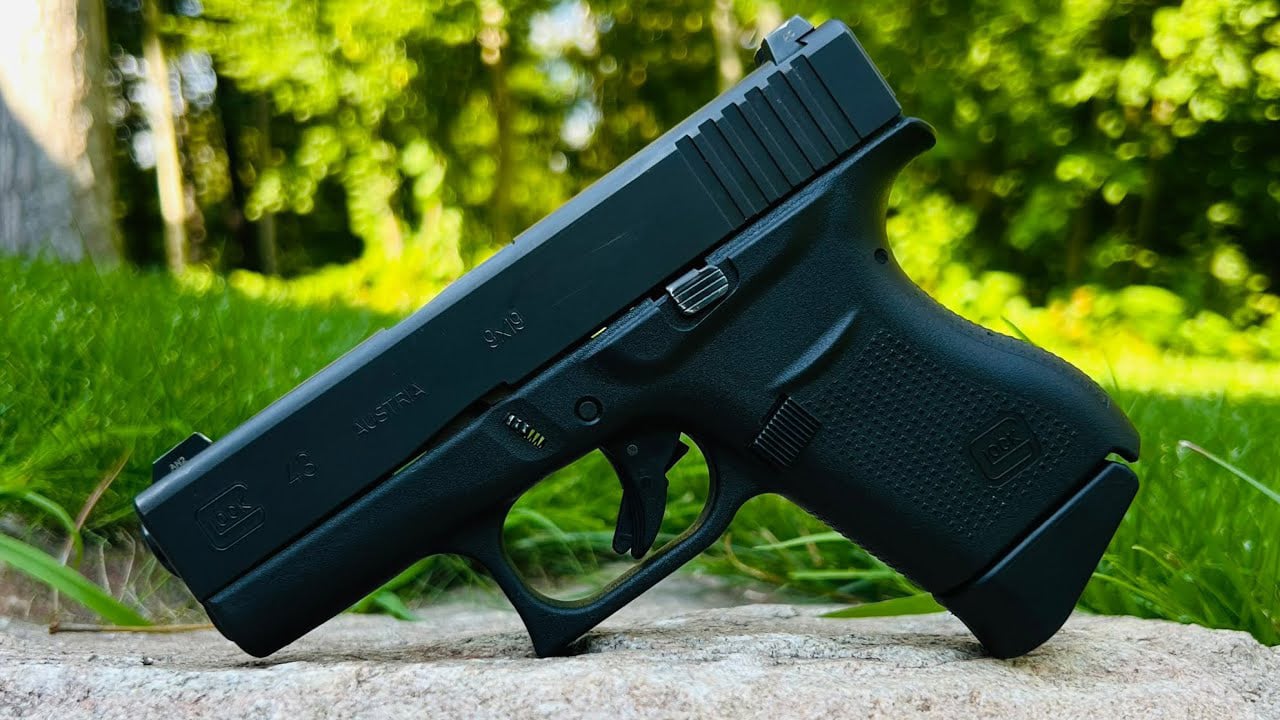
The G43 often shows up because it was somebody’s first attempt at concealed carry. It’s small, it’s simple, and it’s easy to stash. Then reality hits: a thin single-stack 9mm is snappy, especially for new shooters, and it’s not a fun range toy. So it ends up in the estate sale pile when the owner moved on or quit carrying.
Sellers tend to price it close to what they remember it costing, because it’s “a Glock.” Meanwhile, the buyer needs to think about magazines and sights. If it comes with only one mag, you’re instantly spending more. If it has night sights that are dead or a worn recoil spring, factor that in too. It’s a good carry gun, just not forgiving. If your hands are big, handle it before you buy it.
9. SIG Sauer P226 (West German or older German-made)
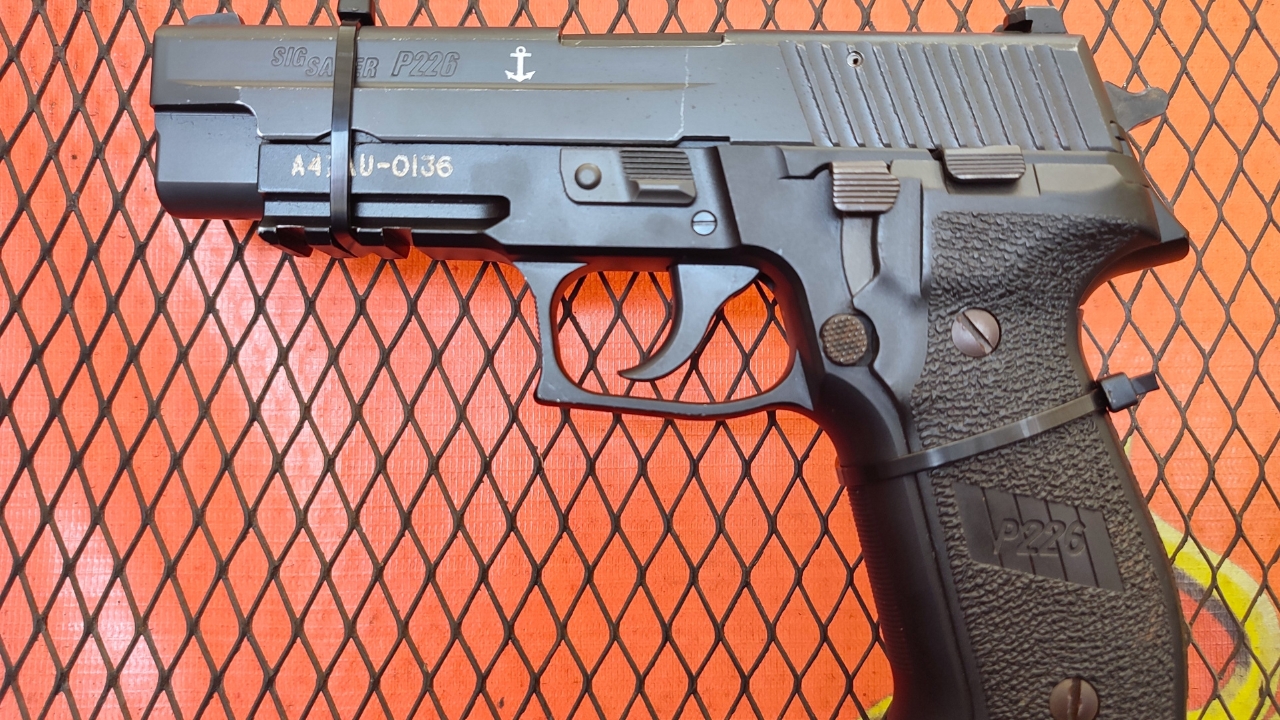
When a P226 hits an estate table, it’s either treated like a sacred relic or ignored because it looks like “just another 9mm.” Older German or West German-marked guns can bring real money, and the seller might only know “SIG” and swing for the fences without knowing what they actually have.
Here’s what I look for: finish wear is fine, but frame cracks and oddball modifications aren’t. The P226 shoots flat, points well, and has that smooth feel that made SIG’s reputation. The downside is magazines and small parts cost more than Glock-world, and some older variants have their own quirks. If it comes with factory mags, a proper case, and the gun hasn’t been tinkered with, that’s one of those estate finds you don’t forget.
10. SIG Sauer P238

The P238 gets mispriced both ways. Some sellers see “SIG” and ask premium money even when the gun is beat up. Others see a tiny .380 and assume it’s a cheap pocket pistol. In reality, the P238 is a mini 1911-style gun with better manners than most small .380s.
They’re pleasant to shoot for the size, and that makes them easy to actually practice with. But they’re also small enough that condition matters—if the previous owner rode the safety, carried loose in pockets, or let lint build up, you might be staring at a maintenance problem. Check the magazines, too. The good ones matter. If it’s clean, with two or three mags, it can be a great “always” gun for someone who won’t carry a bigger pistol.
11. Beretta 92FS
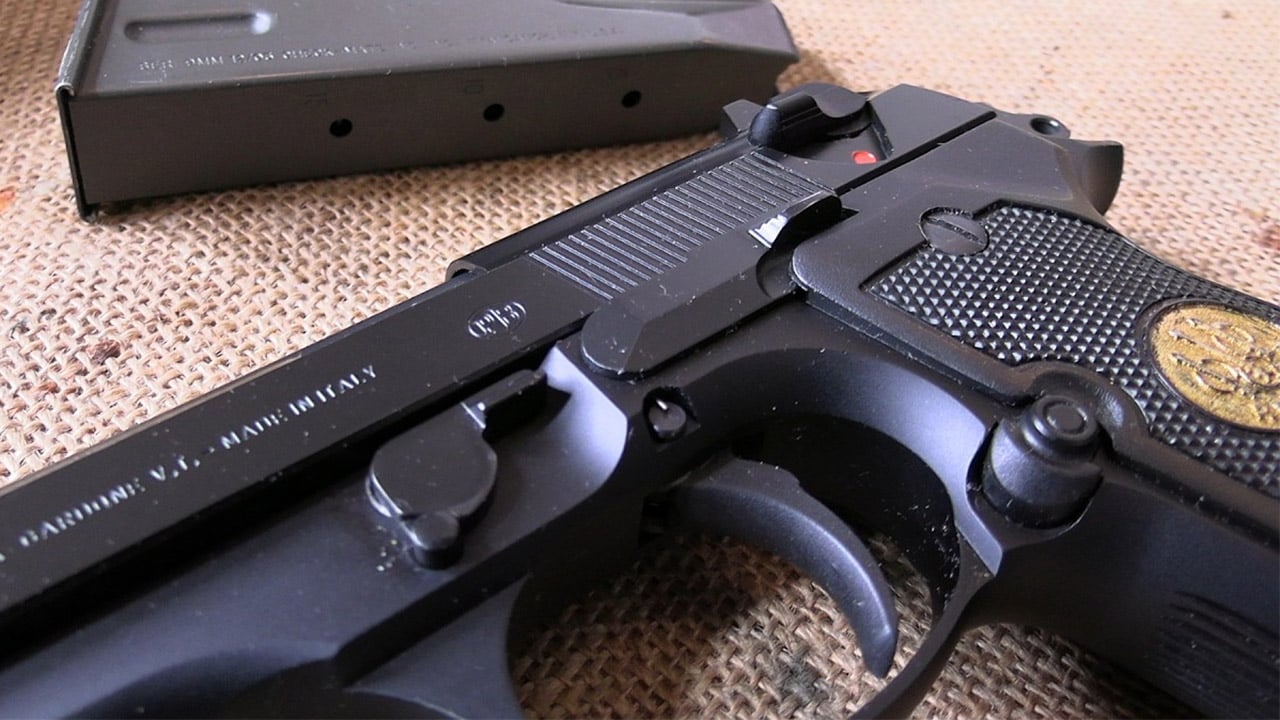
The Beretta 92FS shows up because a ton of them were bought during the “I want a military pistol” era. Sellers recognize Beretta from movies and service history, so you’ll see ambitious pricing even when the gun is dry, dirty, and missing mags. The flip side is sometimes the family thinks it’s just a big old 9mm and underprices it.
As a shooter, it’s hard to hate. It’s smooth, soft-recoiling, and accurate enough for anything a 9mm service pistol needs to do. It is large for carry, and that’s why owners often drift away from them. Ask to see the locking block area for obvious cracking or neglect, and check that it cycles smoothly. Mags are easy. Holsters are easy. If you want a home-defense pistol with a proven track record, a clean 92FS still makes sense.
12. Beretta Tomcat (Model 3032)
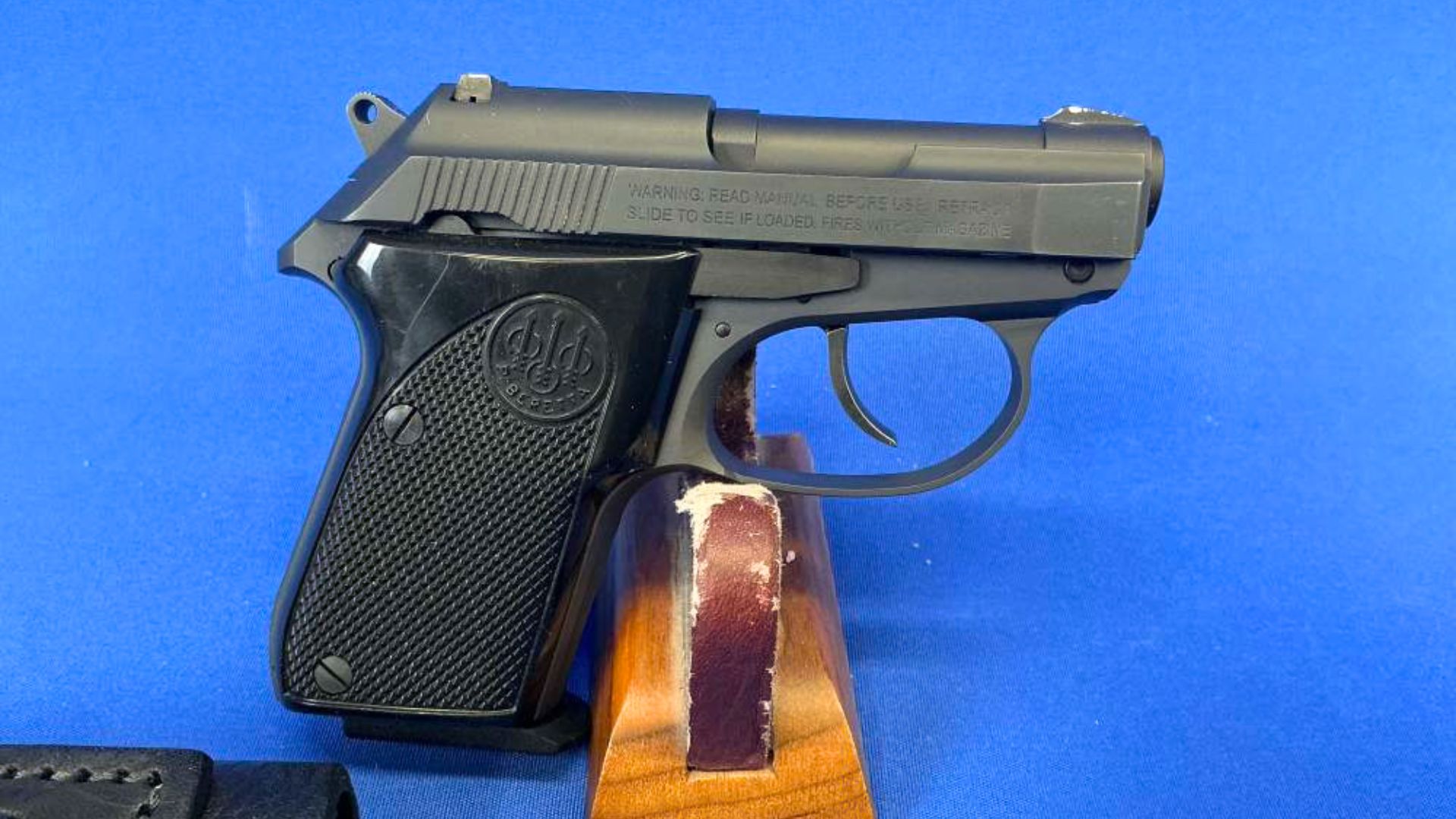
The Tomcat is one of those pistols that gets bought because it’s cute and different. Tip-up barrel, tiny size, and it feels like something from a spy movie. Then it sits. At estate sales it’s often tagged high because “Beretta,” even though .32 ACP isn’t exactly a hot trend right now.
What matters with Tomcats is which version and how it was used. Some saw a lot of hot ammo they shouldn’t have, and frame cracking has been a known complaint in certain eras. If it’s clean and lightly used, it can be a handy deep-carry gun for somebody with weak hands who hates racking slides. But if ammo availability is a concern in your area, remember you’re buying into .32 ACP logistics. That can be the real cost.
13. CZ 75B

CZ pistols are getting more respect every year, but estate-sale pricing still lags behind reality. Sometimes that means a deal. Sometimes it means the seller just wrote “CZ 9mm” and guessed. The CZ 75B is one of those pistols that feels like it was shaped for human hands, not a marketing department.
They shoot well, soak up recoil, and are accurate without being fussy. The downside is that not every small-town gun shop has CZ parts on the shelf, and some owners get nervous about that. In truth, magazines are easy enough these days, and most issues are manageable. Check for heavy wear on the slide rails and signs of amateur gunsmithing. If it’s stock and smooth, a CZ 75B is a pistol you can actually keep forever without getting bored.
14. Browning Hi-Power (FN/Browning)

A Hi-Power at an estate sale is either priced like a pawn shop special because it “looks old,” or priced like a rare collectible because somebody Googled it once. The spread is wild. Originality matters here: matching parts, finish, and whether it’s been modified heavily for modern use.
The Hi-Power carries flatter than you’d expect and points quick. It’s also an older design with its own quirks, including triggers that vary a lot from gun to gun. Some were tuned nicely; others feel rough. Modern magazines are available, but the best deals are usually guns with original mags and a clean history. If you’re a shooter, don’t get starry-eyed and pay collector money for a heavily modified example. If you’re a collector, don’t overlook a clean one just because it isn’t “tactical.”
15. Heckler & Koch USP Compact
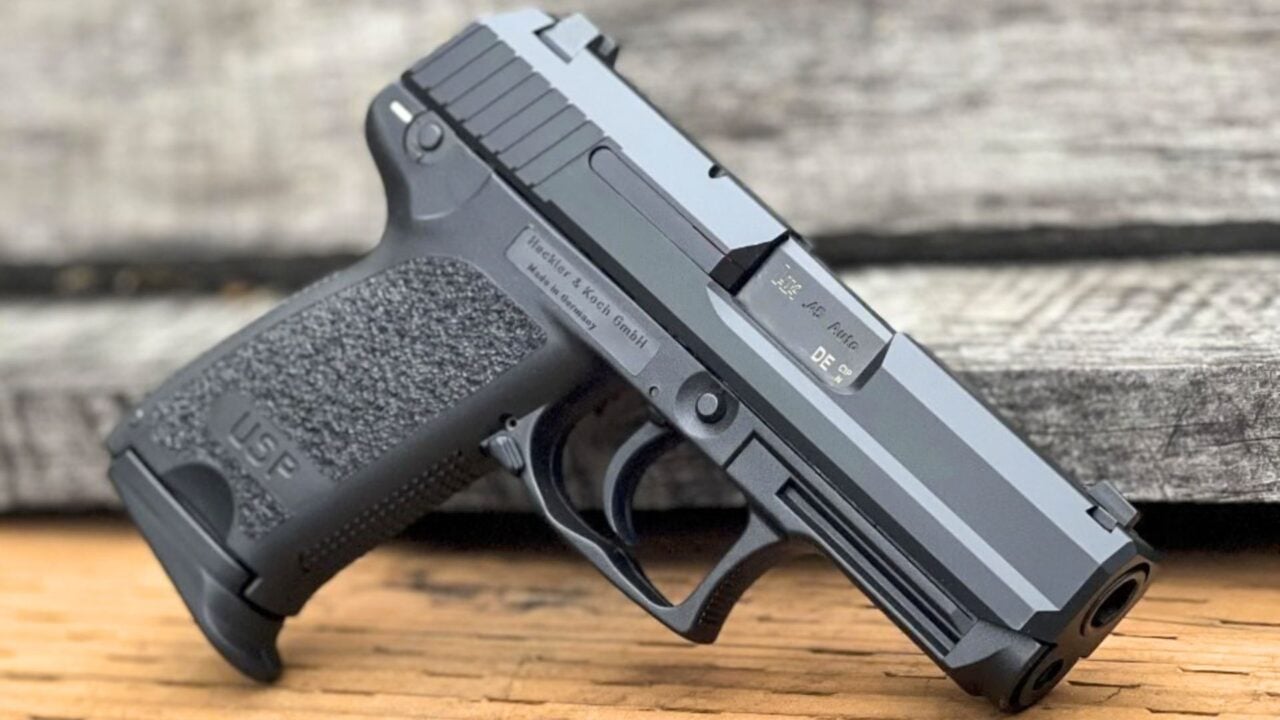
The USP Compact is one of those pistols non-gun folks recognize as “fancy” because it says HK. That can inflate the estate-sale tag fast. Still, these are excellent pistols, and if you find one priced like an ordinary used handgun, you should at least take a hard look.
They’re reliable, built tough, and the recoil system does a good job keeping the gun comfortable. The main downside is cost of entry after the sale—magazines aren’t bargain-bin items, and some parts are pricier than common brands. The controls and variants can also confuse buyers, especially if it has an uncommon safety/decocker setup. If you don’t know what you’re looking at, you can buy the wrong holster twice. If it fits your hand and comes with mags, it’s a serious pistol that holds up to real use.
16. Walther PPK / PPK/S
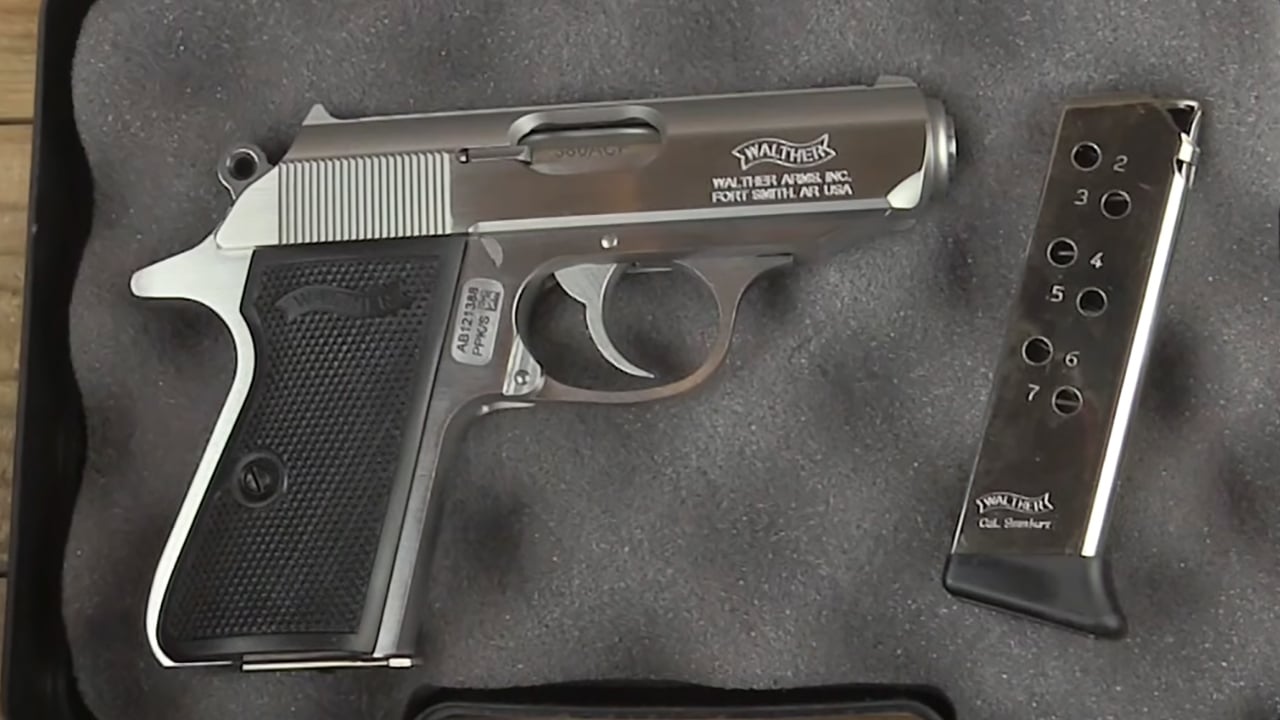
James Bond did a lot for the PPK, including making regular folks think it’s the ultimate defensive pistol. That leads to inflated pricing when the seller sees “Walther” and assumes it’s gold. The reality is the PPK is more of a nostalgia gun than a modern solution, and it bites some hands like it has a grudge.
It’s slim and easy to carry, and it has that classic steel feel. But triggers can be heavy in double-action, sights are small, and some examples are picky about ammo. If it’s an older West German gun in great shape, collectability can matter. If it’s a rough shooter with one magazine and no story, don’t pay movie money for it. Handle it. Make sure the slide and safety move like they should. It’s a cool pistol, just not magic.
17. Springfield Armory XD-9 Service
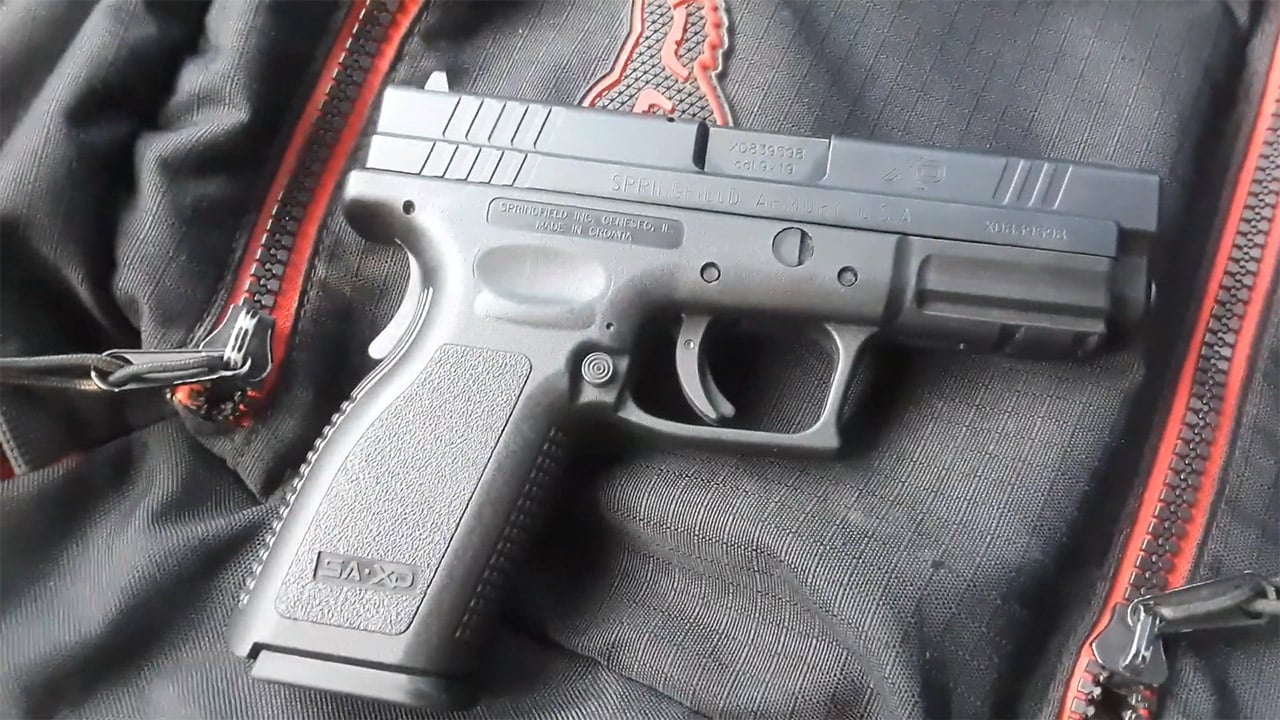
The XD series shows up constantly because it was a common “first polymer pistol” for a long time. Estate sale sellers recognize Springfield’s name and sometimes assume it’s in the same value bracket as higher-end 1911s. Then you see an XD priced like it’s rare. It isn’t.
On the other hand, as a working gun, the XD-9 Service can be perfectly fine. They tend to run, and they point well for a lot of shooters. Where buyers get burned is accessories and magazines—depending on the exact model, you might not find cheap mags at every shop like you would with Glock. Check for rust on the slide, especially if it sat in a humid drawer. If it comes with the case, holster, and a pile of mags, that’s where the value lives. The gun alone, at the wrong price, is just a lesson.
18. Kimber Custom II
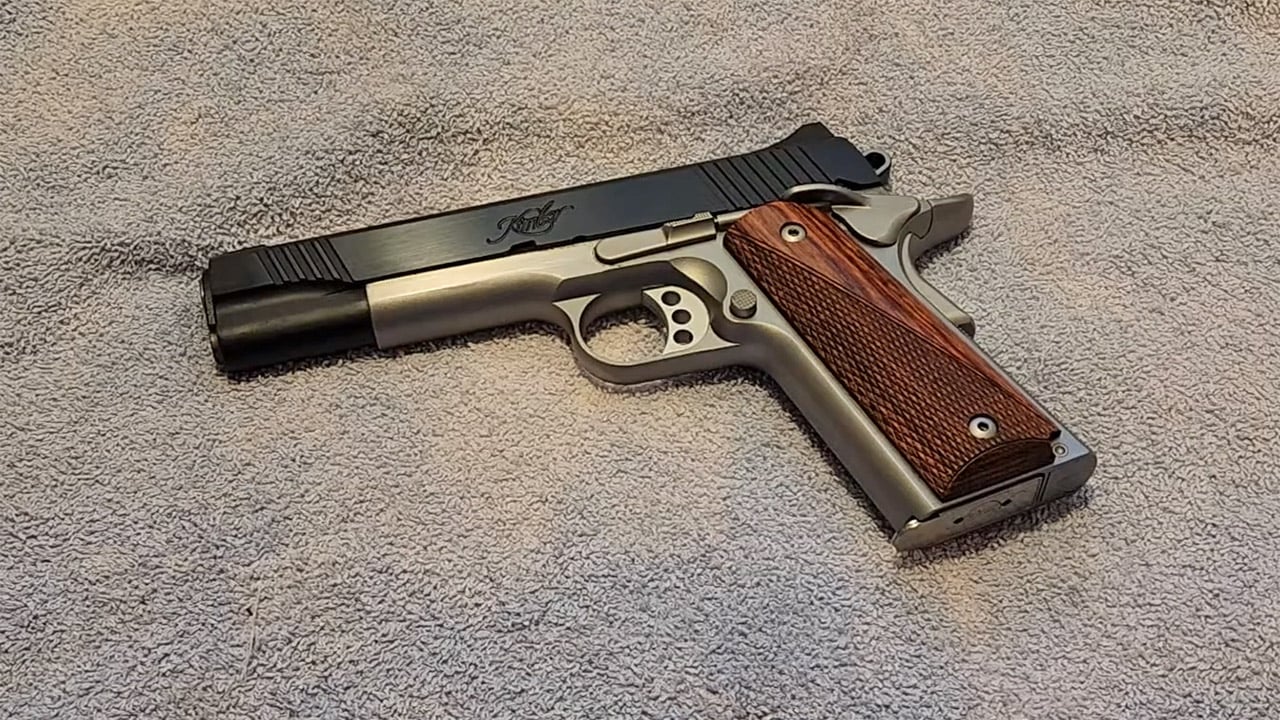
Kimber 1911s are estate-sale bait because the name carries. I’ve watched sellers price a Kimber like every one of them is a hand-fit masterpiece. Meanwhile, buyers see “Kimber” and assume it’s automatically better than any other 1911 on the table. The truth is more mixed, and you need to look at the individual pistol.
A clean Kimber Custom II can be a good shooter with a nice trigger and decent sights. A finicky Kimber can be a headache that makes you hate 1911s altogether. Check the feed ramp for amateur polishing, look for signs it was run dry, and pay attention to how the slide feels on the rails. Also, ask about magazines—cheap 1911 mags cause expensive frustration. If it’s tight, smooth, and not modified weirdly, it can be a solid buy. If it’s been “improved,” walk slow.
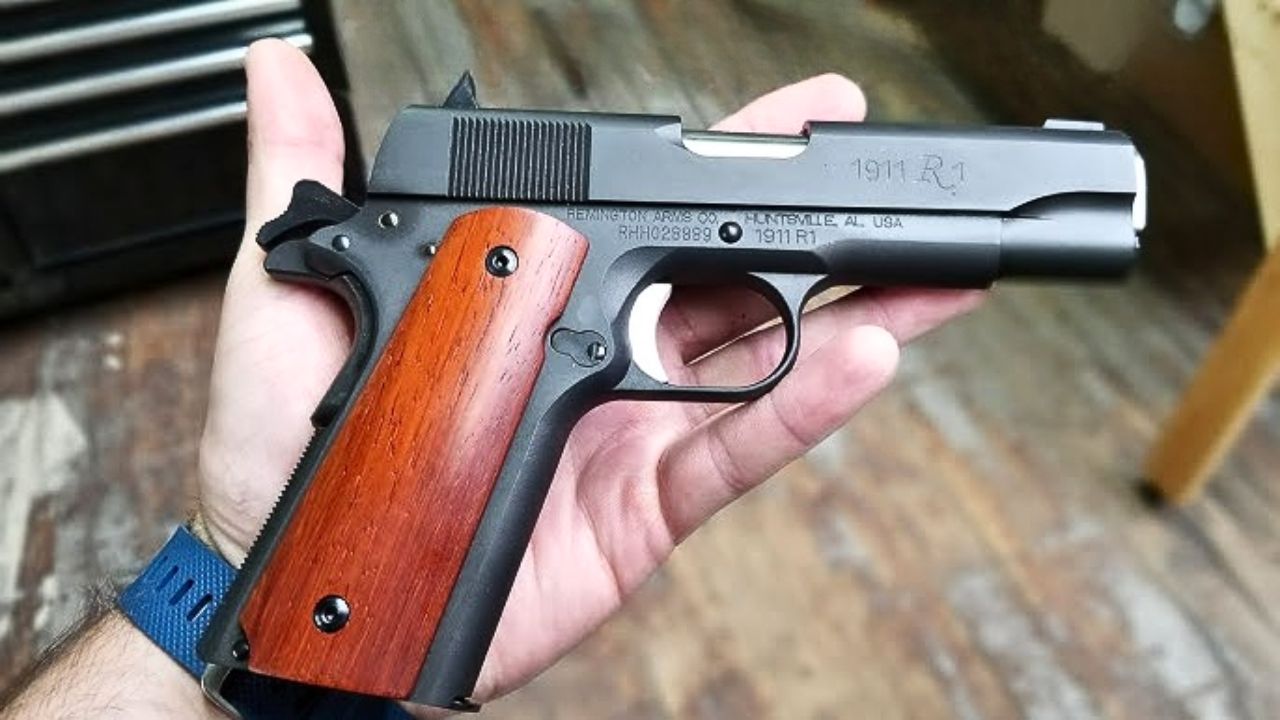
19. Remington R1 1911

The Remington name makes folks think “old American quality,” and sometimes that’s earned. But the R1 can get priced based on brand nostalgia more than actual demand. I’ve also seen them underpriced because the seller assumes anything newer from Remington must be junk. Neither is a great way to value a gun.
The R1 is a straightforward 1911 that can be a decent range gun and a fine nightstand pistol if it runs. The key is checking fit and function: slide-to-frame slop, extractor tension issues (often felt as inconsistent feeding), and any evidence of backyard gunsmithing. 1911s are simple until they aren’t. The good part is parts and mags are everywhere, and the platform is easy to support long term. Just don’t pay “WWII Remington” money for a modern production gun because the rollmark feels patriotic.
20. Taurus PT92
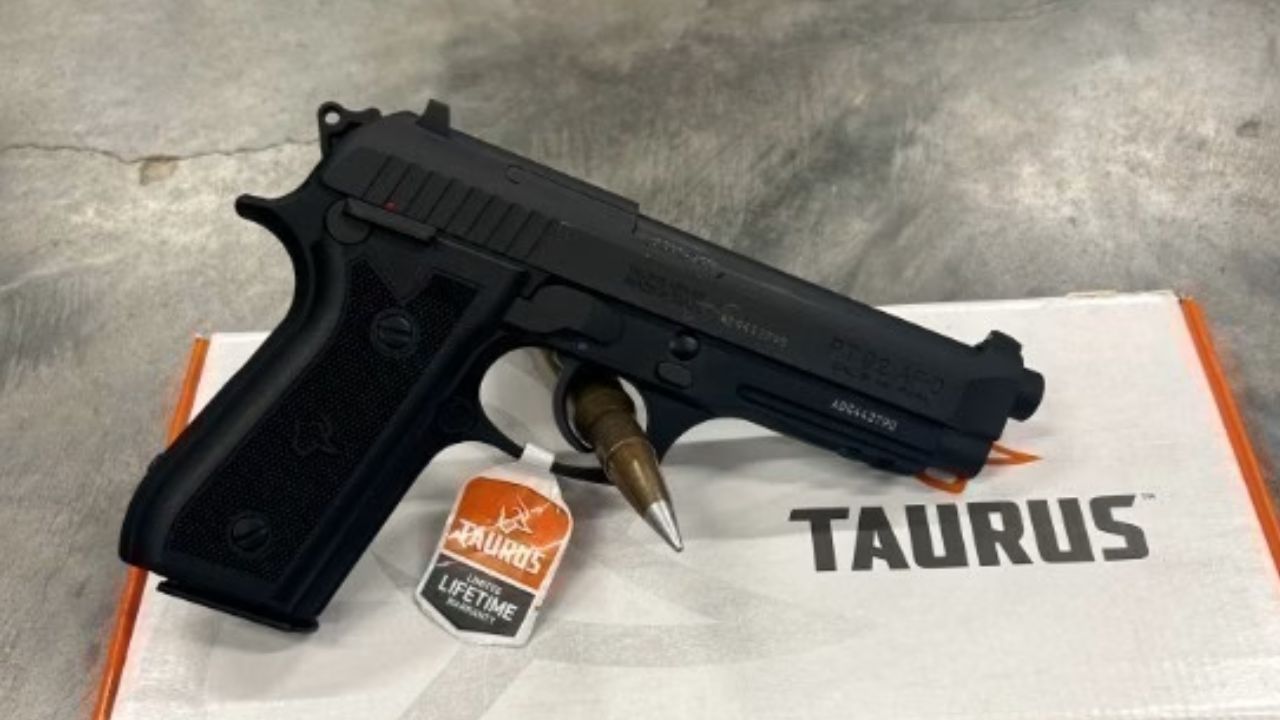
The PT92 gets misunderstood. Sellers either see “Taurus” and price it like a bargain-basement pistol, or they see the Beretta-style shape and price it like a Beretta. The PT92 has its own history and its own strengths, and a lot of them are surprisingly good shooters.
If you’ve never handled one, the safety location and feel is different from the Beretta 92FS in a way some folks actually prefer. The gun is big, steady, and usually soft to shoot. Where I slow down is quality variation across years and owner behavior. Check the sights, check the controls, and look for neglect. Mag compatibility can be a point of confusion, so make sure what’s included actually fits and locks right. If it’s clean, with proper mags, a PT92 can be a good working 9mm without the Beretta price—unless someone already wrote the Beretta price on the sticker.
Estate sales can be a gold mine, but the sticker on the gun is usually the least trustworthy part of the whole table. Bring a small flashlight, take your time, and don’t get hypnotized by a famous name or an old finish. Condition, magazines, and unmodified internals matter more than the brand brag. And if you’re the one settling an estate someday, do your family a favor now: keep boxes, keep spare mags together, and write down what you’ve got. It saves a lot of guessing later.
Like The Avid Outdoorsman’s content? Subscribe to our newsletter so you never miss an article.
Here’s more from us: