Photo credit: 1957Shep/YouTube
I like a good deal as much as the next guy, but there’s a difference between “cheap” and “smart.” I’ve stood in enough auction barns and watched enough online lots close to know how this goes: a rifle gets ignored, sells for pocket money, and everybody acts like it’s junk. Then a few years pass, parts dry up, tastes swing back, and suddenly the same gun is the one you wish you’d bought when it was sitting there with a $300 hammer price.
These are 20 rifles I’ve watched go for next to nothing that I wouldn’t hesitate to put real money into now. Not because they’re all collector pieces. Mostly because they’re useful, honest rifles that do the job, and the kind of “boring” quality you only appreciate after you’ve owned a few problem children.
1. Remington 700 BDL (older walnut/blue hunting rifles)
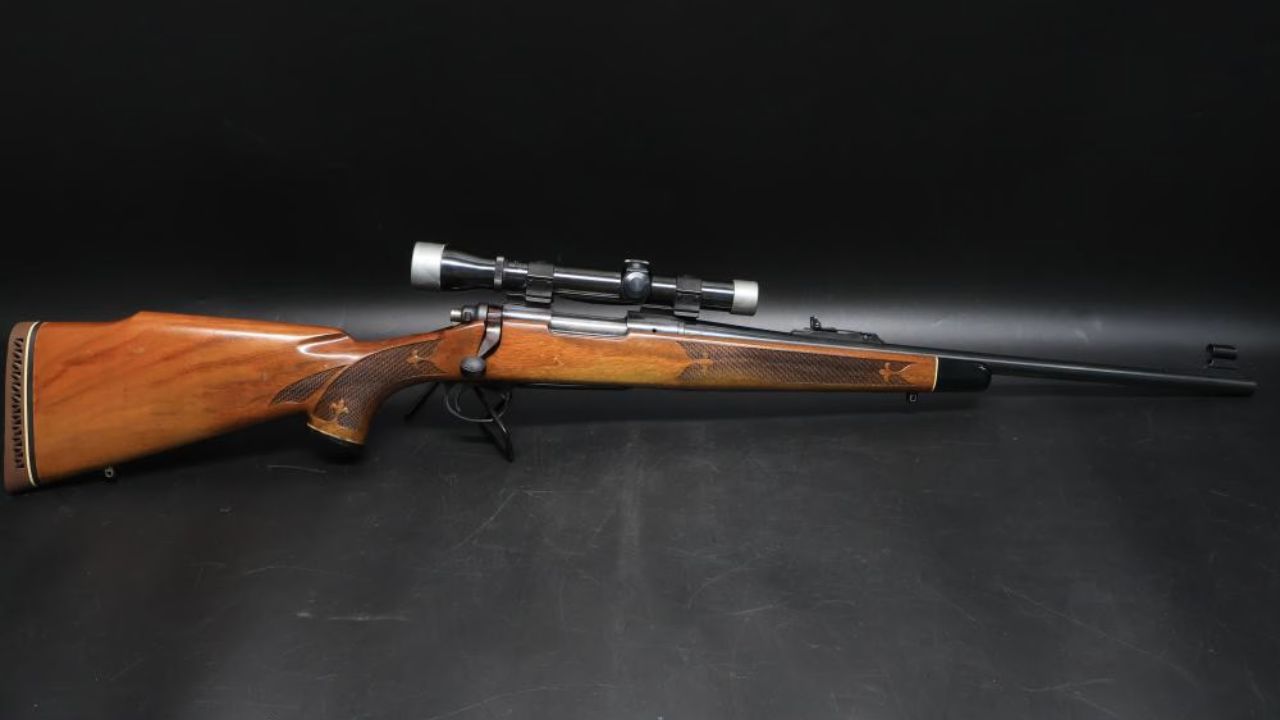
The old BDLs with decent walnut and that deep blue finish used to get treated like “grandpa guns.” I watched more than one get waved through for a price that wouldn’t buy a mid-tier scope today. They’re not perfect, and yes, the trigger conversations exist, but the bones are solid: good steel, good aftermarket, and a footprint that every gunsmith on earth understands.
What I’d pay for now is condition and originality. An unbutchered BDL with a clean crown and a crisp bolt throw is a lifetime deer rifle. They carry right, balance right, and they don’t feel like a plastic tool. Even if you never “build” a 700, having one that shoots and feeds is like having a spare tire you can actually trust.
2. Winchester Model 70 (pre-64 and early controlled-round feed)
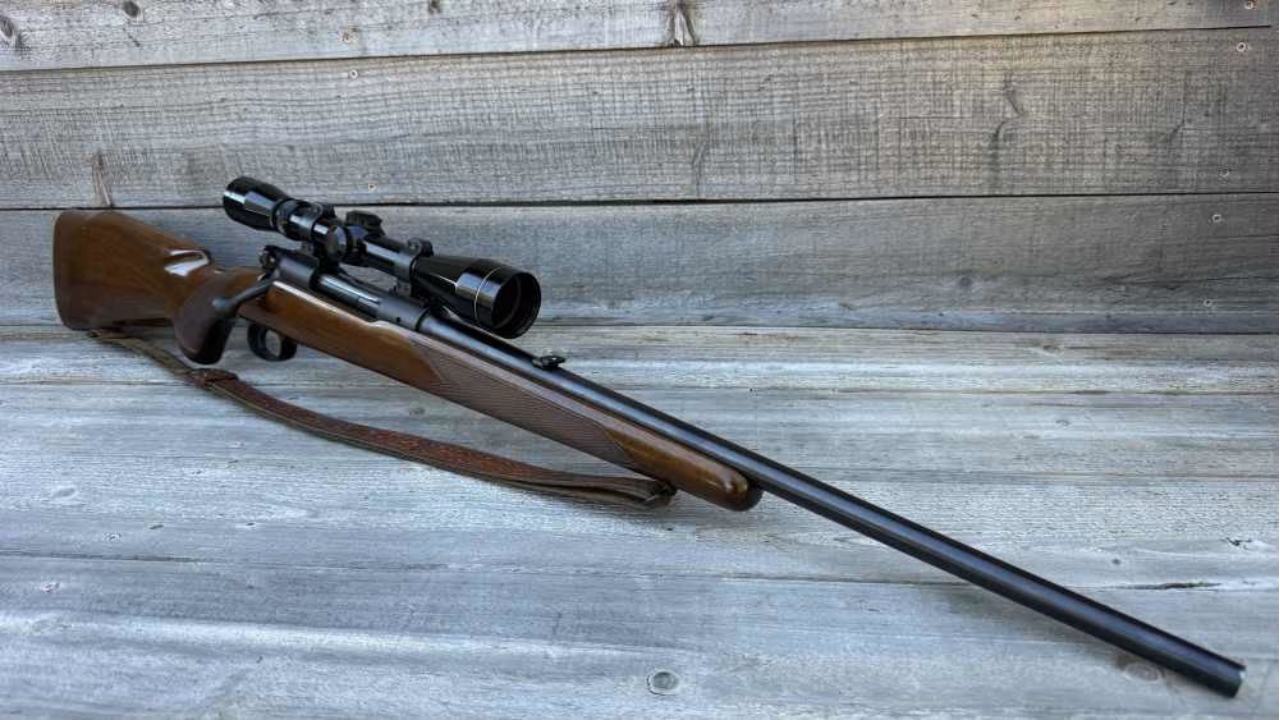
When a Model 70 shows up at an estate auction, you can tell who knows what they’re looking at and who’s just thinking “old bolt gun.” I’ve seen controlled-round feed rifles get ignored because the stock had honest hunting wear. That one hurts, because the action is the whole point. It’s slick, strong, and it does what it’s supposed to do when you’re cold, wet, and tired.
I’m not saying every Model 70 is magic. Some shoot average, some have been messed with, and some wear scopes mounted by a guy who owned one screwdriver. But if you find one that’s straight and not drilled full of extra holes, you’re buying a real field rifle. And if you ever decide to sell, you won’t be begging for interest.
3. Ruger M77 Mark II (tang safety or MKII hunting rifles)
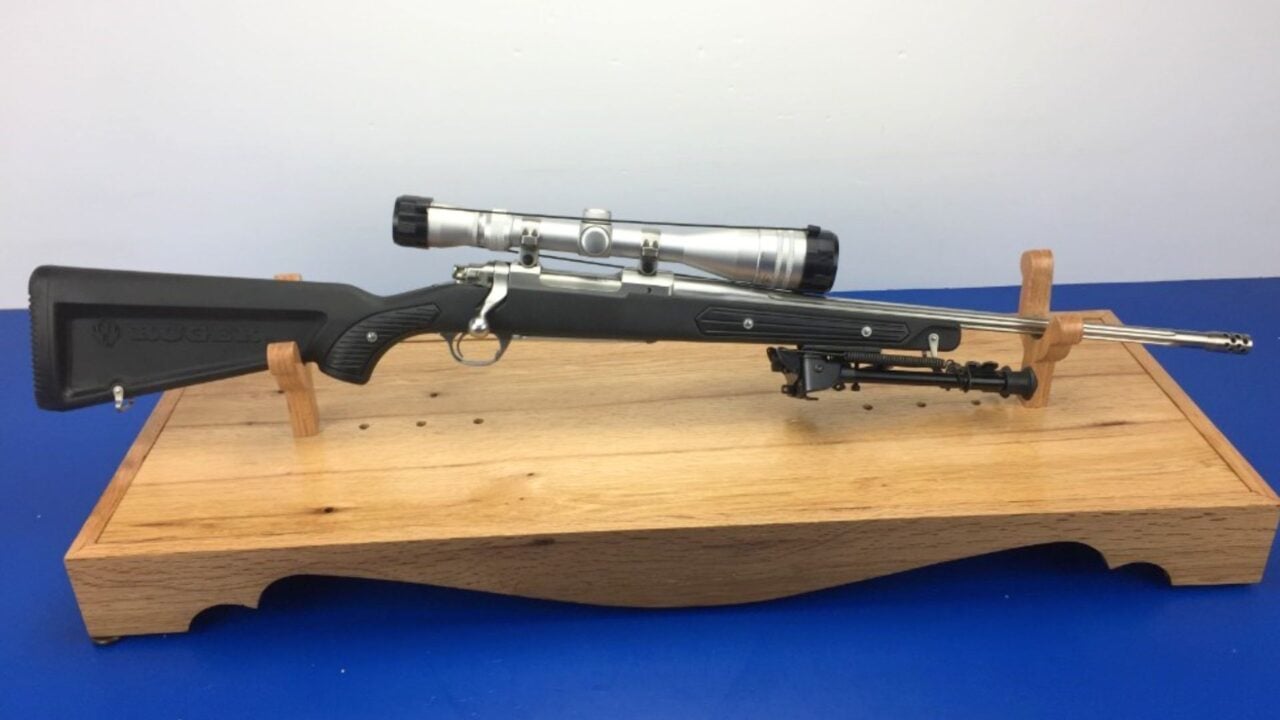
The Ruger M77s get dismissed because they aren’t as “smooth” as some actions on the bench. In the woods, I don’t care. I’ve watched Mark IIs sell cheap because they weren’t wearing fancy glass and the checkering looked dated. Meanwhile, they’re controlled-round feed, tough as a boot, and they tend to keep running even if you treat them like a ranch tool.
What I like is how they handle with cold hands and gloves. The safety is positive, the extractor is real, and the whole rifle feels like it can take a fall off an ATV rack and still hold zero. Parts and rings are easy, and a decent gunsmith can make one shoot very well if it’s only “okay” out of the gate. For a working hunting rifle, they’re better than the auction prices ever suggested.
4. Savage 99 (lever-action .300 Savage and .308 variants)
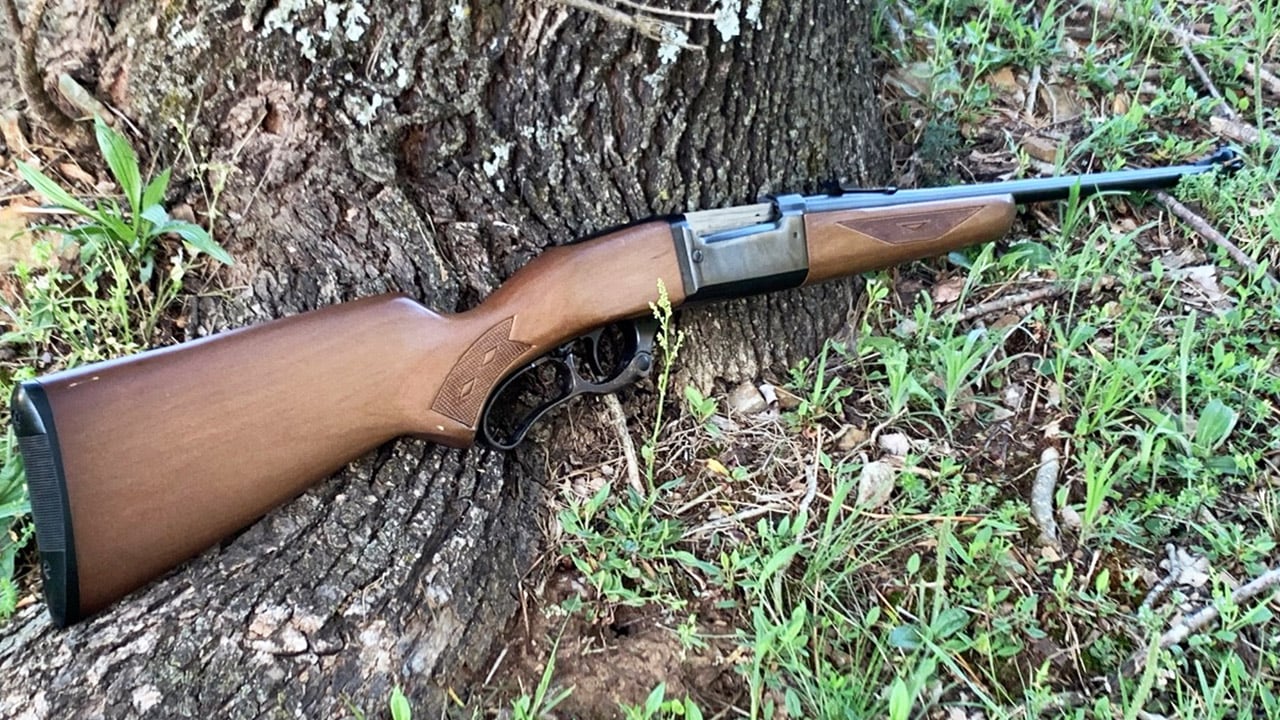
The Savage 99 is one of those rifles that guys talk themselves out of because it isn’t a Winchester 94 and it isn’t a Marlin 336. Then they pick one up and realize it points like a bird gun and carries like it belongs in your hand. I’ve seen 99s go cheap when the wood had scratches or the bluing was thin. That’s just proof it was hunted, not abused.
The rotary magazine is the selling point if you actually hunt. Spitzer bullets without the tube-mag worries, and the balance is right between the hands. Is it a “modern” rifle? No. But it’s a practical deer rifle with real history, and nice ones aren’t getting more common. If you find one that hasn’t been drilled wrong or refinished into a mess, it’s worth paying up for now.
5. Marlin 336 (JM-stamped .30-30)
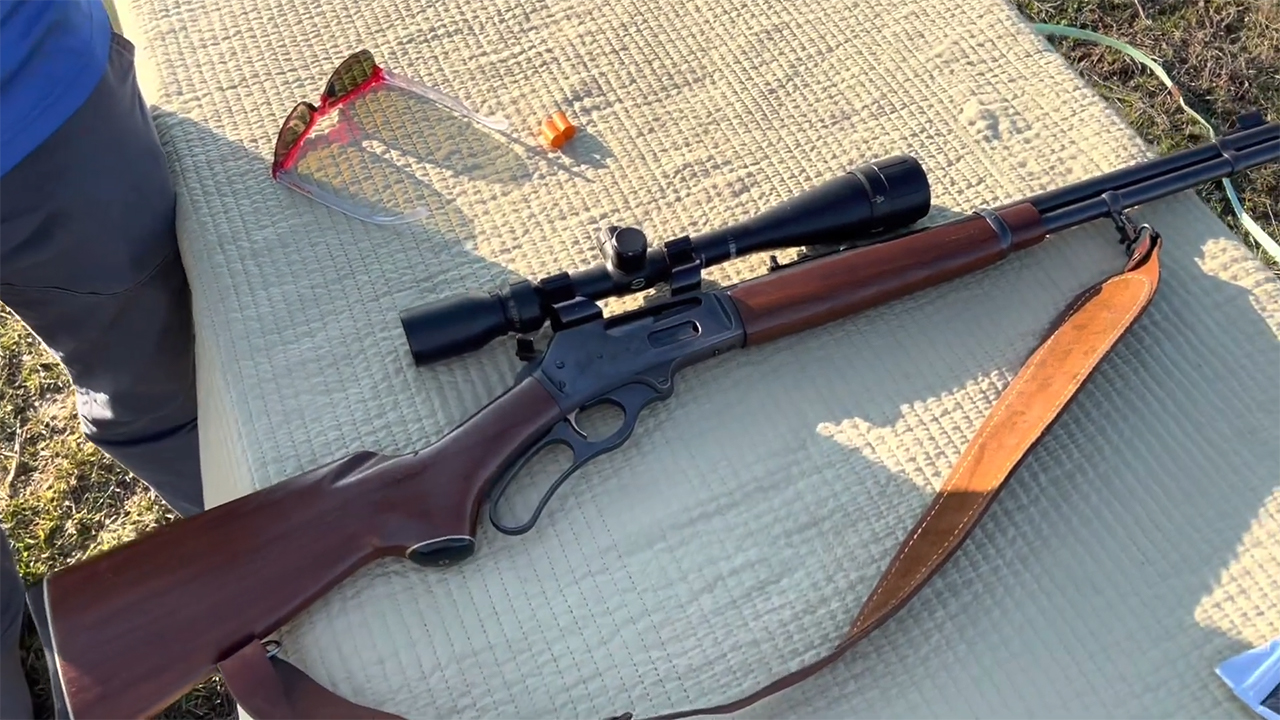
I watched JM-stamped 336s sit on tables like they were yesterday’s news. Now the same rifles get snatched up before the tag is even tied on. They aren’t rare, but the good ones have a feel to them—cycling is smooth, the wood-to-metal fit looks right, and they just seem to shoot where you look at typical deer woods distances.
Folks get hung up on velocity and ballistics charts. A 336 doesn’t care. It’s light enough to carry all day, quick in brush, and simple to keep running. The real trick today is finding one that hasn’t been “upgraded” with questionable parts or drilled for something that didn’t fit. A clean, honest 336 with iron sights intact is the kind of rifle you hand to a kid and don’t worry about.
6. Ruger 10/22 (older carbines with decent triggers)

Everybody thinks a 10/22 is everywhere until they try to buy a good one that hasn’t been tinkered to death. At auctions, they used to go for nothing because they’re “just a .22.” Meanwhile, a solid older carbine is the rifle you shoot the most, the rifle you loan out, and the rifle you use to teach good habits without beating anyone up.
What’s worth money now is a straight receiver, a clean bore, and a rifle that hasn’t been “home gunsmithed” into a jam-o-matic. Magazines are everywhere, parts are everywhere, and you can keep it simple or build it out. I like them plain. There is nothing fancy about it, and that is kind of the point.
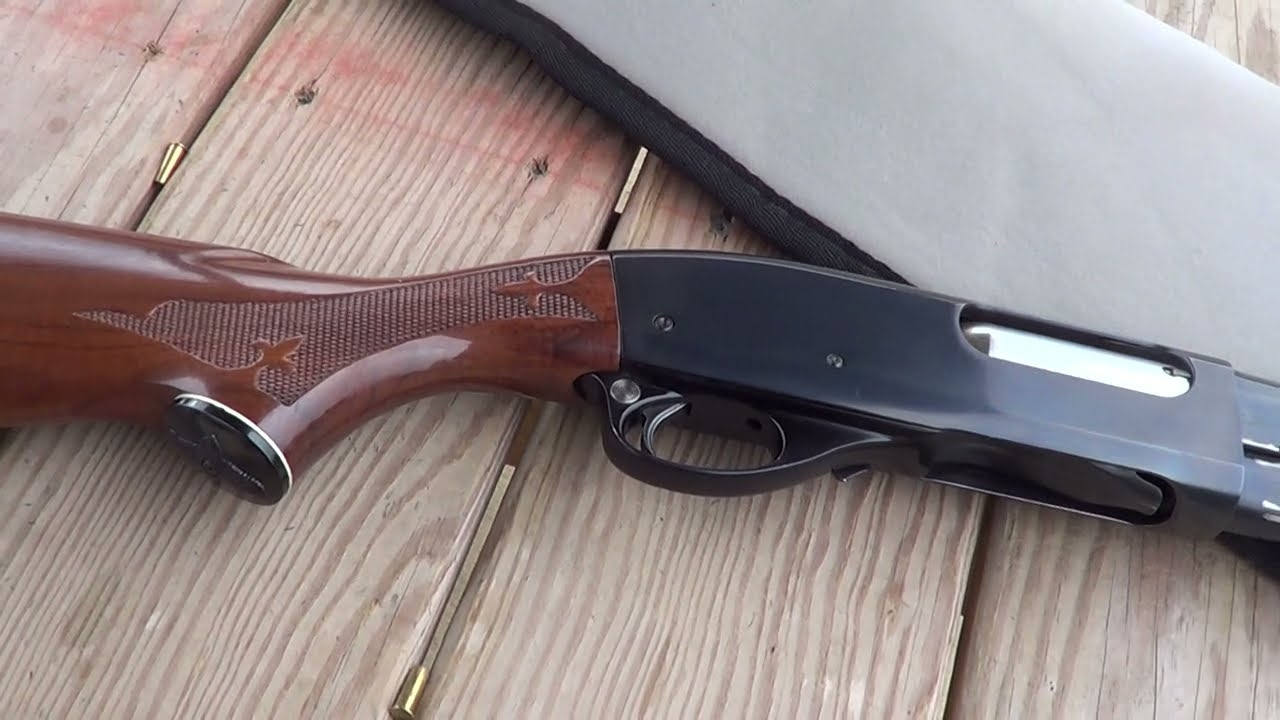
7. Remington 870 Wingmaster
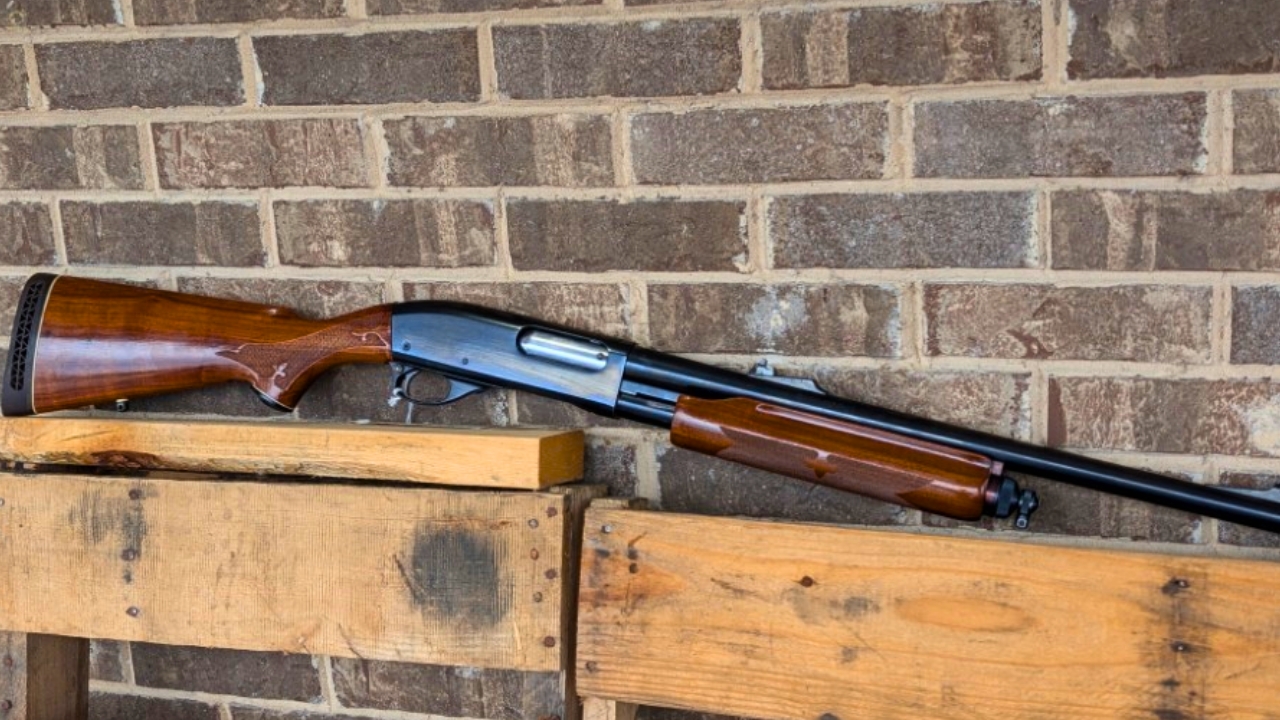
Yes, it’s a shotgun line in a rifle list, but more than one 870 with a rifled barrel or a deer setup gets sold as if it’s disposable. The older Wingmasters in particular have that slick, broken-in feel you can’t fake. I’ve watched them sell for less than a budget pump, and that makes no sense if you’ve carried one in the rain for a decade.
With a slug barrel, they’ve put a lot of venison in freezers where rifles weren’t an option. With a smoothbore and the right load, they’re still a do-it-all tool. What I’d pay for now is a clean Wingmaster with a tight lockup and no rust under the wood. They’re getting harder to find in “unmessed with” shape, and the good ones just keep working.
8. CZ 452 (bolt-action)
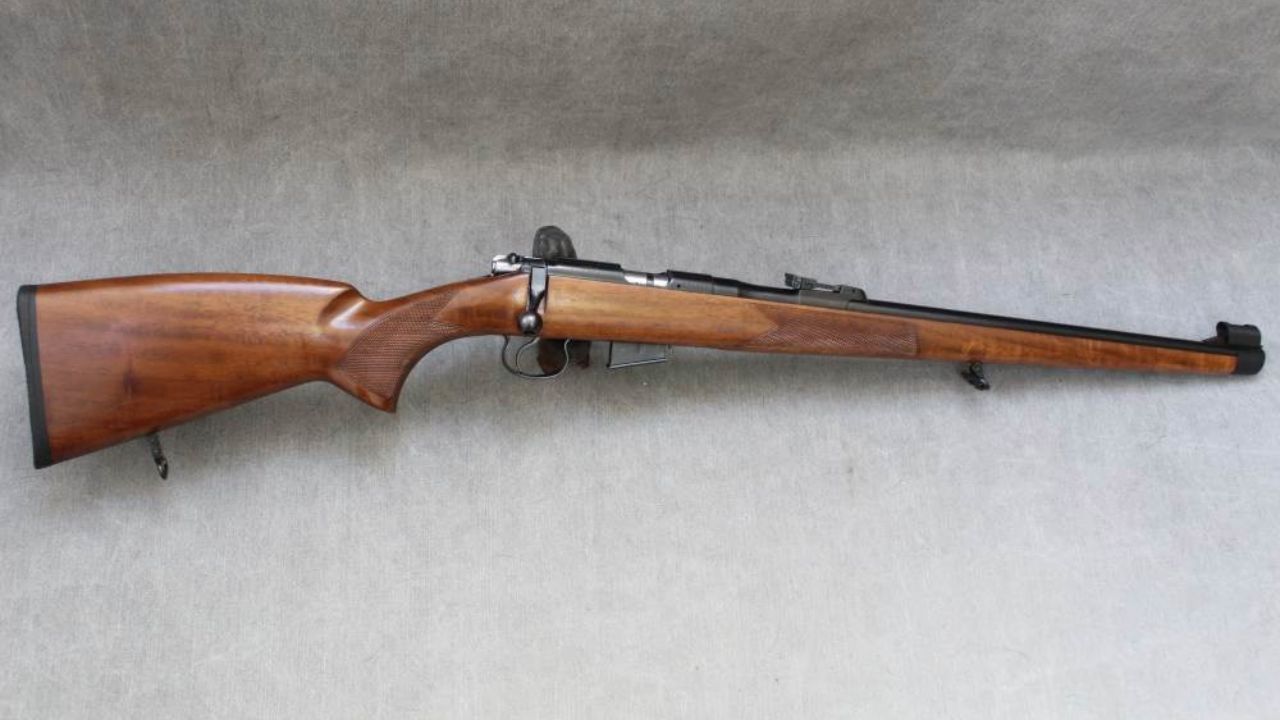
The CZ 452 was one of the best-kept secrets in rimfires for a long time, right up until folks figured it out. I’ve seen them go cheap because they didn’t wear a flashy scope and the buyer crowd was there for centerfires. Meanwhile, the 452 has a buttery bolt, a real barrel, and accuracy that embarrasses rifles that cost more.
They’re also just pleasant to shoot. The stock geometry is right, the magazine system is simple, and they feel like a “real rifle,” not a toy. If you like squirrel hunting or you shoot a lot of paper and steel, that matters. Today, clean 452s don’t sit long, and when you find one that hasn’t been dinged up or over-tightened in the action screws, it’s worth grabbing.
9. Tikka T3 (early T3 and T3 Lite)

Tikkas used to get shrugged off as “plastic European rifles.” Then guys started actually shooting them. I watched early T3 Lites sell for bargain money because they looked plain and the stock felt hollow. That’s fair, but the action is smooth, the barrels tend to shoot, and the trigger is usually better than what comes on rifles twice the price.
If you hunt hard, weight matters. A T3 carries easy, especially in steep country, and it’s the kind of rifle that makes you confident at normal hunting distances because it groups without drama. Magazines aren’t cheap, and that’s the one knock that keeps coming up, but they’re reliable. If I see a clean T3 today, I’m not waiting for the second bidding round.
10. Browning A-Bolt (

The A-Bolt lived in that awkward space where it wasn’t “classic” enough for the old-school crowd and not “tactical” enough for the new crowd. So they’d sell cheap. That’s a mistake. They’re accurate rifles with good triggers, a nice bolt lift, and they handle well in the field. The detachable magazine setup isn’t my favorite for every use, but it works.
If you’ve packed one for whitetails or elk, you know they sit on the shoulder right and come to the eye naturally. I’ve also seen them run in nasty weather without turning into a rust farm, especially the stainless versions. Replacement parts aren’t as universal as a 700, but they aren’t unicorns either. A clean A-Bolt is a dependable hunting rifle that got undervalued for years.
Free for gun owners: If something happened to you tomorrow, would your family know where the guns are, who has the safe combination, or what to do first? Our free Gun Owner’s Family Checklist walks them through it. It takes about 15 minutes to fill out. Get your free copy here.
11. Remington Model 7 (compact hunting rifle)
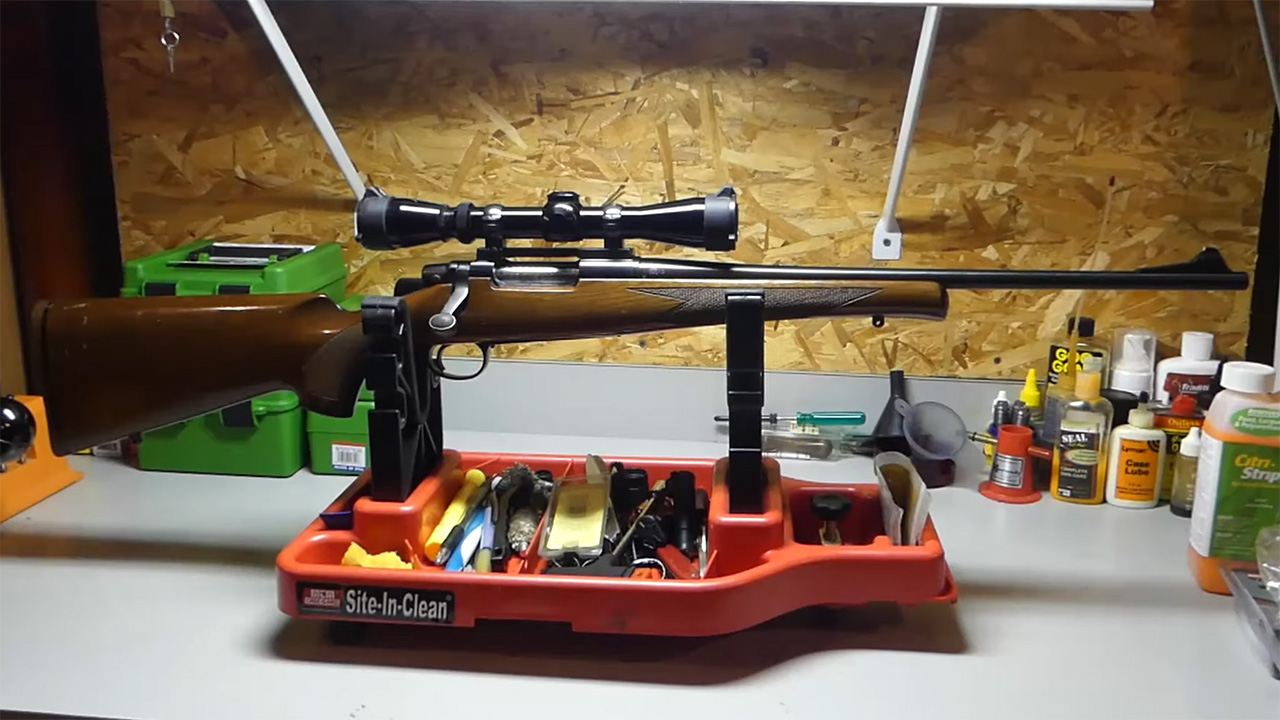
Model 7s used to get treated like “a short 700,” and that’s exactly why they’re worth owning. They’re handy. In thick woods, climbing in and out of stands, or working around a truck, that shorter action and shorter overall length matters. I’ve seen Model 7s sell cheap because they wore basic scopes and had a few dings in the stock.
What I’d pay for now is one that hasn’t been chopped, threaded badly, or drilled into a science project. A clean Model 7 in a sensible chambering is a real-world deer rifle, especially for smaller-framed hunters or anyone who values handling over benchrest bragging. The little rifles are easy to love when you actually carry them all season instead of just shooting groups off a bench twice a year.
12. Ruger No. 1
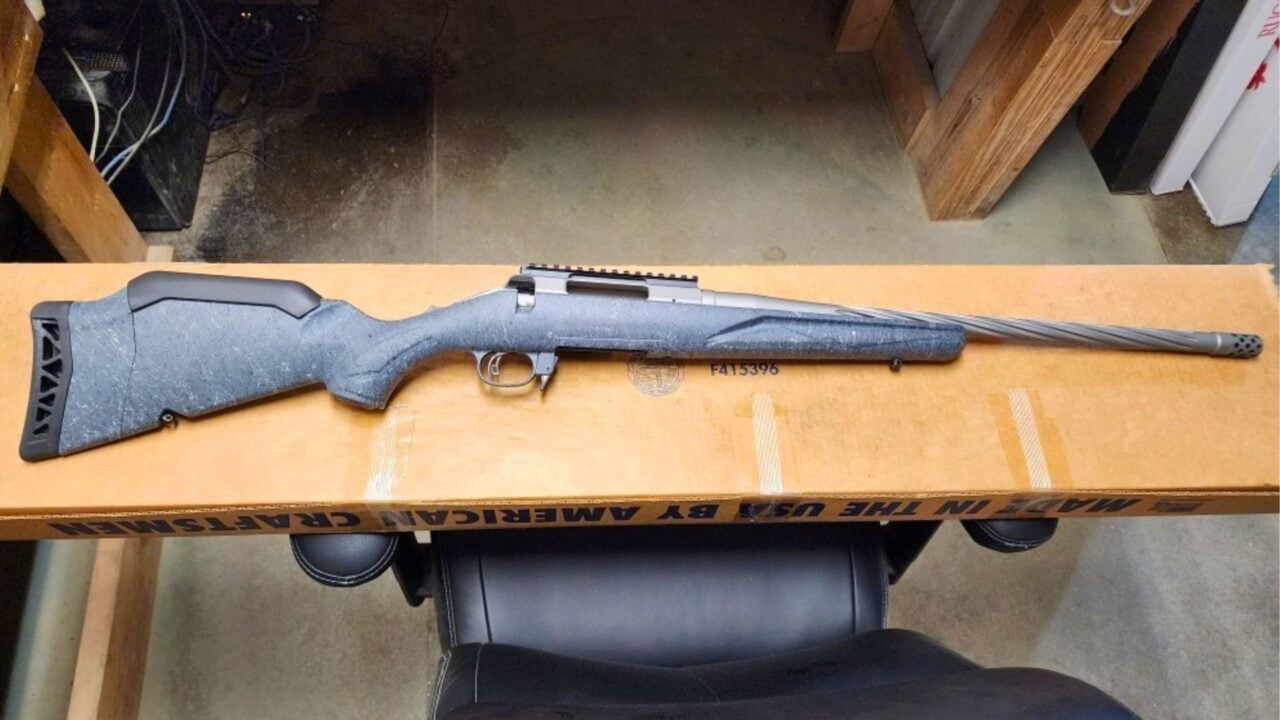
Single-shots can get punished at auction because the crowd thinks “one shot equals obsolete.” That’s missing the point. A Ruger No. 1 is compact for its barrel length, strong, and classy without being fragile. I’ve watched them go for surprisingly low prices when they weren’t in a trendy caliber or the wood wasn’t exhibition grade.
They’re not for everybody. If you want fast follow-ups, get something else. But for a hunter who values a clean first shot and likes a rifle with some soul, they’re hard to beat. They also tend to carry like a much shorter rifle, which is handy in brush or when you’re climbing. Find one with good scope mounting and a decent trigger, and you’ve got a rifle that won’t feel outdated in 20 years.
13. Springfield Armory M1A (standard and loaded models)
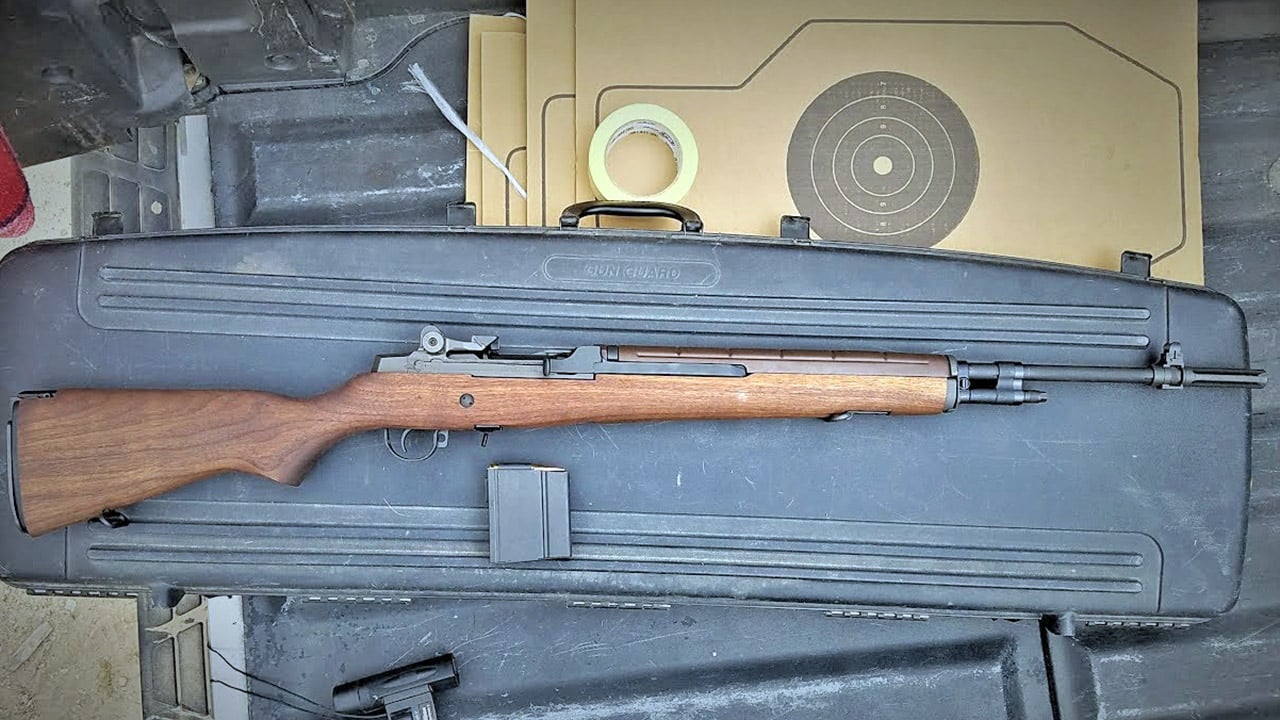
I’ve seen M1As go “cheap” when the market is flooded with modern AR variants. The M1A is heavier, longer, and not as easy to mount optics on cleanly. All true. Still, it’s a real rifle with a real feel, and it shines in the roles it was built for. When one sells low because it has a couple scuffs on the stock, I pay attention.
What you’re buying is reliability with good magazines and a rifle that runs well with a sensible maintenance routine. It’s also a rifle that teaches you something about shooting positions and sling use, because it rewards the basics. Not everybody needs one. But if you ever wanted a classic .308 semi-auto that isn’t just another black rifle, the “cheap auction” M1A can turn into a lifelong keeper.
14. Ruger Mini-14

The Mini-14 has taken plenty of internet beatings over accuracy, and some of it is deserved depending on the era and configuration. But I’ve watched early Minis sell for almost throwaway money because they weren’t the latest tacticool thing. For a ranch rifle, a truck gun that stays legal where it needs to, or a simple utility semi-auto, the Mini still has a place.
The key is expectations. If you want tiny groups at 300 yards, keep walking. If you want a handy rifle that points fast and runs clean with good magazines, the Mini delivers. The factory mags are the ones that matter, and that’s where people get burned trying cheap options. When you find a Mini that cycles smooth, locks up tight, and hasn’t been abused, it’s a useful tool that’s pricier to replace today than it used to be.
15. SKS (Norinco and Yugoslavian imports)
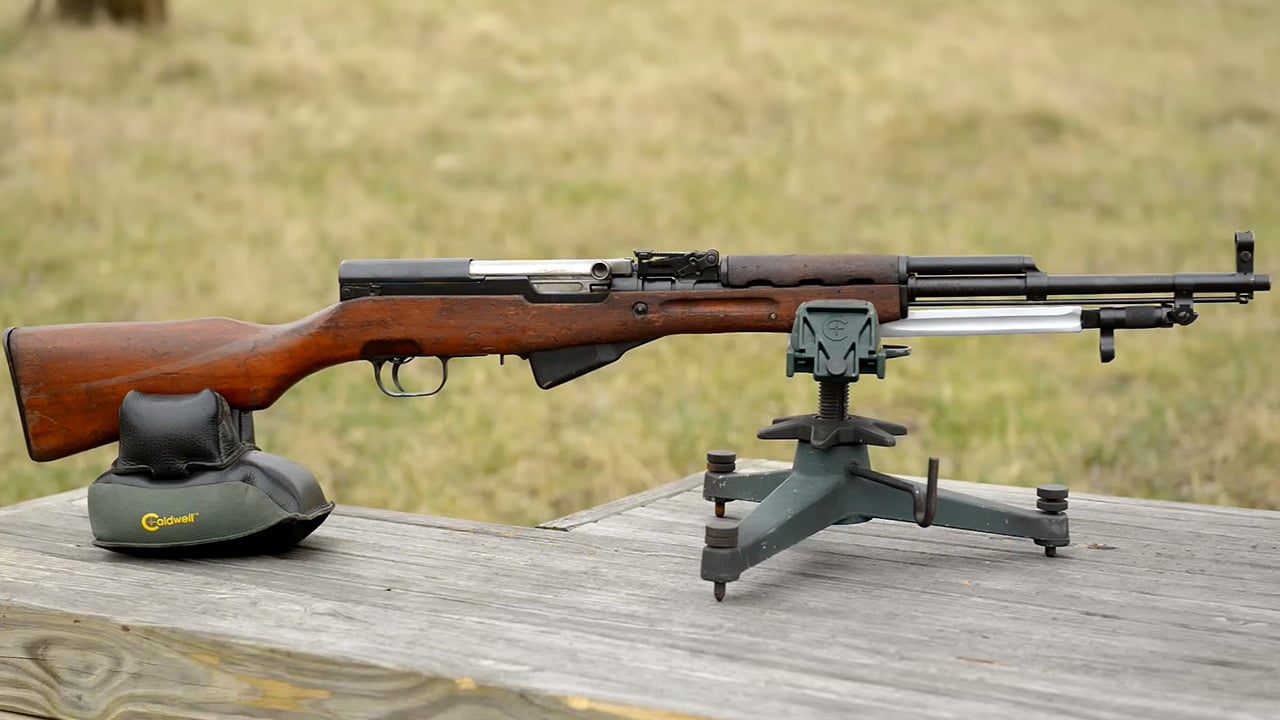
There was a time SKSs stacked up like firewood at auctions and gun shows, and guys treated them like disposable rifles. Then surplus dried up and everybody remembered they’re reliable, simple, and fun to shoot. I’ve watched clean Norincos and decent Yugo guns sell for prices that now feel like a typo, especially if they came with the original fixed magazine and weren’t hacked into a plastic-stock mess.
They’re not a precision rifle and they’re not a lightweight mountain gun. But for a basic 7.62×39 rifle that runs with cheap ammo and doesn’t rely on hard-to-find proprietary parts, the SKS makes sense. If you want a no-nonsense rifle for banging steel or as a backup utility gun, it’s hard to argue with. Just inspect them carefully—bubba work and corrosive neglect are the two killers.
16. Mosin-Nagant 91/30
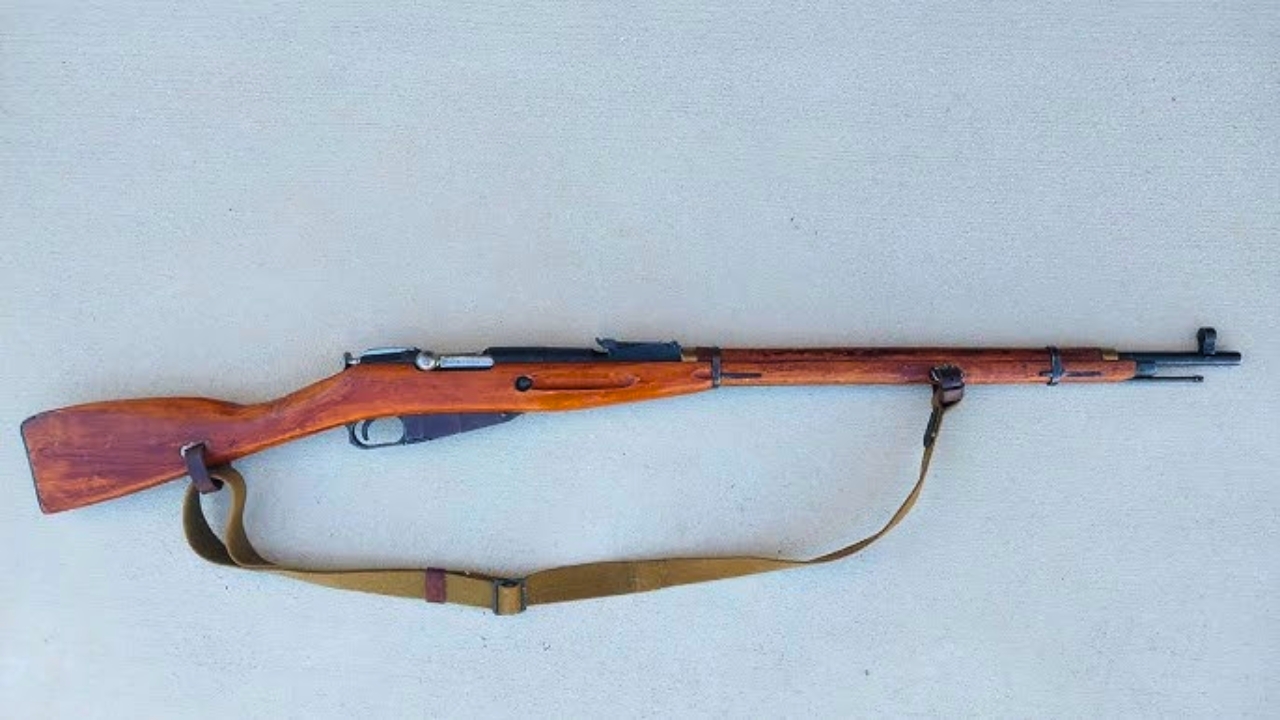
Mosins got laughed at for years, mostly because they were everywhere and cheap. I get it: the bolt can feel like you’re operating farm equipment, and the recoil in some loads is lively. Still, I’ve watched nice arsenal-refurbs and matching-number examples get sold as if they were scrap. Then the buyer turns around later and realizes they can’t replace it for the same money.
This is less about “best rifle” and more about what it represents: a rugged, functional piece of history that you can still shoot. If you get one with a decent bore and you feed it appropriate ammo, they’ll hit what you aim at for practical distances. They’re also dead simple to maintain. No, it’s not the rifle I’d pick first for deer season, but for the price they used to bring, passing on a clean Mosin was a mistake.
17. Swiss K31 (Schmidt-Rubin straight-pull)
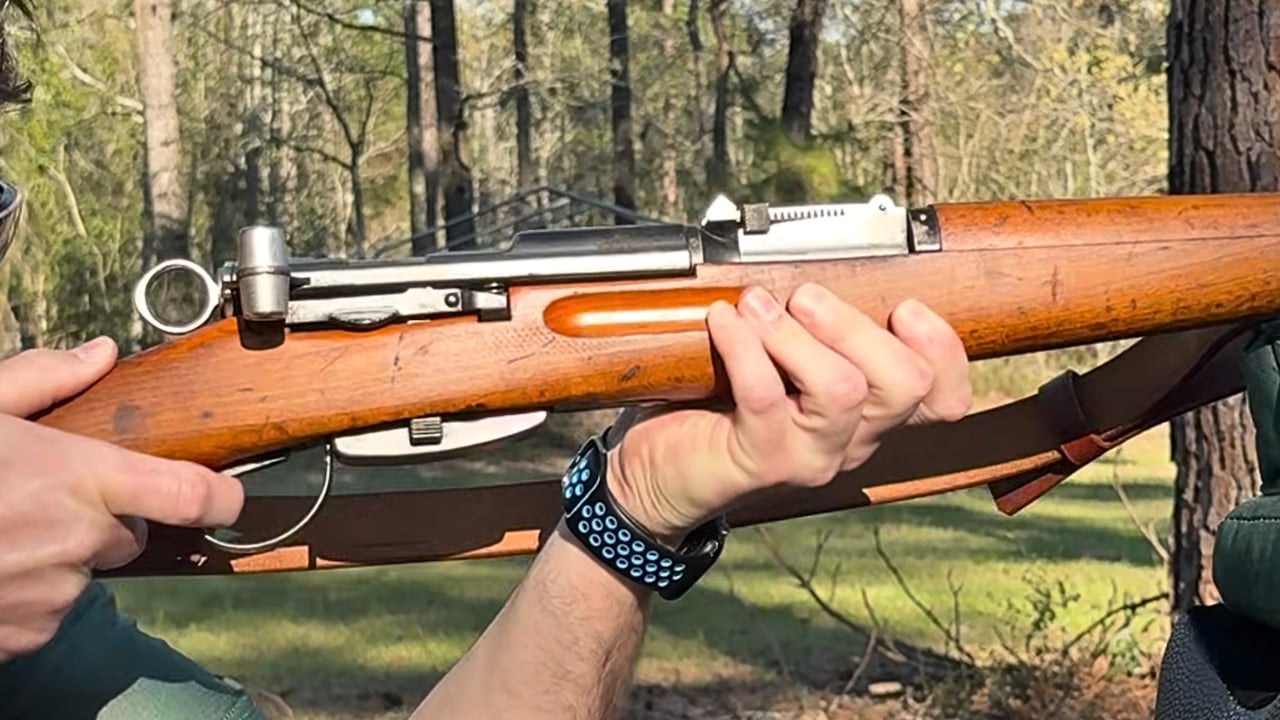
A K31 is the kind of rifle that makes you grin the first time you run the action. It’s smooth, fast, and different in a good way. I’ve seen them sell low because the crowd didn’t want to mess with “odd ammo” or a rifle that doesn’t take modern scope mounts easily. That thinking leaves money on the table.
K31s are typically accurate, with great barrels and craftsmanship you don’t get at today’s entry-level prices. The straight-pull action is also just fun, and fun matters if you actually shoot your rifles. Ammo availability is better than it used to be, and handloaders have options. If you ever wanted a military surplus rifle that feels refined instead of crude, the K31 is it, and they don’t seem to be getting cheaper.
18. Mauser K98

Real-deal matching K98s bring real-deal money. But the rougher Russian-capture rifles and the honest mixmasters used to get treated like junk. I’ve watched shootable examples sell cheap because collectors wanted perfection and shooters wanted modern optics. The thing is, even a “shooter grade” Mauser has a strong action and a feel that’s hard to duplicate.
If you find one that’s safe, headspace checks out, and the bore isn’t destroyed, you’ve got a rifle that can be a project or just a range piece. I’m not telling anyone to sporterize history, but there’s value in owning a piece that still runs. Good ammo isn’t as cheap as it once was, and recoil is real, but as a durable bolt gun with serious heritage, K98s were undervalued for a long time.
19. Winchester Model 94 (pre-64)
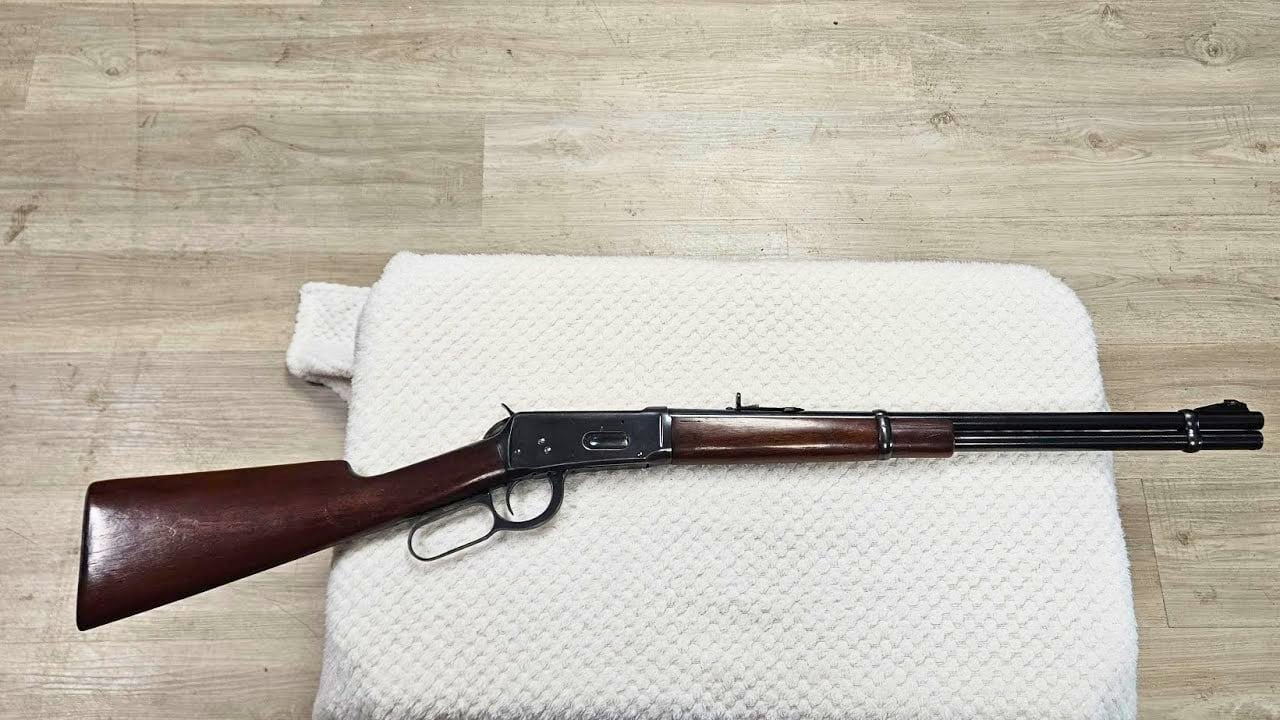
Pre-64 Model 94s were common enough that guys quit noticing them, especially ones with worn bluing. At auctions, they’d get bought as decorations or tossed in with a “bundle deal.” Then you shoulder one and remember why the design survived. They’re light, slim, and they carry like they’re part of you, not a separate piece of gear.
They aren’t scope rifles, and they aren’t long-range tools. But for a woods hunter who still-hunts, slips through creek bottoms, or climbs over fences, a 94 makes sense. The ones I’d pay for now are the unaltered carbines with decent bores and no cracks at the tang. They’re still one of the best handling deer rifles ever made, and no amount of modern marketing changes that.
20. Colt AR-15 SP1

For years, the early SP1 Colts weren’t “cool” to the modern AR crowd because they didn’t have rails, heavy barrels, or the latest furniture. I’ve watched original SP1s sell for surprisingly low money when the market was flooded with new carbines. Now, originality matters. The lightweight feel and retro profile are a whole thing, and it turns out Colt still means something to a lot of buyers.
This isn’t just about collectability, either. An SP1 is light, fast, and handy. It does what a basic AR needs to do without being overbuilt. The catch is condition—original parts, unmolested receivers, and a rifle that hasn’t been “updated” into a mixed bag. If you want a rifle that’s both shootable and historically interesting, the SP1 is one I’d put serious money into today without feeling silly.
The funny part about auctions is how fast “nothing” turns into “I can’t believe I didn’t buy that.” Not every old rifle is a gem, and not every bargain is a bargain once you start chasing missing magazines or fixing somebody else’s mistakes. But a solid, useful rifle with good bones rarely gets less useful with time. If you’re standing there watching the bidding stall, take a breath, look it over carefully, and remember: the boring rifles are often the ones you end up trusting the most.
Like The Avid Outdoorsman’s content? Subscribe to our newsletter so you never miss an article.
Here’s more from us: