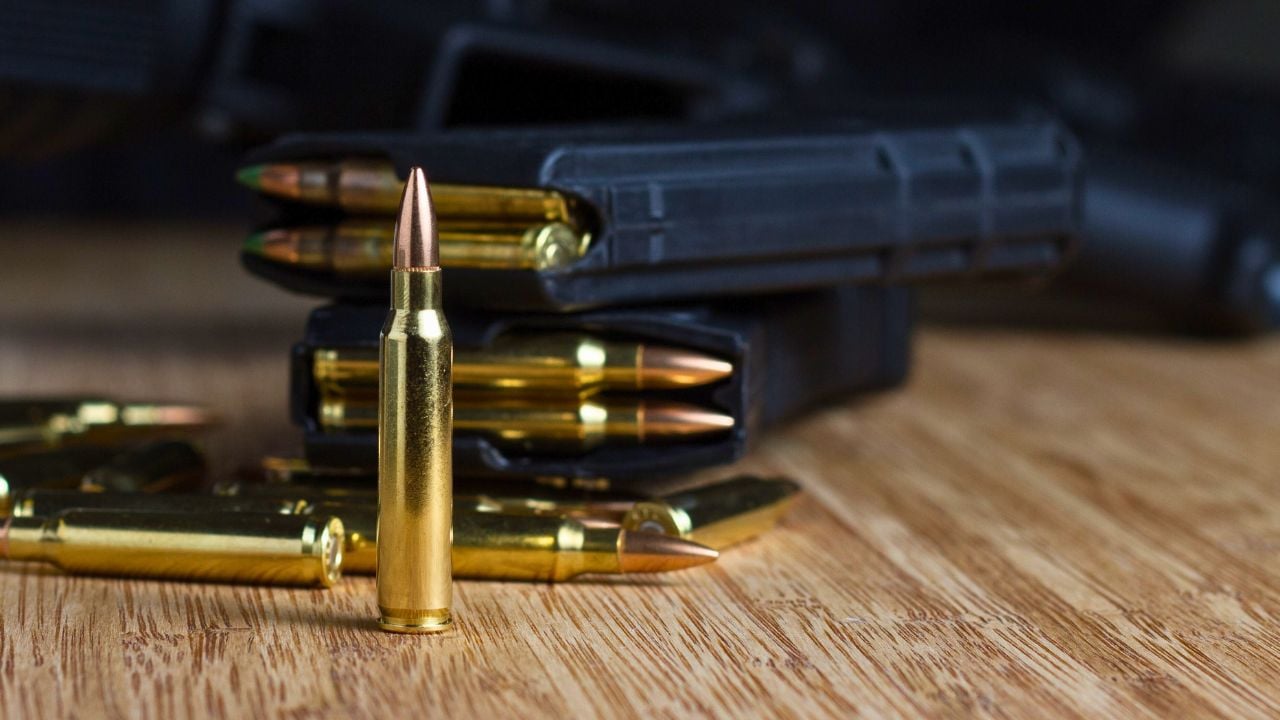
Photo credit: Wirestock Creators/ShutterStock.com
You can spend all day online watching arguments about what’s “most accurate.” Then you show up at a real range with a real rifle, real wind, and real ammo availability, and the conversation changes fast. The truth is, a handful of cartridges have been quietly stacking tight groups for years while everyone else chases the newest hotness.
This isn’t a list of magic bullets. A good barrel, consistent ammo, and a shooter who isn’t flinching will beat any forum opinion. Still, certain calibers keep earning trust because they’re forgiving, easy to tune, and they flat-out shoot. Here are 20 that have been settling accuracy debates the old-fashioned way—one clean group at a time.
1. .22 Long Rifle

If you want to learn what accuracy really is, shoot rimfire on paper and stop making excuses. The .22 LR will humble you because it doesn’t hide bad fundamentals behind recoil and noise. It’s also the cheapest way to burn downrange time without feeling like you’re lighting money on fire.
The catch is ammo sensitivity. One rifle will love a certain lot of match ammo and hate the next, and cheap bulk packs can throw random fliers that make you question your sanity. Still, with decent ammo and a decent barrel, .22 LR groups can look fake. It’s also the round that makes wind-reading feel important at “short” distances, which carries over to everything else.
2. .223 Remington

.223 is the everyday working man’s accuracy cartridge. It’s easy to shoot well, recoil is light, and barrels tend to last. Whether it’s a bolt gun or an AR, you can get repeatable performance without needing a custom build or boutique components.
Where .223 wins arguments is consistency across setups. A basic rifle with a decent trigger and decent ammo will usually print respectable groups. The downside is wind drift once you start stretching it, and cheap ammo isn’t always loaded for precision. But the fact that you can buy quality match loads almost anywhere and get good results is a big deal when you don’t reload.
3. 5.56 NATO (match-focused loads)

Yes, 5.56 and .223 are close. No, they aren’t always the same story at the target. When you feed a 5.56 chamber good 69- or 77-grain match ammo and pair it with a barrel that likes it, you get an honest, repeatable performer that’s tough to beat for practical accuracy.
The reason it wins quietly is reliability and volume. There are more accurate 5.56 rifles in trucks, behind seats, and in ranch safes than most folks want to admit, and they get shot a lot. The warning here is to avoid mixing random ammo and expecting the same point of impact. If you stick to one good load, it’s boring—in the best way.
4. .243 Winchester

.243 has been punching tiny clusters for decades, and it does it without punishing the shooter. That mild recoil helps folks stay honest on the trigger, and it’s one of the easiest hunting-capable cartridges to shoot well from field positions.
It’s also a sneaky good “do it all” round if you’re not trying to impress anyone at the gun counter. With the right bullets it handles varmints cleanly and can double as a deer rifle where legal. Barrel life can be shorter than some slower rounds, especially if you run it hot and fast, but for most hunters that’s a non-issue. It’s accurate enough that missed shots usually aren’t the cartridge’s fault.
5. 6mm Creedmoor

6mm Creedmoor didn’t become popular because it looks cool on a box. It got traction because it shoots flat, bucks wind well for its size, and stays soft enough that you can spot impacts through the scope. That is a real advantage when you’re trying to shoot tight groups under time or pressure.
The tradeoff is that it’s more of a “shooter’s” cartridge than a casual grab-any-ammo round. You’ll want quality loads, and many rifles do best with specific bullet weights. Barrel life can be the sore spot if you’re burning lots of rounds fast. Still, if accuracy is the argument, this one shows up with receipts, especially at distance.
6. 6mm Dasher

If you’ve spent time around serious paper-punchers and match guys, you’ve heard the Dasher brought up like it’s a secret handshake. It’s not magic, but it’s one of those cartridges that tends to tune easily and hold tight vertical when everything is working.
The downside is it’s not a “walk into any small-town store and buy ammo” setup. It’s typically a reloaders’ game, and it leans toward custom rifles. But the reason it keeps winning private accuracy arguments is simple: lots of shooters can run it well, and it’s forgiving when you’re trying to stack bullets on top of bullets. If you want pure precision culture, this is it.
7. 6.5 Creedmoor

6.5 Creedmoor has been argued to death, but the reason it won is pretty plain. It’s accurate, it’s available, and it doesn’t beat you up. For the average shooter trying to hit steel at 600 or shoot a clean group at 100, it’s hard not to do well with it.
It also benefits from a massive amount of load development from ammo makers. You can grab factory match ammo and get real results without handloading. The knock is that it’s become a personality trait for some folks, and that makes others hate it on principle. Strip away the noise and you’ve got a cartridge that just shoots, especially with modern bullets.
8. .260 Remington

.260 Remington is the round that makes you wonder how trends work. It has the accuracy and ballistic manners people praise in newer cartridges, but it never got the same mainstream love. The folks who run it tend to be quiet and very confident, which usually means they’ve seen targets.
It’s easy to load for, easy to shoot well, and it has a balanced feel—enough speed, enough bullet, not a ton of recoil. Ammo availability can be spotty compared to 6.5 Creedmoor, which is why some rifles get re-barreled or moved along. Still, if you already have a good .260, I wouldn’t be quick to let it go. It’s a steady performer that never needed hype.
9. 6.5×55 Swedish

The 6.5 Swede has old-school credibility and modern accuracy. A lot of these rifles have seen more seasons than most of us, and they still print impressive groups with ammo they like. It’s also a cartridge that tends to treat shooters well, with a smooth recoil impulse that helps you stay on the gun.
One reality check: many factory loads are kept mild out of caution for older actions, so you don’t always get the speed some folks expect. But accuracy isn’t only about speed. With good bullets and a good bore, the Swede can be a calm, consistent tack-driver. It’s also one of those rounds where you’ll meet a guy who swears his is “the most accurate rifle I own,” and he’s usually not lying.
10. 7mm-08 Remington

7mm-08 doesn’t get talked about like a precision darling, but it flat-out shoots. It’s one of the best “real hunting rifle” cartridges for accuracy because it balances recoil, bullet weight, and efficiency. In lightweight rifles it’s still manageable, and that matters when you’re shooting off sticks in the wind.
It’s also a cartridge that tends to group well with a variety of factory loads, which is not something you can say about every short-action round. The only downside is it doesn’t have the trendy match scene momentum, so you won’t see endless new load offerings like some cartridges get. But for deer hunters who also like punching paper, 7mm-08 is a quiet overachiever.
11. .308 Winchester

.308 is the reliable old pickup truck of accurate shooting. It’s not the flattest, it’s not the newest, and it’s not trying to impress anyone. Yet it’s still one of the easiest cartridges to get shooting well because there’s so much good ammo, so many proven bullet designs, and so many accurate rifles chambered for it.
It also holds its own when conditions are less than perfect. A .308 will teach you about wind without being so twitchy that you can’t learn anything. Recoil can wear on you in long sessions, especially in light rifles, and that can open groups if you’re not paying attention. But if you want a no-drama accuracy round with deep bench history, .308 keeps showing up.
12. .30-06 Springfield

Some folks act like .30-06 is too “old” to be accurate. That’s internet thinking. In real rifles with good barrels, the ’06 is often shockingly precise, and it does it while offering a wide range of bullet weights. That flexibility lets you tune a rifle to what it likes without getting weird about it.
The main issue is recoil management, especially with heavier loads. You can shoot tight groups with an ’06, but you have to be honest about your form. The cartridge isn’t sloppy—shooters are. For hunting rifles, it’s also common to see thin sporter barrels that heat up fast, and that can open groups if you’re hammering strings. Still, a good .30-06 has ended plenty of “new cartridge” arguments quietly.
13. .30-30 Winchester
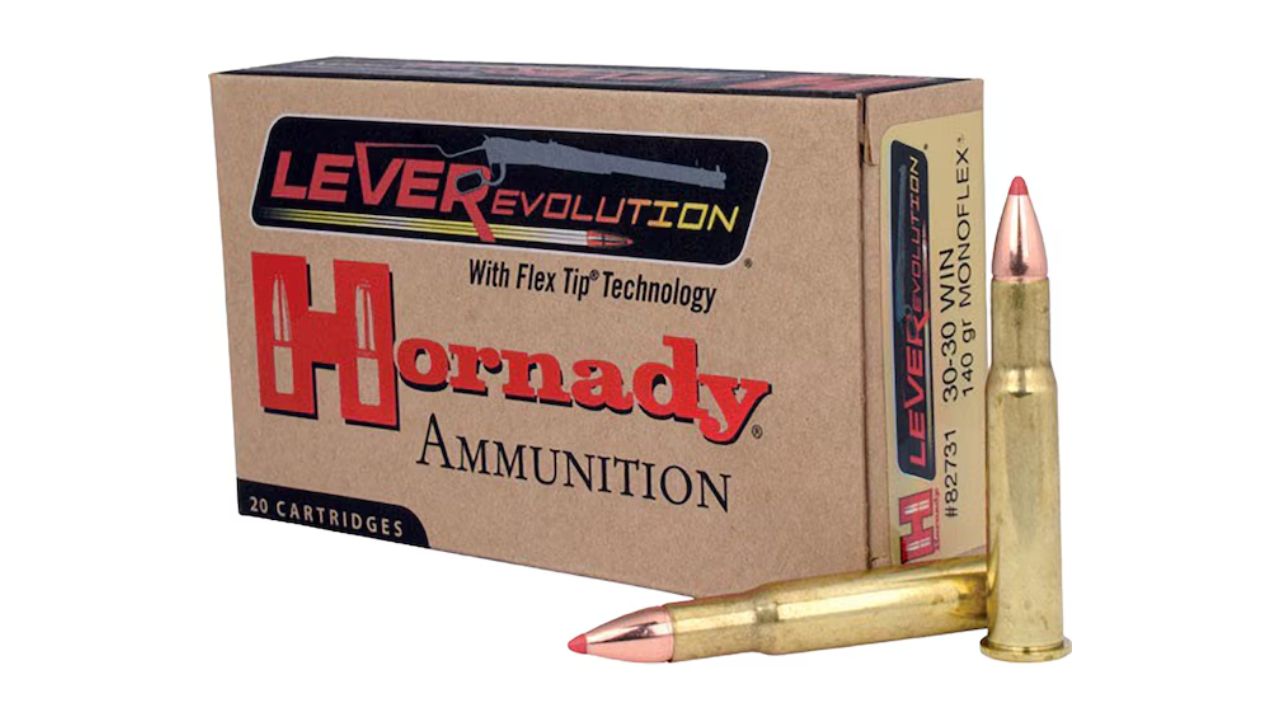
No, it’s not a 1,000-yard round. But the .30-30 has been winning accuracy arguments in the places that matter: in the deer woods and at 100 yards with iron sights. A good lever gun with a load it likes can shoot far better than its reputation, especially when you stop treating it like a relic.
The limitation is usually the platform, not the cartridge. Traditional lever guns can have triggers and sights that aren’t exactly target-grade, and tubular magazine bullets limit some design choices. But with modern ammo options and a solid sighting setup, it’s surprisingly capable. The bigger point is this: “accurate enough” is still accuracy, and .30-30 has been stacking freezer meat for generations without anyone needing to post group photos online.
14. .270 Winchester

.270 Winchester is one of those cartridges that just seems to behave. Plenty of factory rifles in .270 will shoot better than their owners can, and they’ll do it with off-the-shelf hunting ammo. That’s not glamorous, but it’s real-world accuracy you can count on.
It shines with consistent trajectory and manageable recoil, especially for a cartridge that has real reach in the field. The downside is it can be picky with certain bullet weights depending on twist rate, particularly in older rifles. Also, long, heavy-for-caliber modern bullets aren’t always the best fit for classic .270 setups. But if you want a plain hunting round that regularly prints tight groups, this one keeps proving itself.
15. 7mm Remington Magnum

When someone says their 7mm mag “shoots like a laser,” they’re not always exaggerating. A well-set-up 7mm Rem Mag with a barrel that hasn’t been cooked can be extremely accurate, especially when you feed it quality loads. It also carries speed and energy in a way that makes longer shots feel less dramatic on paper.
The price you pay is recoil and blast, plus the tendency for some shooters to develop a flinch without realizing it. That’s where accuracy arguments get settled: the cartridge can shoot, but can you? Barrel heat and throat wear can also become issues if you shoot it like a .223. If you respect it and practice smart, it’s an accuracy-capable hunting round that still earns its spot.
16. 7mm PRC

7mm PRC showed up with a lot of attention, but it’s not just marketing smoke. It was built around modern bullet shapes and sensible design choices that help accuracy stay consistent when you start stretching distance. In rifles that are built right, it tends to feel “easy” to get shooting well for a magnum.
It’s not cheap to feed, and you’ll want a solid optic and solid fundamentals if you’re buying into what it offers. The recoil is there, even if it’s not brutal in a heavier rifle. Where it wins arguments is in repeatable long-range performance without needing a weird wildcat. If you’re a hunter who wants a modern 7mm that groups tight and holds up in wind, it’s a serious contender.
17. .300 Winchester Magnum

.300 Win Mag is the cartridge a lot of folks “think” they need, then realize they don’t like shooting. Still, when accuracy is the only question, it can be an absolute hammer. In good rifles, it’s common to see impressive groups and excellent performance at distance with the right loads.
The issue is that it exposes weaknesses—yours and the rifle’s. Light rifles in .300 can be miserable from the bench, and misery makes groups grow. It’s also easy to get sloppy with fundamentals when you’re anticipating recoil. But for shooters who can run it well, it’s a legitimate precision-capable round that also carries hunting authority. It’s not friendly, but it can be very, very accurate.
18. .300 PRC

.300 PRC is one of those cartridges that seems designed by people who actually shoot a lot. It’s built to handle long, heavy bullets without awkward compromises, and that tends to show up on target. When everything is lined up—good rifle, good ammo, good shooter—the groups can look like a smaller cartridge did the work.
It’s not the most common thing at a rural hardware store, and it’s not a casual plinking round. You’ll also want to pay attention to rifle weight and brake/suppressor choices for comfort, because it still lives in magnum territory. What it does well is deliver consistent long-range accuracy without feeling like you’re forcing a setup to work. If you’re already in the .30-cal magnum world, it’s a strong option.
19. .338 Lapua Magnum

.338 Lapua is not for most folks, and that’s fine. But accuracy-wise, it has a reputation for a reason. In rifles built for it, it can deliver outstanding consistency at ranges where smaller cartridges start getting pushed around. It’s a purpose tool, and purpose tools tend to do their job well.
The negatives are obvious: cost, recoil, rifle weight, and the fact you need a place to actually shoot it. It’s also the kind of round that can turn a casual range day into a full-on production with big glass, solid rests, and careful dope. When someone brings one out and starts printing, it ends a lot of talk. Just don’t buy one thinking it’s going to make you accurate by itself. Ask me how I know.
20. 6.5 PRC

6.5 PRC is what happens when you want more than 6.5 Creedmoor without jumping into full magnum headache. It tends to shoot flat, carry well in wind, and still stay controllable enough that you can run it with confidence. In the accuracy conversation, it’s often the round that surprises people who expected it to be fussy.
You do pay more per box, and some rifles are pickier about feeding and magazine length depending on how they’re set up. Barrel life isn’t infinite either if you’re doing high volume. But for the hunter who wants a modern, accurate 6.5 that reaches farther with authority, it’s hard to ignore. When a 6.5 PRC rifle is dialed, it tends to stay dialed—and that’s what wins arguments when the targets come out.
Accuracy debates are fun until you’re the one behind the trigger, burning your own ammo, trying to keep a steady hold in a quartering wind. The calibers above didn’t earn their reputations through comment sections. They earned them because normal shooters can get real results without a bunch of drama. Pick one that fits your actual use, buy the best ammo you can afford, and spend more time shooting than talking. That’s where the truth lives.
Like The Avid Outdoorsman’s content? Subscribe to our newsletter so you never miss an article.
Here’s more from us: