Photo credit: NewLibertyFirearmsLLC/GunBroker
Every few years the gun world rebrands “budget” like it’s a brand-new idea. Meanwhile, there are handguns that have been quietly doing the work since the mid-’90s—riding in gloveboxes on ranch roads, living in nightstand drawers, going through basic classes, and punching paper on Saturdays without drama. Some are ugly. Some are heavy. A few are picky about ammo. But all of them tend to shoot better, run longer, or hold up tougher than their price tag says they should.
This isn’t a museum list. It’s a “real life” list—guns that keep showing up because they’re useful, magazines and parts exist, and they don’t make you baby them.
1. Glock 19 (Gen2/Gen3)
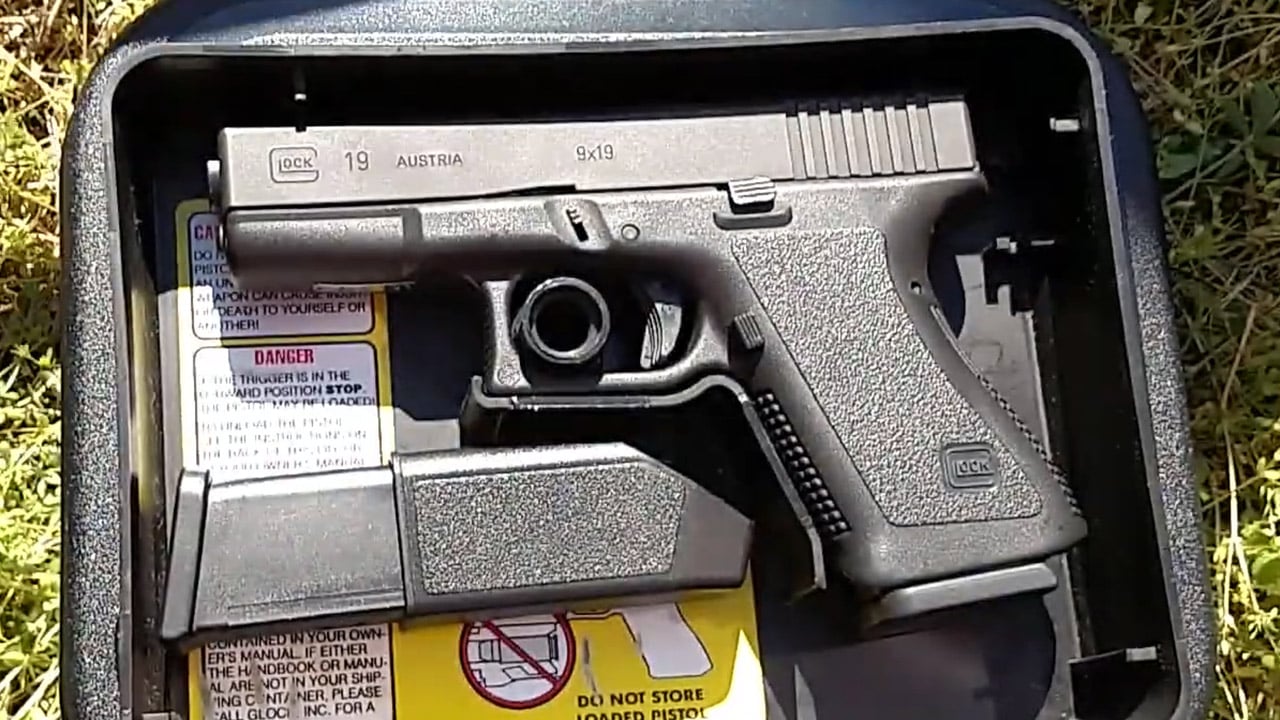
You can argue about triggers and sights all day, but the Glock 19 earned its reputation the boring way: it just runs. The Gen2 and Gen3 guns in particular have been bouncing around duty holsters and civilian carry setups for decades, and they’re still hard to beat for the money on the used market. They point naturally for most hands, and the size hits the sweet spot between “carryable” and “fightable.”
What makes it outperform the price isn’t magic accuracy—it’s that you can actually keep it running with basic maintenance, common magazines, and parts that every shop has in a drawer. It’s also forgiving: cheap practice ammo, mud on a range day, or a little neglect in the safe. There are fancier guns, sure. But few give you this much confidence per dollar.
2. Glock 17 (Gen2/Gen3)
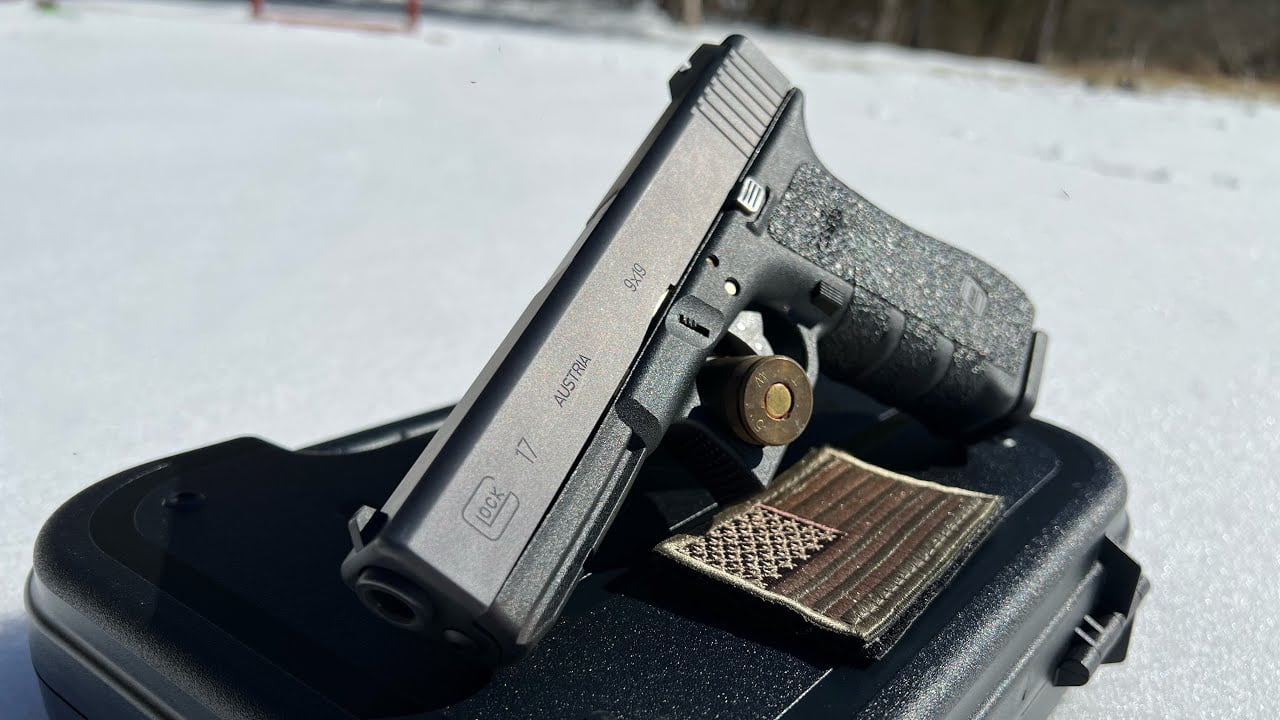
The Glock 17 is the pickup truck of 9mm pistols. It’s not trying to be cute or compact, and that’s why it shoots so well for so many people. The longer grip and sight radius help new shooters, and the recoil impulse is easy to manage when you’re burning through a case of ammo in a class.
Where it keeps beating its price tag is longevity. Springs, mags, and small parts are easy. Holsters are everywhere. If you want one pistol that can do home defense, range work, and even duty-style training without feeling “small,” the 17 keeps showing up for a reason. It’s not exciting. Still, I would not be quick to let one go.
3. Smith & Wesson M&P9 (1.0)
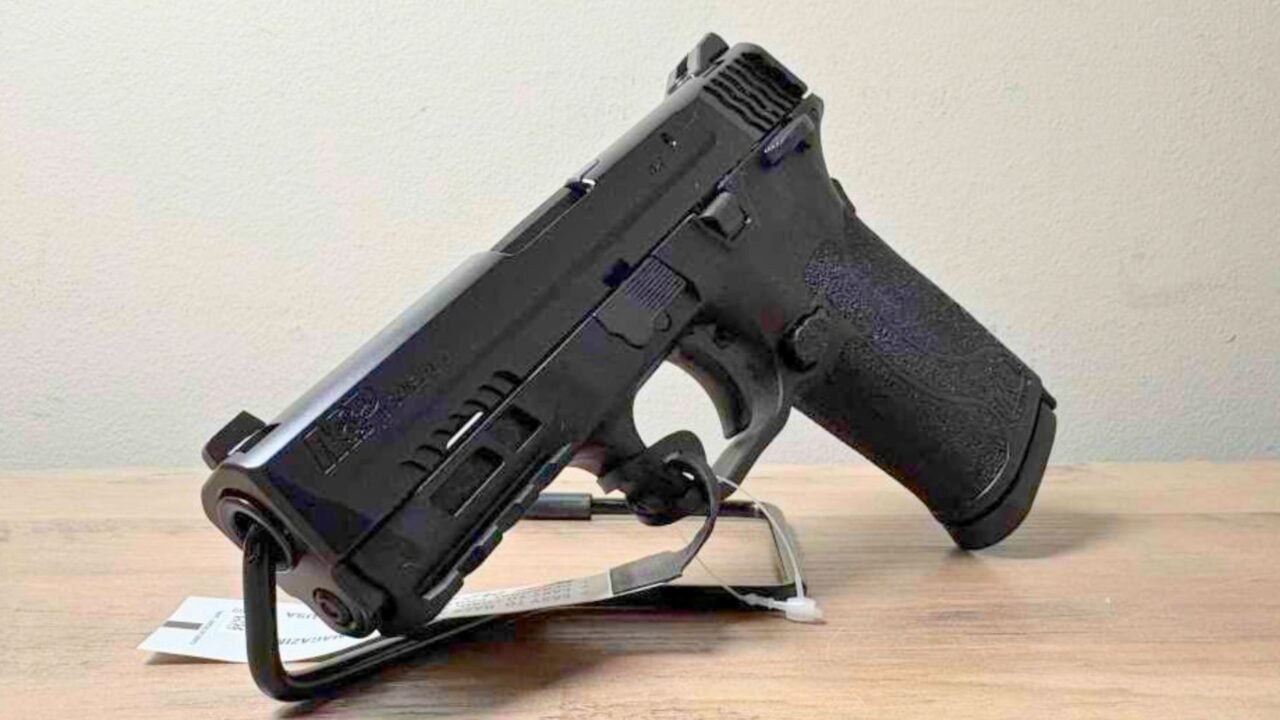
Before the 2.0 hype and the newest optics-ready everything, the original M&P9 was already doing solid work. Police trade-ins made them a quiet bargain for years, and a lot of those pistols had a hard life and still kept running. The grip shape fits a wide range of hands, and the interchangeable backstraps actually matter if you’re trying to get a new shooter comfortable.
Yes, the early triggers were nothing to write home about. But they were usable, and the guns tended to be accurate enough that the “trigger complaints” mostly came from folks chasing tiny groups. Magazines are common, parts support is strong, and they carry well. For what they cost used, they’ve been a steal for a long time.
4. Ruger P89
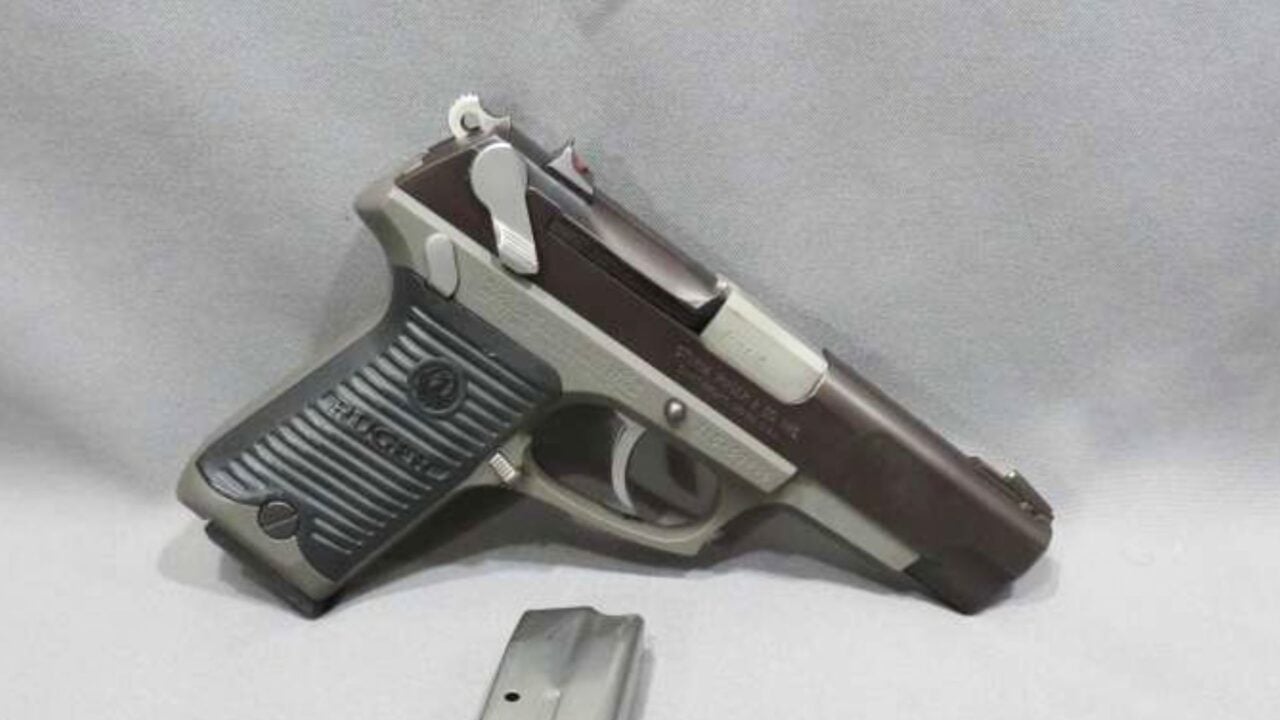
The Ruger P89 is not winning any beauty contests. It’s chunky, it’s very ’90s, and it feels like it was designed by someone who didn’t care about ounces. That’s also why they last. These old P-series Rugers have a reputation for digesting mixed ammo and shrugging off rough treatment, which is exactly what happens to “utility pistols” in the real world.
If you find one at a fair price, you’re getting a handgun that’s usually more reliable than the money suggests. The DA/SA trigger takes some time, and the decocker/safety setup is something you need to understand and practice with. But as a glovebox gun (where legal), a camp pistol, or a starter home-defense handgun that won’t break the bank, it keeps overdelivering.
5. Ruger P95

The P95 is the P89’s lighter, more practical cousin. It’s still not sleek, but it carries better and doesn’t feel like a brick on your hip. I’ve seen P95s that looked like they lived under a truck seat for years and still ran fine at the range. There is nothing fancy about it, and that is kind of the point.
Accuracy is typically “combat accurate,” not match-grade, but most shooters can keep it where it needs to be. The big win is durability per dollar. Magazines and parts are not as universal as Glock, but they’re out there. If you want a low-cost 9mm that behaves like it cost more, the P95 belongs in the conversation.
6. Ruger Security Six
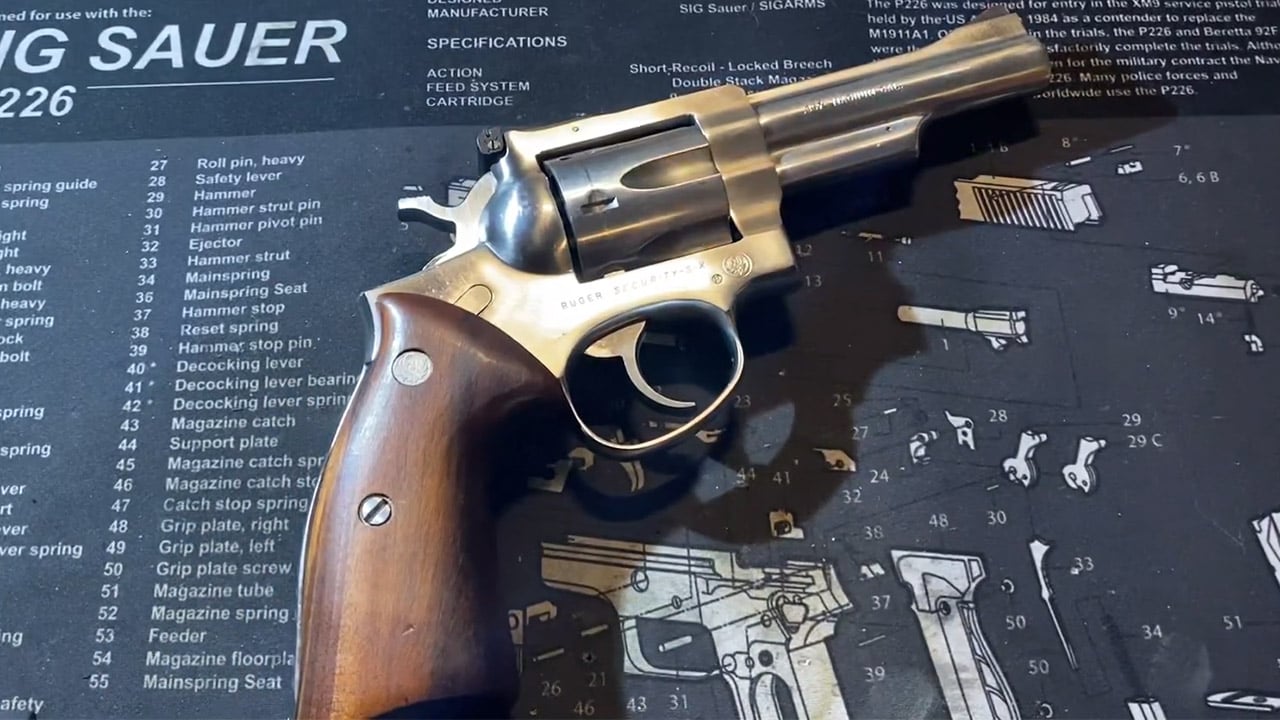
Ask older revolver guys about a working gun, and the Security Six comes up fast. Ruger built them stout, and they handle real .357 Magnum use without getting loose the way some lighter-frame revolvers can. They balance well, and the adjustable-sight versions make it easier to dial in a load you actually shoot, not just the one you found on sale.
They’ve climbed in value, but they still often undercut comparable classics if you find one in honest used shape. The triggers vary—some are smooth, some feel like they need a few thousand cycles. But as a trail revolver, farm gun, or “I want a revolver that won’t be fragile” option, they’ve been outperforming expectations since the beginning.
7. Smith & Wesson Model 10
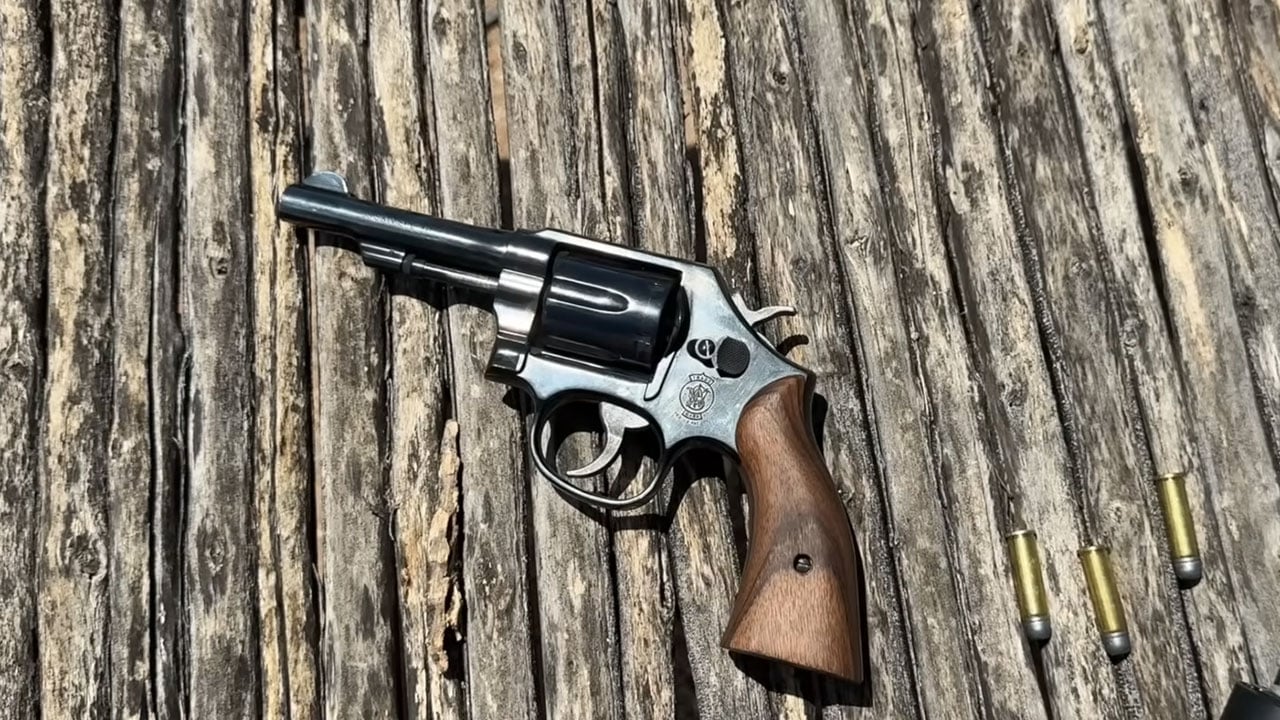
The Model 10 is the revolver that taught a lot of America how to shoot double-action. Police trade-ins kept prices sane for years, and what you got was a simple, accurate .38 Special that points like a finger. It’s not trendy, but it’s one of the easiest guns in the world to hit with if you do your part.
For a woods bum or landowner, it’s a practical tool: snakes, pests, a walk to the back fence line. Recoil is mild, and .38 Special is still one of the easiest revolver rounds to live with. The downside is capacity and reload speed compared to modern pistols. But for the money these often bring, the quality of the lockwork and barrels feels like you’re cheating.
8. Smith & Wesson Model 19
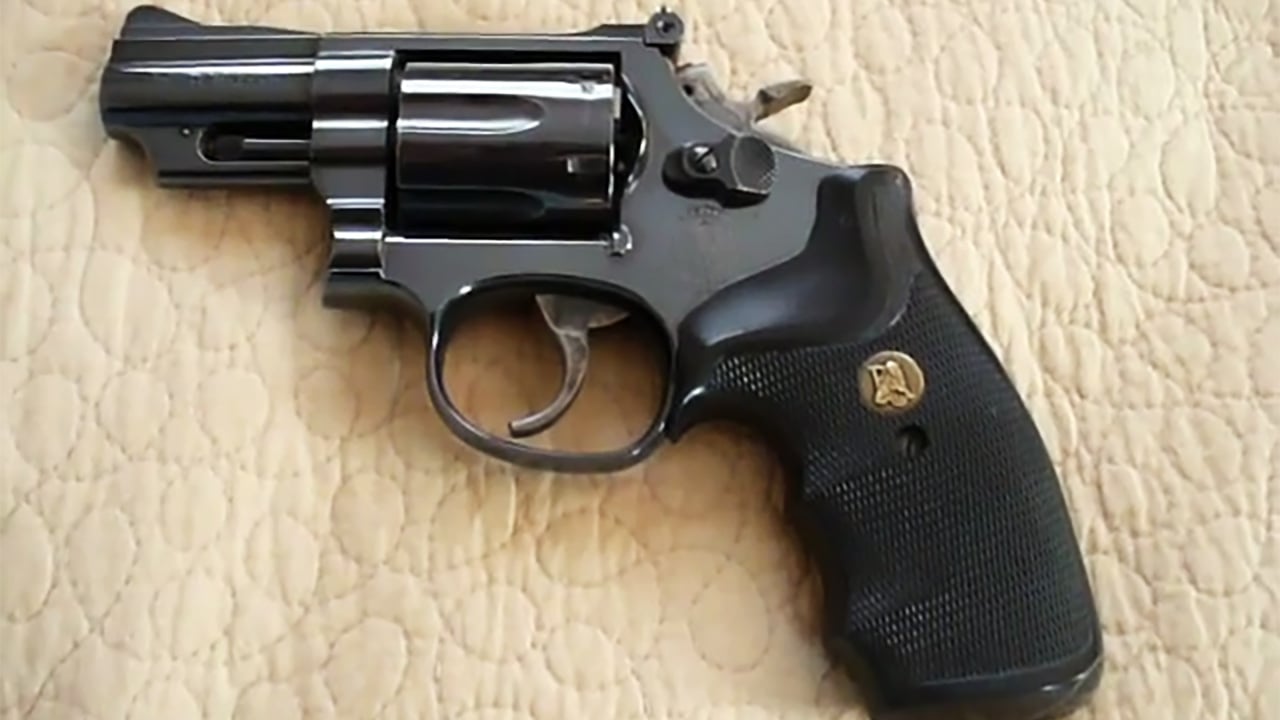
The Model 19 has been “the” carry-size .357 for generations, and it’s easy to see why. It’s lighter and handier than the big N-frames, but it still handles like a real revolver, not a toy. With .38s it’s pleasant, with .357 it’s serious. In the field, that flexibility matters.
Here’s the honest part: a steady diet of hot magnums is not what this gun was built for. Treat it like a working revolver and not a torture-test prop, and it lasts a long time. When you find one priced like “just an old wheelgun,” you’re getting classic S&W handling and accuracy that newer budget revolvers rarely match.
9. CZ 75B
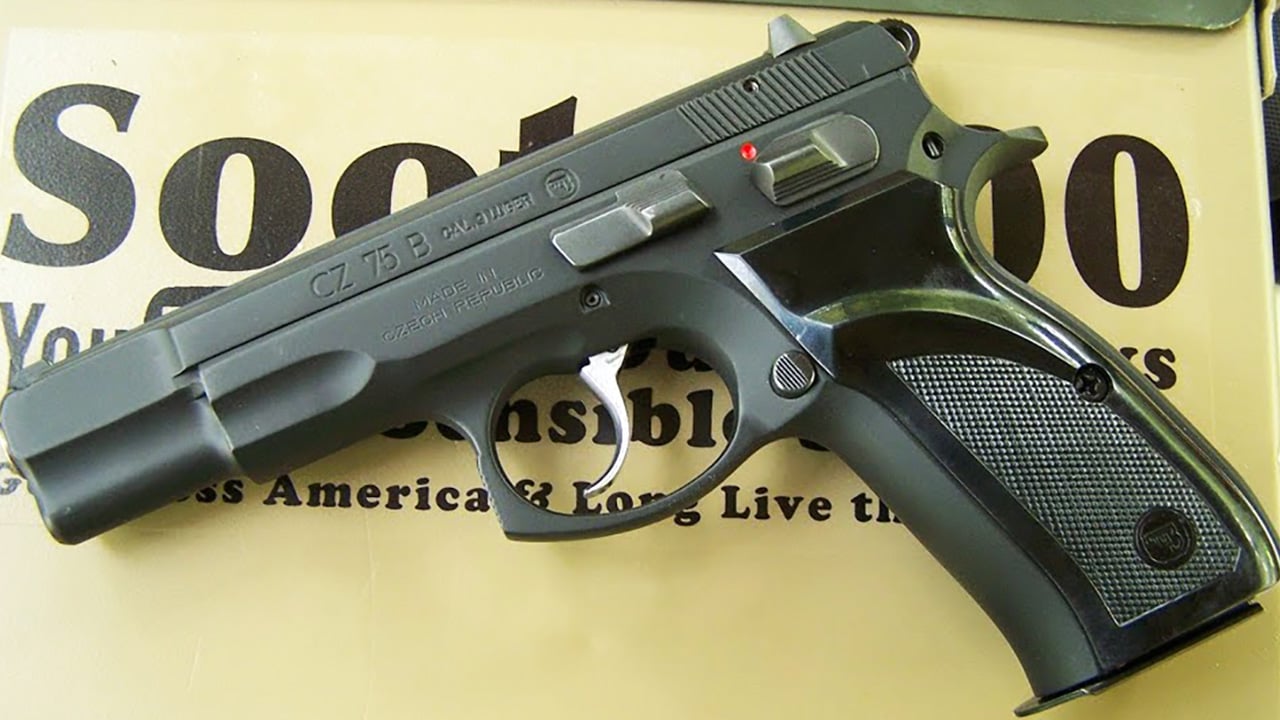
The CZ 75B has always felt like a gun that should cost more. The slide rides inside the frame, the gun sits low in the hand, and it tracks flat when you shoot it fast. If you’ve ever run one side-by-side with other service-size 9mms, you notice how easy it is to keep the sights from wandering.
They’re not the lightest carry option, and the DA/SA learning curve is real if you’re used to striker-fired pistols. But the upside is a pistol that can take a lot of rounds and still feel tight. Magazines are easy to find, and the aftermarket is healthy. For the guy who wants steel, reliability, and shootability without paying “custom” prices, it’s a long-time winner.
Free for gun owners: If something happened to you tomorrow, would your family know where the guns are, who has the safe combination, or what to do first? Our free Gun Owner’s Family Checklist walks them through it. It takes about 15 minutes to fill out. Get your free copy here.
10. Beretta 92FS
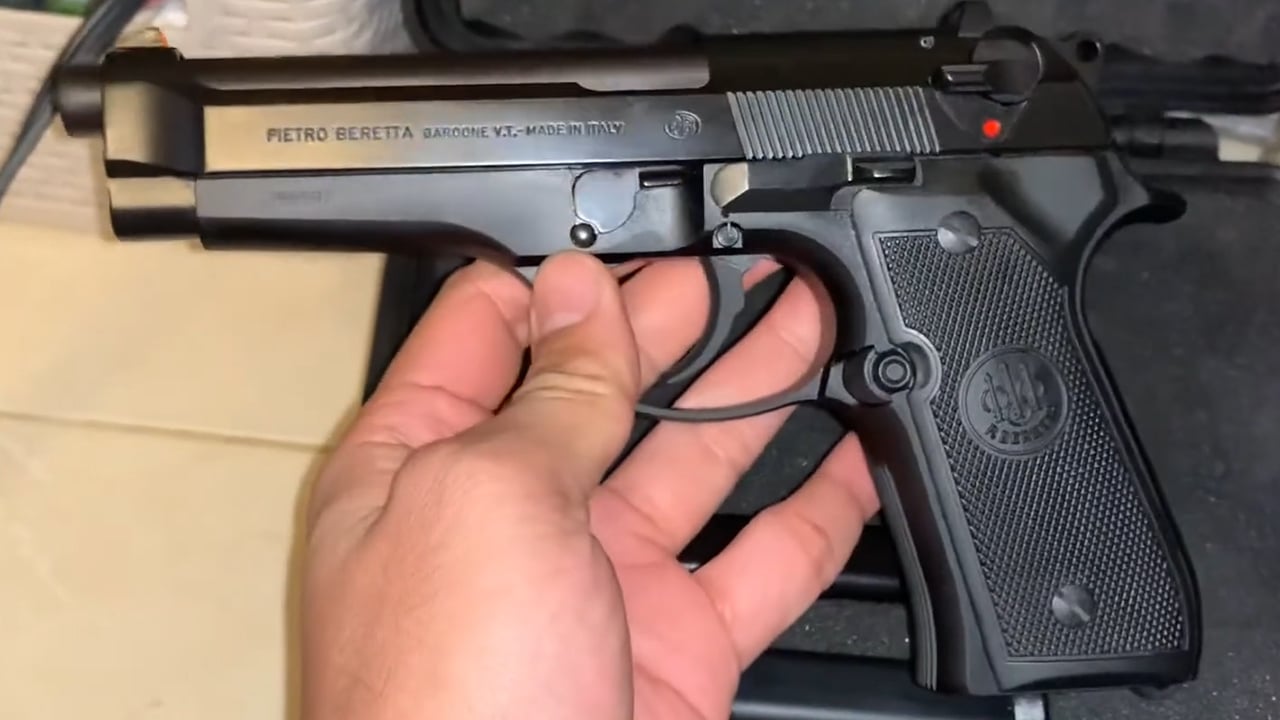
The Beretta 92FS is big, smooth, and soft-shooting—especially with full-power ammo. It’s also one of those pistols that makes average shooters look a little better than they are because the recoil impulse is so manageable. In a home-defense role, it’s easy to control and easy to run well.
The tradeoff is size and controls. The slide-mounted safety/decocker isn’t everyone’s favorite, and the grip can feel like a two-by-four for smaller hands. Still, police trade-ins and used examples have kept this model in the “value” lane for decades. When you get a good one, you’re getting proven reliability and a lifespan that laughs at casual range use.
11. SIG Sauer P226 (West German / early U.S.)
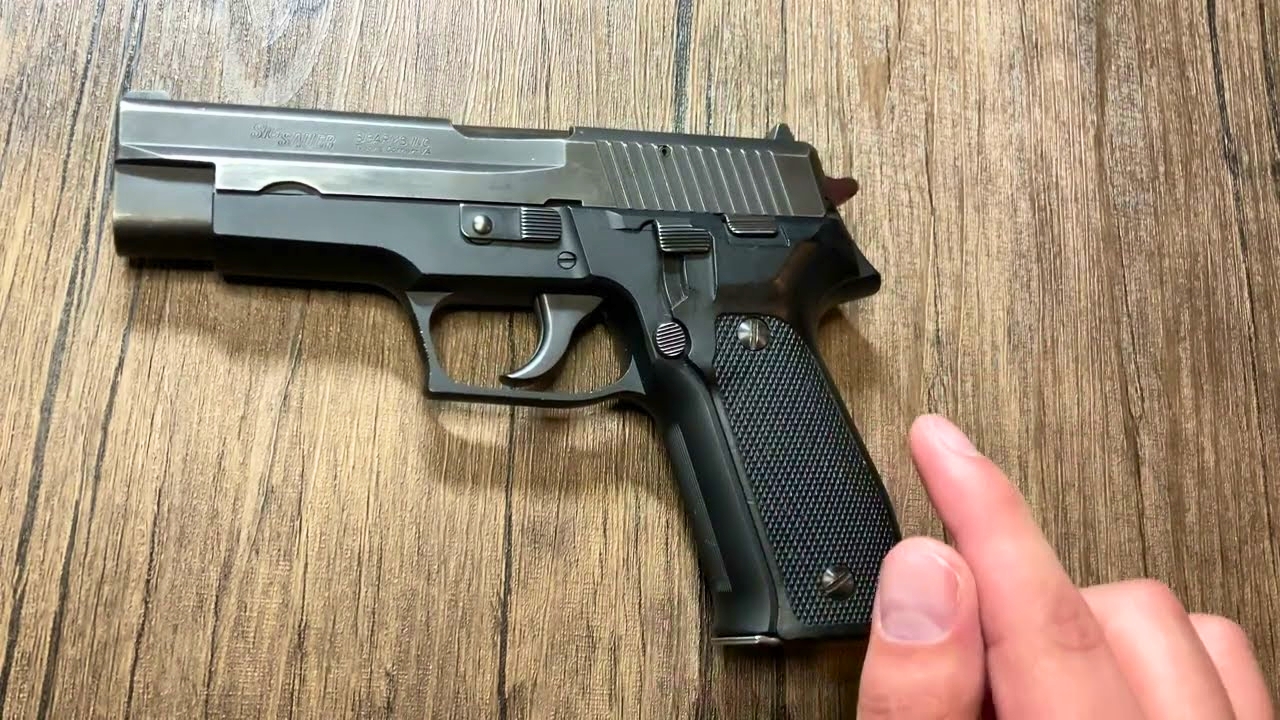
Older P226s are one of the best examples of “buy once, cry once—then stop crying because it was worth it.” They aren’t always cheap, but they’ve often been cheaper than their quality suggests, especially when trade-ins hit the market. The balance is excellent, the action is smooth, and they tend to run forever if you replace springs on a sensible schedule.
They’re also forgiving pistols to shoot well. The DA pull teaches trigger control whether you want the lesson or not, and the SA break is usually clean. Downsides? Weight, plus SIG parts and mags can cost more than Glock stuff. Even so, if you want a duty-grade 9mm that feels like a serious tool, older P226s have been punching above their cost for a long time.
12. SIG Sauer P229

The P229 is the “carry it like you mean it” version of the P226. It’s compact enough to conceal under a jacket or flannel, but it still shoots like a real service pistol. In .40 and .357 SIG, it built its name as a gun that can take pressure and keep its composure.
Price-wise, used P229s can be a sweet spot because they aren’t trendy compared to micro-compacts. You get excellent build quality, strong reliability, and a pistol that will outlast many owners. The downside is the same old story: weight and cost of support gear. But if you want a carry gun that doesn’t feel flimsy, it’s been outperforming expectations for decades.
13. Ruger SP101
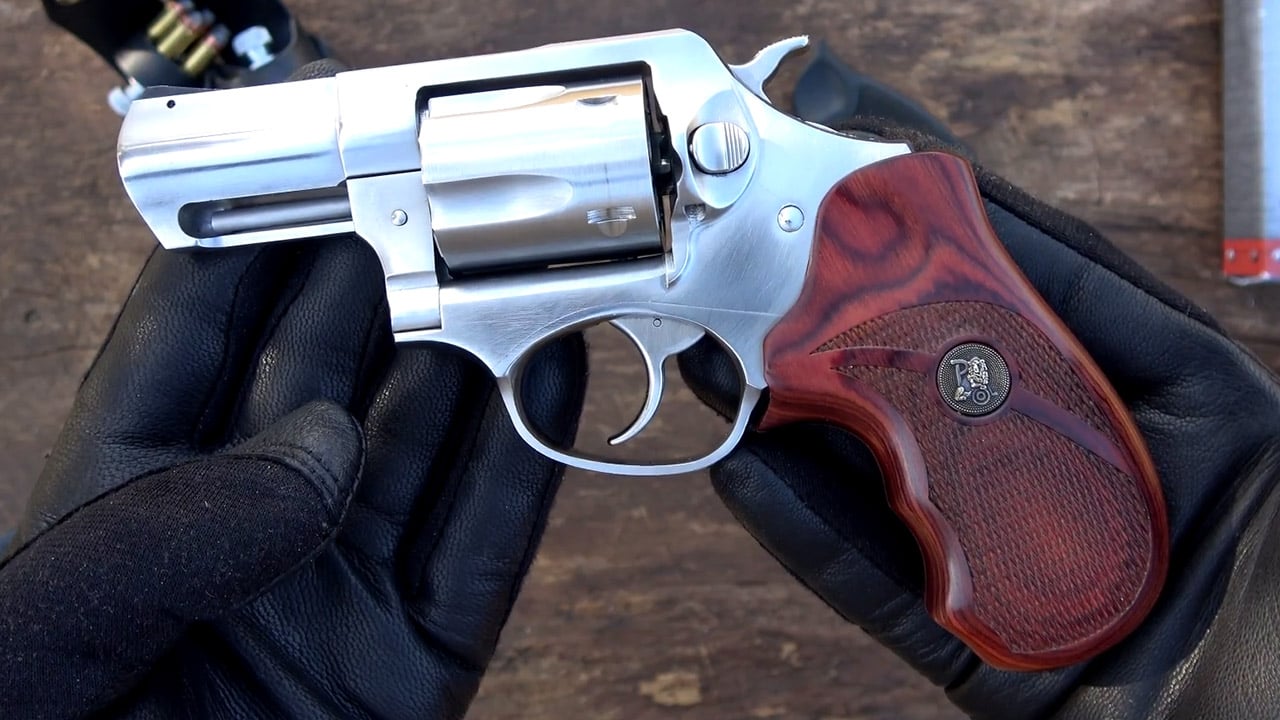
If you’ve ever tossed a revolver in a tackle bag for a weekend at the cabin, the SP101 makes sense. It’s small enough to carry, strong enough to shoot .357 without feeling like it will rattle apart, and simple enough that you’re not worried about it if it gets rained on. The weight is a feature here, not a flaw.
Triggers out of the box can be stiff. That’s the common complaint, and it’s fair. But they smooth out with use, and the gun itself is a tank. For a trail gun, a boat gun, or a “I want a revolver I can actually use hard” option, the SP101 has been one of the best values going. It’s not glamorous, but it’s dependable.
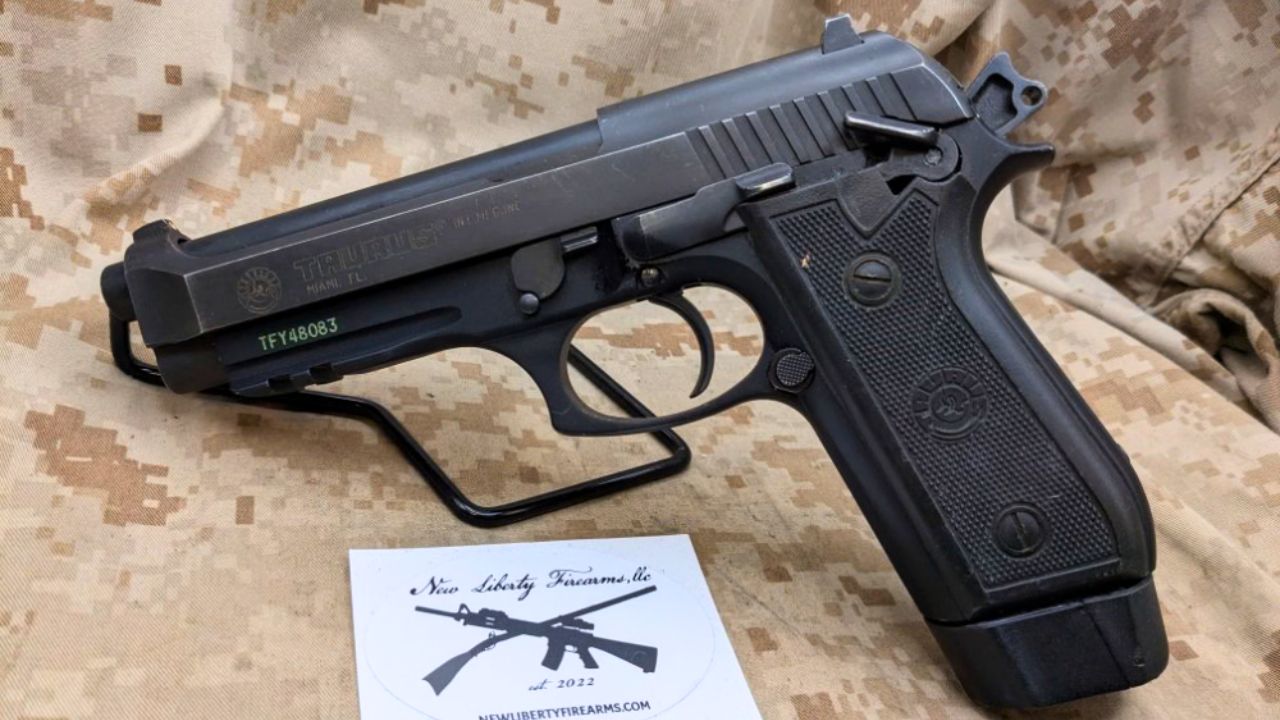
14. Taurus PT92
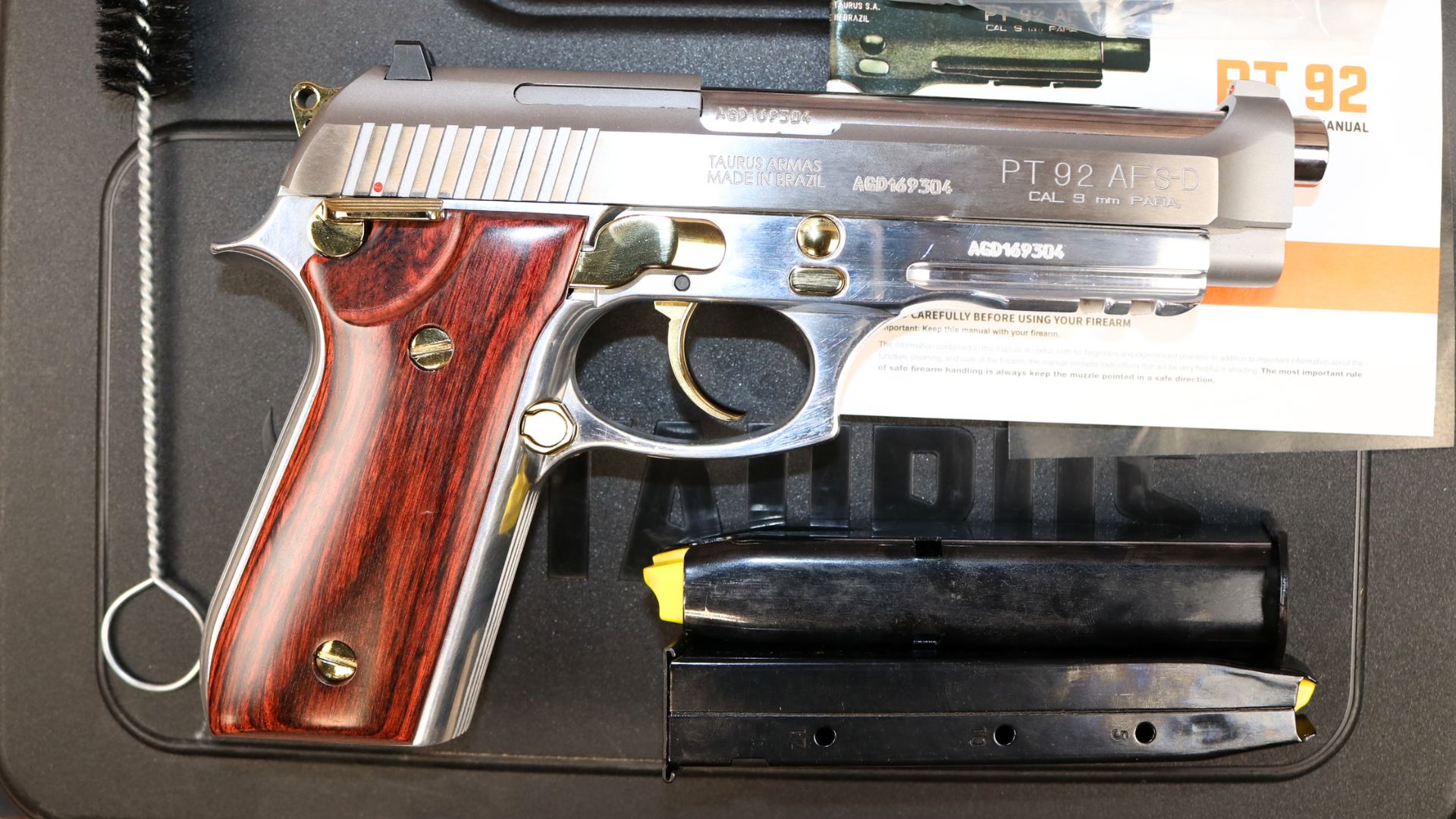
The PT92 is one of those handguns that confuses people because it’s tied so closely to the Beretta 92 design. When you find a good one, you’re getting a lot of pistol for the money: comfortable shooting, decent accuracy, and a layout many shooters pick up quickly. The frame-mounted safety is a plus for some folks who never warmed up to Beretta’s slide setup.
Taurus quality can vary by era, and that’s the honest caution. But the reason this model makes the list is that plenty of PT92s have run for years as range guns and home-defense pistols without complaint, especially when kept clean and fed decent magazines. If you stumble onto one that’s been reliable for the current owner, it can be an underrated bargain.
15. Smith & Wesson SD9VE

The SD9VE is not a “feel good” pistol at the counter. The trigger is the first thing everyone complains about, and I get it. It’s long, it’s heavy, and it can feel vague. But out on the range, if you’re willing to learn it, these pistols tend to run—and they tend to run for cheap.
This gun has been a gateway for a lot of working folks who wanted a dependable 9mm without a painful price. It’s also a gun you can leave alone and not constantly tinker with. Magazines and holsters are available, and it’s accurate enough to matter in defensive distances. If you’re the kind of shooter who values function over feel, it often beats its own reputation.
16. Springfield Armory XD (Service Model)

The original XD service-size pistols aren’t the internet’s favorite anymore, but they’ve been quietly reliable for a long time. They point naturally for many shooters, and the grip safety gives some folks an extra layer of comfort when reholstering—especially if they’re new. In the era when striker-fired pistols were still earning trust, XDs built a lot of it.
They can be a bargain on the used shelf, and that’s where they start outperforming their price. The platform isn’t as universally supported as Glock, but mags and holsters aren’t hard to locate. They’re a bit top-heavy, and the bore axis feels higher than newer designs. Still, if you want a straightforward 9mm that runs and shoots decently without costing much, the XD service models have been doing that job for years.
17. Kahr CW9
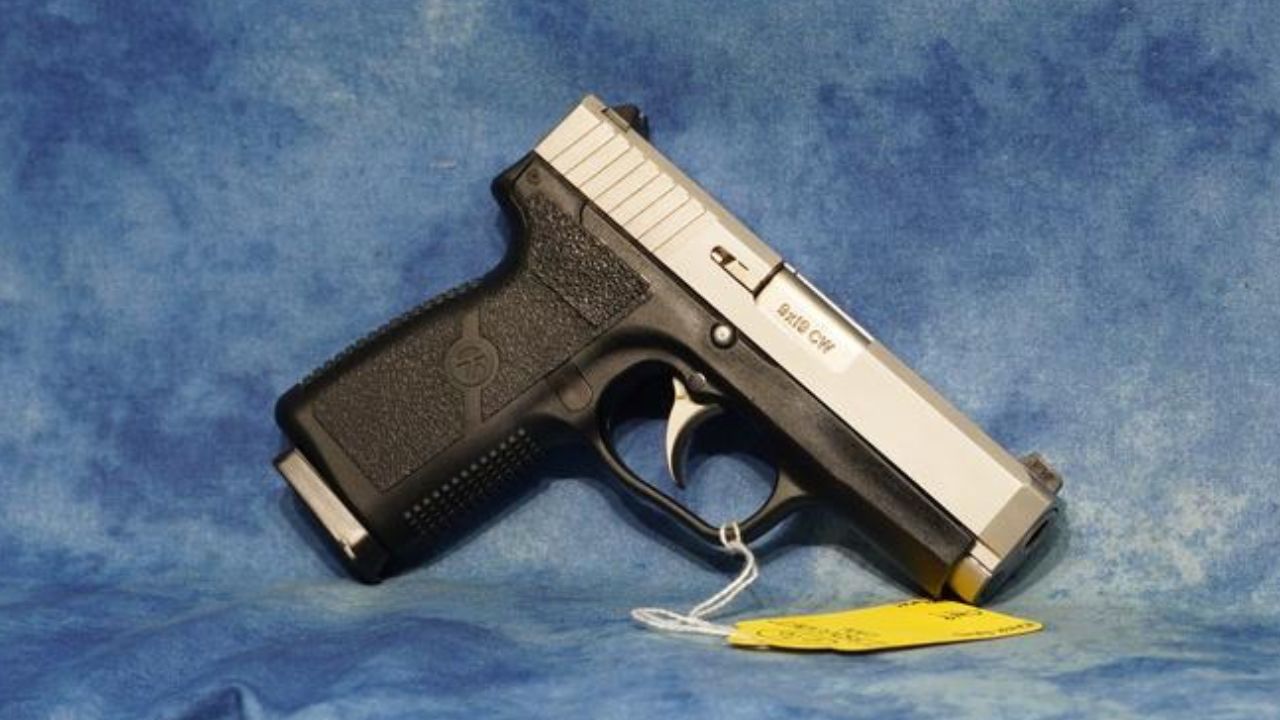
The CW9 has saved a lot of folks from buying a micro-9 that beats them up. It’s thin, easy to carry, and shoots softer than many smaller pistols because it has just enough barrel and grip to behave. The trigger is long and smooth, more like a revolver pull, which can be a real advantage for careful carry—if you practice with it.
Kahrs can be a little picky about maintenance and break-in, and limp-wristing can show up if you’re not holding it like you mean it. But when you run one correctly, they’re accurate and very carry-friendly. The CW9 often sold for a price that didn’t match how well it concealed or how well it shot. For an everyday “real person” carry gun, it has been a quiet overachiever.
18. Ruger LCP (original)
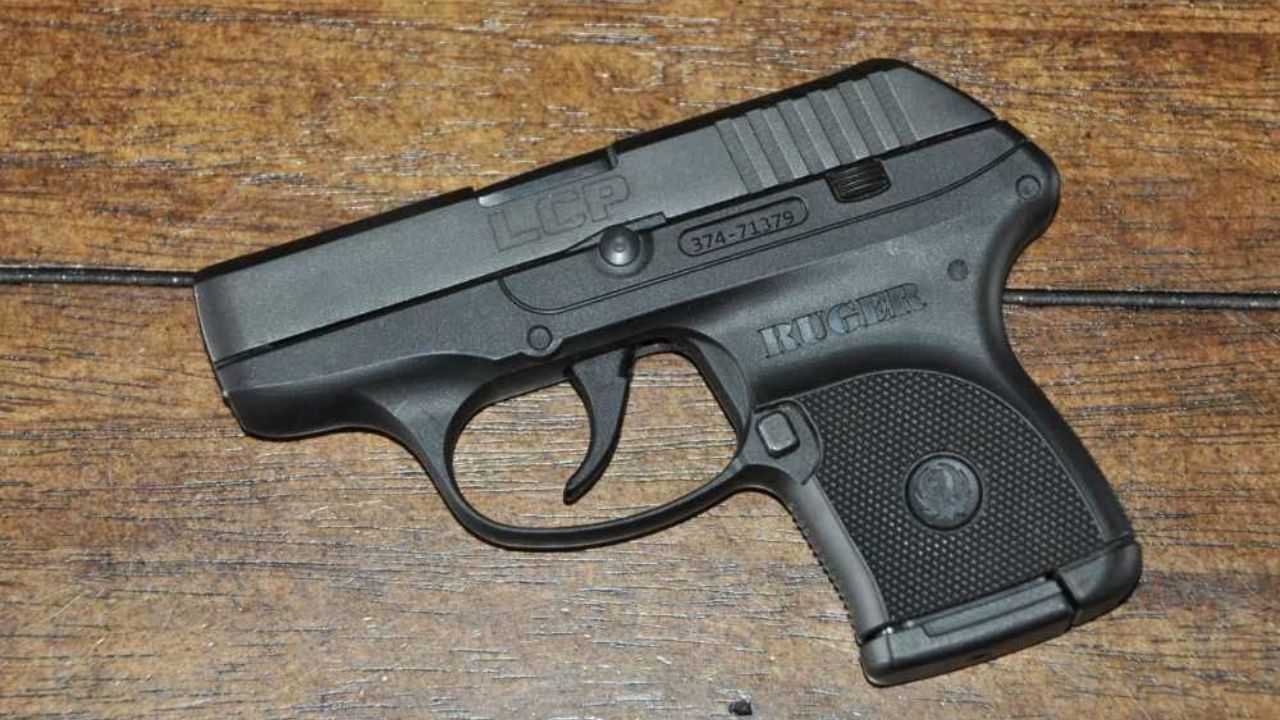
No one buys an original LCP because it’s pleasant. You buy it because you will actually carry it when it’s 95 degrees, you’re in gym shorts, or you’re just running to town and don’t feel like dressing around a gun. It’s tiny, light, and it fits in places bigger pistols don’t. That matters in the real world.
The sights are minimal, the trigger is what it is, and .380 out of a featherweight pistol isn’t fun. Still, these guns have been reliable enough that they earned a permanent spot in the “always gun” category. Magazines are common, replacement parts are obtainable, and they’re simple to live with. For the money they’ve cost over the years, they’ve probably been carried more than most “better” pistols.
19. Kel-Tec P-11
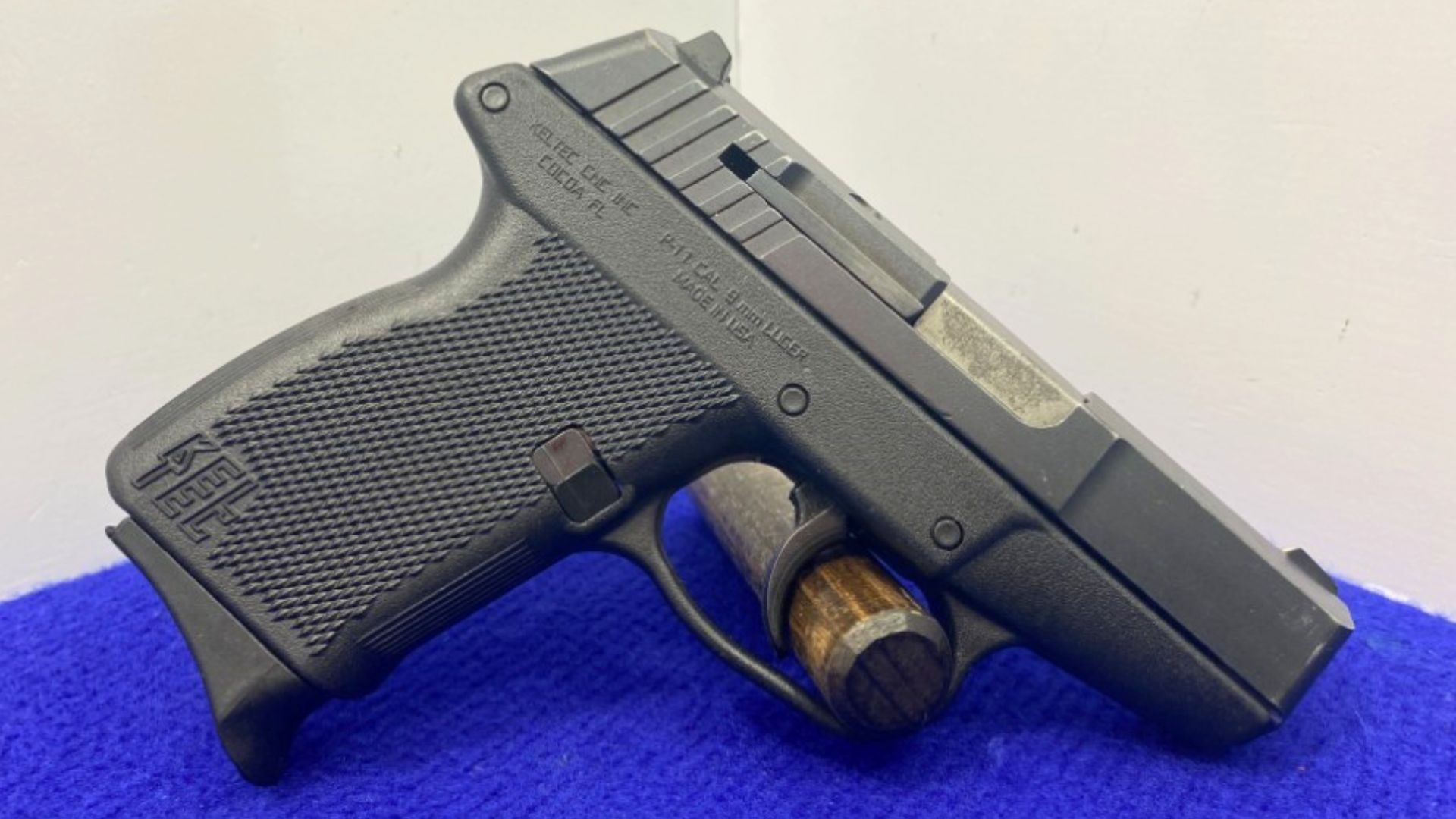
The P-11 was doing the budget, high-capacity concealed-carry thing before it was cool. It’s not refined, the trigger is long, and it’s not a range toy. But it’s compact, holds plenty of 9mm for its size, and it’s usually priced like a working man’s tool. In the ’90s and early 2000s, it filled a gap a lot of companies ignored.
What keeps it on a value list is that it often works despite being “cheap.” It’s light enough to carry all day, and simple enough that there isn’t much to fuss over. The downside is shootability: it can be snappy, and you need practice to run that trigger well. But if you judge it by what it’s for—carry a lot, shoot a little—it has outperformed its cost for a long time.
20. Hi-Point C9

The Hi-Point C9 is the handgun everyone loves to joke about until one shows up at the range and keeps cycling. It’s big, it’s awkward, and it’s not what anyone would call refined. But the truth is, a lot of them run, and they can be surprisingly accurate at normal handgun distances. For folks on a tight budget, that matters more than internet opinions.
You’re not buying it for concealed carry. You’re buying it as an inexpensive home-defense option, a tackle-box gun (where legal), or a “I need something that works right now” purchase. Magazines are limited and not as slick as mainstream brands, and the ergonomics aren’t great. Still, when you look at what they cost and how often they do the job, it’s hard not to admit they’ve been overachievers.
None of these are perfect, and not every example of every model is going to be a winner. But if you’re trying to build a practical handgun battery without lighting your wallet on fire, these are the kinds of guns that keep earning their keep. The trick is simple: buy with a purpose, test what you carry, and don’t confuse “new and trendy” with “better.” The woods, the farm, and the real world have a way of sorting that out fast.
Like The Avid Outdoorsman’s content? Subscribe to our newsletter so you never miss an article.
Here’s more from us: