Photo credit: Fieldsports Channel/Youtube
Every hunting camp has that one rifle nobody’s “selling,” even when the bills pile up or the new hotness shows up at the gun counter. It’s not always the prettiest gun in the safe, and it’s not always the most expensive either. It’s the one that’s been leaned in the same corner for 20 seasons, the one that still prints where you expect, and the one that carries memories you can’t buy back.
These are the rifles I see get handed down, traded within families, and quietly kept out of estate-sale piles. Some are classics. Some are “boring.” A few are heavy, old-fashioned, or a little rough around the edges. But they’ve earned a spot, and once a rifle earns that kind of trust, it’s hard to let it walk.
1. Winchester Model 70 (pre-64)
The pre-64 Model 70 is the kind of rifle that makes a guy slow down when he works the bolt. Controlled-round feed, classic lines, and an action that just feels right. There’s a reason old-timers call it “the Rifleman’s Rifle,” and it isn’t because it looks good in photos.
What keeps these in the family is that they’re not just functional—they’re heirloom functional. Plenty of rifles shoot straight; fewer feel like they were built to last through your lifetime and your kid’s lifetime. If you’ve got one that’s been hunted hard and still locks up smooth, you already know.
2. Remington Model 700 BDL (older production)

Say what you want about modern debates and internet arguments—the older 700 BDLs have put more venison in freezers than most of the rifles people hype today. Walnut stock, glossy blue, hinged floorplate, and a trigger that (when set up right) breaks clean.
They point naturally, carry well, and they’re easy to keep shooting because the aftermarket and parts world is enormous. When one is already “your” rifle and you know exactly where it hits at 80 yards in thick timber, replacing that confidence isn’t as simple as buying another gun.
3. Ruger M77 Mark II
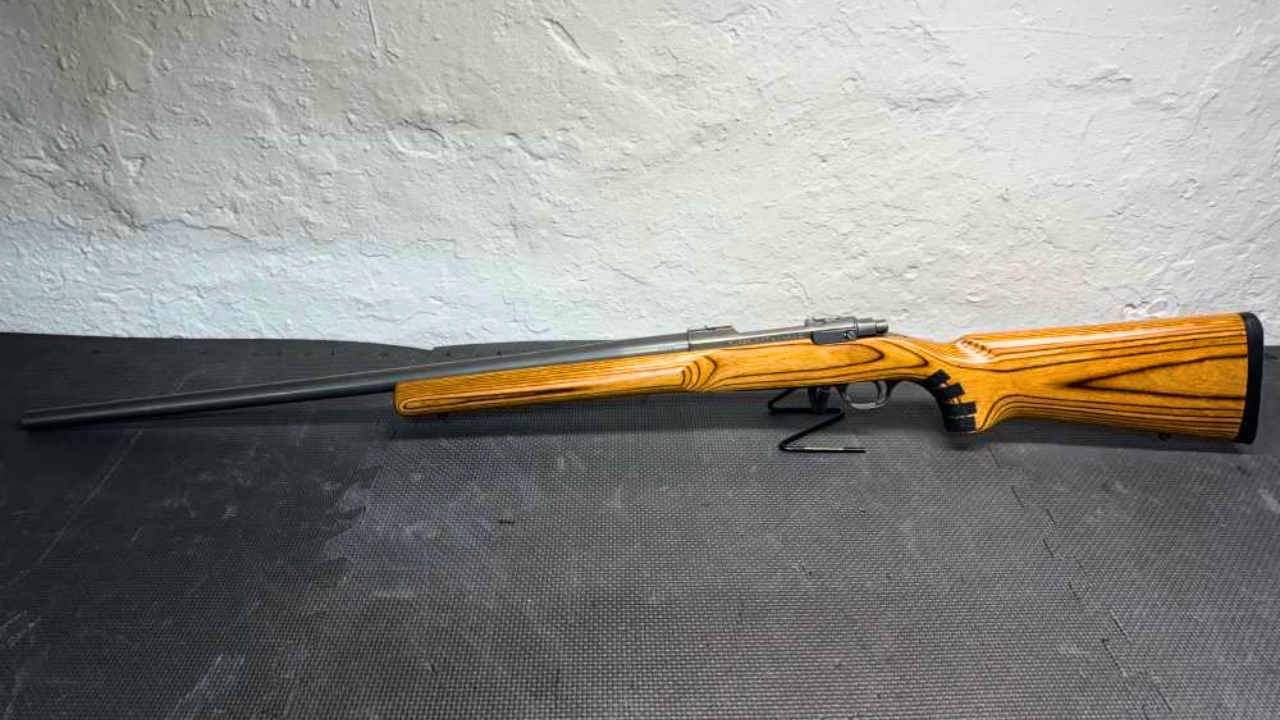
The M77 Mark II is what you buy when you want a rifle that doesn’t care about weather or feelings. It’s sturdy, controlled-feed, and built like it expects to be bounced around in a truck and still go hunting the next morning.
A lot of them wear honest dings, and that’s kind of the point. Nobody’s scared to hunt with one, which means they actually get used. And rifles that actually get used tend to become “the rifle,” the one that quietly becomes non-negotiable.
4. Savage Model 110 (classic long action)

Plenty of folks joke about Savage being ugly. I get it. The older 110s weren’t winning beauty contests, and some of the factory stocks felt like they were carved out of a shipping pallet.
But the joke stops when you look at the target. These rifles have been killing deer for decades because they shoot, they’re simple, and they’re easy to keep running. When a rifle is that dependable, it becomes the one you hand to a kid or a buddy without worrying you’re setting them up for failure.
5. Marlin 336 (especially JM-stamped)

A Marlin 336 is one of the most “carried” rifles in America. Not shot the most. Carried. It rides in a scabbard, slips behind a truck seat, and hangs on nails in barns. It’s quick in the brush, fast to shoulder, and it balances like it was designed by someone who actually hunted.
The JM-stamped guns in particular have a following because they feel slick and solid. Even if you’re not a lever-gun guy, it’s hard to argue with a rifle that works in thick cover and doesn’t snag every vine in the county.
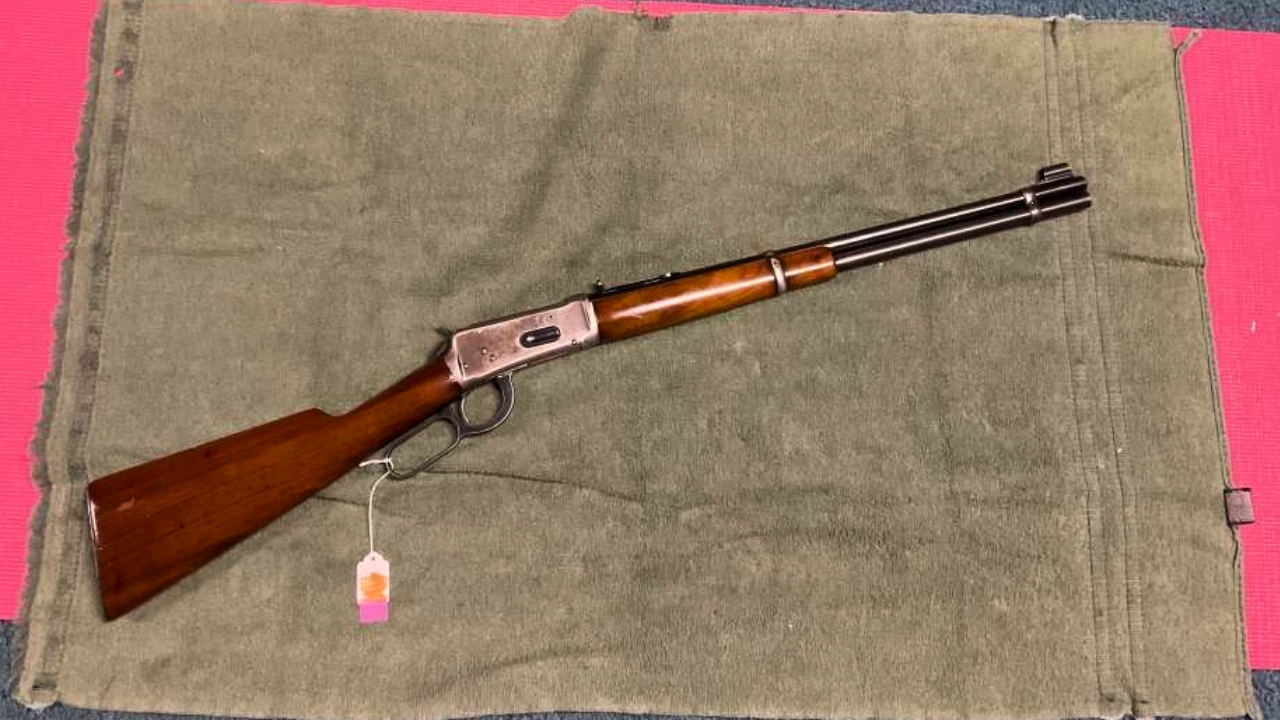
6. Winchester Model 94

The Model 94 is pure American hunting culture. It’s also one of those rifles that gets “assigned” in a family—someone hunted with it, then their son did, and now it’s just understood that it stays in the bloodline.
It’s light, handy, and points like your finger. Sure, it’s not a 400-yard beanfield rig. It was never meant to be. In the woods, it’s still a problem-solver, and that’s why nobody wants to be the one who sold granddad’s ’94 for a used scope and a tank of gas.
7. Browning BLR

The BLR is what happens when you want lever-gun handling but you also want modern cartridges and a box magazine. It’s not as “cowboy” as the old tube-fed classics, but it is flat-out practical.
They’re also not cheap to replace, and they aren’t sitting in every rack at every shop. A BLR that shoots well and feeds right becomes a keeper because it fills a unique niche: fast in the hands, serious on distance, and still compact enough to actually hunt with.
8. Ruger No. 1

A Ruger No. 1 isn’t for everybody. Single-shot rifles force you to be honest about your shooting and your decisions. There’s no quick follow-up to cover up a rushed first shot. That changes how you hunt, whether you admit it or not.
But the No. 1 has style, strength, and a balance that surprises people. They also tend to get bought by folks who appreciate them, which means they often stay in the family as a “special” rifle—one that comes out when it matters.
9. CZ 527 (in .223 or 7.62×39)
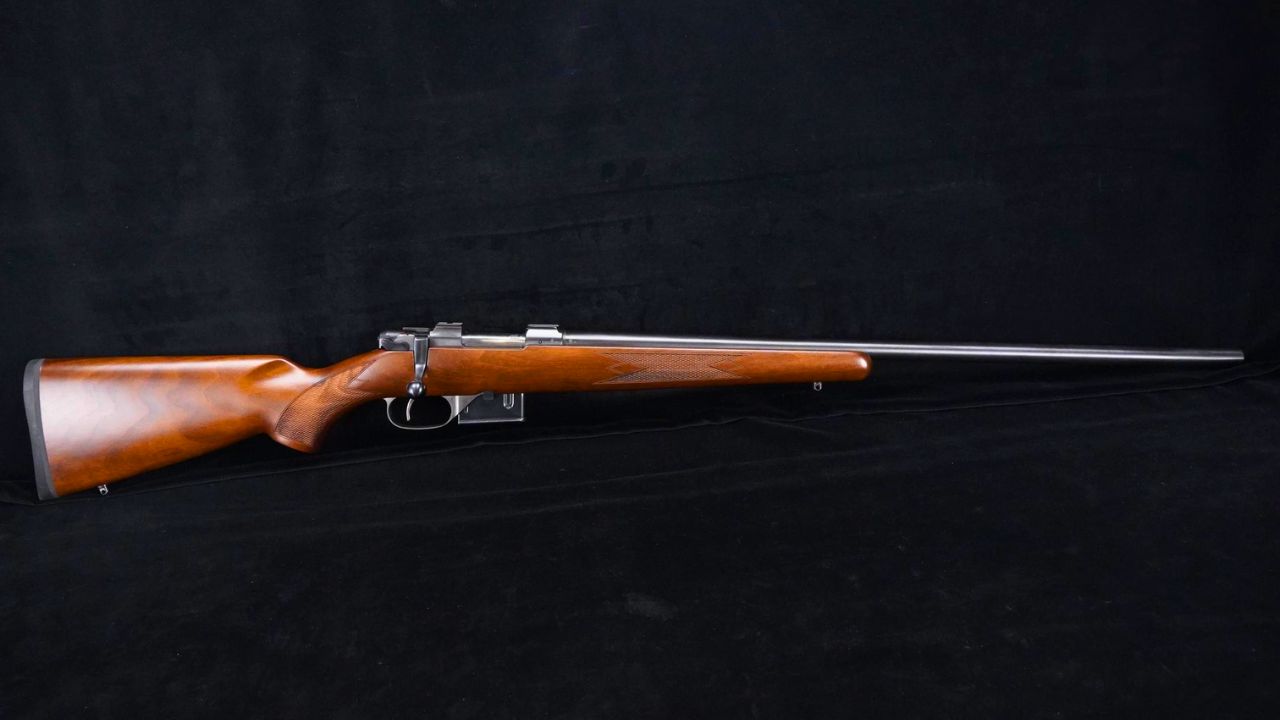
The CZ 527 is one of those rifles you don’t understand until you carry it. It’s trim, light, and the mini-Mauser action has a classy feel without being fussy. Set trigger on some models, good barrels, and accuracy that usually makes you look better than you are.
Since they’ve been discontinued, the ones that are already in households tend to stay there. If you’ve got a 527 that stacks soft points into a neat little group and handles like a wand, you’re not going to casually toss it into a trade deal.
10. Tikka T3x Lite
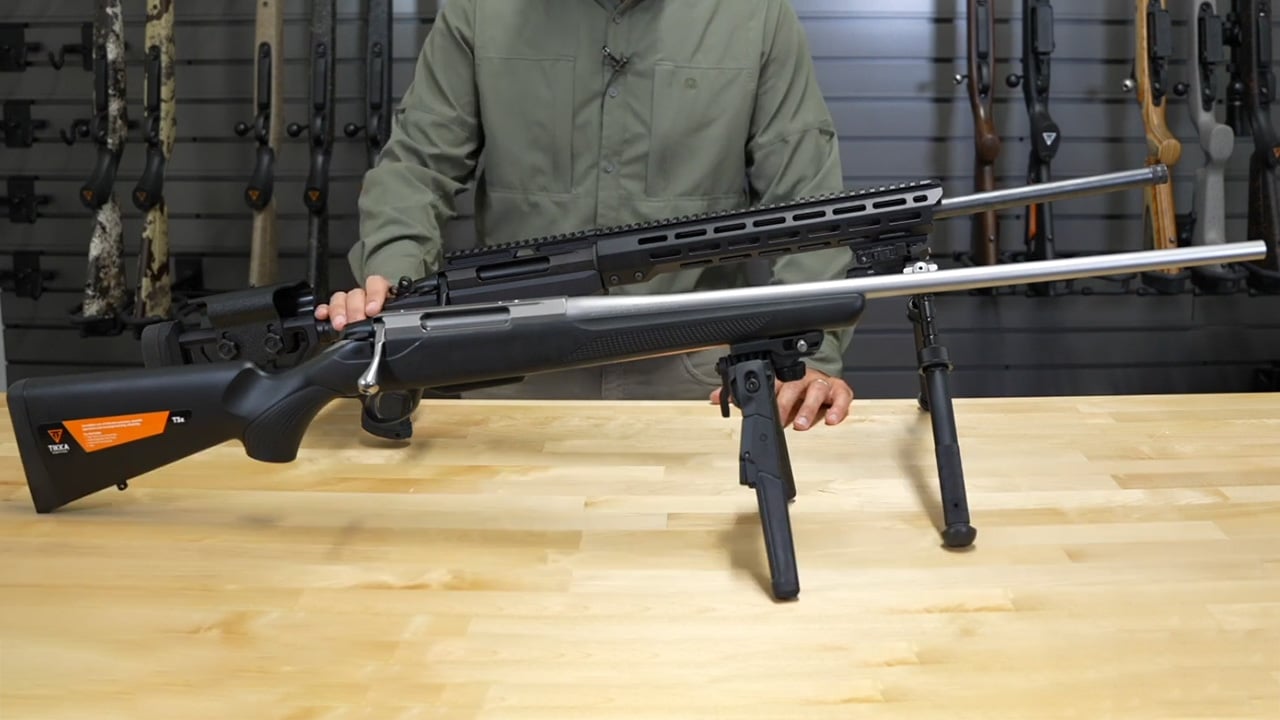
This one is modern, and I know some guys will roll their eyes. But the T3x earned its place the hard way: by being light, accurate, and smooth without being delicate. The bolt run is slick, the triggers are usually excellent, and they’re easy to shoot well.
Where these become “passed down” rifles is when a hunter realizes it’s the one they grab every time. You can buy fancier. You can buy more “traditional.” Still, the Tikka is the rifle that keeps showing up in the field because it makes hunting simpler.
11. Sako 85

Sako rifles have a way of feeling like they were assembled by someone who cared. The 85 action is refined, magazines lock up solid, and the whole rifle gives off that quiet confidence you notice the first time you cycle it.
These are pricey enough that most owners don’t churn them through trades. And when a rifle costs that much and performs that consistently, it tends to become a lifetime companion. A well-used Sako usually means it did a lot of honest work, not that it got babied.
12. Weatherby Mark V (especially in .257 or .300 Weatherby)

The Mark V is unapologetically a Weatherby. Big, strong action, often shiny, often loud, and usually associated with open-country hunting where shots can stretch. The older ones have a certain swagger that never really went away.
Are they overkill for whitetails in hardwoods? Sometimes. But they’re also the rifle that “that one uncle” carried out West, and now nobody else wants to be responsible for letting it go. Sentiment matters, and this model collects it like dust.
13. Springfield Armory M1 Garand (CMP-era rifles)
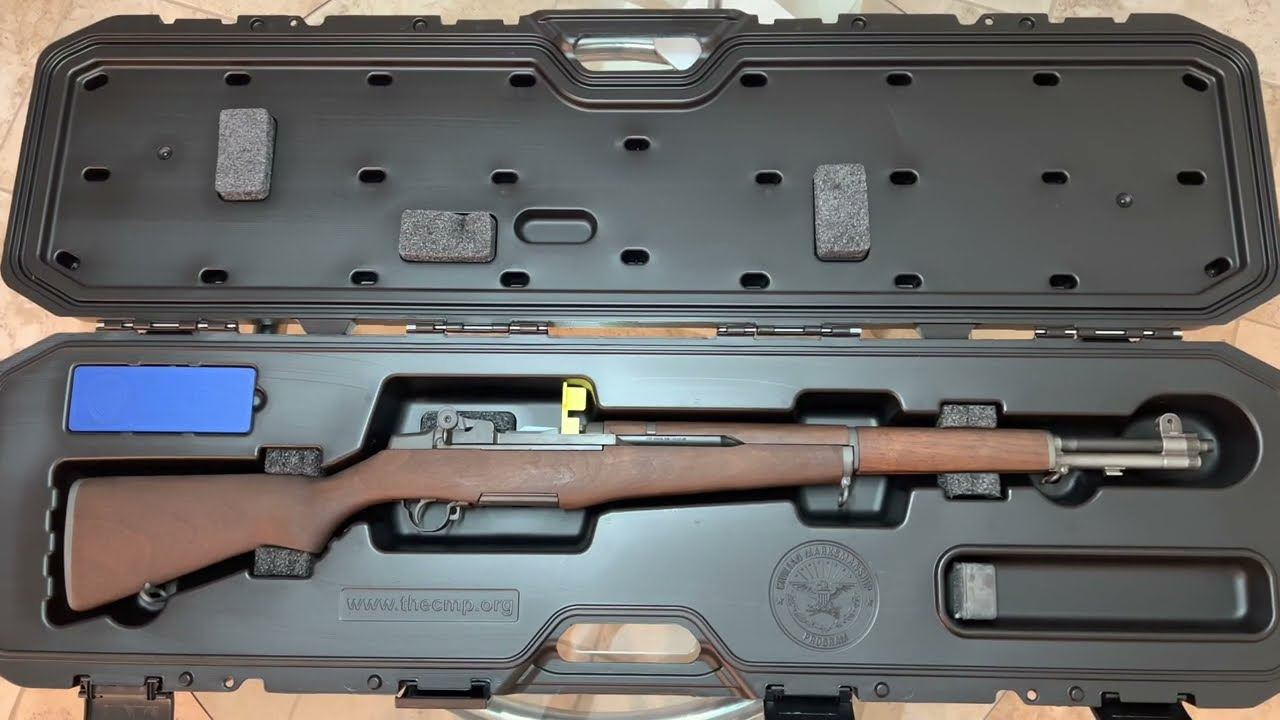
A Garand is heavy, long, and not even close to being a modern deer rifle in most folks’ minds. And yet, they stick around. They’re history you can hold, and they’re still a joy to shoot if you appreciate what it is.
They also represent a time when a lot of Americans could own a serious rifle with a serious story behind it. When one gets passed down, it’s rarely because it’s “the best tool.” It’s because it’s family heritage that still runs.
14. Ruger 10/22

If you grew up around hunters, you probably learned on a 10/22 or you knew someone who did. It’s the .22 that keeps kids interested, keeps pests honest, and makes a quick evening range session easy.
They’re endlessly customizable, sure, but the real reason they don’t leave is simpler: they work, magazines are everywhere, and ammo is affordable (when the world is normal). A 10/22 is the kind of rifle you don’t think about until it’s gone, and then you immediately miss it.
15. Marlin Model 39A
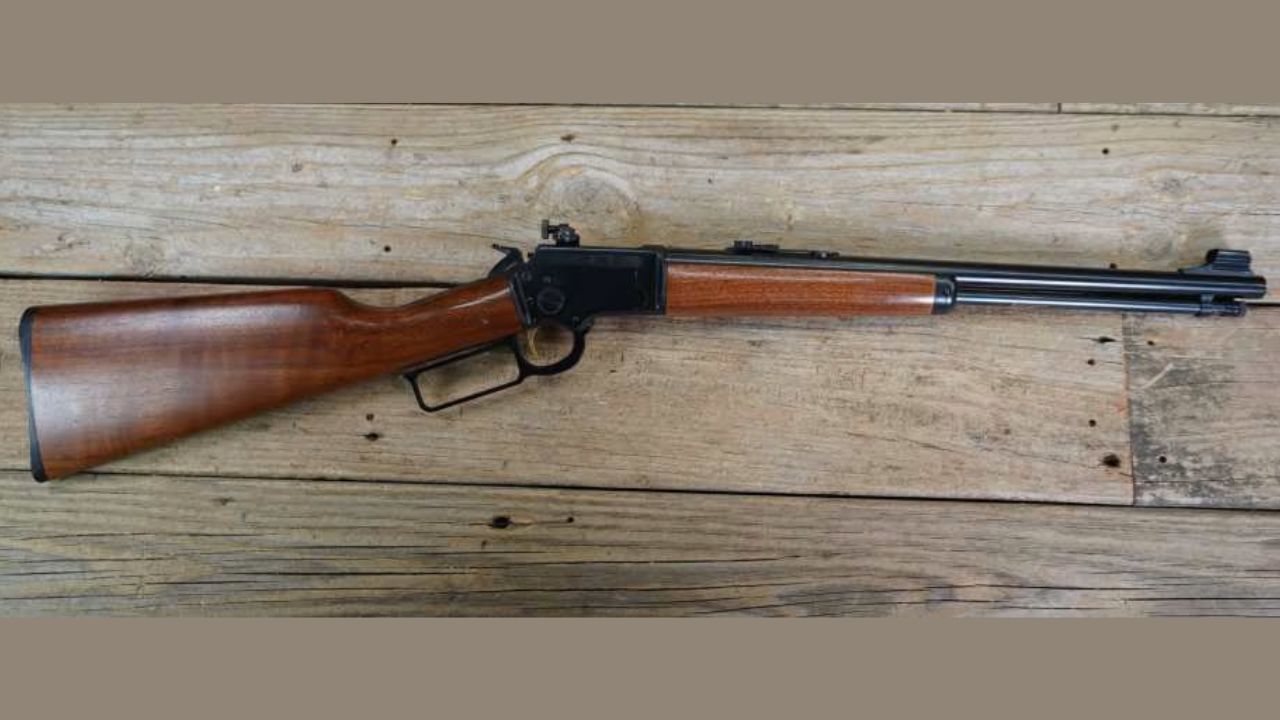
The 39A is one of those rifles that makes you wonder why more things aren’t built that way anymore. All-steel and walnut, take-down design, and it shoots like a real rifle instead of a toy. It’s a “kid gun” that adults fight over.
When a family has one, it tends to become the heirloom .22. It’s the rifle that gets pulled out for first squirrels, first tin cans, first “let’s see if you can hit that knot” moments. That stuff sticks.
16. Remington Model 7
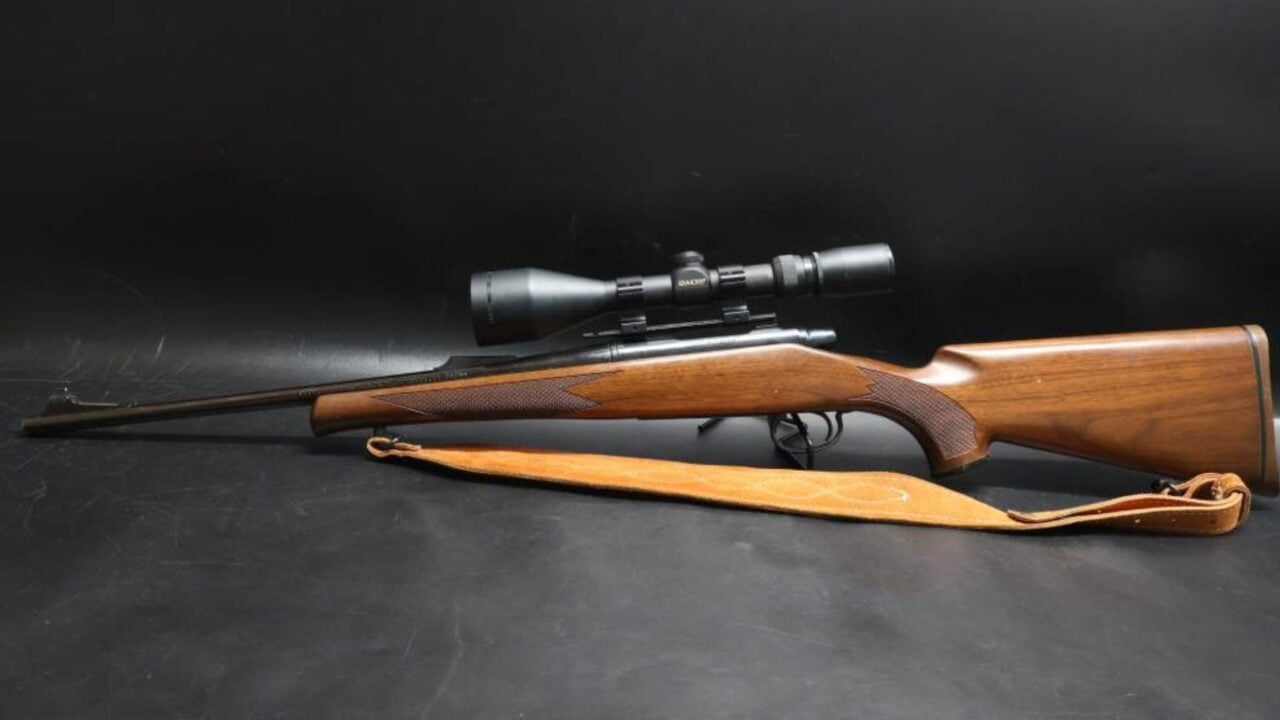
The Model 7 is a woods hunter’s rifle. Short action, compact, carries easy, and doesn’t feel like you’re wrestling a fence post through brush. In thick country, that matters more than internet ballistics charts.
A good Model 7 in a sensible caliber becomes a permanent fixture because it’s comfortable. You don’t dread carrying it. You don’t fight it in a tree stand. It’s a rifle you forget about until it’s time to shoot, which is exactly what you want.
17. Winchester Model 88

The Model 88 is one of those “if you know, you know” guns. Lever action with a box magazine, more modern feel than the traditional tube-fed crowd, and it has a loyal following for a reason.
They’re not as common, and they aren’t getting any easier to find in nice shape. When a hunter has one that runs right and groups well, it becomes a family rifle because it’s different, capable, and not easily replaced by walking into a big-box store.
18. Browning A-Bolt

The A-Bolt spent years being the rifle a lot of hunters “ended up with,” and then quietly realized they didn’t need anything else. They tend to be accurate, the actions are smooth, and they carry like a proper hunting rifle should.
They also have that Browning feel—finished a little nicer than the average working rifle without being too precious. Once someone dials in a load or a zero and starts stacking seasons with it, the thought of trading it off feels like self-sabotage.
19. Remington 760/7600 Gamemaster

The pump rifle doesn’t get enough respect outside the circles that grew up on them. A 760 or 7600 in .30-06 or .308 is fast in the woods, easy to run with gloves, and familiar to anyone who’s carried a pump shotgun since they were a teenager.
These become “hand-me-down” rifles because they fit a certain kind of hunting: quick shots, thick cover, and a lot of walking. When you find one that feeds right and shoots straight, you stop shopping. And if you’ve ever watched one anchor a running deer cleanly, you remember it.
20. Henry Big Boy (in .357 Magnum)
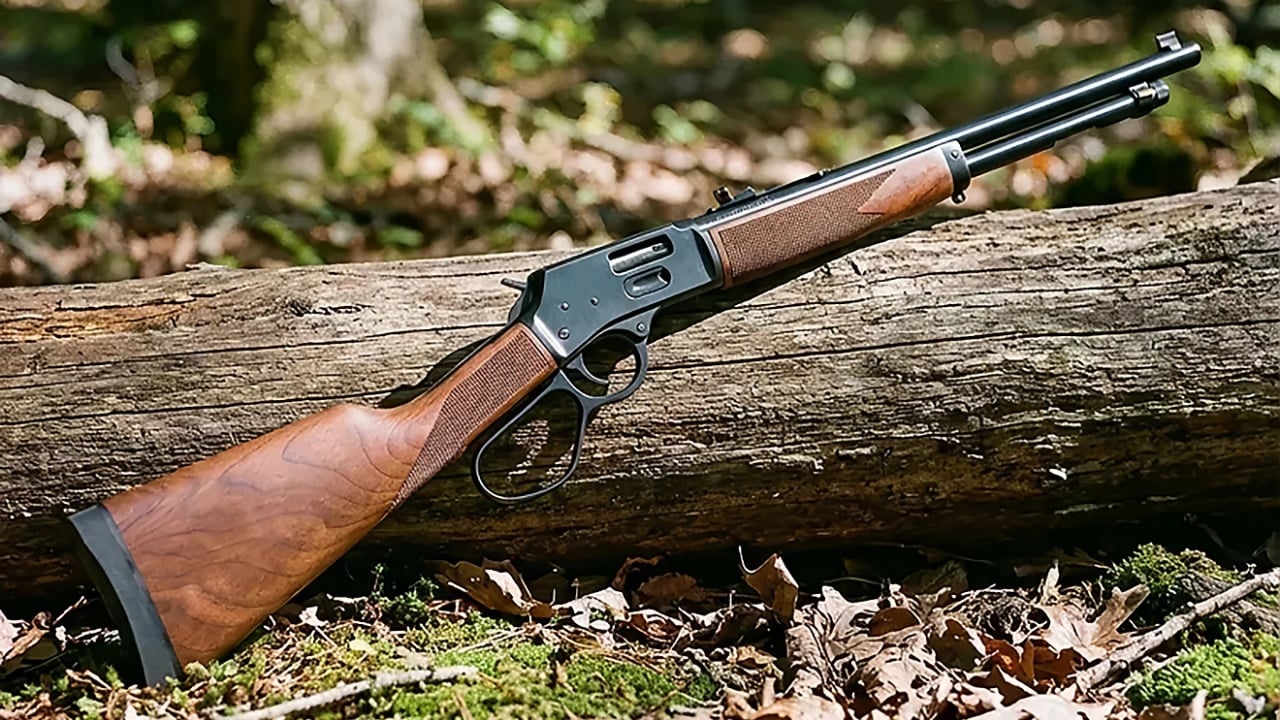
Not every “never sell” rifle is old. The Henry Big Boy in .357 has turned into a modern classic for folks who like lever guns that are smooth, reliable, and just plain fun. It’ll shoot mild .38s for practice and still hit hard enough with the right .357 loads for close-range work where legal and appropriate.
It’s also one of the easiest rifles to hand to somebody who’s recoil-sensitive without handing them a flimsy .22. A lot of these end up being the “everybody likes it” rifle in the family, and that’s a powerful thing when it comes time to decide what stays and what goes.
There are a thousand rifles that can kill a deer. These are the ones that tend to stay because they’ve already proven themselves in the ways that matter: they carry right, they shoot where you look, and they’ve been there for the moments you remember. If you’ve got one of these in the safe and it’s got honest wear on it, don’t be surprised if it never really becomes “yours” in the end. It becomes the family’s.
Like The Avid Outdoorsman’s content? Be sure to follow us.
Here’s more from us: