Photo credit: Garand Thumb/Youtube
I carry a semi-auto more days than not. I like capacity, I like fast reloads, and I like how flat a good striker gun rides when you’re climbing into a stand or crawling under a fence. But if you’ve spent any real time in the woods, around horses, in a truck with dust in every crack, or dealing with a rattler at bad-breath distance, you learn something that doesn’t show up in spec sheets.
A solid revolver still does a few jobs better than most semi-auto pistols, no matter how modern the marketing is. It’s not about being “tactical.” It’s about being simple when your hands are cold, your ammo is mixed, your gun is dirty, or your life is happening fast. Here are 20 semi-auto handguns that I’ve owned, carried, shot a bunch, or watched friends fight with—guns that can be good in their lane, but still don’t quite cover what a good wheelgun covers in the real world.
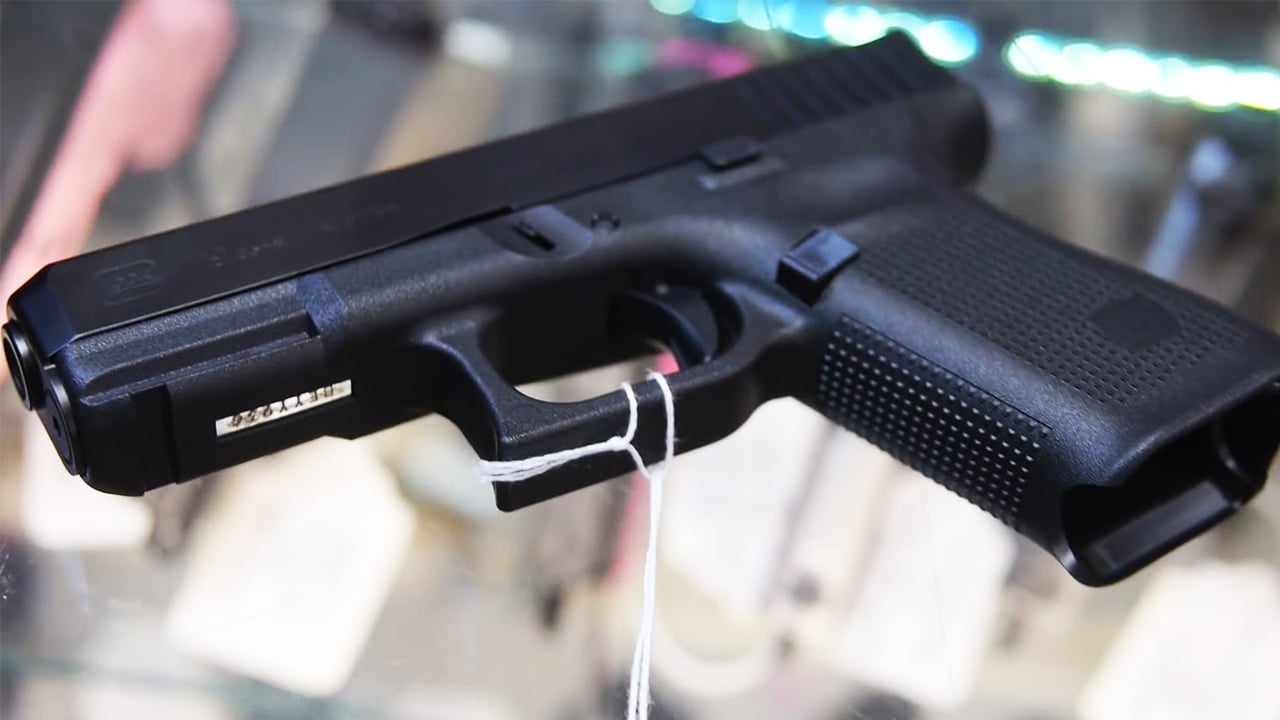
1. Glock 19 (Gen 5)
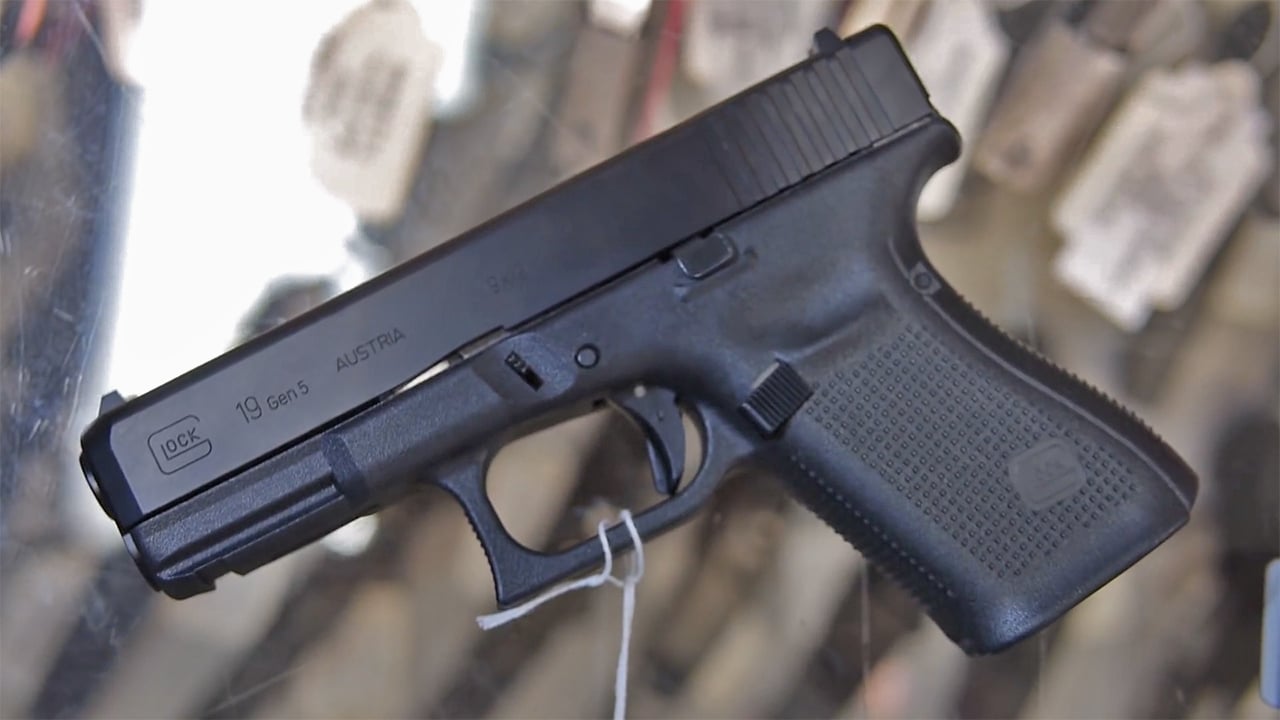
The Glock 19 is the do-everything default for a reason. It’s reliable, simple, and there are magazines and holsters everywhere. If you asked me to pick one semi-auto and be done, it’d be in the running.
But it still can’t do the revolver trick of quietly digesting a wide spread of power levels without caring about cycling. Light loads, oddball snake shot, heavy-for-caliber hardcast—revolvers just shrug. A Glock will run what it’s designed to run, and it’s great at that. It’s not the same kind of forgiving.
2. SIG Sauer P365
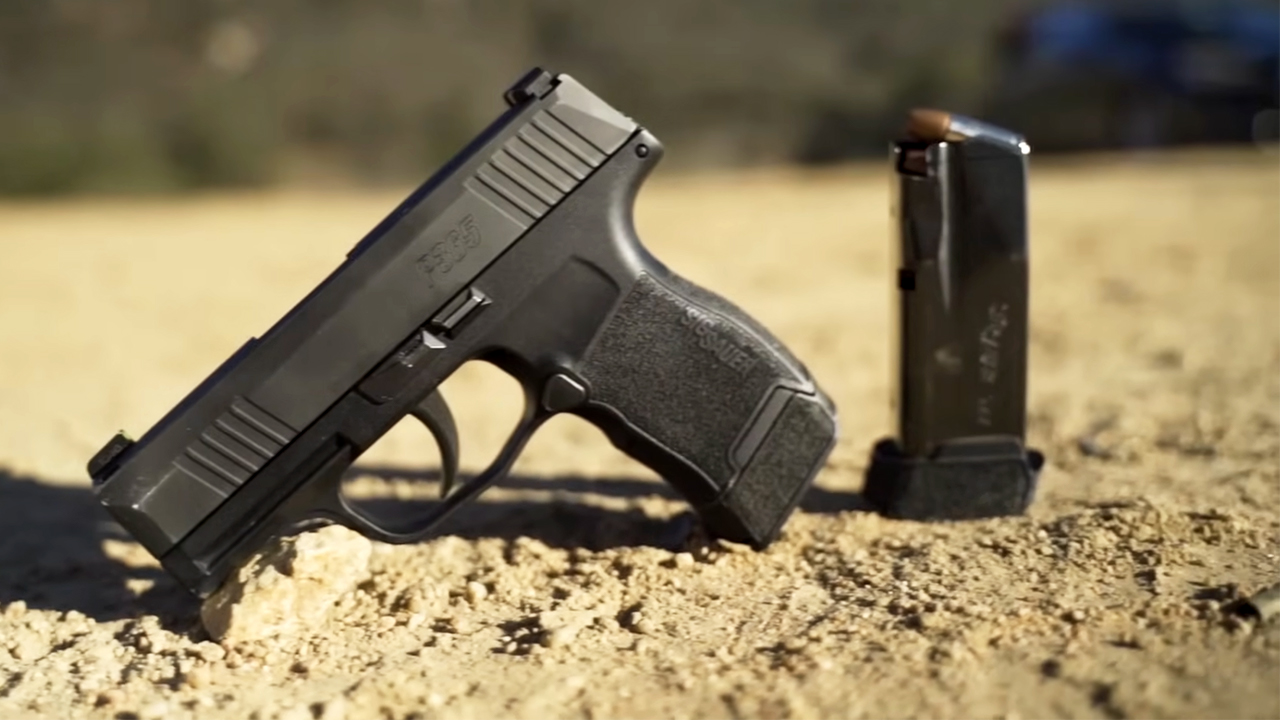
This gun changed concealed carry. Ten rounds in something that small still feels like cheating, and it carries easy in summer. The problem is, tiny semi-autos are a compromise you pay for at the range.
When you’re sweaty, tired, and you short-stroke a grip just a little, little guns can get picky. A good revolver doesn’t care if your wrist is locked in or you’re shooting one-handed from a weird angle. With micro 9s, technique matters more than folks want to admit.
3. Springfield Armory Hellcat

The Hellcat is a capable little blaster, and I get why it sells. It points well and hides well. It also has that “small gun, big gun” recoil impulse that makes practice sessions shorter than planned.
With a revolver, you can tune the whole experience with ammo and grips, and you can keep it simple. A snubnose can still be punishing, sure, but it doesn’t rely on slide speed and spring rates to behave. The Hellcat wants you to stay inside its envelope.
4. Smith & Wesson M&P9 Shield Plus
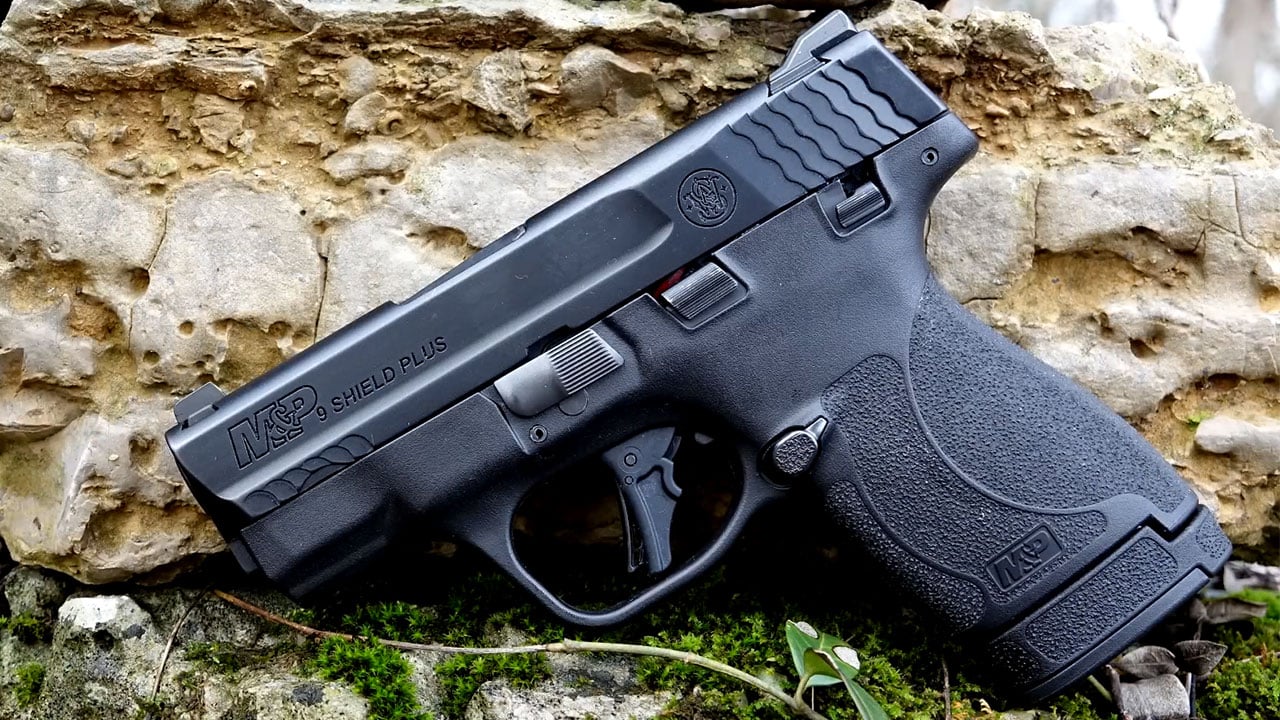
This is one of the better answers to “I want a thin carry gun that actually works.” It’s boring in a good way. The trigger is decent, the ergonomics are friendly, and it’s not oversized.
Still, it can’t match the revolver advantage of immediate, obvious status at a glance. With a cylinder, you can see what you have, feel what you have, and verify it in the dark with a thumb. With a semi-auto you’re doing press checks, managing magazines, and trusting springs.
5. Glock 43X

The 43X is the pickup-truck gun of slim 9mms: straightforward, light, easy to live with. It makes sense. What doesn’t make sense is pretending it’s as tolerant of neglect as folks say.
Revolvers can go a long time sitting in a dusty console or a tackle bag and still fire with a long, heavy pull. Semi-autos live and die by feed lips, magazine springs, and the condition of that top round. A 43X is dependable, but it’s still magazine-dependent.
6. SIG Sauer P320 Compact

The P320 feels modern, and the modular idea is genuinely useful. The grip angle works for a lot of shooters and it handles like a service pistol should. But modularity comes with complexity.
A good revolver is a sealed little machine by comparison. When you’re talking about real backcountry carry, fewer moving “systems” can be comforting. Also, the P320’s size-to-weight-to-capacity math is great, but it can’t replicate the “load any sane .38/.357 and go” freedom of a .357 wheelgun.
7. Beretta 92FS

I love how a 92FS shoots. That open-top slide, the soft recoil, the long sight radius—it’s a range day classic. It’s also big, and it carries like a lunchbox.
In the woods, a revolver’s shape matters. A medium-frame .357 rides differently, clears leather predictably, and doesn’t have a long slide and exposed muzzle to poke seats, consoles, and ribs. The Beretta is great, but it’s not “strap on and forget it” for most folks.
8. CZ 75B

The CZ 75B is one of those pistols that makes you look better than you are. It tracks flat and points naturally. I’ve seen plenty of them run hard without complaint.
But when you get into odd jobs—pest control, finishing a deer, snake country—semi-autos are less flexible. Revolvers let you choose loads by chamber, and they’ll fire after one bad round with a simple trigger press. With a CZ, a dud can turn into a tap-rack situation you didn’t want.
9. Ruger Security-9

This is a working man’s pistol. It’s affordable, it generally runs, and it’s not trying to be fancy. For folks who just need a basic 9mm, it checks boxes.
What it doesn’t do is give you the “long-term glovebox confidence” that a stout revolver can. Springs take sets. Magazines get lint and grit. A Security-9 can be solid, but revolvers stay calmer about being ignored for months at a time.
10. Taurus G3
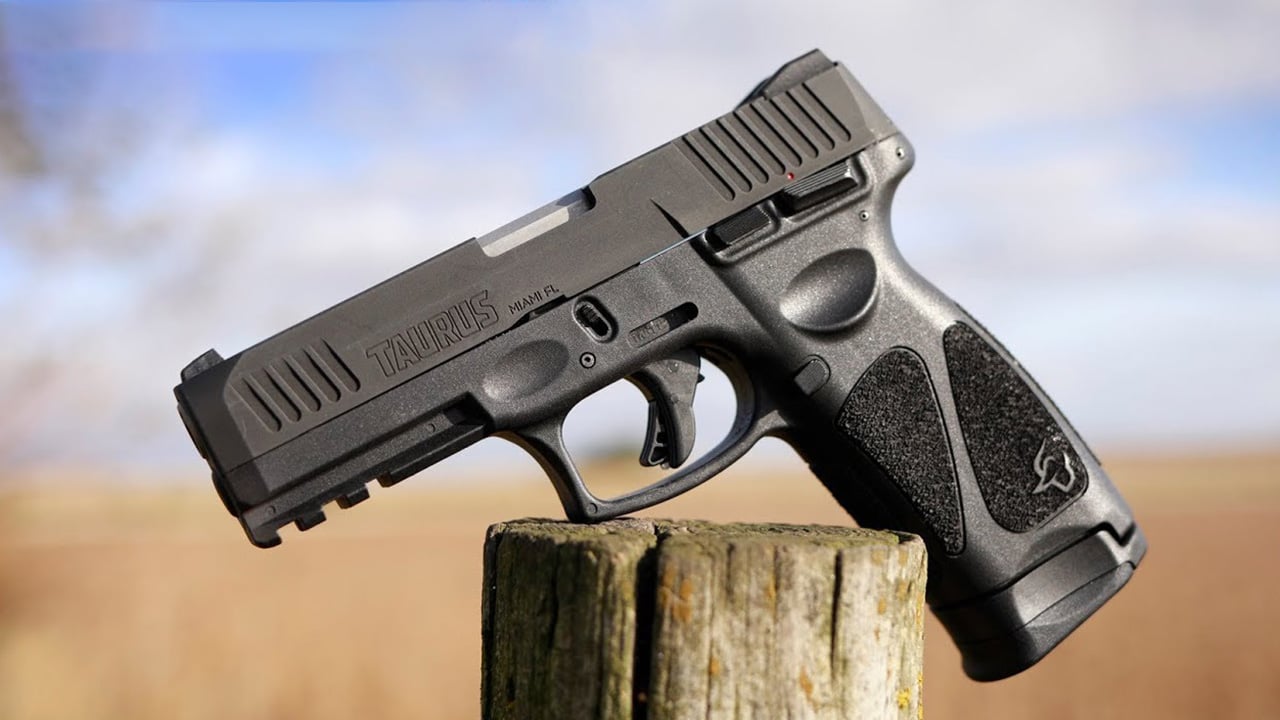
I’ve seen the G3s that run great and the ones that make their owners nervous. That’s the Taurus experience in a nutshell: you might get a gem, you might get a headache. The value is real, but so is the uncertainty.
A decent revolver—especially from Ruger or Smith—tends to be more predictable gun-to-gun. And if you’re betting your hide on a handgun while you’re checking fence line at dusk, predictable is a feature.
11. Kimber Ultra Carry II

Short 1911s are tempting. Thin, good triggers, classy looks. Then you start chasing reliability with certain magazines and certain ammo, and you learn why full-size guns got the reputation.
A revolver doesn’t care that it’s short. A 2-inch .357 is still a .357, and it’s still mechanically happy doing its thing. The ultra-compact 1911 world can feel like keeping a sports car tuned just to drive to the grocery store.
12. Colt Mustang Pocketlite

These little .380s are easy to carry and easy to like. They also live in that pocket-gun zone where you’re one bad grip away from a hiccup. Small slides, small springs, and a lot going on in a tiny package.
Here’s where a snub revolver keeps winning: it can be fired from retention without worrying about the slide being pushed out of battery. I’m not telling anyone to do reckless things, but in real defensive messes, that mechanical advantage is hard to ignore.
13. Ruger LCP II

The LCP II is the definition of “better than nothing.” It disappears in a pocket and weighs next to nothing. But it’s also easy to shoot badly, and it’s not much fun to practice with.
A small revolver isn’t fun either, but it gives you options: heavier bullets, different loads, and no reliance on cycling. Pocket .380s can be lifesavers, but they don’t replace a revolver’s ability to fire every time regardless of limp wrists or awkward angles.
14. Kel-Tec P32

The P32 is clever, and I respect it for what it is. Light recoil, super light weight, and it actually carries like a pocket knife. The tradeoff is you’re depending on a tiny rimless cartridge and a tiny system to do a serious job.
A revolver in .38 Special, even a small one, gives you more straightforward terminal performance options. And if you get a hard primer, a revolver lets you just roll on to the next chamber. With the P32, you’re clearing a malfunction on a gun that’s barely bigger than your palm.
15. Walther PPK/S

This one is more nostalgia than practicality, and that’s okay. The PPK/S looks great and feels like history. It also bites hands, can be finicky with some ammo, and its controls are dated.
Revolvers have their own old-school quirks, but they age differently. A K-frame Smith from decades ago can still be a serious working tool today with almost no modernization. The PPK/S is cool, but it’s not the same kind of “forever useful.”
16. FN Five-seveN

It’s light, it’s fast, and it’s flat-shooting. The Five-seveN has a real niche and a real fan base. The problem is that niche doesn’t line up with what most outdoorsmen actually need a sidearm for.
Ammo cost and availability matter when you’re training, and when you’re just trying to keep a “woods gun” fed. A revolver in .357 or .44 will find ammo in more places and will handle a broader range of tasks without needing specialized loads.
17. Desert Eagle Mark XIX
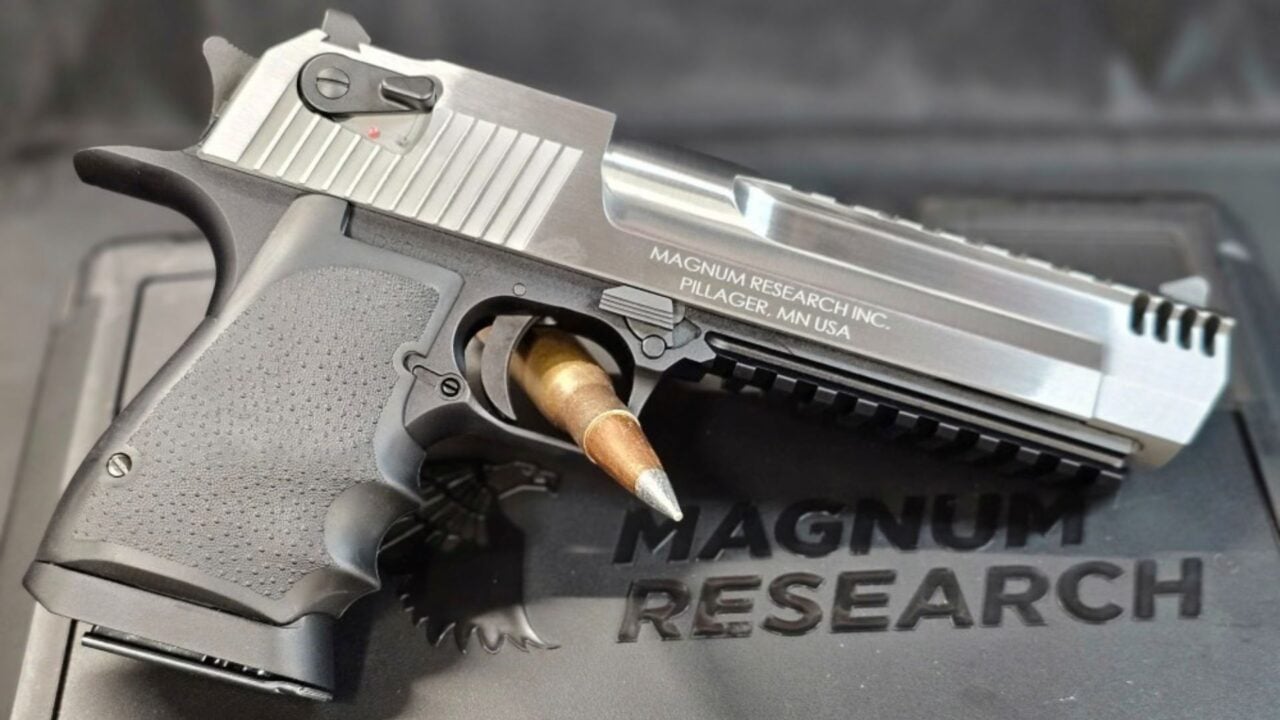
I’ve shot them. They’re a hoot. They’re also heavy, expensive, loud, and about as practical as carrying a cinder block on your belt. There’s a time and place, and it’s mostly the range.
A big-bore revolver is the grown-up version of “serious handgun power.” A .44 Magnum or .454 Casull wheelgun is still big and still mean, but it’s simpler, usually more tolerant of ammo variations, and it doesn’t demand you run it like a gas-operated rifle.
18. Heckler & Koch VP9

The VP9 is one of the nicer striker guns to shoot. Good ergonomics, good trigger, and it tends to be reliable. If you want a duty-style 9mm, it’s hard to hate.
But it doesn’t do the revolver thing where you can leave it loaded for long stretches without thinking about magazine springs or top-round deformation from being shoved against feed lips. I’m not saying VP9 magazines melt down overnight. I’m saying revolvers don’t even have that conversation.
19. Staccato P
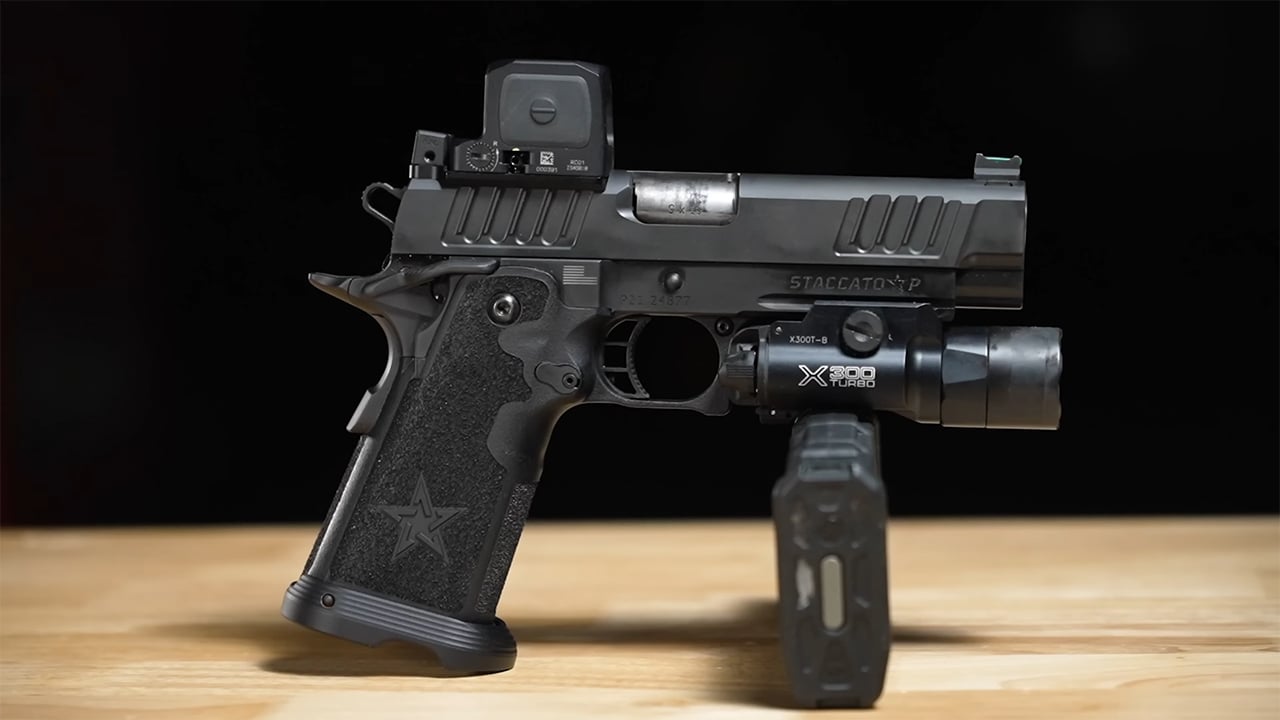
These 2011-style pistols shoot flat and fast, and they’re a legitimate performance upgrade for folks who train. The catch is the money and the mindset. They’re “nice” in a way that can make you baby them, and they’re still magazine-driven machines.
A good revolver can ride in a chest rig during a wet week, get wiped down, and keep on living without you worrying about premium mags and tuning. The Staccato is impressive, but it’s a different kind of tool.
20. Ruger Mark IV (Standard/22-45)
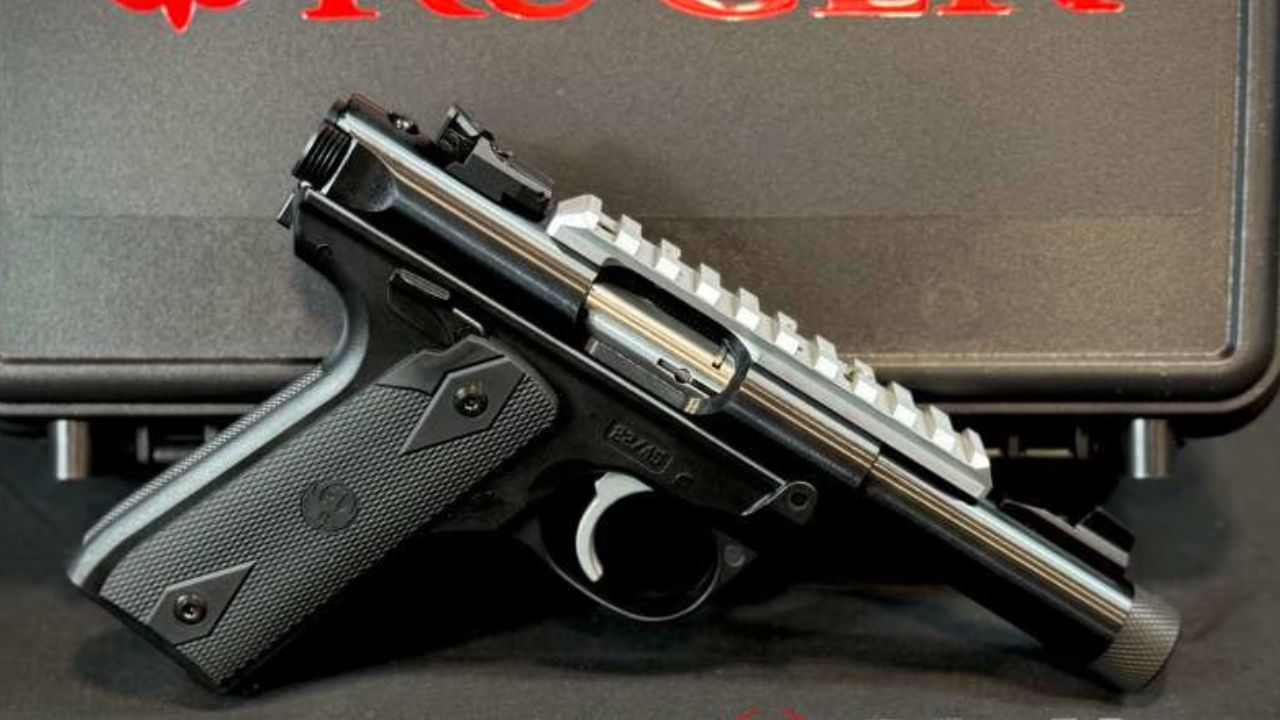
I’m throwing a .22 on the list because it’s honest. The Mark IV is one of the best rimfire pistols ever made, and the takedown finally got easy. For camp plinking and small pests, it’s a joy.
But rimfire is rimfire. When a .22 decides to misfire, a revolver gives you the fastest “fix” there is: press again. That’s why so many old-timers carried a .22 revolver for trapping and camp chores. Semi-auto .22s are fun, but revolvers are calmer about rimfire being rimfire.
I’m not here to talk anyone out of semi-autos. They’re excellent, and I own plenty. But if you spend time outdoors where dirt, weather, odd angles, mixed ammo, and simple uncertainty show up, a good revolver still has a few answers that polymer and magazines just don’t. If you’ve got room in the safe for both, you’re doing it right.
Like The Avid Outdoorsman’s content? Be sure to follow us.
Here’s more from us: