Photo credit: Booligan Shooting Sports/YouTube.com
Military rifles are usually designed around durability, battlefield reliability, and mass production rather than comfortable stocks or tidy hunting groups. That should make them poor sporting rifles, yet history has repeatedly shown otherwise. Once surplus rifles reached civilian hands, hunters started cutting stocks, mounting scopes, loading better ammunition, and discovering just how capable some of these old service rifles really were.
A surprising number became excellent deer, elk, and general-purpose hunting guns. Some had exceptionally strong actions. Others were blessed with accurate barrels, mild cartridges, or handling that translated beautifully to the field. These 20 military rifles turned out to be far better sporting rifles than many shooters expected.
Swedish Mauser Model 1896
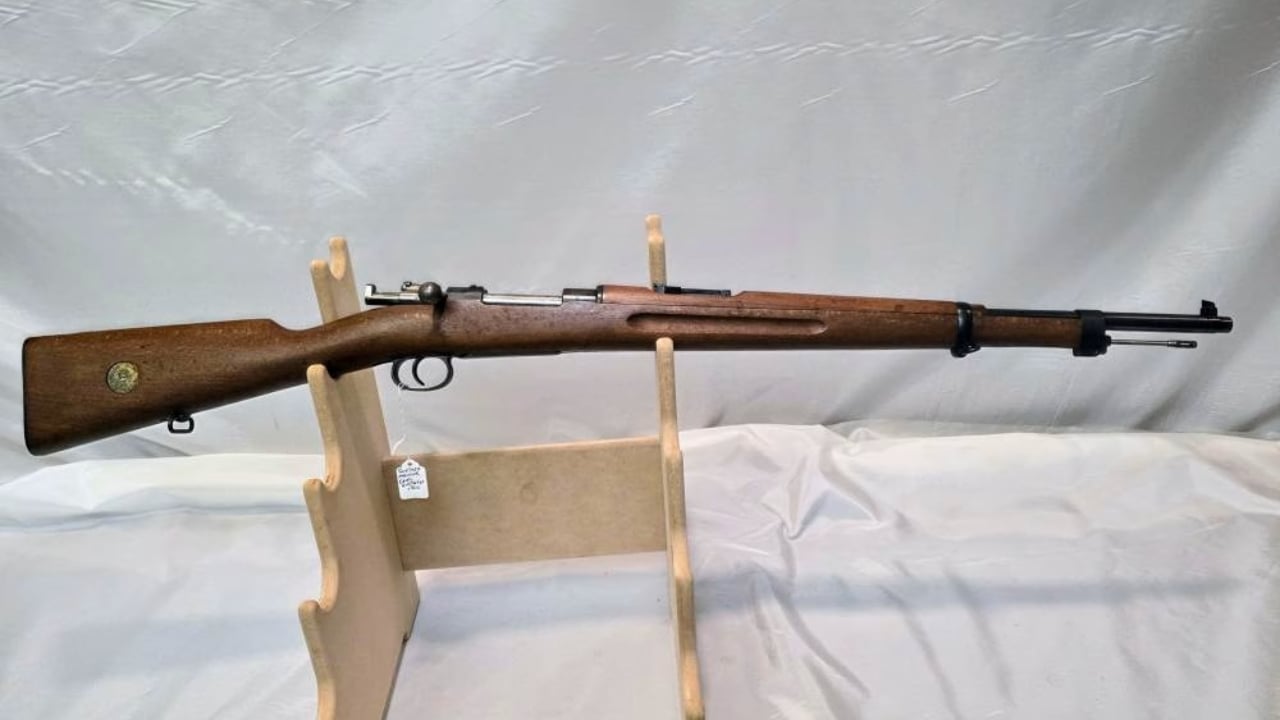
The Swedish M96 is one of the clearest examples of a military rifle that almost seems built for sporting use. Its 6.5×55 Swedish chambering delivers mild recoil, excellent sectional density, and enough performance for deer and similar game without beating up the shooter.
The rifles also earned a reputation for outstanding accuracy. Swedish manufacturing standards were extremely high, and many surplus examples shot better than hunters expected from an old military rifle. Sporterized M96s became common because the action, barrel, and cartridge were simply too good to ignore.
Mauser Gewehr 98
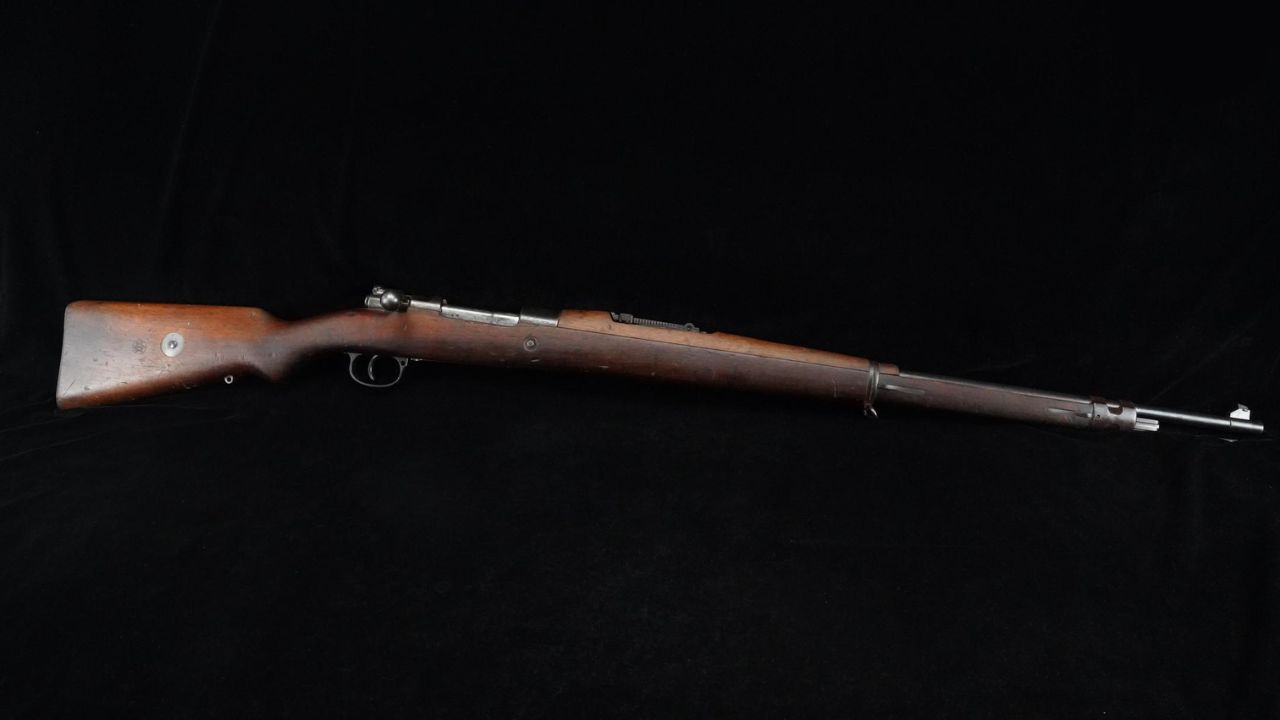
The Gewehr 98 gave the world one of the strongest and most influential bolt actions ever designed. Once civilian gunsmiths began using surplus actions as the foundation for hunting rifles, the Mauser 98 became almost a default starting point.
Controlled-round feeding, a massive extractor, and excellent strength made it especially attractive for serious hunting rifles. Countless sporters were built in cartridges ranging from ordinary deer rounds to heavy dangerous-game chamberings. Very few military actions transitioned into sporting use as successfully.
Vz. 24 Mauser
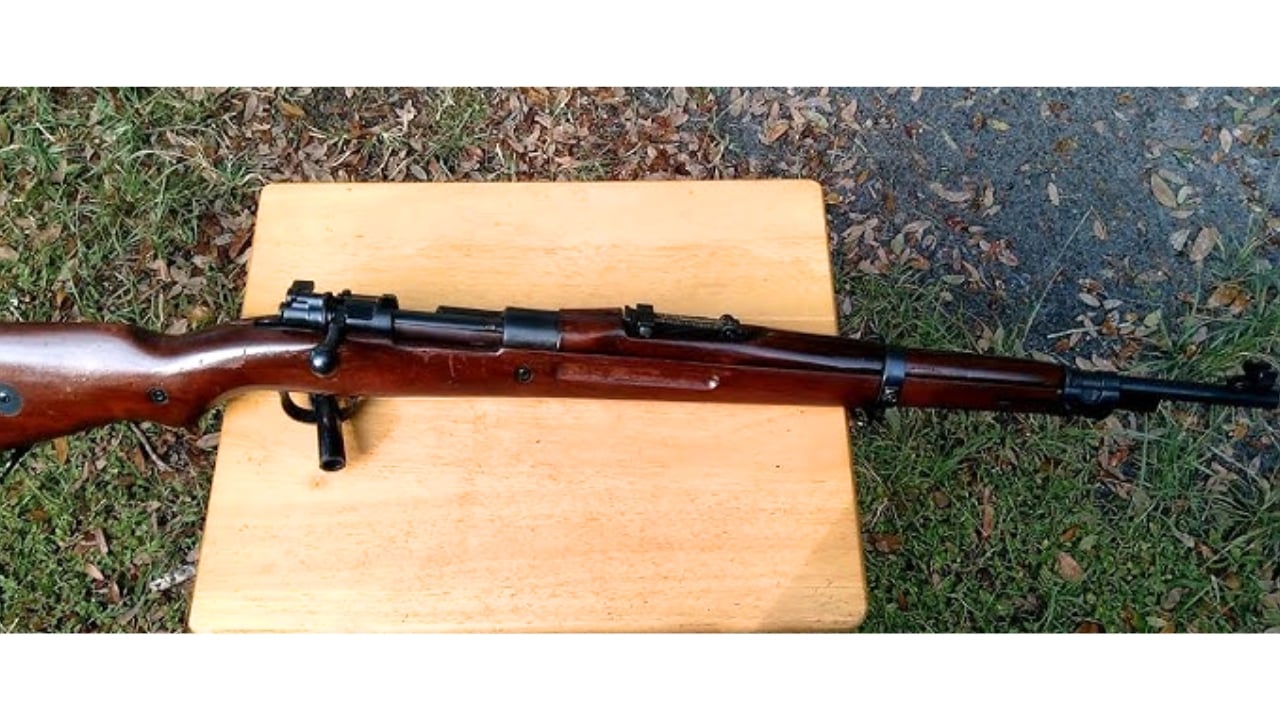
The Czech Vz. 24 is another military Mauser that became a favorite among hunters and gunsmiths. Its large-ring 98-style action provided the same strength and reliability people wanted from German Mausers, often at much lower surplus prices.
That made the Vz. 24 an ideal candidate for rebarreling, restocking, and scope mounting. Many were converted into excellent hunting rifles over the decades. The original military rifle may have been plain, but the action underneath was far too good to leave on the surplus rack.
U.S. Model 1917 Enfield
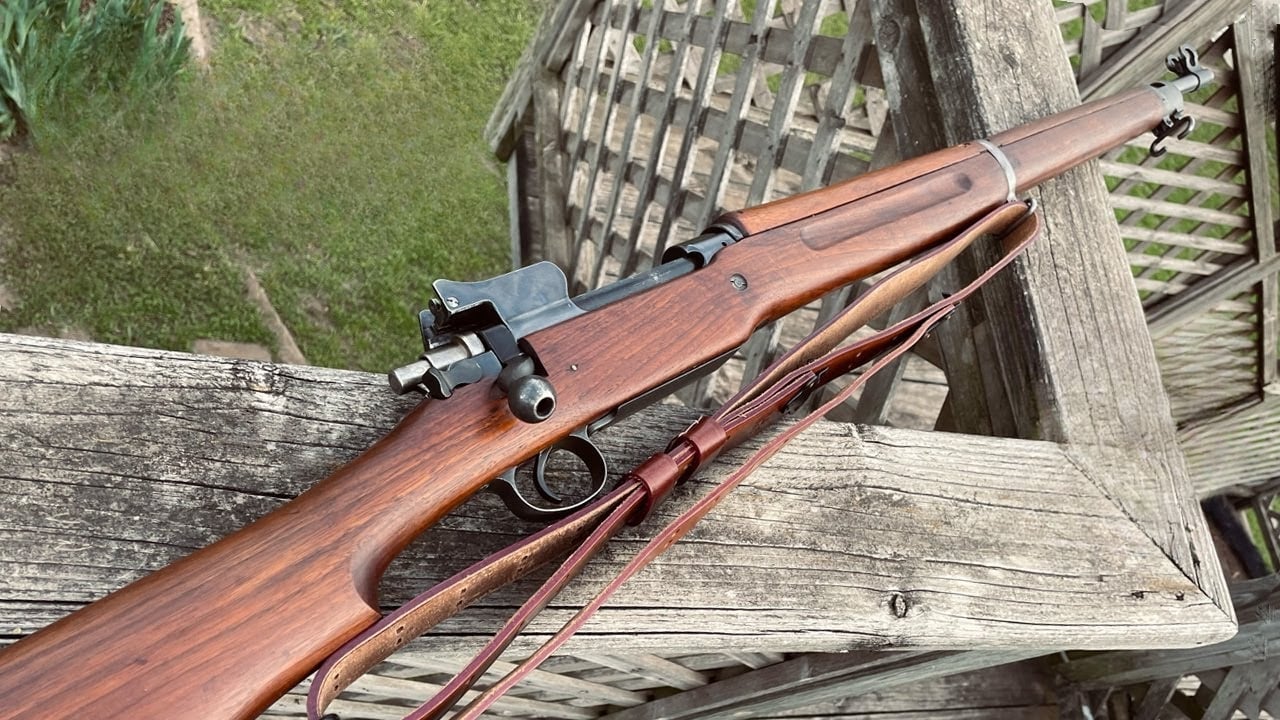
The Model 1917 was large, heavy, and built for wartime service, but its action was exceptionally strong. Hunters and custom rifle builders quickly noticed that.
Many 1917 actions were turned into powerful sporting rifles, including some chambered for serious magnum and dangerous-game cartridges. Even in original .30-06 form, the rifle had plenty of hunting capability. The action was not graceful, but its strength made it one of the great surplus foundations for custom sporting guns.
Springfield Model 1903
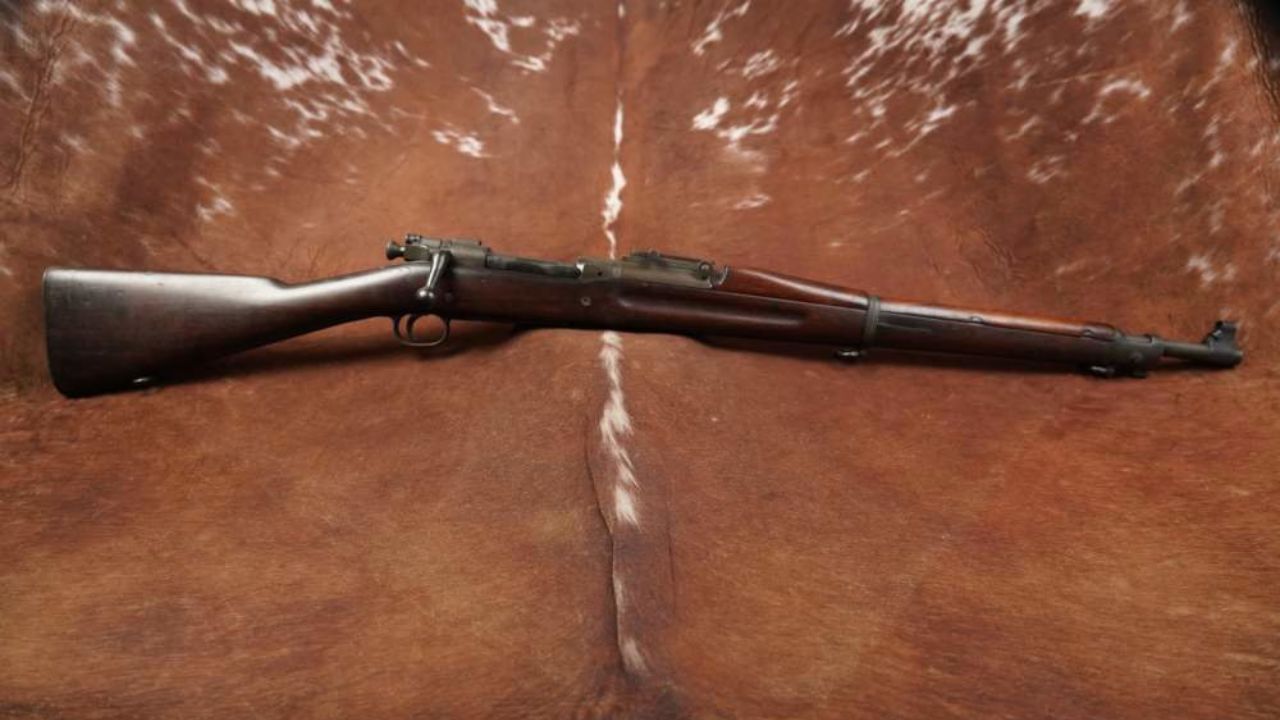
The 1903 Springfield transitioned naturally into civilian sporting use because its basic layout already resembled the hunting rifles that followed it. The .30-06 cartridge needed no introduction to American hunters, and the action offered plenty of strength and accuracy.
Sporterized Springfields became extremely common. Shorter stocks, drilled receivers, and hunting optics transformed the old service rifle into something far more comfortable in the field. Many beautifully made custom rifles from the mid-20th century started life as military 1903 actions.
Swiss K31

The K31 was never intended to become a hunting rifle, but Swiss precision manufacturing gave it serious sporting potential. Its straight-pull action is exceptionally smooth, and many examples have outstanding barrels and triggers.
The 7.5×55 Swiss cartridge is also considerably more capable than casual surplus shooters sometimes realize. With appropriate hunting ammunition, it delivers performance in the same general class as established full-size hunting cartridges. The rifle is heavy and unconventional, but its accuracy can be exceptional.
Lee-Enfield No. 4 Mk I

The Lee-Enfield may seem like an odd hunting rifle because of its long military history, rear-locking bolt, and ten-round magazine. Yet sporterized Enfields became incredibly common across Canada, Britain, Australia, and other parts of the former Commonwealth.
The .303 British cartridge proved more than adequate for deer, moose, and other game. The action is also extremely fast to cycle. A shortened, restocked Enfield could become a surprisingly handy woods rifle, especially in places where surplus rifles were inexpensive and commercial hunting guns were not.
Lee-Enfield No. 5 Mk I
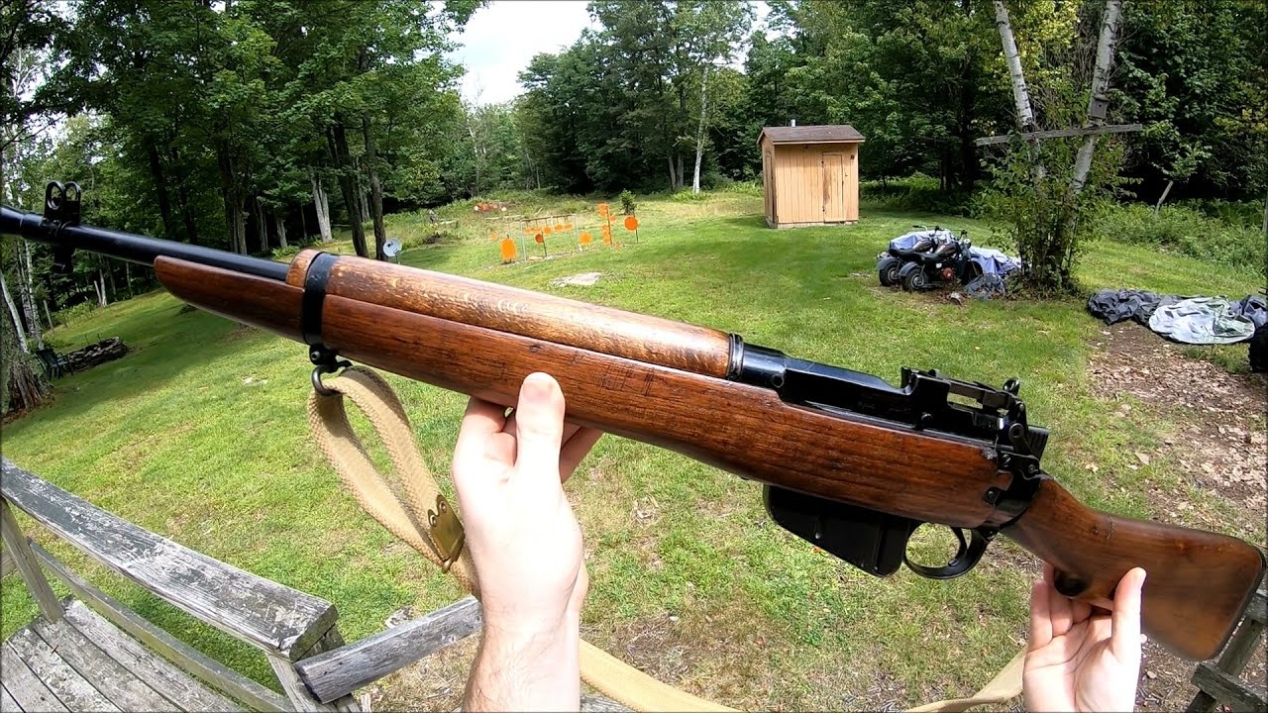
The No. 5 “Jungle Carbine” had even more natural sporting appeal than the full-size Enfield. Its shorter barrel and reduced overall size made it easy to carry through thick cover.
Recoil and muzzle blast are more noticeable than with the longer rifles, but the compact package works well in the woods. The .303 British cartridge has plenty of hunting capability, and the fast Enfield action makes follow-up shots easy. It is one military carbine that never needed much imagination to become a hunting rifle.
Japanese Arisaka Type 38
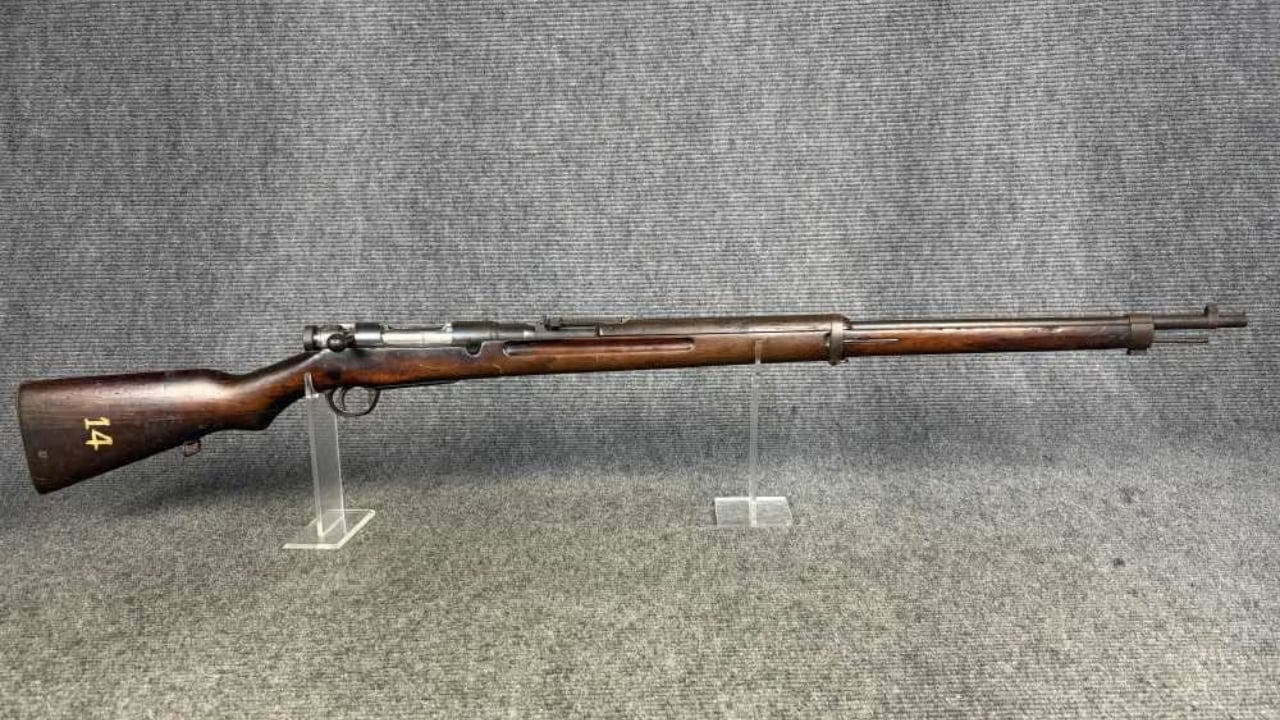
The Type 38 Arisaka has one of the strongest military bolt actions of its era, and that strength attracted gunsmiths once surplus rifles became widely available.
Its original 6.5 Japanese cartridge also offers relatively mild recoil and respectable hunting performance with proper ammunition. Many Type 38 actions were rebarreled or heavily sporterized because the action itself was so robust. They rarely looked elegant in original military form, but the mechanical foundation was excellent.
Japanese Arisaka Type 99

The Type 99 brought a larger 7.7mm cartridge to the Arisaka platform, giving the rifle even more obvious sporting potential. The cartridge provides useful hunting performance, while the action retains the tremendous strength associated with Arisaka rifles.
After World War II, many Type 99s were converted into hunting rifles. Some modifications were crude, but well-executed sporters could be excellent field guns. The military rifle’s reputation for ruggedness carried over perfectly into civilian hunting use.
Finnish M39

The Finnish M39 took the basic Mosin-Nagant action and improved almost everything around it. Better barrels, excellent sights, more comfortable stocks, and much higher quality control produced a rifle that could shoot remarkably well.
Chambered in 7.62x54R, the M39 has more than enough power for common North American game. It is still heavy by hunting-rifle standards, but accuracy and durability are rarely concerns. Among Mosin-pattern rifles, the M39 is one of the easiest to imagine carrying into the deer woods.
U.S. Krag-Jørgensen Model 1898
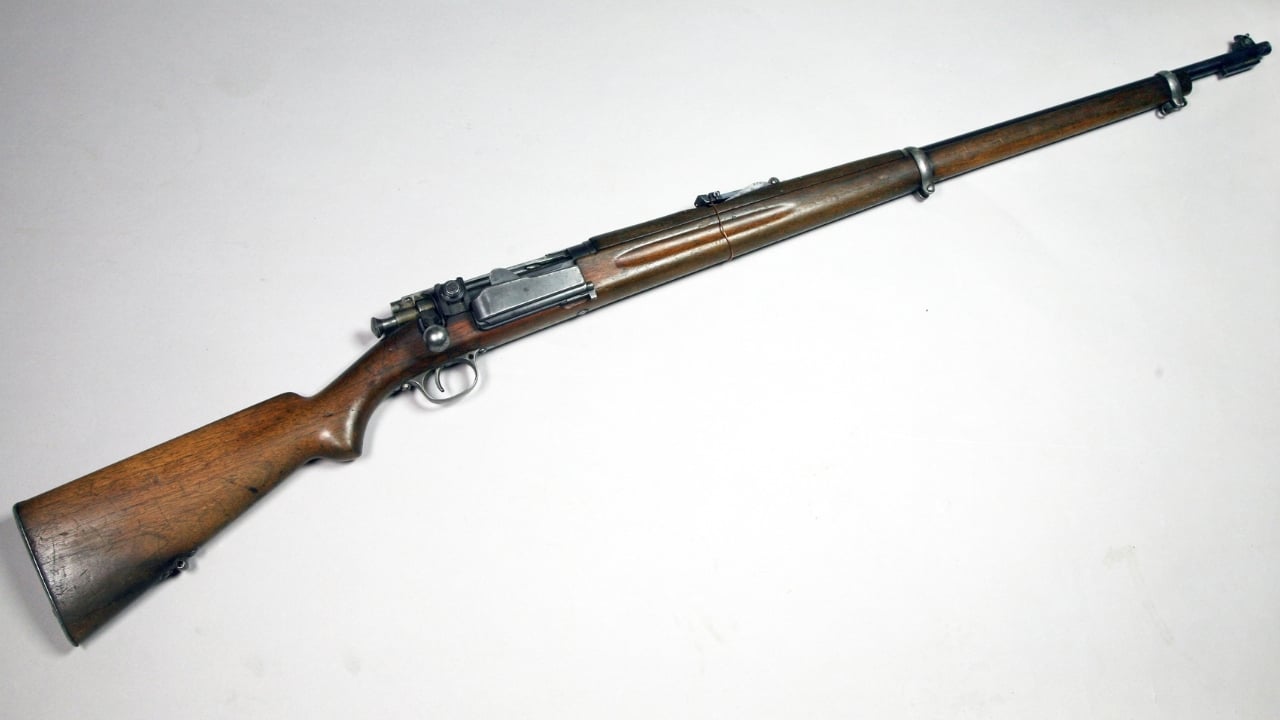
Digitalmuseum Norwegen, CC BY-SA 3.0, via Wikimedia Commons
American Krags also found their way into hunting camps after military service. The .30-40 Krag cartridge offers moderate recoil and enough power for deer-sized game, while the side-loading magazine and exceptionally smooth action give the rifle a unique personality.
Many were sporterized when surplus rifles were inexpensive. Shortened barrels and trimmed stocks made them far handier in the woods. Today collectors cringe at heavily modified examples, but generations of hunters simply saw an affordable rifle that worked.
Yugoslav M48 Mauser

The M48 is another Mauser-pattern military rifle that adapts well to sporting use. Its intermediate-length action is rugged, and the original 8mm Mauser chambering delivers plenty of energy for deer and larger game.
These rifles were available in excellent condition for relatively modest money for years. Hunters who did not mind the weight could use them nearly as-is, while others converted them into traditional sporters. The platform offers far more hunting capability than its old surplus reputation might suggest.
Spanish M43 Mauser
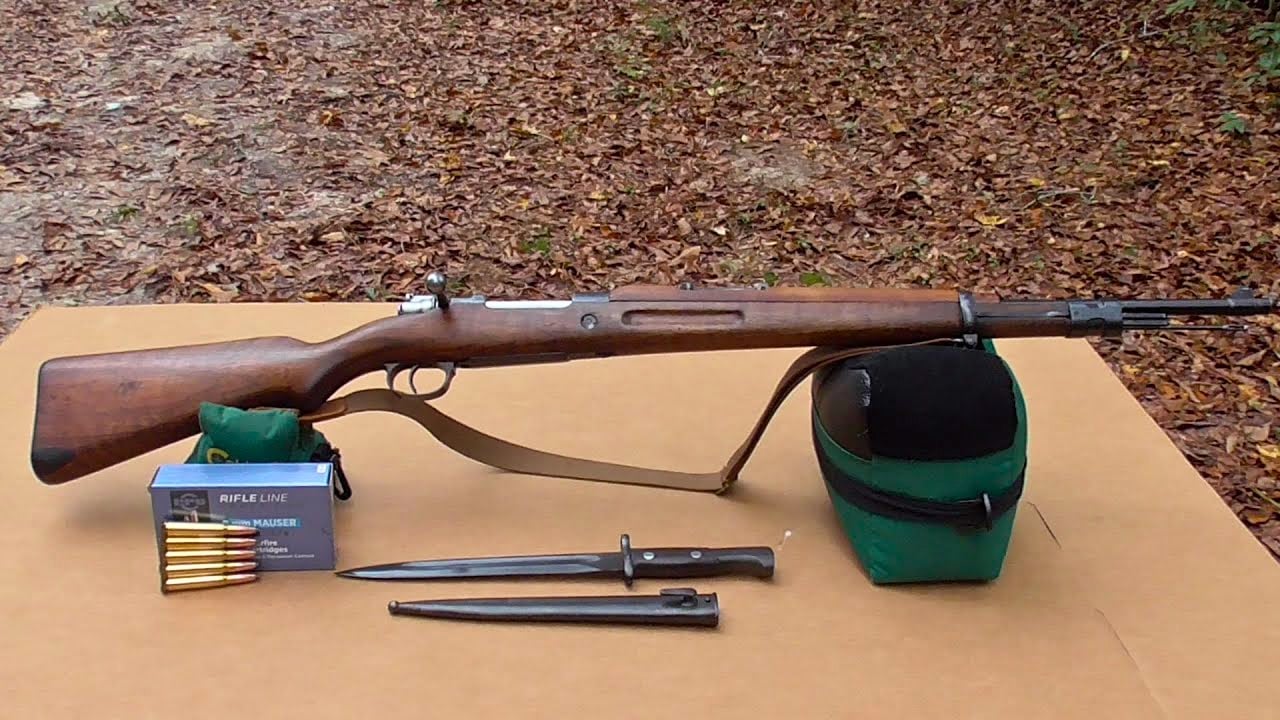
The Spanish M43 is often overlooked compared with German and Czech Mausers, but it uses a strong 98-pattern action and was commonly chambered in 8mm Mauser.
That combination gives it obvious potential as a hunting rifle. Once excess military wood and hardware are removed, the action provides a solid foundation for a conventional sporting build. It is another example of how many military Mausers were only a new stock away from becoming practical hunting rifles.
Pattern 14 Enfield
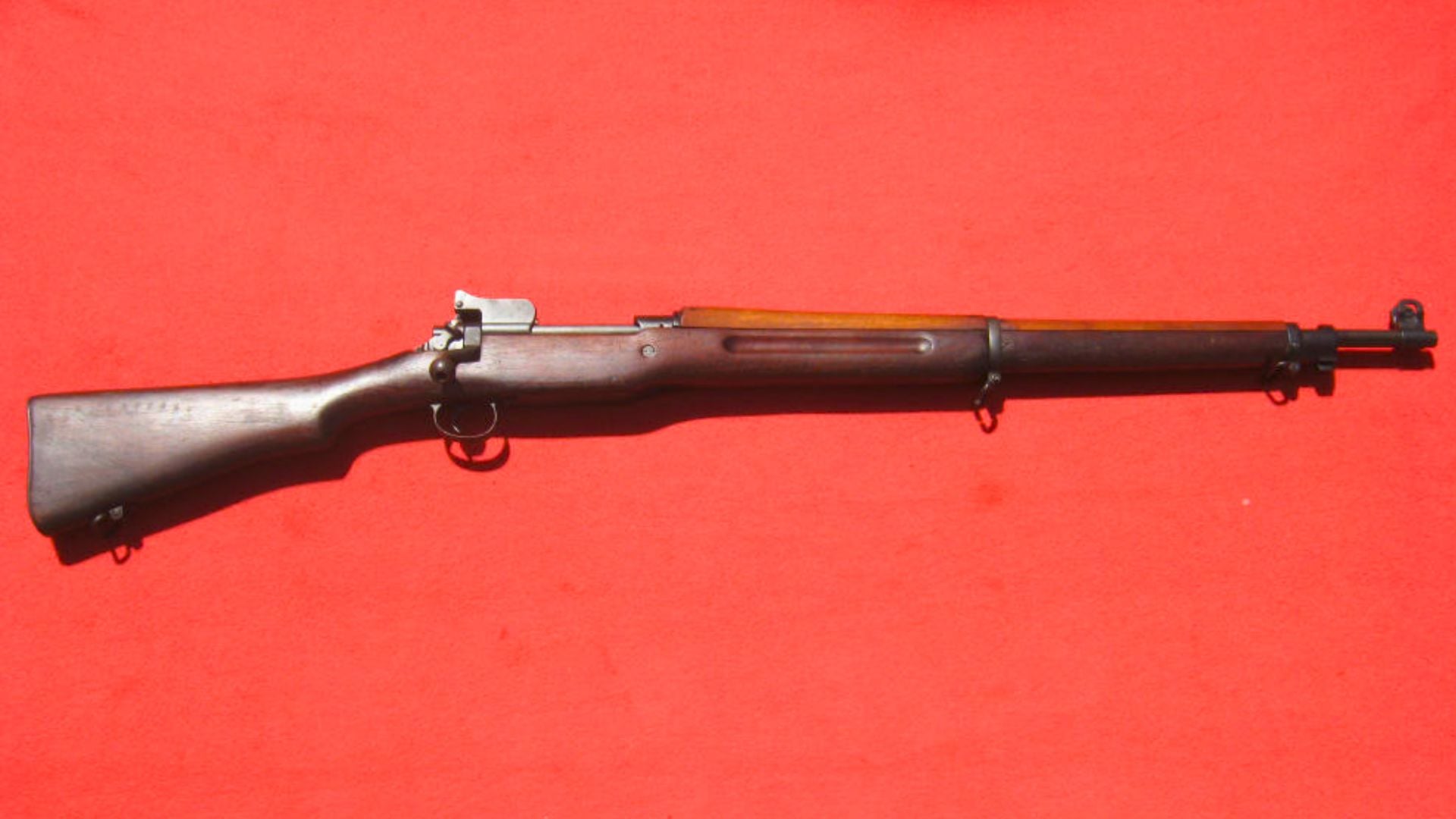
The Pattern 14 was originally developed around the .303 British cartridge, but its large and extremely strong action made it attractive to custom rifle builders.
Like the closely related U.S. Model 1917, the P14 could serve as the foundation for powerful sporting cartridges. Hunters appreciated the rugged action and excellent receiver-mounted sights. It was heavy in military trim, but sporterization could turn it into a tremendously capable field rifle.
MAS-36

The French MAS-36 looks crude at first glance, but underneath the unusual styling is a compact and extremely rugged bolt-action rifle. Its short overall length makes it handier than many military rifles from the same period.
The 7.5 French cartridge offers legitimate hunting performance, and the rifle’s simple action is built for reliability. Ammunition availability limits its practicality today, but mechanically the MAS-36 has many of the traits hunters value in a hard-use rifle.
Mannlicher M95
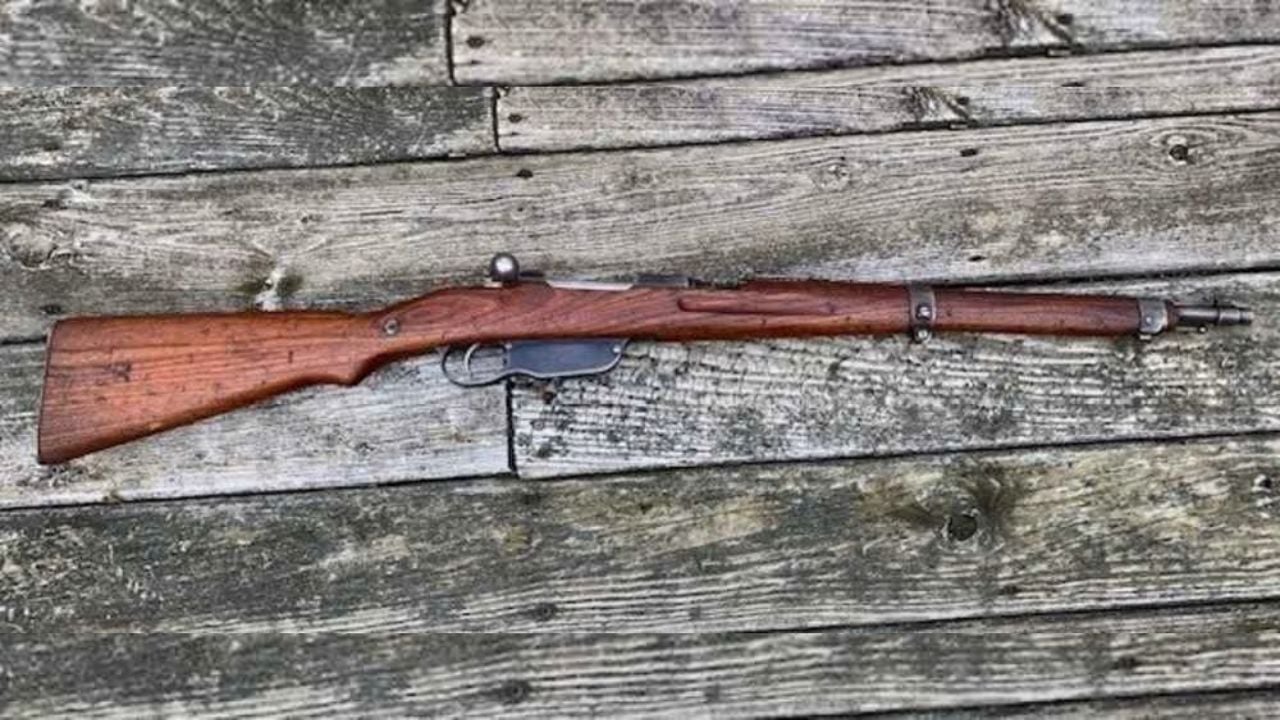
The M95’s straight-pull action makes it one of the more unusual military rifles that hunters adapted for civilian use. Cycling the bolt is extremely fast once you get accustomed to the motion.
The 8x56R chambering used in many later examples offers substantial power, though ammunition availability can be challenging. The rifle is light and relatively handy compared with many full-size military bolt guns. It may be unconventional, but it can make a surprisingly effective woods rifle.
SKS
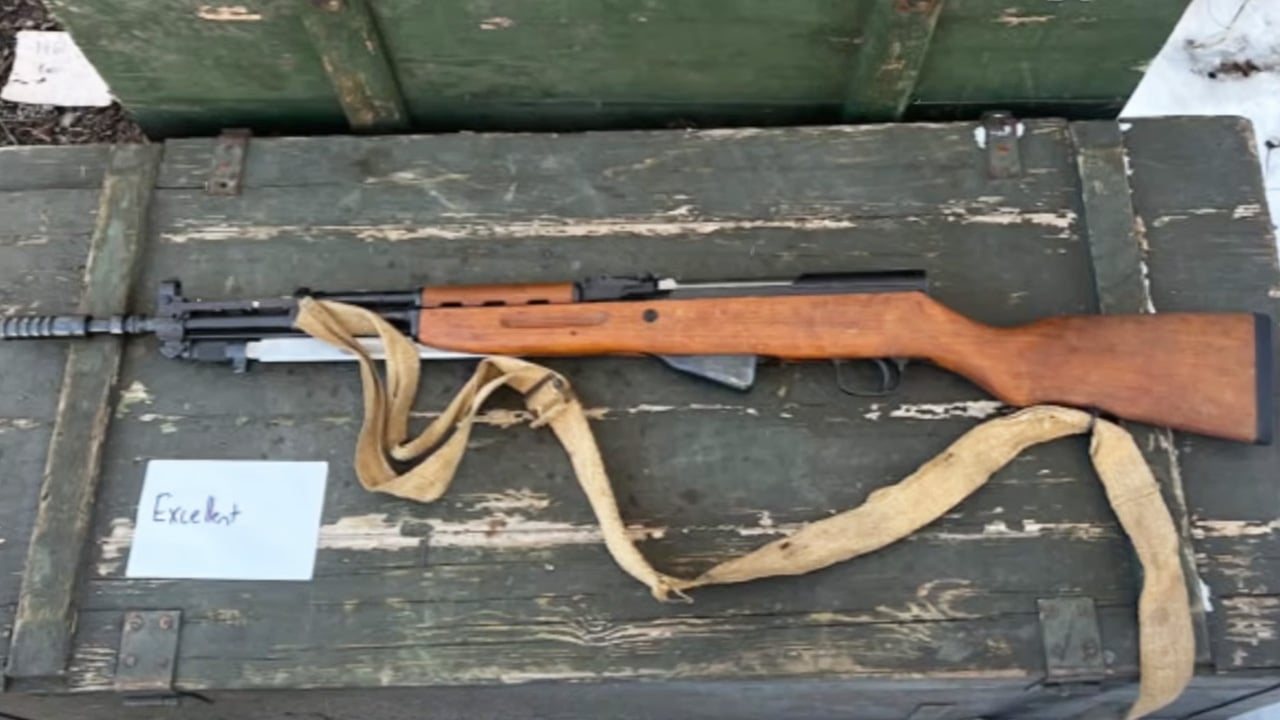
The SKS became one of the most common inexpensive sporting rifles in America once massive quantities entered the surplus market. Its 7.62×39 chambering produces mild recoil and useful short-range hunting performance.
Hunters quickly discovered that the rifle was particularly well suited to hogs, predators, and deer at modest distances where legal. The fixed magazine keeps the rifle compact, and the action is famously rugged. It may have started as a military carbine, but civilian shooters found plenty of sporting uses for it.
FN-49
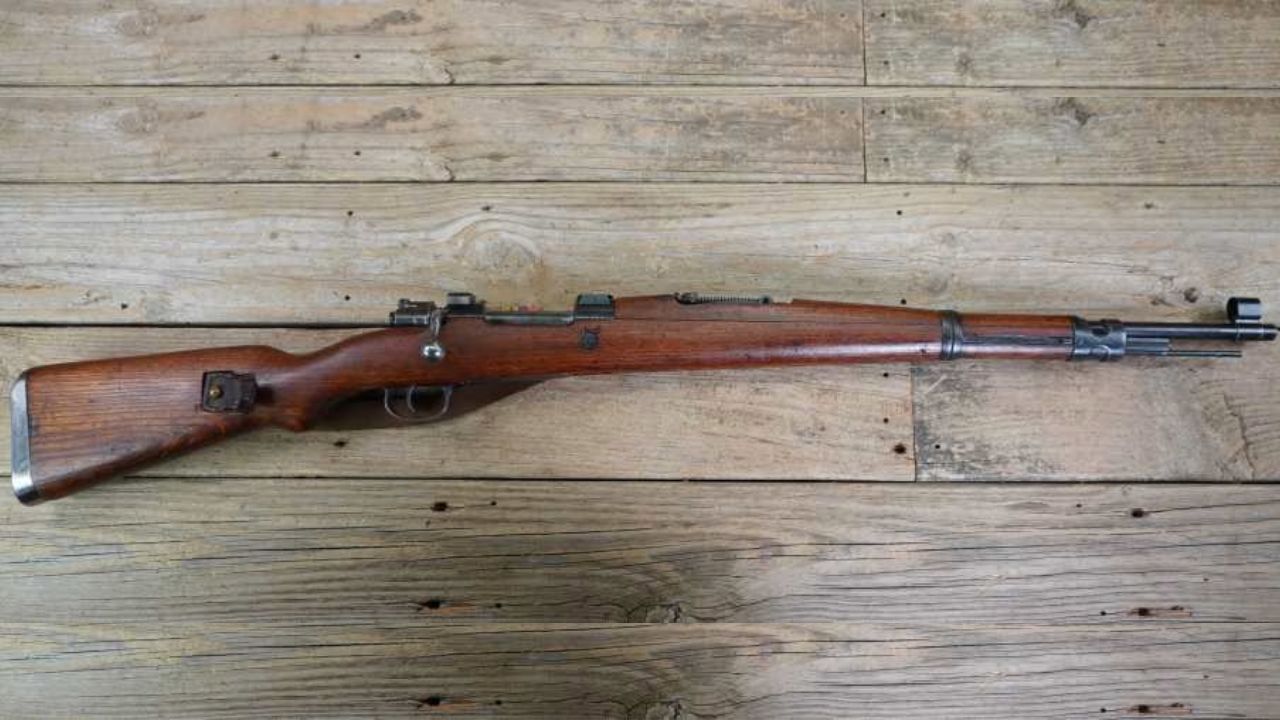
The FN-49 arrived just before detachable-magazine battle rifles took over, leaving it stuck between eras. As a sporting rifle, however, its traditional stock and semiautomatic action make much more sense than you might expect.
Different versions appeared in cartridges including 7×57 Mauser and .30-06, both of which are proven hunting rounds. The rifle is heavy, but recoil is comfortable and follow-up shots are quick. It never became a mainstream sporting gun, yet the basic ingredients were always there.
Like The Avid Outdoorsman’s content? Subscribe to our newsletter so you never miss an article.
Here’s more from us: