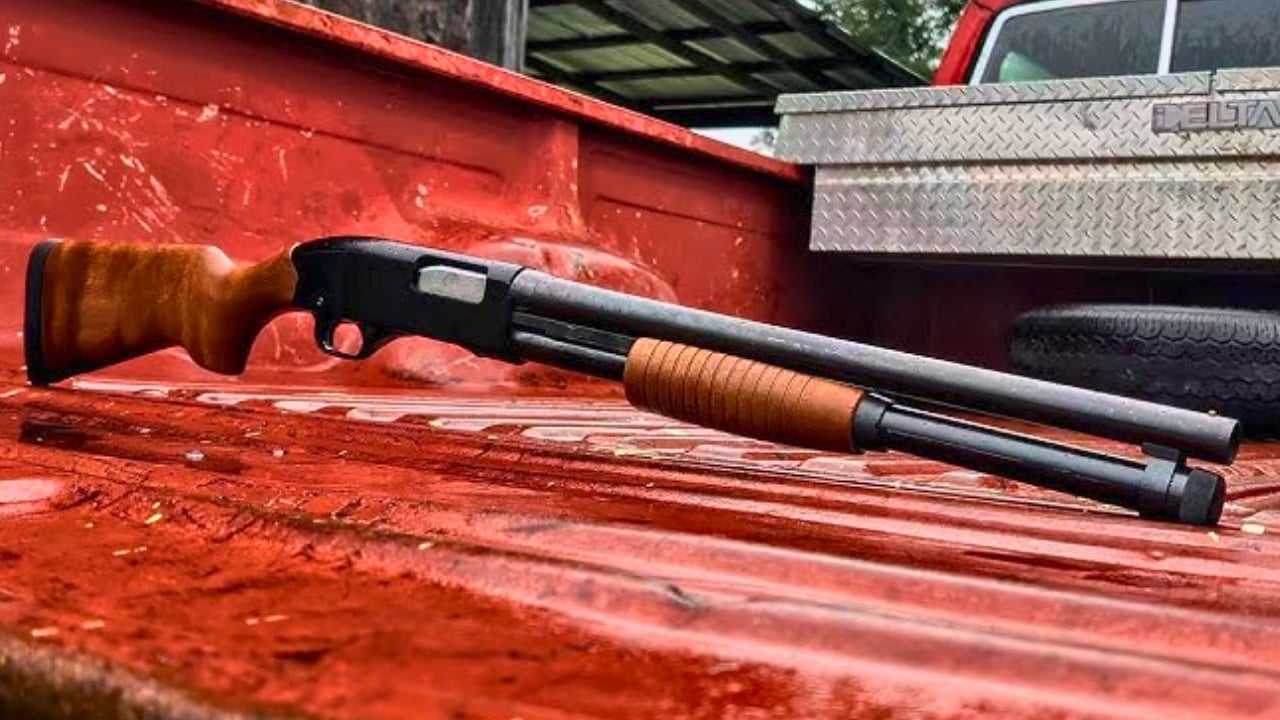
Photo credit: Clyde n Bundy/YouTube
Before “tactical” was a marketing category, before shotgun prices got weird, and before everybody started calling everything a “platform,” rural households had the same kind of scatterguns leaning in closets, riding behind truck seats, or living in a soft case under the bed. They weren’t status symbols. They were tools.
What’s funny is how long some of those plain-jane models stayed under the radar. For decades they were just the gun you grabbed for rabbits, a fox in the chicken yard, a last-minute dove hunt, or to hand a kid for their first trip to the range. Then the market finally looked up and realized half the “new” ideas were already solved by old pump guns and basic doubles that never asked for attention.
1. Remington 870 Wingmaster

If you grew up around farms, you’ve handled one. The Wingmaster is the slick one, not the rough economy build, and you can feel it the second you run the action. It’s the kind of pump that makes you wonder why some modern guns feel like they’re full of sand.
They point naturally, they balance right for upland hunting, and they’ll take a beating without turning into a project. Plenty of them wore a fixed choke and a shiny spot on the receiver from decades of hands, and they still worked. That’s the definition of a household gun.
2. Remington 1100

There was a stretch where an 1100 was the “nice” shotgun a regular guy could own. Soft shooting, smooth cycling, and it made a lot of folks better wingshots than they had any right to be. If you ever shot a full day of clays with one, you know why people stayed loyal.
Yes, they want to be kept reasonably clean, and yes, O-rings exist for a reason. Still, for field loads and normal hunting use, an 1100 is hard to dislike. They also tend to fit real humans, not just spec sheets.
3. Remington 870 Express (older runs)

Not every Express is a gem, and I’m not pretending they are. But older Express guns filled more rural closets than most people realize because they were affordable and available. They were the “one shotgun that does everything” option for a long time.
A lot of them got upgraded slowly—better recoil pad, different barrel, maybe a magazine spring when it got tired. The point is they kept working. When a tool does that for twenty seasons, it earns its keep.
4. Mossberg 500
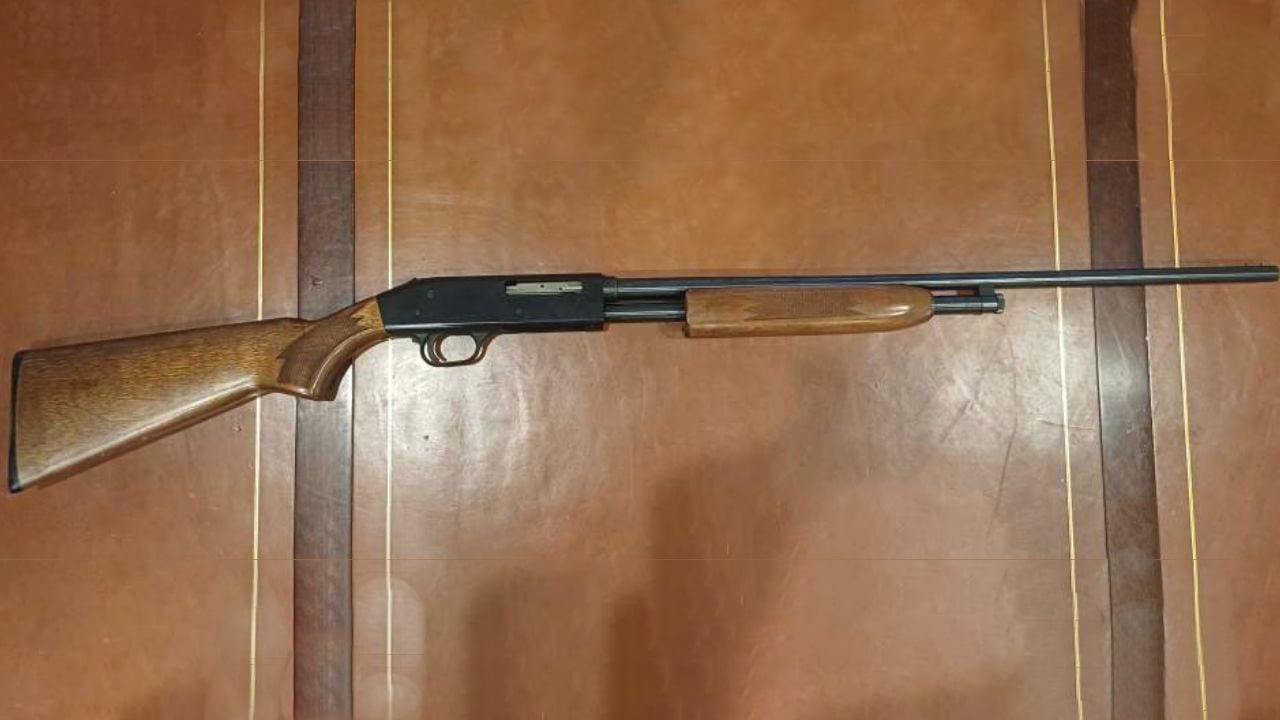
The Mossberg 500 is one of those guns people love to talk down until they actually need a shotgun that just runs. They’re a little more rattly than an 870, and the safety location is either perfect or annoying depending on how you grew up shooting.
But the 500 is light enough to carry all day and tough enough to live in a truck. Barrels and parts are everywhere. It’s not fancy. That’s kind of the point.
5. Mossberg 590

The 590 is the “working” version that got adopted by a lot of folks who wanted a little more durability, a little more capacity, and a little less worry about a hard life. In rural places, that might mean riding on an ATV, bouncing in a tractor cab, or sitting by the back door during calving season.
They’re not graceful upland guns, but they’re honest. If you want a shotgun you don’t have to baby, the 590 has been proving itself for a long time.
6. Winchester Model 12
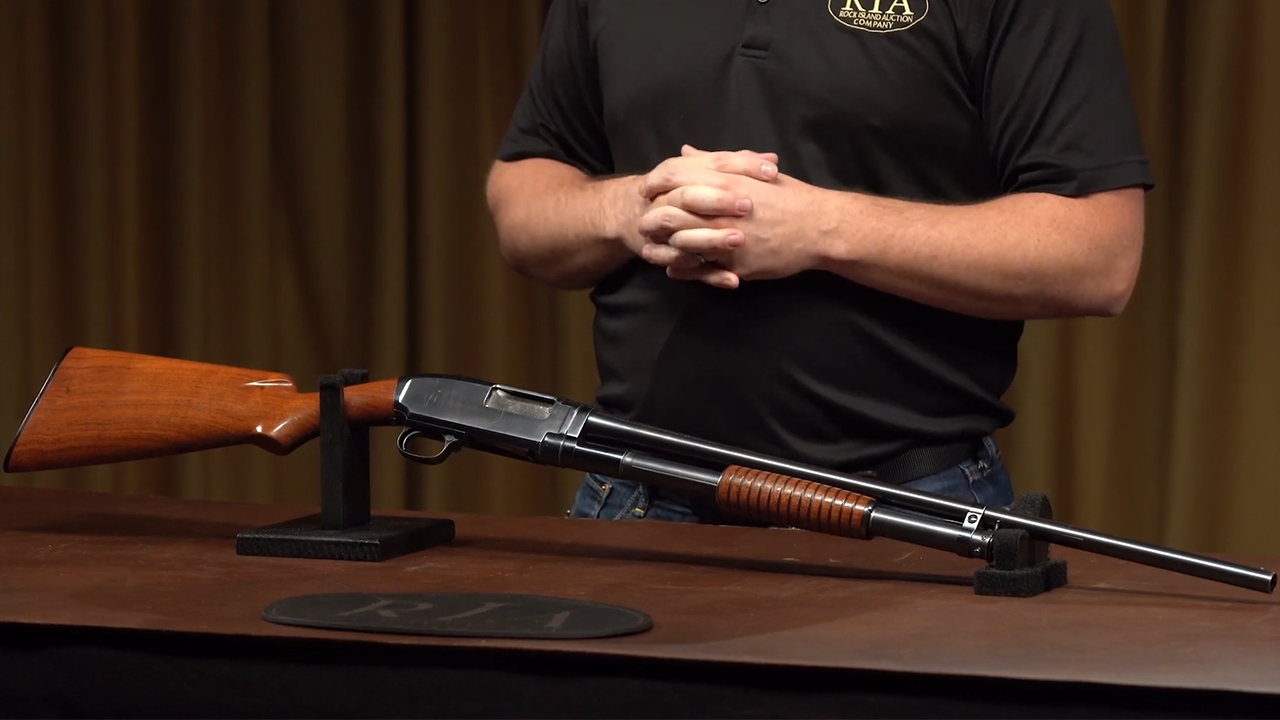
The Model 12 is the pump gun your granddad might still call “the best ever made,” and he’s not completely wrong. They’re smooth in a way that’s hard to explain until you run one. The action feels like it’s on rails.
They can be heavy, and you’re not buying one because you want modern modular everything. You’re buying one because it’s a real, old-school machine that still does exactly what a shotgun needs to do.
7. Winchester Model 1897
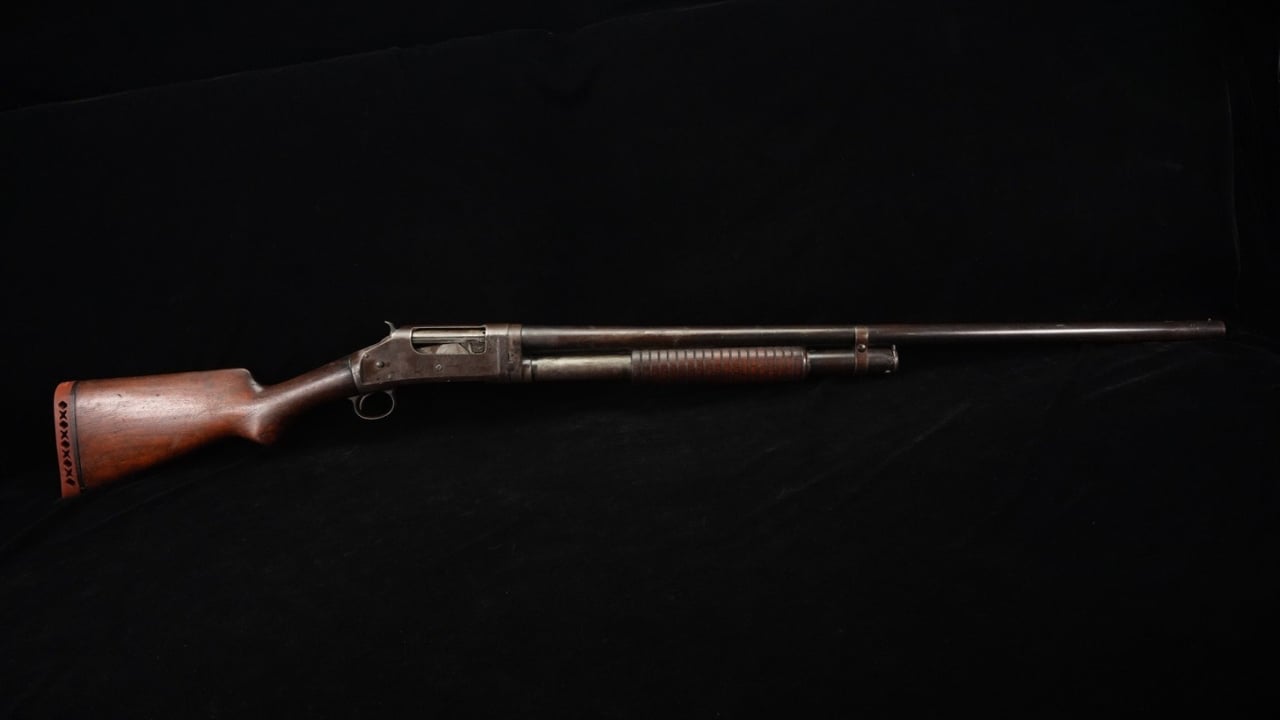
Hammers make some folks nervous, but the 1897 lived a long life on farms for a reason. They were used hard, put away wet, and somehow kept moving. You’ll still see them at the odd rabbit hunt, usually carried by someone who doesn’t care what anybody thinks.
They’re not a beginner’s shotgun, and I wouldn’t call them convenient. But in terms of rural history, few guns were as “always there” for so long.
8. Ithaca 37
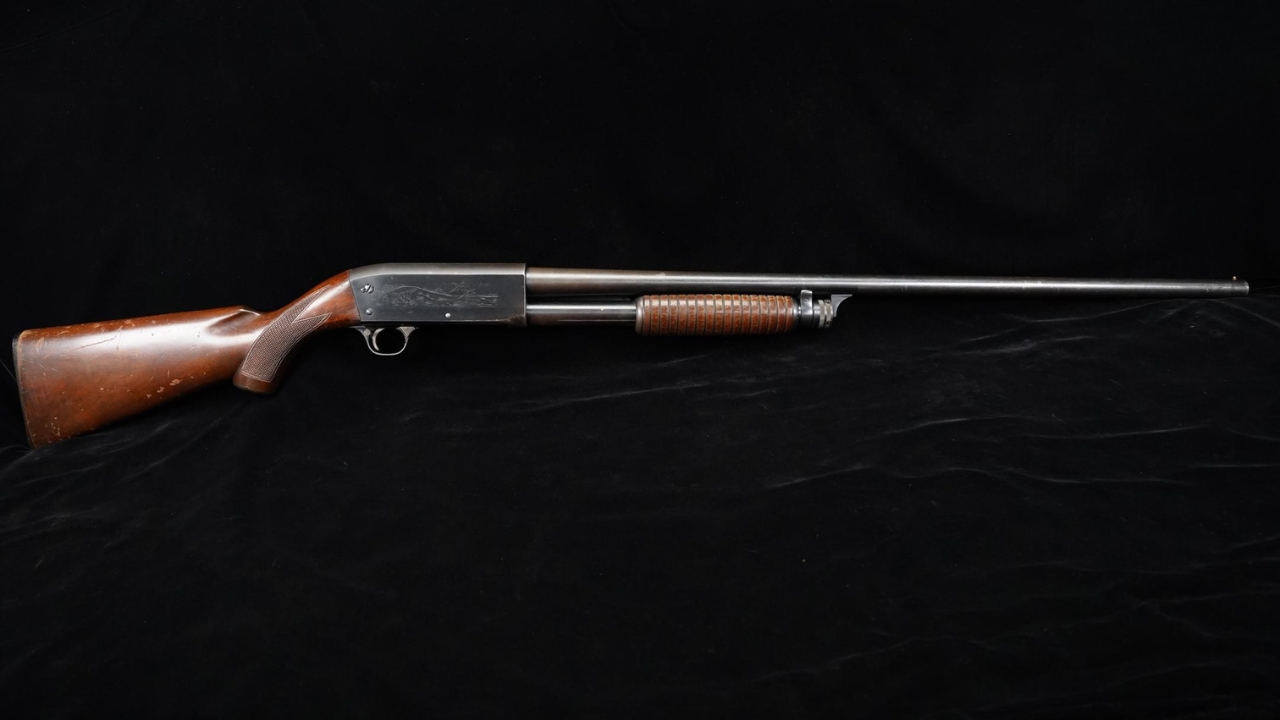
Bottom-eject shotguns have a following, and the Ithaca 37 earned it. Left-handed shooters loved them, and right-handed shooters who carried in nasty weather did too. Less junk flying out the side, less opportunity for debris to get in.
They carry nicely, they’re slimmer than a lot of pumps, and they feel fast. For grouse, rabbits, and general woods roaming, an Ithaca 37 is a classic that never needed a rebrand.
9. Stevens Model 311
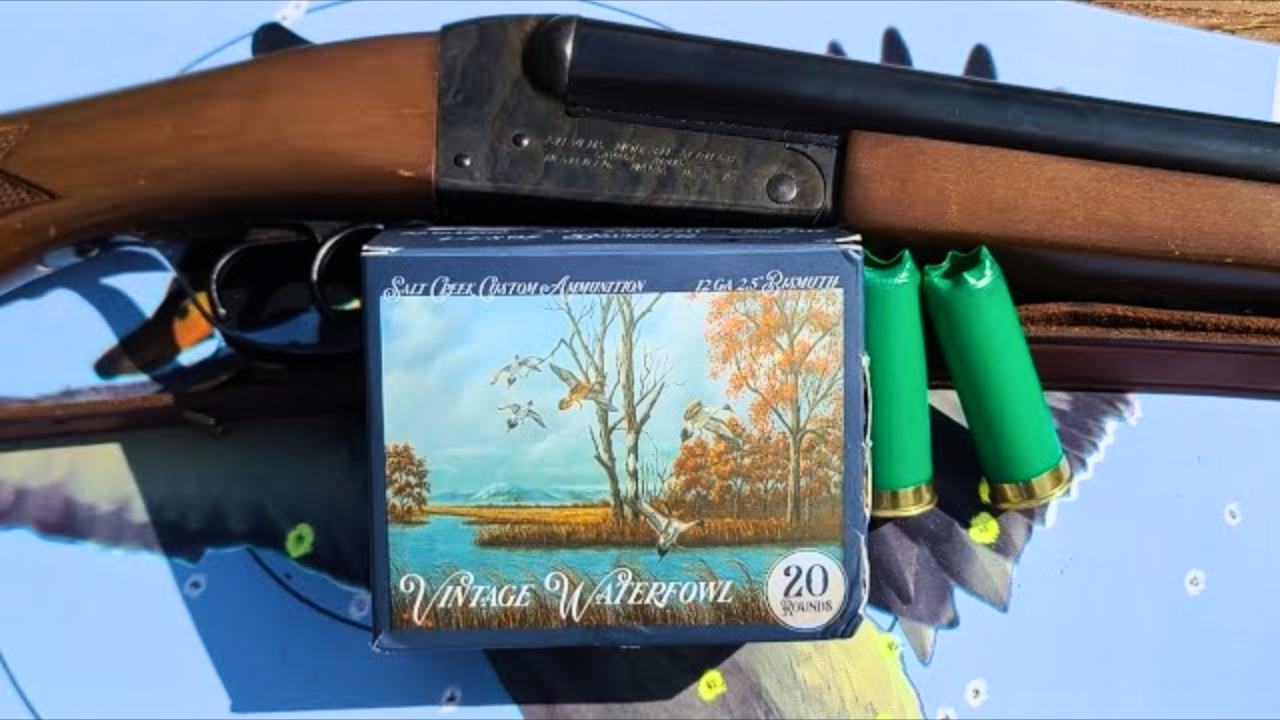
If you want “farm double,” the Stevens 311 is about as close as it gets. A basic side-by-side that didn’t pretend to be a showpiece, but it put meat in the pot and handled chores. Two barrels, two chances, simple as that.
They can be a little chunky, and the triggers can feel like they were designed by someone who hates fingers. Still, they last. And if you’ve ever walked a hedgerow with one, you know why people kept them around.
10. Savage/Fox Model B
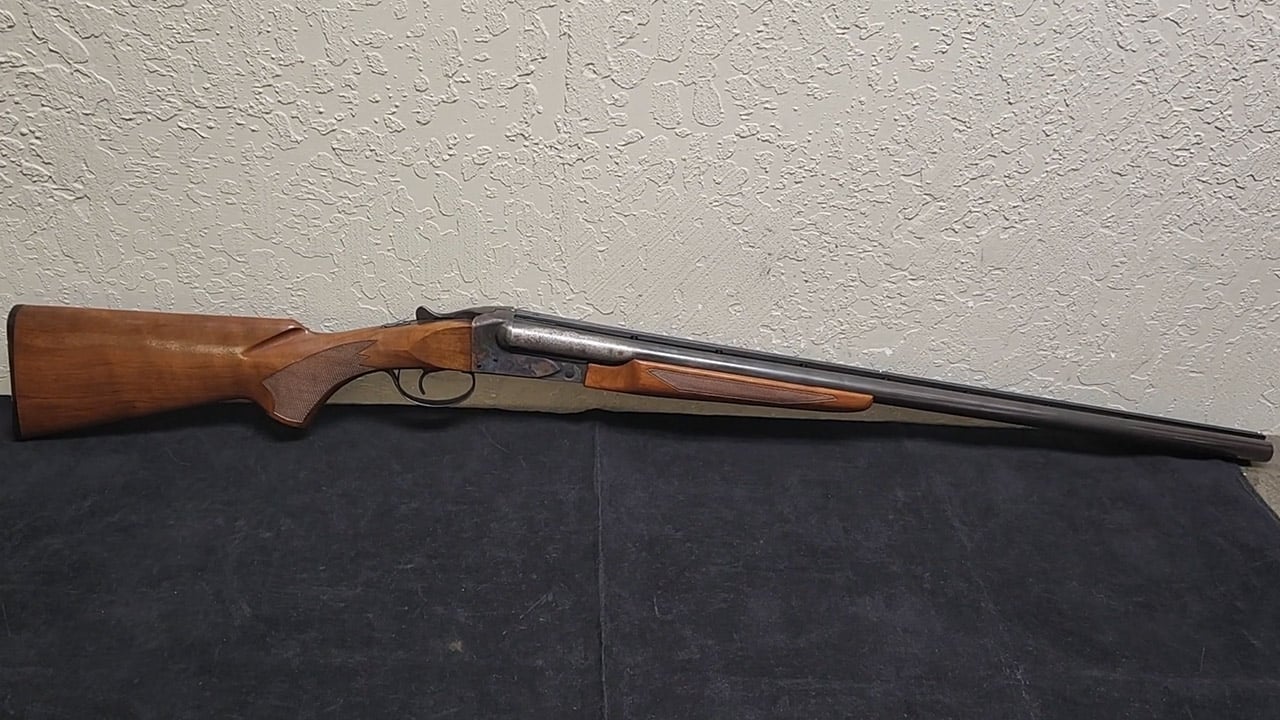
The Fox name meant something, and the Model B gave regular working people a way into that world. These doubles were common enough that they became background noise in rural America. They leaned in corners, rode in scabbards, and came out when something needed doing.
Not every one of them is tight as a vault anymore, so condition matters. But as a concept—simple, reliable double gun—they did the job for decades without fanfare.
11. Harrington & Richardson Topper (Model 158/190 series)
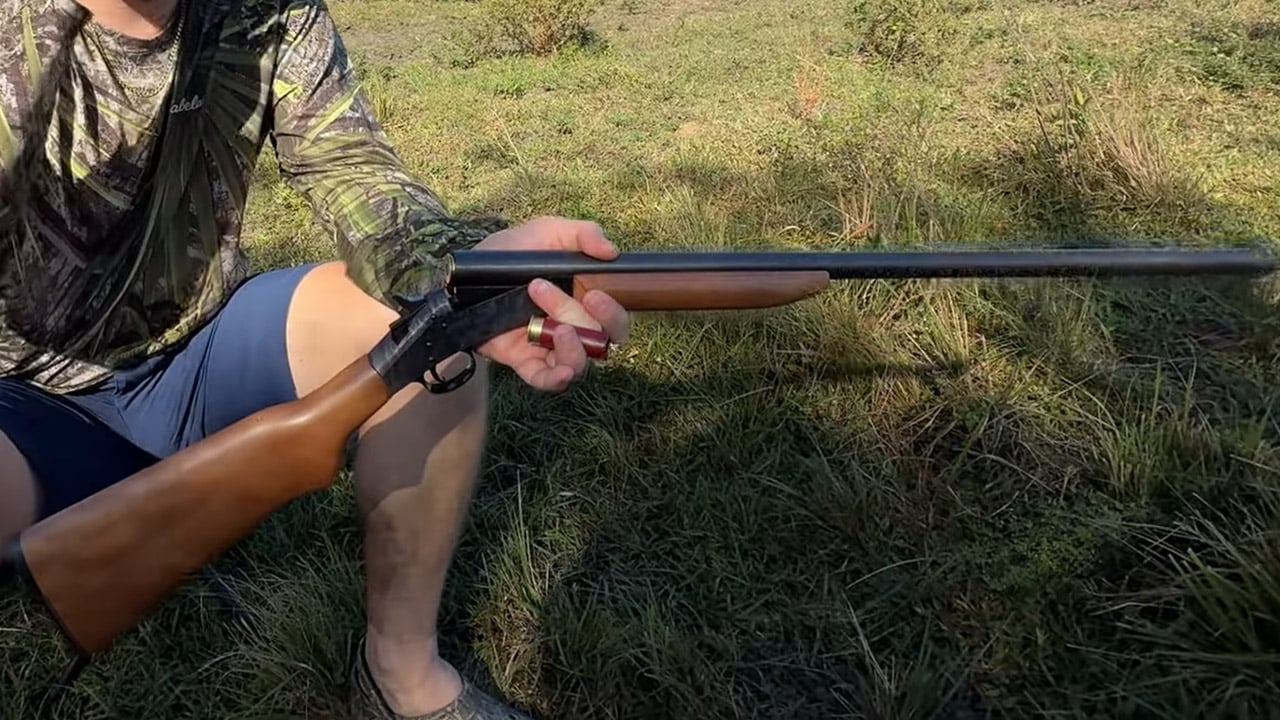
A single-shot break action doesn’t look like much until you’ve lived with one. The H&R Topper was the “first shotgun” for a pile of kids, and it was also the “behind the door” gun for adults who wanted no-nonsense simplicity.
It forces a little discipline. You make the shot count. For pests, pot hunting back when that was how families ate, and teaching safe habits, the Topper earned a place that a lot of newer guns can’t replicate.
12. Winchester Model 37
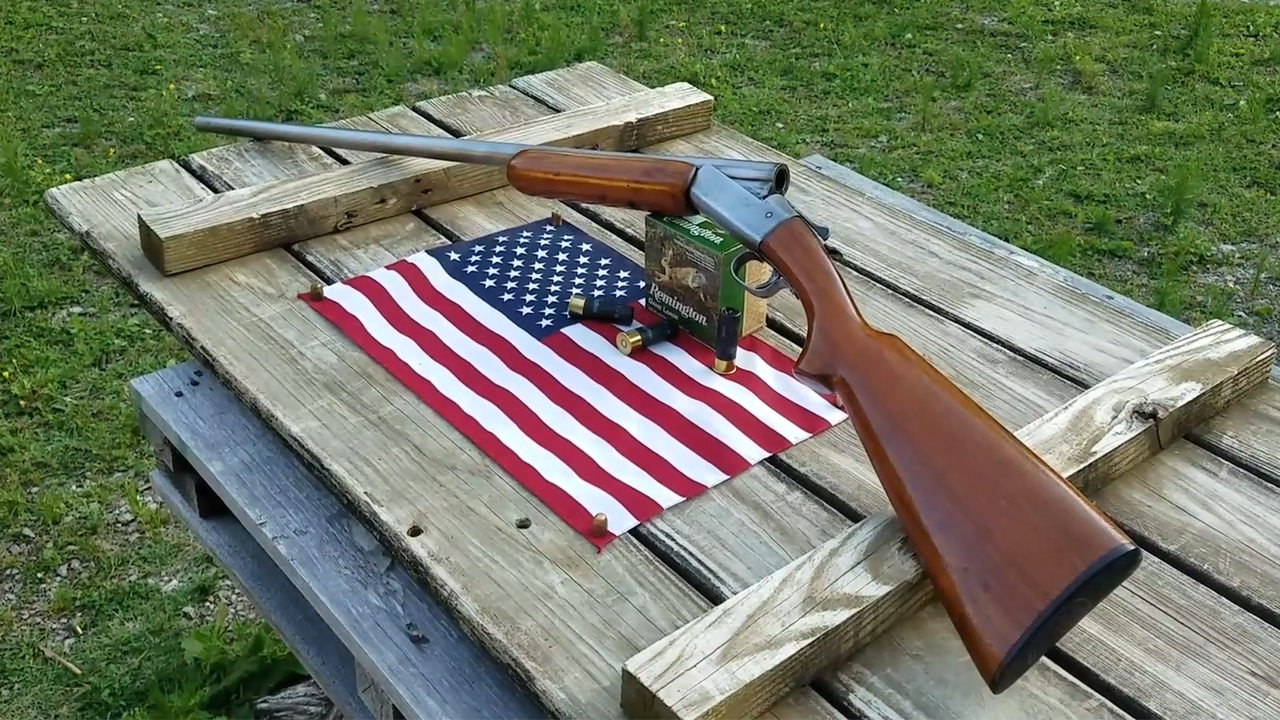
The Model 37 is another single-shot that was just everywhere. They were common school-gun types in some places, and in others they were the loaner gun you handed to a cousin who showed up without one.
It’s not a glamour piece. The stock dimensions can feel odd to some shooters. But it’s hard to argue with “it goes bang every time” and “it’s been doing that for fifty years.”
13. Remington Model 58

The Model 58 doesn’t get talked about as much as the 1100, which is exactly why it fits this list. Plenty of rural hunters ran them for years and didn’t think twice about it. They were just a semi-auto shotgun that worked.
They can be a little more particular about recoil and parts than an 1100, and you’re not going to find every little component at the corner store. But when you find a good one, it’s a reminder that “obsolete” and “useless” aren’t the same thing.
14. Browning Auto-5
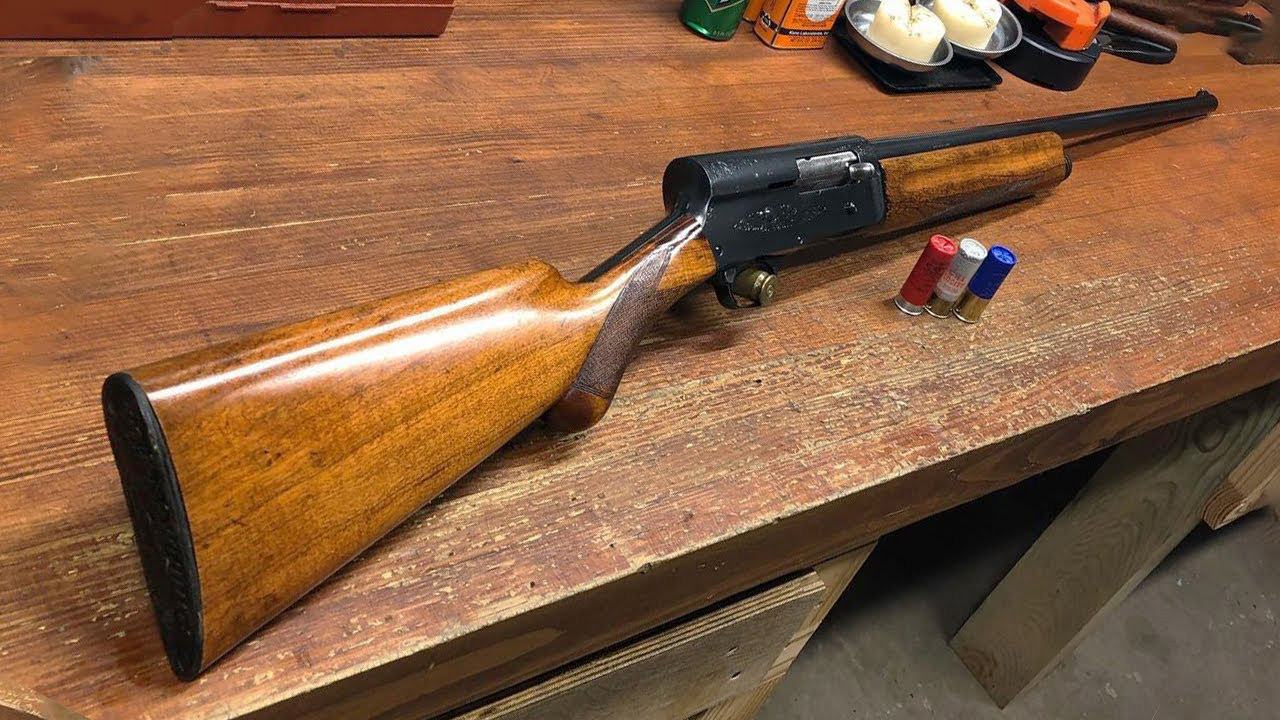
The humpback has been killing birds since before most of us were born. An Auto-5 feels like a piece of farm machinery in the best way—heavy, purposeful, and built around the idea that it’s going to be used. A lot of them lived hard lives and still cycle like they mean it.
They’re not light, and they’re not as soft shooting as some modern gas guns. But they point well, and they carry tradition without being fragile. You can see why a family kept one for generations.
15. Browning BPS
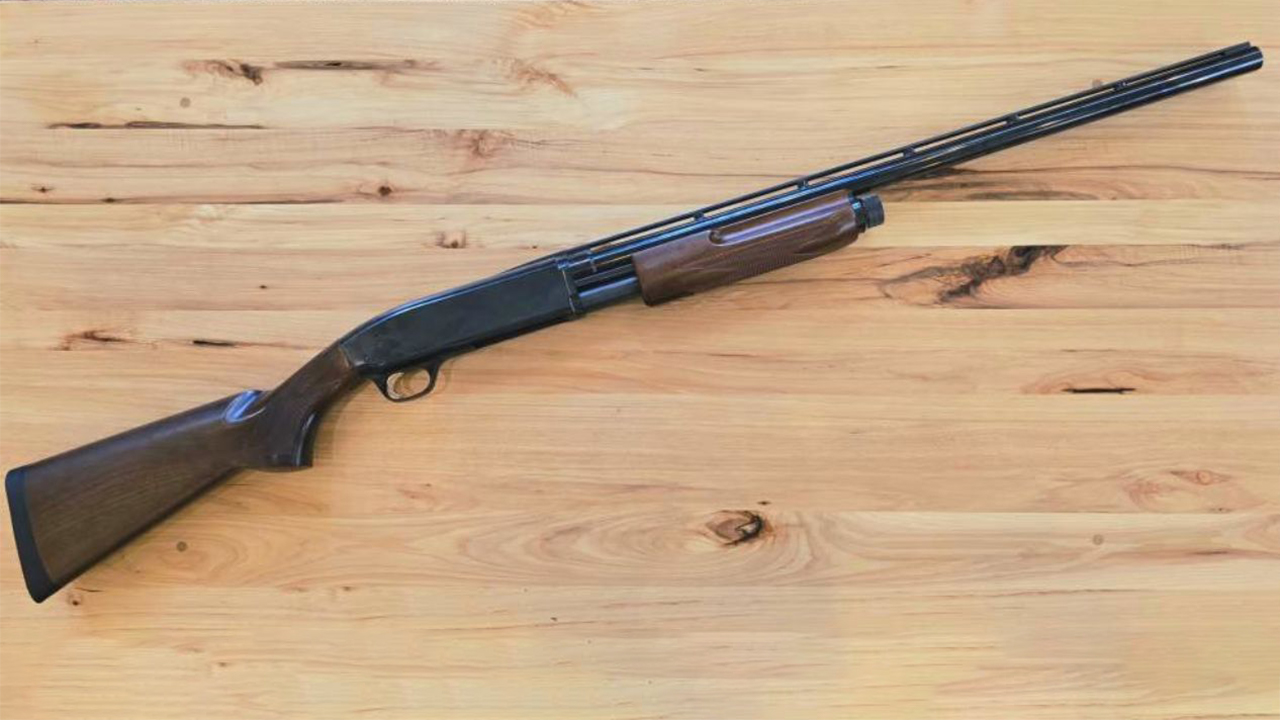
Bottom eject like the Ithaca, built like a tank like a Browning. The BPS is one of the most “kept forever” pump guns out there, partly because it feels solid and partly because it fits both lefties and righties without a bunch of drama.
They can be heavier than some folks want for all-day upland hunts, but that weight also tames recoil and makes them feel planted. In a rural household, that’s a fair trade.
16. Beretta 303
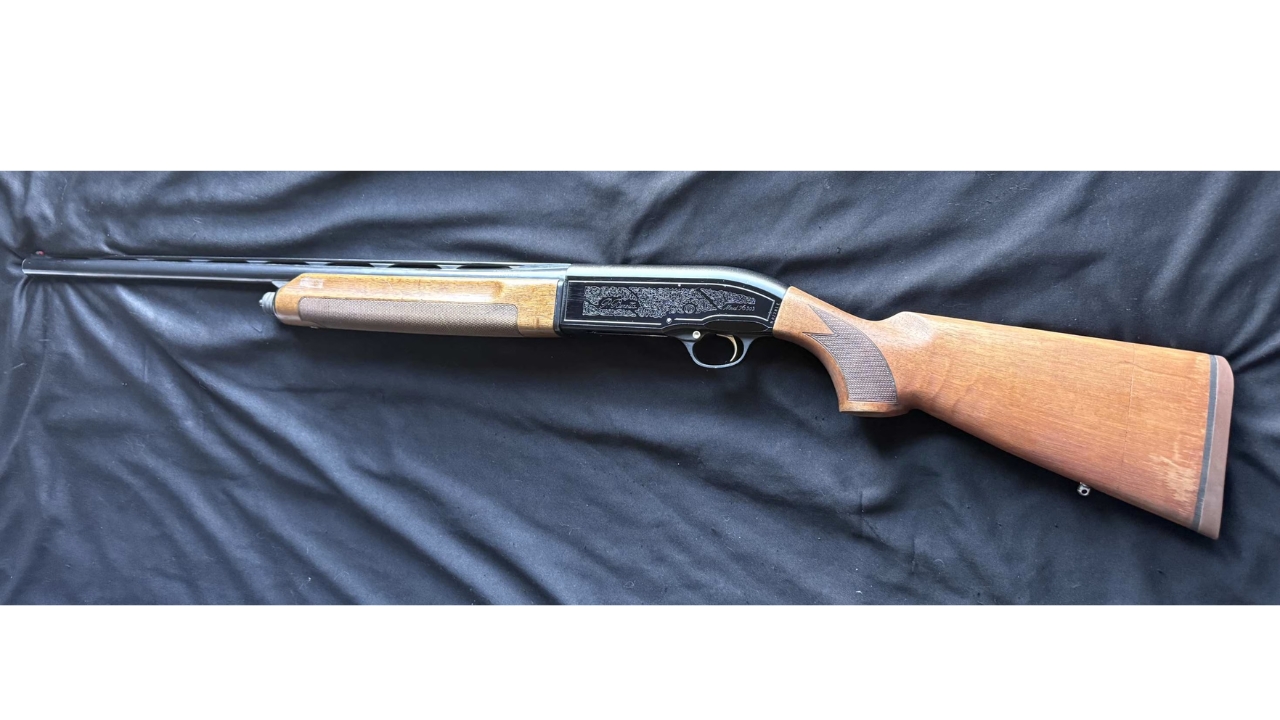
The 303 is one of those semi-autos that old bird hunters talk about with a quiet kind of respect. It’s not flashy, it’s not pretending to be a space gun, but it cycles well and swings smoothly. If you’ve got one that’s been maintained, it’s easy to see why they got passed around.
They’re getting older, so seals, springs, and general wear show up. Still, a 303 is a good example of “they figured it out a long time ago,” and modern buyers are finally catching on.
17. Benelli Super Black Eagle (early guns)
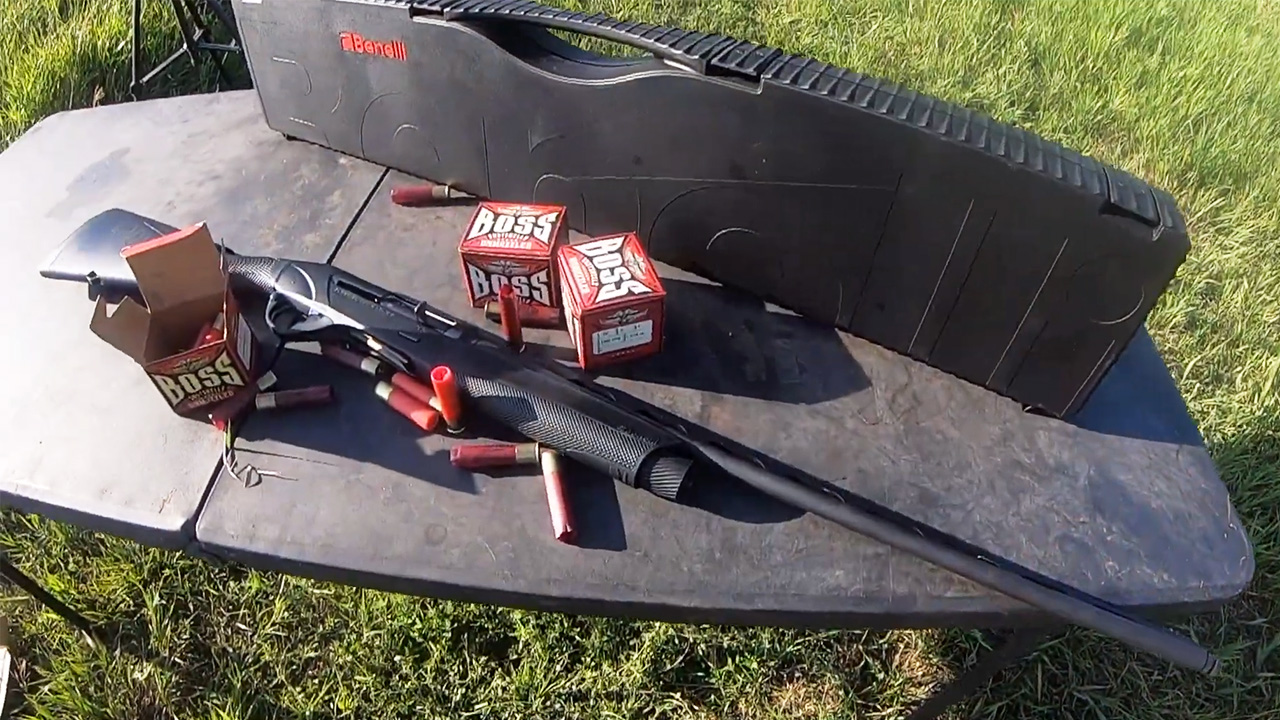
This one came in later than some of the true old-timers, but it’s been around long enough to earn “been in the family forever” status in a lot of waterfowl circles. Inertia guns made sense for folks who hunted in mud, cattails, and freezing rain.
They’re not the softest shooting guns on the planet, especially with heavy loads. But when it’s cold, wet, and miserable, simple cycling and easy cleaning matter more than comfort. That’s where these made their name.
18. Winchester Model 1400

The 1400 was a working man’s semi-auto for a long time. Not everybody loved them, and they’re not as “legendary” as the 1100 in the popular imagination, but they were common in rural homes because they were attainable.
Some have lived rough lives and can be finicky if neglected. But when you find one that’s been cared for, it’s a reminder that plenty of birds fell to guns that never got internet fame.
19. J.C. Higgins Model 20 (High Standard)
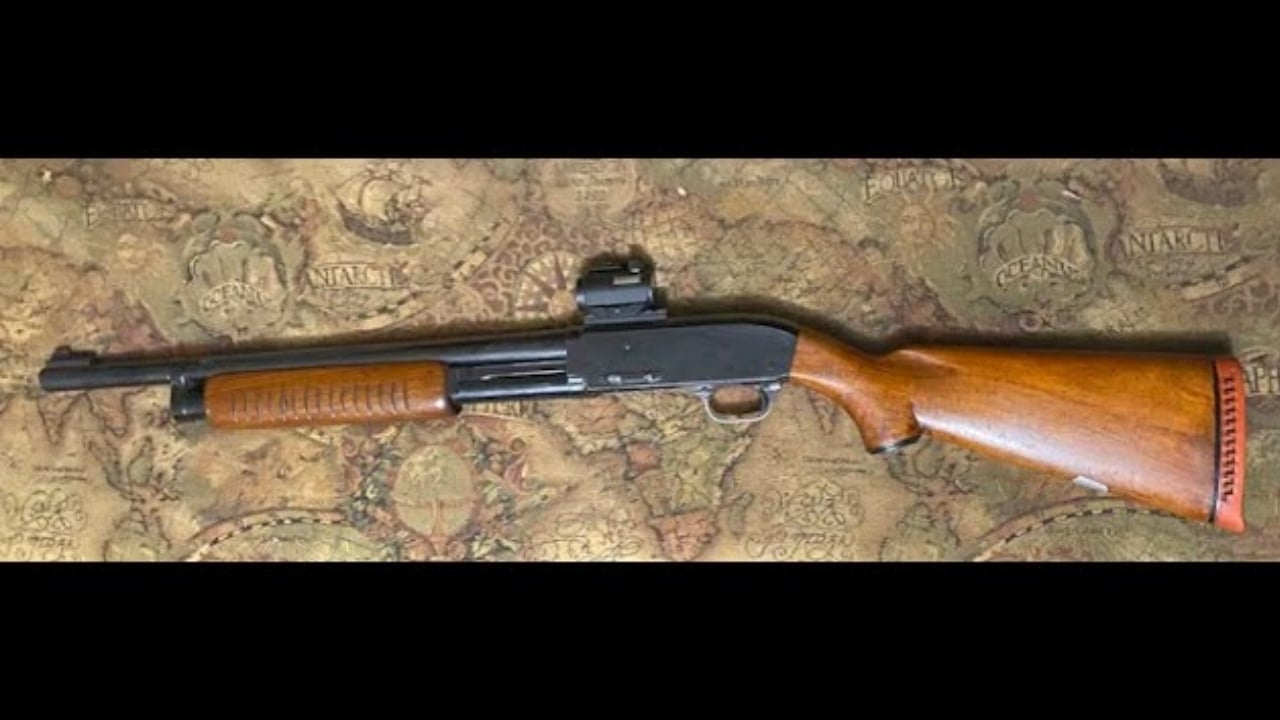
Sears-branded guns don’t get the respect they deserve, mostly because people hear “store brand” and assume “cheap.” The Model 20, built by High Standard, is a pump gun that did real work in real places. It wasn’t a safe queen, it was a tool.
Parts and specifics can take a little more hunting than with a Mossberg or Remington, but these guns have a following for a reason. They were better than the label suggested, and a lot of them are still out there proving it.
20. Marlin Model 55 “Goose Gun”
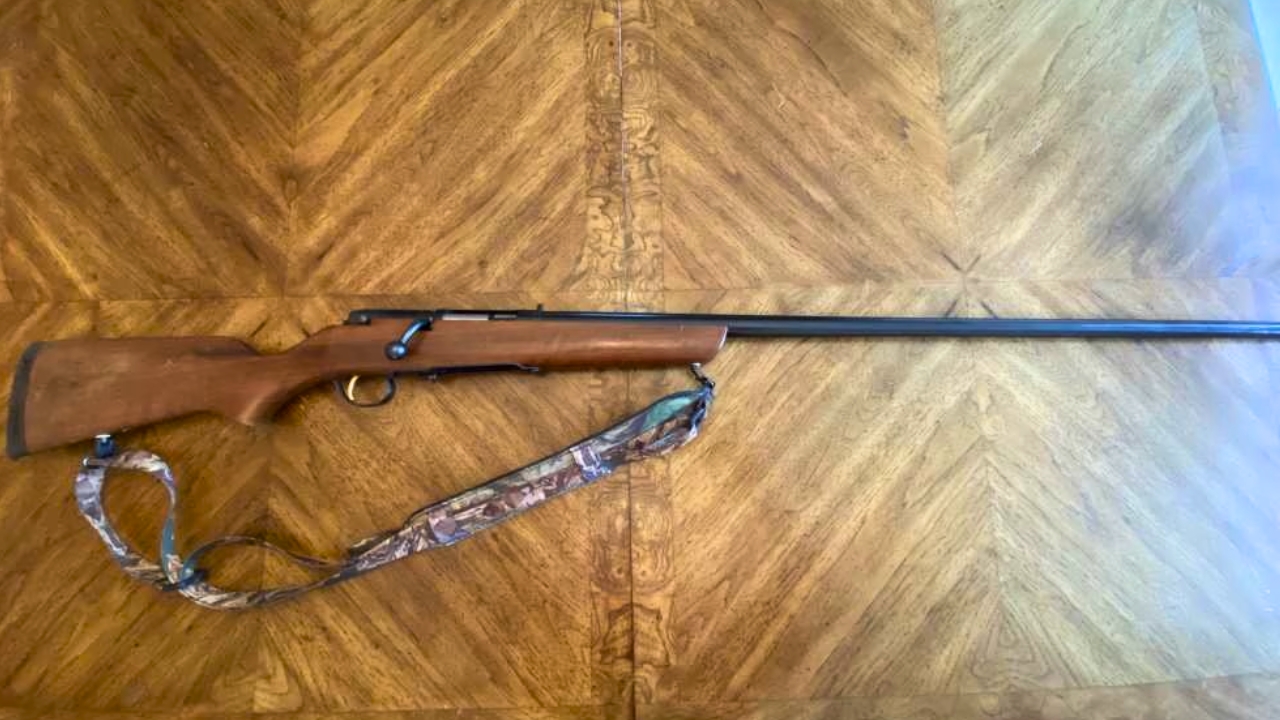
This is one of the most “rural practical” shotguns ever made, and it’s also one of the weirdest if you didn’t grow up around one. Long barrel, big presence, and made for reaching out on geese with the loads of the day. It wasn’t subtle.
They’re awkward in the brush and not what I’d call versatile, but that wasn’t the assignment. For a farm family that hunted big birds and wanted a dedicated scattergun, the Model 55 filled a niche for decades before collectors started acting like they discovered it.
None of these shotguns were famous because they needed to be. They were common because they worked, because you could afford them, and because they fit the reality of rural life—mud, weather, chores, and hunting seasons that show up whether your gear is trendy or not. If you’ve got one sitting in the back of the safe, maybe don’t be too quick to trade it off for something “new.” Sometimes the best shotgun you’ll ever own is the boring one that never quit.
Like The Avid Outdoorsman’s content? Subscribe to our newsletter so you never miss an article.
Here’s more from us: