Photo credit: Olde English Outfitters/YouTube
The worst way to buy your first pistol is to walk into a store, pick the one that looks best, and assume it will work for you. Handguns can feel completely different once you start shooting them, and a pistol that fits one person perfectly may feel awkward or overly snappy to someone else.
That is why new shooters should try several different designs before buying anything. You want to experience a full-size pistol, a compact, a metal frame, a polymer frame, a hammer-fired gun, a striker-fired gun, and at least one soft-shooting rimfire. These 20 pistols give beginners a much better idea of what they actually shoot well before they spend their money.
Beretta 92FS

The 92FS is a great place for a new shooter to start because it shows just how soft and stable a full-size 9mm can feel. The large frame and substantial weight soak up recoil, while the long sight radius makes it easier to keep the front sight steady.
It also introduces shooters to a traditional double-action and single-action trigger system. That is valuable because it lets you experience a very different trigger feel from a striker-fired pistol. Even if you do not end up buying one, the 92FS gives you a useful baseline for what a full-size metal handgun feels like.
Glock 17
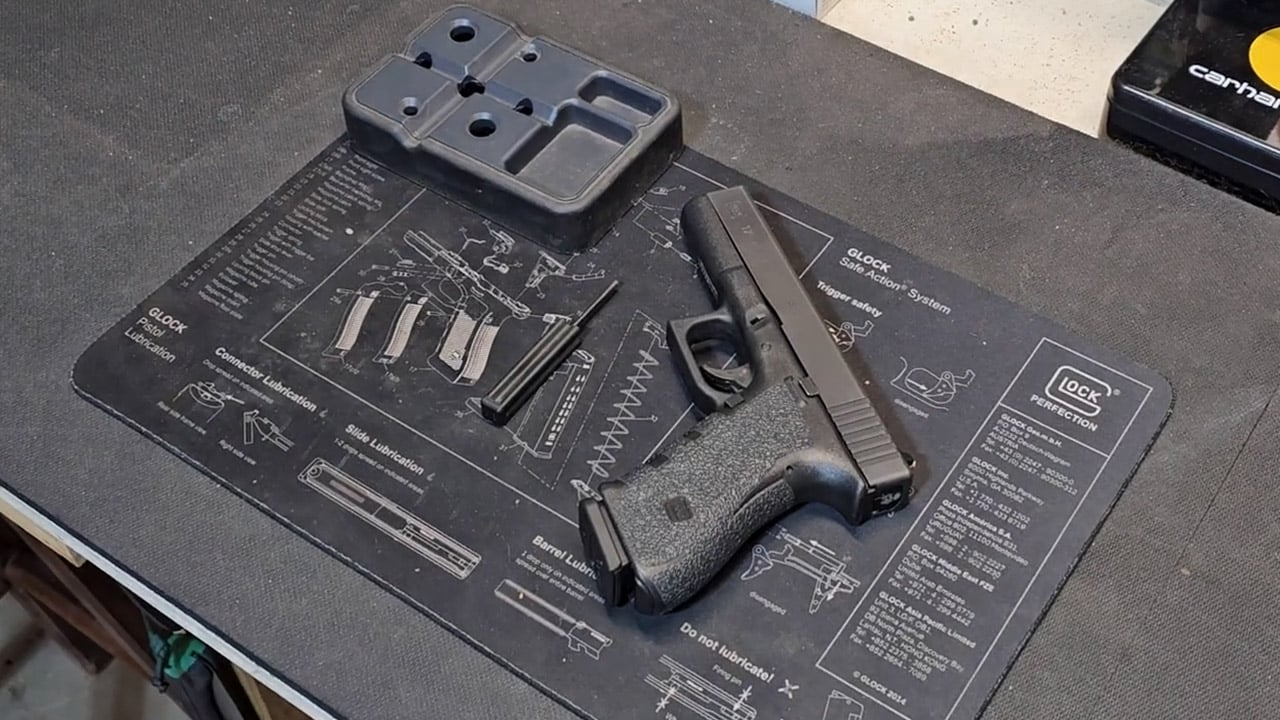
The Glock 17 is worth trying simply because so many other pistols are compared to it. The grip angle, trigger, controls, and overall feel are all straightforward, and the gun has become something of a benchmark for modern striker-fired pistols.
New shooters may love the simplicity or immediately decide the grip does not work for them. Either way, that is useful information. Trying a Glock early makes it easier to understand what you like or dislike about the dozens of similar polymer pistols on the market.
CZ 75 B
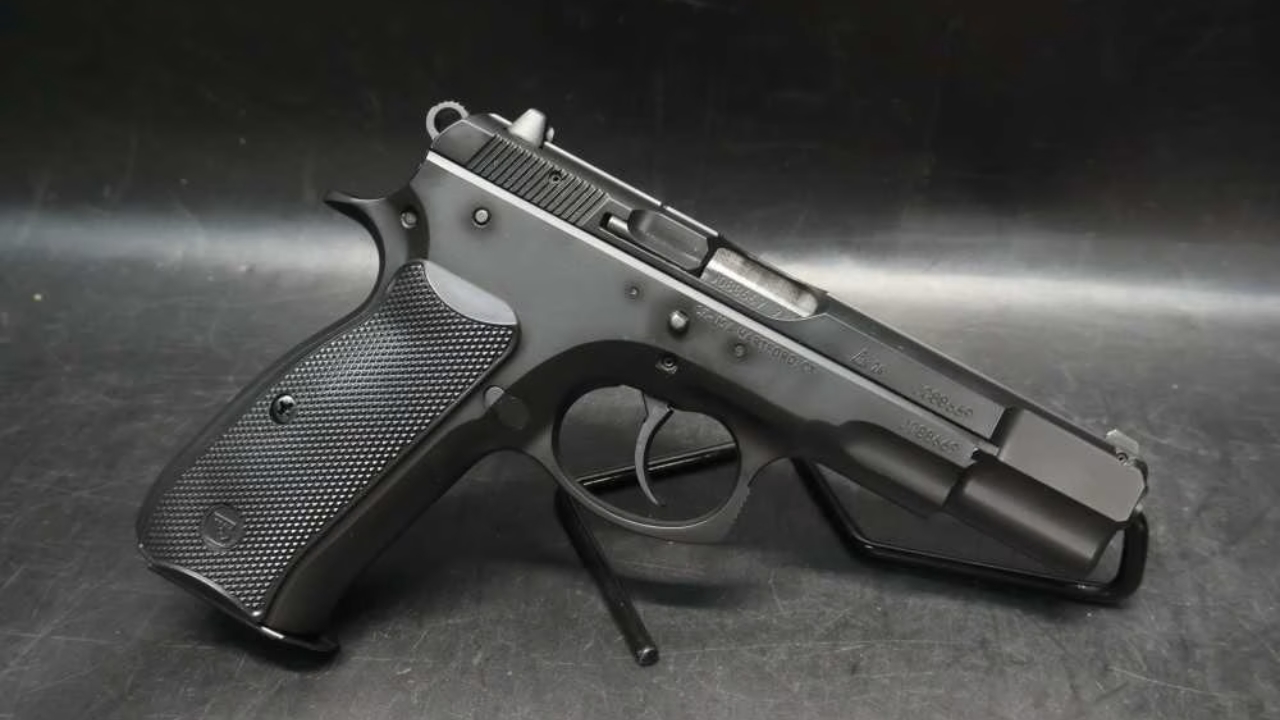
The CZ 75 B gives new shooters a very different experience from lightweight polymer guns. The steel frame adds weight, the grip shape is extremely natural, and the low slide helps keep recoil under control.
The single-action trigger is especially easy to shoot well. A beginner who struggles with smaller pistols may suddenly discover that they are capable of much better groups than they expected. It is an excellent gun for learning how much frame weight and grip geometry can change the shooting experience.
Walther PDP Compact
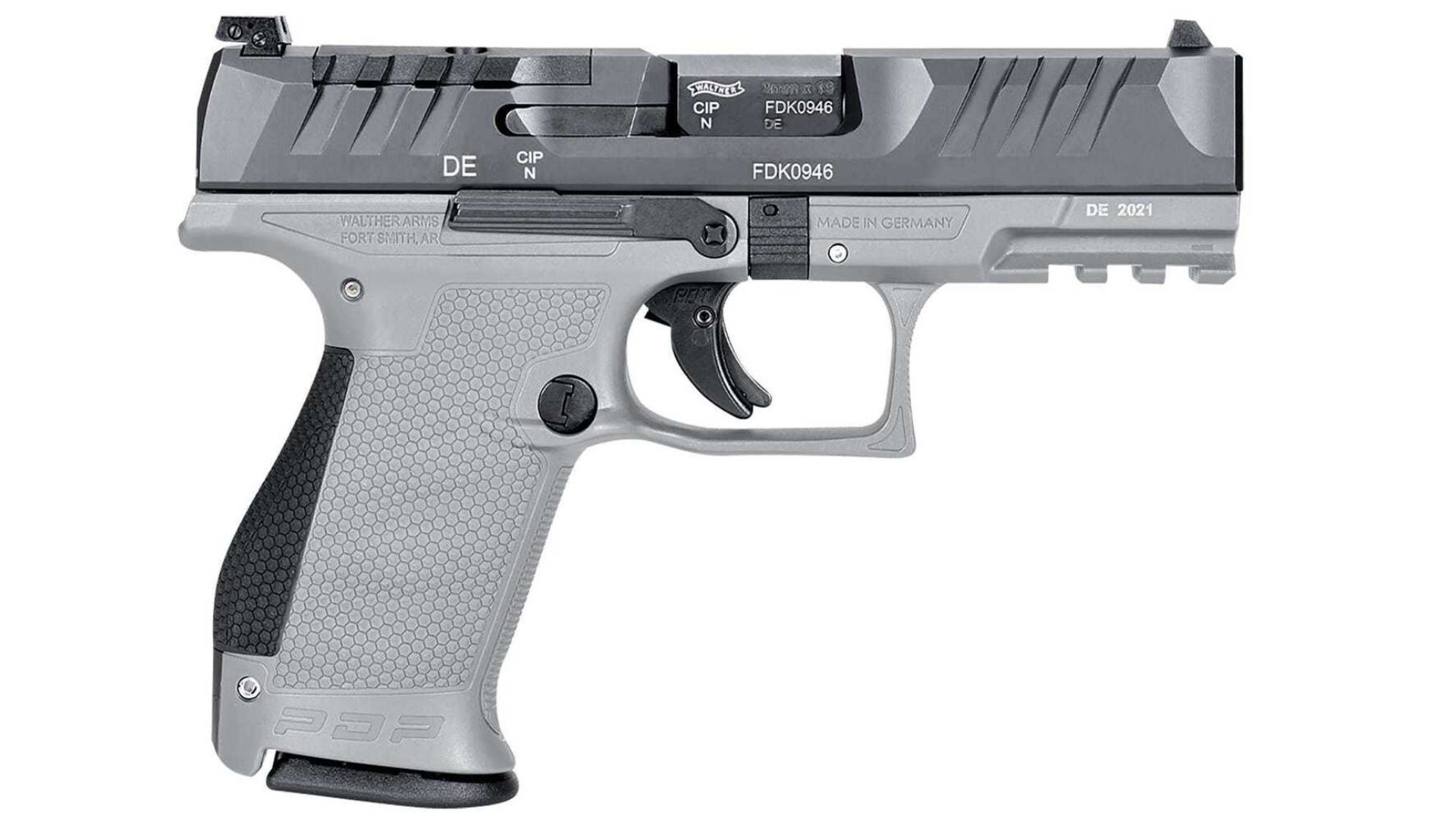
The PDP Compact is worth trying because it combines modern striker-fired simplicity with one of the better factory triggers in its class. The grip texture is strong, the ergonomics are comfortable, and the controls are easy to understand.
It also gives beginners a good sense of whether they prefer a compact pistol that still fills the hand. If you like the PDP but want something smaller or larger later, you already have a useful reference point for trigger quality and grip feel.
Ruger Mark IV Target

Every new shooter should try a good .22 LR pistol, and the Mark IV Target is one of the best choices. The recoil is almost nonexistent, the sights are easy to use, and the heavy barrel keeps the gun extremely stable.
That lets beginners focus on trigger control and sight alignment without fighting noise or muzzle rise. If someone is struggling with a centerfire pistol, the Mark IV can quickly show whether the problem is technique or simply being overwhelmed by recoil.
Smith & Wesson M&P9 M2.0 Compact

The M&P9 M2.0 Compact is one of the better pistols for figuring out how different grip inserts affect comfort. Smith & Wesson includes multiple palm-swell options, which makes it easy to experiment with grip size.
The pistol also has a very natural grip angle and manageable recoil. New shooters can learn quickly whether they prefer a more aggressively textured grip and how much backstrap size matters to trigger reach.
SIG Sauer P226
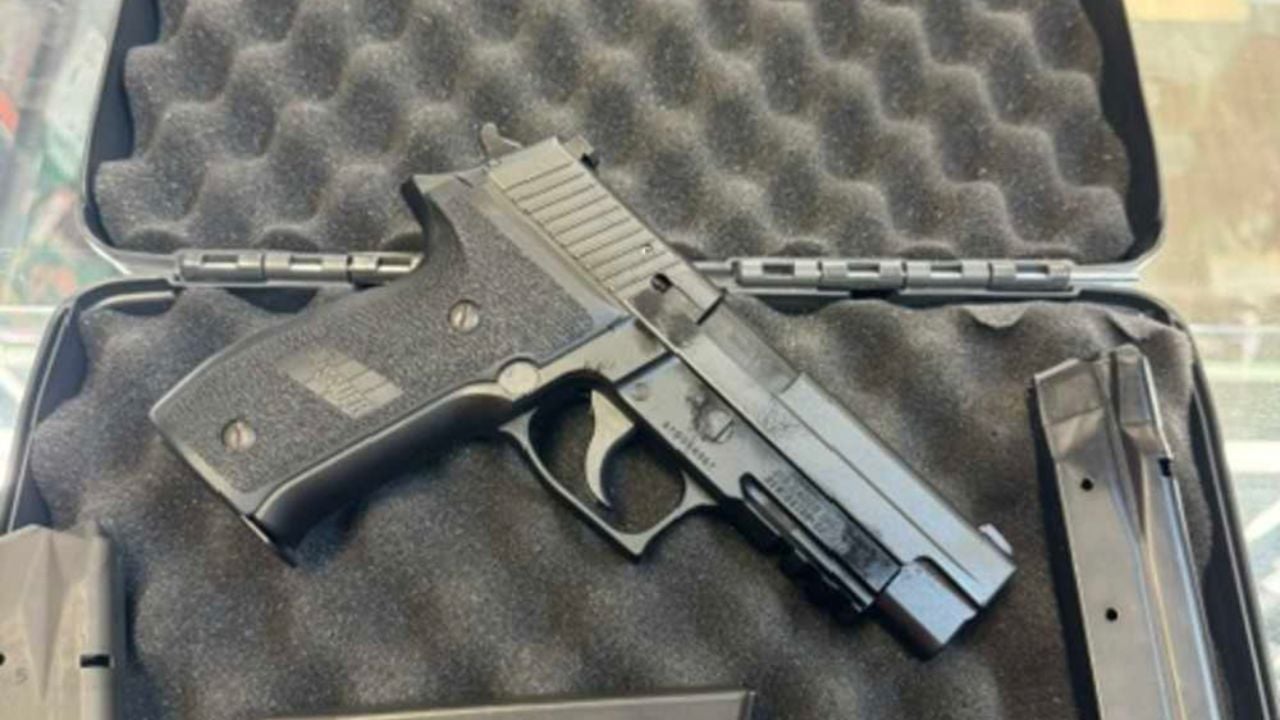
The P226 is another pistol new shooters should try before assuming they only want striker-fired guns. Its aluminum frame gives it excellent balance, while the DA/SA trigger system forces the shooter to experience two very different trigger pulls.
That might sound complicated, but it is useful. Some shooters immediately love the smooth double-action system and crisp single-action follow-up. Others prefer the consistency of a striker trigger. Better to learn that at the range than after buying.
Browning Buck Mark
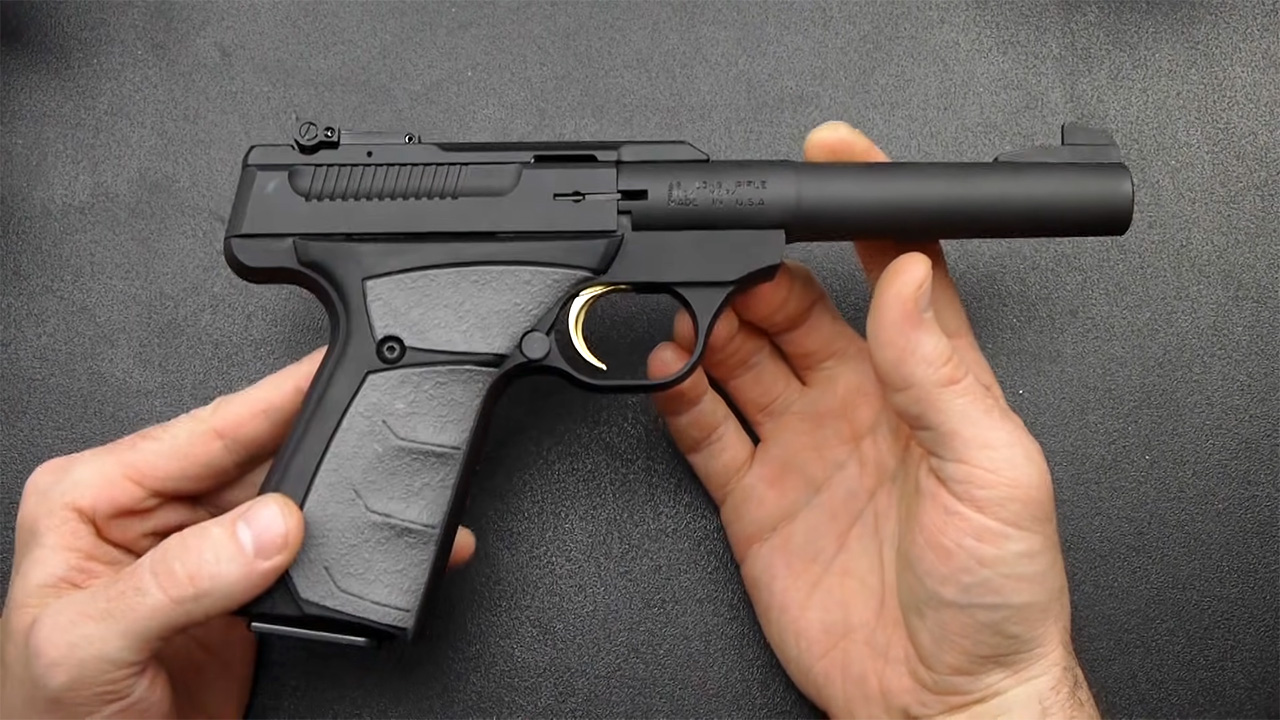
The Buck Mark is another outstanding rimfire option because it feels more like a serious target pistol than a lightweight plinker. The grip is comfortable, the trigger is clean, and recoil is nearly nonexistent.
It is especially good for teaching beginners how much easier accurate shooting becomes when they are not anticipating recoil. Once they can shoot the Buck Mark well, moving back to a centerfire pistol becomes much easier.
Heckler & Koch VP9

The VP9 is one of the best pistols for teaching a new shooter how much grip fit matters. The interchangeable side panels and backstraps allow far more adjustment than most pistols.
That makes it easy to configure the grip for smaller or larger hands. If a beginner has struggled to reach the trigger comfortably on other guns, the VP9 can be a revelation. It is also soft shooting and has a clean striker-fired trigger.
Beretta 80X Cheetah
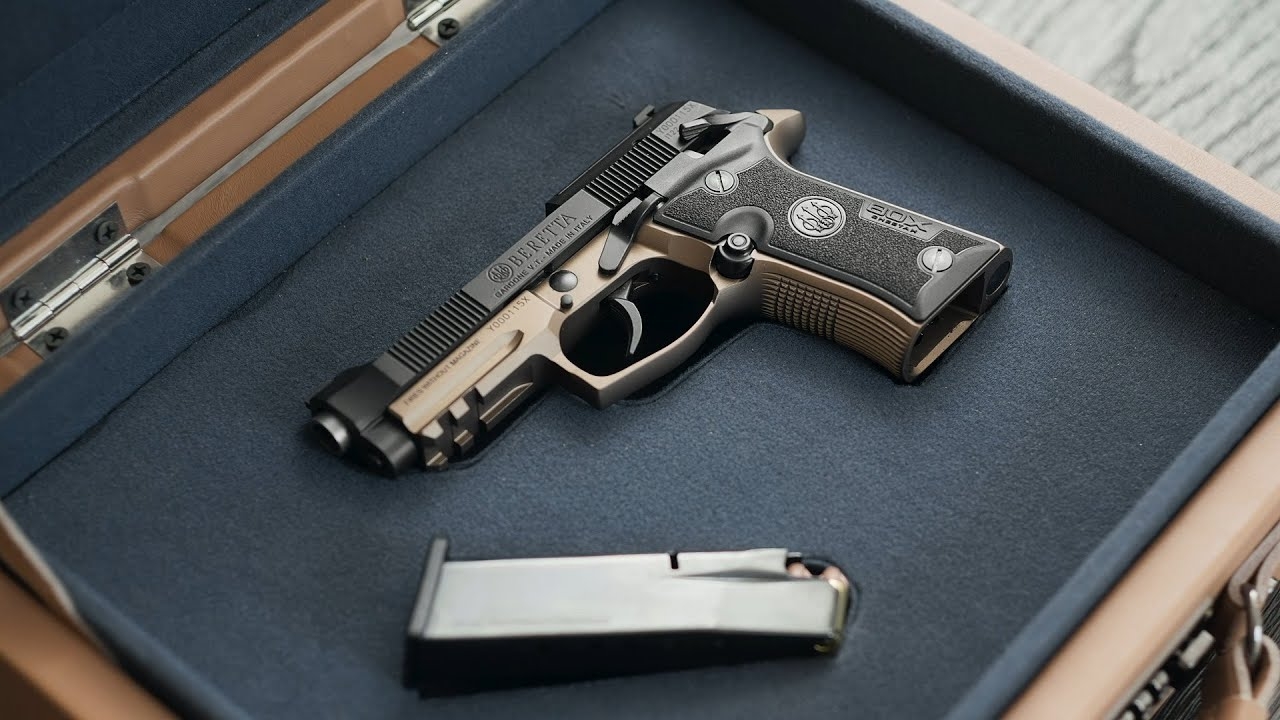
The 80X Cheetah gives new shooters a softer centerfire option without dropping all the way to .22 LR. The .380 ACP chambering, metal frame, and substantial grip make recoil very manageable.
It also introduces a hammer-fired trigger system in a smaller package. For shooters who find compact 9mms too sharp but still want something suitable for defensive use, the Cheetah is worth trying before giving up on smaller pistols.
Canik SFx Rival
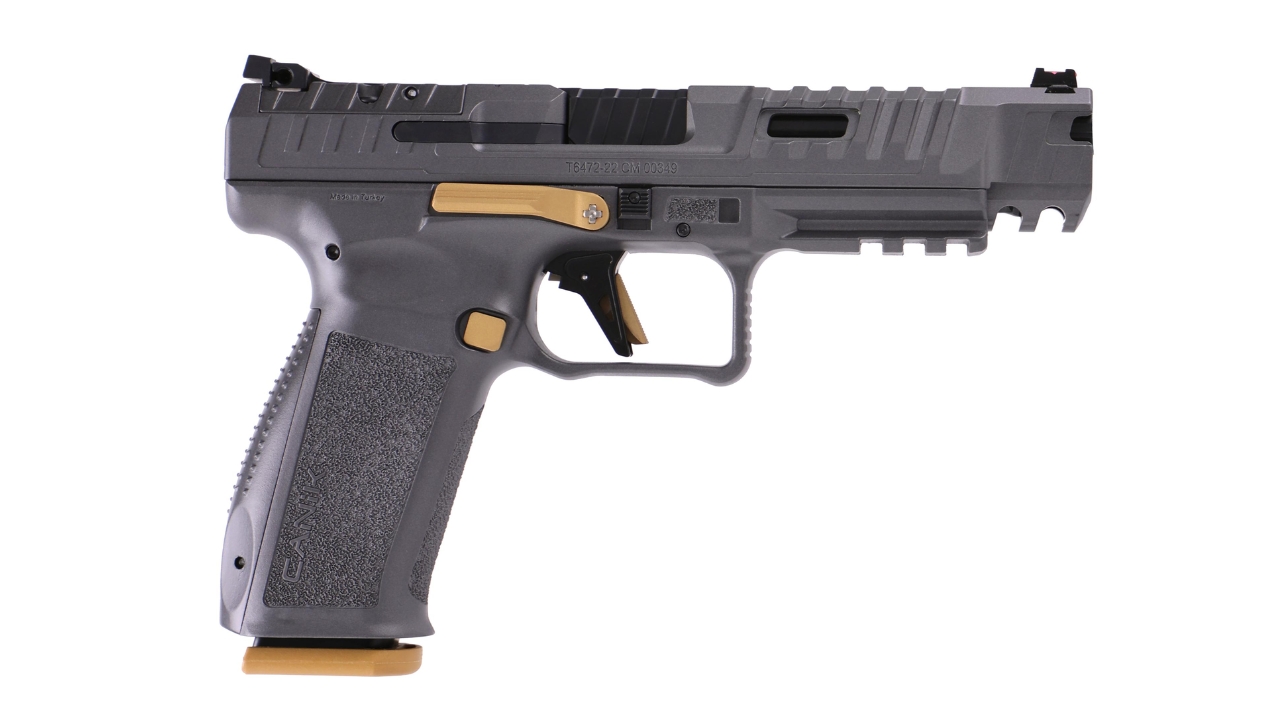
The SFx Rival is useful for beginners because it shows what a good trigger and long sight radius can do. The pistol is large, easy to hold steady, and extremely forgiving under recoil.
A new shooter can often shoot one far better than a small defensive pistol. That experience can help them understand the tradeoff between concealability and shootability before buying something tiny simply because it is easier to carry.
Springfield Armory Echelon
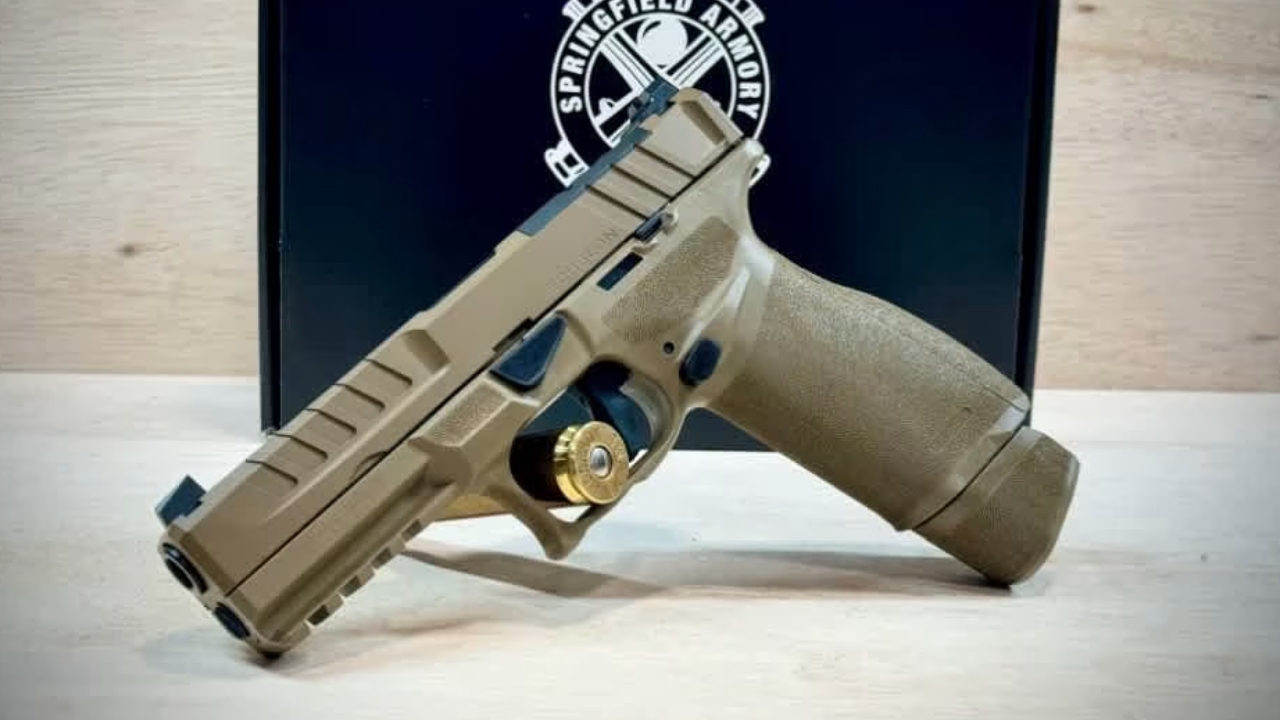
The Echelon is a strong modern option because the grip shape is neutral, the controls are easy to reach, and the recoil impulse is predictable.
It is a good pistol for someone who wants to experience a newer modular striker-fired design without jumping immediately into micro-compact territory. Beginners can focus on basic shooting rather than fighting strange ergonomics or overly small controls.
Ruger Security-380
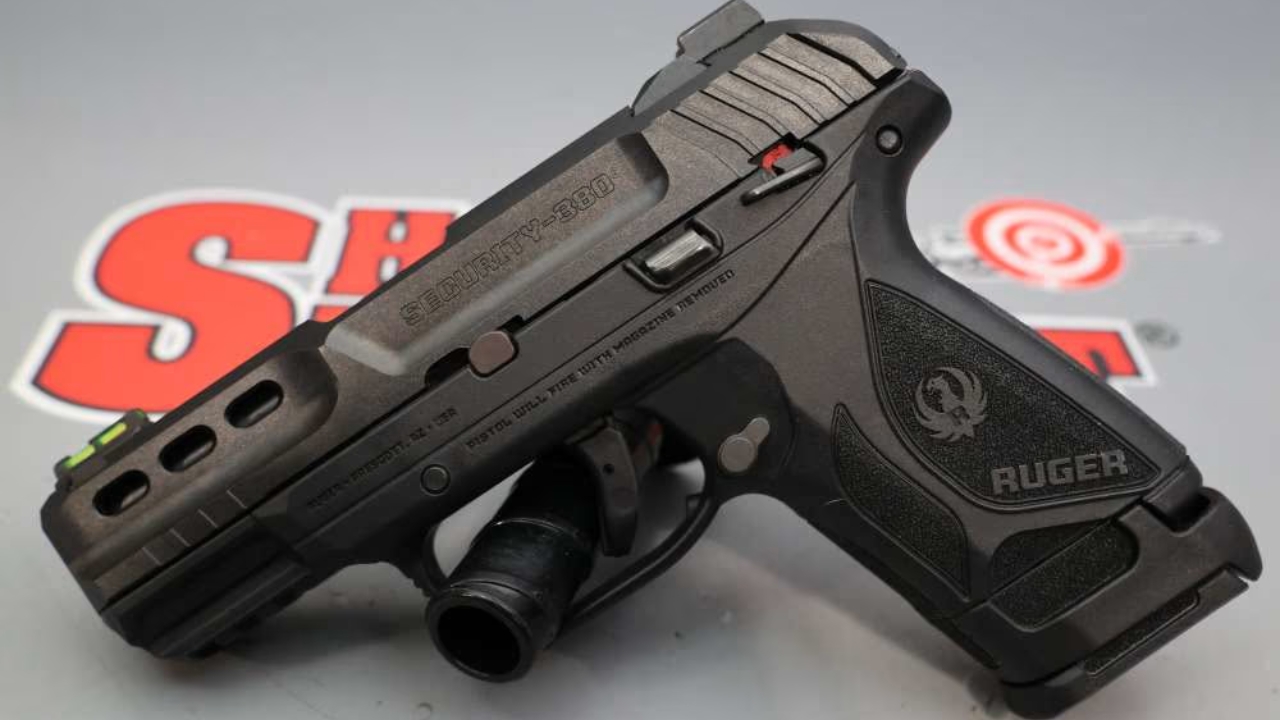
The Security-380 is especially useful for shooters who struggle with slide manipulation or recoil. The slide is easier to rack than many 9mm pistols, and the .380 chambering keeps recoil mild.
It is a great pistol to try before deciding that handguns are simply too difficult to operate. Many shooters who cannot comfortably manipulate a stiff compact 9mm find the Security-380 much easier to live with.
CZ P-07

The P-07 gives beginners another chance to experience a compact hammer-fired pistol without the weight of an all-steel frame. The grip is comfortable, recoil is manageable, and the DA/SA system is easy to learn.
It is especially useful for someone deciding between a traditional hammer gun and a striker-fired compact. Shooting both back to back makes the difference obvious very quickly.
Smith & Wesson Victory

The Victory is an excellent teaching pistol because it combines very low recoil with enough weight to stay completely stable during slow fire.
The trigger is clean, and the sights are easy to track. A beginner can focus on building good habits without the distractions that come with a small defensive pistol. It is also accurate enough to make improvement immediately visible on paper.
FN 509 Midsize
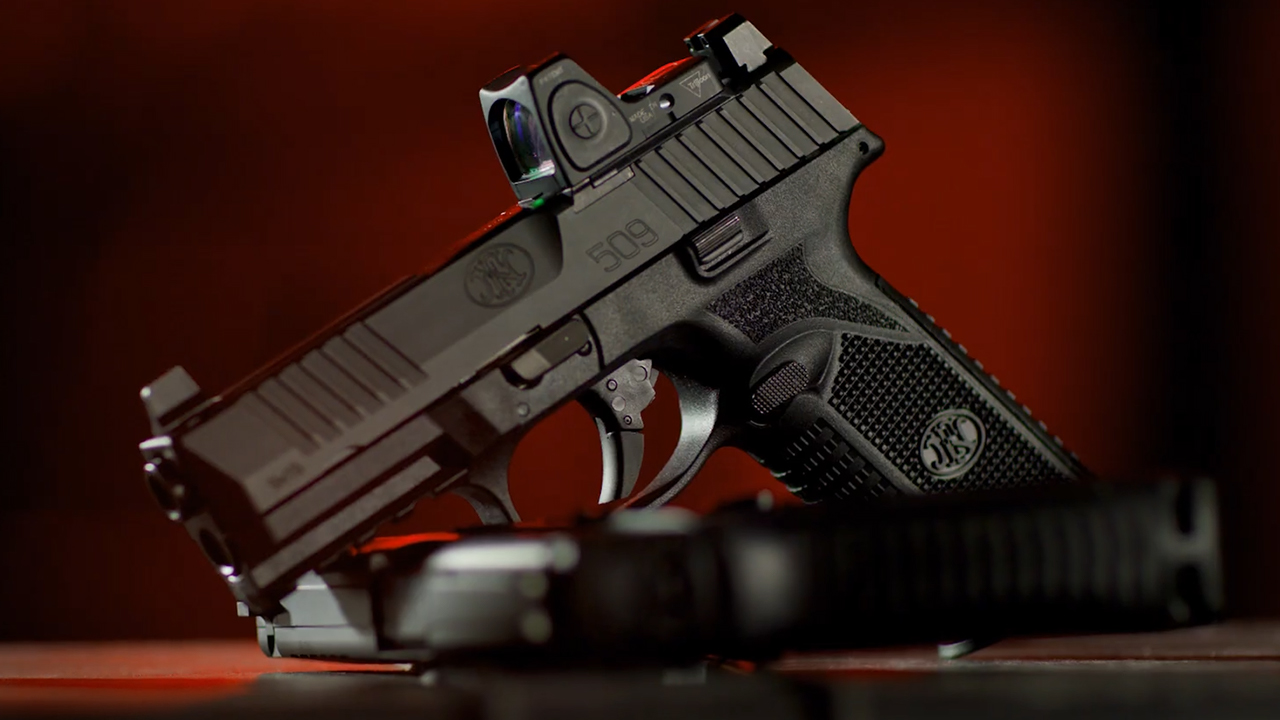
The 509 Midsize is useful because it sits between compact and full-size dimensions. That makes it a good test for shooters who are unsure how much grip length they really need.
The pistol has aggressive texture and solid recoil control. If a beginner likes the 509 Midsize, they may discover they do not need to go all the way down to a tiny carry gun to get something manageable.
SIG Sauer P365 XMacro

The XMacro is worth trying because it shows just how much better a modern thin carry gun can shoot compared with older micro-compacts. The longer grip gives the shooter more control, and the extra capacity does not make the gun excessively bulky.
It is still lighter and snappier than a full-size pistol, which is exactly why beginners should try it before buying one. They may decide the concealability is worth the tradeoff, or they may discover they shoot larger guns dramatically better.
Tisas 1911 Duty 9mm
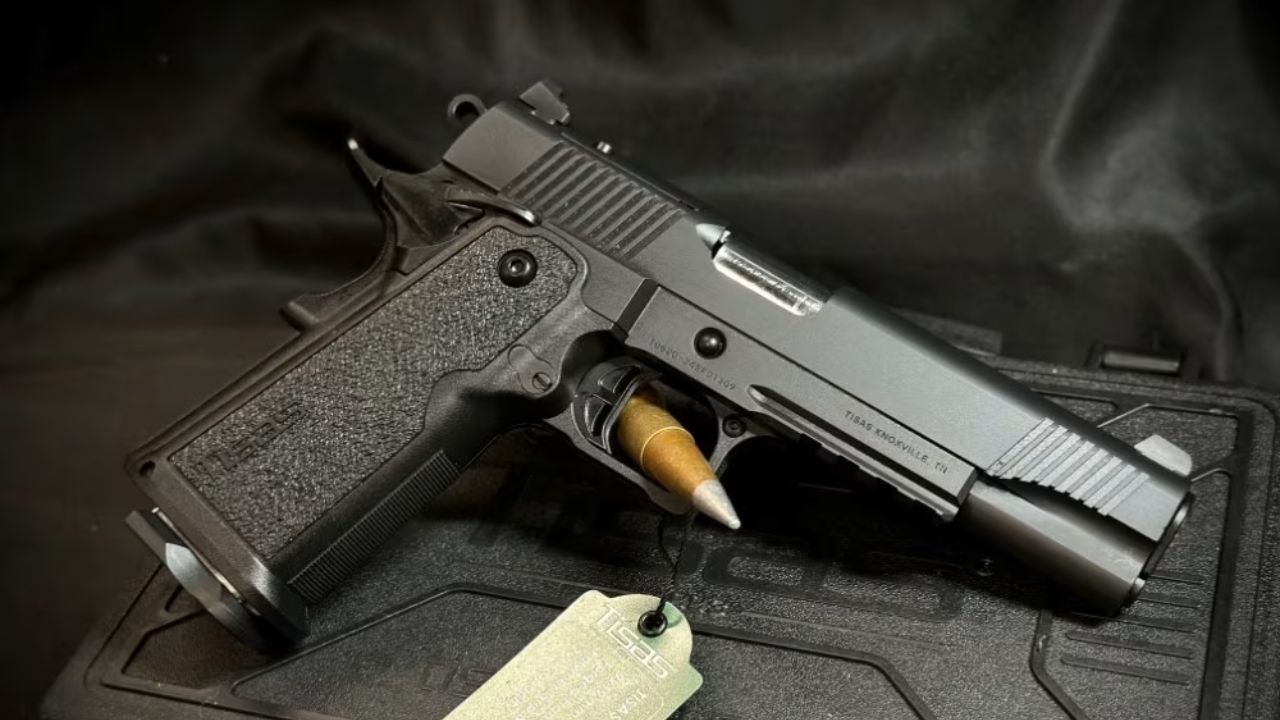
A 9mm 1911 is one of the easiest centerfire pistols for a beginner to shoot accurately. The steel frame absorbs recoil, the trigger moves straight to the rear, and the grip angle feels natural to many shooters.
Trying one also teaches beginners what a good single-action trigger feels like. They may not want to carry a 1911, but it gives them a valuable reference point for trigger quality and recoil control.
Taurus TX22
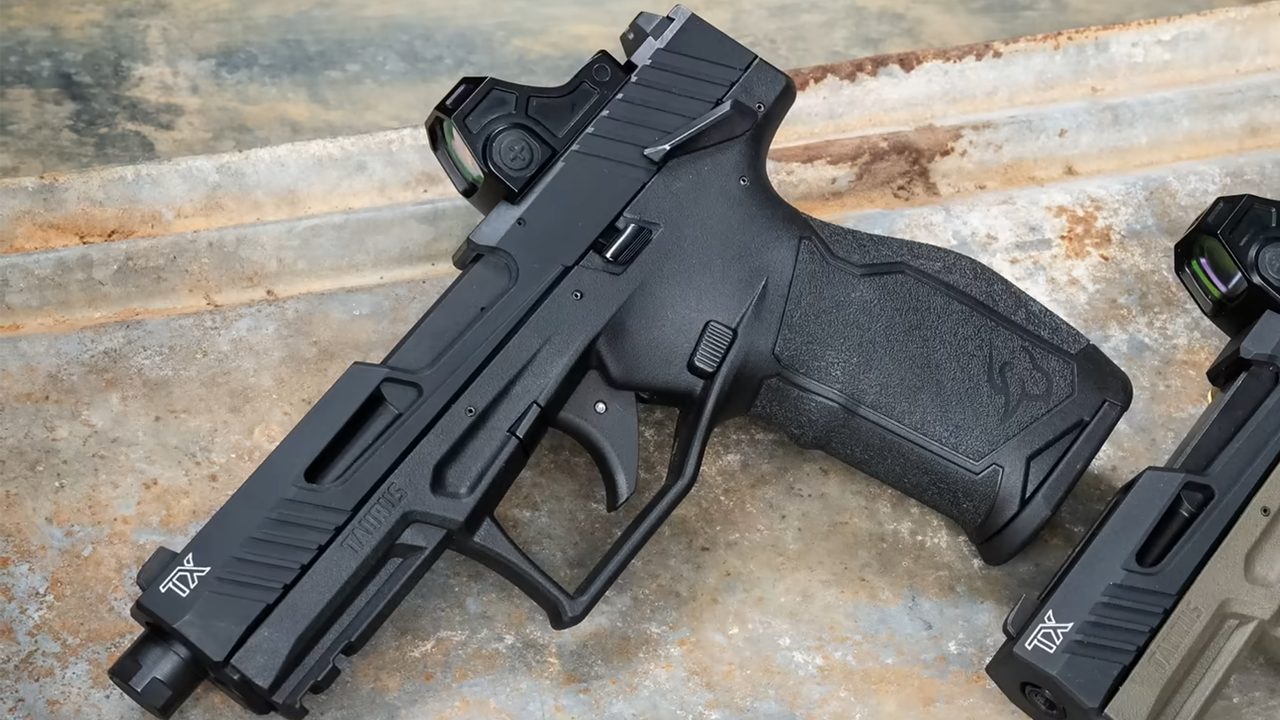
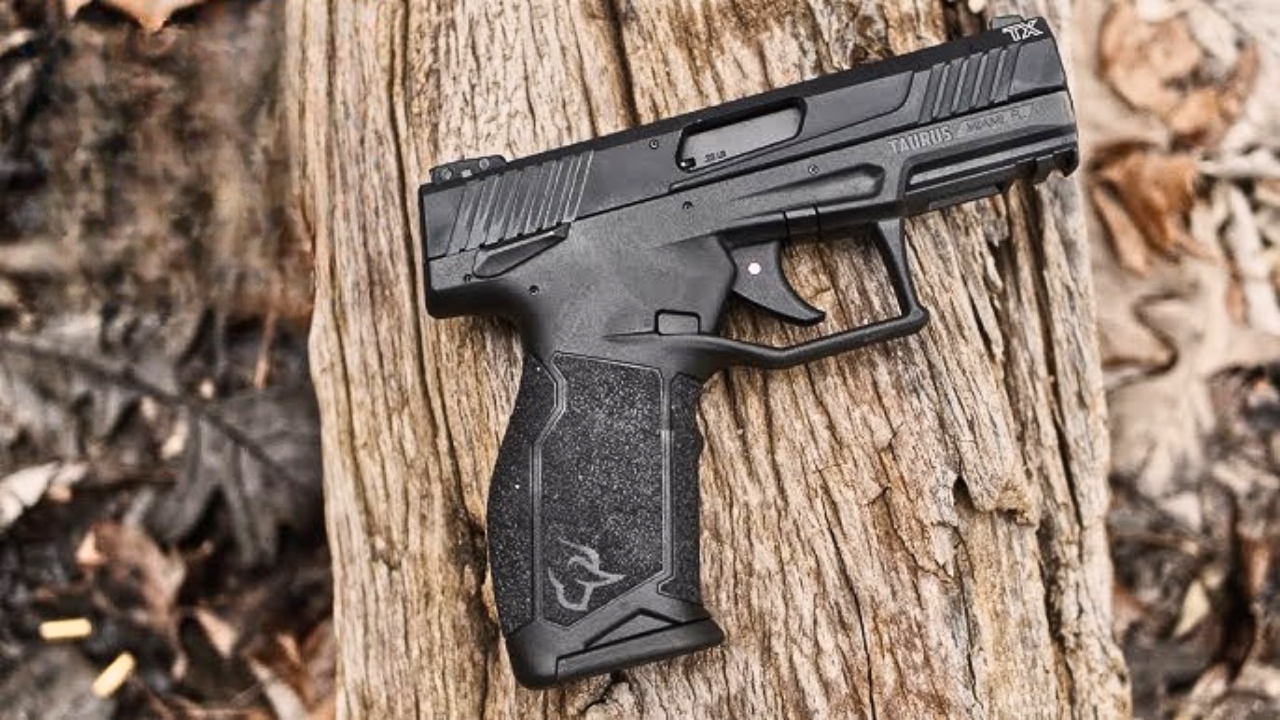
The TX22 is one of the easiest rimfire pistols for beginners to enjoy because it feels much more like a modern centerfire handgun than a traditional target pistol.
The grip, controls, and magazine capacity make it excellent for training. New shooters can practice reloads, trigger control, and sight tracking without dealing with significant recoil. It is a very useful bridge between rimfire practice and centerfire shooting.
Grand Power K100
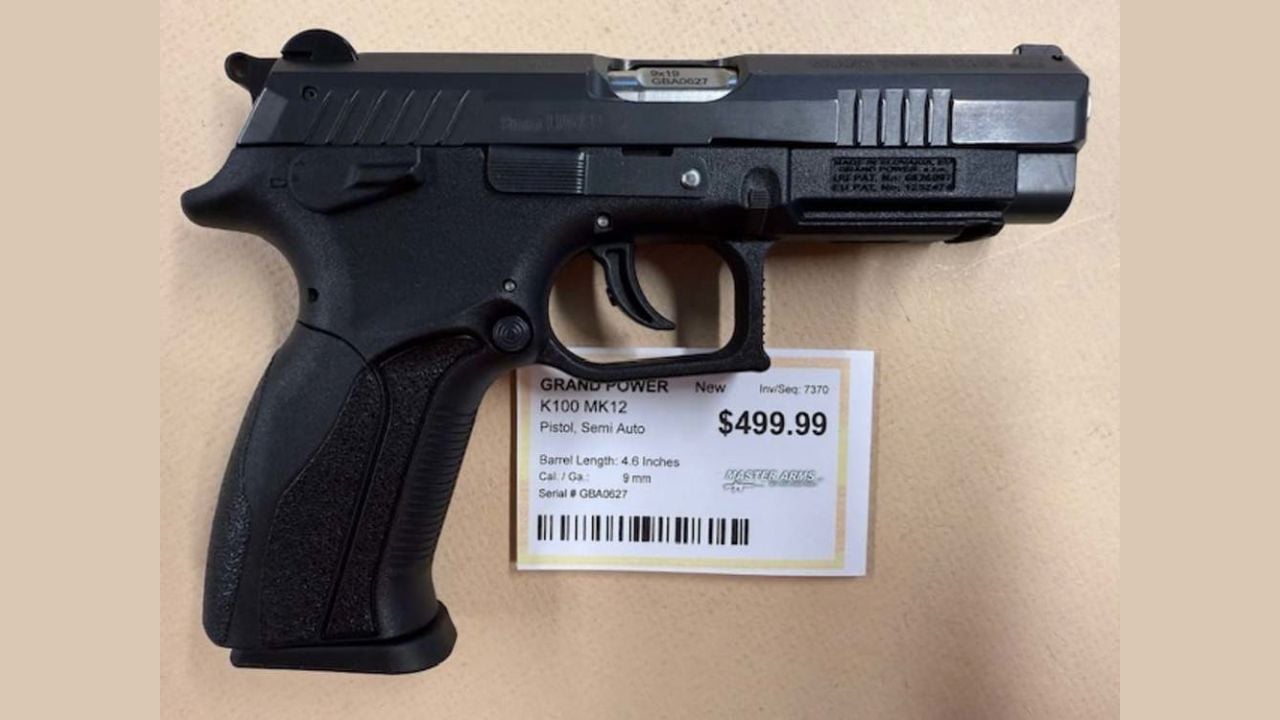
The K100 is worth trying because its rotating-barrel system gives it a recoil feel that is noticeably different from most conventional pistols. The gun stays flatter than many shooters expect, and the grip is comfortable.
It also gives beginners another hammer-fired option that is not simply a traditional metal service pistol. Trying something mechanically different can help a new shooter figure out whether they value recoil smoothness, trigger feel, or simplicity more than brand familiarity.
Like The Avid Outdoorsman’s content? Subscribe to our newsletter so you never miss an article.
Here’s more from us: