

Photo credit: Mat Larson/YouTube
Popularity can come from a lot of things besides quality. A famous name, aggressive marketing, military history, movie appearances, low price, or simply being everywhere on gun-store shelves can push a firearm into the spotlight even when the actual shooting experience is underwhelming.
That does not mean every popular gun is bad. It means popularity should not be confused with superiority. Some of the best-selling or most talked-about firearms have awkward ergonomics, mediocre triggers, questionable value, or compromises that owners do not notice until the honeymoon period wears off. These 20 guns prove that being popular does not automatically mean being good.
Taurus Judge
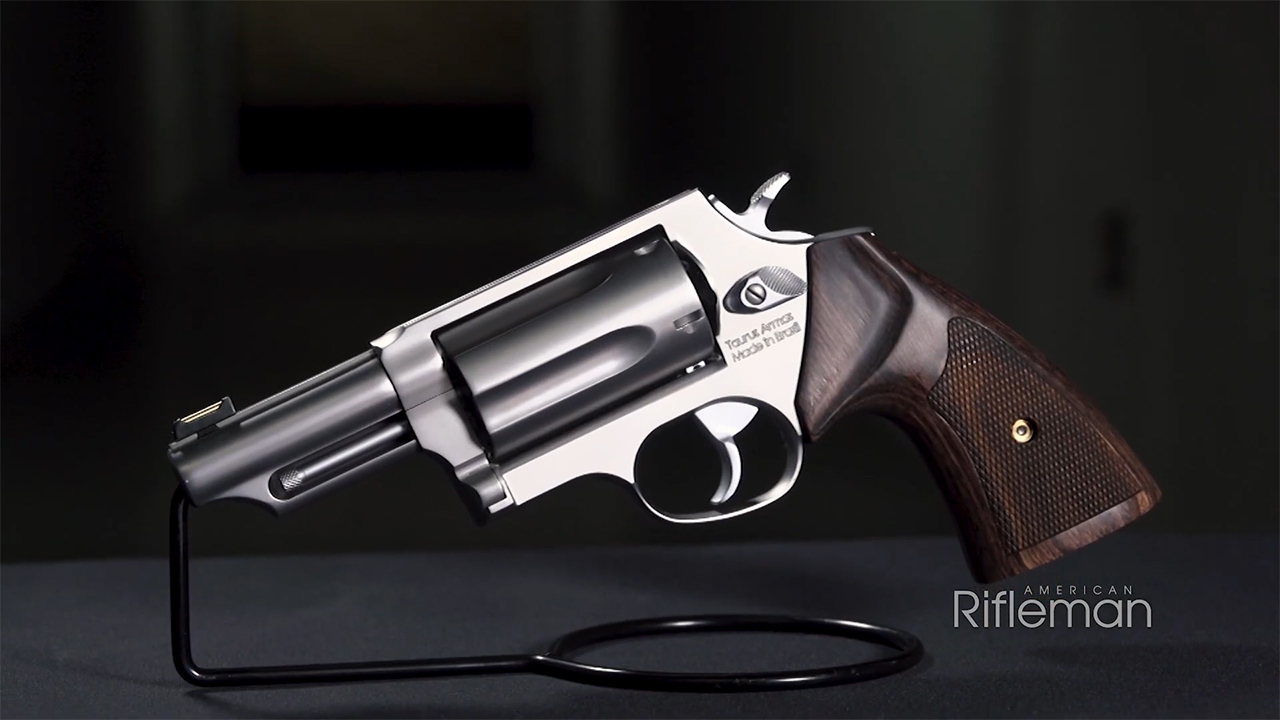
The Judge became a sensation because the idea was impossible to ignore. A revolver that could fire both .45 Colt and .410 shotshells sounded like the ultimate do-everything handgun, and Taurus marketed the concept extremely well.
The problem is that versatility on paper does not always translate cleanly to performance. The long cylinder makes the revolver bulky, .410 performance from a short barrel varies dramatically by load, and conventional revolvers often handle handgun ammunition better. The Judge is interesting, but its popularity has always been greater than its practical advantages.
Kimber Micro 9
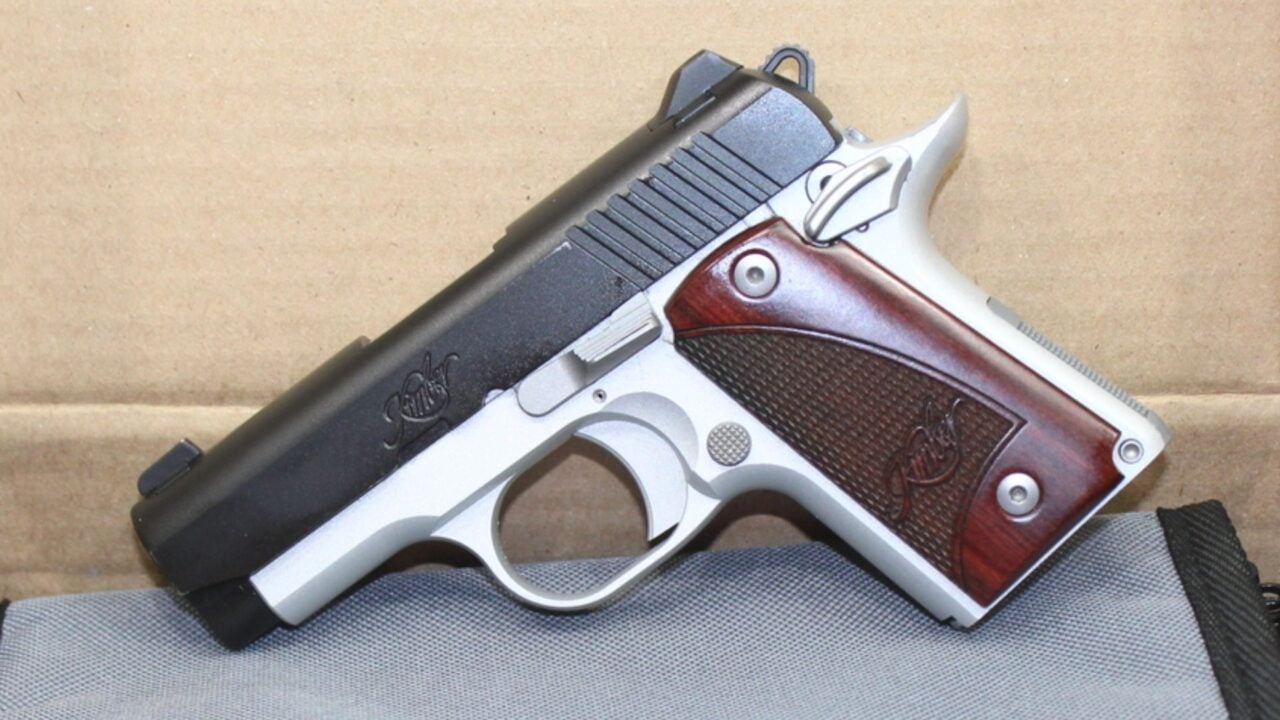
The Micro 9 became popular because it combined 1911-like styling with a compact 9mm package that looked premium and carried easily.
In practice, the short grip, light weight, and single-action system can make it less forgiving than new buyers expect. Recoil is sharper than on larger pistols, and the small controls are not ideal for everyone. It is attractive and compact, but there are easier small 9mms to shoot well.
Glock 43
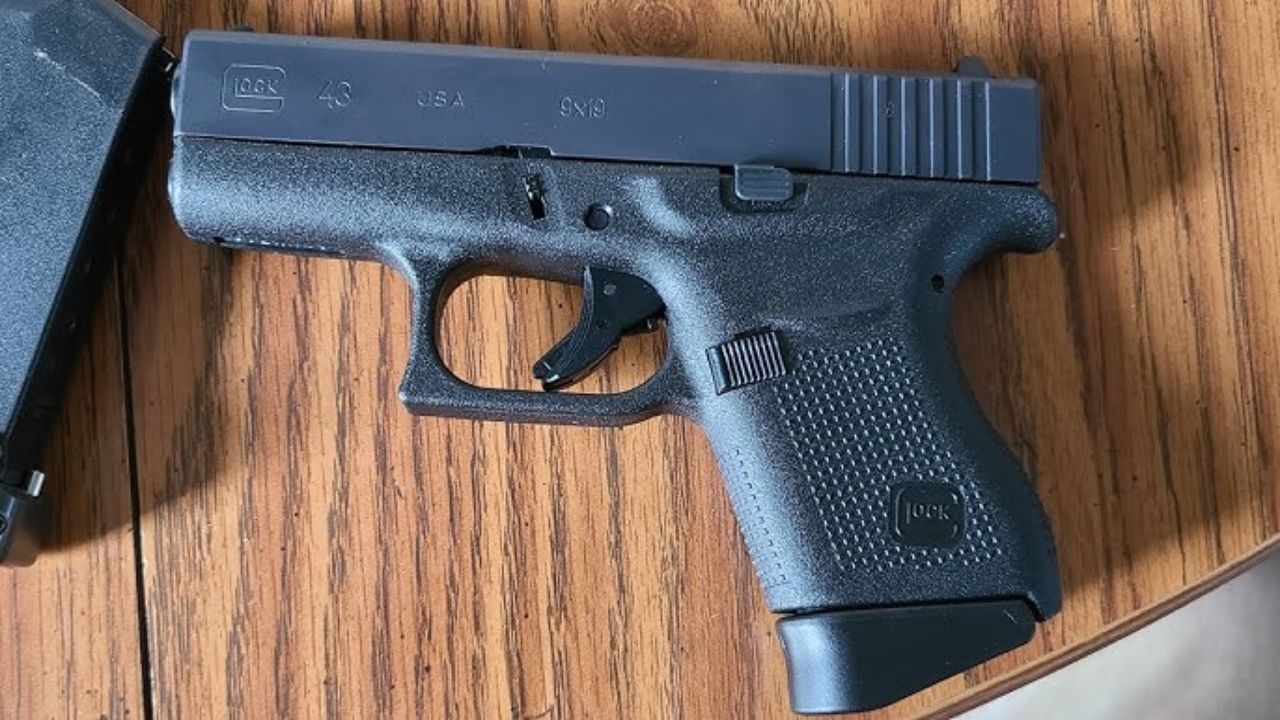
The Glock 43 arrived at exactly the right moment and immediately became one of the most talked-about single-stack carry pistols on the market.
The problem is that its six-round standard capacity feels dated compared with newer guns of similar size. The grip is short, the sights are basic, and the pistol can feel snappy. It still works, but popularity carried it much farther than the feature set alone would today.
KelTec Sub2000
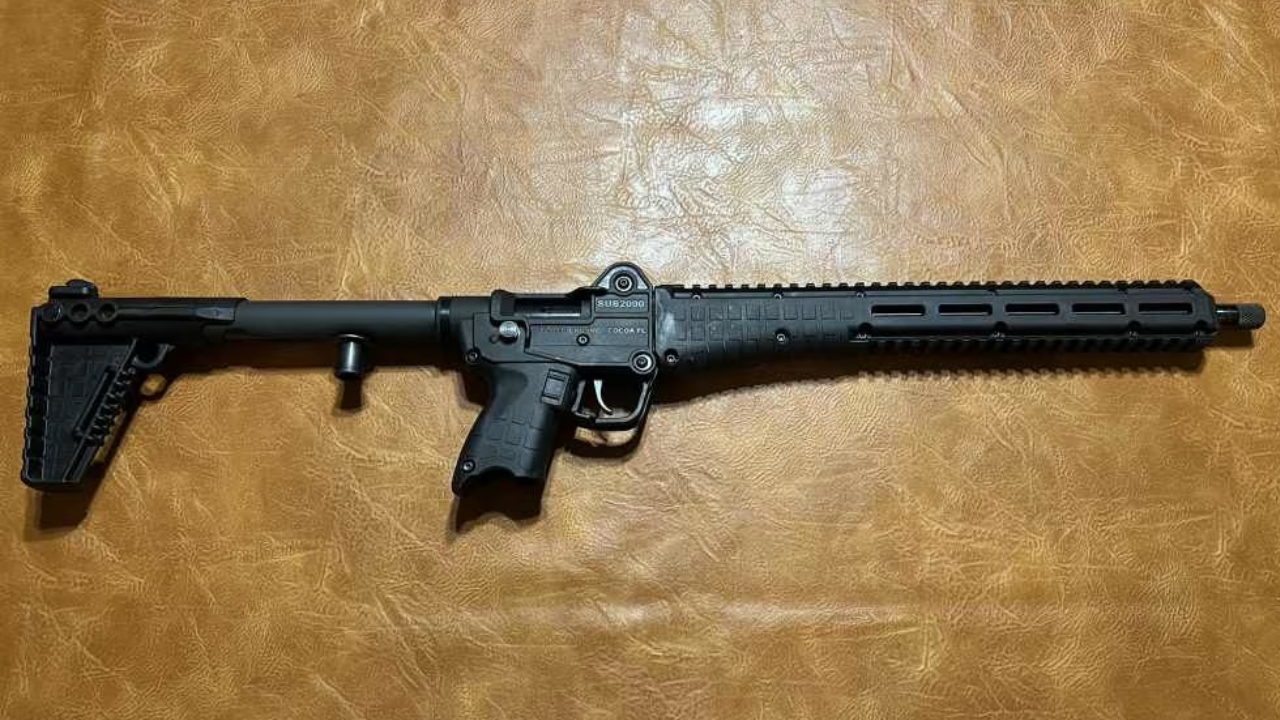
The Sub2000 sold well because the folding design is clever, the rifle is inexpensive, and it uses common pistol magazines.
Actually shooting one exposes the compromises. The cheek weld is awkward, the sights sit low, and optic mounting can interfere with the folding feature. It is one of those guns that seems brilliant until you realize the folding trick is doing most of the selling.
Remington R51

The R51 was heavily anticipated because it promised a slim, soft-shooting 9mm with an unusual action and low bore axis.
The rollout was disastrous, and the early reliability issues permanently damaged the model. Even revised versions never shook the reputation. The gun had a lot of attention, but attention is not the same as execution.
Mossberg Shockwave
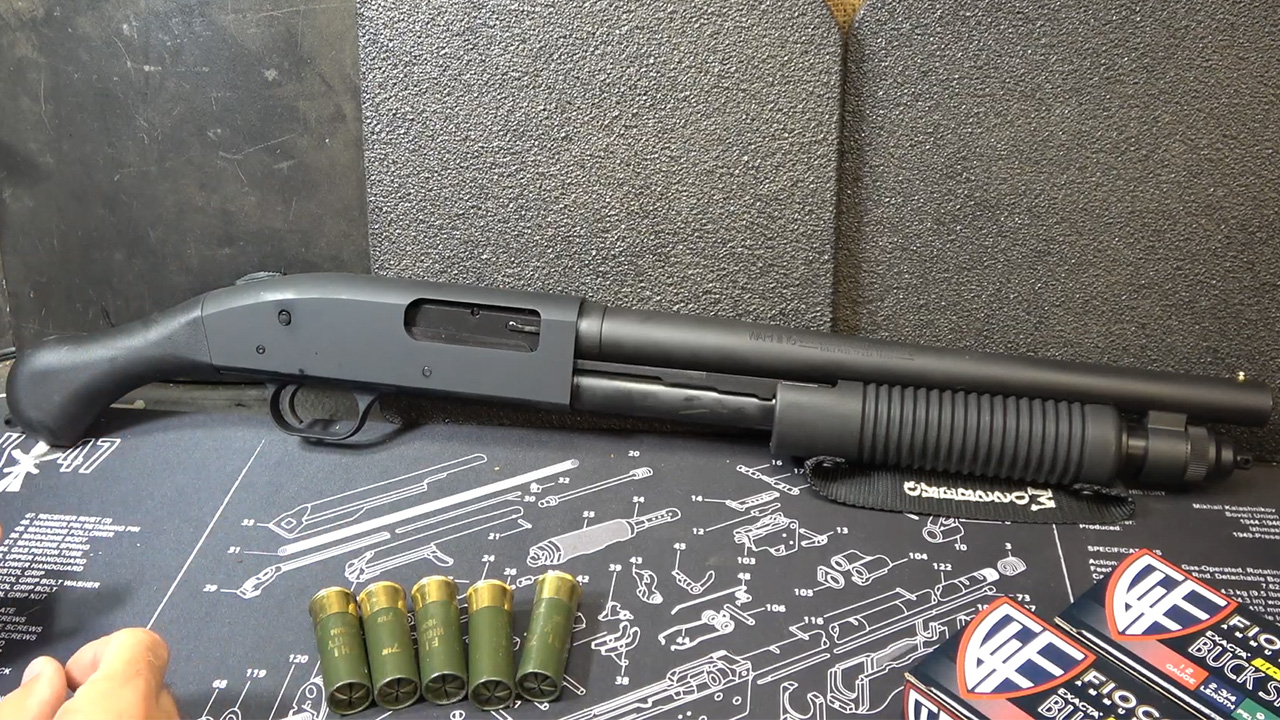
The Shockwave became wildly popular because it was short, visually aggressive, and could be sold without the same paperwork as a short-barreled shotgun under federal law.
The tradeoff is shootability. Without a stock, recoil control and accurate aiming are harder than with a conventional shotgun. It is compact and entertaining, but many owners eventually realize a normal stocked shotgun is easier to use effectively.
Springfield Armory Hellcat

The Hellcat helped define the high-capacity micro-compact category and became one of the most popular concealed-carry pistols almost immediately.
The downside is that it can be snappier than the specs suggest. The short grip and light frame make recoil noticeable, and some shooters simply do not get along with the trigger feel. It is a very capable carry gun, but its popularity sometimes makes people assume it is automatically the best fit for everyone.
SIG Sauer P238

The P238 earned a strong following because it is tiny, attractive, and built around familiar 1911-style controls.
The reality is that it is a single-action .380 with modest capacity and a manual safety, which gives the shooter more to manage than many modern pocket pistols. It shoots well, but the market now offers lighter and simpler options with comparable or better capacity.
Ruger LCP
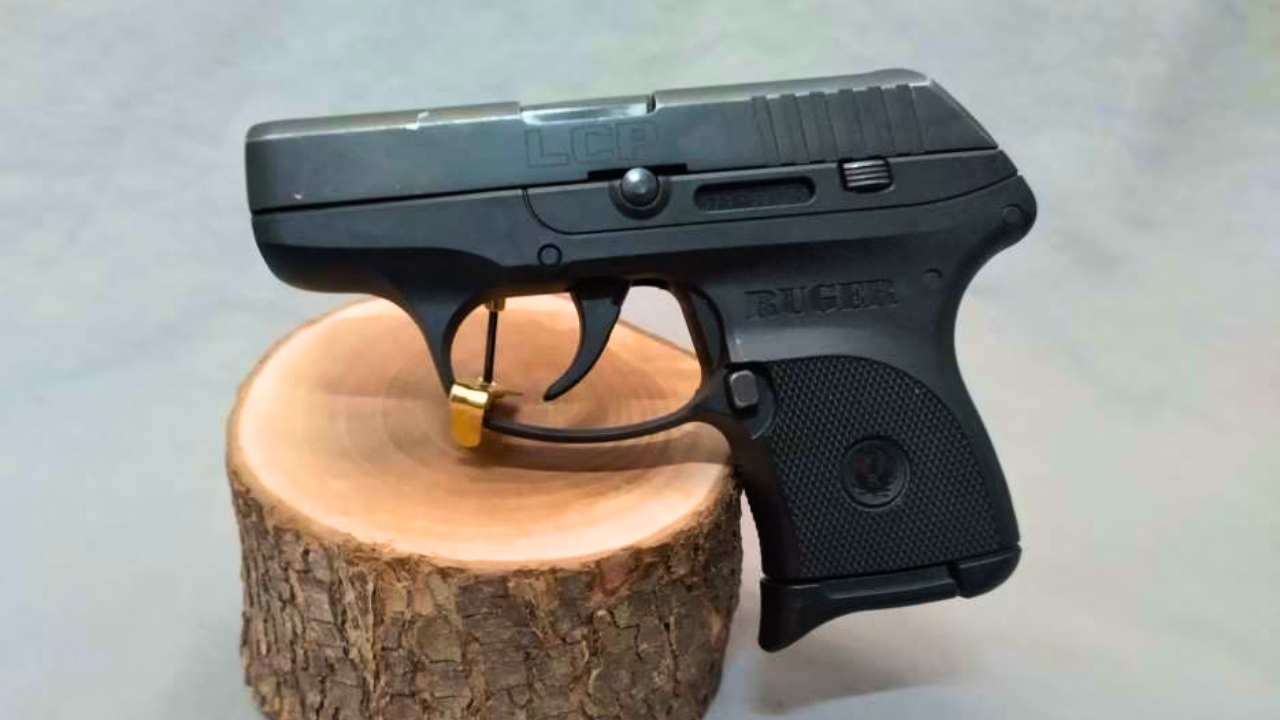
The LCP became one of the most popular pocket pistols ever made because it was small, light, and affordable.
That same size makes it difficult to shoot well. The grip is tiny, the sights on early versions were minimal, and recoil feels sharper than many people expect from .380 ACP. It succeeds at being easy to carry, but not necessarily at being easy to shoot.
Smith & Wesson Bodyguard 380
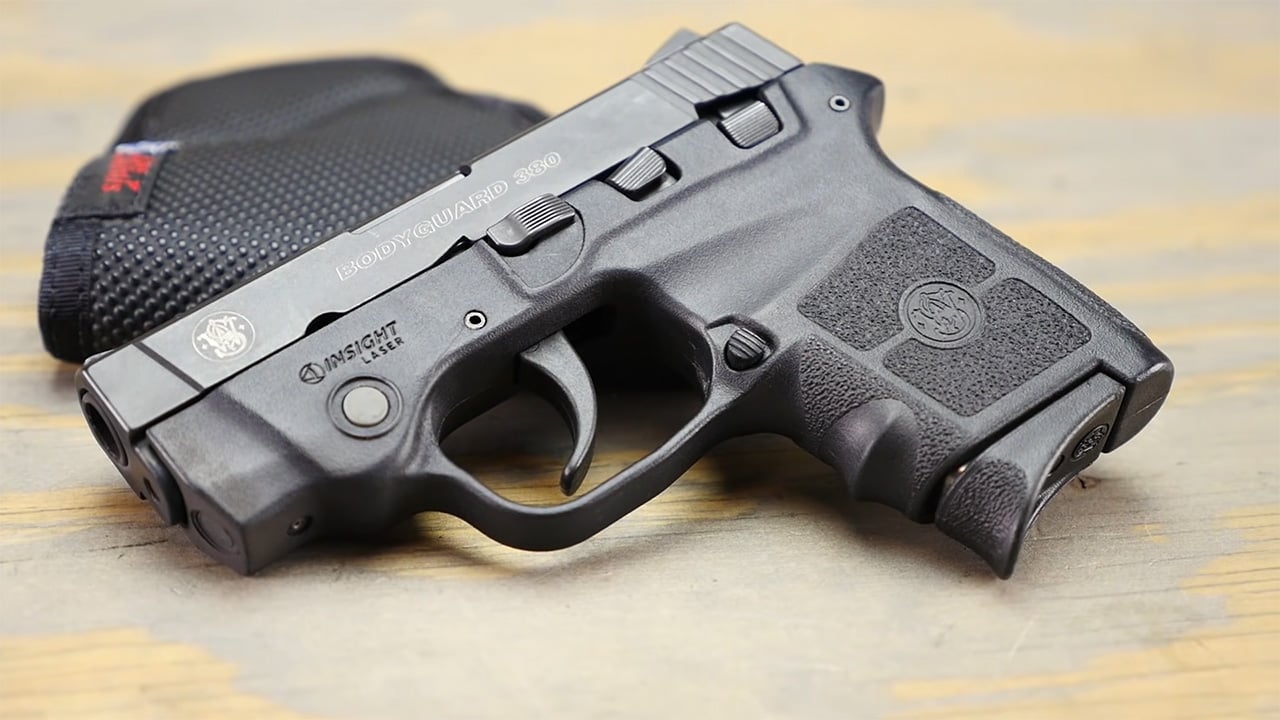
The Bodyguard 380 also became popular because of its tiny size and deep-concealment appeal.
Its long trigger pull, small grip, and minimal sights made it a challenge for many shooters. It works for close-range carry, but it asks for more practice than buyers sometimes expect. The gun sold on size, not on shootability.
Free for gun owners: If something happened to you tomorrow, would your family know where the guns are, who has the safe combination, or what to do first? Our free Gun Owner’s Family Checklist walks them through it. It takes about 15 minutes to fill out. Get your free copy here.
Ruger American Rifle

The Ruger American became enormously popular by delivering accuracy and low cost in a lightweight package.
The weak point has always been feel. The stock can seem hollow, the bolt can feel rough, and some versions have magazine quirks. It shoots well for the money, but popularity sometimes hides how inexpensive the rifle feels next to better-finished competitors.
Savage Axis
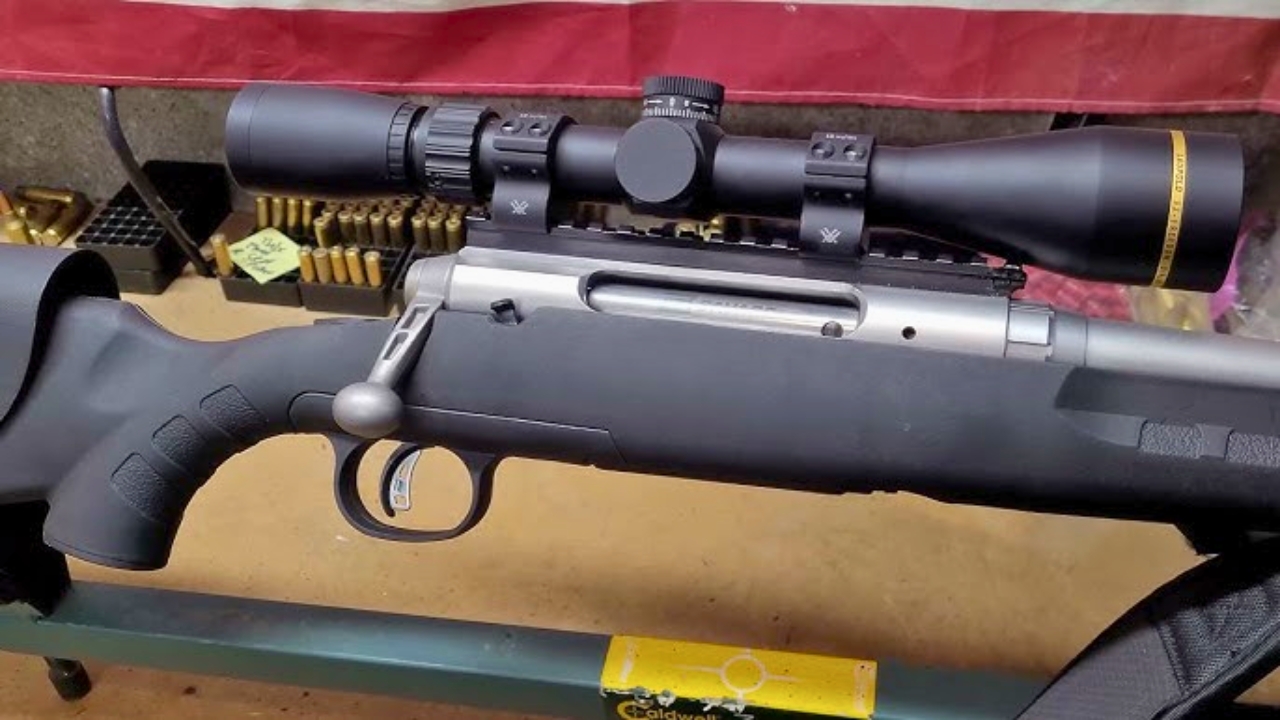
The Axis became one of the most common entry-level hunting rifles because it was cheap and usually accurate.
Early versions, though, had stiff triggers, flexible stocks, and a generally bargain-bin feel. Later models improved things, but the original success came largely from price and accuracy rather than refinement. It gets the job done, but “popular” and “pleasant” were not always the same thing.
Henry Golden Boy

The Golden Boy is one of the most recognizable rimfire lever guns on the market. Its brass-colored receiver and old-school looks make it an easy impulse purchase.
The rifle is also heavier than many .22s, lacks the practical weather resistance of plainer models, and can be awkward to scope. It is beautiful and fun, but some buyers realize later that a simpler lever-action .22 would have been easier to live with.
Ruger Mini-14
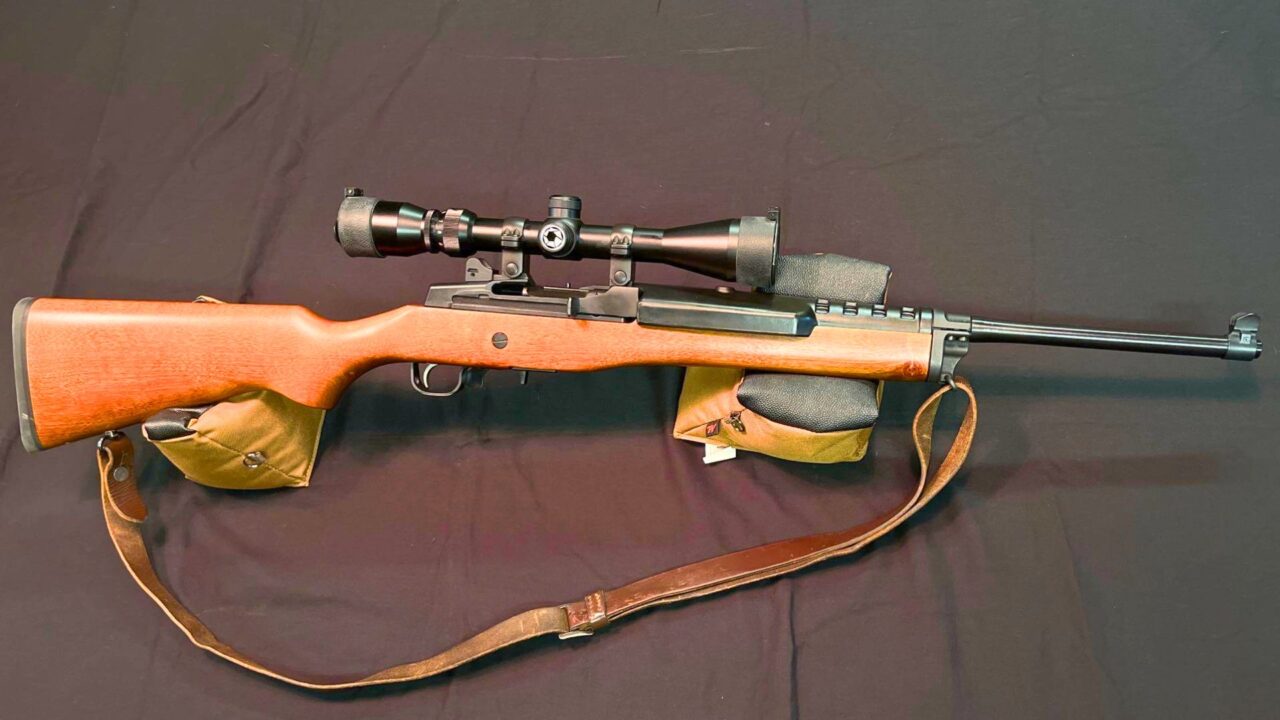
The Mini-14 has decades of popularity behind it thanks to its traditional looks, handy size, and reputation for ruggedness.
It also carries several drawbacks that modern buyers sometimes overlook. Magazines are more expensive than AR magazines, optics mounting is less straightforward, and older rifles were not known for great accuracy. The Mini is fun, but the premium attached to the platform is increasingly hard to justify.
Springfield Armory Saint Victor

The Saint Victor became popular because it offered a recognizable brand, modern AR styling, and a decent feature list without entering premium pricing.
The issue is that the AR market is incredibly competitive. Comparable rifles can often match or beat its features for similar money, and many buyers end up paying more for the branding than they realize. It is fine, but not automatically special.
Diamondback DB9

The DB9 became popular because it is one of the smallest and lightest 9mm pistols available.
That size comes with a cost. Recoil is sharp, the grip is tiny, and the pistol demands a strong grip and good technique. It is easy to carry, but that does not mean it is easy to shoot or particularly forgiving.
Heritage Rough Rider

The Rough Rider sold in huge numbers because it is cheap, fun, and looks like a traditional single-action revolver.
The low price also shows up in the finish, sights, and overall refinement. It can be a great plinker, but buyers expecting Single Six-level quality for a fraction of the price are going to be disappointed. Its popularity is based mostly on affordability.
Mossberg Patriot
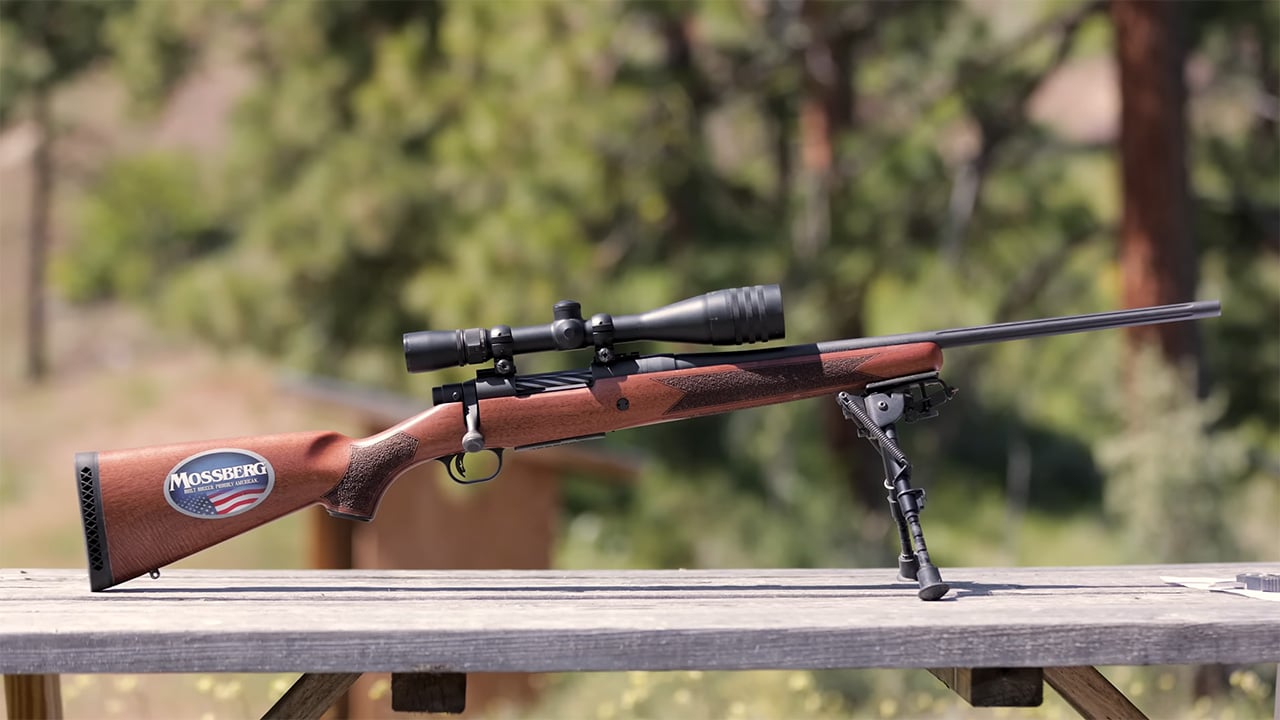
The Patriot became a popular budget hunting rifle because it looks more traditional than many entry-level competitors and usually shoots well enough for hunting.
Fit and finish can be inconsistent, though, and the stock and magazine system are not always as polished as buyers expect. It is affordable and capable, but the strong sales numbers do not make it a premium rifle.
Taurus G2C

The G2C became massively popular because it offered useful capacity, compact dimensions, and a very low price.
That value is real, but buyers should not mistake value for refinement. The trigger is unusual, the sights and finish are basic, and the gun does not feel as polished as more expensive competitors. It is popular because it is accessible, not because it dominates the category.
KelTec PMR-30

The PMR-30 became popular because 30 rounds of .22 Magnum in a lightweight pistol sounds almost impossible to resist.
The catch is that magazine loading and ammunition selection matter more than many buyers expect. The pistol can be temperamental when those details are ignored, and .22 Magnum is not particularly cheap. It is fun when everything is working, but popularity sometimes hides how much attention it can require.
Like The Avid Outdoorsman’s content? Subscribe to our newsletter so you never miss an article.
Here’s more from us:


