Photo credit: Woodland Armory/Youtube
Every shotgun looks good in a catalog. The specs line up, the marketing copy promises “slick cycling,” and the internet swears it’s the best thing going for the money. Then you actually shoot it. The stock doesn’t fit, the gun doesn’t point where your eyes look, the recoil is sharp in the wrong way, or it starts acting funny right when you finally found a load it likes.
This isn’t a list of “bad” guns across the board. It’s a list of shotguns that can sound perfect on paper but regularly disappoint regular hunters and range shooters once the new-gun shine wears off. Some are finicky with ammo. Some are heavy where it matters. Some just don’t feel right in the hands. Ask me how I know.
1. Remington 870 Express (late-production)
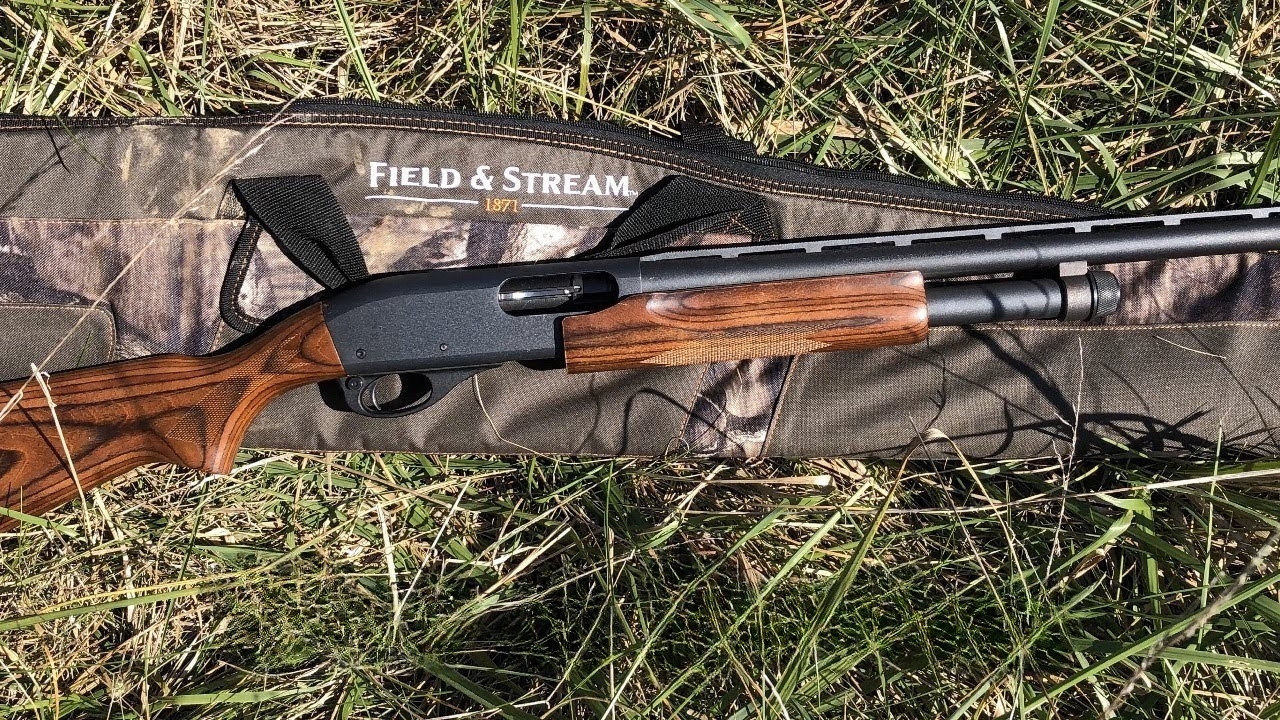
The 870 name is about as strong as it gets in the shotgun world, which is why the budget “Express” versions moved a ton of units. On paper you’re getting the same legendary pump that rode in trucks and cruisers for decades, just with a matte finish and a friendlier price. In the real world, a lot of the later Express guns came with rough chambers and actions that felt like they were full of grit.
The symptoms show up fast: sticky extraction with cheap birdshot, hulls that don’t want to come out when the gun is hot, and an action that never quite slicks up the way you hoped it would. You can polish and tinker, and plenty of guys do, but that’s kind of the point—many folks expected “buy once, cry never” and ended up with “buy and then fix.” When an 870 is right, it’s right. When it’s not, it’ll make you miss a bird and say words you shouldn’t.
2. Mossberg 500 (cheap combo field/security packages)
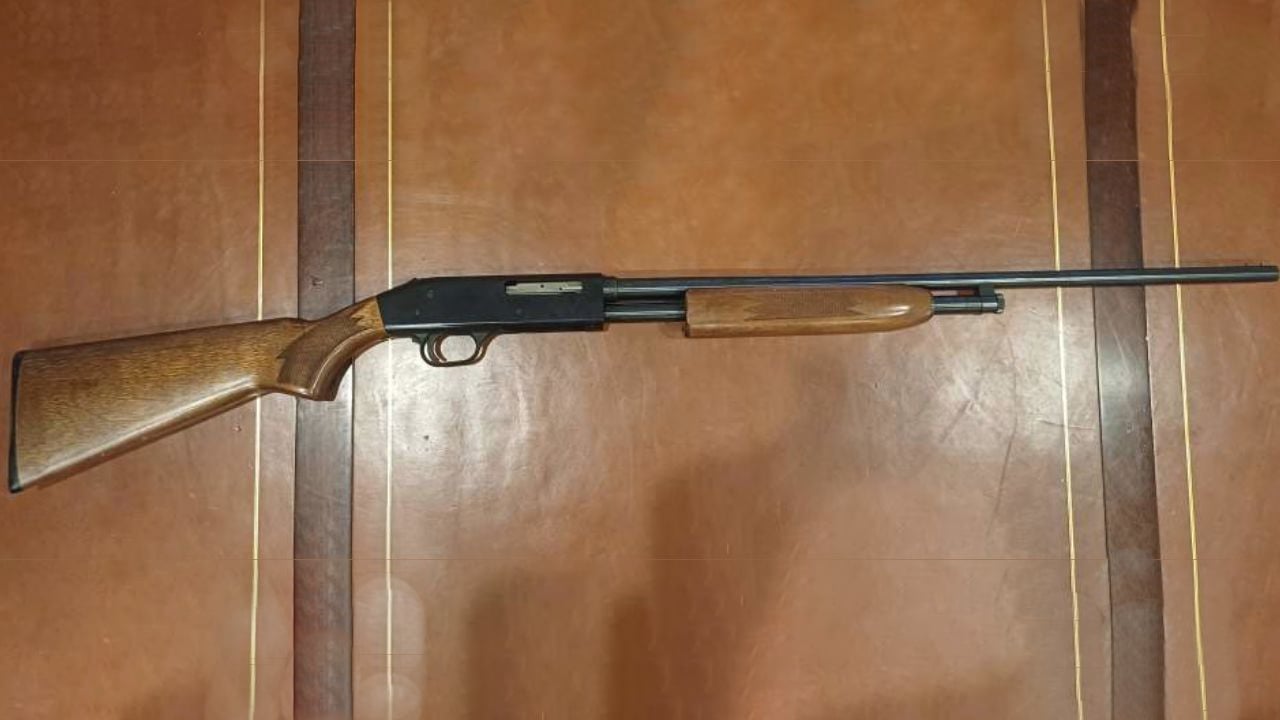
I’m not knocking the Mossberg 500 as a design. It’s a proven, working-man shotgun. The problem is the bargain combo kits that look like you’re getting two guns for the price of one. On paper, a field barrel and a short barrel sounds perfect for the guy who wants one pump to do everything.
In practice, those packages can come with rougher triggers, rattly forends, and barrels that don’t always print where you expect with slugs. The tang safety is great—until the stock fit is wrong and you’re stretching for it under recoil. And the aluminum receiver debate doesn’t matter much until you start hanging a bunch of stuff on it and wonder why the whole rig feels clunky. A basic 500 can be a lifetime gun. The “deal” versions are where the disappointment usually shows up.
3. Winchester SXP (inertia-assisted pump claims)
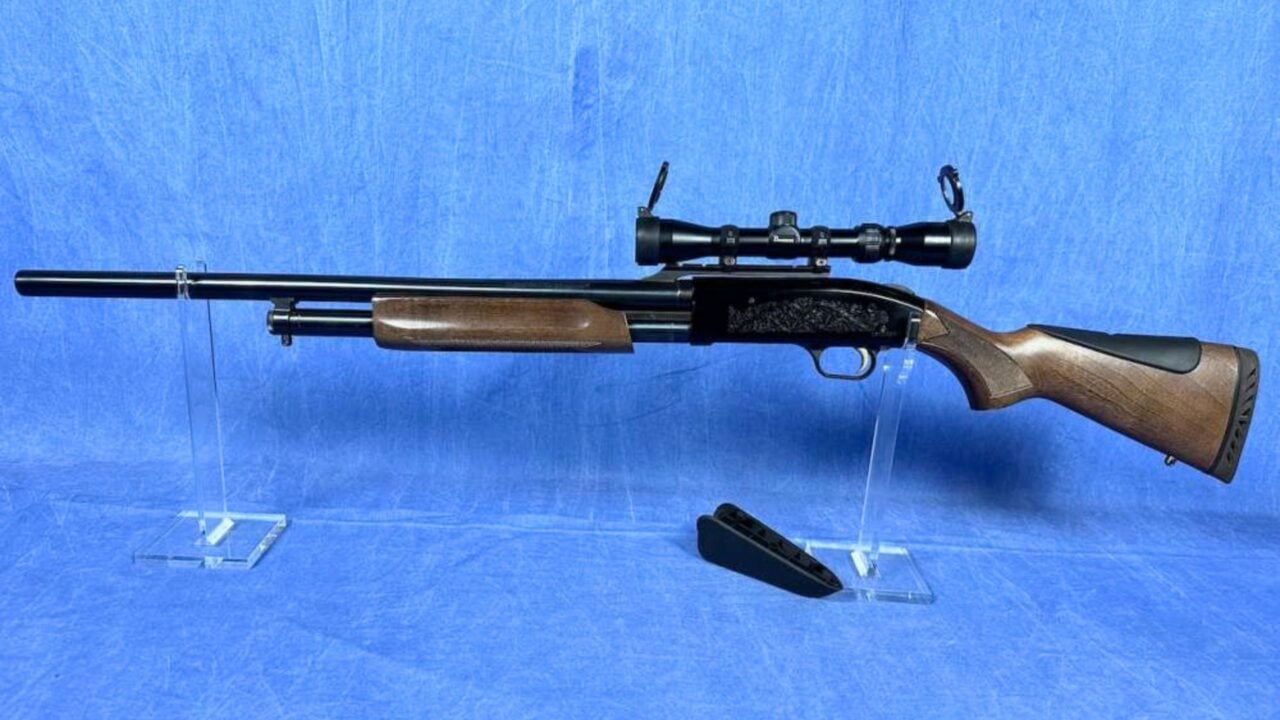
The SXP sells the idea of being the fastest pump around, with marketing that makes it sound like the action almost runs itself. In the store, the action often feels slick, and the gun shoulders nicely. That’s the paper promise. The range reality is that speed doesn’t matter if the gun is picky, or if it doesn’t point naturally for you.
I’ve seen SXPs that ran fine and SXPs that got oddly temperamental with certain bargain shells, especially when the gun got dirty or the shooter got a little lazy with the pump stroke. If you short-stroke any pump you can jam it, sure, but some guns are more forgiving than others. The SXP also tends to feel a little “hollow” to some shooters, and recoil can feel sharper than its weight suggests. It’s not junk. It’s just not the miracle the brochure hints at.
4. Remington Versa Max (early buzz vs. real upkeep)

The Versa Max looks like the perfect do-all semi-auto: gas gun, soft shooting, 2 3/4 to 3 1/2 inch capability, and a reputation for taming heavy loads. On paper it checks every box for turkey guys, waterfowl hunters, and anybody who wants a semi-auto that doesn’t beat them up. The catch is that “soft shooting” often comes with “needs attention.”
When these guns are clean and you’re feeding them what they like, they can be great. But plenty of owners found out the hard way that gas systems don’t care about your hunting schedule. A wet, gritty season plus bargain ammo can turn a dream gun into a maintenance project. Add in the fact that the Versa Max never became as common as some rivals, and you can run into parts and service headaches depending on where you live. It’s a lot of shotgun, but it’s also a lot of responsibility.
5. Charles Daly 601 DPS (budget “tactical” semi-auto)
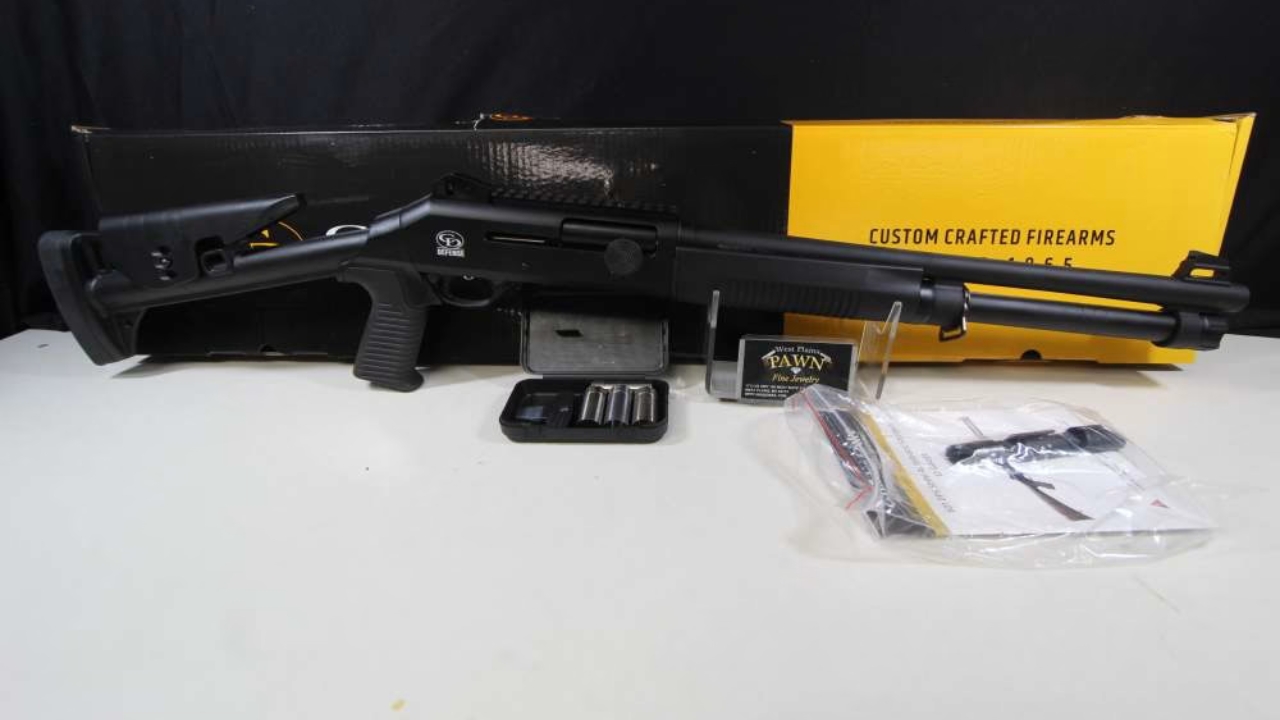
The 601 DPS is the kind of shotgun that looks like a home-defense solution right out of the box: rails, ghost rings, detachable magazine, and styling that screams “ready.” The price makes it even more tempting. On paper, it’s a lot of features for not much money. In real use, a defensive shotgun has to be boringly reliable, and that’s where these budget mag-fed semi-autos can stumble.
Feeding issues, magazine sensitivity, and finicky behavior with light loads are common themes with guns in this lane. Even when it runs, the ergonomics can feel awkward compared to a simple pump or a well-sorted tube-fed semi-auto. And the “cool factor” wears off quick if you can’t find extra magazines that actually work, or if the gun only likes a narrow band of ammo. There’s nothing wrong with budget gear, but this is one where the feature list can hide the real cost: time spent troubleshooting.
6. Panzer Arms AR12 (AR-style 12-gauge)

AR-style shotguns sell a fantasy: rifle controls, fast reloads, detachable magazines, and a look that makes you want to set up a red dot and go to work. The AR12-style guns also look great on the spec sheet because they promise “semi-auto power” without the price tag of the big names. Out on the range, they can be a mixed bag.
A lot of these guns want high-brass, heavier loads to cycle reliably, especially early on. That’s not what most folks imagine when they think “12-gauge does everything.” Then there’s magazine fit—some are tight, some wobble, some don’t lock in with authority unless you smack them. And when you start bolting on accessories, you can end up with a heavy, awkward shotgun that doesn’t swing worth a dime for birds and isn’t as trustworthy as you’d demand for defense. If you want a range toy, fine. If you want a working gun, be careful.
7. Rock Island Armory VR80 (box-mag semi-auto)
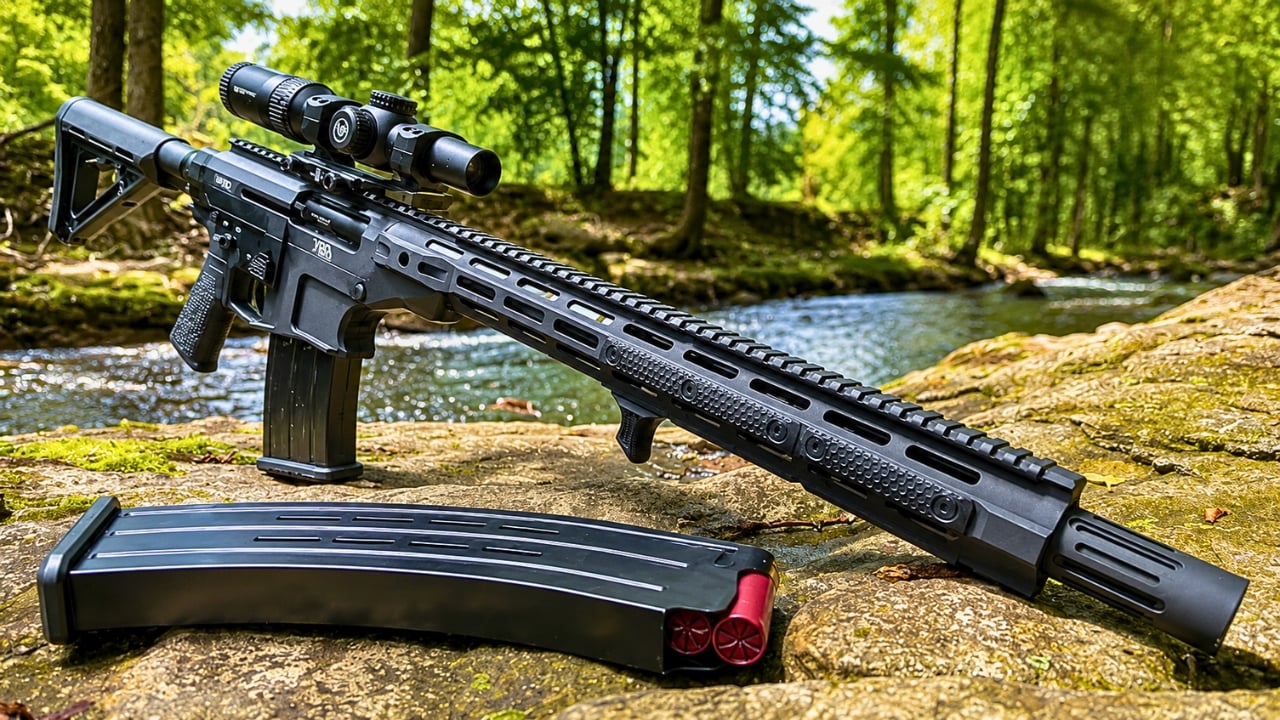
The VR80 has a loyal following and it does a few things well, but it also traps buyers with the promise of “competition ready” for a fraction of the price. On paper, it’s an affordable, magazine-fed semi-auto that looks like it belongs on a 3-gun rack. In reality, a lot of owners spend the first part of ownership trying to get it to run the way they expected on day one.
Some examples cycle great with the right ammo and the right gas setting, and others feel like they’re always one small variable away from a malfunction. The gun is also big and not exactly graceful. For a blind gun or a walk-all-day upland piece, it’s the wrong tool. And for defense, you’re back to the mag question: do you trust the magazines, and can you get more that match what you already have? The VR80 can be fun, but “fun” isn’t the same thing as “dependable.”
8. Black Aces Tactical Pro Series (semi-auto)
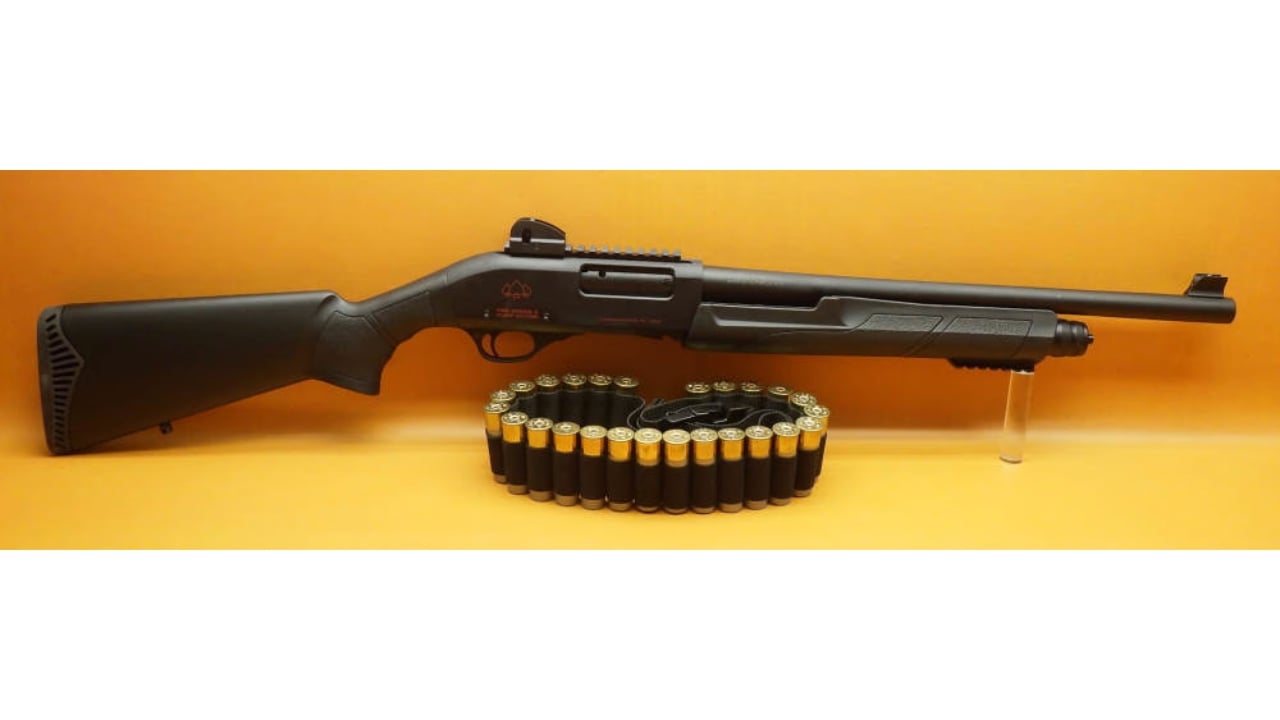
Black Aces made a name selling affordable tactical-style shotguns that look ready for serious work. The Pro Series semi-autos, in particular, tempt buyers who want a short, handy 12-gauge without paying big-brand prices. On paper, it’s simple: buy it, add a light, and you’re set. The range has a way of changing that story.
These guns can be load-sensitive, especially with lighter birdshot, and some owners find they’re constantly chasing the “right” shell to make the gun trustworthy. When you finally find a load it likes, you still have to confirm it over time, dirty, and under realistic handling. Fit and finish can also be inconsistent, and that matters in a shotgun because sharp edges, sloppy tolerances, and cheap small parts show up fast. I get why they sell. I also get why they end up on the used rack with hardly any rounds through them.
9. Stoeger M3000 (budget inertia semi-auto expectations)

The Stoeger M3000 has probably put more budget-minded hunters into inertia-driven semi-autos than any other gun in recent years. On paper it’s hard to beat: Benelli-style inertia concept, three-inch capability, and a price that doesn’t sting like the Italian stuff. Where the “paper vs. real” gap shows up is when folks expect it to behave like a higher-end inertia gun right out of the box.
Some M3000s run great. Others are finicky during break-in, especially with light target loads, and the recoil impulse can feel snappier than gas guns that cost a little more. The gun’s balance is also not for everyone; it can feel a touch muzzle heavy depending on the configuration. If you’re a waterfowl hunter shooting stout loads, you may never notice the downside. If you want one gun for clays, dove, and the occasional duck hunt, it can be a compromise you feel every weekend.
10. TriStar Viper G2 (gas semi-auto value trap)
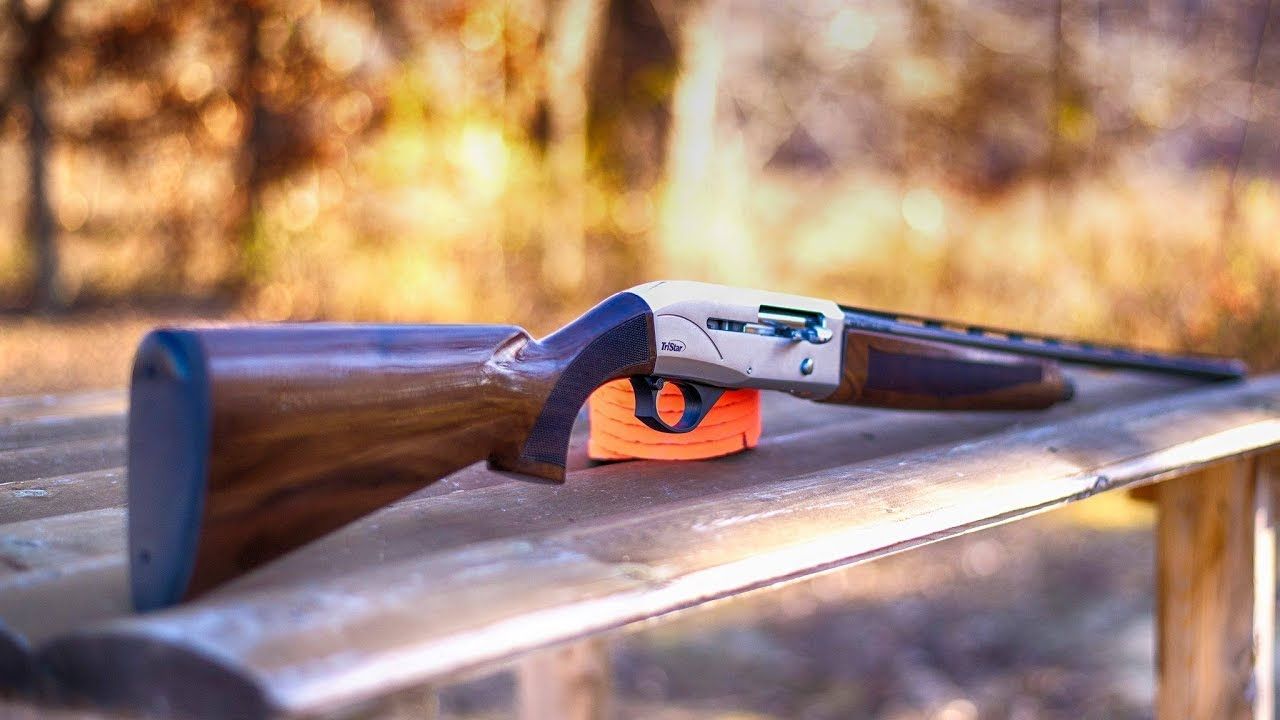
The Viper G2 is a classic “best buy” on paper: gas-operated, generally soft shooting, offered in multiple gauges, and priced where a lot of hunters can get into a semi-auto without selling something else. The problem is that “value” and “consistent long-term performance” aren’t always the same thing, especially when a gun gets used hard across seasons.
Gas guns live and die by how they handle grime, cheap ammo, and neglect. The Viper G2 can run fine when it’s clean and you’re feeding it decent shells, but I’ve seen enough light-strike complaints, cycling hiccups, and little parts annoyances to be cautious. It’s also one of those guns where service and support can vary depending on where you are and what’s in stock. If you’re the kind of shooter who cleans every time and sticks to proven loads, you’ll probably be fine. If you want “grab it and go” reliability, test it before trusting it.
Free for gun owners: If something happened to you tomorrow, would your family know where the guns are, who has the safe combination, or what to do first? Our free Gun Owner’s Family Checklist walks them through it. It takes about 15 minutes to fill out. Get your free copy here.
11. Weatherby SA-08 (lightweight semi-auto reality)

Lightweight semi-autos sound like the answer for upland hunters and anybody who walks more than they sit. The SA-08 looks great on paper because it’s trim, reasonably priced, and wears the Weatherby name. But a light semi-auto can be a strange animal, and the SA-08 shows it. When everything is perfect, it carries like a dream. When it’s not, you feel every compromise.
First, the recoil can be sharper than you expect, especially in 12 gauge with heavier loads. Second, the gun’s cycling can be more load-dependent than the buyer imagined, particularly with light target shells. And when the gun is very light, little stock-fit issues become big real quick because the shotgun moves more under recoil. If your mount is slightly off, your patterns will be off. It’s not a bad gun, but it’s one that exposes sloppy fundamentals and punishes folks who thought “lighter” automatically means “better.”
12. Browning BPS (bottom eject, heavy build)
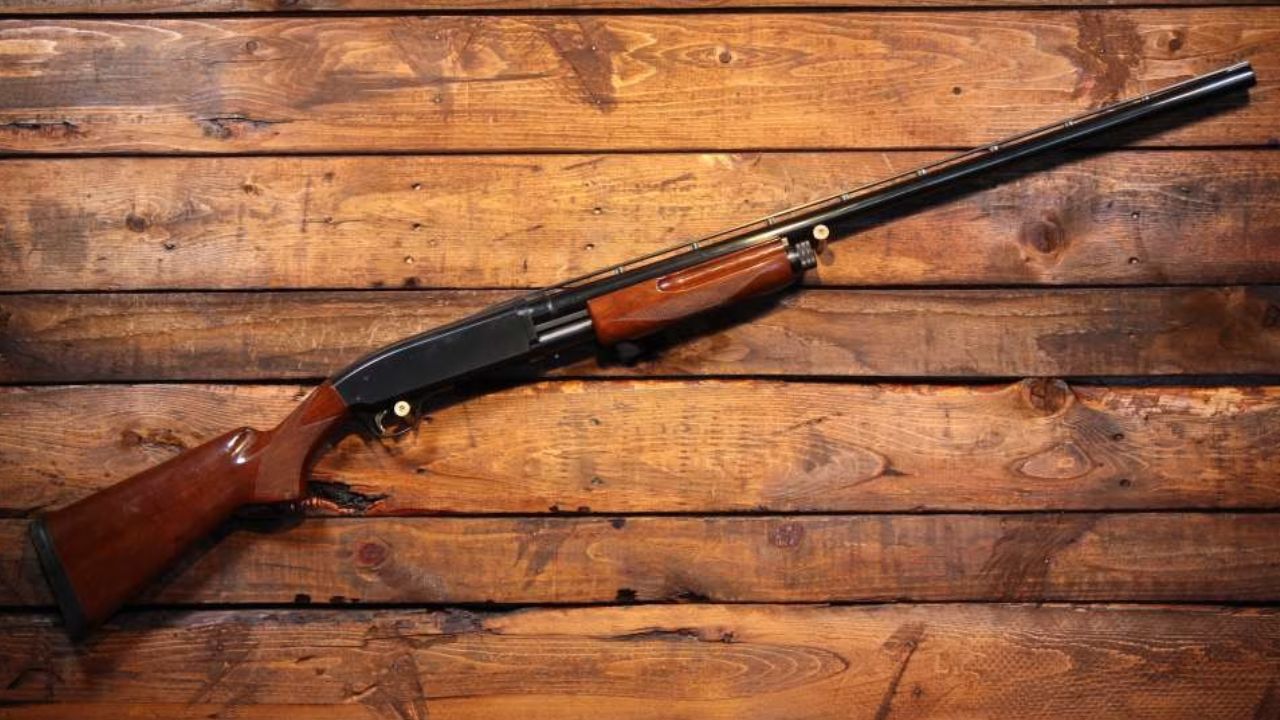
The Browning BPS is one of the nicest-feeling pumps on the rack, with its polished lines, bottom ejection, and that smooth Browning vibe. On paper it looks like the perfect lefty-friendly pump and a lifetime heirloom. Then you carry it all day, and the “built like a tank” part starts to mean something different.
The BPS is often heavier than folks expect, and the balance can feel dense between the hands. For a duck blind where it sits on a stand most of the morning, no big deal. For upland hunting, that extra weight adds up by the second ridge. Bottom ejection is also great until you’re trying to single-load quickly or clear a weird malfunction with cold hands. None of this makes it a poor shotgun. It just means the BPS can look like the perfect answer in a description, then feel like more gun than you want when you’re a mile from the truck.
13. Benelli SuperNova (big, tough, not always friendly)
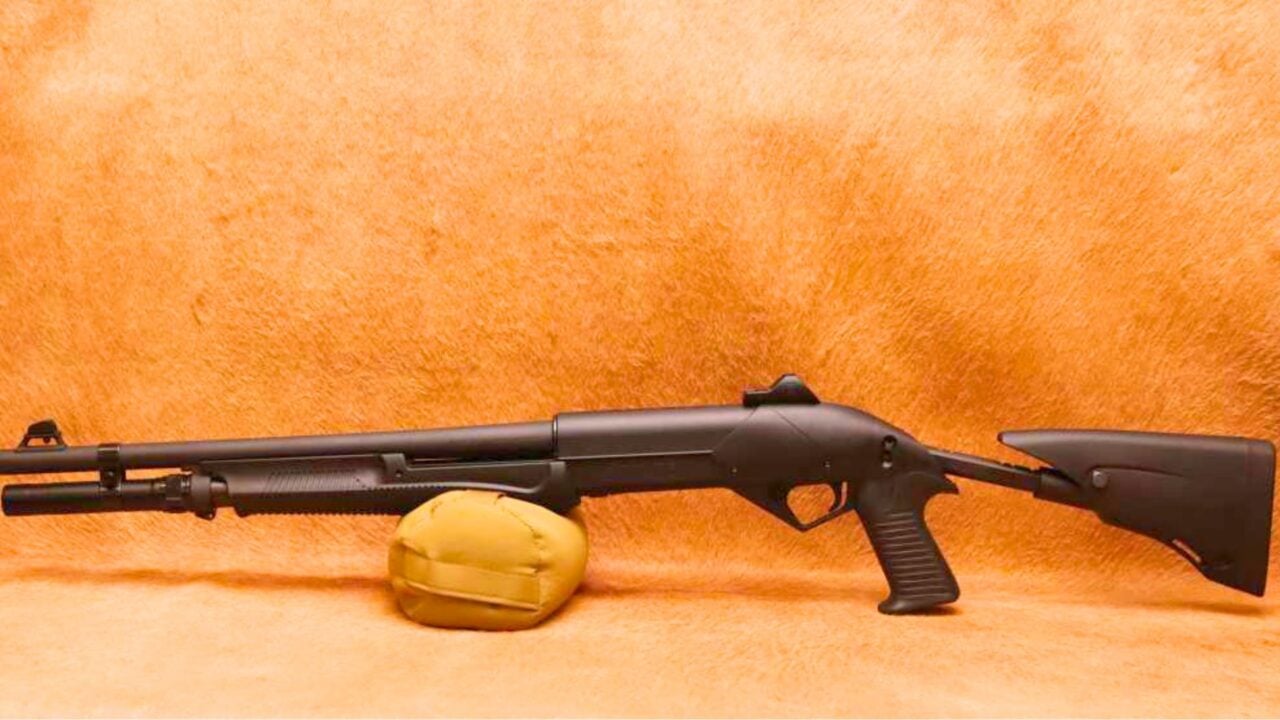
The SuperNova has a reputation for being nearly indestructible, and it’s hard to argue with the design goal. It’ll handle nasty weather, it’ll take abuse, and it’s a strong candidate for a boat gun. On paper, that makes it the ideal do-it-all pump for the guy who wants one shotgun for everything. The reality is that “tough” sometimes comes with “bulky.”
The SuperNova can feel long and awkward compared to classic pumps, especially for smaller-framed shooters or anyone wearing heavy clothing. The forend and action have their own feel, and not everyone likes it. The recoil with heavy loads can also feel abrupt because the gun encourages you to run it hard, fast, and aggressively. If it fits you, it’s a great tool. If it doesn’t, you’ll fight it all season and wonder why your buddy’s plain old 870 or 500 seems to hit birds easier. Shotguns are about pointing, not just specs.
14. Beretta A300 Outlander (budget Beretta expectations)
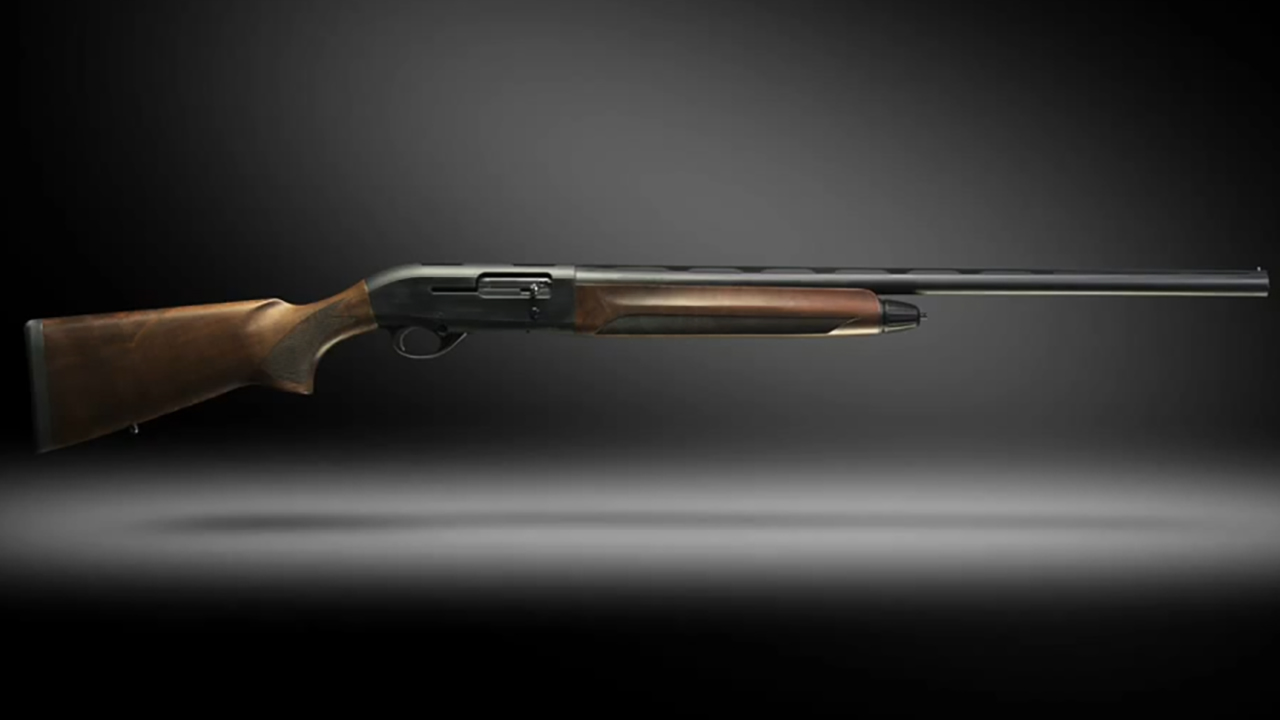
The A300 Outlander gets recommended constantly because it’s a relatively affordable way into the Beretta gas-gun world. On paper, it’s the smart buy: reputable brand, soft shooting, good aftermarket support, and solid reliability. Most of the time, it is. The disappointment shows up when buyers expect it to feel like the higher-end Berettas they handled at the counter.
The Outlander can feel a little plain in the hands, and some triggers are nothing to write home about. The stock shims help, but if you don’t take the time to fit it, the gun can shoot “off” for you and you’ll blame the gun instead of the setup. I’ve also seen guys buy one thinking it’ll be a perfect 3-inch waterfowl gun, then get frustrated when it’s a bit more maintenance-minded than their buddy’s inertia gun in freezing, muddy conditions. It’s a solid shotgun, but it’s not magic, and it won’t fix bad fit or poor cleaning habits.
15. Savage/Stevens 555 (O/U affordability gamble)
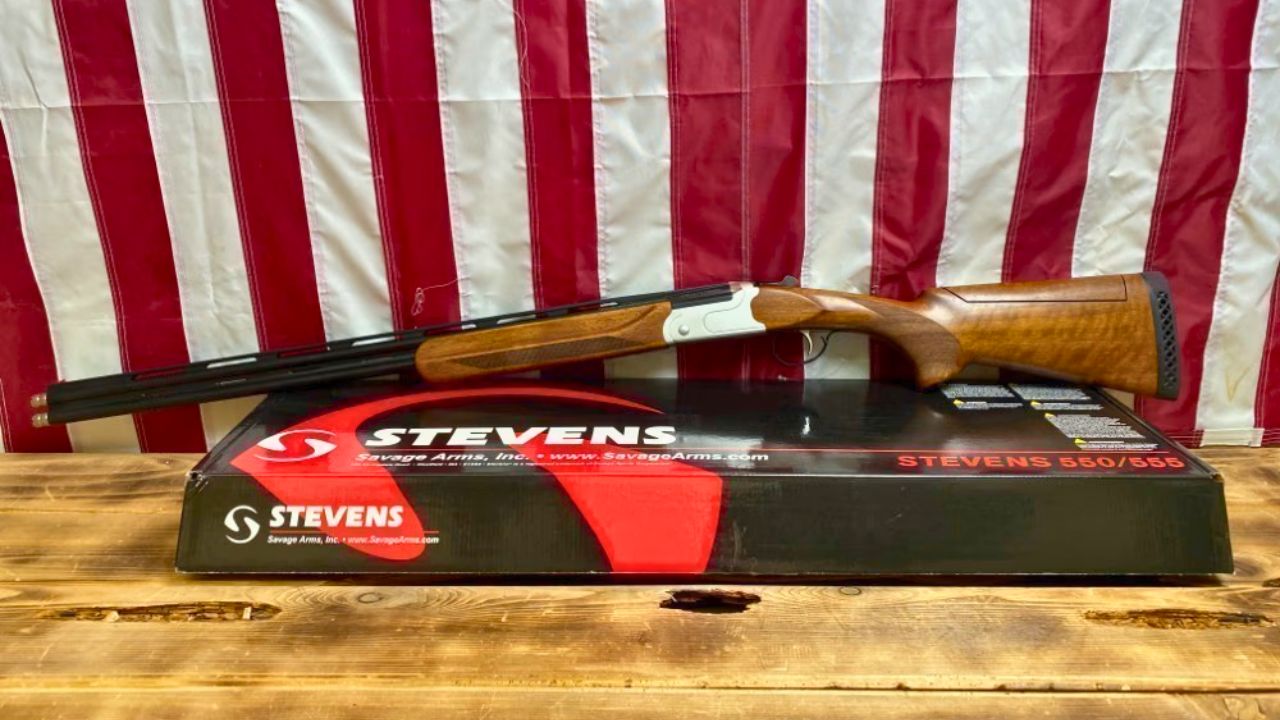
An over/under for a working-man price is a powerful idea. The Stevens 555 looks great on paper because it promises a light upland O/U without the usual sticker shock. You shoulder it in the store and think, “This could be my bird gun.” The trouble is that cheap O/Us are where “paper value” can turn into real-world frustration.
I’ve seen 555s that held up fine for occasional use, and I’ve seen others that felt loose sooner than they should. Ejectors/extractors, fitting, and long-term durability are the usual question marks with budget stack-barrels. When an O/U starts developing issues, it’s not like a pump where you can swap a couple common parts and keep rolling. Repairs can get expensive fast, and not every shop wants to mess with a bargain O/U. If you shoot a lot of clays, this is one to think hard about before you fall for the weight and price.
16. Hatsan Escort (cheap semi-auto, mixed consistency)

The Hatsan Escort line has been around long enough that almost everybody knows someone who owns one. On paper it’s hard to resist: a semi-auto shotgun for pump-gun money, often with camo options and multiple configurations. That’s exactly why it ends up in so many duck boats and deer camps. Consistency is the issue.
Some Escorts run for years, and others act like they were assembled on a Friday afternoon. Cycling reliability can depend on the specific model, the ammo, and how clean the gun stays. Fit and finish also tend to be utilitarian, and little annoyances like sharp edges, stiff controls, or a mushy trigger add up over a season. The other factor is parts and support; depending on the variant, you may not find what you need locally when something finally wears out. If you get a good one, it can be a bargain. If you get a picky one, you’ll spend your “savings” on shells trying to diagnose it.
17. CZ 712 (gas semi-auto that can feel generic)

CZ has a strong name in the rifle and pistol world, so their shotguns get a halo effect. The 712 looks like a sensible, affordable semi-auto that should be a sleeper hit. On paper, it’s a straightforward gas gun that ought to be soft and easy to live with. In the field, it can end up feeling like a “fine, I guess” gun that never fully earns your confidence.
Some shooters find the 712 points a little differently than they expect, and a shotgun that doesn’t naturally hit where you look will make you second-guess everything. Add in that gas systems like this can be sensitive to cleanliness and certain loads, and you can end up with occasional hiccups that don’t show up in the sales pitch. It’s not that the 712 can’t work. It’s that it often doesn’t inspire the kind of trust you want in a hunting semi-auto unless you put in the time to pattern it, fit it, and feed it what it likes.
18. Winchester Model 101 (modern production O/U expectations)
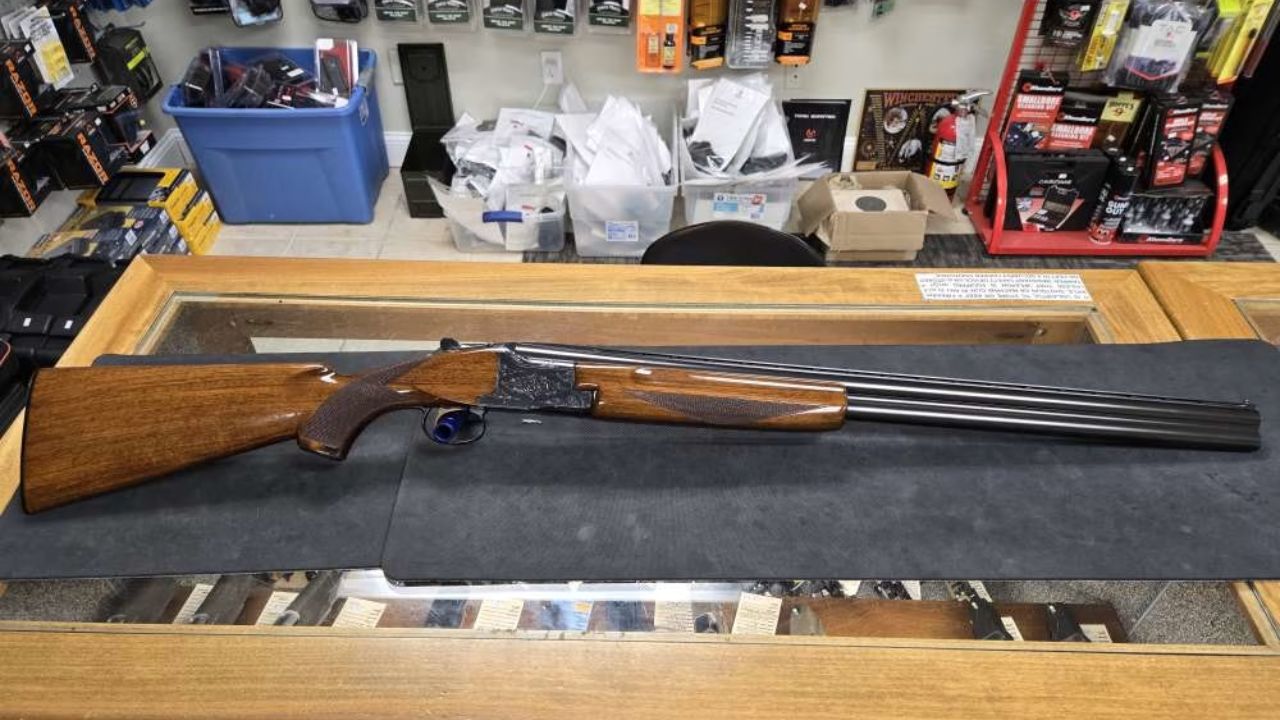
The Model 101 name carries a lot of nostalgia. Mention it at a range and somebody will tell you about the old ones that just kept going. So when a modern 101 catches your eye, the paper story is strong: classic styling, respected name, and an over/under that seems like it should be ready for birds and clays. The reality depends heavily on what you expect and how much you shoot.
Modern production 101s can be perfectly serviceable, but they don’t always feel like the legendary older guns folks have in their heads. Some shooters notice a different balance, a different “tightness,” and triggers that are fine but not special. If you’re buying it to shoot a couple boxes a season, you may never care. If you’re buying it because you want that old-school 101 magic, it can feel like a letdown once the honeymoon is over. Names don’t break targets—fit, feel, and consistency do.
19. Ithaca Model 37 (great design, not always great fit for modern use)
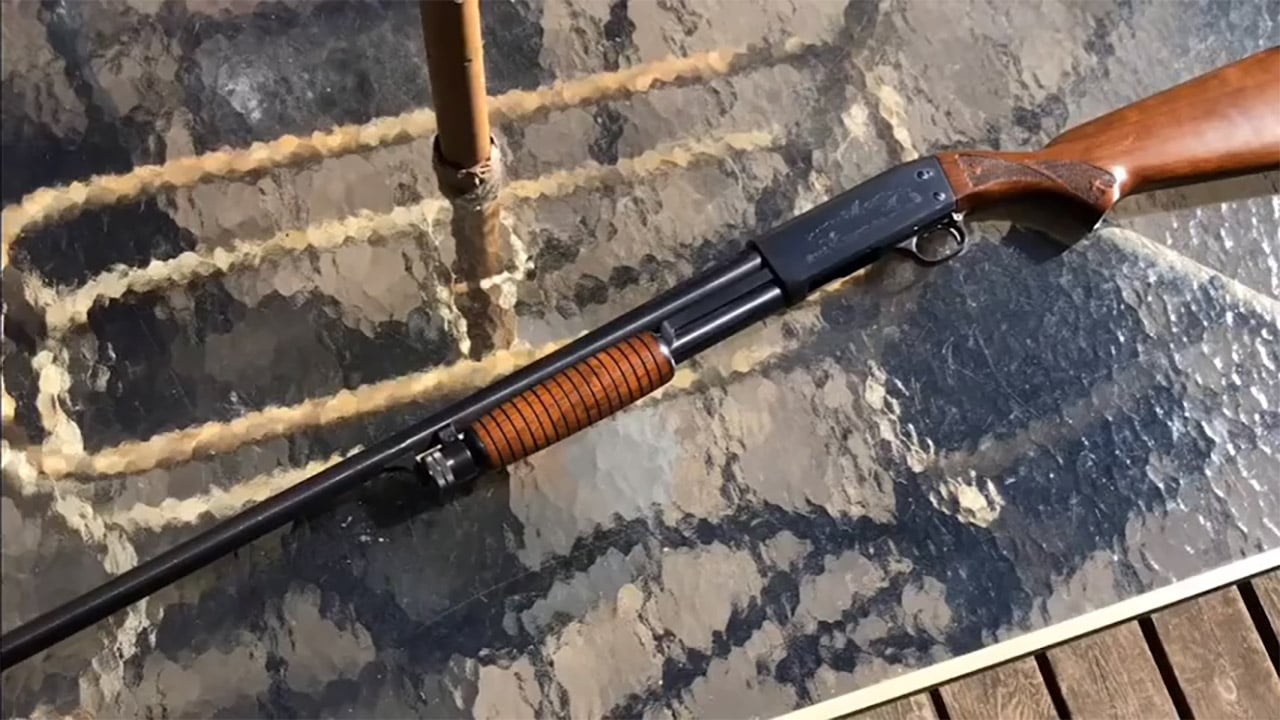
The Ithaca 37 is a classic, and when you run a good one it’s easy to understand why it has fans. Bottom ejection, trim lines, and a fast feel in the hands all look good “on paper,” even if the paper is just your imagination of a perfect upland pump. The surprise comes when a new owner realizes that classics sometimes demand classic compromises.
Depending on vintage and condition, you might be dealing with older ergonomics, different safety placement, and parts availability that isn’t as simple as walking into any shop. Some older 37s also have barrels and chokes that don’t match how modern hunters set up for everything from steel shot to tight turkey patterns. None of that makes it a bad shotgun—far from it. It just means the Model 37 can be a better “carry and admire” gun than an “abuse in the marsh every weekend” gun unless you’re intentional about what you’re buying.
20. Turkish-made Benelli M4 clones (SDS, Panzer, etc.)
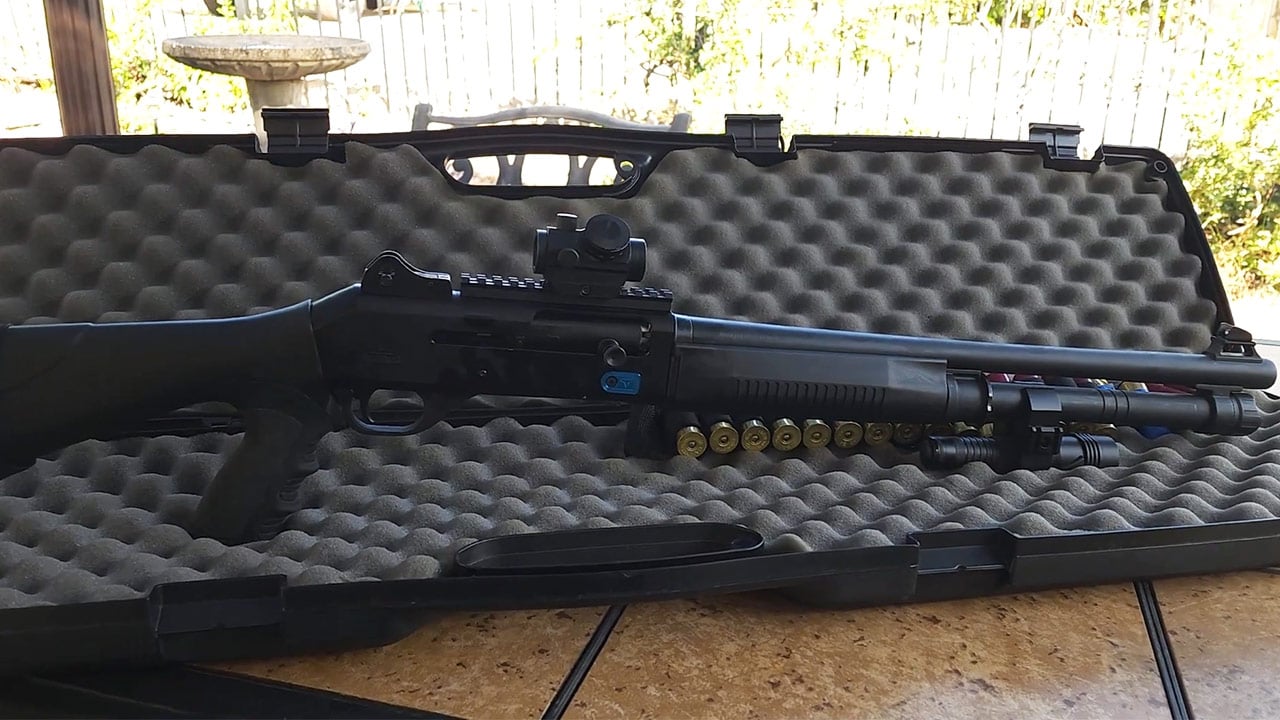
The M4 is a legend, and that legend creates a huge temptation: buy a cheaper clone that looks almost identical and pocket the difference. On paper, it’s the deal of the century—same general layout, similar sights, similar vibe. The range is where you learn what you actually purchased. Some clones run surprisingly well. Others are a constant science project.
The issues tend to be the boring ones that matter most: inconsistent QC, oddball parts compatibility, magazines or extensions that don’t play nice, and cycling that varies wildly by ammo type. If you only shoot heavy buckshot, you might think you’ve got a winner. Start mixing in lighter loads, cold weather, or a higher round count without babying it, and the truth comes out. If you want an M4, there’s a reason the real one costs what it costs. If you want a range toy that looks the part, a clone might scratch the itch. Just don’t confuse those two missions.
A shotgun isn’t a rifle. The spec sheet won’t tell you how it points for your body, how it behaves when it’s filthy, or whether it’ll still cycle when you’re tired and your gloves are wet. If you’re shopping, shoulder as many as you can, pattern them with the loads you’ll actually use, and pay attention to the boring stuff—fit, controls, and reliability. The birds, clays, and seasons don’t care what the brochure promised.
Like The Avid Outdoorsman’s content? Subscribe to our newsletter so you never miss an article.
Here’s more from us: