Photo credit: Battlefield Curator/Youtube
Walk into enough pawn shops and you start seeing the same pattern: rows of polymer striker pistols that move fast, a couple of basic pump shotguns, and then a lonely rifle or two that just sits. Not because it’s junk, either. It sits because the tag is wrong, the story is misunderstood, or the guy behind the counter only knows what sells on a Friday afternoon. Meanwhile, some genuinely good rifles—useful hunting rifles, serious classics, or oddballs with real purpose—collect dust in the rack.
Here are 20 rifles I’ve watched linger way longer than they should, usually because nobody at the counter (or on the buying side) recognizes what they’re looking at.
1. Ruger M77 “Tang Safety” (M77 Mark I)
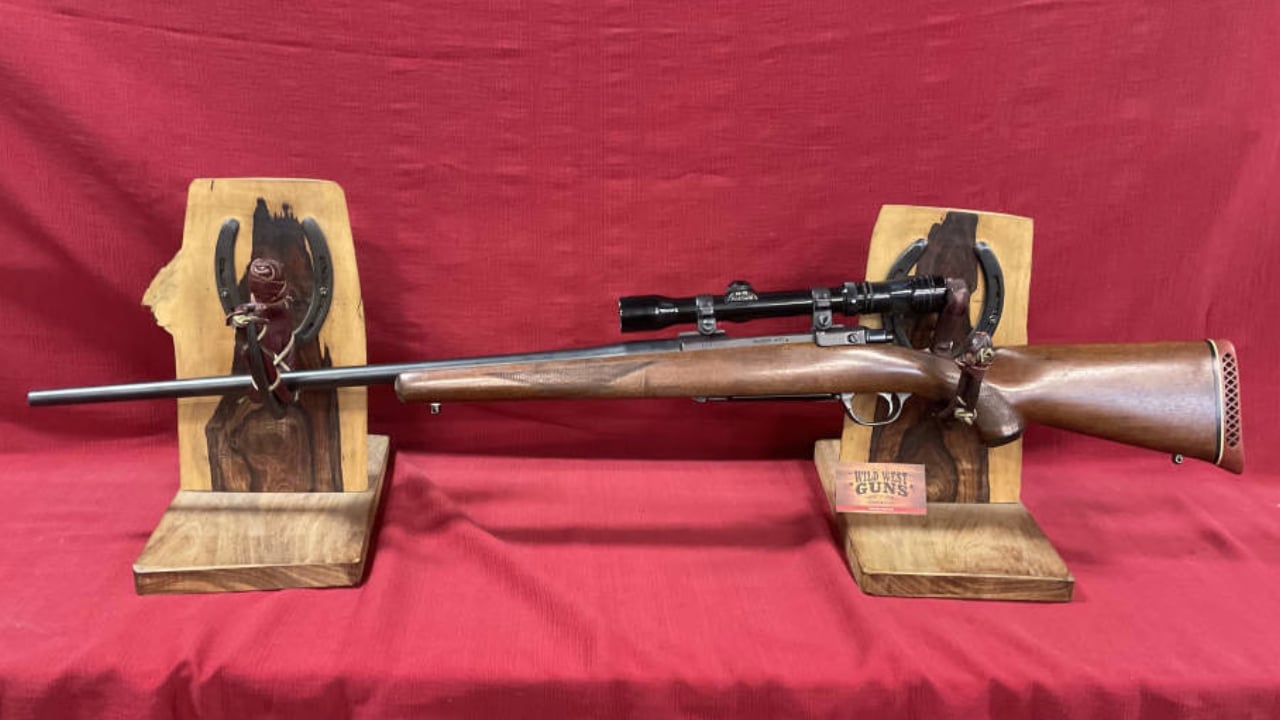
If you grew up around hunters who actually used their rifles hard, you know the tang-safety M77. It points naturally, carries well in one hand, and that old-school safety is in the right place for cold fingers and gloves. I’ve seen these sit because the counter guy treats it like “an old Ruger bolt gun” and prices it like any beat-up deer rifle with a mystery scope.
The funny part is the guys who know, know. A clean tang-safety M77 with a decent bore and an unbubba’d stock is the kind of rifle you keep behind the seat for decades. The triggers can vary, and some of the factory checkering looks like it was cut on a Friday, but they’re dependable. If it’s in a common hunting caliber and the rings are included, it’s usually a better buy than a lot of the new plastic stuff that costs twice as much.
2. Sako L579 Forester

Sakos get overlooked in pawn cases because they don’t scream for attention. The lines are clean, the action is slick, and the roll marks don’t mean anything to a clerk who’s mainly moving AR parts. Then it sits there with a tag that says “bolt action .243” like that’s the whole story.
The L579 Forester is one of those rifles that makes you slow down when you run the bolt. Fit and finish is where it separates itself, especially on older examples. They’re not all safe queens either—plenty have honest hunting wear, which doesn’t bother me a bit if the bore is right. What does matter is checking for stock cracks around the tang area and making sure somebody didn’t take a file to the feed lips. When they’re right, they’re smooth, accurate, and just plain classy without being delicate.
3. CZ 527 (especially in 7.62×39)

The CZ 527 is one of my favorite “why is this still here?” rifles. It’s a petite little bolt gun with a mini-Mauser vibe, and it shoulders like it was made for walking woods and quick shots. In 7.62×39 it’s about as practical as a ranch rifle gets, but it doesn’t look “tactical,” so it gets ignored.
Part of the problem is the magazine. That little detachable mag hangs down and bothers some folks who’ve never carried it in the field. In real life it’s not a big deal, and the set trigger (if it has it) is a treat once you understand it’s for deliberate shots, not snapping off from the hip. These have been discontinued, and the replacement options aren’t the same. If you find one with a good bolt face and decent mags included, it’s a handy rifle that hits above its weight.
4. Winchester Model 70 Pre-64
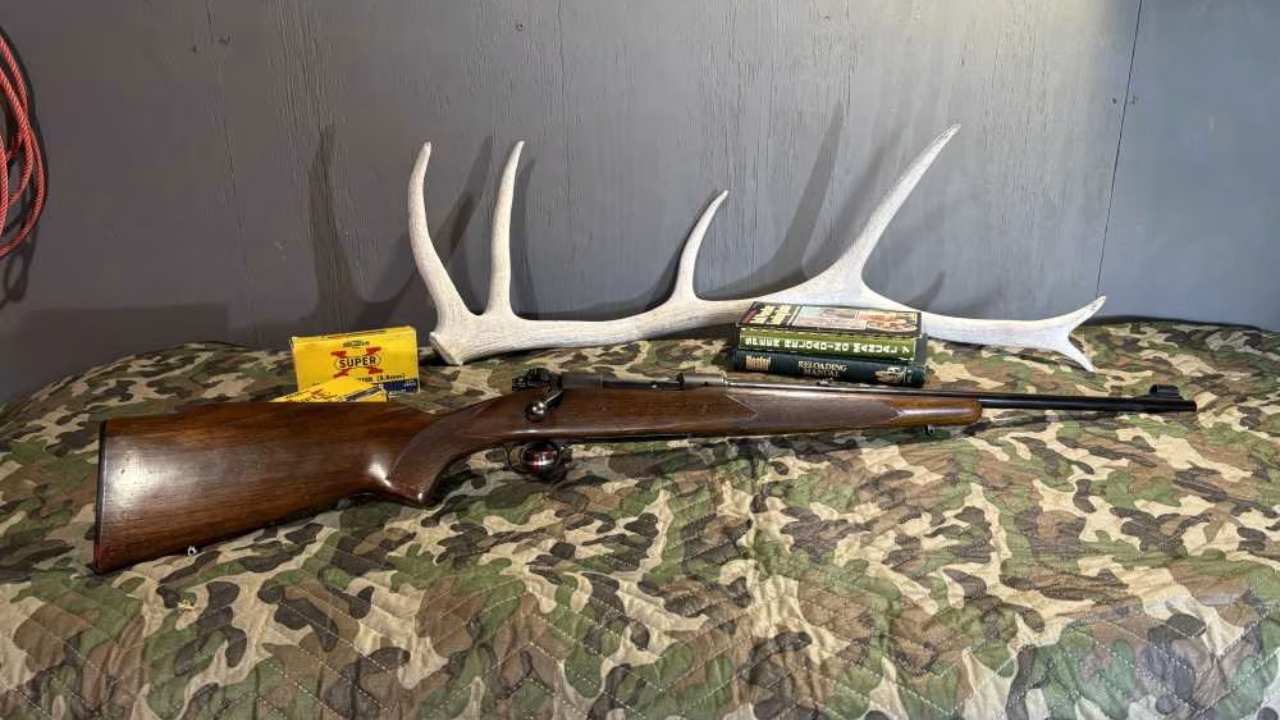
This one should never sit, but it does—usually because it’s misidentified, missing its story, or the pawn tag just says “Winchester bolt action.” Pre-64 Model 70s have been talked about so much that people assume they’re all priced into the clouds. So when one is sitting there with normal wear, buyers get suspicious and walk away.
The controlled-round feed, the claw extractor, the way the bolt cams—there’s a reason it became a legend. Still, not every Pre-64 is a holy relic. You need to look for drilled extra holes, cut stocks, and bores that look like somebody ran a steel rod dry for 40 years. If it checks out, it’s the kind of rifle you can hunt with for the rest of your life, and your grandkid will still want it. That’s not internet romance. That’s just reality.
5. Remington Model 7600 (pump rifle)
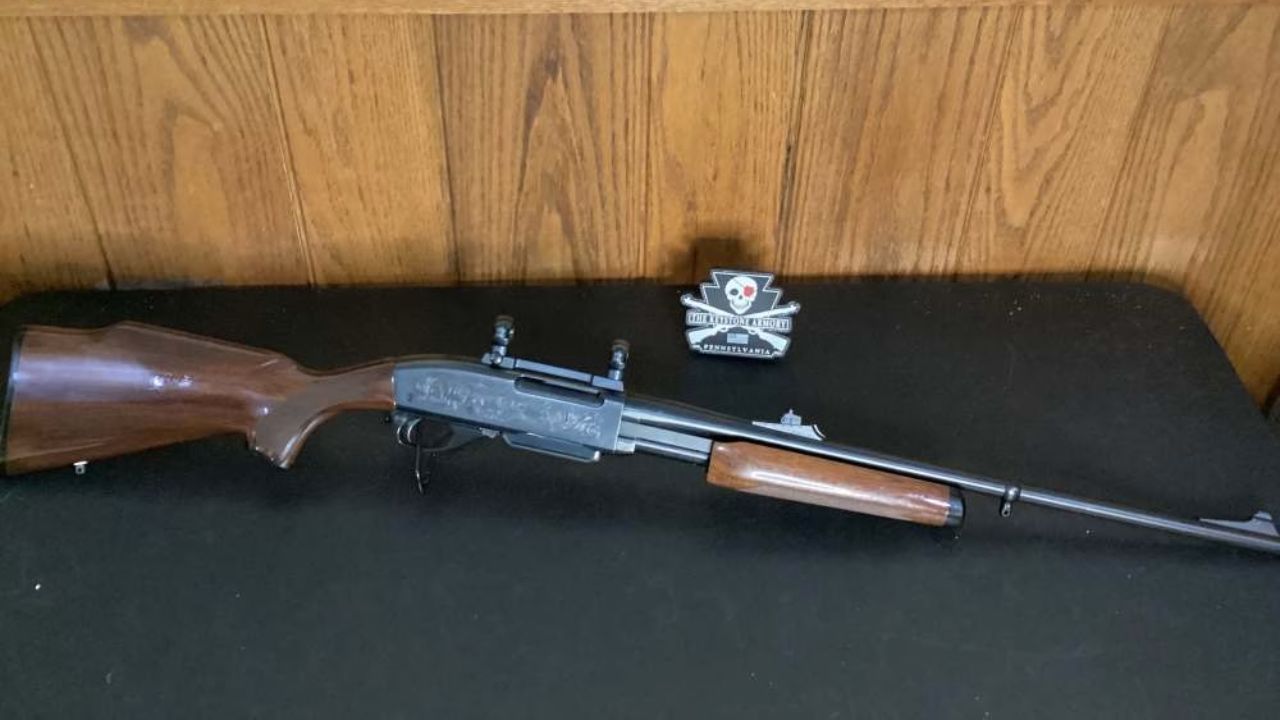
Pump rifles don’t get much respect at the counter. They look like something your uncle carried because he never got around to buying a bolt gun. Then deer season hits in thick timber, and suddenly that fast follow-up shot sounds pretty smart. The 7600 gets stuck in pawn racks because buyers don’t know what to do with it.
If you hunt in brush, a 7600 in .30-06 or .308 makes sense. They carry flatter than you’d think, and the manual of arms is familiar to anyone who runs a pump shotgun. The weak spot is usually magazine availability and condition—mags matter with these. Also check for a loose forend or a gun that feels like it’s been rattled hard for years. A tight 7600 with good mags is a legitimate woods rifle, not a novelty.
6. Browning BLR (steel receiver models)

Lever guns sell, but the BLR is a different animal. It doesn’t have the cowboy vibe, and it doesn’t have the “Marlin 336 nostalgia” either. So it sits while everybody paws at the same beat-up .30-30s. A BLR looks complicated to the average pawn shopper, and the counter guy often prices it like just another lever.
The BLR shines because it handles modern cartridges and points quick. It’s a real hunting rifle for folks who like lever actions but want .308-class performance (or better) without going bolt. The trigger isn’t always dreamy, and you should pay attention to how the lever feels—sloppy linkages can be a sign of hard use. Also, magazines aren’t as cheap as tube-fed ammo, so don’t ignore that cost. But a solid BLR is one of the best “walk and hunt” rifles ever made.
7. Ruger Gunsite Scout Rifle (GSR)
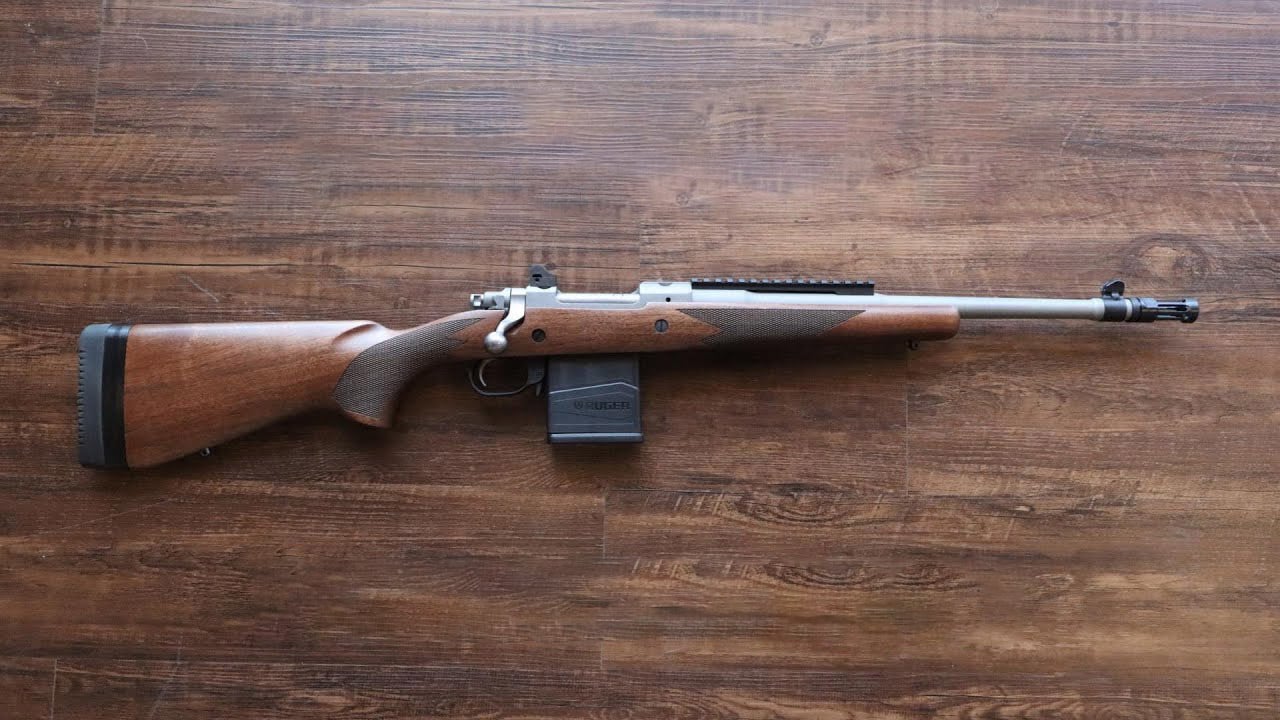
The Ruger Scout gets misunderstood more than most. Half the people think it’s a gimmick, the other half think it’s a do-everything survival talisman. In reality, it’s a handy .308 with good sights and a practical overall length. It sits because it’s not a pure benchrest rifle and it’s not a pure tactical rifle, so shoppers don’t know where it fits.
If you handle one like a field rifle, it makes sense. The iron sights are useful, the action is Ruger-tough, and the detachable mags are a plus if you actually run them. Where shops mess up is mismatched accessories—wrong mags, a cheap scope mounted too far forward, or a price tag that assumes “scout” means rare. It’s not for everybody, and it’s not light like a feather. But it’s a good ranch and woods rifle that you’ll actually carry.
8. Steyr Scout

Now and then you’ll see the real deal Steyr Scout tucked in a corner with a price that scares everyone away. Or the opposite: it’s priced like a standard hunting rifle because nobody recognizes it. Either way, it sits, because the Steyr looks like something from a different timeline and the features confuse casual buyers.
Built-in bipod, spare mag in the stock, slick action, and usually a very practical layout—when you understand what it is, it’s pretty brilliant. When you don’t, it just seems odd. The downsides are real: proprietary parts, accessory choices that aren’t as easy as common rifles, and some folks just don’t like the stock feel. If you want a “normal” deer rifle, keep walking. If you want a lightweight, clever field rifle and you appreciate quality, the Steyr is the one that shouldn’t be lingering in a pawn case.
9. Savage Model 99

The Savage 99 is one of those rifles that gets treated like an antique wall-hanger when it’s actually a serious hunting tool. It sits because younger buyers don’t recognize it and older buyers remember “Grandpa’s old .300 Savage” but don’t want to pay for nostalgia.
The rotary magazine is the magic, especially if you find one with the cartridge counter still working and not beat to death. These rifles balance nicely and carry like they belong in the woods. But you do need to check them carefully: worn internal parts, buggered screws, and sloppy lever lockup can turn a cool find into a project. Also, some calibers are harder to feed than others depending on what’s on shelves around you. A tight 99 with a decent bore is still a legitimate deer rifle, and it has more character than most new production guns.
10. Ruger No. 1

Single-shots make pawn shops nervous. Buyers think “slow,” “old,” or “too fancy,” and clerks often don’t know why the price should be what it is. So Ruger No. 1 rifles end up sitting there, especially if the wood has a few scratches and it isn’t wearing a trendy scope.
Here’s the deal: the No. 1 is not for everyone, but it’s a strong action and a classy hunting rifle that carries beautifully. The balance can be excellent, and they’re often more accurate than folks expect. You’ll want to inspect the forearm fit and make sure the ejector/extractor works clean. Some shooters chase accuracy with forearm tuning and load work, but you don’t need to get weird with it to hunt. If you want one rifle that feels special every time you take it out, a used No. 1 is hard to beat.
Free for gun owners: If something happened to you tomorrow, would your family know where the guns are, who has the safe combination, or what to do first? Our free Gun Owner’s Family Checklist walks them through it. It takes about 15 minutes to fill out. Get your free copy here.
11. Springfield Armory M1A (standard models, not tricked out)
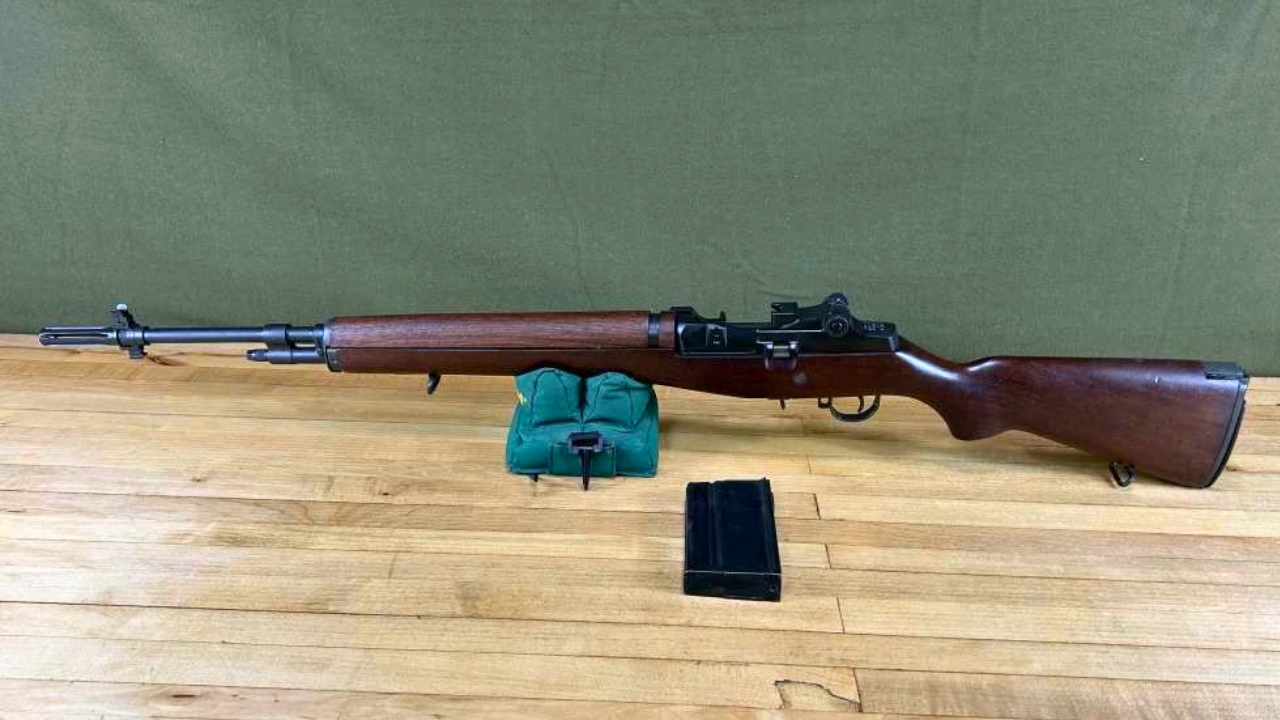
M1As sit when they’re priced wrong or when they’re buried under a pile of modern AR-10 talk. A basic M1A isn’t the easiest rifle to scope, it’s not the lightest .308 around, and it doesn’t scratch the “new hotness” itch. So it becomes a rack ornament in shops that mainly move handguns.
But a standard M1A with a good barrel and decent magazines is still a serious rifle. The sights are excellent, the recoil impulse is smooth, and it’s a rifle you can shoot well without hanging a bunch of stuff off it. The key is condition and parts. Some have questionable aftermarket add-ons that don’t help anything, and a poorly mounted optic setup can sour a buyer fast. If you find one that’s mostly stock and mechanically sound, it’s more than nostalgia—it’s a rifle you can take to the range, to the farm, and even into the deer woods where legal.
12. FN FAL (DSA or surplus builds done right)

The FAL often gets labeled as “some old .308 battle rifle” and left at that. Pawn shops see weight and odd magazines and assume it’s a slow mover. They’re not wrong about weight. Still, the reason it sits is usually because nobody knows whether it’s a quality build or a kitchen-table special.
If it’s a reputable build—DSA, or a well-done surplus parts rifle—it can be a very enjoyable shooter. Soft recoil for what it is, good ergonomics, and magazines that are still out there if you look. Where you have to be cautious is function: check the gas system for obvious neglect, look at the feed ramps, and pay attention to how beat up the locking shoulder area looks. This is not the rifle for a mountain hunt, but it is a rifle that makes sense for a rural property or range work when you want .308 power and rugged reliability.
13. SIG Sauer 556R (7.62×39)
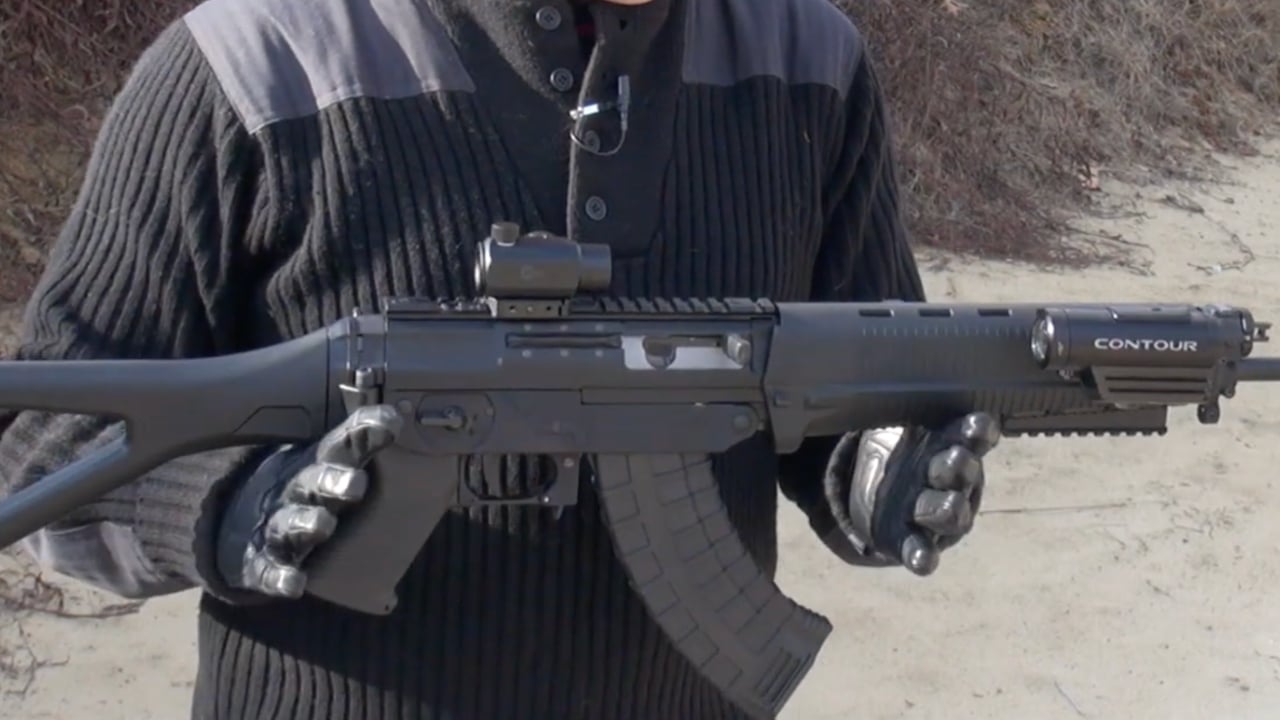
The 556R is one of those rifles that confuses buyers because it doesn’t fit in a neat box. It’s not an AK, it’s not an AR, and it’s not cheap. So it sits, especially if the shop clerk can’t explain magazine compatibility and just shrugs when you ask basic questions.
When these run right, they’re a solid way to shoot 7.62×39 with nicer ergonomics and better sights than a lot of bargain AKs. The issue is that “when they run right” part depends on the specific rifle, magazines, and ammo choices. This isn’t a platform where every part is everywhere. If you buy one, you want to make sure it includes the correct mags and that the rifle isn’t suffering from someone’s half-finished experiment. It’s a niche rifle, but for the right owner it’s a very practical ranch-caliber semi-auto that doesn’t feel like a compromise.
14. IWI Galil ACE (7.62×39 or .308)
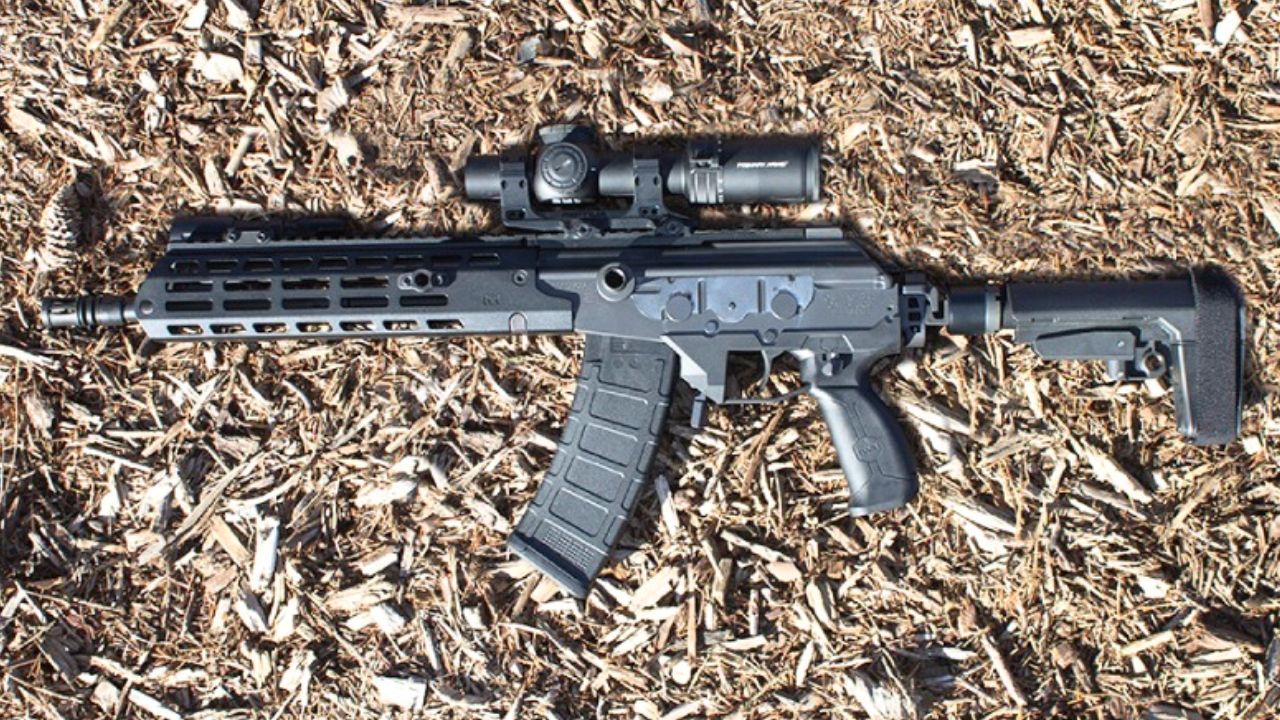
The Galil ACE is another one that gets misread. It looks like a brick, feels heavy on the rack, and the price tag makes casual shoppers back up. If the pawn shop has it sitting there, it’s often because no one behind the counter can explain why it costs more than the bargain-bin rifles next to it.
In use, they’re reliable, well-built, and set up for hard service. The controls are generally good, and they tend to run dirty without drama. The downside is weight and balance compared to lighter modern options. It’s not what I’d pick for carrying up and down ridges all day. But if you want a tough semi-auto that you can feed and keep running, the ACE earns respect. Check for included factory accessories, correct magazines, and overall wear—these rifles often get bought by folks who actually shoot them, not just fondle them.
15. Marlin Model 336 (JM-stamped, older wood)
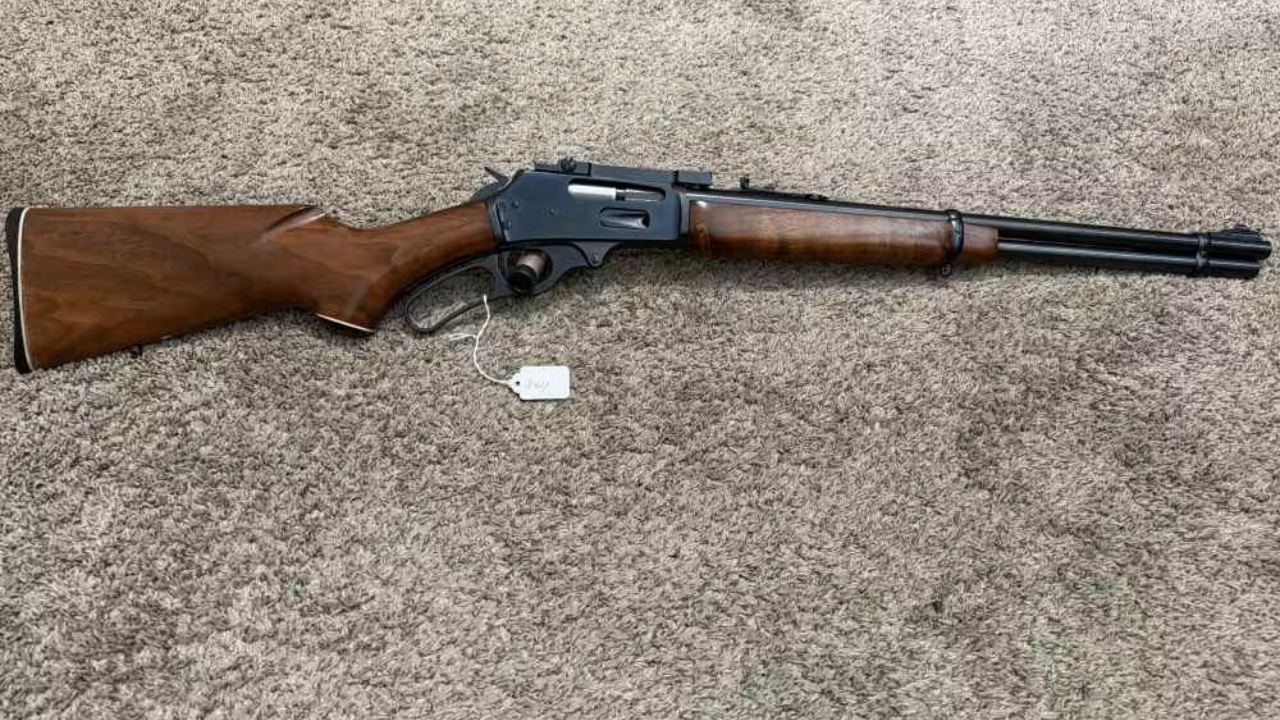
You’d think a 336 wouldn’t have time to sit, but I’ve seen it happen when the shop doesn’t know how to spot the older JM guns or they assume every 336 is the same. Then they slap a random price on it that’s either too high for a rough gun or too low for a clean one—either way it lingers because buyers don’t trust the tag.
A good 336 is still one of the best “grab and go” deer rifles ever made. It’s slim, it carries easy, and it points fast in the thick stuff. What matters is condition: look for a worn-out loading gate, a chewed-up screw heads, and a bore that looks like it lived in a damp cabin. Also, check the crown. Plenty of these wore cheap scopes mounted crooked, and buyers blame the rifle for bad groups. A clean older 336 is not magic, but it’s honest gear that does honest work.
16. Browning BAR (hunting BAR, not modern tactical variants)

The hunting BAR is a quiet killer in the pawn rack. It sits because it’s not trendy, it’s not light, and a lot of younger shooters assume semi-auto hunting rifles are finicky. Then deer season rolls around and the same guys are dragging a heavy bolt gun around wishing for a softer shooting follow-up.
A good BAR cycles smooth and shoots flatter than it has any right to. It’s also the kind of rifle that can punish your wallet if you ignore maintenance or buy one that’s been neglected. Look for signs of bubba gunsmithing, hacked recoil pads, and missing magazine parts. Magazines and some small parts aren’t always as easy as common bolt guns, so condition matters more. I wouldn’t call it a mountain rifle, but for stand hunting, crop edges, and the kind of shooting where a second shot might happen fast, the BAR is more useful than people admit.
17. Remington Model 742 Woodsmaster
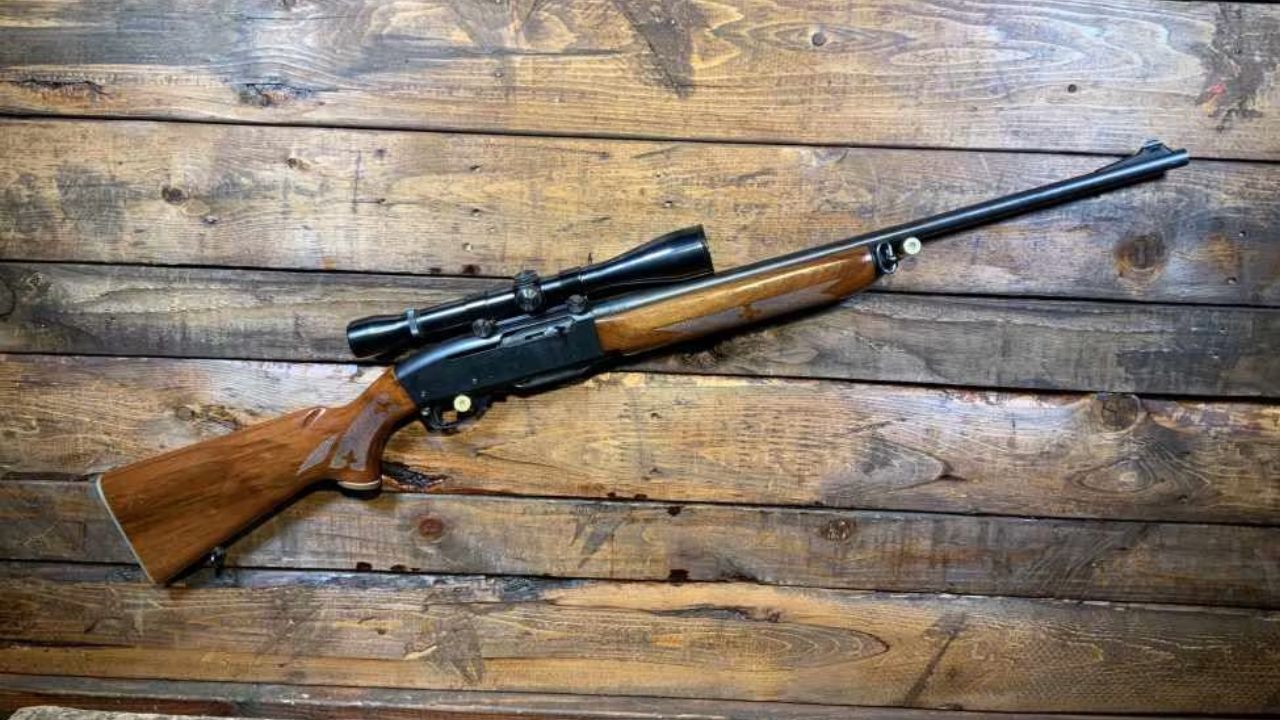
This one sits for a different reason: the 742 has a reputation, and some of it is earned. So when one shows up in a pawn case, it either sits forever because buyers have heard the stories, or it sells to somebody who doesn’t know what they’re getting. The counter guy often can’t explain the difference between a healthy 742 and one that’s about to become a parts donor.
Here’s the honest take. A 742 that’s been kept clean, shot moderately, and not run dry can be a perfectly fine deer rifle. But when they start having issues, it can get expensive or impractical to make right. The rails and action wear are real considerations, and you should pay attention to how the bolt feels when you cycle it and whether it looks like it’s been hammered. I get why folks move on from them. Still, a clean 742 with known history is a handy rifle for the guy who hunts a week a year and doesn’t treat it like a machine gun.
18. Mosin-Nagant M39 (Finnish)

A Mosin is a Mosin to most pawn shops. That’s why Finnish M39s sit there tagged like any other beat-up surplus rifle. The clerk sees an old military bolt gun and thinks it’s just another $200 relic—except M39s aren’t that, and the good ones don’t show up every day.
The Finns took the basic Mosin idea and made it into something that can actually shoot. Better barrels, better sights, generally better overall fit. They’re still long, still heavy, and still not what I’d call a pleasant rifle off the bench. But they can be accurate, and they’re a big step up from the roughest wartime Russian examples. Ammo is another factor—7.62x54R is around, but corrosive surplus changes how you need to think about cleaning. If you see an M39, slow down and read the markings before you dismiss it.
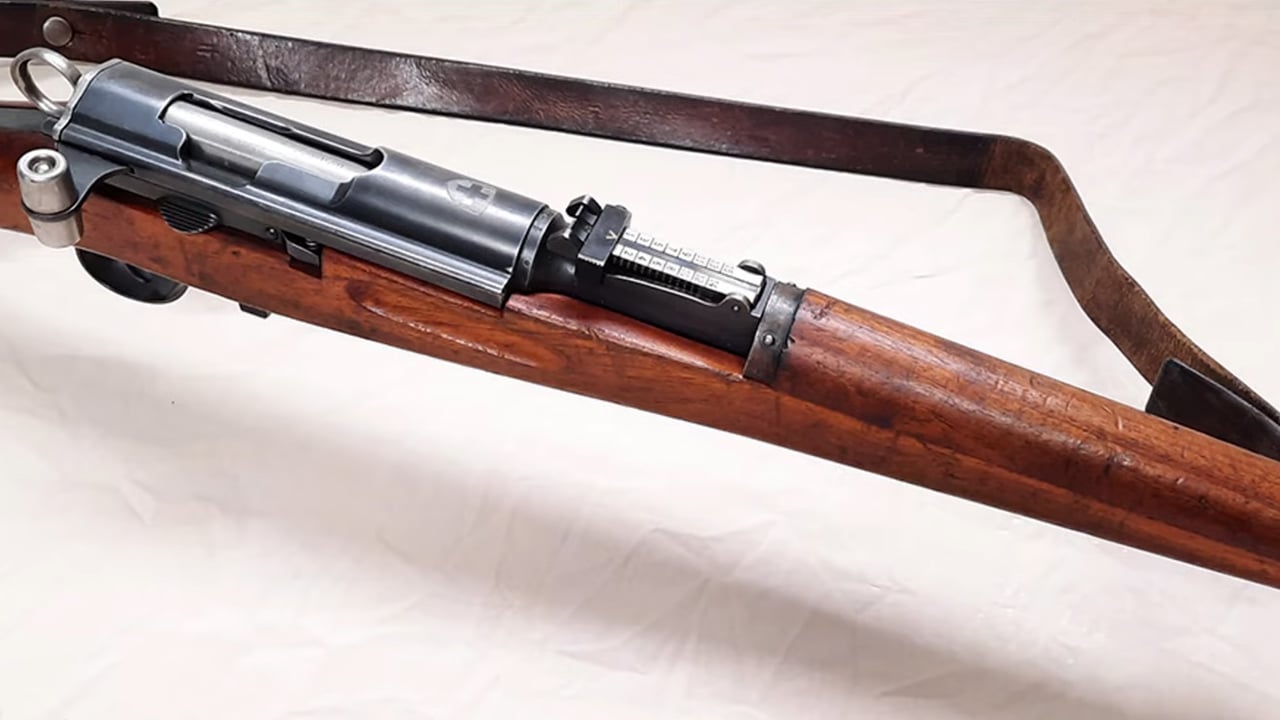
19. Swiss K31 (Schmidt-Rubin)
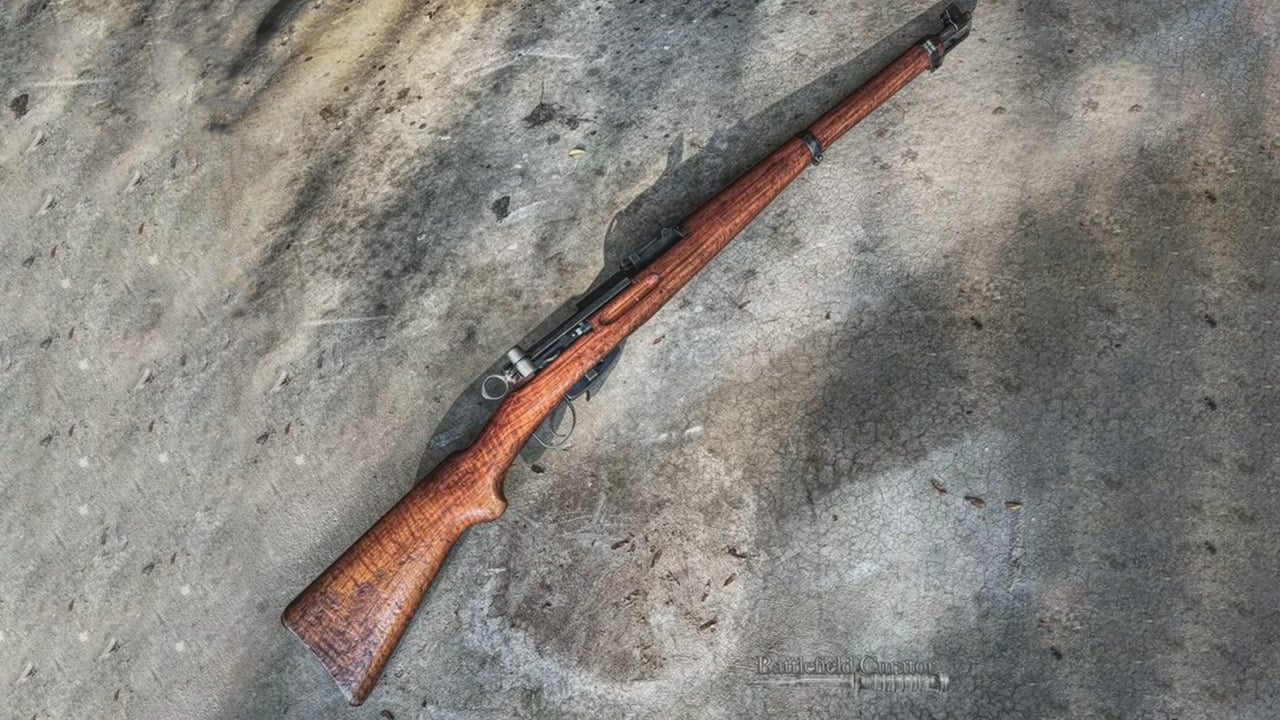
K31s get passed over because they look odd, and the straight-pull action makes some buyers think “complicated.” The shop clerk usually can’t answer the most basic questions about the ammo, the mags, or why the machining looks so good. So the rifle just sits, even though it’s one of the nicest military surplus rifles a shooter can bring home.
Run the action on a K31 and it’ll spoil you. It’s smooth in a way that doesn’t feel like a century-old service rifle. The sights are practical, and many of them will shoot better than their owners can hold. The catch is feeding it. 7.5×55 Swiss isn’t on every small-town shelf, and that’s enough to scare off the casual buyer. Check the bore, check the crown, and look over the stock for cracks. Also, watch for mismatched parts if you care about collectability. For pure shooting enjoyment, a good K31 is hard to top.
20. Tikka T3x (older blued/synthetic “plain Jane” setups)
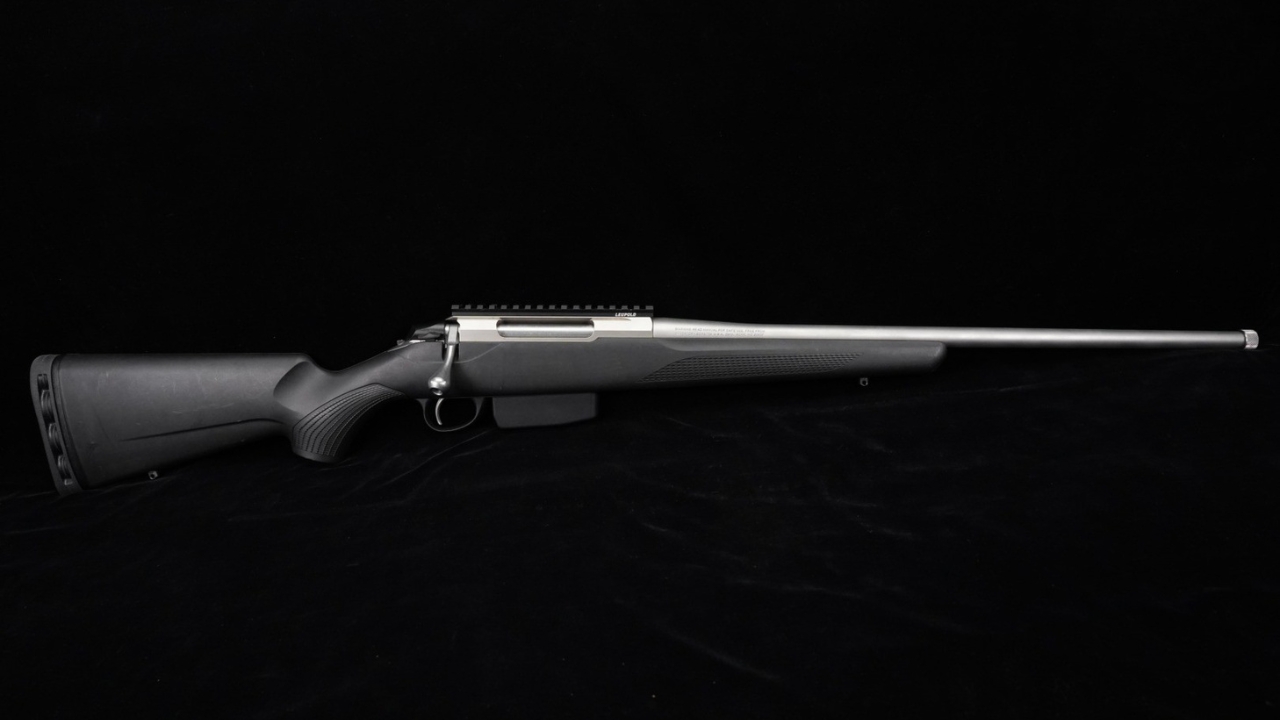
This one surprises people, but I’ve seen Tikkas sit because they’re too “boring” to excite anybody at the counter. No fancy stock, no muzzle brake, no camo dip, just a blued barrel and a synthetic stock. The pawn tag reads like any other modern bolt gun, and shoppers walk right past it to fondle something louder.
The joke is on them. Tikkas tend to shoot. The actions are slick, the triggers are usually good out of the box, and they’re the kind of rifles that make a guy look like a better shot than he is, especially with decent ammo. The downside is magazine cost and the fact that the factory plastic parts offend the “all metal and walnut” crowd. But if you’re actually hunting—walking, climbing, sitting in the rain—plain and weather-resistant is not an insult. A used T3x that hasn’t been abused is one of the best “buy it and go hunt” deals in a pawn rack.
Pawn shops can be gold mines, but only if you slow down and look past the tags. Bring a light for the bore, work the action (with permission), and don’t get hypnotized by whatever optic is mounted on top. The rifles that linger aren’t always bad rifles. Sometimes they’re just misunderstood, mispriced, or too practical to be flashy. If you know what you’re looking at, you can walk out with a hunting rifle you’ll trust when the weather turns and the shot finally shows up.
Like The Avid Outdoorsman’s content? Subscribe to our newsletter so you never miss an article.
Here’s more from us: