Photo credit: heller/Shutterstock.com
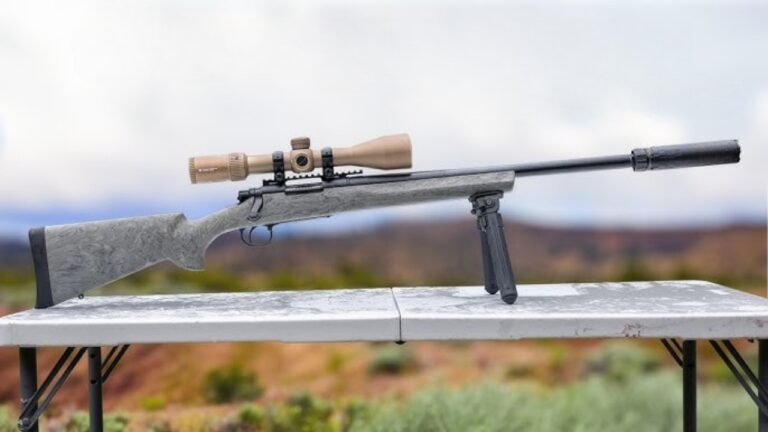
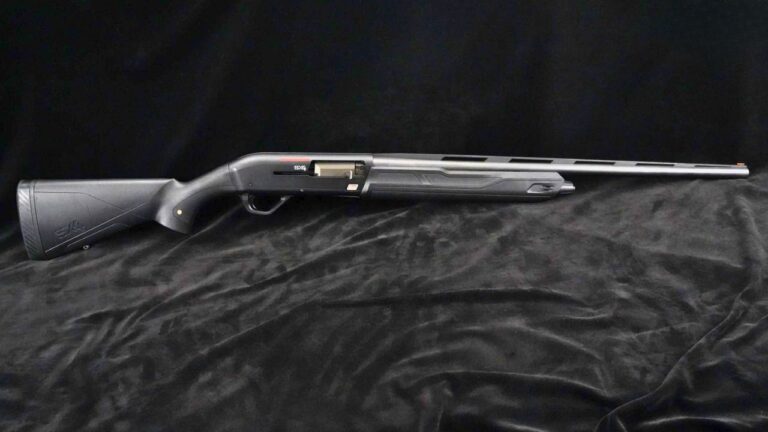
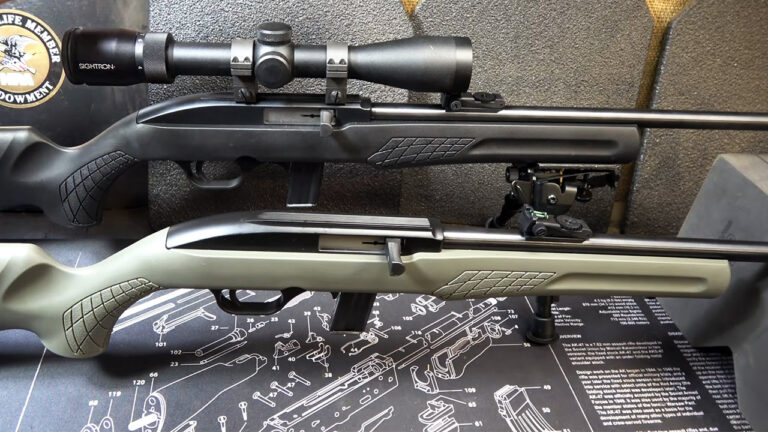
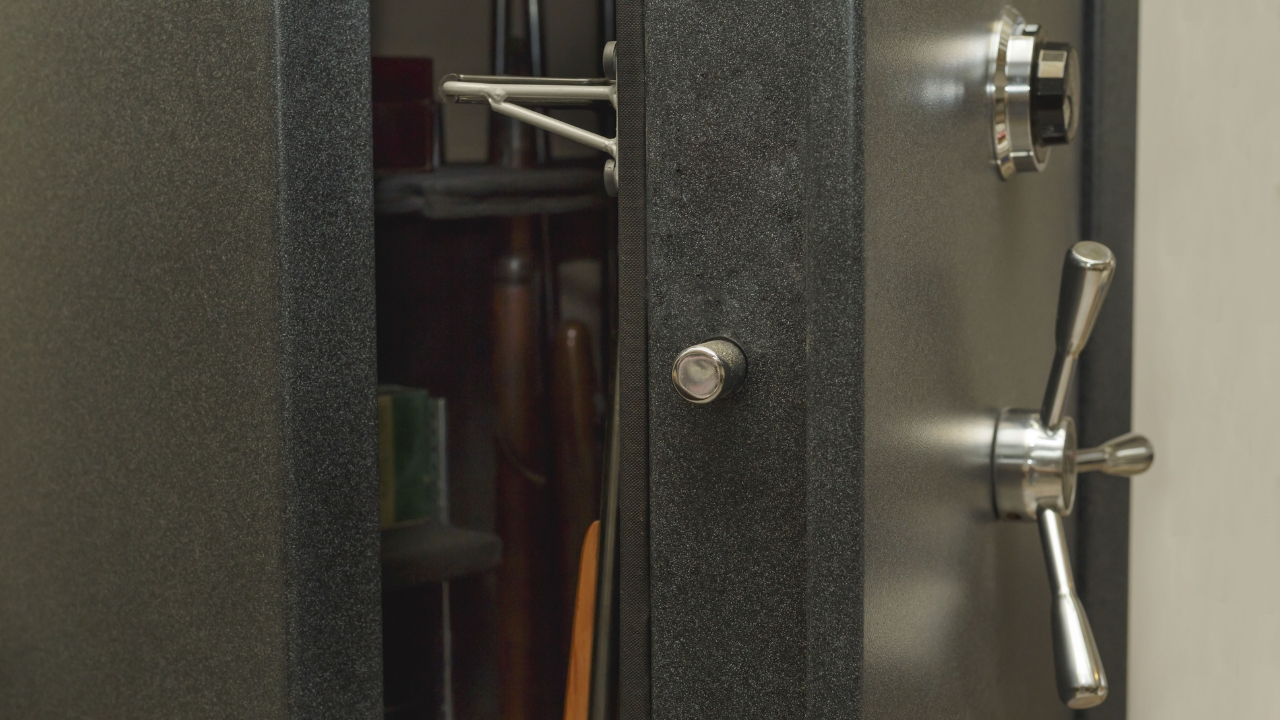
For many gun owners, a heavy steel safe feels like the default answer to every storage question. Yet the same box that protects a collection from theft can slow you down in an emergency, damage your home, or even fail to meet your actual legal and safety needs. Knowing when a traditional safe is the wrong tool, and which alternatives fit better, is now a core part of responsible firearm ownership.
Instead of assuming a single vault should handle every pistol, rifle, and hunting shotgun, you can match storage to purpose, risk, and budget. That means understanding the limits of big-box safes, using lighter options where they make more sense, and, in some cases, skipping the safe entirely in favor of a secure room or concealment system.
When a full-size safe works against you
A full-size safe can be a poor fit when you live in a small space, rent an upper floor, or only own one or two firearms. Large units weigh hundreds of pounds, and gun owners in walk-up apartments have raised real concerns that a safe could overload a wood floor and risk structural damage to the unit below, with one California owner warning that a heavy safe might end up “fatally crushing my downstairs neighbor” if placed poorly. Even when the floor holds, you may not be allowed to bolt the safe to the structure, which is a key part of how a safe resists prying and tipping according to detailed comparisons of gun safe locking systems.
Cost is another reason a big safe can be the wrong choice. Analyses of storage options note that a quality gun safe often costs almost twice as much as a basic cabinet, with typical cabinets around $200 while better safes climb quickly in price. When you only need to secure a single handgun from children, spending that money on training, alarms, or multiple lockboxes can deliver more safety than one oversized vault. Even advocates of safes acknowledge that you probably won’t be as protected as you think if you buy a bargain model that can be pried open, or if you underestimate how much space you will need and end up replacing it later.
Security myths and common buying mistakes
Many owners discover too late that the safe they bought does not deliver the security they assumed. Detailed breakdowns of Common Mistakes When Buying a Gun Safe highlight how often people focus on price or glossy marketing instead of construction, fire rating, and locking hardware. Thin sheet metal, minimal locking bolts, and weak anchoring can leave a safe vulnerable to simple prying or tipping attacks, which undercuts the entire reason you paid for a heavy box in the first place. Some owners also underestimate how quickly a collection grows, then find themselves stacking rifles in a cramped interior or needing to purchase another unit.
There is also a tendency to treat any safe as a universal solution, even when the real need is quick access rather than long term storage. Guidance on safe storage stresses that responsible ownership involves more than preventing unauthorized access, it is about the safety of everyone in and around your home. If you rely on a large safe in the basement for your only defensive handgun, you may not be able to reach it when you need it most. Experts who compare a gun safe versus a gun cabinet point out that security is a spectrum, and that you should match the level of protection to the threat, the environment, and how quickly you must access the firearm.
When a safe is the wrong answer for kids, guests, and daily carry
If you have children or frequent young visitors, relying on hiding spots or a single large safe can create its own risks. In one practical guide for new owners, instructors warn that if your kids can figure out where you hide the Christmas gifts, they probably also know where you hide the guns, and that a firearm you cannot reach when you need it “NOW” is not serving its intended purpose. That tension between access and security is exactly where a full-size safe can be the wrong answer, because it encourages you to either leave a gun out for convenience or bury it so deeply that it is useless in an emergency.
Smaller, purpose built devices often solve this problem more effectively. Experts in West Texas have highlighted how Small lockboxes and cable locks can be both affordable and effective, especially when you secure a handgun to a bedframe or other fixed object so it stays where you need it. National safety campaigns and new laws in places like EUREKA, Calif, where California is tightening storage rules to keep firearms away from children and other unauthorized individuals, reinforce that the legal standard can often be met with a locked container or a cable device rather than a full safe. For a bedside pistol or a single shotgun in a home with kids, a quick access lockbox or cable lock can be a better fit than a heavy vault in another room.
Alternatives that prioritize access and flexibility
Once you recognize that a safe is not mandatory for every situation, a wide range of alternatives opens up. Traditionalists may gravitate toward a gun cabinet, which uses lighter construction and fewer locking bolts than a safe but still provides a locked, dedicated space for firearms. Comparisons of Gun safe versus Gun cabinet designs explain that cabinets rely less on heavy steel and more on basic locks, which makes them easier to install in apartments or older homes where weight is a concern. For many hunters or casual owners, that level of security is sufficient, especially when combined with alarms or storing ammunition separately.
For handguns and travel, lockable cases can be a smarter choice than a safe. Manufacturers outline a range of Small Cases, Medium Cases, Large Cases, and Long Cases, with lengths like 40, 56, 58, and 76 centimeters, that can be paired with a trigger lock to secure a pistol or carbine in a vehicle or closet. At the same time, experienced shooters caution that Storage in a case long term with foam can invite corrosion, so these cases are best used for transport or short term storage rather than as a permanent home. For wall or closet storage, some owners turn to ideas for storing guns without a Gun Safe, such as rigid gun racks and mounts that secure firearms inside a locked closet or behind a reinforced door.
Concealment furniture, gun rooms, and built-in solutions
As your collection grows, or if you want to avoid advertising that you own firearms, concealment and built-in storage can outperform a traditional safe. Some companies build coffee tables, shelves, and wall art that double as hidden compartments, with one line noting that Larger pieces like an American flag concealment coffee table can accommodate multiple handguns or even compact rifles. Advocates of this approach argue that spreading firearms across several concealment points, instead of storing everything in one location, reduces the risk that a single breach exposes your entire collection. Other innovators offer disguised options like a Clock, a shelf, or a mirror from Tactical Walls, as well as a false air vent by QuickSafes, which were showcased at SHOT as examples of how everyday objects can hide secured firearms in plain sight.
For serious enthusiasts, a dedicated gun room can replace or supplement a safe entirely. One detailed guide explains that a Gun Room is, as the name suggests, a room in your house finished with the express purpose of housing firearms, with walls, doors, and locks designed to keep little hands off of them. Another overview of Gun Safe Alternatives notes that a dedicated gun room offers more space, better organization, and the ability to manage temperature and humidity to keep rust causing moisture at bay. Security specialists also describe a “Build It” approach, where Having a secure room or specialized gun locker is becoming more popular among Police, military, retailers, and private owners who want layered protection without relying solely on a single safe.
Matching storage to your real-world risks
The most effective storage plan starts with an honest look at your life, not a catalog photo. If you live in a jurisdiction with specific safe storage laws, such as California, you must first meet the legal baseline that firearms be secured from children or other unauthorized individuals, which can often be done with a locked container, a cable lock, or other approved devices. In some discussions of state requirements, experienced owners point out that Securing it with a cable lock can meet the law, and that if you want something more secure than a lock but less expensive than a full safe, there are intermediate products listed as approved. That flexibility matters if you rent, move frequently, or simply do not have the space or budget for a large safe.
From there, you can layer solutions instead of forcing every gun into the same box. A hunting rifle that only comes out in season might live in a modest cabinet, while a carry pistol sits in a quick access lockbox bolted to a nightstand and a small collection of long guns is organized on wall mounts inside a locked closet. Safety educators remind new owners that trigger locks, cable devices, and simple lockboxes are all valid tools, especially when combined with common sense about who has access to your home. Even proponents of traditional safes concede that Not all gun safes are created equal and none of them are perfect for everyone, which is exactly why you should feel comfortable choosing a different tool when a safe is the wrong storage choice for your home.
Like The Avid Outdoorsman’s content? Be sure to follow us.
Here’s more from us: