Photo credit: The Avid Outdoorsman
In a lot of rural places, trouble doesn’t always show up as a full-blown emergency. Sometimes it starts as a truck creeping down a dead-end lane after dark, a shouted threat across a fence line, or a neighbor who thinks the rules don’t apply once the sun goes down.
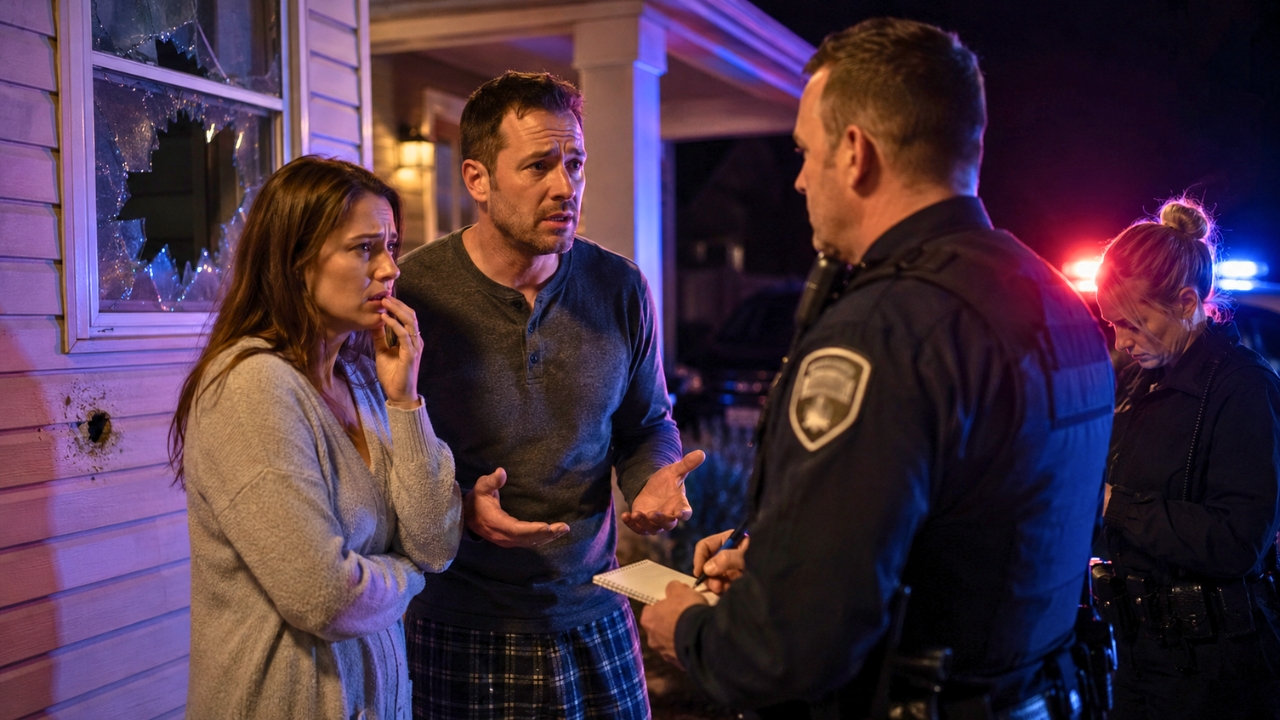
That’s how this one built up. A couple living outside town said they’d spent the better part of six months dealing with armed intimidation tied to a nearby property dispute. They kept doing what people are told to do: document it, avoid the confrontation, and call it in. Then, the night after they filed what they hoped would be the final report, rounds came through their house.
Six months of pressure that never quite crossed the “emergency” line
The couple’s problems reportedly started with boundary issues and “access” questions that come up a lot in the country—shared driveways, easements nobody can explain, and people who have been cutting across land for years acting like they own it. In this case, the conflict had a harder edge because the threats were allegedly paired with visible firearms.
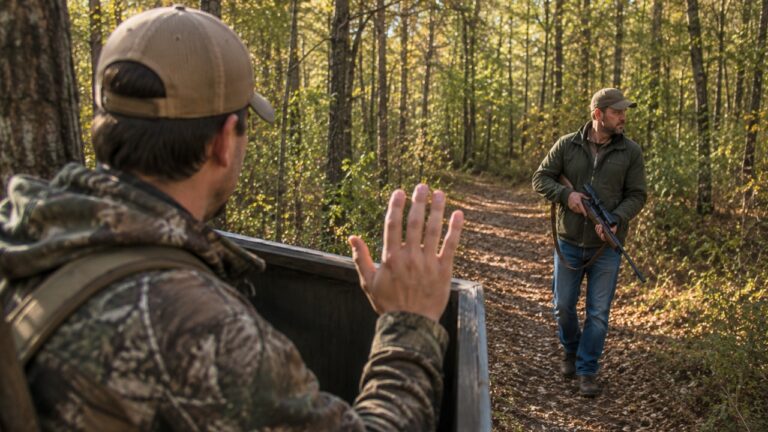
According to the reports made over those months, the intimidation wasn’t a one-time blowup. It was repeated: vehicles idling near the property line, someone showing up uninvited, and confrontations that ended with a hand resting on a holster or a rifle being carried a little too deliberately. That’s the kind of behavior that leaves you on alert all the time, but also makes it tough to prove intent until something truly bad happens.
What the couple did right: reports, documentation, and distance
People like to say, “Just handle it yourself,” until they’re the ones staring at the legal aftermath. From what’s been described, the couple took the safer route. They filed reports when threats happened, kept their distance, and tried to build a paper trail that showed the pattern instead of just one heated moment.
That paper trail matters, especially when the threat is someone you may have to see again. A single argument on a county road can get shrugged off as “neighbors being neighbors.” A series of documented incidents, with dates, times, and consistent details, starts to look like what it is: escalation.
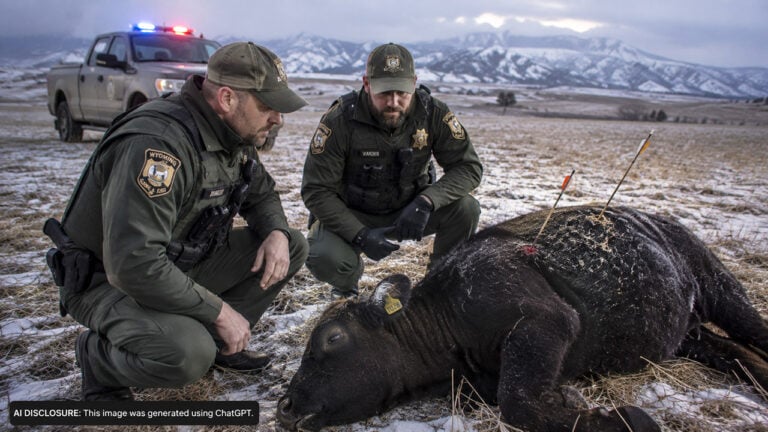
In rural America, you also don’t always have quick response times. Deputies might be tied up an hour away. Game wardens may be covering half a county. Building the case ahead of time is often the only way to get traction before something crosses the line.
The night it turned from threats to gunfire
The shift from “this is scary” to “this is deadly” happened fast. The couple had made what they believed would be their last report, thinking the situation might finally be headed toward an arrest or at least a firm warning. Instead, the next night, shots were fired into their home.
When rounds come through walls, the whole conversation changes. It’s no longer about who said what at the fence. It’s about trajectories, bedrooms, and where people were standing when they heard glass pop and drywall crack.
Investigators typically treat this kind of incident differently than a simple brandishing complaint. Discharging a firearm into an occupied structure is the kind of action that forces an immediate response: scene security, evidence collection, and a serious search for the shooter. It also reframes the earlier reports as potential precursors rather than isolated drama.
Rural reality: property disputes, trespassing, and “my granddad did it” attitudes
These situations often have the same ingredients, whether it’s about hunting access, fishing a creek behind someone’s barn, or using an old logging road as a shortcut. One side sees it as private property. The other sees it as tradition. Toss in a hot temper and a gun, and you’ve got a problem that can’t be solved by arguing louder.
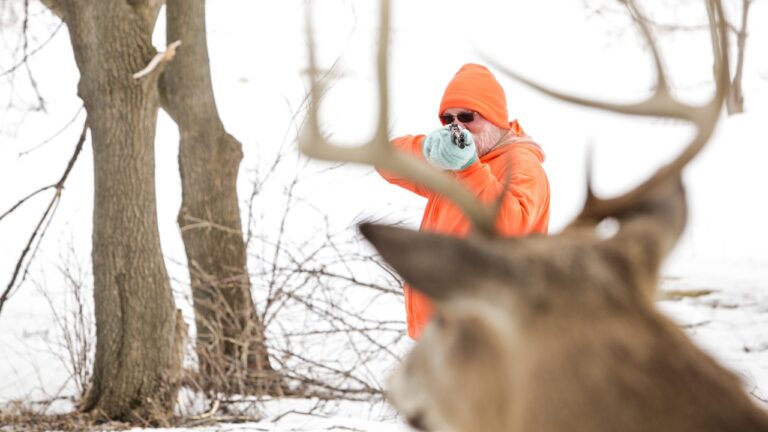
If the dispute had any hunting angle—like somebody hanging a stand “just over the line,” running dogs through posted timber, or retrieving game without permission—it can also bring emotions that don’t belong in a safe community. Hunters who do it right know the drill: clear permission, clear boundaries, and you treat every neighbor like you may need them in an emergency someday.
When someone decides to “enforce” their version of access with intimidation, it’s not defending rights. It’s reckless. And the moment shots are fired, every excuse about old habits goes out the window.
What folks focused on: cameras, lighting, and a real plan for the midnight knock
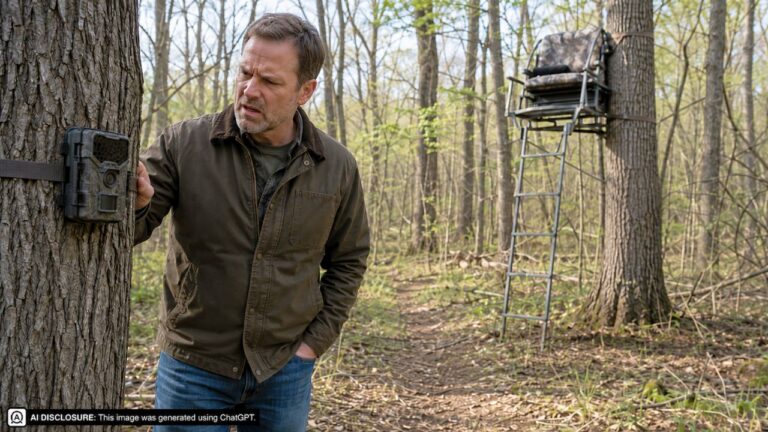
Whenever a story like this makes the rounds, the same practical points come up, and for good reason. People talk about cameras first. Not because cameras stop bullets, but because they help identify patterns and vehicles, and they can back up the timeline when someone claims they were home all night.
Lighting comes up too—motion lights on corners, at gates, and along driveways. Good lighting doesn’t make you “paranoid.” It gives you time and information, and it can push the average snooper back toward their truck before they do something stupid.
Then there’s the hard part: a plan for the late-night situation. Not a fantasy. A plan. Doors locked, phones charged, a clear safe room, and everyone in the house knowing where to go. If you keep firearms for defense, that also means safe storage that still allows quick access, and training that emphasizes identifying targets and knowing what’s behind them. In a rural home with thin walls and neighbors down the road, you can’t afford sloppy decisions.
The part nobody likes: what law enforcement can do before and after shots are fired
A lot of outdoorsmen get frustrated because they think reports should trigger immediate action. Sometimes they do. A lot of times, the system is reactive. Until a credible threat meets a legal threshold—witnesses, proof, a violation observed firsthand—there may only be warnings, extra patrols, and documentation.
That’s not a satisfying answer when you’re the one being threatened. It’s just the reality of how many jurisdictions work, especially with staffing shortages and big coverage areas. Still, that early documentation can be the difference between “he said, she said” and a clear escalation record once a serious crime occurs.
After gunfire, there’s no more gray area. Evidence gets processed, probable cause gets built, and protective steps become more tangible. The sad part is that it often takes something extreme to make the system move at full speed.
Out in the country, most neighbors will help you fix a fence and keep an eye on your place when you’re at work. But when you get the rare one who mixes grudges with firearms, the best move is the boring one: document everything, keep your distance, harden your home, and let the paper trail do its job. Nobody wins a shootout over a property line, and no piece of ground is worth turning a home into a crime scene.