Photo credit: The Avid Outdoorsman
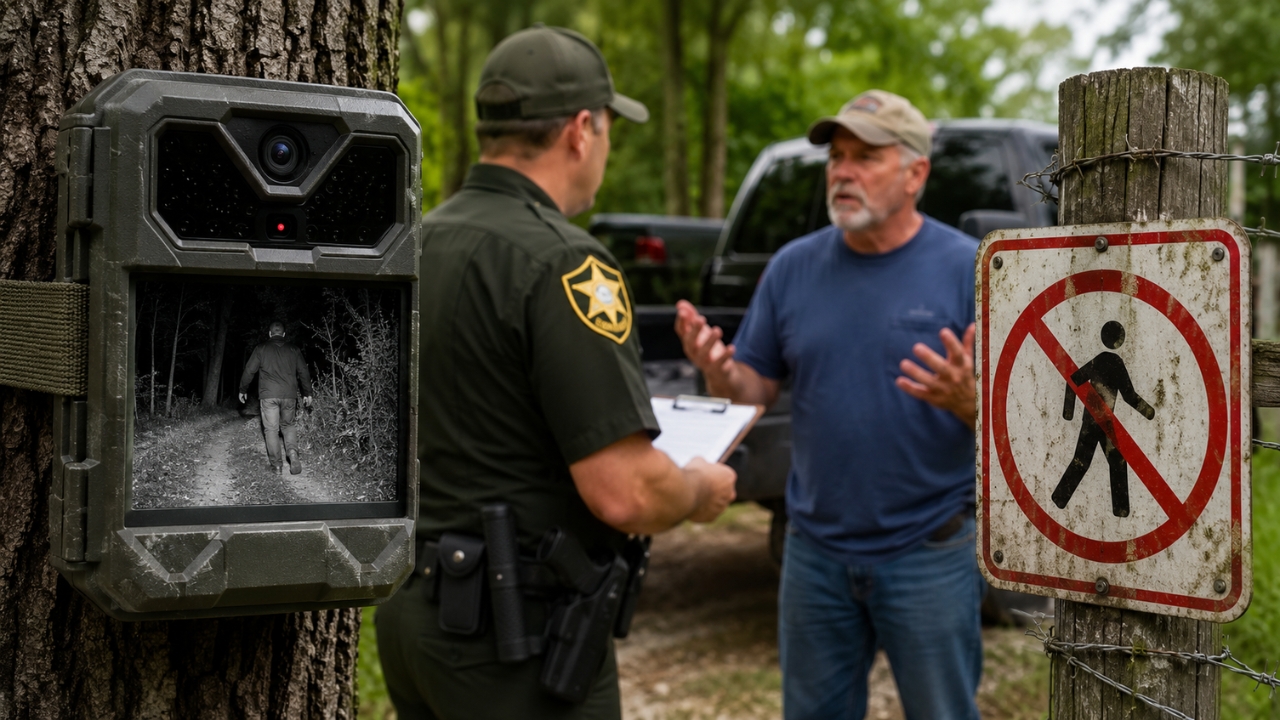
He’d done what a lot of rural folks do when they get tired of finding boot tracks where they shouldn’t be: he put cameras up. Not to play detective for fun, but because he’d already had gates left open and a fresh cut fence wire that wasn’t there the week before.
When the alerts started coming in, they weren’t of deer. They were of people. A pickup easing down the two-track, a pair of guys stepping out with daypacks, and later, the same truck parked near a corner that butts up to public ground. The landowner saved the clips, pulled the time stamps, and called the county deputies.
The problem started with “everybody hunts back here”
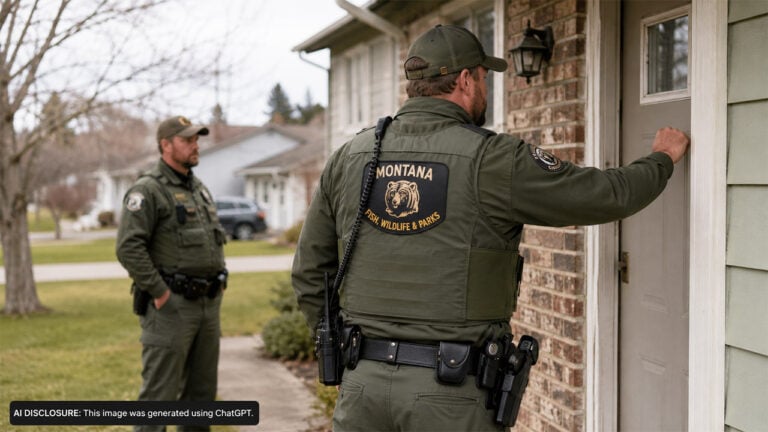
The deputies met him at the entrance and walked the edge where the tire marks crossed his line. The landowner could point to old survey pins and a tree line that’s been used as a boundary since his granddad’s day. The problem was the trespassers weren’t acting like they were sneaking around. They looked comfortable, like they’d done it before.
That’s a common thread with access disputes. Somebody heard “it’s fine,” or “nobody cares,” or “that corner is basically public,” and after a couple seasons of getting away with it, they start believing it. Add hunting season pressure and a piece of timber that holds deer, and suddenly your posted line becomes someone else’s shortcut.
The landowner brought the footage—and hit a wall
Back at the truck, he showed the deputies the clips. Clear faces. Clear vehicle. A plate number that could be read if you paused it. One clip even caught a guy glancing straight at the camera before walking in.
He expected the next step to be simple: identify the individuals and write it up as trespassing. Instead, one deputy asked a question that changed the whole tone: “How is the property posted?”
The landowner said what plenty of people would say. He had “No Trespassing” signs—some near the main entrance, some nailed to trees on the back boundary. He figured the fence and the gates made it obvious. He figured the cameras would do the rest.
That’s when he learned the hard lesson: in that state, “obvious” isn’t the same as “state-legal posting.” And if the legal posting requirements aren’t met, the footage might be helpful for your own information, but it may not be enough for a criminal case to stick.
Why posting rules matter more than most people think
Every state is different, but a lot of them have specific rules that turn “private property” into “clearly noticed private property” in the eyes of the law. That can mean signs at set intervals, signs of a certain size, signs placed at every common entry point, or even paint marks of a specific color and pattern.
Some states don’t treat a generic sign the same as a legally compliant sign. Some require the landowner’s name, address, or a statement that entry is forbidden without permission. Others require marking at corners and along boundaries so a person can’t reasonably claim they didn’t know they crossed over.
And that “reasonably claim” part is where cases die. If a deputy or prosecutor believes the trespasser can argue they didn’t have proper notice, the odds of charges holding up drop fast. In many places, the first step isn’t catching them on camera—it’s proving they were legally warned off.
The landowner wasn’t wrong to think the footage mattered. It did. But it wasn’t the foundation the deputies needed. Posting was.
The safety concern is what pushed it from annoying to serious
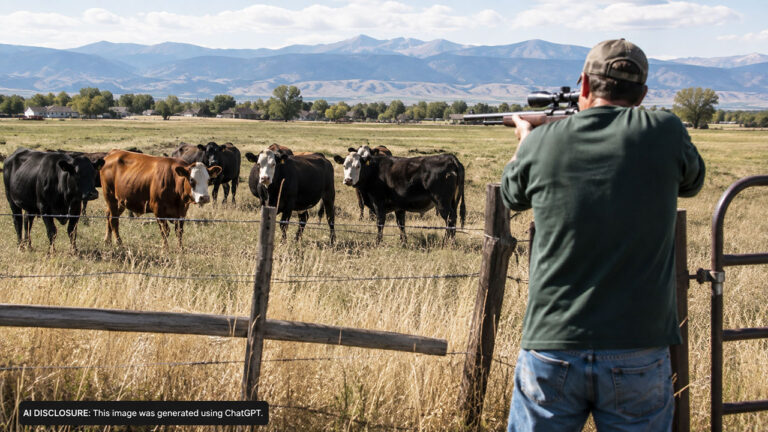
What really got under the landowner’s skin wasn’t just that strangers were walking his place. It was how they were doing it. One clip showed a guy with a rifle slung, stepping over a downed fence section and angling toward a food plot the landowner’s family hunts.
That changes everything. Trespass isn’t just a property issue when firearms enter the picture. It’s a safety issue. It’s a “who else is in that woods” issue. It’s kids riding ATVs, a neighbor’s livestock in the next pasture, and a stand you’ve got hung near the creek issue.
The deputies treated it the same way: they were willing to make contact and warn them, but the landowner wanted something stronger than a verbal warning. He wanted accountability. He wanted it to stop before someone got hurt or before a buck he’d been watching all summer ended up in the wrong truck.
What deputies can do when the case isn’t clean
With the footage in hand, the deputies could still use it as a lead. A plate can point to an owner. A face can match a driver’s license photo. A conversation can happen. But law enforcement has to work within what’s enforceable, and “we can’t make this charge stick” is a reality a lot of landowners aren’t prepared for.
In situations like this, deputies often steer it toward education and documentation: issue a formal warning, make a report, advise the landowner to get the property properly posted, and encourage calls the moment trespass is happening so there’s a chance to catch someone on-site.
That doesn’t feel satisfying when you’re the one paying taxes and doing the upkeep. But it’s also a clue. If the law requires legal notice, your best “security upgrade” might not be another camera. It might be a weekend with a post driver, a staple gun, and a map of your boundaries.
What other landowners focused on: posting, maps, and avoiding a bad encounter
When this kind of story makes the rounds at the feed store or online, the same points come up again and again. First: get your boundaries right. Not “pretty sure,” not “granddad said.” If you’re dealing with repeat problems, it’s worth confirming corners and lines so you’re not posting the wrong place.
Second: post it the way your state says to post it. That means reading the rule yourself, not relying on what your buddy did on his farm. If your state recognizes purple paint, use the correct shade and the correct spacing. If your state wants signs every so many yards, do it. It’s tedious until you need it.
Third: don’t try to personally intercept armed trespassers. That’s where things go sideways. Cameras, phone calls, and clear signage keep you on the right side of the law and reduce the odds of a confrontation in the timber with adrenaline running high.
A few folks also point out the value of building a relationship with your local game warden if hunting is involved. Wardens know the patterns, the parking spots, and the “public-to-private slip” areas that get abused every season. In some cases, they can increase patrols or work jointly with deputies when it’s clearly a hunting access issue.
The fix was simple—but it wasn’t free
In the end, the landowner left that meeting with a to-do list instead of an arrest. He started with a property map, walked every boundary, and replaced old signs that had faded into the bark. Where signs wouldn’t last, he marked trees according to the state’s legal standard. He also marked the corner near the public line extra clearly because that’s where the “I thought it was public” excuse tends to start.
It cost time, materials, and sweat. But it also created a clean, enforceable line—one that deputies and a prosecutor could point to without squinting. Cameras are still useful. They tell you who, when, and how often. But the uncomfortable truth is that the best footage in the world can still be dead weight if your property isn’t legally marked the way your state requires.
If you own ground, especially ground that borders public, take this as your reminder. Check your posting laws. Walk your line. Fix what’s missing now—before the next clip on your phone is of strangers with rifles headed toward the same stand your kid sits in every fall.