Photo credit: Dan Thornberg/ShutterStock.com
A hunting camp can be the highlight of the season, but it only works if everyone pulls their weight and respects the group. The quickest way to sour the experience isn’t bad weather or slow game—it’s the behavior of the people around you. Certain habits wear thin fast, and once they show up, it doesn’t take long before everyone’s patience runs out. If you’ve ever wondered why someone didn’t get invited back to camp the next year, chances are they were guilty of one of these behaviors.
Leaving Dishes in the Sink
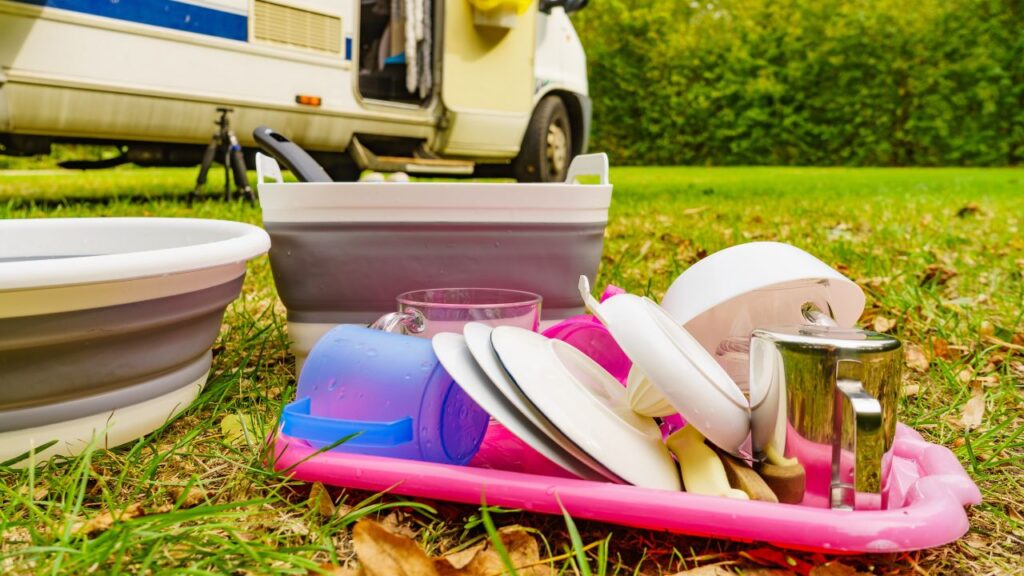
Nobody wants to come back from a long day in the field and face a pile of dirty dishes stacked in the sink. Leaving your plates, cups, and pans for others to wash isn’t just lazy—it breeds resentment fast. Hunting camp works because everyone shares the workload, and ignoring cleanup shifts the burden onto your buddies.
A simple rinse and wash after meals keeps things running smooth. When dishes pile up, the camp feels disorganized, and frustration builds with every passing day. If you’re the one always leaving a mess, it won’t go unnoticed, and you’ll earn a reputation for not carrying your share.
Hogging the Best Sleeping Spot
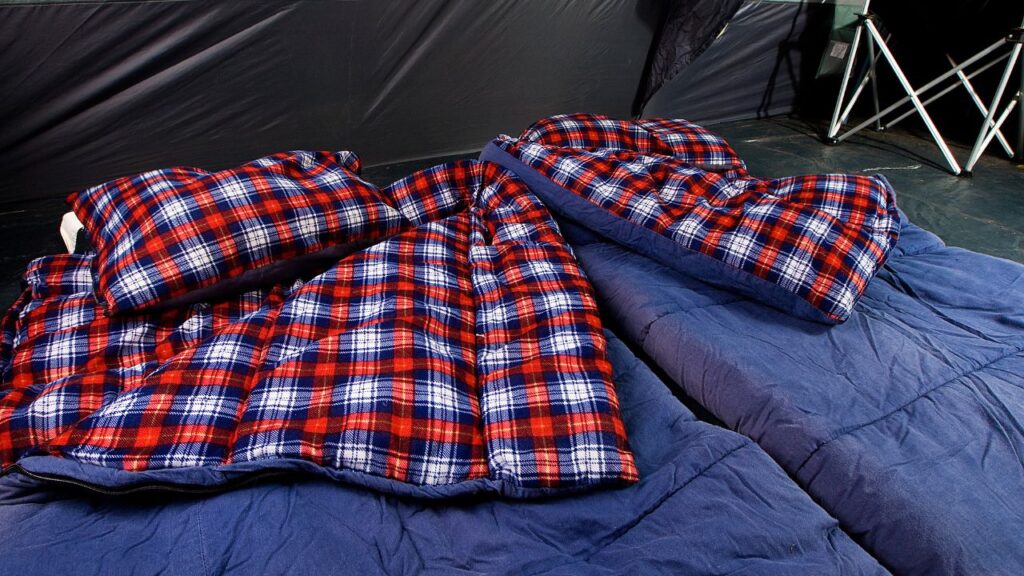
Every camp has that one person who shows up early and immediately claims the biggest bunk or the warmest corner. Doing this without asking or offering to rotate turns the camp atmosphere sour. Comfort matters in the woods, but no one likes someone who takes more than their fair share.
The respectful move is to work it out as a group or rotate spots if certain bunks are clearly better. When you hog the prime sleeping arrangements, it makes others feel like second-class guests, and that’s not how a hunting camp should run. Fairness keeps everyone in good spirits.
Waking Everyone Up Too Early

There’s a fine line between being eager and being disruptive. Some hunters think blasting alarms or stomping around camp hours before anyone needs to get up shows dedication. In reality, it just means no one else gets a good night’s sleep. Sleep is precious when you’re putting in full days outside.
If you’re an early riser, move quietly, prep your gear the night before, and respect the rest of the group. When you wake people too early, it doesn’t just annoy them—it affects how sharp they’ll be in the field. Courtesy in the morning sets the tone for the entire day.
Not Pulling Your Weight with Firewood
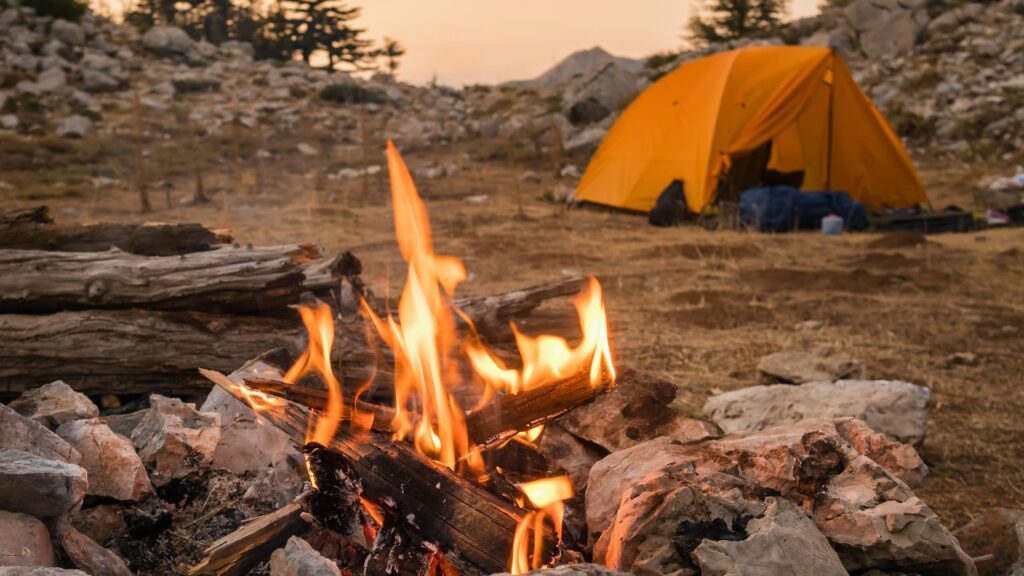
Whether it’s splitting logs or hauling wood to keep the stove going, every hunter knows warmth is a group effort. Nothing irritates campmates more than someone sitting by the fire while others do the heavy lifting. If you’re not helping with firewood, you’re taking advantage of everyone else’s work.
Pitching in doesn’t take much, but it shows you’re part of the team. Even carrying a few loads from the pile makes a difference. Hunters notice when someone avoids chores, and once that label sticks, it’s tough to shake. A warm camp is shared work, not someone else’s responsibility.
Tracking Mud Everywhere
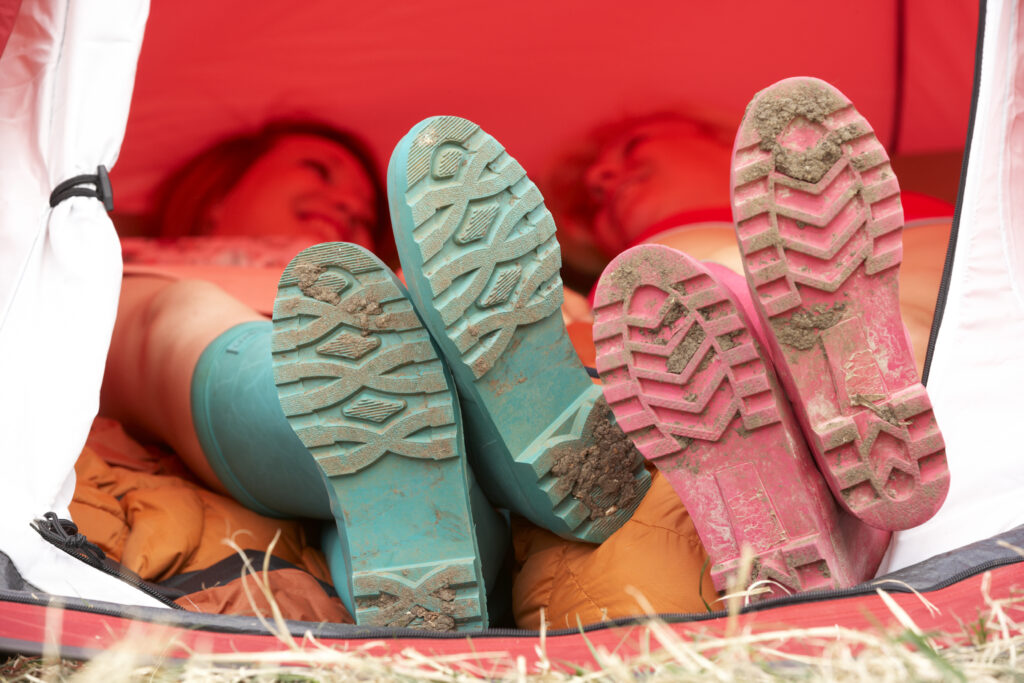
Boots caked in mud are part of the hunting life, but dragging it through camp is a quick way to aggravate the group. Nobody wants to sweep or mop constantly because someone refuses to kick off their boots or clean them outside. It makes the living space miserable, especially in wet weather.
Keeping mud under control takes minimal effort. Set up a boot tray or scrape your soles before stepping inside. Camp is close quarters, and when one person ignores cleanliness, everyone pays for it. Respecting the shared space goes a long way in keeping tempers cool.
Eating More Than Your Share
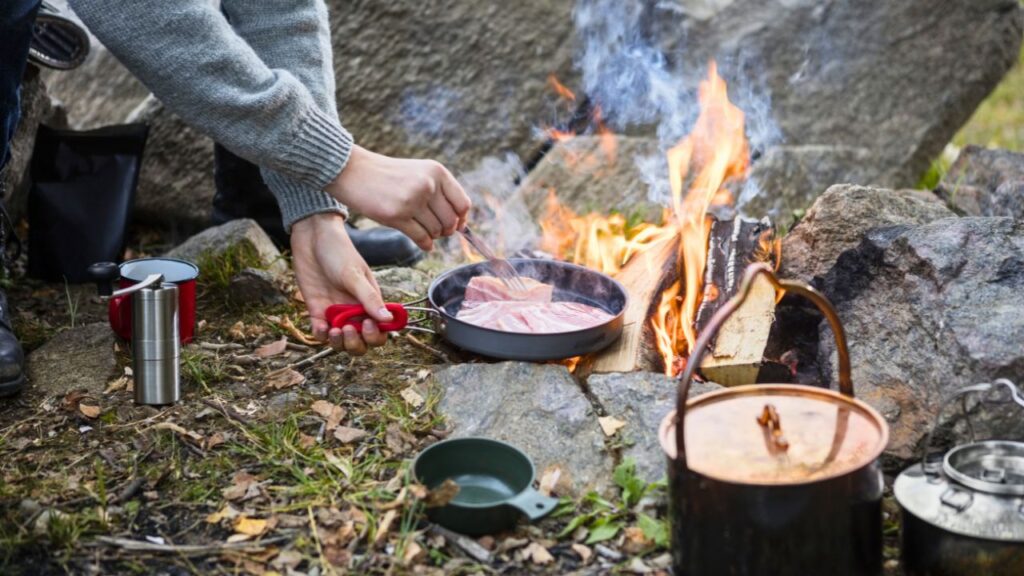
Food runs out fast when one person treats camp supplies like their own pantry. Whether it’s sneaking extra snacks or piling your plate higher than anyone else, eating more than your share breeds hard feelings. Camp provisions are meant to be split evenly, not devoured by whoever gets there first.
The easiest fix is being mindful. Take reasonable portions, save enough for everyone, and if you’re still hungry, ask before grabbing more. Being greedy with food might not seem like a big deal at first, but over a weeklong hunt, it’s one of the fastest ways to alienate your campmates.
Constant Complaining
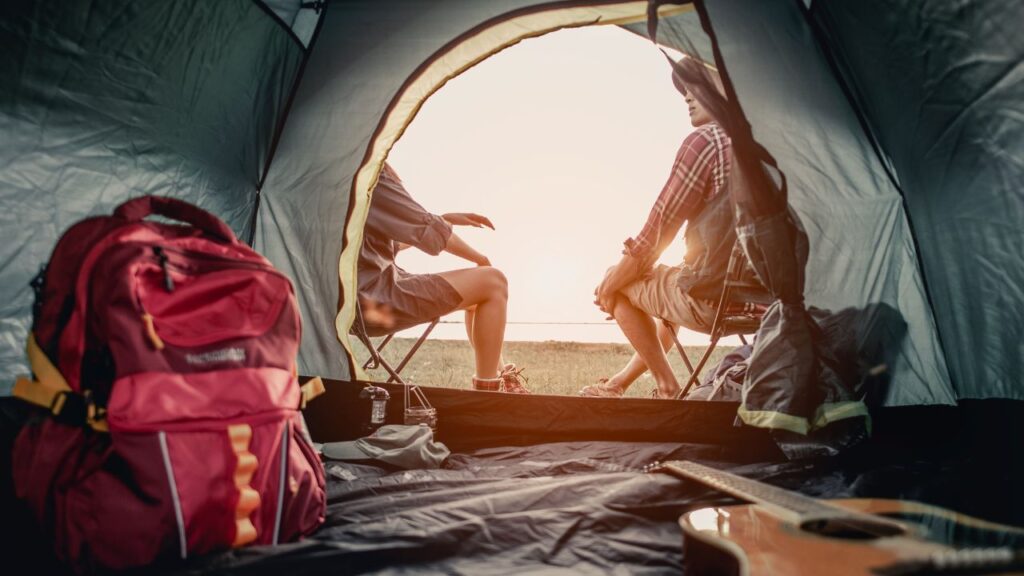
Nobody expects every hunt to go perfectly, but constant griping wears everyone down. Complaining about the weather, the game movement, or the food in camp turns the whole atmosphere negative. Everyone notices, and morale drops fast when one person can’t find anything positive.
Hunting camp thrives on camaraderie, and keeping spirits up is as important as filling tags. If you’ve got concerns, bring them up respectfully and look for solutions instead of repeating the same gripes. A positive attitude in the woods goes a long way, and constant negativity guarantees you won’t be asked back.
Poor Gun Safety Habits
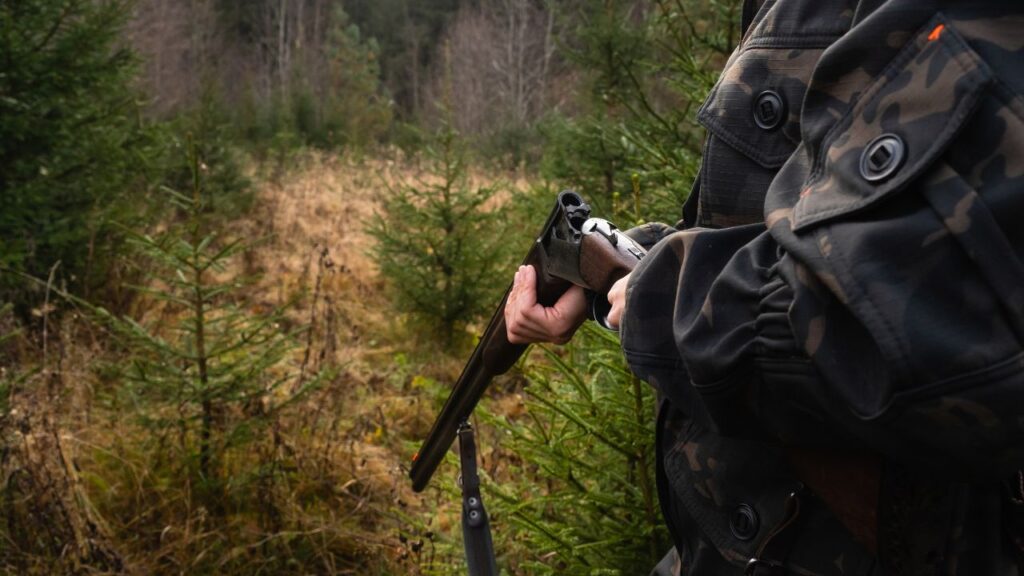
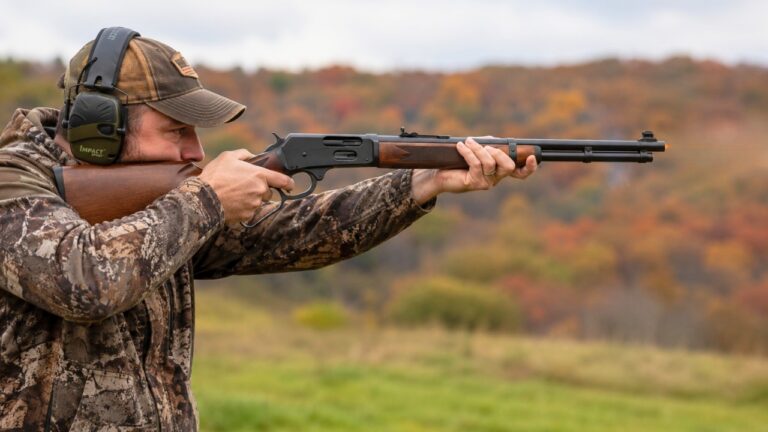
Few things unsettle hunters more than someone careless with their firearm. Whether it’s flagging others with the muzzle, leaving a loaded rifle in camp, or ignoring basic safety rules, bad gun handling is unforgivable. It doesn’t just drive people crazy—it makes them nervous for their own safety.
Good camp behavior means treating every firearm as loaded and respecting those around you. Always clear your gun before stepping inside, and never let your muzzle wander. Hunters remember the unsafe guy long after the hunt, and it’s the fastest way to lose your spot in camp.
Snoring Without Considering Others
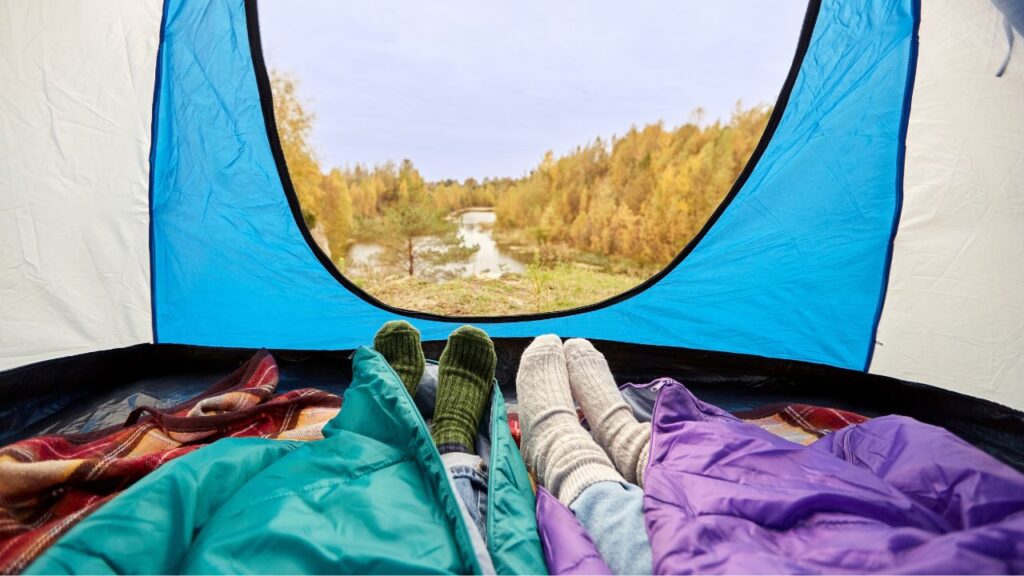
Snoring might not be intentional, but it’s one of the most complained-about camp issues. Loud snoring keeps everyone awake, leaving them exhausted for the next day’s hunt. While you can’t always control it, ignoring the problem without offering solutions is what really frustrates campmates.
Bringing earplugs, using nasal strips, or volunteering to sleep a little farther from the group shows you care about others’ rest. Pretending it isn’t an issue just makes you the camp villain at night. A little self-awareness can make all the difference in maintaining peace.
Never Offering to Drive
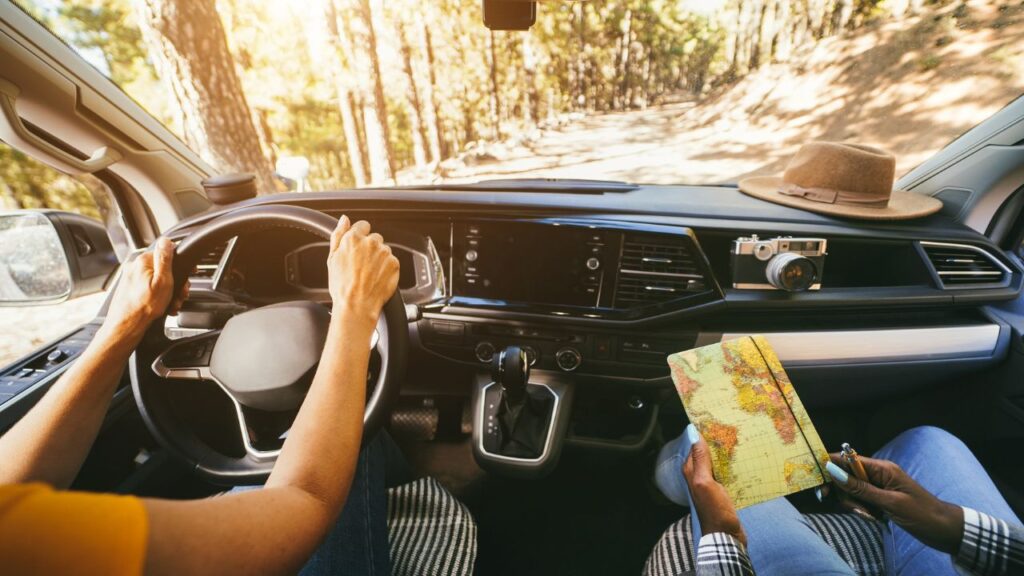
Vehicles are a huge part of any hunting trip, and gas isn’t cheap. When one person never offers to drive or pitch in for fuel, the group notices. It feels like freeloading, especially if you’re always riding along but never covering costs or taking a turn behind the wheel.
Offering to drive, share fuel costs, or help with vehicle maintenance shows you respect the group’s effort. Camps work because everyone contributes, and transportation is no exception. Ignoring this responsibility is one of those quiet irritations that grows bigger the longer the hunt goes on.
*This article was developed with AI-powered tools and has been carefully reviewed by our editors.