Photo credit: Atlantist Studio/Shutterstock.com
Some cartridges promise power and reach they simply don’t have. On paper, they look efficient—light recoil, fast bullets, and decent energy figures at the muzzle. But stretch the range, and things fall apart fast. Velocity drops, bullets lose stability, and energy disappears before they’ve done any real work. These are the rounds that make you wonder if you’re shooting a rifle or a glorified pellet gun past a couple hundred yards. They might have their place for close-range hunting or small game, but if you expect them to hold up in wind or distance, you’ll be left shaking your head.
.22 Hornet

The .22 Hornet has been around for nearly a century, and it still has a small but loyal following. It’s quiet, accurate, and fun to shoot—but it runs out of steam fast. Its light bullets start slowing down almost as soon as they leave the barrel.
At 200 yards, energy and velocity drop so sharply that it struggles to expand properly on small game. The Hornet works great inside 150 yards for varmints, but it’s not built for stretching shots. Beyond that, even a mild breeze can throw a bullet off target. It’s a nostalgic caliber, not a long-range performer.
.25-20 Winchester
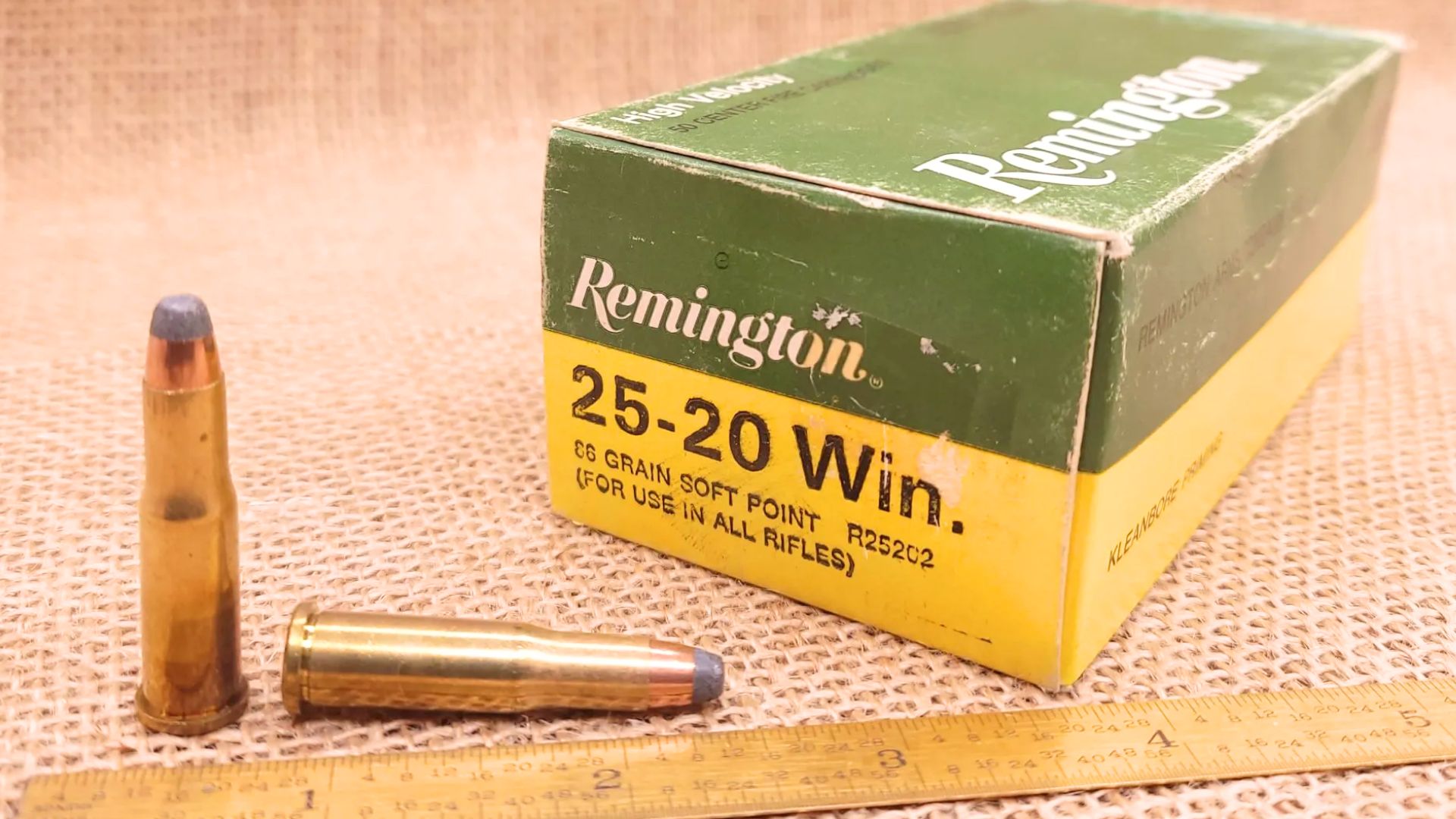
The .25-20 Winchester started as a small-game and varmint round over a hundred years ago. It’s accurate and mild-recoiling, but painfully slow by today’s standards. Most loads barely break 1,500 feet per second, and by the time the bullet hits 100 yards, it’s losing energy fast.
The .25-20’s light bullets shed velocity like a paper airplane in wind. It’s fine for short-range shooting or nostalgic lever-gun plinking, but energy fades so quickly it’s almost useless past 125 yards. What once worked in the 1900s for farm pests is outclassed by nearly every modern rimfire and centerfire round today.
.32-20 Winchester
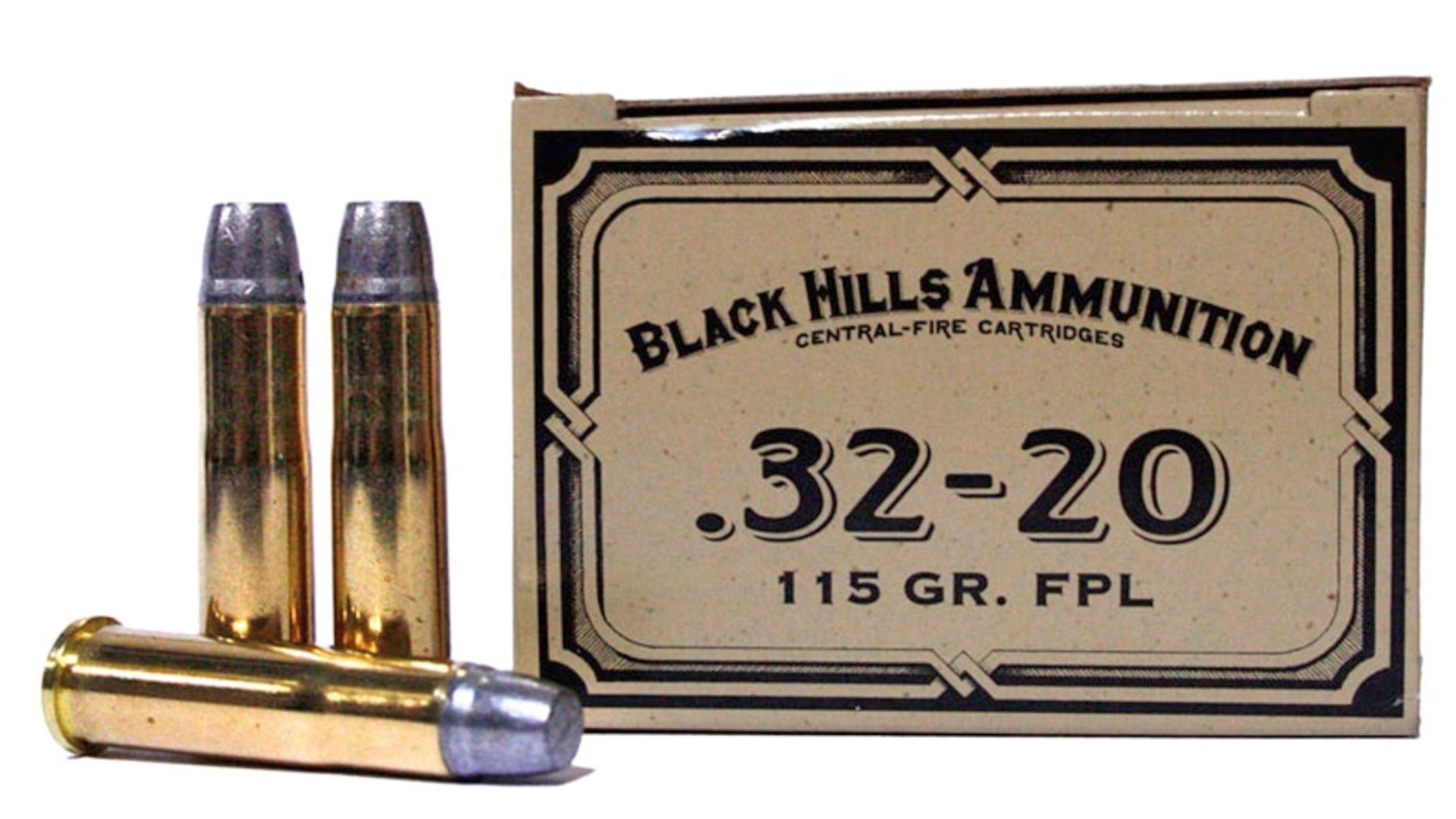
The .32-20 Winchester carved its place as a mild dual-purpose rifle and revolver cartridge. It was ideal for small game and light varmint work in its day, but it doesn’t carry any real punch at distance. The heavy, slow bullets start dropping hard after 75 yards, and energy retention is poor.
Shooters love it for its low recoil and quiet report, but it’s more of a historical curiosity now. Even the best modern loads can’t hold enough speed or power to be reliable past 100 yards. It’s a cartridge that runs out of gas before most targets even start looking far away.
.22 Winchester Magnum Rimfire

The .22 WMR looks great on paper—faster than .22 LR and with better energy—but it drops off quick once you step beyond 150 yards. Its light bullets don’t buck wind well, and terminal energy fades fast.
Hunters often mistake it for a small deer or coyote round, only to find it underperforms beyond close range. It’s great for varmints and small pests inside 125 yards, but beyond that, you’re lobbing more than shooting. It’s a solid short-range rimfire, not a long-range performer.
.30 Carbine

The .30 Carbine served its purpose during World War II but was never meant to reach far. The lightweight 110-grain bullet leaves the muzzle around 1,900 feet per second—decent for its size but not for distance. By 200 yards, it’s dropping and slowing dramatically.
Energy fades so quickly that beyond short-range defensive work or plinking, it’s ineffective. Many shooters who try it expecting .30-caliber punch find out it acts more like a pistol round from a long barrel. It’s accurate at close range, but after that, it’s more nostalgia than performance.
.357 Magnum (Carbine Use)

Fired from a rifle, the .357 Magnum gains a nice velocity boost—but it still runs out of breath fast. With flat-nose bullets and pistol powder, its energy fades quickly past 100 yards. Ballistically, it performs well in a lever gun up close but falls apart in the open field.
It’s a fun and versatile caliber, great for deer inside bow range or as a brush gun, but its trajectory and energy retention aren’t built for reach. If you stretch it past 150 yards, you’ll start seeing how fast those pistol bullets lose steam.
.44-40 Winchester
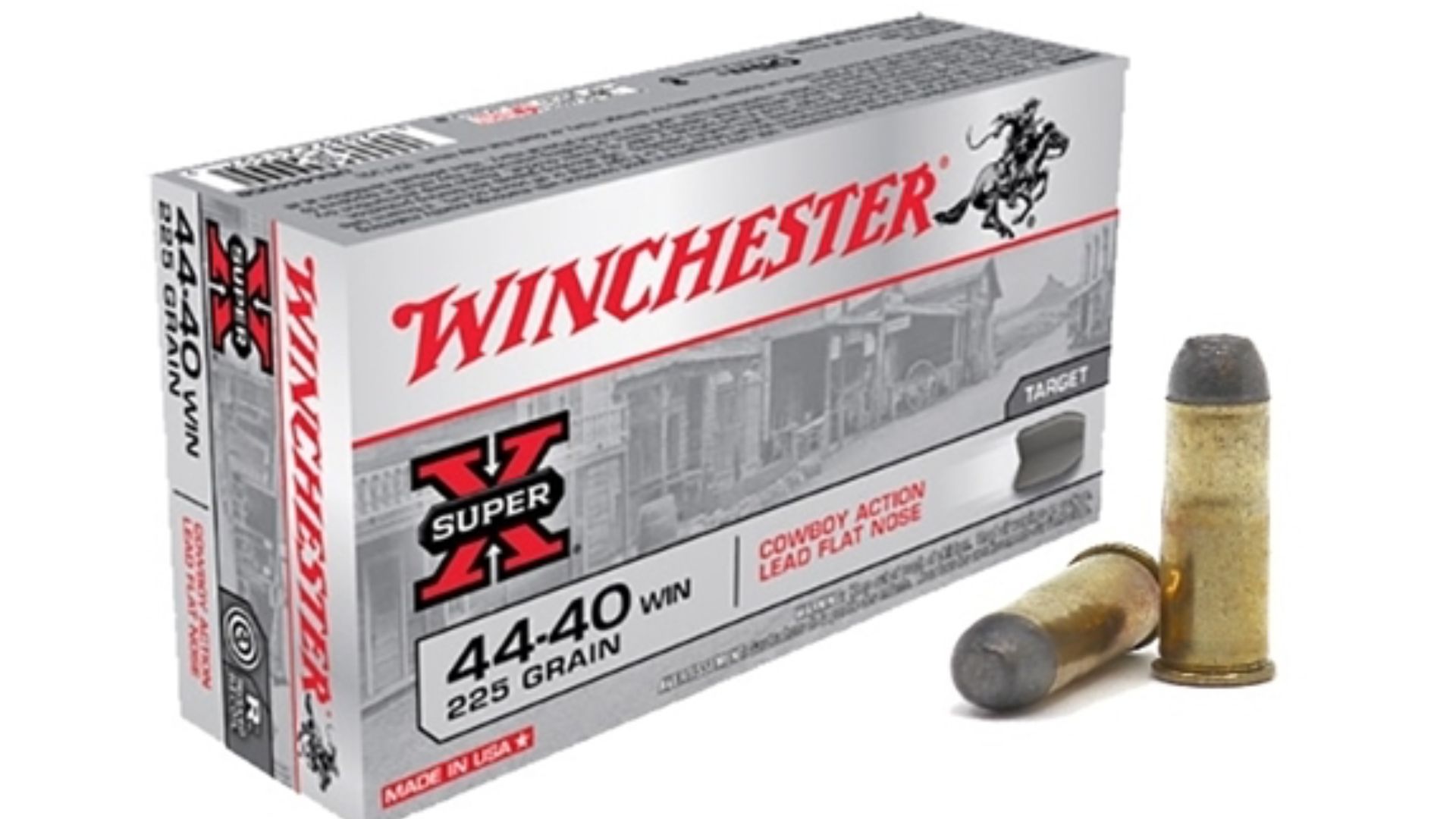
The .44-40 was revolutionary in its day—back when rifles and revolvers shared the same round. But like many old black powder cartridges, it loses velocity fast and carries poor ballistic coefficients. Its fat, slow bullets run out of velocity almost immediately after leaving the muzzle.
While it can still take small game or varmints in the woods, it’s ineffective at any meaningful range. Even out of a rifle, it’s not holding much energy beyond 100 yards. The .44-40 earned its fame for reliability, not reach. Today, it’s best enjoyed for cowboy-action fun, not open-country shooting.
.45-70 Government (Trapdoor Loads)

The .45-70 Government is legendary—but that’s in its modern high-pressure loads. The original black powder “Trapdoor” loads lumber along at subsonic speeds compared to modern rifles. The heavy bullets start dropping like a rock past 150 yards, losing energy and accuracy fast.
While they hit hard up close, they’re slow enough that long-range shots require serious elevation. The old .45-70 loads were never built for long-range precision—they were made for hitting big targets with big lead. With those mild loads, your bullet’s running on memory long before it reaches 200 yards.
7.62x39mm
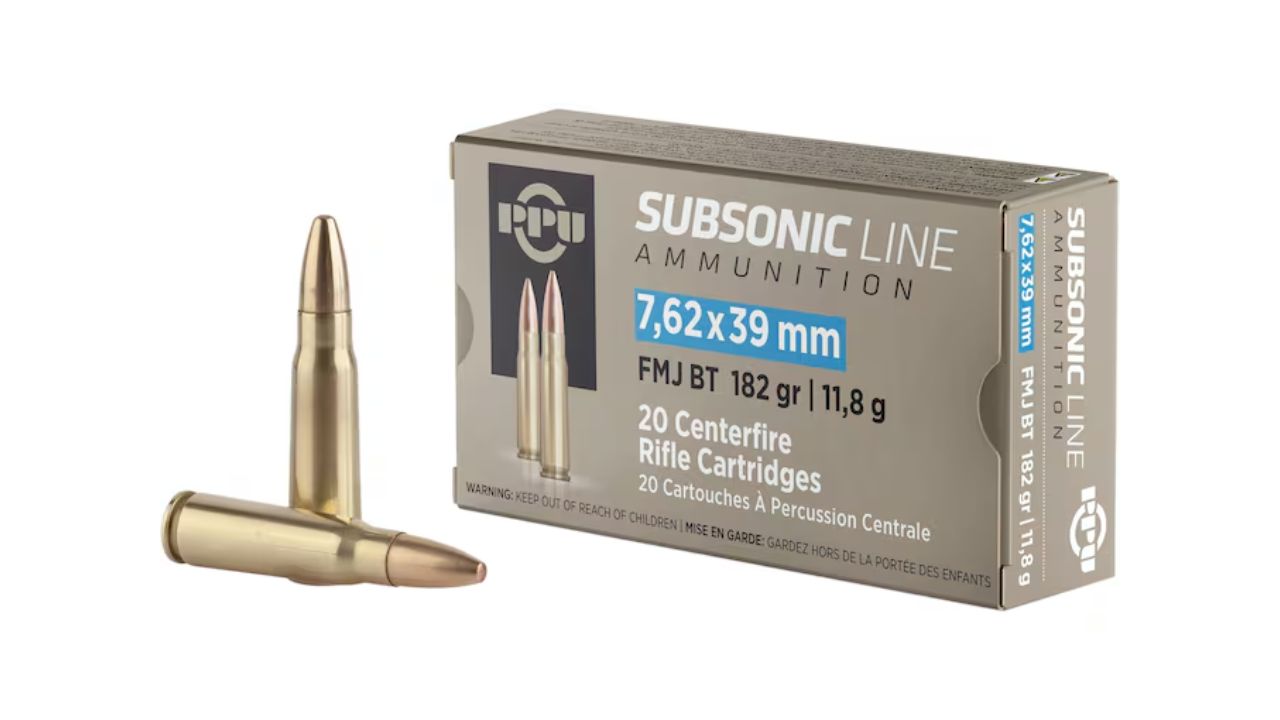
The 7.62×39 is one of the most used cartridges in the world—and also one of the quickest to lose steam past 200 yards. The blunt, heavy bullets and low velocity make it reliable for short-range work but terrible for range and wind.
In practical terms, it hits like a hammer inside 150 yards and like a thrown rock beyond that. It’s accurate enough for close work but has the trajectory of a rainbow once you start pushing distance. For most rifles chambered in it, accuracy and energy vanish fast.
.35 Remington

The .35 Remington has a devoted following, especially among lever-gun hunters. But it’s another round that bleeds velocity fast. With flat-nosed bullets designed for tube magazines, it drops hard after 150 yards and loses energy quickly.
It’s perfect for brush country or thick timber but not for open shots across fields. Past 200 yards, it’s running on fumes compared to modern bottleneck cartridges. Hunters still use it effectively in its element—but outside that, it’s a reminder that momentum doesn’t always mean reach.
.300 Blackout

The .300 Blackout was designed for suppressed rifles and close-quarters work, not long-range performance. Its subsonic loads lose energy almost immediately, and even supersonic versions start fading quickly past 200 yards.
The round performs beautifully within its limits but drops velocity so fast that its effective range feels short. If you expect it to act like a .308 or even a 6.5 Creedmoor, you’ll be disappointed. The .300 Blackout is practical up close—but beyond that, it’s a whisper before the target even hears it coming.
Like The Avid Outdoorsman’s content? Be sure to follow us.
Here’s more from us:
The worst deer rifles money can buy
Sidearms That Belong in the Safe — Not Your Belt
*This article was developed with AI-powered tools and has been carefully reviewed by our editors.