Photo credit: AvidOutdoorsman
Coming home after a long shift is supposed to mean boots off, dinner on, and a little peace and quiet. For one Missouri tenant, it meant walking into a busted glass balcony door, no signs of theft, and a spent slug on the floor—an ugly reminder that in tight living spaces, one person’s careless gun handling can turn into somebody else’s emergency.
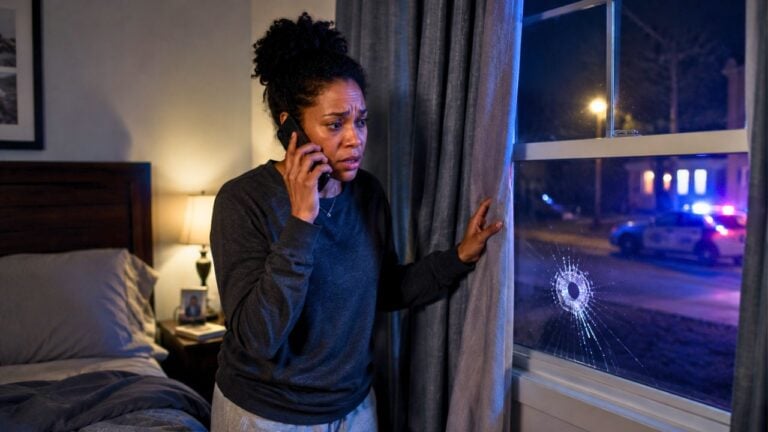
The tenant called police and filed a report, then contacted maintenance to get the shattered door covered up for the night. But the bigger issue wasn’t just the glass or the furniture that caught a few shards—it was the feeling that an apartment doesn’t feel like home anymore when a round has already come through the wall once.
He didn’t get robbed—he got shot at by accident
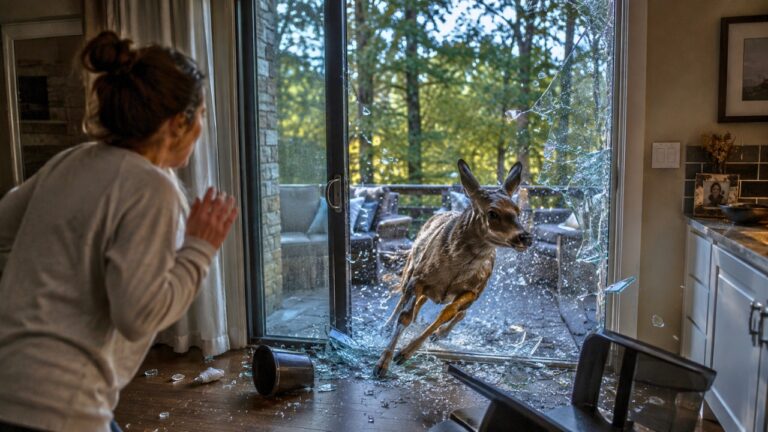
When the tenant first saw the damage, the scene didn’t fit the usual break-in pattern. The balcony door glass was shattered, but nothing was missing. That’s when he found the slug, and the situation snapped into focus: this wasn’t a burglary. It was an accidental discharge that ended in his living space.
Anyone who’s spent time around firearms knows the difference between “I own guns” and “I handle guns correctly every single time.” The consequences of that gap are usually a hole in drywall at home or a scare at the range. In an apartment complex, it can be a projectile traveling places it has no business going.
The tenant did the right first steps: police report and damage control
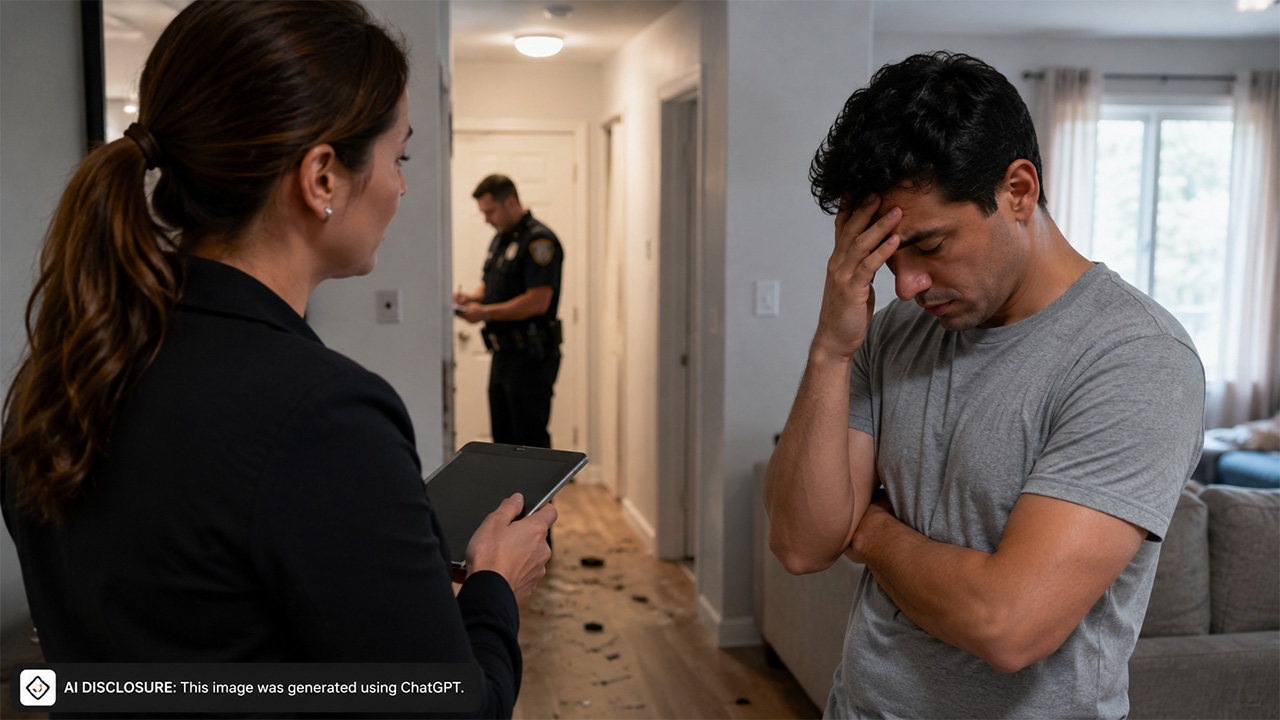
Instead of guessing or trying to play detective, the tenant called police and made a report right away. That matters for two reasons: safety documentation and liability. Once there’s a report, it’s no longer just a complaint—it’s a recorded incident with an evidence trail.
He also called maintenance and had them come out to cover the door for the night. That’s not just convenience. A broken exterior door is a security issue, a weather issue, and—depending on temperature—can turn into a property damage problem fast.
Management’s stance: take it up with law enforcement
The headline angle that will sound familiar to a lot of renters is this: management didn’t step in like a referee and “make it right” on the spot. The tenant was pushed toward handling the core incident through the police, which is common in multifamily housing. Property managers generally don’t want to be the investigative arm of a gun incident, and they’re not equipped to be.
That doesn’t make the tenant’s position any easier. When you’re staring at a shattered balcony door, “call the police” feels like the bare minimum—which is why documenting everything and staying persistent with both the police report number and the maintenance work order is so important.
What police and management said happened inside the neighbor’s unit
In an update shared later, the tenant said apartment management already knew about the incident and had a police report tied to the neighbor’s discharged weapon. The neighbor reportedly fired the bullet while unloading his gun in his bedroom.
Police told the tenant the bullet ricocheted off the parking lot and up into his third-story apartment. That’s a hard detail to shake, because it means the projectile still had enough energy after contact with pavement to break glass and get inside an occupied building. “Accidental” doesn’t mean “minor.”
The same update said the neighbor was being evicted and the complex planned to replace the tenant’s door “asap,” though no exact timeframe was provided. The tenant also noted minor furniture damage from flying glass shards—exactly the kind of secondary damage that gets overlooked if you don’t take photos and keep receipts.
The real-world lesson: unloading and “clearing” guns is not a casual chore
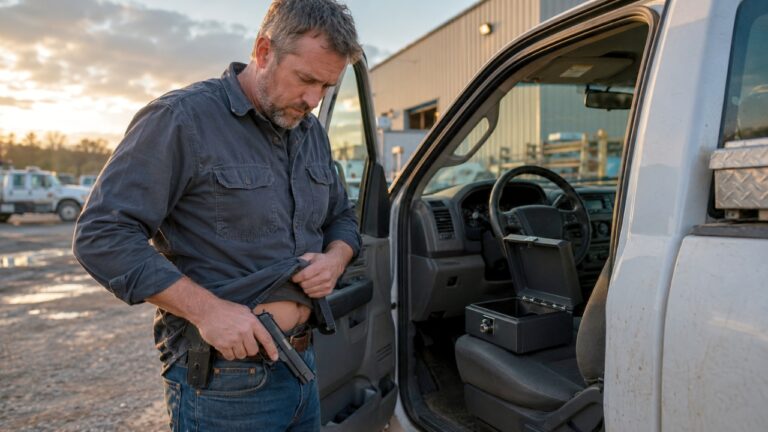
Hunters and gun owners do plenty of loading and unloading—at the truck, at the safe, at camp, at the end of season. The problem is that routine can turn into complacency, especially when you’re in a bedroom instead of on a range with a berm and a line officer watching.
This incident is a blunt reminder that “I was unloading it” isn’t an excuse anyone living next door will accept when their home gets punched through. Safe handling means treating administrative gun handling like it matters as much as time behind the trigger: muzzle discipline, verifying an empty chamber, and doing it in a place where a mistake has the best chance of being caught by something that can actually stop a bullet.
And in an apartment complex, “a safe direction” is a lot harder to guarantee than people want to admit. Neighbors, parking lots, sidewalks, and thin construction don’t leave you much margin for error.
What people tend to focus on in situations like this
When a round ends up in someone else’s unit, the practical questions usually come fast: Who pays for repairs? Can the tenant break the lease? What about the damaged furniture? And how quickly does management have to fix a door that’s been blown out?
Even with management saying the neighbor was being evicted and the door would be replaced, the tenant’s immediate concern—“I don’t feel safe in my apartment anymore”—is the part that sticks. It’s hard to sleep well after a close call, even if nobody was home when it happened.
For anyone in that position, the basics matter: keep a copy of the police report info, take clear photos of the damage and the slug (if police allow it to be retained or photographed), save emails and maintenance requests, and document any personal property damage. If there are health concerns from shattered glass, that should be documented too. The discussion around this incident can be found in the original post.
In the end, this wasn’t about politics or “gun people” versus “non-gun people.” It was about one basic rule that never changes: every time a firearm is handled, the person holding it owns the outcome. In close-quarters living, that outcome can cross drywall, cross a parking lot, and land in the wrong home—fast. The tenant did what most responsible folks would do: call police, protect the apartment, and start a paper trail. Now the best thing management can do is follow through quickly on repairs, and the best thing every gun owner can do is make sure their “unloading routine” is as serious as the day they first learned to shoot.
Like The Avid Outdoorsman’s content? Be sure to follow us.
Here’s more from us: