Photo credit: AI-generated image created using ChatGPT. Illustrative only
It doesn’t take much for a normal range day to turn into a full-blown headache. One minute your pistol is locked up in a safe, headed toward the range. The next, it’s sitting in an evidence room because somebody else got caught with it.
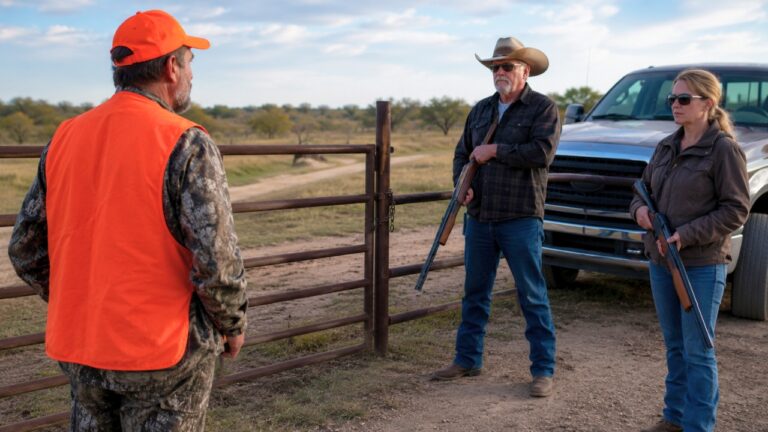
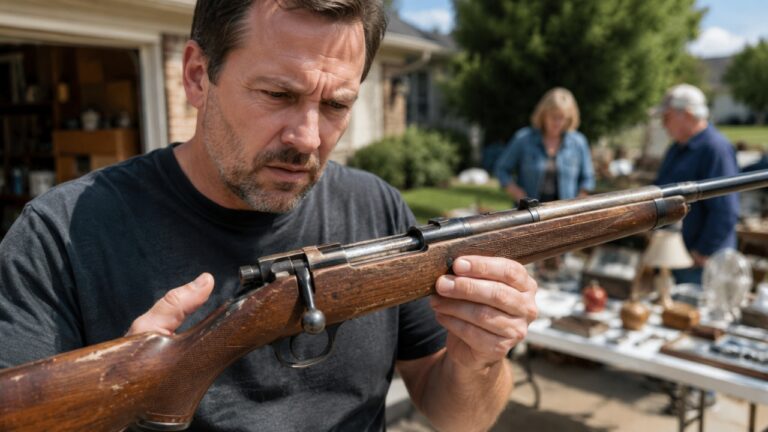
That’s the situation one Indiana gun owner laid out in the original post: he loaded his pistol—secured in a safe—into a buddy’s car while they were getting ready to go shooting. Then the buddy got a call about a family emergency, left, and the gun went with him. Later, the owner realized what happened, but he didn’t report it stolen and eventually wrote it off as a loss.
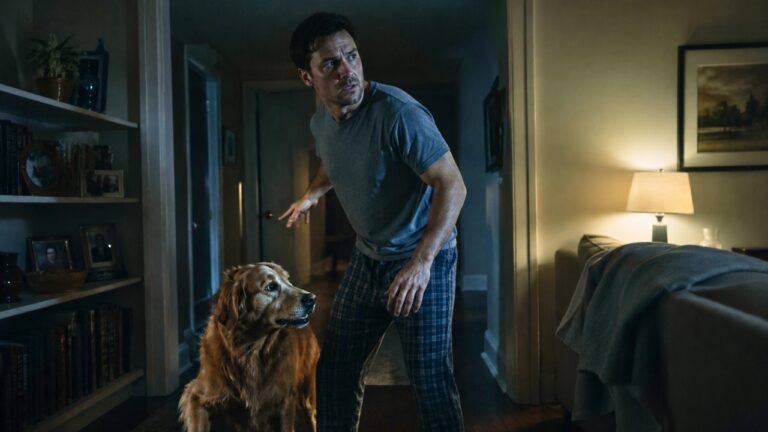
Then came the part that puts a knot in your stomach. That same night or early the next morning, the buddy fell asleep in his car in a parking lot, got woken up by police, and ended up arrested for being a felon in possession of a firearm—something the gun’s owner says he didn’t know about at the time.
The gun wasn’t used in a crime, but it still became “the gun”
From the owner’s telling, there wasn’t a robbery, a threat, or shots fired. The only “crime with the gun” was that a prohibited person had it in his possession. That might sound like a paperwork issue, but it’s the kind of charge that turns an otherwise lawful pistol into a piece of evidence.
Once a firearm is tagged into an evidence system, it’s not treated like a misplaced wallet. It’s treated like an object tied to a criminal case, and that changes everything—how it’s stored, who can touch it, and what hoops have to be jumped through before it ever leaves a property room again.
Why the owner hesitated to report it stolen
The owner admitted he never reported the gun stolen because he “didn’t want to be involved in any way” and figured it was gone. A lot of folks understand that instinct. Nobody wants to step into the middle of someone else’s arrest, especially when you don’t know the whole story yet.
But that decision can complicate the road back. If a gun was in someone else’s car and you later try to claim it after it’s been seized, you’re not just proving ownership—you’re also explaining why you didn’t report it missing when you realized it wasn’t in your control.
The hard question: can he go get it without getting in trouble?
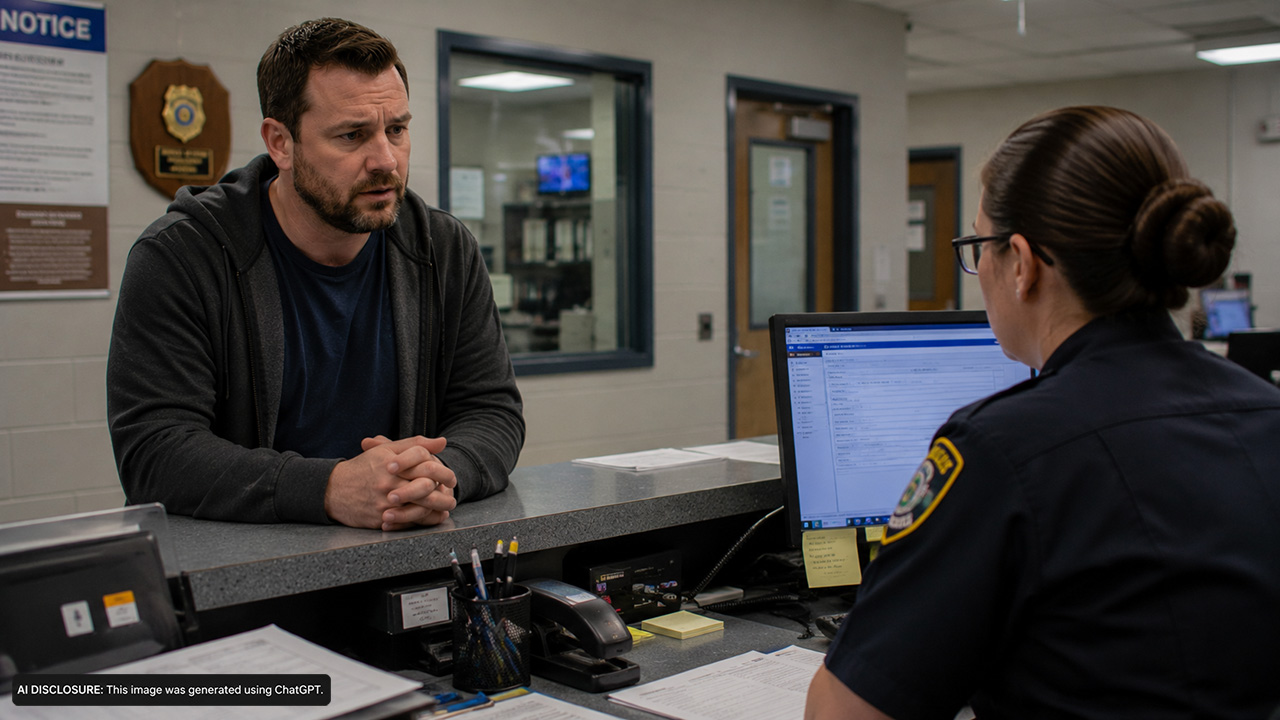
The big worry was straightforward: if he walks into the police station and asks for the gun back, is he risking getting himself jammed up? That’s a fair concern, because police aren’t only thinking about returning property—they’re thinking about whether any laws were broken along the way.
Based on what he shared, he wasn’t the prohibited person, and he wasn’t accused of using the pistol in a crime. But the facts still include him placing a firearm into another person’s vehicle, then losing track of it until later. Even if it was locked in a safe, it’s easy to see why an agency might look closely at the chain of events.
On top of that, it happened “about a year ago.” Time doesn’t automatically kill your right to your property, but delays rarely help when you’re trying to convince an evidence unit to treat something like a normal return instead of a potential problem.
Evidence rooms don’t run on common sense—only policy and paperwork
Here’s what most gun owners learn the hard way: evidence departments don’t just hand firearms over a counter because you have a story that makes sense. They work off case numbers, release authorizations, and whatever the internal system shows for that item.
Even when charges against the person arrested get reduced, dismissed, or otherwise resolved, an evidence tag can still hang around until someone formally clears it. Sometimes it’s because the case status hasn’t been updated correctly. Sometimes it’s because the firearm is entered as being tied to a prohibited-possessor charge and requires extra review before release. Sometimes it’s because nobody wants to be the employee who signed off on the wrong gun leaving the building.
And when a gun is “flagged” in the system—whether it’s a hold for a case, a check against serial numbers, or a policy requirement—front desk conversations usually go nowhere. You can be completely lawful and still hit a dead end until the correct person signs the correct form.
The practical path gun owners usually end up taking
The owner’s situation is a good reminder that “just go ask for it” isn’t always a clean move, even when it’s your gun. The practical route usually looks more like this: confirm the agency actually has the firearm, get the case number, figure out which unit controls releases (property/evidence, not patrol), and learn what documentation they require to prove ownership and clear the hold.
In a scenario like this—where the firearm was seized during someone else’s arrest—many departments will want something that ties the gun to you, not to the person who had it that night. That can mean purchase records, serial number documentation, or other proof you lawfully own it. They may also require the criminal case to be fully resolved before they’ll even consider a release.
And because the owner was worried about personal risk, the most sensible “outdoorsman” advice is to avoid winging it. Walking into a station cold and trying to explain a year-old firearm seizure from memory is a good way to have a long, unproductive conversation. Getting guidance first—especially if there’s any concern about how the facts could be interpreted—can keep a simple property request from turning into a bigger mess.
A lesson that applies to range days, hunting trips, and truck guns
This whole thing started with something a lot of us have done in one form or another: tossing gear into a buddy’s vehicle to save time. With guns, that convenience can get expensive fast, even if you’re doing your part with a locked container.
If you’re heading to the range or out to the property, the cleanest practice is keeping your firearm under your control from the house to the bench to the ride home. If someone else has to transport it, make sure you actually know their legal status and that the handoff doesn’t put them—or you—on the wrong side of the law. A “good guy” can still be prohibited, and sometimes you don’t learn that until lights are flashing in a parking lot.
The other big takeaway is documentation. Keeping serial numbers, purchase records, and a clear inventory isn’t just for insurance. If a gun ever ends up in an evidence room, being able to prove exactly what it is and that it’s yours can be the difference between a long delay and a clean release.
When a firearm gets tied to someone else’s arrest, it can stay stuck in the system long after the drama dies down. The best move is to keep your guns close, keep your paperwork straight, and don’t assume the evidence desk operates on the same kind of common sense you do on a Saturday morning at the range.
Like The Avid Outdoorsman’s content? Subscribe to our newsletter so you never miss an article.
Here’s more from us: