Photo credit: AI-generated image created using ChatGPT. Illustrative only
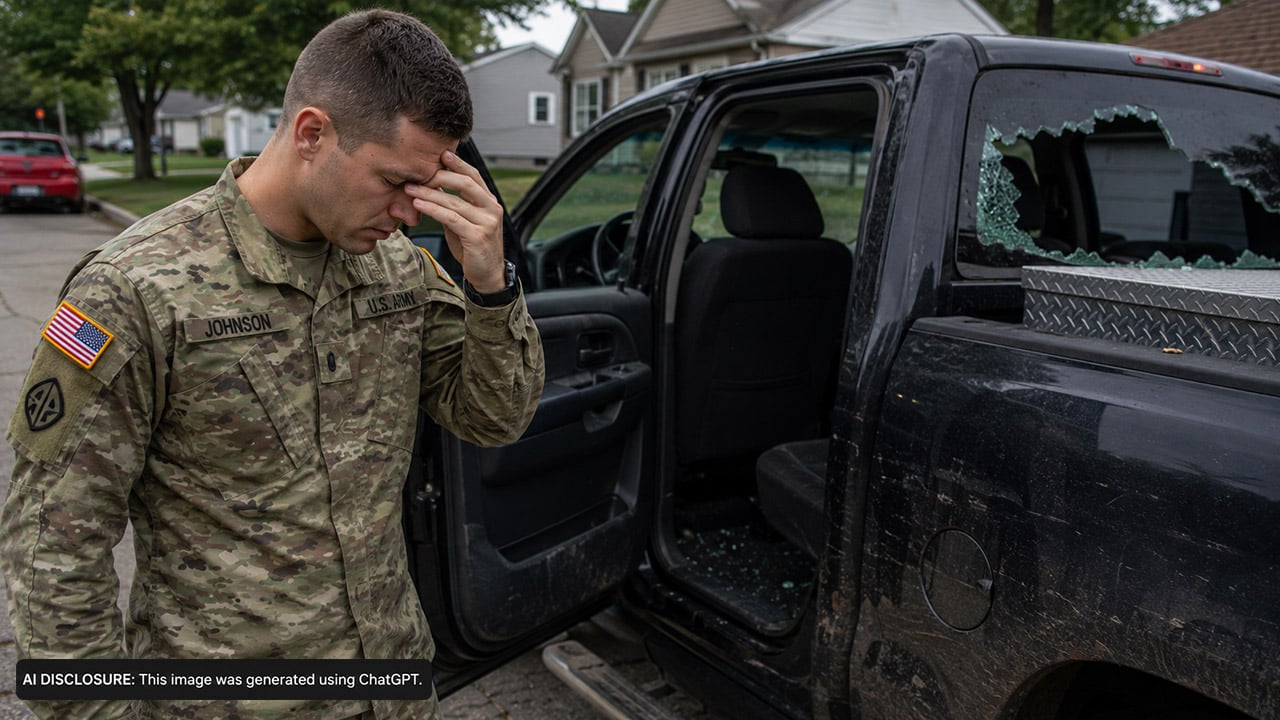
One deployed service member thought he was making a smart call: keep valuables out of an empty home, load what he could into his truck, and leave it parked where somebody he trusted could keep an eye on it. That “somebody” was his on-and-off girlfriend of nearly four years, staying at her mom’s place in Alabama while he was overseas.
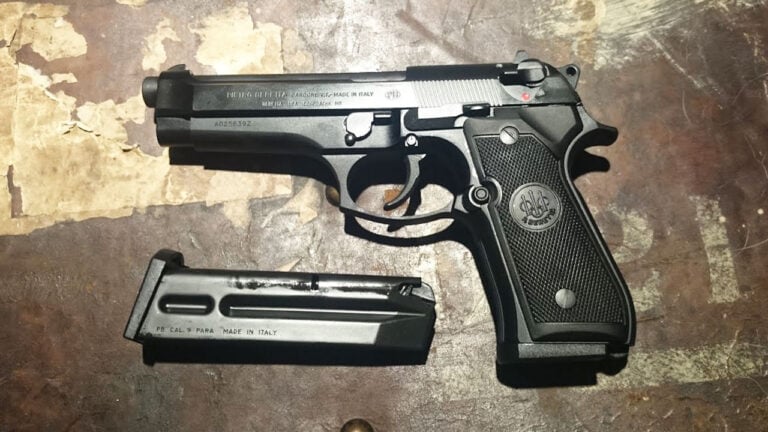
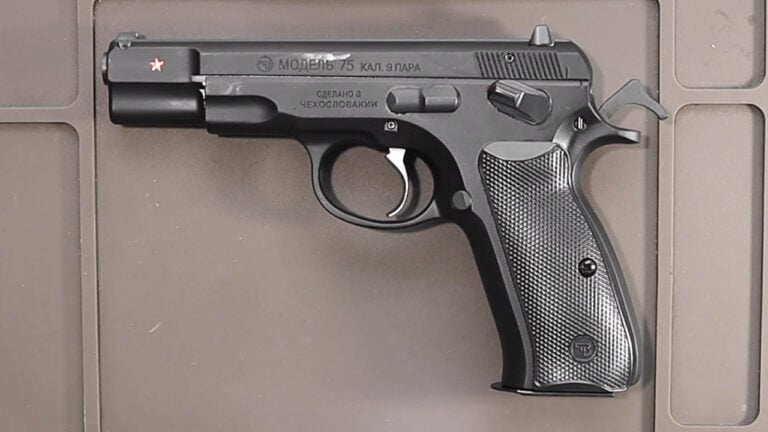
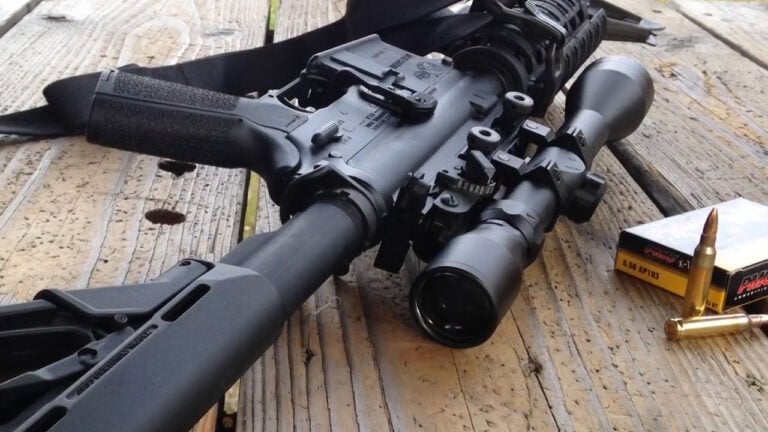
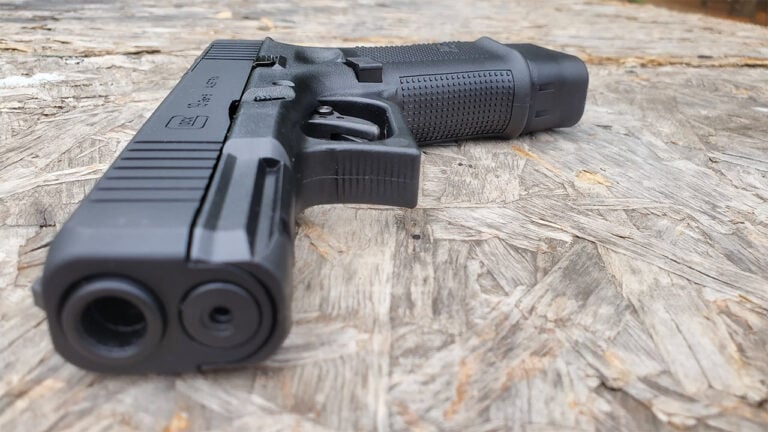
What he learned later—laid out in the original post—is the kind of gut-punch that hits gun owners different. Six firearms worth about $2,500 didn’t just walk off. They were allegedly pawned, and paperwork suggested it started the very day he flew out for Afghanistan.
A “safe place” for a truck gun stash turned into a long-distance headache
Before he deployed, the soldier said he packed his important belongings into his truck, including a collection of six firearms. Instead of leaving them in a vacant house—where break-ins happen every day—he parked the truck where his girlfriend could watch it while she stayed 90 minutes away at her mom’s home.
On paper, it’s a move plenty of folks can understand: reduce the risk of a burglary, keep things out of sight, rely on someone close. The problem is that trust isn’t a locking system, and distance makes problems harder to spot until the damage is already done.
He came home, but the excuses didn’t stop
After returning stateside, he got his truck back, but he said his ex started giving “all kinds of excuses” about why he couldn’t get the rest of his property. That went on for about a month, which is a long time when you’re trying to account for firearms.
For gun owners, that’s not just “relationship drama.” Missing guns are a safety issue and a liability issue. If they’re used in a crime or mishandled, the consequences don’t stay neatly contained to the person who took them.
Pawn tickets and serial numbers put a date on the betrayal
The turning point came during a routine moment—cleaning out a closet—when he found documents he wasn’t expecting: pawn tickets for guns. Two serial numbers matched his firearms, according to his account.
And the part that would make any deployed service member’s blood run cold: the first pawn ticket was dated the same day he left for Afghanistan. In his mind, it wasn’t a misunderstanding or a messy breakup anymore. It looked like a plan, executed while he was stepping onto a plane to a war zone.
He filed a report, retrieved a vehicle, and tried to get traction
On May 27, he filed a police report for the firearm theft. Around the same time, he went to retrieve another vehicle he’d purchased for her use—this time with a police escort. He said that move, understandably, made his ex angry, but he was past the point of trying to keep the peace.
He also tried to follow up with the investigating officer but couldn’t get in touch. Anybody who’s dealt with property crimes knows that part can be frustrating: you do the right thing, you make the report, and then you’re left waiting, calling, and wondering if the case is moving or just sitting in a stack.
The DA’s office called with a deferred prosecution offer
A little over a month later, he said he received a call from the district attorney’s office in her county. The message: her defense attorney was offering a “pre-trial deferred prosecution” deal.
As it was explained to him, the deal would require full restitution, participation in a drug rehab program, and community service. If she completed those requirements in 12 months, the charges would be dropped (or otherwise not carried forward). If she failed to meet the terms, then the case could proceed and she’d end up before a judge.
He wasn’t looking to “ruin her life,” he wrote. He wanted the best option for everyone. That right there is the hard spot: wanting accountability and safety, but not wanting to swing a wrecking ball just because you can.
What gun owners tend to focus on in situations like this
Even without a pile of commentary included in the source material, the pressure points are pretty clear if you’ve been around firearms—and around people who aren’t responsible with them. First, restitution matters, but restitution doesn’t magically put the same guns back in your safe. A pawned firearm can change hands fast, and getting it back can be a whole separate ordeal.
Second, a rehab requirement hints at something bigger than “bad with money.” The soldier said he’d had reason to believe she abused illegal and prescription drugs but didn’t want to believe it. If drugs were part of the picture, that raises the stakes—because firearms, addiction, and desperation don’t mix.
Third, deferred prosecution can be a practical tool, but it can also feel like the system asking the victim to accept a paperwork solution to a real-world safety problem. For the owner, the questions are basic and personal: Will I actually get paid back? Will the firearms be recovered? What happens if she disappears, fails the program, or reoffends?
There’s also the documentation side. Pawn tickets with serial numbers are the kind of hard proof people always say you need. It’s a reminder to keep your own records tight—serial numbers, photos, receipts—because when the worst happens, memory isn’t evidence.
In the end, the soldier was left standing in the same place a lot of outdoorsmen find themselves when property and trust collide: weighing a deal that promises restitution and treatment against the reality that stolen firearms aren’t like a stolen TV. They’re regulated, dangerous in the wrong hands, and once they’re gone, they can ripple outward in ways nobody can control.
Like The Avid Outdoorsman’s content? Subscribe to our newsletter so you never miss an article.
Here’s more from us: