Photo credit: AI-generated image created using ChatGPT. Illustrative only
Most deer seasons start the same way: cold hands on a rifle, a quiet stand, and that little jolt of adrenaline when movement shows up in the timber. But north of Cotton last November, that moment ended with a dead moose, a court case, and a year-long hit to one Duluth hunter’s ability to chase big game.
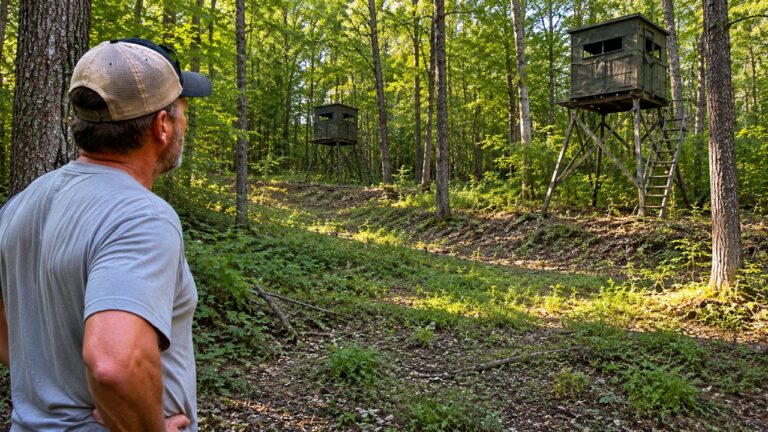
In the original post, Northern News Now reported that Dane Nelson pleaded guilty after shooting and killing a moose just a few hours after Minnesota’s deer firearms season opened. Nelson told officers he was in a deer stand when he thought he saw deer antlers and fired.
A split-second decision from a deer stand
From the details in the court documents, the key piece is simple: Nelson believed he was looking at a legal deer, saw what he interpreted as antlers, and took the shot. Anyone who’s spent time in a stand knows how fast a sight picture can show up and disappear—especially in low light or when brush is breaking up the animal.
But the animal in front of him wasn’t a deer. It was a moose, and that mistake isn’t treated like a “whoops” once the trigger breaks. Big animals soak up a lot of attention for a reason—size, body shape, head profile, gait—and when you’re wrong, the consequences stack up in a hurry.
Why a moose is a different kind of problem
In Minnesota, a moose isn’t just another big-bodied critter that happens to be in the woods during deer season. It’s a tightly managed animal with specific seasons and rules, and outside those rules, killing one is going to get attention from conservation officers.
The hard truth is that “I thought it was a deer” is almost never a shield. It might explain how the mistake happened, but it doesn’t unwind it. Hunters are expected to identify their target clearly before firing, and a moose is exactly the kind of animal that should trigger a longer look—not a faster shot.
The court outcome: misdemeanor, but it still stings
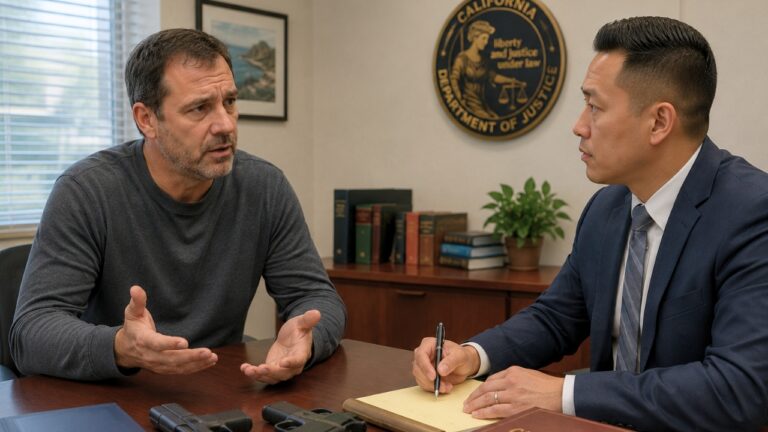
Nelson was sentenced in county court after pleading guilty. The illegal killing of the moose was handled as a misdemeanor, but the penalties still carry weight where it hurts most for a hunter: money, time, and lost opportunity.
The sentence included one year of unsupervised probation. He was also ordered to pay $1,000 in restitution, plus just under $400 in fines and fees. Those numbers add up quickly, and they’re the kind of cost that lingers long after the season ends.
The DNR took the rifle and pulled big-game privileges
Beyond the courtroom paperwork, the judge also revoked Nelson’s big-game hunting rights for a year. For a lot of folks, that’s the real gut punch. Missing a year isn’t just missing a weekend—it can mean losing a whole cycle of planning, scouting, and time with family or friends in camp.
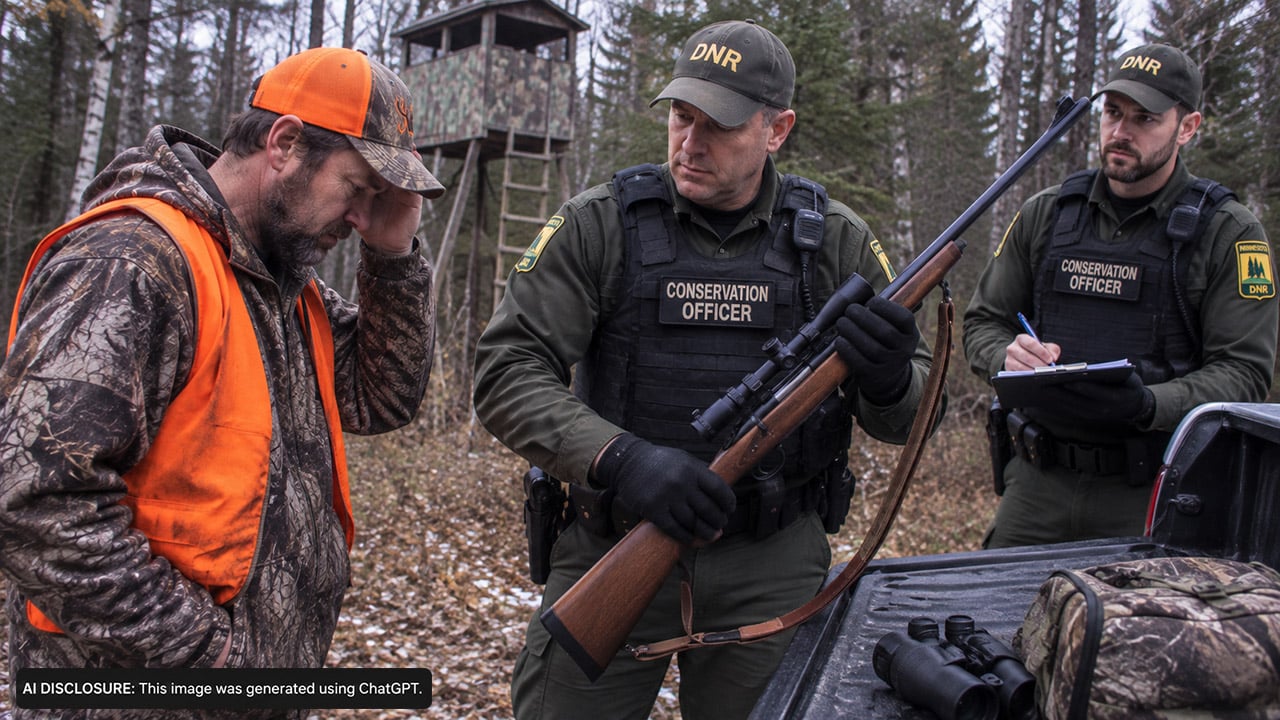
The rifle involved was confiscated by the DNR as part of the case. He can buy it back for $500. Confiscation and buy-back provisions like that are a sharp reminder that equipment can get tied up when a case turns into a conviction, even when the underlying offense is a misdemeanor.
What hunters can take from it before they climb a stand
This kind of incident is exactly why experienced deer hunters harp on target ID and not shooting at “parts.” Antlers alone aren’t a green light. In thick cover, it’s easy to lock onto a headgear silhouette and ignore everything else—but the “everything else” is what tells you what the animal actually is.
If you can’t see the whole front end—head shape, muzzle, ears, body size, and how it’s carrying itself—you’re gambling. And when that gamble goes wrong on a species like moose, the fallout isn’t hypothetical. It can mean restitution, fines, losing your rifle for a stretch, and sitting out big-game season altogether.
There’s also a practical point that doesn’t get said enough: if you’re hunting in an area where moose exist, you need to expect them. That means taking an extra beat in the scope, using the best light you’ve got, and passing shots that feel rushed or “almost.” Eating an unused tag is frustrating, but it beats paying for a mistake and wearing it in court.
A deer stand is supposed to give you time and angle. Use both. Because once a shot is fired, you don’t get to negotiate the outcome—you get whatever the law says comes next.
Like The Avid Outdoorsman’s content? Subscribe to our newsletter so you never miss an article.
Here’s more from us: