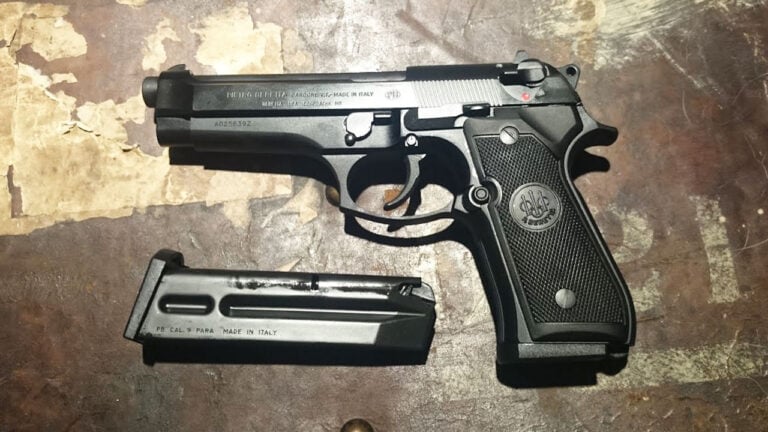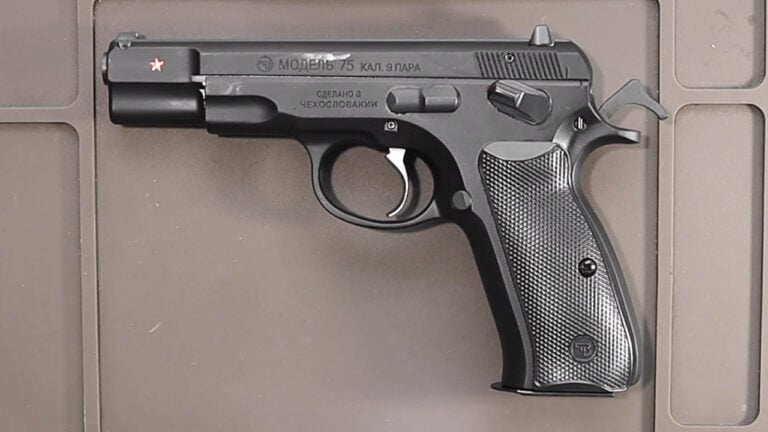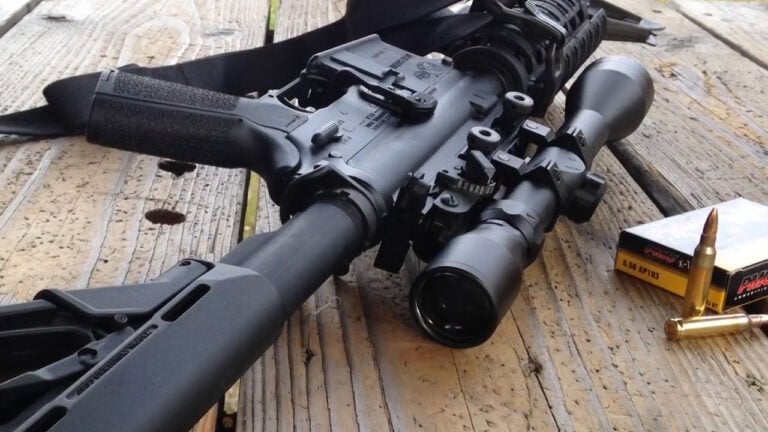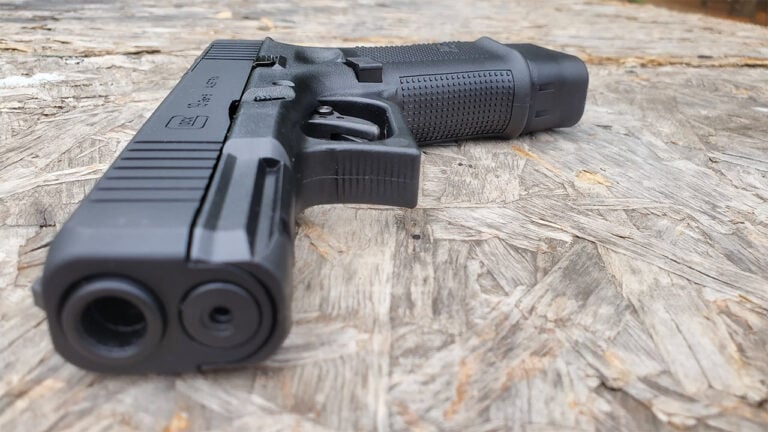
Photo credit: The Avid Outdoorsman
For five years the little outdoor gun club ran like a metronome. Gates opened on weekends, benches stayed swept, and the only complaints were the usual ones—somebody forgot their target stand out in the rain, somebody else left a couple shotgun hulls in the grass. Folks in the area got used to the steady pop of rifles in the distance, and the range board got comfortable.
Then a single round ended up where it never should have: on the shoulder of a busy highway that runs past the property. Nobody had to speculate what a stray bullet can do. When it lands near traffic, the situation stops being “neighborly” and becomes a public safety problem with paperwork attached.
A range can be quiet for years and still be one bad angle away from trouble
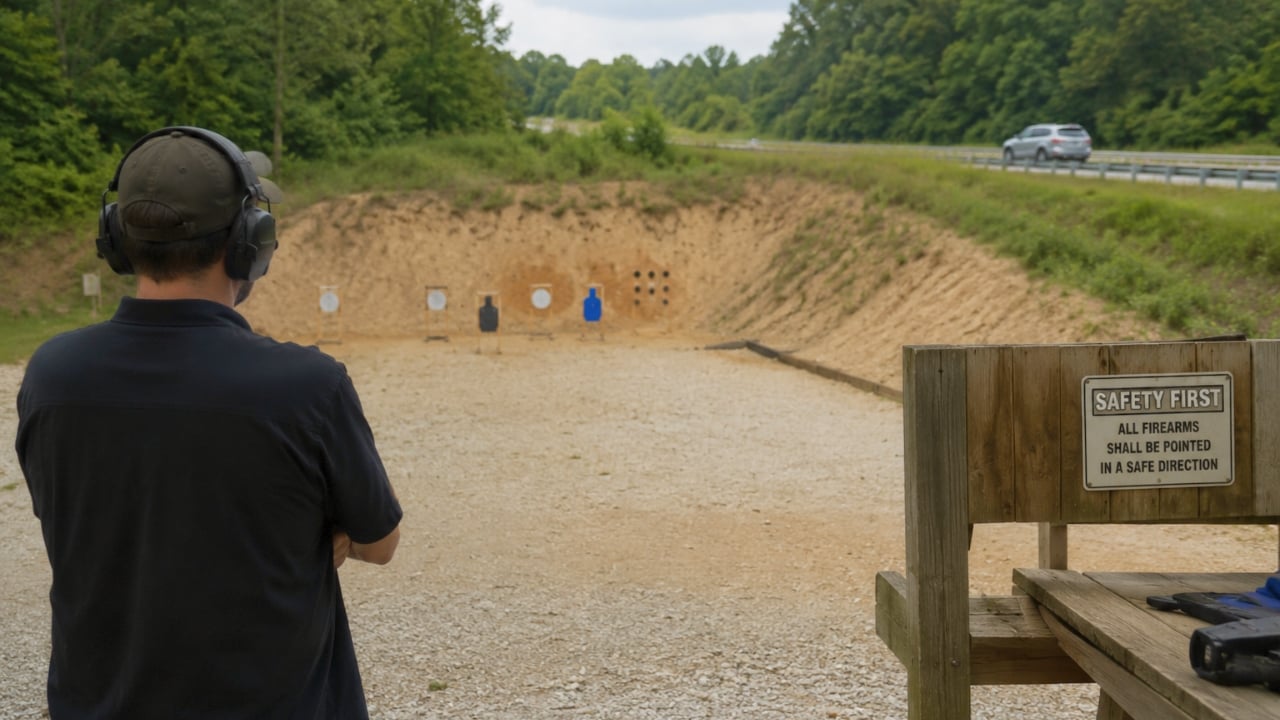
The club’s setup was the standard rural arrangement: a main rifle line with fixed benches, a pistol bay off to the side, and an earthen berm that had been built up years ago with a dozer. The backstop looked big to the naked eye, and for most shooters it probably worked the way it was intended.
But “most shooters” isn’t the same as “every shot, every time.” A round can escape a range in a handful of ways—shooting from an improper position, firing over the top of targets, ricochets off rocks or steel, or somebody sending rounds at a higher angle than the range was designed to handle. It only takes one.
The highway hit changed the whole tone
When the bullet showed up along the roadway, it brought in people who don’t have any interest in club politics or whether the range has been a good neighbor. A highway is a hard line. Anything that can reach it is now viewed through the lens of liability and public risk.
It didn’t matter that the range had a clean run for half a decade with no documented problems. It didn’t matter that members could point to safety rules posted on the sign-in shack. The question became simple: can you prove, with measurements and engineering-type documentation, that your backstop and shooting lanes keep rounds on your property?
That’s where the court order came in—forcing the club to provide berm height proof and show that the design meets whatever local standard the judge or county is leaning on. In the modern world, “we’ve always done it this way” is not a defense when a projectile lands near a public right-of-way.
What “berm height proof” looks like in real life
A lot of shooters think of a berm as a pile of dirt. For officials and insurance folks, it’s closer to a structure. They want numbers: height, thickness, slope, the condition of the face, and whether the range orientation points toward anything sensitive—roads, homes, trails, or farm lanes that see regular traffic.
The club likely had to bring in a surveyor or a civil engineer-type consultant to document the dimensions and the relationship to property lines and the highway corridor. They’d also need to show where firing points are, where targets sit, and what the maximum possible line of fire could be if someone ignored the intended target placement.
And then there’s maintenance history. Berms erode. Rain cuts channels. Muzzle blast and foot traffic break down the face. If the berm was built five-plus years ago and nobody has been pushing fresh material up or reshaping it, what looks tall in July can be a lot lower after a few seasons of washouts.
One uncomfortable detail that comes up in these situations is what’s inside the berm. If there are rocks, scrap steel, or old construction debris mixed into the fill, ricochet risk goes up. A clean dirt backstop—free of junk—isn’t just “nice.” It’s a safety requirement that sometimes gets overlooked when a berm is built with whatever fill was cheap.
Range rules don’t matter much if the design allows a bad shot to leave
Most clubs have good rules: keep muzzles downrange, no rapid fire if it causes loss of control, shoot from the benches only, don’t shoot unless the target is placed at the berm, and so on. The trouble is, rules rely on compliance and enforcement.
Outdoor ranges get busy. A volunteer range officer can’t be everywhere. New shooters show up with buddies and a case of ammo. Folks sight in for deer season and get in a hurry. Even experienced shooters have moments where they do something dumb, and the range design is supposed to be the last layer of protection when that happens.
If a court is asking for berm height proof, it usually means the club must demonstrate that even with a worst-case line of fire—within reason—a round is still stopped. That might mean taller berms, side berms (wings), baffles, or changing where firing points sit. It can also mean limiting what can be shot on certain bays, especially if the geometry points toward the highway.
What local shooters and commenters zeroed in on
Whenever a range gets put under the microscope, the same arguments show up fast. Some folks point fingers at “that one guy” who always shows up with steel set too high or who tries to ring gongs from weird angles. Others blame the club leadership for letting maintenance slide because “it’s been fine for years.”
Plenty of people focus on the simplest fix: build the berm higher. And that may be part of it, but dirt isn’t free and equipment isn’t cheap. If the club doesn’t own a dozer, you’re paying hourly rates. If it does own equipment, you’re relying on volunteer labor and somebody willing to take responsibility for doing it right.
Another common point is documentation. Shooters who’ve dealt with rural property disputes know how much a paper trail matters. Photos of berm condition, maintenance logs, posted range rules, sign-in sheets, and incident reporting procedures all become valuable when the question turns into “were you negligent?”
Finally, there’s the neighbor angle. Even if the highway incident is the first big red flag, it often isn’t the first complaint. Sometimes it’s the first complaint that got taken seriously. Once a bullet shows up near traffic, every old gripe gets refiled as evidence.
What this means for clubs, landowners, and anyone with a backyard berm
If you belong to a club, this is the kind of mess that can shut a place down—temporarily or for good—if it can’t meet requirements quickly. A court order doesn’t care about deer season coming up or the fact that it’s the only affordable place within driving distance. It cares about risk.
For landowners who shoot on private property, the lesson is the same: your backstop needs to be overbuilt, clean, and oriented so that a bad shot can’t reach a road, a neighbor’s house, or a field where people work. The farther you are from public access, the better. And if a highway is anywhere behind your shooting direction, you’re already behind the curve.
None of this is about being anti-gun or anti-range. It’s about the fact that one unpredictable moment can trigger scrutiny that’s hard to undo. The clubs that survive it are the ones that treat berms like equipment, not scenery—measured, maintained, and improved before a problem forces their hand.
Like The Avid Outdoorsman’s content? Subscribe to our newsletter so you never miss an article.
Here’s more from us: