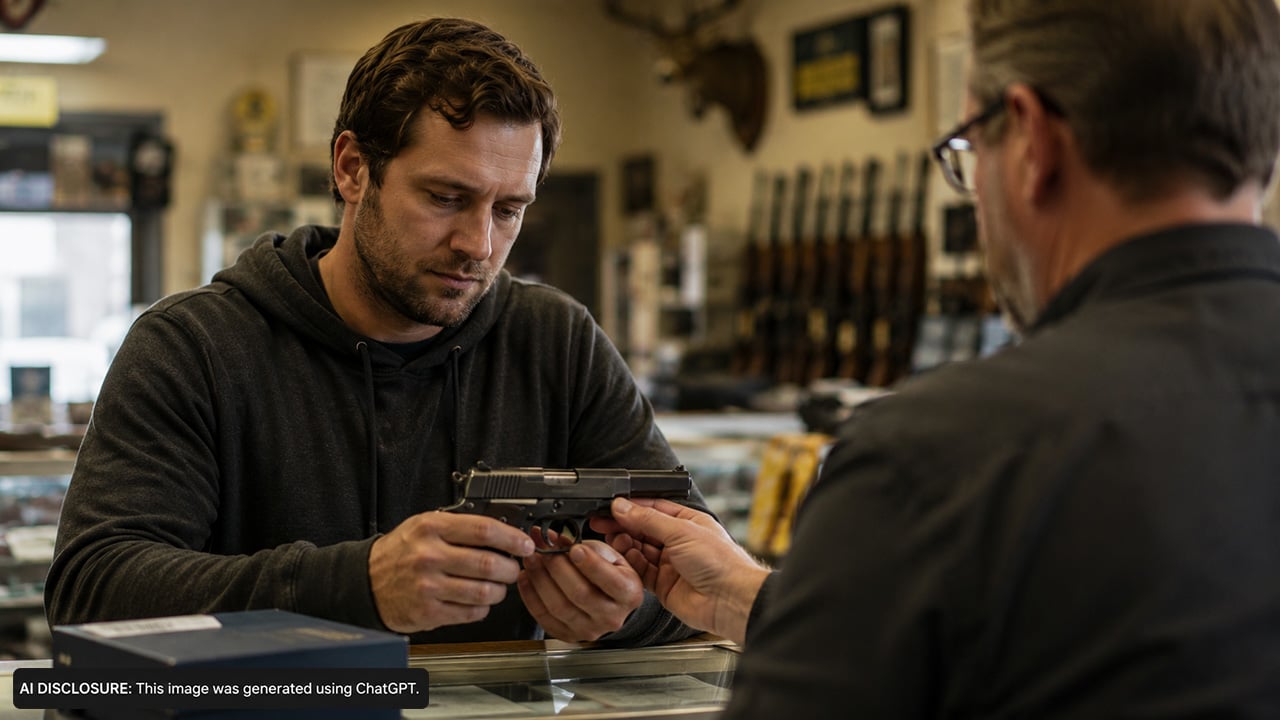
Photo credit: AI-generated image created using ChatGPT. Illustrative only
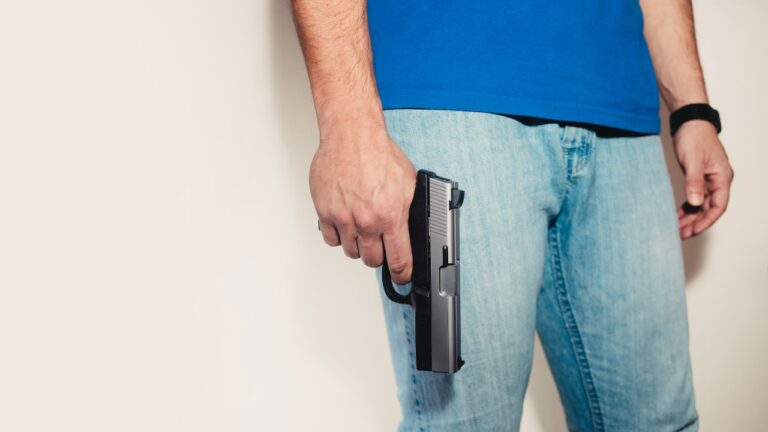
Some firearms are just tools, and some carry a whole chapter of family history in the holster wear and grime. One shooter shared that hard truth in the original post, explaining how his late father’s carry pistol slipped away when he was still a teenager—only to come back to him a decade later.
His dad died when he was 16, and the gun was sold off after the death. Ten years went by before he managed to track down the person who owned it and buy it back. That’s not just a purchase—it’s a recovery.
It was gone, and time doesn’t pause for a family
When a parent dies, especially when you’re 16, you don’t get a clean checklist of what happens next. Adults are making decisions, bills are coming in, and possessions move fast—sometimes because someone needs money, sometimes because nobody knows what else to do.
In this case, the dad’s carry gun was sold after he passed. The son didn’t get to hang onto it at the time, and that’s the part a lot of gun owners can relate to: you may “know” what you want done with your firearms, but unless it’s spelled out and handled correctly, the outcome can be very different.
A decade later, he found the owner and made it happen
Ten years is a long stretch to keep a specific gun in the back of your mind, but that’s exactly what happened. He eventually tracked down the current owner and bought the pistol back.
That detail matters. This wasn’t some shady “found it in a drawer” deal or a lucky pawn shop stumble. It was the kind of legwork and patience most folks don’t talk about—figuring out where it went, locating the person who had it, and getting to a deal that brought it home.
It came back needing real work, not just a wipe-down
When a carry gun changes hands and sits, it doesn’t always come back in ready-to-run shape. The owner said it needed springs, plus a broken slide stop replaced. Those aren’t cosmetic issues—those are the kinds of parts that can turn a defensive pistol into a range-only paperweight until they’re fixed.
He also ditched a dovetailed Burris optic and installed Angry Bear iron sights. Optics on pistols can be great when they’re mounted correctly and the gun is set up for them, but a carry pistol has to be simple and dependable first. For a lot of folks, sturdy irons are the “back to basics” answer, especially when you’re trying to restore a gun you plan to trust again.
The deep cleaning and hand-polished internals tell you how much it meant
A firearm that’s been carried, sold, stored, and then returned isn’t just dirty on the outside. Sweat, lint, old oil, and pocket grit find their way into places you don’t see until you strip it down. He said it needed a very deep cleaning, the kind that goes beyond a quick field strip.
He also mentioned finishing up hand polishing the internals. That’s not about making it flashy; it’s about smoothing function and taking pride in the tool. Whether you’re working on a deer rifle before season or cleaning up a carry pistol, there’s a difference between “good enough” and “I want this running right.” He clearly wanted it running right.
He didn’t put it in a safe—he put it back to work
Plenty of people would get a family gun back and treat it like a keepsake, something that stays in a box and only comes out on anniversaries. He went the other direction. After repairs, parts replacements, cleaning, and sight changes, he set it up to carry.
He picked a Vedder LightTuck holster and said he’s been carrying it. That’s the final proof this wasn’t just about nostalgia. He brought it back into the role it originally filled—an everyday defensive tool—only now it carries a family story along with it.
What this story reminds gun owners to handle now
This kind of situation is more common than folks want to admit: a gun owner passes, the family is grieving, and firearms get sold off quickly—sometimes for fair reasons, sometimes because nobody planned ahead. If you care where your guns end up, the most practical move is to document what you own and make your wishes clear while you’re still here. That can mean a basic inventory, serial numbers recorded securely, and written instructions for who gets what.
And on the mechanical side, it’s a good reminder that any used firearm—especially one with an unknown maintenance history—should be treated like it’s unproven until it’s checked out. Replacing worn springs, fixing broken parts like a slide stop, choosing sights you trust, and doing a thorough cleaning aren’t “extras.” They’re how you turn a sentimental gun back into a reliable one.
In the end, the most outdoorsman part of this whole thing isn’t the brand names of the parts or the holster. It’s the mindset: track down what matters, do the work the right way, and don’t just admire a tool—make it useful again.
Like The Avid Outdoorsman’s content? Be sure to follow us.
Here’s more from us: