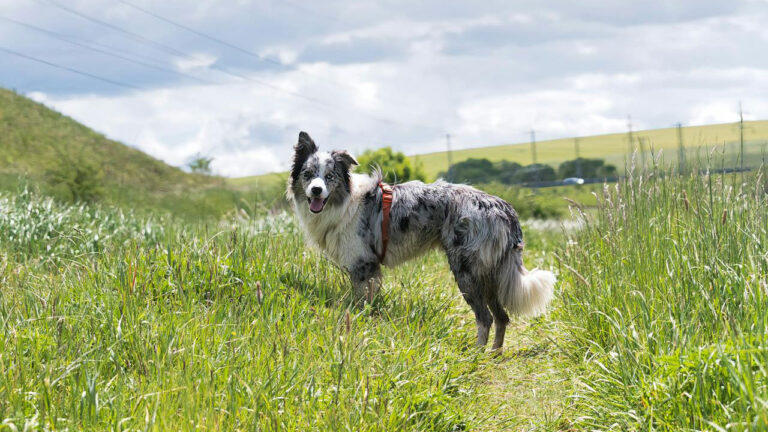
Photo credit: AI-generated image created using ChatGPT. Illustrative only
In small towns, a “loose dog” call usually ends with somebody grabbing a leash, checking a collar, and getting the animal back home. But in Sturgeon, Missouri, a missing 13-pound shih tzu named Teddy ended up shot to death by an officer—then turned into a half-million-dollar settlement that every taxpayer can understand in plain language.
The details, laid out in the original post, paint a picture that’s hard to square with the way most rural folks handle dogs, livestock, and basic neighbor problems: identify the animal, slow down, and use the right tool before you ever reach for lethal force.
A missing little dog and a call that didn’t sound dangerous
This started May 19, 2024, when Nicholas Hunter’s dog Teddy escaped from the backyard while Hunter was out at dinner. A neighbor spotted Teddy wandering into their yard and called a county dispatch center to report it.
According to Hunter’s lawsuit, dispatch asked if the dog was aggressive and the caller said, “No, not at all.” That’s important, because it sets the tone: this wasn’t a report of a charging pit bull, a pack of strays, or a livestock-killing dog. It was a small dog, loose, and apparently non-threatening.
Sturgeon put it on Facebook—then things went sideways fast
The City of Sturgeon’s official Facebook page posted an alert that same day, along with photos of Teddy. The post said, “Do you know this doggie? Joint communications has been notified. The doggie seems in need of medical attention.” Hunter got word of the post and headed over to pick his dog up.
Before he could get there, former Sturgeon police officer Myron Woodson arrived on scene. A few minutes later, Teddy was shot twice and killed. ABC 17 later reported Woodson’s entire encounter—from stepping out of the car to firing the two shots—lasted three minutes and six seconds.
If you’ve ever dealt with a found dog on your place, you know three minutes is nothing. That’s barely enough time to talk to a neighbor, look for tags, or even make a second attempt with a catch pole without fumbling it.
Body cam video didn’t match the “dangerous dog” narrative
After the shooting, the city defended Woodson’s decision in a Facebook post. Sturgeon wrote that based on the dog’s behavior, Woodson believed it was “severely injured or infected with rabies,” feared being bitten, and felt his “only option was to put the animal down.” The city also wrote it was later learned Teddy’s behavior was because the dog was blind, and that a lack of collar or tags influenced Woodson’s decision because he believed the dog was “injured, sick and abandoned.”
But the body camera footage ABC 17 obtained reportedly showed Teddy was never aggressive and didn’t bark or growl. Woodson did try a catch pole—exactly what most people would want to see first—but Teddy shook free and trotted away. The problem is what happened after that: after fumbling the catch pole several times, Woodson drew his gun and shot the dog.
Anybody who’s had to catch a nervous dog knows the game: you get one chance, you miss, and now the animal’s more wary. That’s frustrating. It’s also not a reason to turn a low-level animal call into a shooting when the dog isn’t attacking anyone.
The lawsuit, the Fourth Amendment angle, and a big settlement
Hunter filed a federal lawsuit within a week. He alleged his Fourth Amendment rights were violated when Woodson killed Teddy. That may sound odd to folks who think of the Fourth Amendment as traffic stops and search warrants, but courts have treated killing someone’s pet as an unreasonable “seizure” in certain circumstances.
The town agreed to pay $500,000 to settle the lawsuit, and the Animal Legal Defense Fund (ALDF) said it was one of the largest settlements of its kind. ALDF also provided a grant to help cover lawsuit costs and announced the settlement.
Hunter’s attorneys, Daniel J. Kolde and Eric C. Crinnian, said in the ALDF release: “Mr. Hunter is relieved this matter is concluded but nothing can ever bring his Teddy back. Teddy was a good dog who did not deserve this. We hope that other departments will learn from this and train their officers better in the future so events like this don’t happen again.”
From a practical, boots-on-the-ground perspective, that’s the part that stings: $500,000 doesn’t un-shoot a family pet. It just spreads the cost around—mostly to citizens who didn’t pull the trigger.
Accountability questions didn’t go away
Sturgeon officials suspended Woodson and promised an investigation, but Hunter’s lawsuit alleged that investigation never happened. The lawsuit also alleged the city instead paid Woodson a $16,000 settlement regarding his suspension.
Woodson no longer works for the Sturgeon Police Department and is apparently a process server. ABC 17 reported he was charged with trespassing for allegedly refusing police orders to leave a retirement home where he was attempting to serve papers.
Meanwhile, after the body cam footage came out, the city posted again, saying it believed the officer acted “within his authority” based on the information he had at the time, describing Teddy as what “appeared to be an injured, sick, and abandoned dog.” In his deposition, Woodson testified he destroyed the animal because “I believed the dog was seriously injured and suffering.”
In the country, we put animals down sometimes. But there’s usually a clear reason, and it’s usually the owner—or a vet—or a deputy who’s dealing with a truly dangerous situation. When the video shows a quiet little dog trying to get away, “only option” is a tough sell.
Why this matters to rural folks who value good policing
This isn’t about being anti-law enforcement. Most hunters, landowners, and gun owners I know want solid, professional officers in their communities—because we’re the ones calling when somebody dumps trash on the back forty, when there’s a break-in at the shop, or when a wreck happens on a county road at 2 a.m.
But good policing includes judgment. On an animal call, that usually means slowing down, creating space, and using the right tool—especially when the dog is small and the report says it isn’t aggressive. It also means departments training for these situations, because the public fallout and the legal fallout are real. Reason noted that settlement sizes have grown substantially since court rulings in the early 2000s established Fourth Amendment protections for pets against unreasonable seizures.
ALDF executive director Chris Green called the settlement “one of the largest of its kind” and said these tragedies are “completely unnecessary and preventable with simple, adequate training.” Whether you agree with the group or not, the dollars are the dollars, and the outcome is plain: the town is paying $500,000 because a three-minute encounter ended with two rounds fired at a 13-pound dog that wasn’t acting aggressive on camera.
In the end, the most frustrating part is how avoidable it looks. A found-dog call should be a neighborly problem with a humane solution. Instead, Sturgeon is left with a dead family pet, a former officer out of the job, and a big check that didn’t have to be written.
Like The Avid Outdoorsman’s content? Subscribe to our newsletter so you never miss an article.
Here’s more from us: