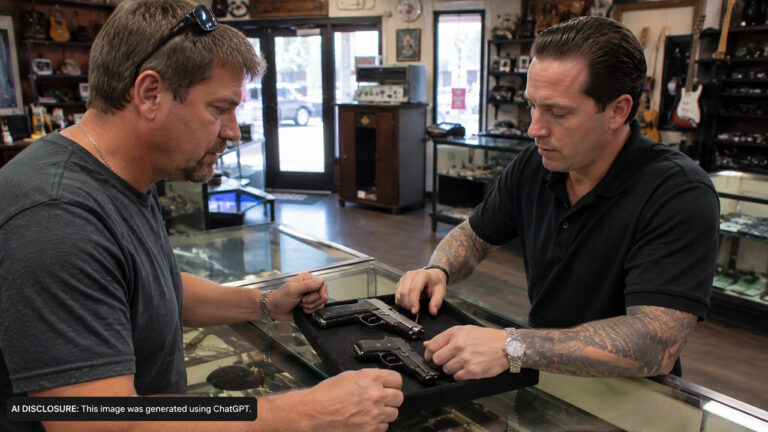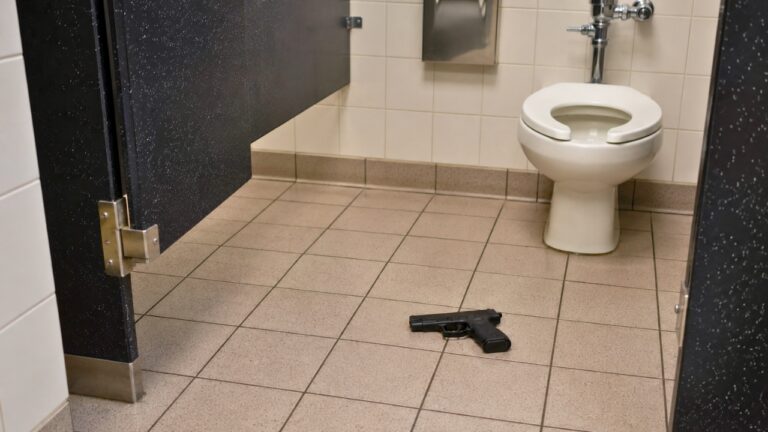
Photo credit: AI-generated image created using ChatGPT. Illustrative only
Renting out rooms in your own home is a different animal than managing a duplex across town. You’re sharing hallways, hearing the late-night stumbling, and living with whatever decisions your tenant makes—good or bad. That reality got real in a hurry for one Georgia property owner who put a strict no-weapons clause in a new tenant’s lease, only to be dealing with a missing gun story less than a week into the six-month agreement.
A strict addendum was baked into the lease from day one
The homeowner said he rents rooms in his house to generate extra money for repairs and improvements. A tenant moved in July 1 on a six-month lease, and the paperwork wasn’t vague about expectations—especially on weapons.
The lease language the landlord shared spelled it out: the tenant “shall not possess or bring onto the premises” any weapons, including firearms, handguns, rifles, ammunition, gunpowder, explosives, and more. It also claimed the landlord could search if he had suspicion, assess a $150 fee if a weapon was found, and treat any reported or discovered weapon as grounds for immediate eviction.
The situation escalated fast when alcohol and a “missing gun” entered the mix
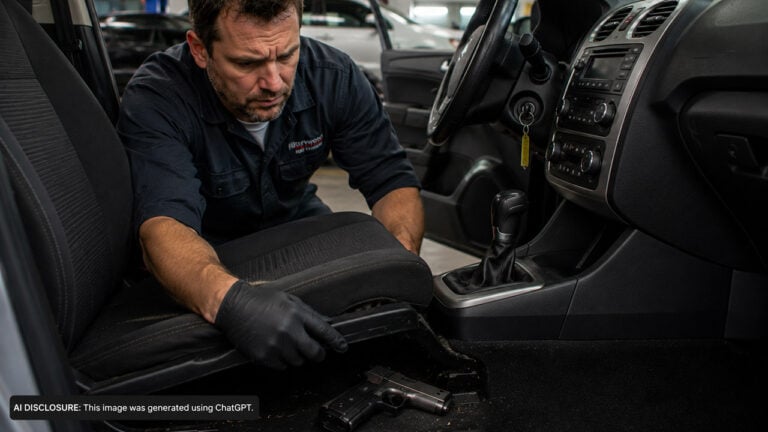
According to the landlord, the tenant got drunk on July 4 and said a gun that had been in his car “went missing.” That one statement changes the temperature of everything. A firearm that’s secured and accounted for is one thing; a gun that’s allegedly disappeared on or around a property where people live is another.
From a practical outdoorsman standpoint, the concern isn’t politics—it’s safety and liability. If a loaded handgun is anywhere on the property and not under the control of the person who brought it, you’re now dealing with the possibility of a negligent discharge, a theft, or a kid or visitor stumbling onto it. Even if nothing happens, the question becomes: whose problem is it when something does?
The tenant’s argument came down to “my car, my property”
The tenant pushed back with a line a lot of folks have heard in one form or another: since the gun was in his vehicle, and the vehicle is his property, he should be able to keep it there. The landlord’s response was simple—his car was parked on the landlord’s property.
That’s the crux of the conflict. The tenant appears to be treating the vehicle as a hard boundary that overrides the lease terms. The landlord is treating the driveway/yard/parking area as part of the “premises,” meaning the no-weapons rule covers it. When you’re renting a room in an owner-occupied house, those definitions matter a whole lot more than they do in a big apartment complex.
“Premises” and enforceability aren’t just word games when you live under the same roof
In the landlord’s lease wording, “premises” is doing a lot of work. If a lease cleanly defines premises to include parking areas and vehicles parked on-site, the landlord’s position gets stronger. If it doesn’t, the tenant may try to argue that the clause can’t reach into his private vehicle—even if the vehicle is sitting in the yard.
There’s also a separate issue: a lease can say many things, but enforcement still has to line up with landlord-tenant law. Clauses that claim a landlord can “search the premises” based on suspicion, or that promise “immediate eviction,” can be more complicated in the real world than they read on paper. When you’re sharing a home with someone, it’s tempting to think you can act quickly. But a bad move—like an improper search or a self-help eviction—can put the property owner in a worse position.
The landlord laid out the situation in the original post, including the exact lease language and the tenant’s “it was in my car” defense.
For landowners, the bigger issue is control, documentation, and keeping things from getting western
Plenty of responsible gun owners keep a firearm in a vehicle. But “truck gun” culture comes with some hard truths: vehicles get broken into, people get careless, and heat-of-the-moment decisions happen when alcohol is involved. The tenant saying the gun “went missing” after drinking is a flashing red light for any homeowner who’s thinking about the safety of everyone under that roof.
If you’re the property owner in a situation like this, the practical play is to slow down and get your ducks in a row. Write down what was said and when. Keep communication in writing going forward. If you do inspections, follow whatever notice requirements apply to your setup and your state. And if there’s genuine concern a firearm is unsecured or stolen on-site, don’t turn it into a hallway confrontation—handle it like an adult and involve the appropriate professionals if needed.
There’s also the simple reality that “no weapons” policies can backfire if they aren’t thought through. If you’re renting to strangers, a hard ban may attract the wrong kind of pushback, or encourage people to hide what they’re doing instead of being upfront. On the flip side, for an owner-occupied home, it’s not unreasonable to set firm rules—because you’re the one who has to live with the consequences.
What this teaches anyone renting out rooms on rural or private property
This isn’t just a paperwork dispute—it’s a reminder that shared-living rentals are personal. If you’re a hunter or landowner renting rooms to fund improvements, treat your lease like a piece of safety equipment, not a formality. Define “premises” clearly. Spell out whether parking areas are included. Be realistic about what you can and can’t do in the moment, especially regarding searches and removals.
Most of all, recognize the warning signs early. A tenant getting drunk within days of move-in and talking about a missing gun isn’t a small thing. Whether the issue ends in a lease termination, a formal eviction process, or a hard conversation followed by tighter boundaries, the goal is the same: keep your home safe, keep your property secure, and don’t let a bad situation turn into a dangerous one.
Like The Avid Outdoorsman’s content? Subscribe to our newsletter so you never miss an article.
Here’s more from us: