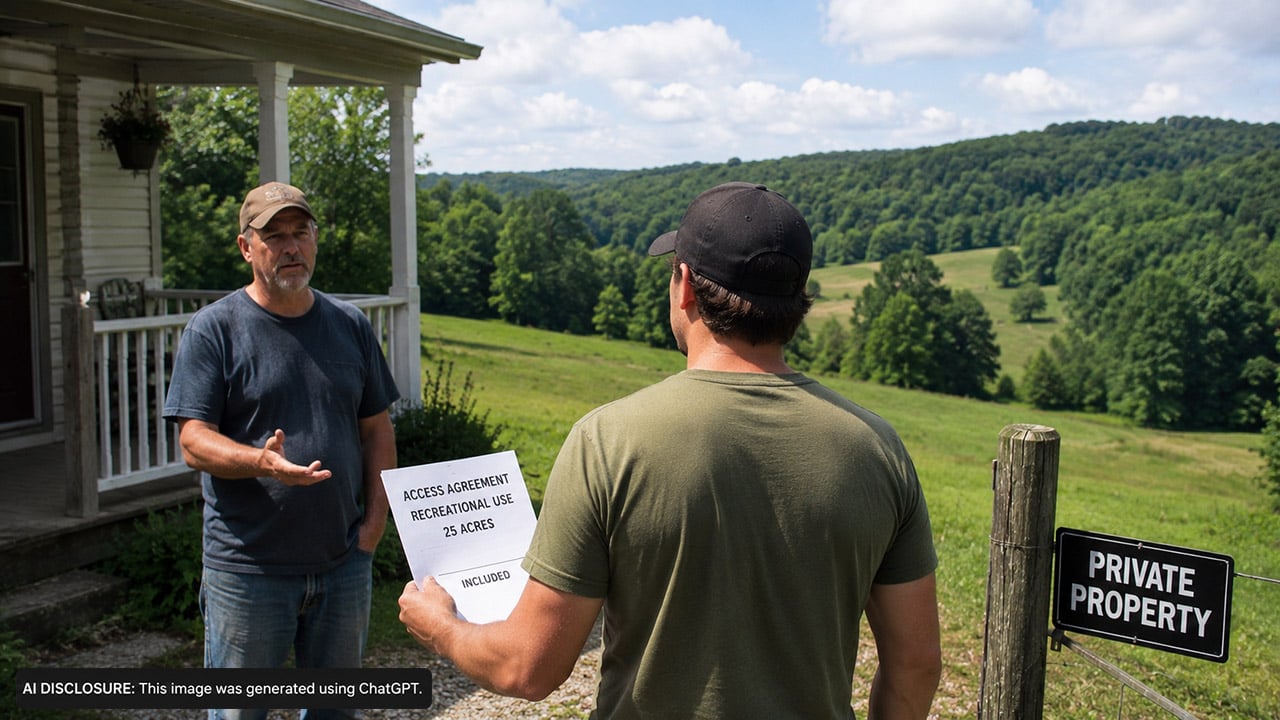
Photo credit: AI-generated image created using ChatGPT. Illustrative only
A guy in North Carolina thought he’d found a rare rental: a house with room to roam. He signed a lease, paid the first month and security deposit, and believed he was getting the kind of place outdoorsmen daydream about—25 acres to walk, scout, and use however he wanted.
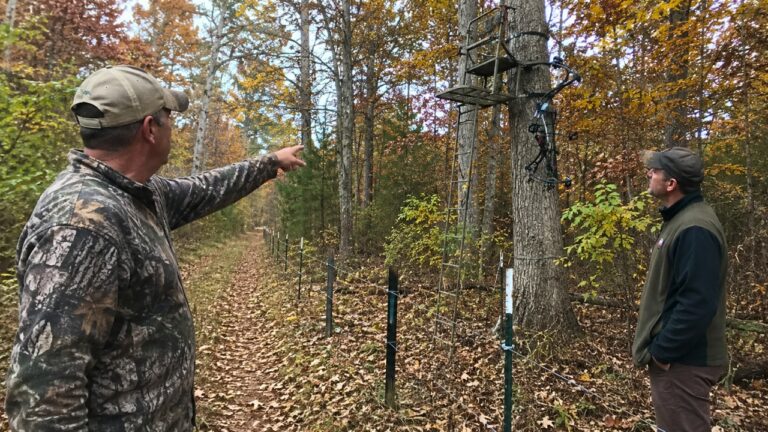
Then he started walking the property and found deer stands. When he asked about them, the landlord finally disclosed that part of the land was already leased out to hunters—and if he wanted full use of the 25 acres he was shown, his rent would go up another $100 a month. The details were shared in the original post, and the whole thing is a good reminder that “country living” gets complicated fast when hunting rights are in play.
He rented a home, but what he really thought he was buying was access
According to the post, the boyfriend—called “Sam”—toured the place with the owners and his dad. During that walk-through, the owners allegedly told him the land usage was his and he could do whatever he wanted recreationally. That’s not a small detail. For a lot of us, acreage is the difference between a plain rental and a place you can actually live on—shoot a bow, run a dog, hang a stand, or just enjoy a quiet evening without neighbors stacked on top of you.
The listing apparently showed the property as 25 acres, and Sam believed that was part of the deal. He signed on March 7. Nine days later, after getting keys and exploring, he noticed deer stands and started asking questions.
The “$100 more” upsell is where the deal went sideways
The landlord’s response wasn’t “those are old stands” or “we’ll get them removed.” It was, essentially: part of the property is rented out to hunters, the house actually sits on two acres, and if Sam wants access to all 25, it’s an extra $100 in rent.
That kind of add-on rubs people the wrong way because it feels like paying twice for the same thing. If 25 acres was the pitch that got a renter to sign, and only after the ink dries you learn the woods are spoken for unless you pay more, it doesn’t feel like a simple misunderstanding. It feels like an upsell after the sale.
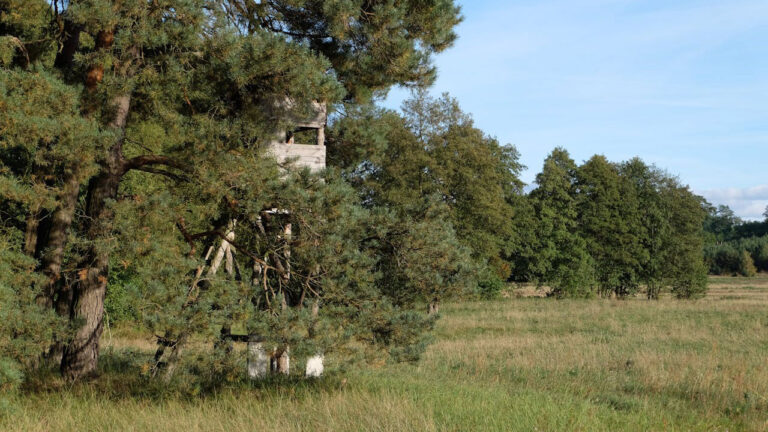
Even if the landlord didn’t intend to be shady, that’s not how you handle hunting rights around a residence—especially when the first stand is said to be roughly 150 yards from the house.
Hunting leases next to a home create real safety and privacy problems
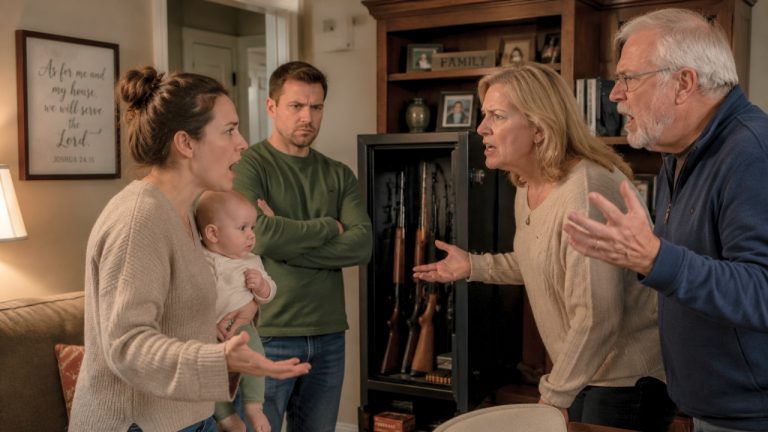
This isn’t just about money or paperwork. It’s about people with weapons on the same ground where someone is living day to day. A deer stand 150 yards from the house means hunters are close enough that normal “noise” and “movement” from the home can affect their hunt, and their presence can affect the tenant’s sense of privacy and safety.
It also creates practical problems fast: Who’s allowed to park where? Which driveway do they use? Are they walking past a shed, a yard, a dog run? If the tenant wants to hike or run a trail camera, are they suddenly “in the way” on land they thought was theirs to use?
And from the hunting side, it’s a recipe for conflict. Hunters leasing land expect some level of control and consistency. If a renter is told “do whatever you want recreationally,” that can include everything from target shooting to riding ATVs—stuff that might be legal, but doesn’t mix with someone paying to hunt quietly.
The lease language matters, but so does what was represented
The post says the lease describes the property as a single-family residence. It also includes a tenant obligation stating the property will only be occupied by the tenant (Sam) or people listed in the basic terms. None of that clearly addresses acreage, hunting rights, or a third-party hunting lease.
That’s the key issue: if a landlord is going to retain hunting rights, or lease them to someone else, it needs to be spelled out cleanly. A tenant shouldn’t have to “discover” a hunting lease by stumbling onto deer stands after move-in.
The other piece is what Sam was told during the showing. Verbal promises can be hard to enforce when a written lease exists, but they still matter in the real world—especially if the listing and the walk-through created a clear impression that all the land shown was included.
What outdoorsmen tend to focus on in situations like this
When hunting rights and property lines get muddy, the practical crowd usually locks onto a few basics: document everything, don’t escalate, and get clarity in writing. The tenant needs to know exactly where his two acres are, exactly where the hunters’ access runs, and whether those hunters have permission to cross any part of what the tenant is actually renting.
There’s also the common-sense safety angle: if unknown hunters are coming and going, the tenant should treat it like a serious boundary issue, not a casual “oh they’ll stay in the woods.” Communication matters, but it should run through the landlord, not a driveway confrontation with someone in camo carrying gear.
And if the landlord insists that full access costs another $100, the tenant has to decide whether paying more is worth it—or whether the better move is to push back based on what was advertised and represented, and potentially look at options to unwind the deal. Nobody wants to move twice, but nobody wants strangers hunting behind their house either.
How this can be handled without making it worse
The cleanest path is getting the terms nailed down on paper. If the tenant is only entitled to two acres, he needs a clear map or legal description and an agreement about where the hunters can travel, park, and enter. If the tenant was promised recreational use of the whole tract, he needs to put that in writing to the landlord immediately—calmly, with dates and specifics—before memories “change.”
On the ground, the priority is avoiding a bad encounter. If hunters show up, it’s smarter to stay polite, avoid accusations, and tell them you’re sorting it out with the landowner. This is one of those rural headaches where the wrong conversation at the wrong time turns into a mess that nobody can take back.
The bigger lesson is simple: when acreage is part of the value, treat it like the value. Ask who has hunting rights, who has access, and whether any portion is leased to a third party—and get it written into the lease before you hand over money. Because once those stands are in the trees and the season rolls around, “I thought I had the whole place” doesn’t protect your peace and quiet.
Like The Avid Outdoorsman’s content? Subscribe to our newsletter so you never miss an article.
Here’s more from us: