Photo credit: Bruce MacQueen/Shutterstock.com
A good hunting place talks to you long before you ever put a crosshair on hair. It’s in the way the ground lays, the way the wind behaves in the last hour of daylight, and the way deer use a property when they don’t think anybody is watching. I’ve hunted pretty properties that were basically deer deserts, and I’ve hunted ugly ones that flat-out produced because the land “made sense.”
If you’re looking at a new lease, walking a new piece of family ground, or trying to decide whether it’s worth improving what you’ve got, there are a handful of signs that show up early. These are the things a solid hunting property will show you before the first shot of the season, if you’ll slow down and read it.
The access doesn’t ruin the hunt
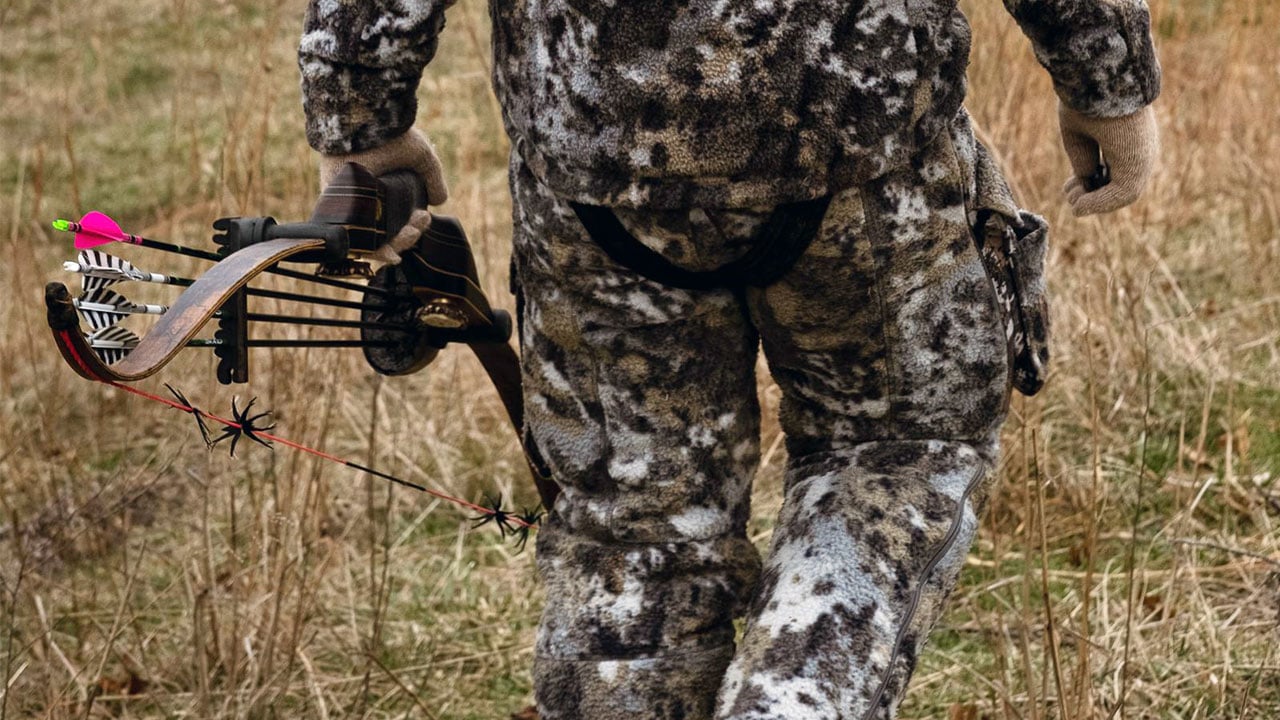
The first question I ask myself on a new property is simple: can I get in and out without blowing it up? If the only way to reach every stand location is to walk a field edge at daylight or crunch through the bedding cover, it’s going to be a tough season. Deer learn schedules faster than hunters want to admit.
Good ground has quiet approaches, low spots, timber fingers, ditches, or even just a shaded route that keeps you out of sight. It also has options, which matters when the wind isn’t doing what the forecast promised. If you’ve got one access route and it’s bad, you’ll force sits on “close enough” winds. Ask me how I know.
The wind has a pattern, not a personality
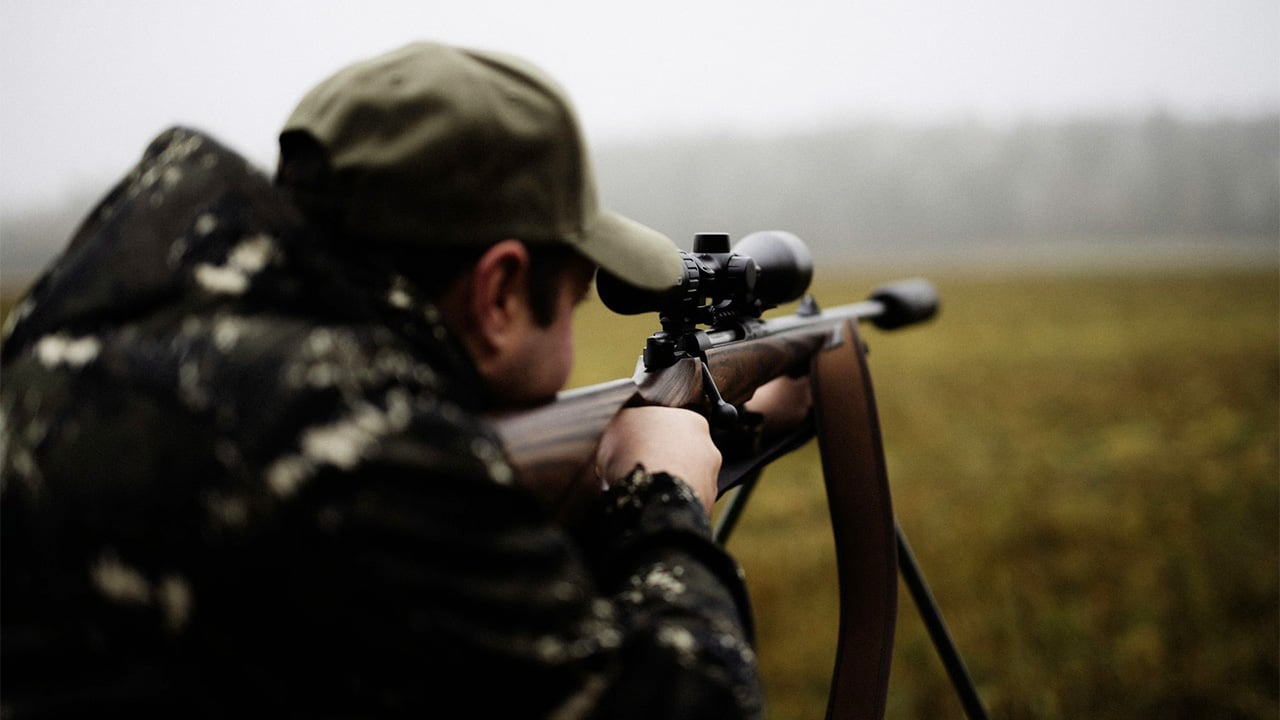
Every property has swirl spots. The trick is whether the property has predictable wind behavior in enough places to actually hunt it. If every ridge top dumps your scent into the same bowl and every bottom pulls air uphill in the evening, you can work with that.
When a property is “good,” you can find at least a couple locations where the wind does what it should. You’ll feel it in your face consistently on the approach, and milkweed doesn’t do the full-on tornado thing. If the wind is chaos everywhere, you’ll burn out stands fast and blame the deer.
Bedding is obvious and it’s not all on the neighbor
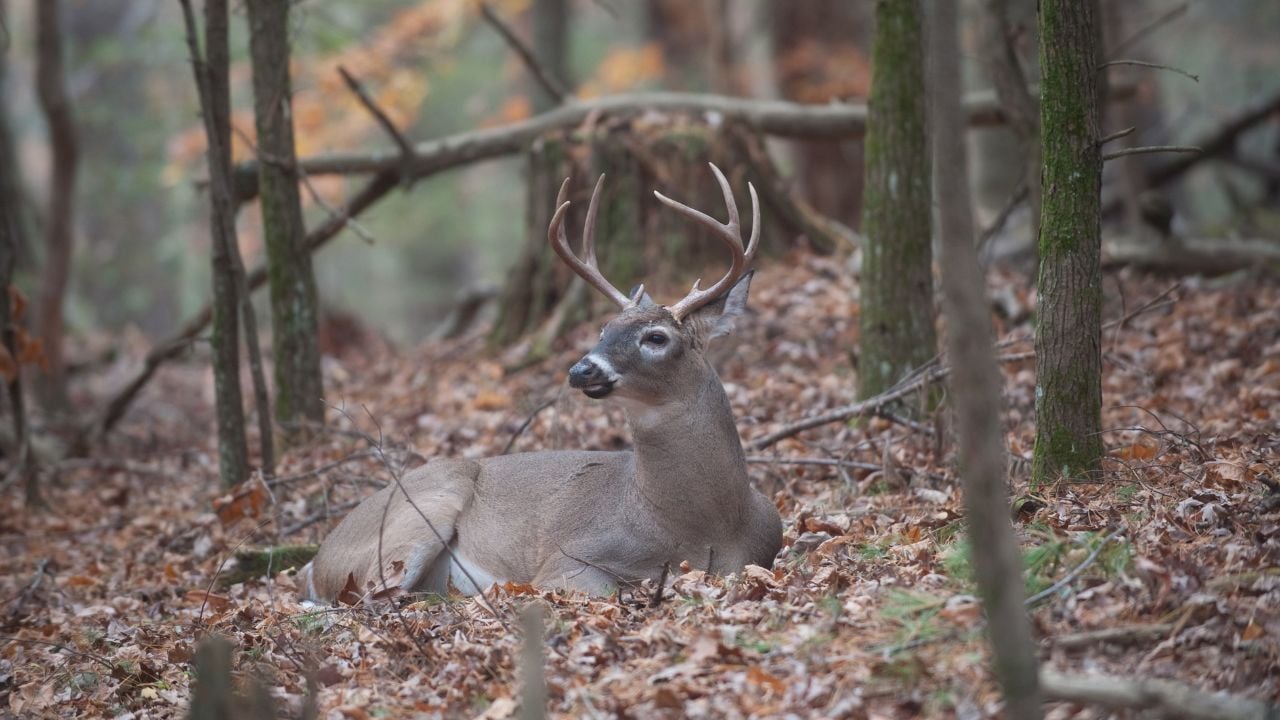
People love to talk about bedding like it’s some secret code, but decent properties show it to you if you walk them in late winter. You’ll find clusters of beds on points, in the thick stuff with multiple exits, on leeward slopes, or in that nasty little corner nobody wants to push through.
If a property has no bedding cover at all, it can still hunt well, but you’re at the mercy of what happens next door. A good piece has at least some “home base” security cover on it, even if it’s just a weedy CRP strip, a cutover, or a cedar thicket that stays quiet most of the year.
There are natural pinch points that don’t require hero tactics
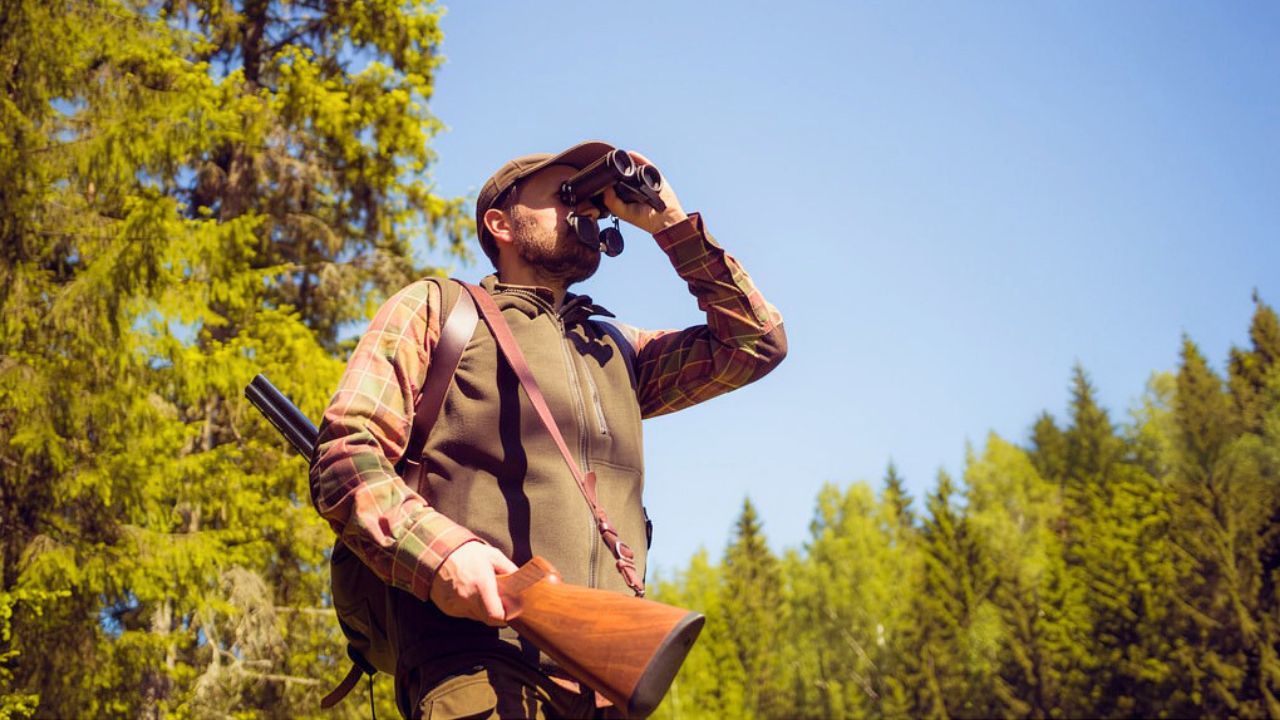
I’m not talking about one magical tree that every buck in the county walks by at 6:30. I’m talking about terrain and cover that naturally steer movement: a saddle between ridges, a necked-down strip of timber between open ground, a creek crossing that’s shallow in one spot, or a fence gap that’s been used so long the wire is polished.
When you’ve got real funnels, you don’t need to run-and-gun like you’re filming a TV show. You can hunt smart, hunt the right wind, and let the property do the work. If every “pinch point” requires you to sit 60 yards from bedding and hope a mature buck makes a mistake, that’s not a plan. That’s gambling.
Food isn’t just present, it’s usable under pressure

Anybody can point at an ag field and call it food. The question is whether deer can get to it in daylight without feeling exposed, and whether there’s a transition zone they’ll stage in. A field with no edge cover can look like a whitetail buffet and still be a night-only deal once the first orange hat shows up.
Good properties have food options that include cover: soft edges, brushy corners, internal openings, mast trees near security, or a clover plot tucked where deer can enter and exit without crossing open ground. Even on small properties, a little “privacy” around groceries goes a long way.
The sign is layered, not random
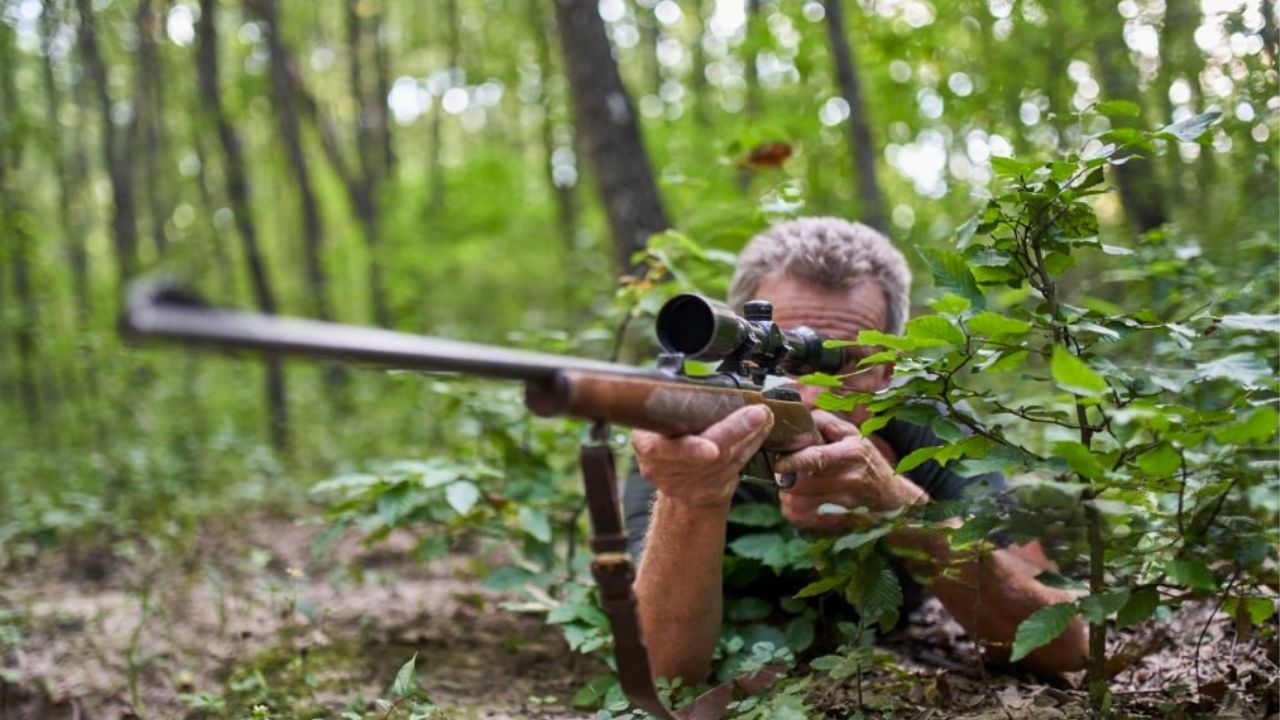
Fresh rubs get everybody excited, but a good place usually shows you more than a few flashy trees tore up by an ambitious two-year-old. You’ll see rub lines that make sense with terrain, old scarred trees from previous years, and clusters of sign that repeat in the same zones.
Tracks tell the truth too. Big tracks in the right places, going the right directions, matter more than a thousand tiny prints in a muddy mess. When you find sign that looks like it’s been there for years—worn trails, old rubs, a primary scrape area—it’s a hint the property supports consistent patterns, not just random passing traffic.
The water situation doesn’t force deer to leave
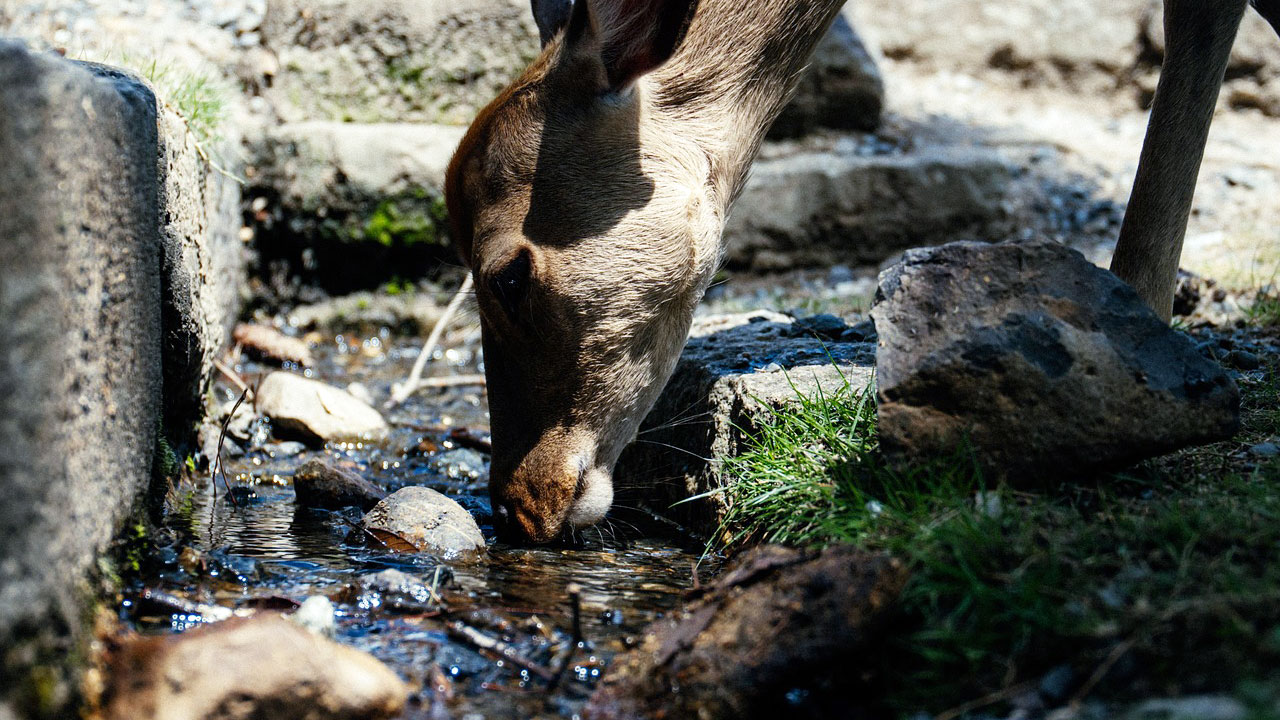
In a lot of country, water isn’t the “magnet” people make it out to be. Still, a property that holds deer well usually has dependable water nearby, even if it’s a creek, seep, pond, or a low spot that stays wet.
What you don’t want is a property that turns dry and crunchy at the exact time early season is hottest. If deer have to leave your place every evening to drink, you’ve just built a daily pattern that might end on the neighbor. A little water can be a small detail that keeps deer comfortable and predictable.
The neighbors and boundaries aren’t a constant headache
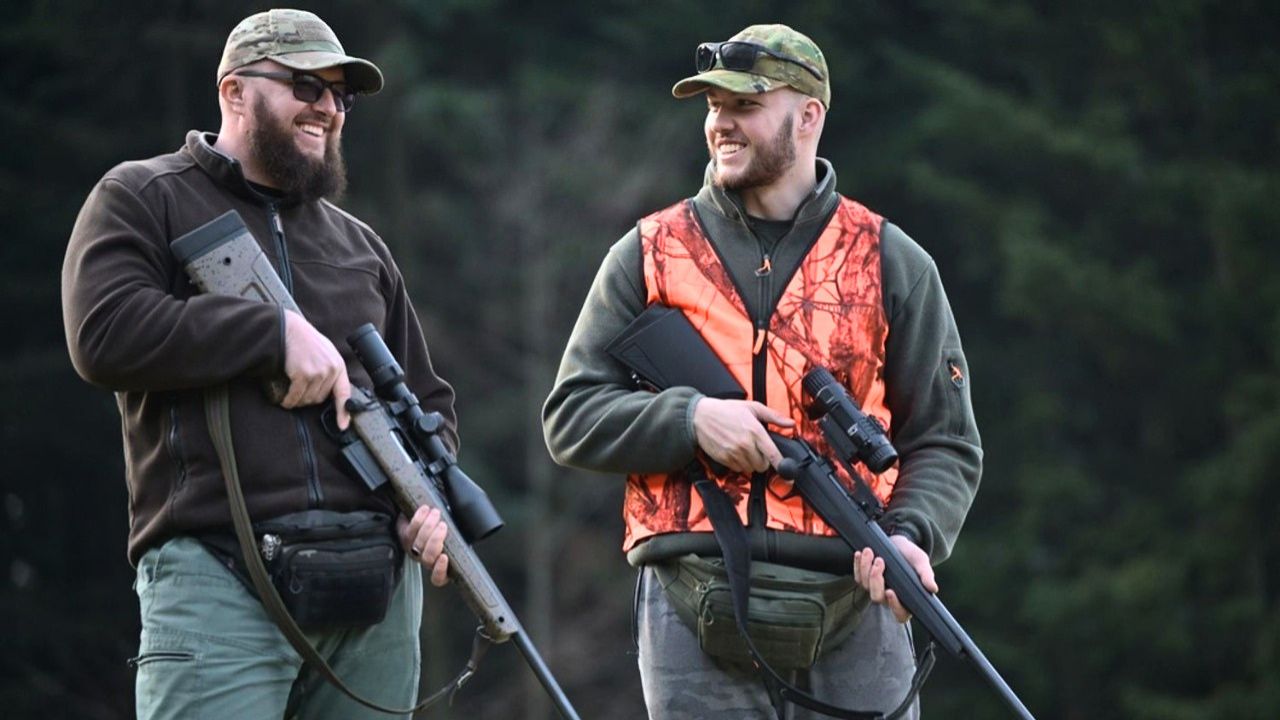
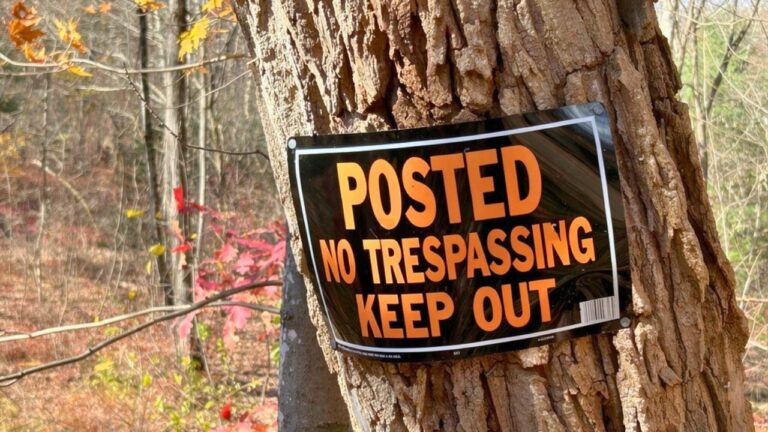
This one isn’t fun to talk about, but it matters. A property can be perfect on paper and still be a mess if the boundaries aren’t clear, the gates don’t lock, or the neighbor treats the line like a suggestion. Before season, a good property will show you whether you’re going to spend your fall hunting deer or dealing with people.
Look for posted lines that actually stay up, corners you can identify, and access that doesn’t require you to cross somebody else’s idea of “their” two-track. Trail cameras near entrances can tell you a lot in a hurry. So can a quick walk for cut fences, trash piles, and boot tracks where they shouldn’t be.
You can hunt it without educating everything that lives there
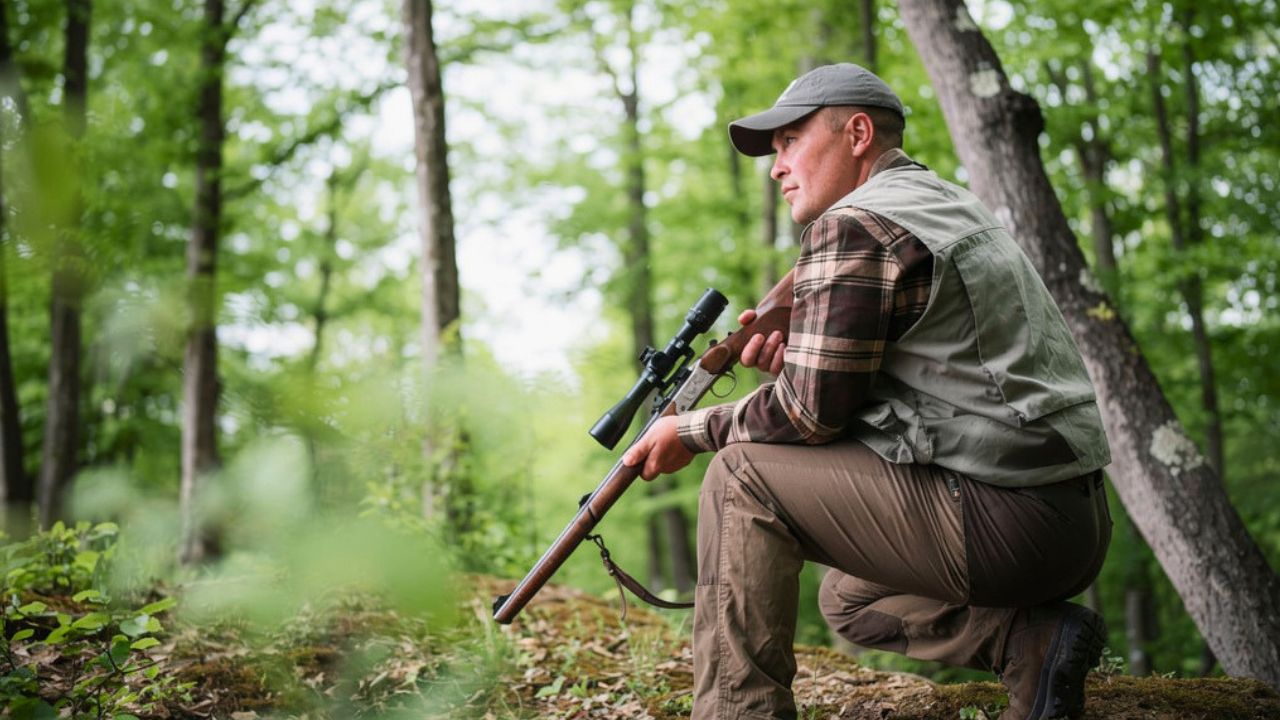
Some ground is so tight and so loud that every sit feels like you’re making withdrawals from a limited bank account. You climb a stand once, bump deer twice, and now you’re “saving it for the rut,” which turns into not hunting it at all.
A solid hunting property gives you room to rotate. Different winds, different entry routes, different stand trees, maybe even different styles—one spot for a morning hunt, another for evenings, and a third for the first cold front. If you can only hunt one spot without burning the whole place down, you’re going to have a short season.
Recovery and safety are built into the layout
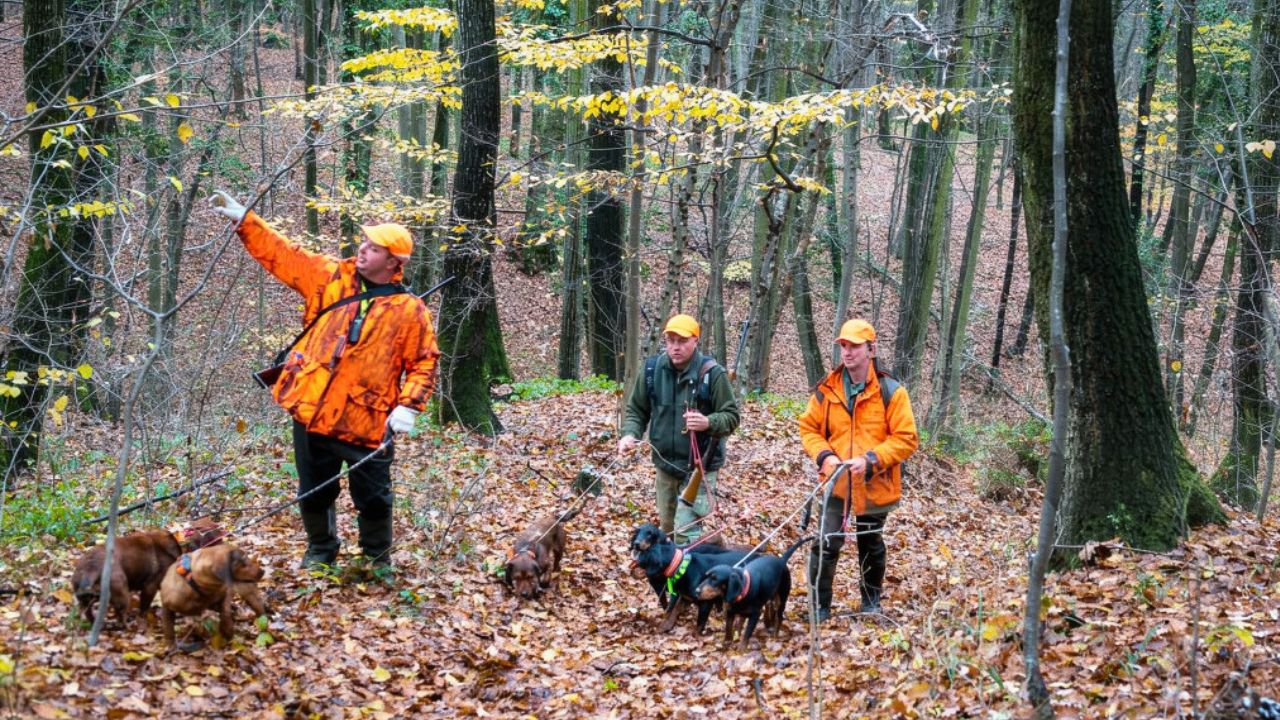
Everybody thinks about the shot, but good properties quietly tell you about what comes after. Can you track without crossing three fences and two posted lines? If a deer runs toward the boundary, are you about to have a problem? Those questions matter more than most folks want to admit.
Safety counts too. A property that forces you to shoot toward roads, houses, or unknown backstops is a property that will eventually bite somebody. The best ground has safe lanes, solid backstops, and stand locations that keep you from making rushed decisions. A calm, ethical shot starts with a setup that doesn’t feel sketchy.
The property has a “quiet” to it
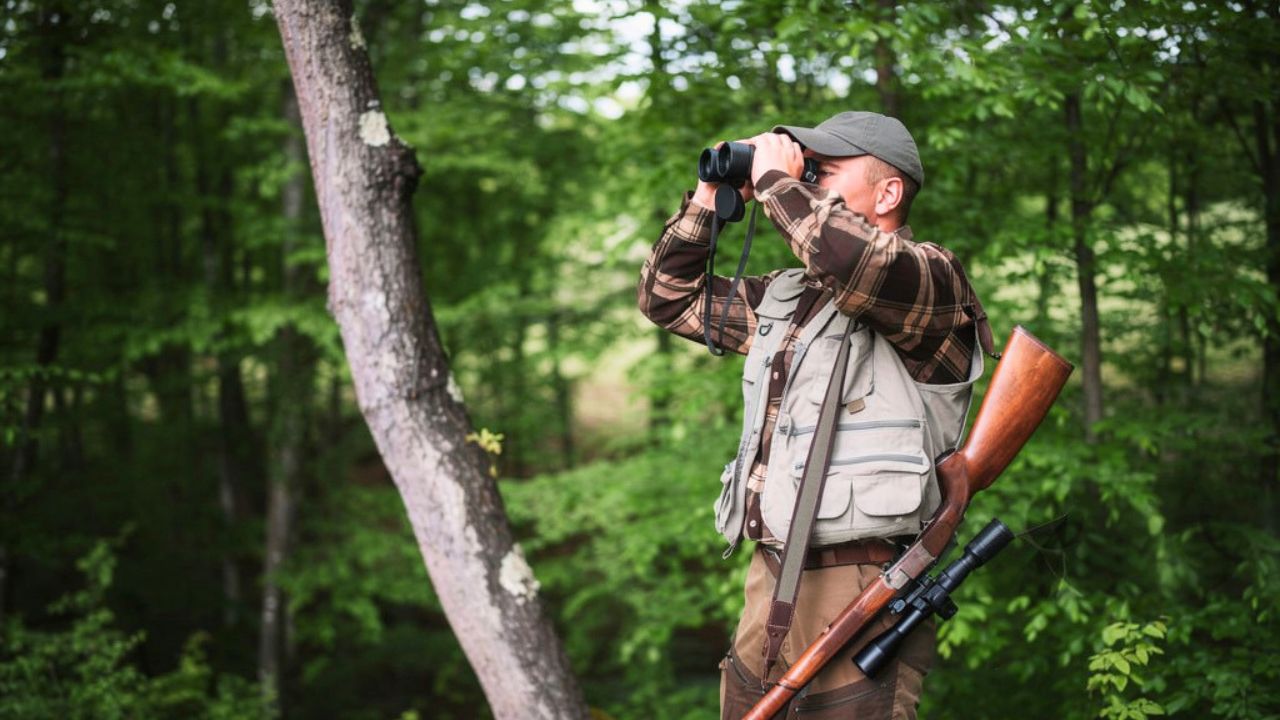
This is hard to measure, but you know it when you feel it. Some places are constantly disturbed—ATVs, target shooting, dogs running, weekend traffic, and pressure that never lets the woods settle down. Other places just feel settled. Birds act normal. Squirrels are out doing squirrel things. Deer move like they own the place.
I’m not saying you need a gated sanctuary that nobody touches. I’m saying good hunting ground usually has pockets where deer can relax, and where you can slip in without the whole world knowing. When a property has that quiet, the odds of seeing mature behavior in daylight go way up.
The deer tell on themselves before season opens
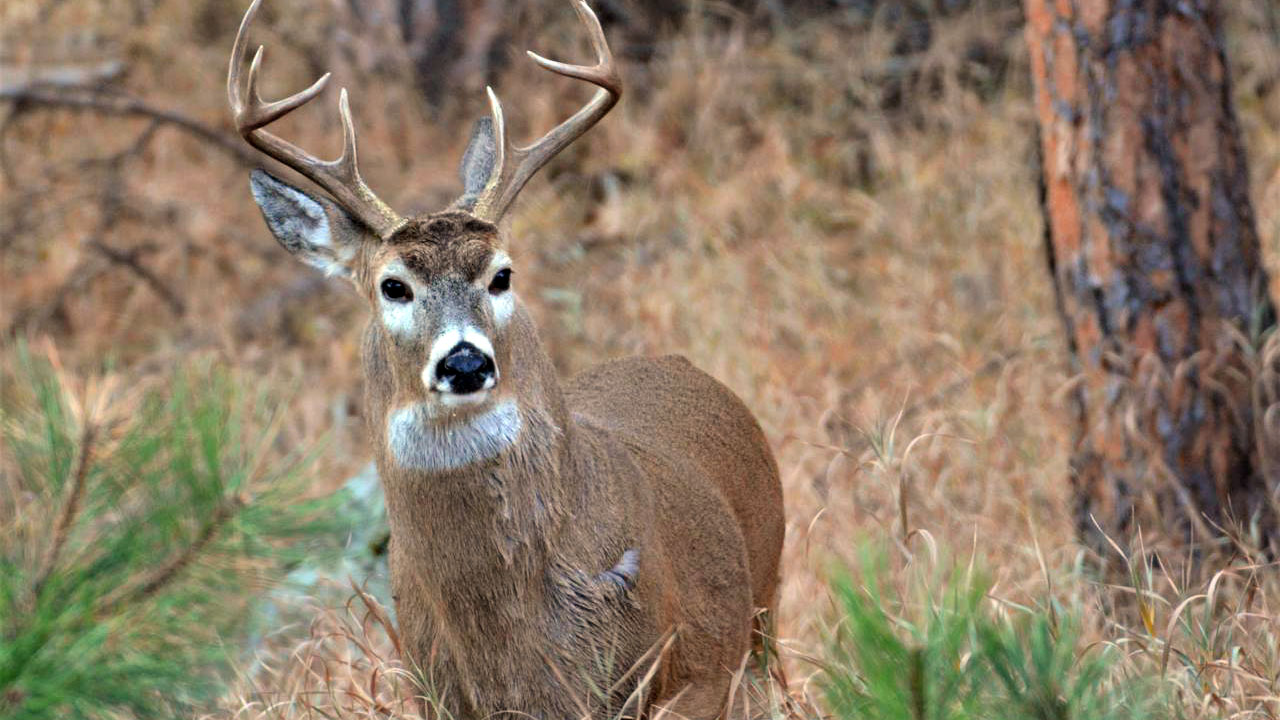
You don’t need to run a hundred cameras to learn a property, but you do need to pay attention to what deer are willing to do when they aren’t being hunted. Summer glassing, quick checks of field edges, and a few well-placed cameras can show you if bucks are using the place with any regularity.
The best sign is boring sign. Consistent movement routes. Repeated use of the same edges. Bucks showing up on different winds, not just one perfect evening in July. When a property shows you repeatable patterns before the pressure hits, that’s when you know it has potential.
It offers honest improvement opportunities
A good property doesn’t always start out perfect. Sometimes what makes it good is that it can be made better without turning into a full-time job. Maybe it needs a screened access trail. Maybe it needs hinge-cutting in one corner. Maybe it needs an edge feathered or a small plot in a spot deer already want to use.
If every “improvement” idea requires heavy equipment, constant maintenance, and fighting Mother Nature all year, that gets old fast. The best properties respond to reasonable work. You do a little, and the deer reward you. There is nothing fancy about that, and that is kind of the point.
What hunters argue about when they talk properties

If you’ve spent any time around hunting buddies, you’ve heard the same debates. Some guys obsess over food plots. Others swear bedding is everything. A few won’t stop talking about moon phases and barometric pressure. All of that has a place, but it’s not the foundation.
The foundation is access, wind, security, and repeatable movement. If a property gives you those four, you can make the rest work. If it doesn’t, you can throw money and time at it and still feel like you’re always one step behind the deer.
How to read a place before you commit to it
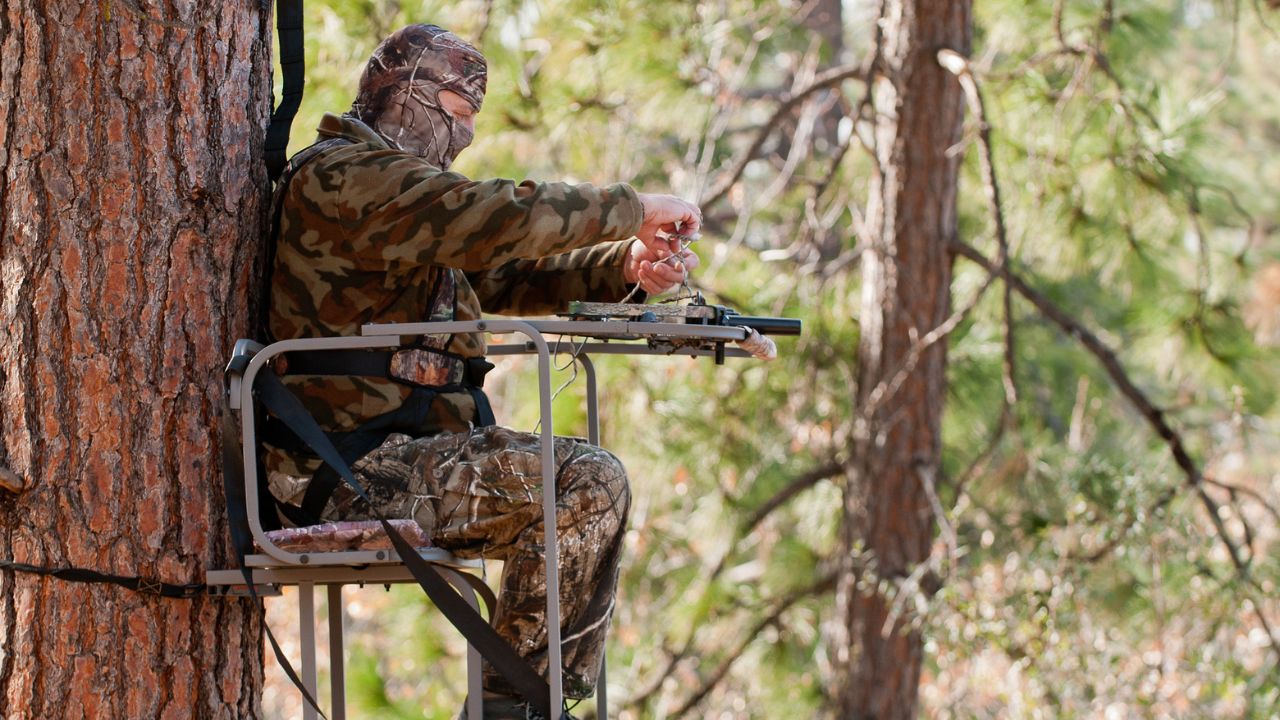
If you’re considering a lease or permission, don’t just ride around and look at it from the truck. Walk it with a purpose. Find the easy access routes and the bad ones. Stand still in a few likely spots and feel the wind. Look for old rubs and worn trails, not just the freshest tracks in the mud.
And pay attention to human sign just as much as deer sign. Dump piles, cut locks, beer cans, ruts from trucks in wet weather, and makeshift fire rings tell you how the place is treated. A property that’s respected tends to hunt better, because it stays calmer and safer all season.
Before anybody ever pulls a trigger, a hunting property will tell you whether it’s built for success or built for frustration. The best ones don’t just “hold deer.” They let you hunt without tipping your hand, recover animals without drama, and make smart decisions when the moment shows up. If the land is showing you those things in September, it’ll usually show you something good in November too.
Like The Avid Outdoorsman’s content? Subscribe to our newsletter so you never miss an article.
Here’s more from us: