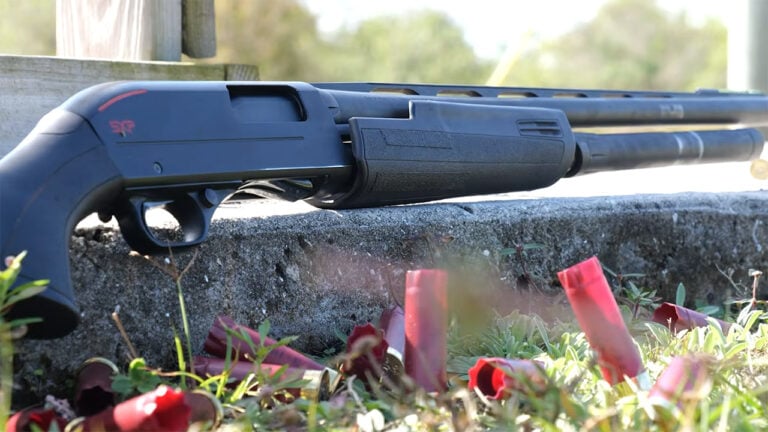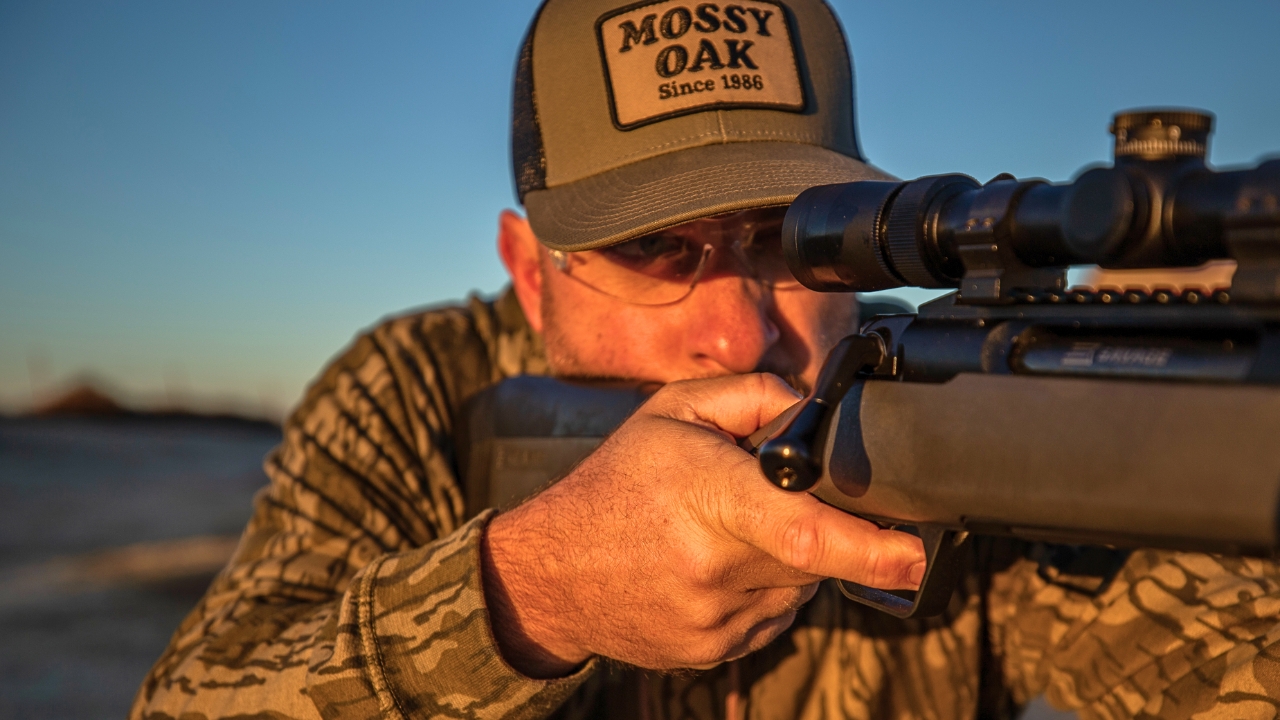
Photo credit: Savage Arms
I went into my first real season thinking hard work would cover up inexperience. If I scouted enough, bought the right camo, and sat long enough, something good would eventually walk by. That is the story we all tell ourselves when we are new, because it keeps us from admitting we do not even know what we do not know.
What I found out, usually the hard way, was that most first-season mistakes are not about missing a shot. They are about access, time, wind, noise, and little decisions that stack up until your “perfect plan” never really gets a fair chance. And once the season is rolling, you do not have time to fix foundational problems. You just keep hunting with a crooked foundation and wonder why it feels like you are always a step behind.
The calendar was not the season, and I treated it like it was
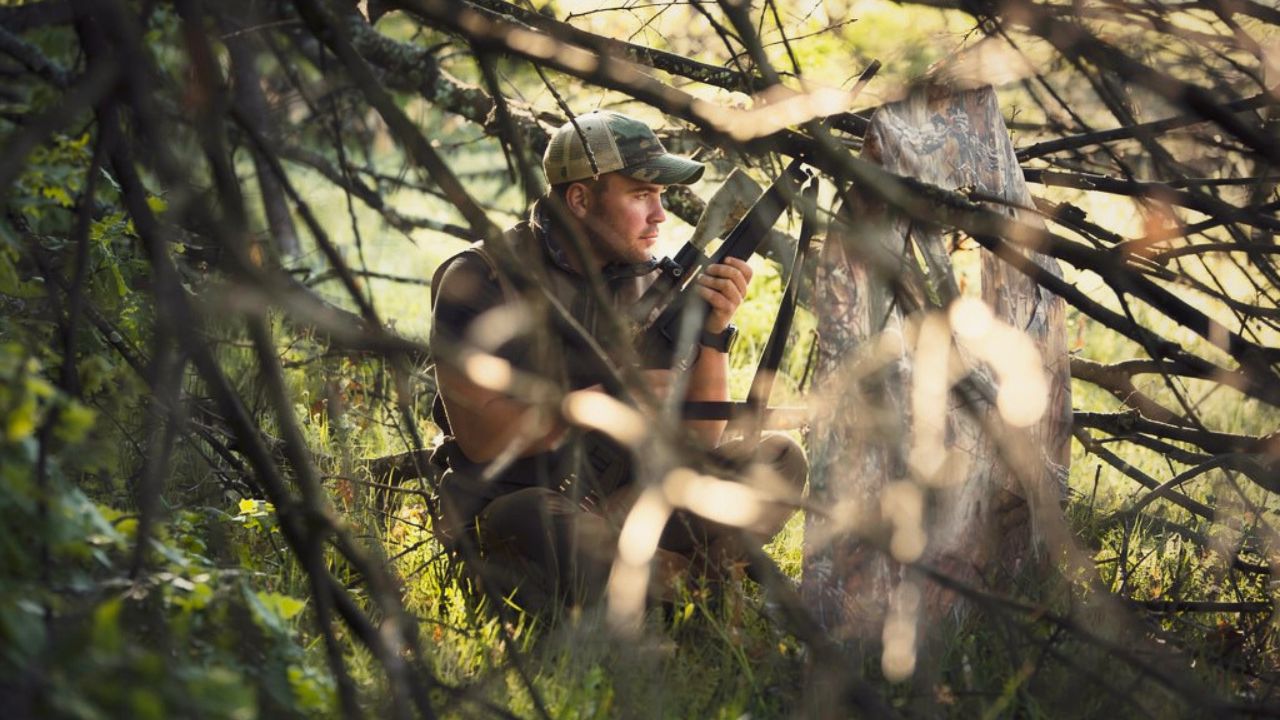
I thought opening day was the main event, like a ribbon cutting. I had vacation set, gear laid out, and a head full of optimism. Then I realized “season” is not one big moment. It is a long stretch of changing patterns, shifting food, pressure, weather swings, and other hunters moving animals around.
In my head, I pictured deer doing the same thing every day, just like the trail camera photos made it look. In the woods, I learned quickly that daylight movement is a different animal than midnight movement. I also learned that pressure changes everything. If you only hunt the first weekend and the last weekend, you are basically trying to read a book by looking at two random pages.
Access and boundaries mattered more than my stand location

I spent way too much time picking the “best tree” and not enough time making sure my access route did not ruin the whole hunt. I would park in the same spot, walk the same path, and brush past the same saplings every time. Then I would wonder why the woods felt dead when the wind was “right.” Ask me how I know: deer learn your habits faster than you learn theirs.
On top of that, I did not take property lines seriously enough early on. Not because I was out trying to trespass, but because I assumed everybody was on the same page about where lines were and who could be where. A fence line is not always a boundary, a creek is not always a boundary, and “everybody knows” is not a boundary. The first time I saw another hunter sitting close to where I thought my limit was, it got my attention in a hurry.
If you are hunting anything that touches other parcels, you need hard reference points and a plan for what you do if someone else shows up. Most problems get smaller when you handle them calmly and early. They get bigger when you act surprised in the middle of the rut.
I did not understand wind the way I thought I did
I knew the basics: do not let deer get downwind. But I treated wind like a checkbox instead of a living problem. “Wind out of the north” sounded settled in my mind. In the timber, it was swirling off ridges, rolling through draws, and changing as the sun hit different slopes. I would get set up, feel good about it, and then watch a doe hit an invisible wall and turn inside out at 60 yards.
Thermals were the part nobody explained to me in a way that stuck. Mornings and evenings can flip what your scent is doing, and it does not care what the weather app says. You can have the right wind and still have your scent sliding right into the trail you expect deer to use. That one hurts, because it feels like bad luck until you finally accept it is physics.
Once I started hunting wind and thermals like they were the main event, my sits got shorter and my locations got better. I stopped trying to force a stand to work just because I liked it.
My gear was fine, but my system was a mess
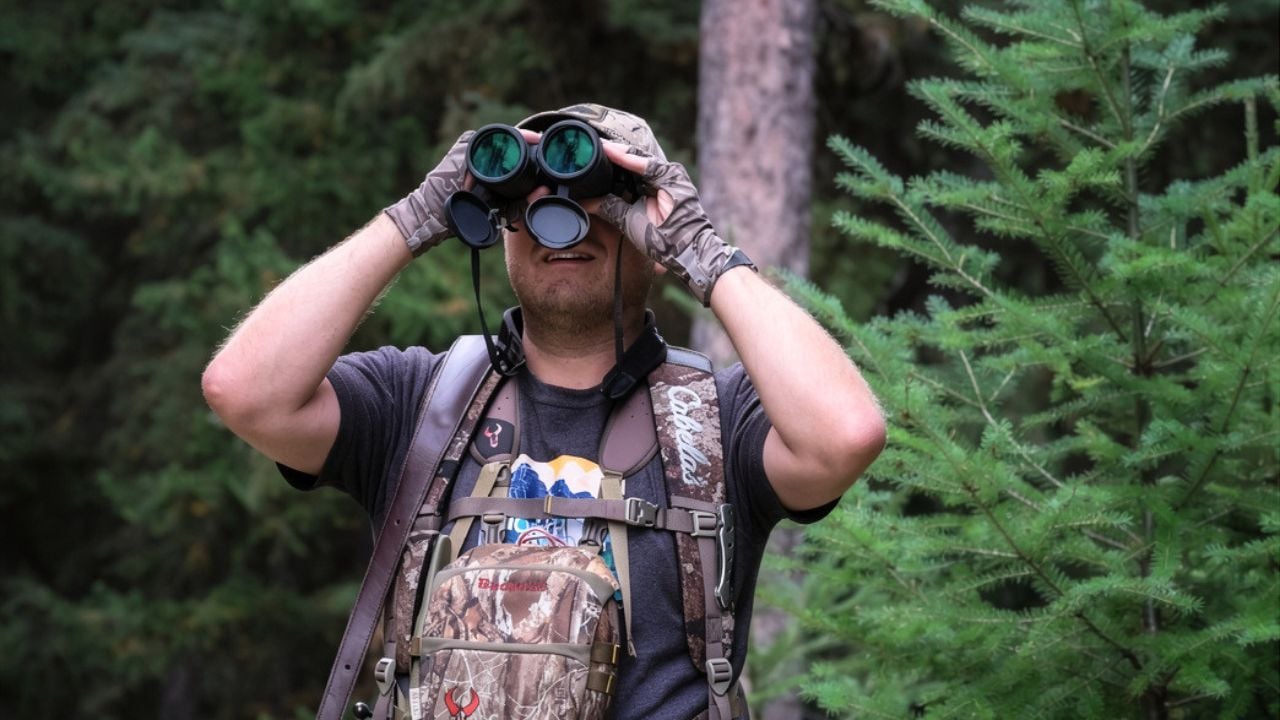
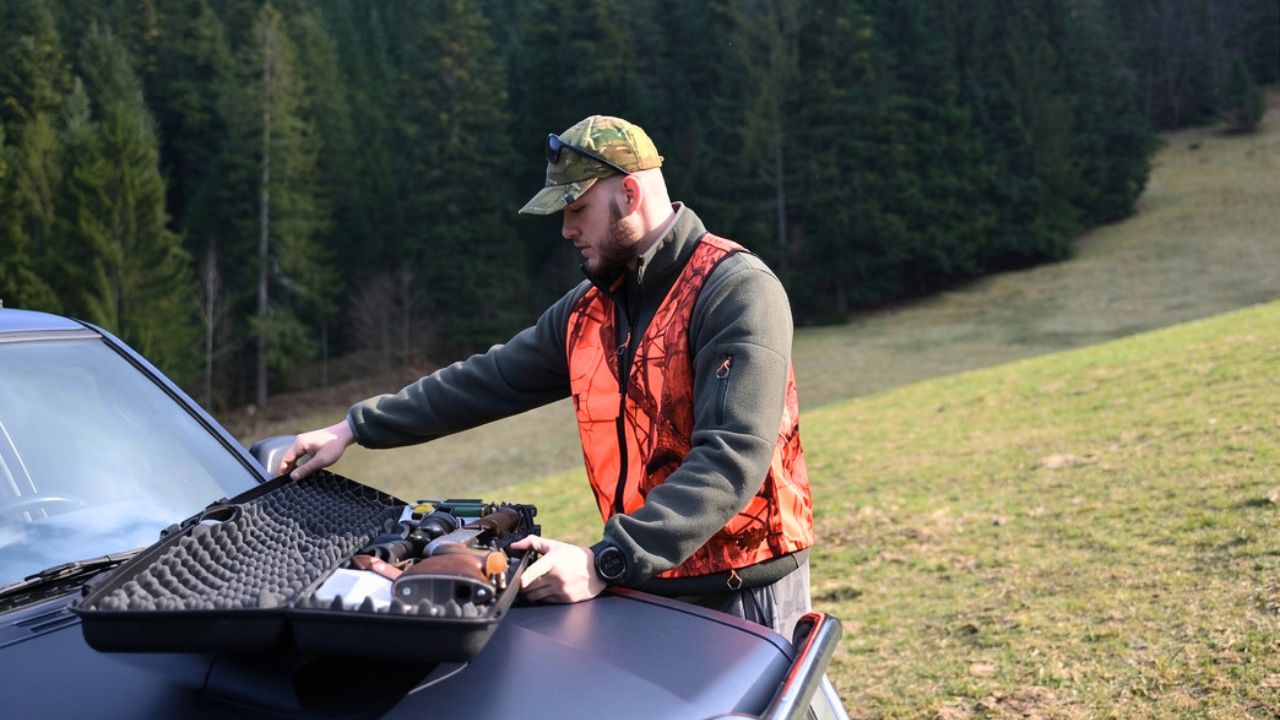
I showed up with plenty of “good” gear and still sounded like a toolbox falling down a stairwell. The first cold morning I layered up, I learned that stiff jackets, noisy rain shells, and a pack full of loose stuff do not care how expensive they were. If it swishes, squeaks, or clanks when you turn your head, it will betray you at the worst possible moment.
The bigger issue was that I did not have a repeatable system. My range bag was different every time. My pack was packed different every time. I would forget simple things, then overcorrect and bring half the garage. Somewhere in there, I learned that “prepared” and “loaded down” are not the same thing.
When I finally pared it down to what I actually used, my hunts got quieter and my head got clearer. There is nothing fancy about it, and that is kind of the point.
I waited too long to verify my rifle like it was going to matter
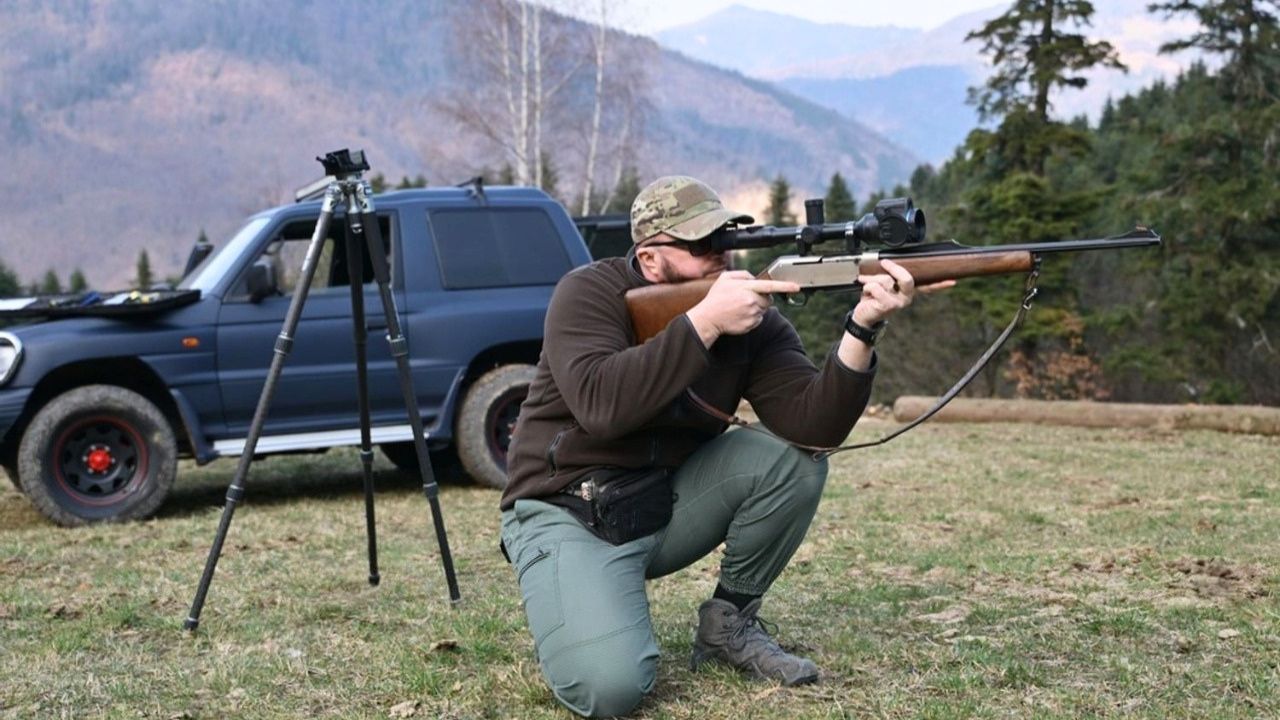
I sighted in before the season and figured I was done. That is what new hunters do. Then the weather changed, the rifle rode around in a case, and I bumped the scope more than once getting in and out of a truck. I learned the hard way that “it was on last month” is not a plan when your tag depends on one shot.
Even worse, I did not practice from real positions. Benches make you feel like a hero. Offhand, kneeling, sitting, using a pack as a rest, shooting with bulky clothes, and working a cold bolt with gloves on will humble you fast. I am not talking about taking risky shots. I am talking about knowing what you can actually do when your heart is in your throat and you are twisted around a tree.
Once I started confirming zero during the season, not just before it, my confidence stopped being imaginary. And when I passed shots, I knew why. That is a good feeling.
Everybody online had an opinion, but the useful advice was boring
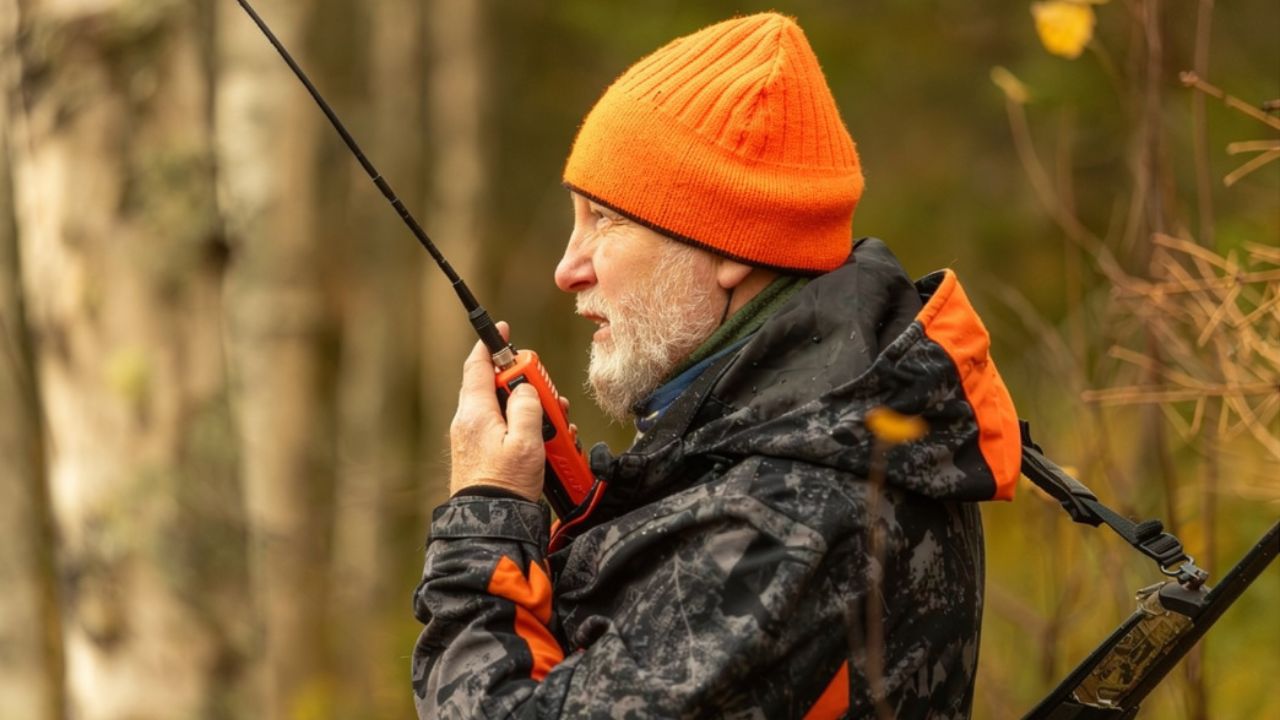
I remember reading comment sections and thinking I needed some secret technique. Better attractant. Better call. Better decoy. Better camo pattern. The loudest advice always sounded the most exciting, and it usually involved buying something or doing something aggressive.
The best advice I got was the stuff nobody wants to hear: hunt the wind, fix your access, scout more than you sit, and do not burn out your best spots. And the other one that matters: do not turn every sighting into a strategy shift. I used to hunt like a pinball, bouncing around because I saw a deer “over there” once. Meanwhile, the guys consistently filling tags were doing fewer things, better.
One more thing I wish I had listened to sooner: keep notes. Not a novel. Just wind, temp, stand, deer movement, pressure. After a season or two, patterns show up that you will never remember accurately in your head.
The biggest change was realizing I could not “make up” time in the woods
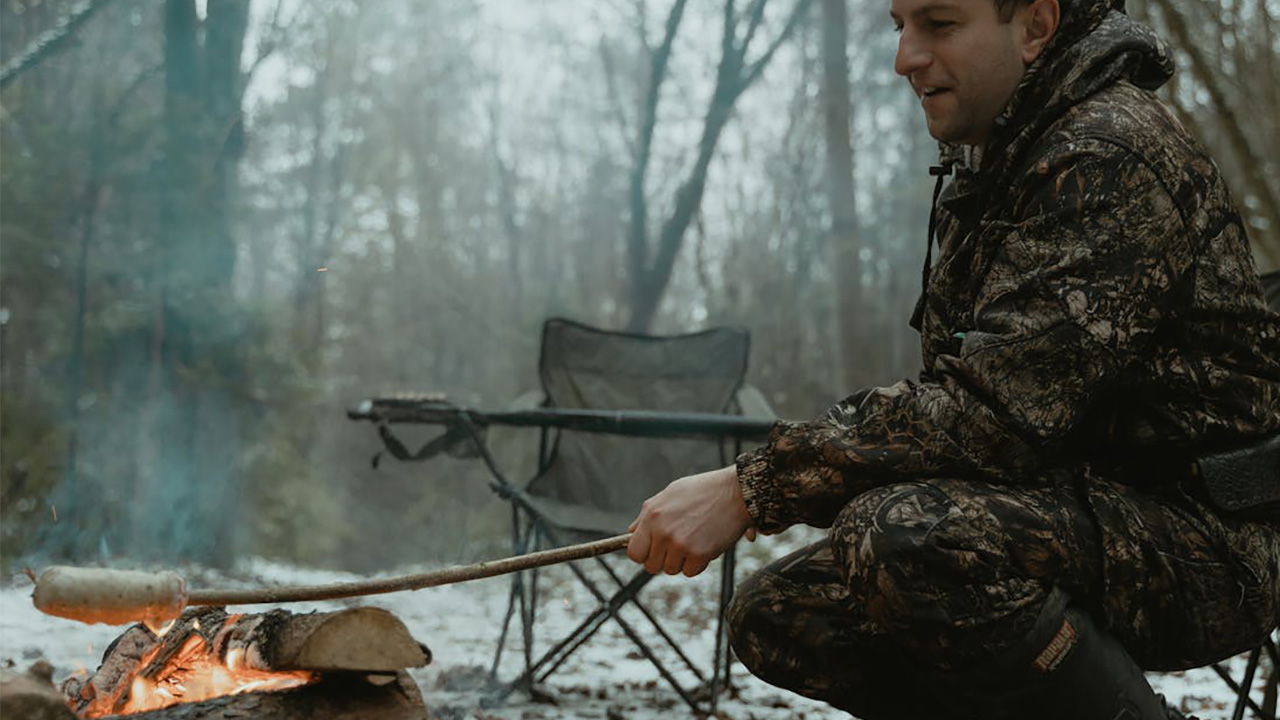
I thought I could grind my way out of mistakes. If I blew out a spot, I would just sit longer the next day. If I hunted the wrong stand for the wind, I would just “be extra still.” That is not how it works. You cannot out-sit bad access. You cannot out-wait a busted wind. You cannot will deer to walk in daylight on a field edge that got hammered by pressure all week.
What would have changed everything in my first season was understanding that the best hunters are not just tougher. They are cleaner. Cleaner entry, cleaner exit, cleaner setup, cleaner decisions. They know when not to hunt a spot. They know when to back out. They know when the smartest move is to go home and come back on the right conditions.
If you are new, take it from me: your first season does not need to be perfect. But it needs to be honest. Fix the fundamentals first, and you will be shocked how fast “luck” starts showing up in your favor.
Like The Avid Outdoorsman’s content? Be sure to subscribe to our newsletter.
Here’s more from us: