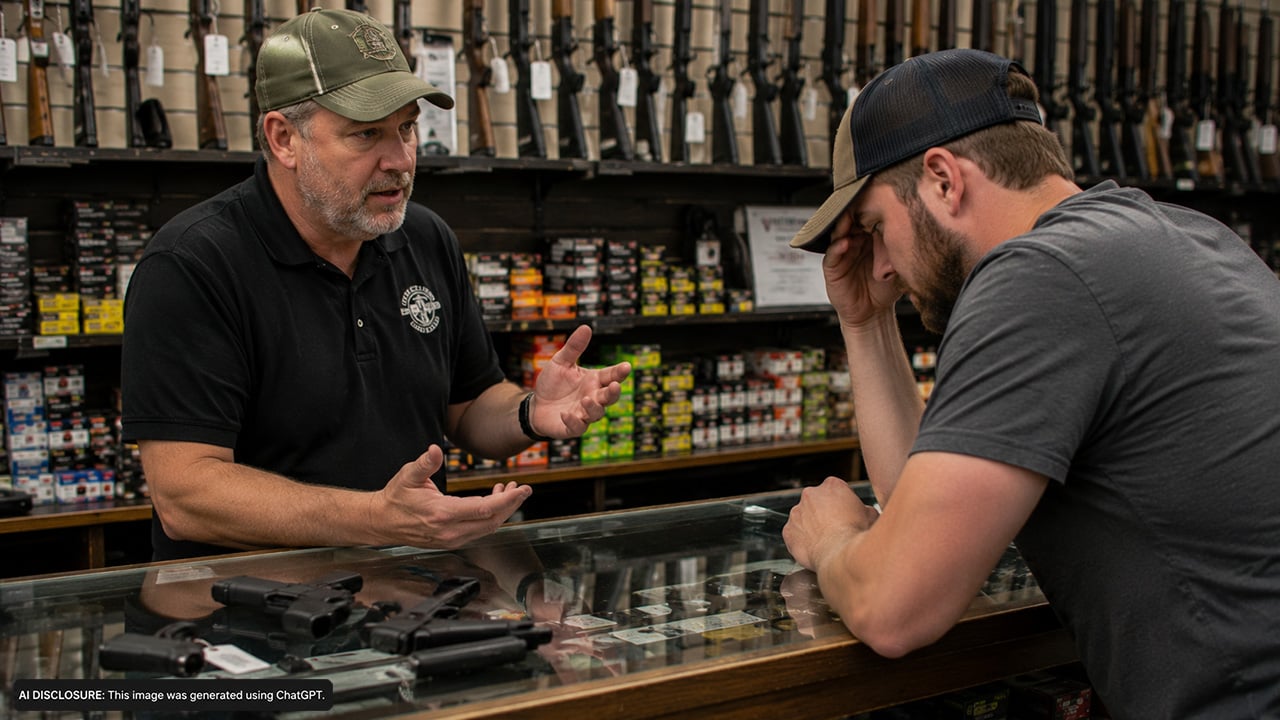
Photo credit: AI-generated image created using ChatGPT. Illustrative only
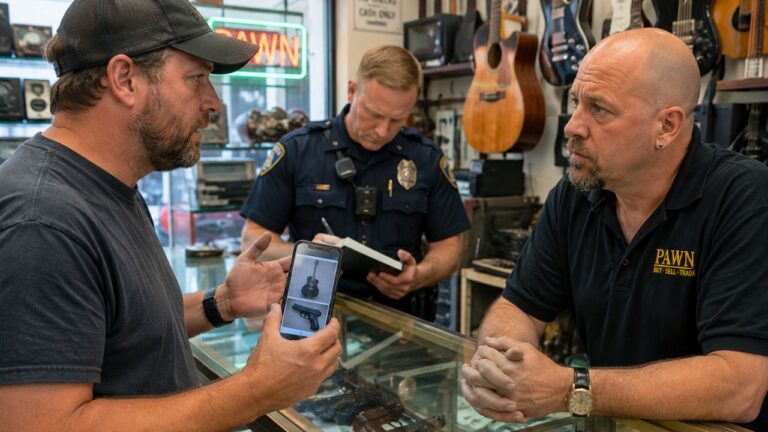
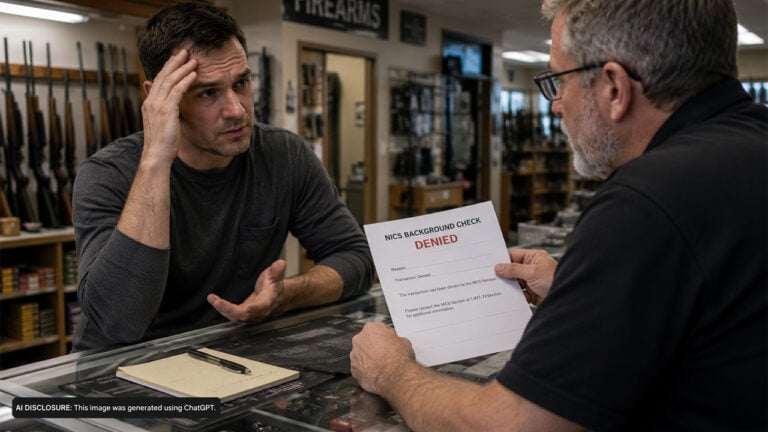
Getting turned down at the gun counter hits different when you know you’ve never been arrested, never been to jail, and you’re just trying to buy a small pistol for self-defense. That’s the spot a 26-year-old Louisiana woman found herself in after walking into Academy and getting a denial on her background check.
In the original post, she laid out what she believed was the only possible hang-up: a misdemeanor marijuana possession charge from 2019 involving less than half a gram. She figured that kind of thing shouldn’t stop her from owning a firearm. Then she found out the hard way that the system doesn’t always see it that way.
A “clean” record doesn’t always mean a clean background check
From her perspective, the situation looked straightforward. She’s 26, hasn’t been arrested, and the only mark she can point to is that one marijuana possession case from years ago. No violence, no theft, no history that would make a gun dealer nervous on its face.
But background checks aren’t built on “does this person seem responsible.” They’re built on categories and databases. If something in the system flags you—rightly or wrongly—you don’t get a long conversation at the counter. You get a denial.
Why a drug-related issue can slam the brakes on a gun purchase
One of the most jarring parts of her follow-up was the realization that a drug charge, even a small one, can put up a wall. In her edit, she admitted she didn’t know that “any drug charge—regardless of how small” could keep someone from being able to buy a gun.
That’s an important point for everyday gun buyers, especially in places where marijuana is treated casually socially even when the law hasn’t caught up. Folks assume “misdemeanor” automatically means “no big deal.” When it comes to firearms paperwork and background checks, certain topics—drugs included—can carry consequences that feel way out of proportion to the original offense.
Denied vs. delayed: the part that confuses most first-time buyers
Most gun owners have heard of “delay” responses—those situations where the background check doesn’t come back immediately and the buyer has to wait for a proceed or denial. A straight denial is different, and it tends to feel final in the moment.
Even when someone thinks they have no disqualifying history, a denial can happen for reasons like old records, mismatched identifiers, or entries that don’t clearly show final disposition. The frustrating part is that the buyer usually isn’t told the exact reason at the counter. They’re left standing there wondering what, exactly, the system thinks they did.
The “can I just buy private?” question—and the risk that comes with it
After the denial, she asked the next question a lot of people ask: if she can’t buy through a store, could she do it through a private purchase and still be legal?
This is where outdoorsmen need to slow down and think. A denial at a licensed dealer isn’t just an inconvenience—it’s a warning light on the dash. Trying to work around that by finding another path can turn a confusing paperwork problem into a serious legal problem fast, depending on what’s actually causing the denial and what state and federal law say about eligibility. If a person is prohibited, “private sale” doesn’t magically make possession lawful.
What people zeroed in on: the drug charge and the paperwork reality
The biggest emphasis in her own update was simple: she didn’t realize a drug charge could be a deal-breaker. That alone tells you how common this misunderstanding is. Plenty of otherwise responsible adults have some minor possession incident in their past and assume it’s like an old speeding ticket—annoying, but irrelevant later.
In the real world, gun buying is paperwork-heavy and unforgiving. Small details matter, timelines matter, and how something is coded in a record can matter. The outdoors crowd runs into the same thing with hunting licenses and wildlife violations—some things follow you longer than you think, and the system doesn’t care whether the mistake was “small” in your mind.
Practical next steps when you get turned down at the counter
If there’s a takeaway here for anyone buying their first carry gun—or replacing one for truck or home defense—it’s that the gun counter is not where you fix this. The clerk can’t debate the database, and the dealer usually can’t override what comes back. The best move is to figure out what the background check is actually responding to, and then address that through the proper channels.
On the common-sense side, it also pays to get your house in order before you shop: know what’s on your record, know how it’s categorized, and if you’ve got any drug-related history—even a misdemeanor from years back—don’t assume it’s harmless. You can save yourself the time, the embarrassment, and the headache of getting denied in public when all you wanted was a straightforward purchase.
For gun owners and would-be gun owners, this is one more reminder that self-defense plans don’t start at the checkout counter. They start earlier—with knowing the law, understanding your own eligibility, and making sure you’re on solid ground before you ever put your hands on a box with a serial number.
Like The Avid Outdoorsman’s content? Subscribe to our newsletter so you never miss an article.
Here’s more from us: