Photo credit: AI-generated image created using ChatGPT. Illustrative only
Most hunters I know don’t mind a guy traveling to chase different seasons and different country. What they do mind is somebody traveling with a chip on his shoulder, treating game laws like suggestions, then using social media to dress it up as “skill.” That’s where an Ohio case took a hard turn.
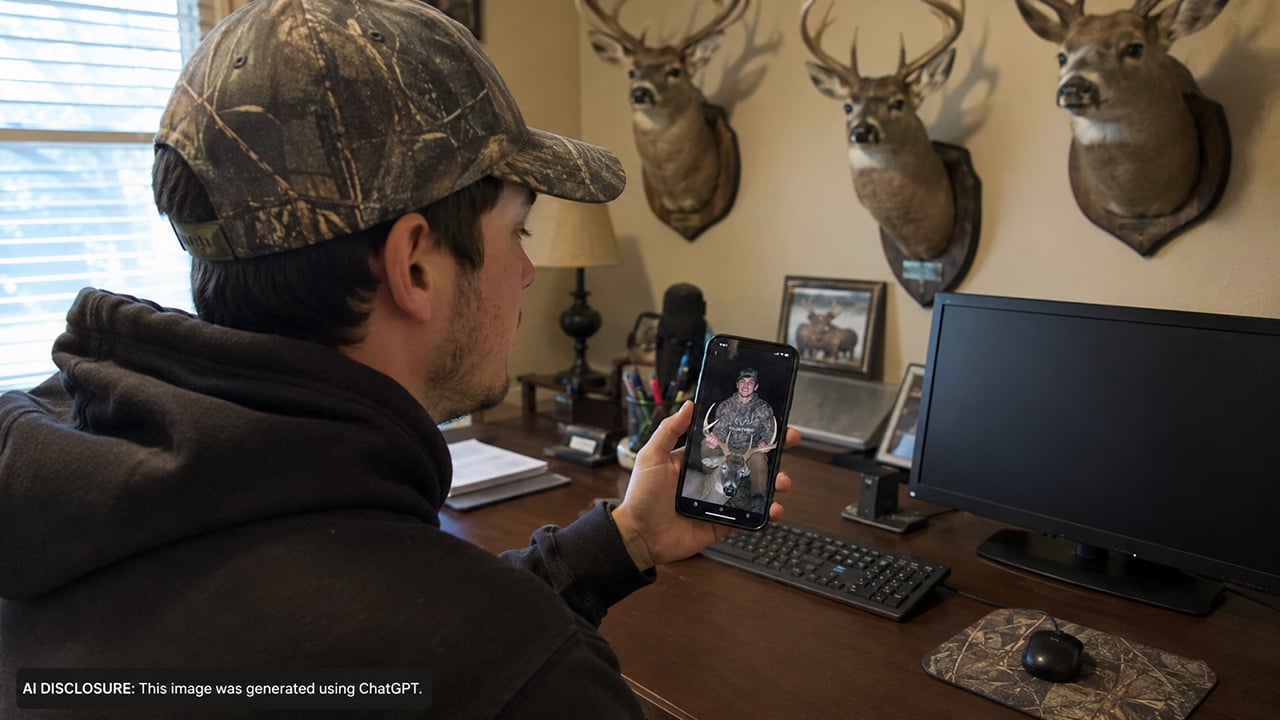
In a multi-state investigation summarized in the original post, 21-year-old Carter Hickey pled guilty in May to 17 counts of poaching tied to a string of alleged violations that reached at least 17 states. Along with fines, jail, and hunting bans, one part of his sentence is unusual: he was ordered to post an apology video on the same TikTok channel where investigators say he’d been bragging.
A traveling hunter, a stack of complaints, and a pattern investigators didn’t ignore
This case didn’t start with one bad decision in the field. It started with “many complaints” coming into the Ohio Natural Resources Division of Wildlife and the U.S. Fish and Wildlife Service in 2025, which the federal agency says led to something bigger than expected.
According to the agency’s report, Hickey’s violations weren’t limited to one state or one species, and they weren’t written off as minor mistakes. The agency described them as “a deliberate pattern of violations,” which is about as direct as it gets when wardens are looking at repeat behavior instead of a one-off lapse in judgment.
What he pled guilty to: the kind of stuff that makes ethical hunters look bad
Hickey pled guilty to 17 counts of poaching for actions that included taking wildlife out of season, possessing animals illegally, hunting without permission, spotlighting, using a vehicle to aid in the killing of wildlife, and not following game check rules.
Those are the violations that hit the pressure points for everyday hunters and landowners. Out-of-season kills and illegal possession are obvious. But “hunting without permission” and spotlighting are the ones that make neighbors nervous and make rural folks start watching headlights at night a little closer.
The penalties were serious—then the court added a couple creative ones
The sentence includes $33,500 in fines and restitution, 15 days in jail, and 80 hours of community service. Hickey also can’t hunt or trap for five years. If you’ve spent much time around wildlife cases, those basics track with what happens when poaching is proven and piled up.
Then came two add-ons that stick in your mind because they’re targeted at the harm done outside of just the meat and the antlers. Hickey was ordered to send an apology letter to the city of Dover, Ohio, for trespassing and poaching a 10-point buck in a public park. And he was required to apologize to his social media following.
When TikTok becomes evidence, the apology has to live on the same platform
Investigators didn’t just say he posted hunting content. They said he “posted false information about his activities on TikTok, bragging about his hunting skills, despite many of his actions being illegal.” That matters, because it gets at motive and intent—especially when a person is trying to build an image while cutting corners that everyone else is expected to respect.
Because of that, the agency said he was required to post an apology on the same channel. The report notes it doesn’t appear he has posted that apology video yet.
Confiscation wasn’t symbolic: guns, a bow, decoys, and a whole lot of turkey
Beyond jail time and checks written to the state, Hickey surrendered equipment and wildlife parts that paint a clearer picture of scale. The list includes three guns, a bow, blinds, decoys, 115 pounds of turkey meat, and 47 turkey fans.
The agency called those items “not only evidence,” but a representation of “real conservation losses,” and that’s the part ethical hunters should take personally. When somebody is stacking animals illegally, it’s not just a rulebook problem—it’s a resource problem, and it gives ammunition to people who already assume hunters can’t be trusted.
He’s also accused of helping others poach turkeys—and they’re paying too
The report also says Hickey is accused of helping three other people illegally harvest turkeys. Those three individuals weren’t treated like side notes. They owe $5,000 in fines, and they will lose their guns and hunting privileges for two years.
That’s worth paying attention to if you hunt with buddies or bring new folks into the fold. “I didn’t pull the trigger” doesn’t always keep you clear when a case involves helping, transporting, or organizing illegal activity. When wardens start building a timeline, everyone in the group can end up in the frame.
This wasn’t the only Ohio creator-style poaching case making news
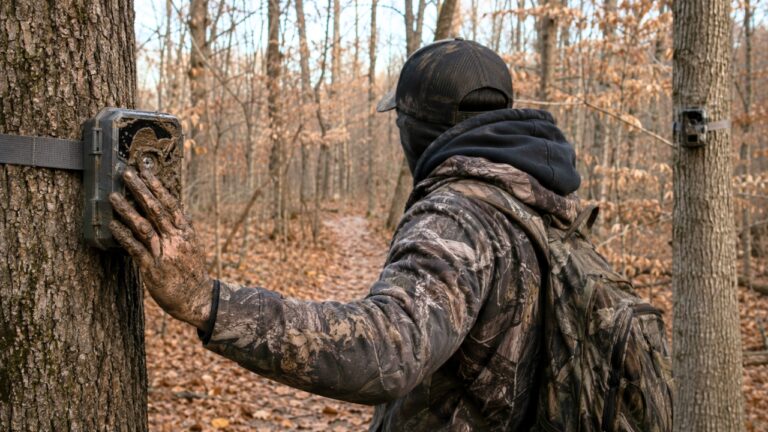
The story landed right after another Ohio case involving hunting content creators. Two cousins, William Bethel (28) and Justin Booth (23), were reported to have been caught on trail cameras pursuing deer in a 1,100-acre city park where hunting is not allowed.
In that separate case, they have 40 guilty pleas combined, and they owe more than $37,000 in penalties. Their jail time—nine days—was ordered to be served during the ‘26-‘27 hunting season, and they can’t hunt, fish, trap, or visit parks for five years. One officer summed up the tone by saying, “They treated it like it was their private hunting preserve,” and he described the “experience” angle—making it look like honest hunting when it wasn’t.
That’s the common thread between these cases: it wasn’t just taking an animal, it was taking credibility. And once credibility is gone, it doesn’t just punish the guilty party. It makes access harder, makes landowners less trusting, and puts pressure on the rest of us to prove we’re not that guy.
If there’s anything practical to pull from this, it’s simple. Get permission in writing when you can, know the season dates and check-in rules before you roll, and don’t let a camera lens—your own or someone else’s—turn bad choices into “content.” Game laws aren’t there to ruin a good time. They’re there so the resource, and the privilege of hunting it, is still around for the folks doing it right.
Like The Avid Outdoorsman’s content? Subscribe to our newsletter so you never miss an article.
Here’s more from us: