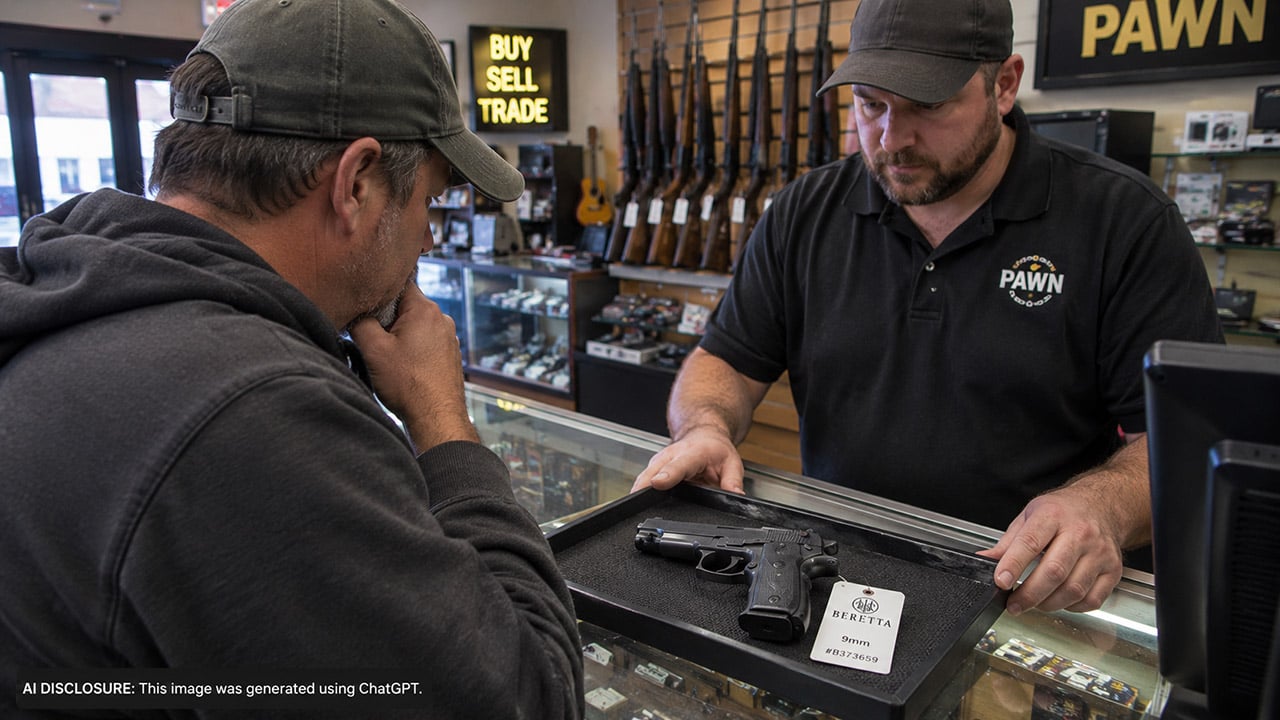
Photo credit: AI-generated image created using ChatGPT. Illustrative only
Five years is a long time to go without a stolen firearm turning up. Most folks write it off as gone for good, especially when it’s a handgun that can bounce from hand to hand without leaving much of a trail.
But an Ohio gun owner recently shared that a detective called with unexpected news: his stolen Beretta had surfaced at a pawn shop, and he could get it back. The catch, laid out in the source post, was that the pawn shop wanted him to pay what they’d shelled out for it before they’d release it.
A stolen Beretta finally gets a hit—then the bill shows up
According to the gun owner, the detective told him the pistol had been pawned, and that he could reclaim it. That’s the phone call every victim hopes for, especially when the gun has been missing for years.
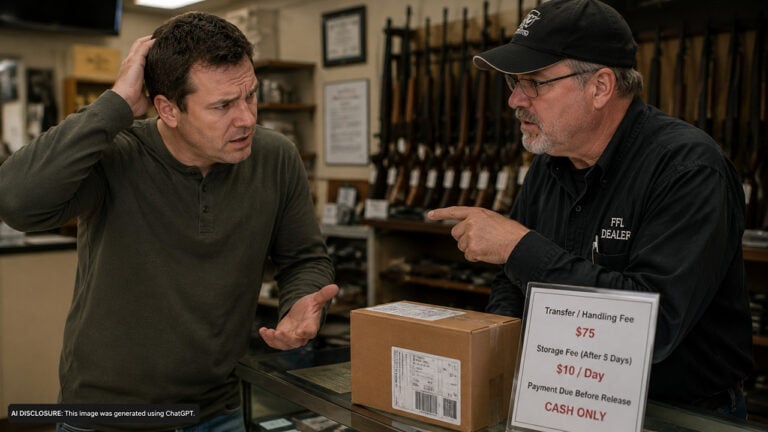
Then came the part that didn’t sit right: he was told he’d need to reimburse the pawn shop for what they paid the person who brought the Beretta in. In plain terms, he’d be buying back his own stolen property.
Why this feels upside down to most gun owners
If your pickup gets stolen and shows up at a dealership five years later, nobody expects you to cut a check to make it yours again. With firearms, though, pawn shops and secondhand transactions create a weird middle ground where paperwork, “good faith” buying, and local rules can collide.
The owner’s frustration was simple and fair: why is he the one “coming out of pocket” for something stolen from him? And why isn’t the pawn shop eating the loss if they paid money out before a check came back on the gun?
The pawn shop’s side of it: they paid out cash without knowing the history
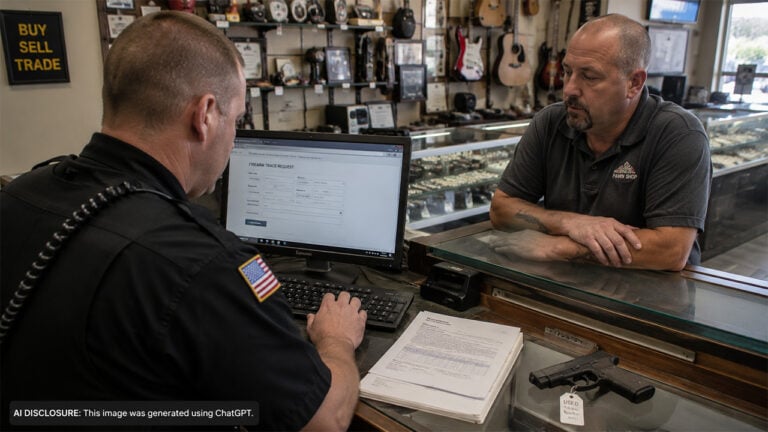
Pawn shops make money by taking in property, fronting some cash, and hoping the item is legitimate and can be resold if it isn’t redeemed. When a gun comes across the counter, shops typically record identifying information and the firearm’s serial number, then report or log it based on whatever their state and local requirements are.
But a shop still has risk. If they pay $300 to a person who brought in a handgun that later turns out to be stolen, they’re out the money and stuck in the middle between the rightful owner and the reality that the shop didn’t do the stealing.
The detective’s comment that the pawner “isn’t in trouble” adds another layer
The gun owner said the detective told him the person who pawned it “isn’t in trouble,” and that it looked like the firearm had changed hands a few times since it was stolen. That detail matters because it hints at what law enforcement thinks they can prove.
A lot of stolen guns don’t stay with the original thief. They trade hands in quiet sales, get swapped for other items, or pass through people who may claim they had no idea where it came from. That doesn’t make it right, but it can complicate who gets charged and what a prosecutor believes can be proved beyond a reasonable doubt.
How a gun can be both “yours” and still stuck behind a counter
This is where real life gets messier than common sense. The owner has the moral high ground and, in most people’s minds, the obvious right to his property. But the shop may be relying on whatever process their area uses for recovered property, holds, and releases—especially if they paid for it and logged it in their system.
In some places, the practical path is ugly: the shop releases the firearm, but wants reimbursement to avoid taking the entire hit. In other places, the police can seize the stolen item as evidence or recovered property and return it to the rightful owner through an official process, leaving the shop to chase the seller in civil court or eat the loss. The gun owner in this case was being told the first path was the one on the table.
What gun owners can do to protect themselves before anything gets stolen
Most of us don’t want to think about losing a firearm, but this story is a good reminder that recovery isn’t always a clean, satisfying moment. A few practical habits can make a big difference if your gun ever disappears and later resurfaces.
First, keep your serial numbers recorded somewhere secure (not just in the same safe as the gun). Photos help. Second, report theft immediately and keep the report number—paperwork is what separates “my gun” from “a gun I think is mine.” Third, store guns in a way that reduces opportunity: a real safe, a locked vehicle box if it has to be in the truck, and common-sense control over who has access.
If you’re told to pay, the “next step” is usually paperwork, not arguing
Nobody wants to hear “just pay it,” especially when you’re the victim. But in situations like this, the most productive move is typically to get clarity in writing: what exactly is the shop requesting, what is law enforcement’s role, and what procedure is being used to return the firearm.
That might mean asking the detective what your options are for a formal property release, whether the gun can be seized and returned through the department, or what documentation the shop is relying on to demand reimbursement. It may also mean talking to an attorney familiar with local property and pawn statutes. The main point is to slow the moment down and get the process spelled out, because “handshake solutions” around a recovered firearm can turn into a second headache fast.
At the end of the day, the Ohio owner’s reaction makes perfect sense: it’s hard to swallow paying for your own Beretta after five years of it being out in the wind. But this is also a reminder that when stolen guns resurface through a pawn counter, the law, the paper trail, and the business interests don’t always line up with what feels fair. The best play is to stay calm, get everything documented, and work the official process until you know exactly what you’re agreeing to.
Like The Avid Outdoorsman’s content? Subscribe to our newsletter so you never miss an article.
Here’s more from us: