Photo credit: Theavidoutdoorsman.com
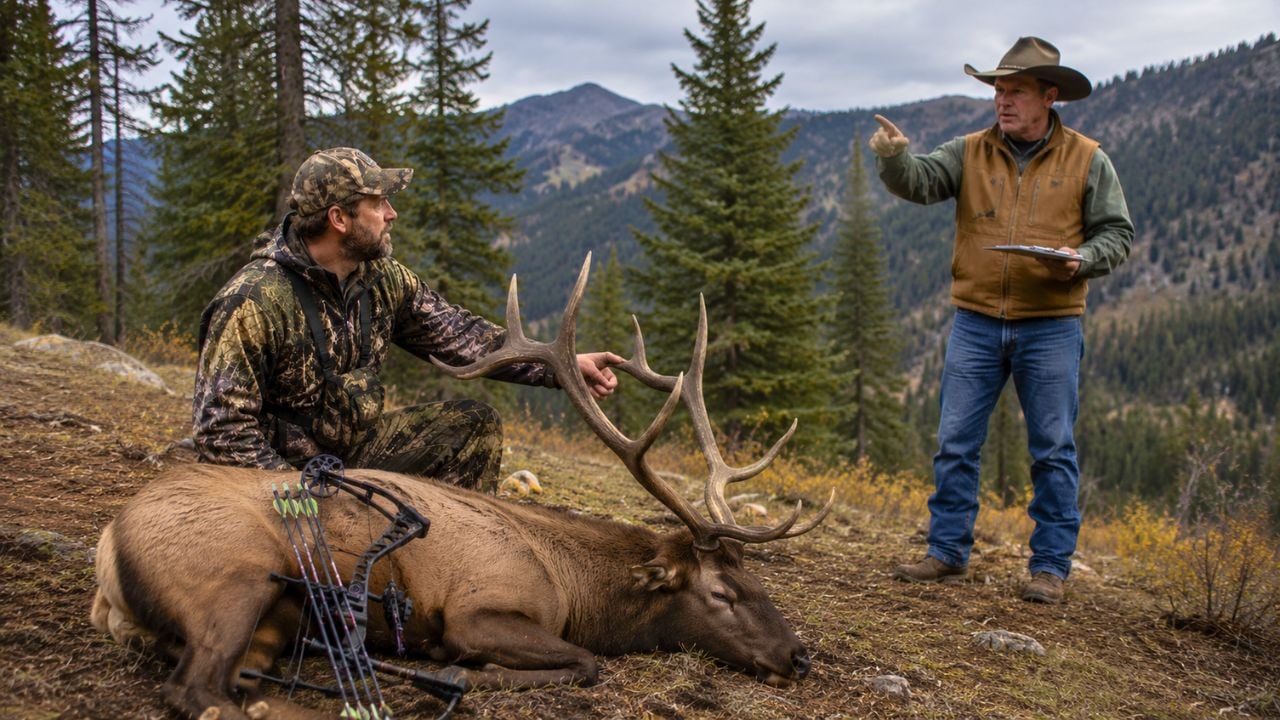
The bull was already on the ground when the trouble started. A bowhunter packed deep into a chunk of public timber before daylight, worked a bugling herd through the dark trees, and punched his tag on a heavy-framed elk that would make any hard season feel worth it.
He quartered clean, hung the meat in shade, and started the familiar routine of shuttling loads to the truck. That’s when he found a note under his wiper and a voicemail that didn’t sound like congratulations. An outfitter was claiming the elk was taken inside an “exclusive” zone the outfitter controlled, and a complaint had been filed.
A clean public-land kill turns into a boundary argument
The bowhunter wasn’t hunting a ranch, a lease, or a posted inholding. He was on general public ground—steep, brushy, and far enough from roads that most folks don’t bother. Like a lot of backcountry archery guys, he’d done his homework with digital maps, marked property lines, and saved offline layers in case his phone lost service.
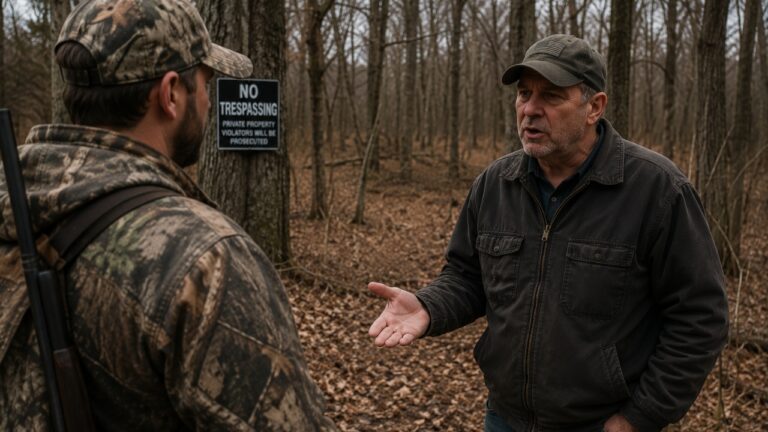
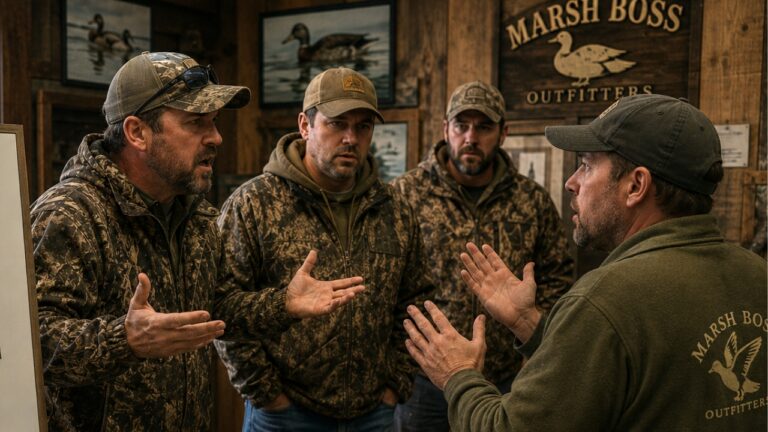
The outfitter’s claim wasn’t that the hunter crossed a fence or ignored a sign. It was that the hunter slipped into an area the outfitter treated like a private operating bubble—an “exclusive zone” where clients had priority and other hunters supposedly weren’t welcome.
That’s where the whole thing got sideways fast. Public land is public land. Outfitters can be permitted to operate in some places, and those permits can come with conditions, camps, and assigned use areas. But that doesn’t automatically convert a chunk of national forest into private ground, and it definitely doesn’t erase a legal hunter’s right to be there.
How “exclusive zones” actually work in the real world
Most hunters hear “exclusive” and think someone bought rights to the dirt. That’s not usually what’s happening. Outfitting permits on public ground tend to be about commercial use—where the outfitter can stage, how many clients they can guide, what dates they can operate, and what resource impacts they’re responsible for.
Some areas do get assigned as “primary use” or “allocated” zones to keep outfitters from stacking camps on top of each other, and to prevent guided pressure from exploding in one drainage. But that kind of allocation is typically administrative. It’s not a legal force field that keeps do-it-yourself hunters out.
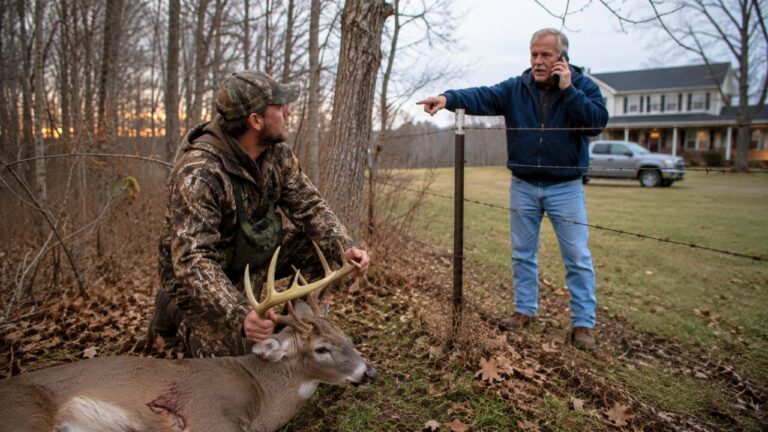
The bowhunter’s problem was that the outfitter’s complaint was framed like a trespass issue even though no private boundary had been crossed. When a complaint gets filed, it can still drag you into an uncomfortable mess—especially when meat is cooling and a tag has already been notched.
The complaint lands on the desk of a warden
When a report hits a game warden’s phone, they have to treat it like it could be legitimate until it’s sorted. In situations like this, the questions come quick: Where was the hunter standing when he released the arrow? Where did the elk die? Did the hunter cross onto private to recover? Were there closed areas, restricted access routes, or a seasonal closure line involved?
The bowhunter did the right things early. He kept his kill site photos, took a couple quick shots of the GPS screen with coordinates, and made sure his carcass tag and validation were squared away before he got back into the hauling grind. He also documented his route in and out—partly for safety, partly because it’s hard to argue with a time-stamped track that shows you never left public.
That kind of documentation matters because “exclusive zone” complaints can morph. What starts as, “He’s in my area,” sometimes turns into, “He was on the wrong side of the line,” once people realize feelings aren’t enforceable but boundaries are.
Where these disputes usually get messy: corners, inholdings, and app errors
Public-land elk country is full of weird shapes—checkerboard sections, private inholdings tucked into drainages, and corners where four parcels touch. A bull can die 60 yards from a line you didn’t even know was there, and it’s easy to get turned around in dark timber when you’re chasing bugles and trying to stay quiet.
Digital maps help, but they’re not perfect. Some layers are outdated. Some landowners move signs. Some fences don’t match the deed line. And every season there’s a hunter who finds out the hard way that “pretty sure” doesn’t carry much weight when a warden is looking at a location.
In this case, the bowhunter’s position was simple: he hunted where his map showed public. The elk died where his track showed public. The pack-out stayed on public. If an outfitter’s internal boundary didn’t match the actual boundary, that’s not on the guy holding the tag.
Commenters picked sides, but most focused on proof
When stories like this circulate in hunting circles, the same themes always come up. A lot of folks are fed up with the idea that money buys control of public ground. They don’t mind outfitters making a living, but they do mind being treated like trespassers on land their license dollars help manage.
On the other side, some hunters pointed out that guided camps can get hammered by unethical freeloaders—guys who shadow clients, race to bugles, or camp right on top of established spike camps just to stir up trouble. That happens too, and it’s one reason the “allocated use area” concept exists in the first place.
But the most common, most practical advice was boring and dead-on: document everything. Pins, tracks, photos, time stamps, and a calm tone when you talk to a warden. If you’re right, proof makes it easier for the agency to shut down the noise.
What a hunter can do when an outfitter tries to claim the mountain
There’s a right way to handle it and a wrong way. The wrong way is meeting anger with anger in a trailhead parking lot. The woods are no place for chest-puffing, especially with weapons involved and tempers running hot.
The right way is to stick to facts. If contacted, the hunter can provide coordinates for the shot and the recovery, show his mapping layers, and hand over his track log if requested. If the outfitter is truly operating under a permit that creates a temporary closure or a restricted-use corridor—rare, but not impossible—the agency will have that on the books and can explain it clearly.
Hunters can also ask a simple question that cuts through a lot of posturing: “Is this area legally closed to the public during this time?” If the answer is no, the conversation is basically over. If the answer is yes, then it becomes about whether the hunter had notice and whether boundaries were properly marked and published.
In the end, public ground only stays public if regular folks use it and don’t get bullied off it. That doesn’t mean being a jerk to outfitters or ruining someone’s hunt on purpose. It means knowing the lines, hunting clean, keeping your paperwork tight, and letting wardens handle complaints instead of trying to settle it at the gate. The elk deserves that much, and so do the hunters doing it the right way.
Like The Avid Outdoorsman’s content? Be sure to follow us.
Here’s more from us: